GuituluGlobal Outdoor Accident Archive 中文

Lessons library

What others paid for,
you needn't pay again.

From 207 real incidents we have distilled safety lessons, grouped by theme. Each comes from a specific incident; click through to see the account and sources behind it.

Weather and retreat

Watch the weather, keep a margin, turn back when you should.

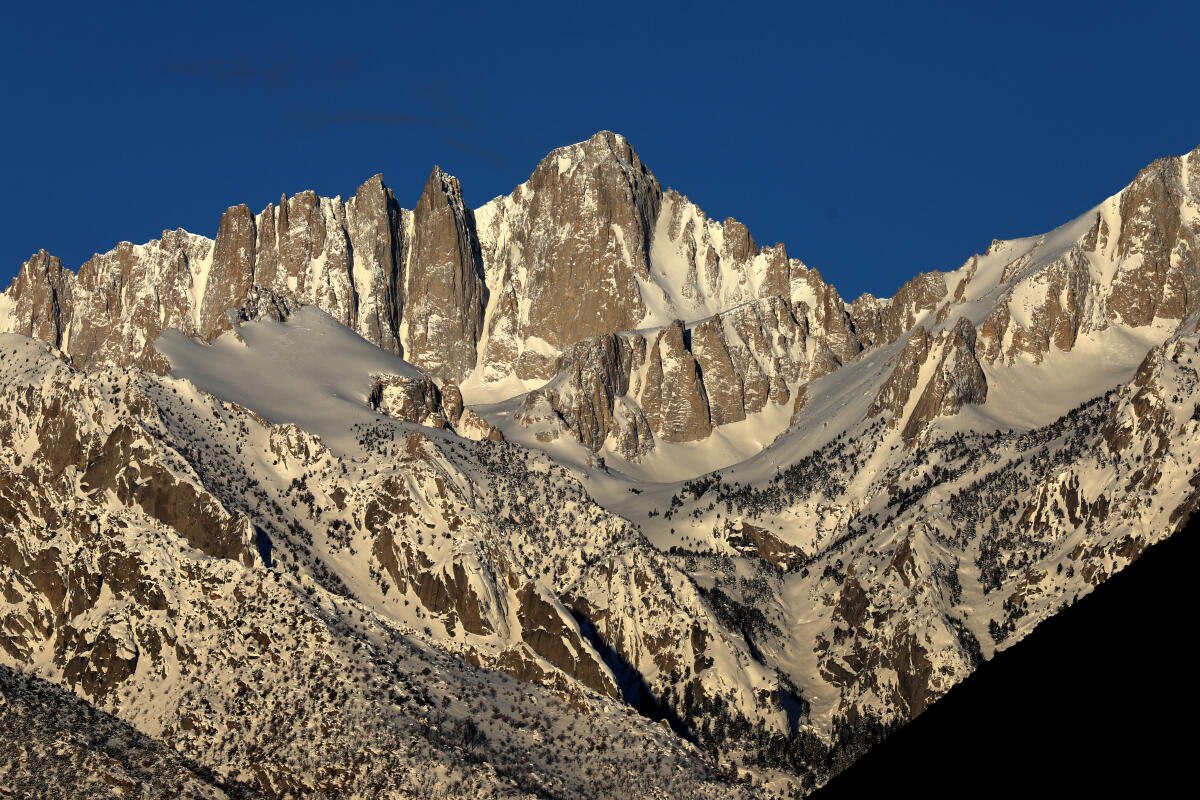
Mount Whitney is already a winter mountain in late autumn

According to reports, around the day for which his permit was valid, the area received 2.47 inches of rain and temperatures dropped to around freezing. After his body was found, another storm brought snow, delaying the recovery by five days. The Mountaineer's Route requires greater technical ability when ice and snow cover exposed sections. Before setting out in late autumn, check the weather carefully and prepare equipment and a retreat plan for ice and snow conditions.

18 Oct 2026 · MountaineeringFatal fall on Mount Whitney's Mountaineer's Route: Search prompted by missed hotel checkout

In the canyon during monsoon season, showers can become walls of water

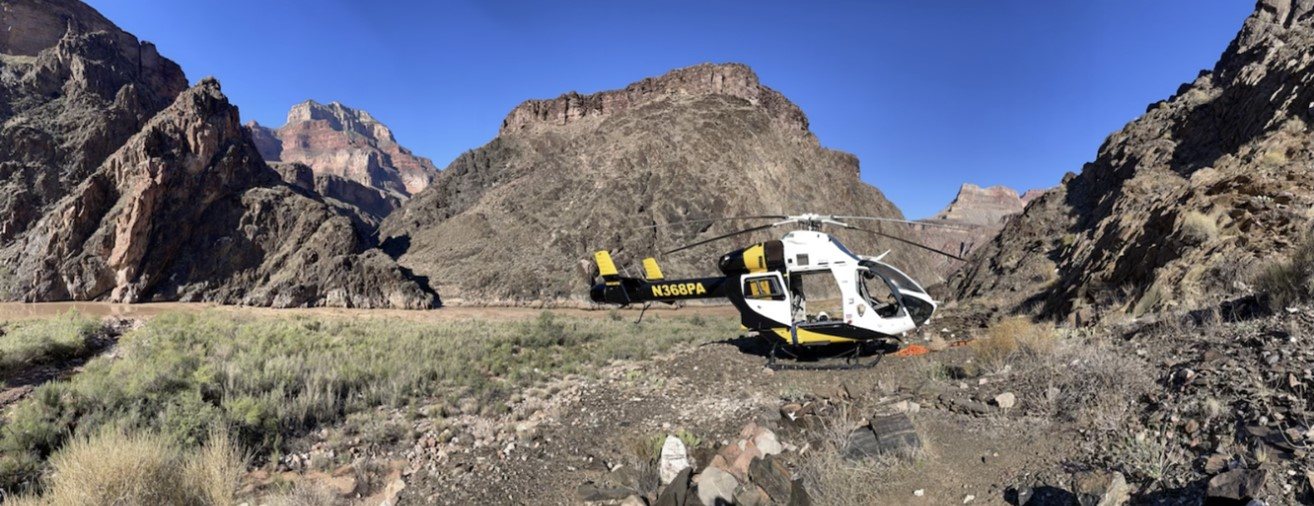
During the Grand Canyon's summer monsoon season, monsoon rain can trigger sudden, powerful flash floods in the Bright Angel Creek area. One analysis noted that the steep, rocky canyon rapidly collects rainwater, and that an ordinary summer shower elsewhere can become a rushing wall of water in the canyon; reportedly, rainfall in the area hardest hit this time was only 1 to 1.75 inches.

29 Aug 2026 · HikingBright Angel Canyon flash flood in the Grand Canyon

Watch for canyons downstream of burn scars

The rain fell on part of the burn scar left by the 2025 Dragon Bravo Fire. Vegetation on burn scars has been burned away, reducing their ability to absorb and slow runoff and worsening flash floods. The National Park Service also warns that burned watersheds can produce debris flows carrying mud, rocks and trees.

29 Aug 2026 · HikingBright Angel Canyon flash flood in the Grand Canyon

A familiar mountain can become unfamiliar

Police said Harris was an experienced hiker who had climbed the mountain before. According to the trail-running group's statement, he took a wrong turn because of bad weather and low visibility; local officials described narrow gorges, dangerous mountain paths and steep drops in the area. A route travelled once before may be unrecognisable in rain and fog.

29 Aug 2026 · MountaineeringClimber separated from companion and dies in fall during descent from Musa ka Musala

After heavy snow, wait for it to stabilise

After the heavy snow around 22 July, most teams chose to leave. According to an interview by National Geographic, one climber who left said that after heavy snow, people should stay put and wait for several days of good weather without snowfall, allowing the fresh snow either to bond firmly or slide down.

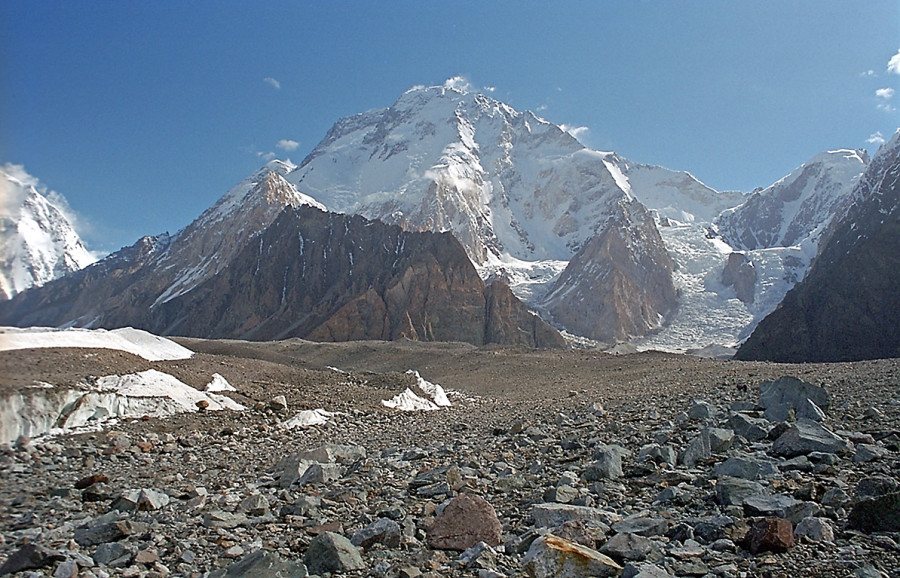
30 Jul 2026 · Mountaineering10 climbers killed in Broad Peak avalanche

Turn back in time in wind and snow

According to reports, a team decided to turn back about 50 meters from the summit on the same day. Weather changes quickly at high altitude, and there should be room to retreat both before and during a summit push.

3 Jul 2026 · MountaineeringMuztagh Ata blizzard accident

A flash-flood warning is a reason to reschedule

The activity was scheduled for a day within the flash-flood risk warning period, and someone had warned before departure that it might rain. According to the rescue team leader, visibility is obstructed at the canyon bottom, and rising water rushing down from upstream cannot be seen at all. Rescheduling when a warning is issued is safer than waiting to assess conditions on site.

28 Jun 2026 · CanyoningXianyou Cidao Canyon stream-tracing accident

In bear country, descend before dark

He planned to watch the sunset at the lookout before descending, and the investigation concluded that the attack occurred after sunset. According to reports, the most important recommendation in the investigation report was to avoid hiking at night. In mountains where bears are present, plan the return to finish before dark, rather than after watching the sunset.

3 May 2026 · MountaineeringFatal grizzly bear attack on the Brown Mountain Trail in Glacier National Park

Watch for sudden weather changes in the mountains in winter

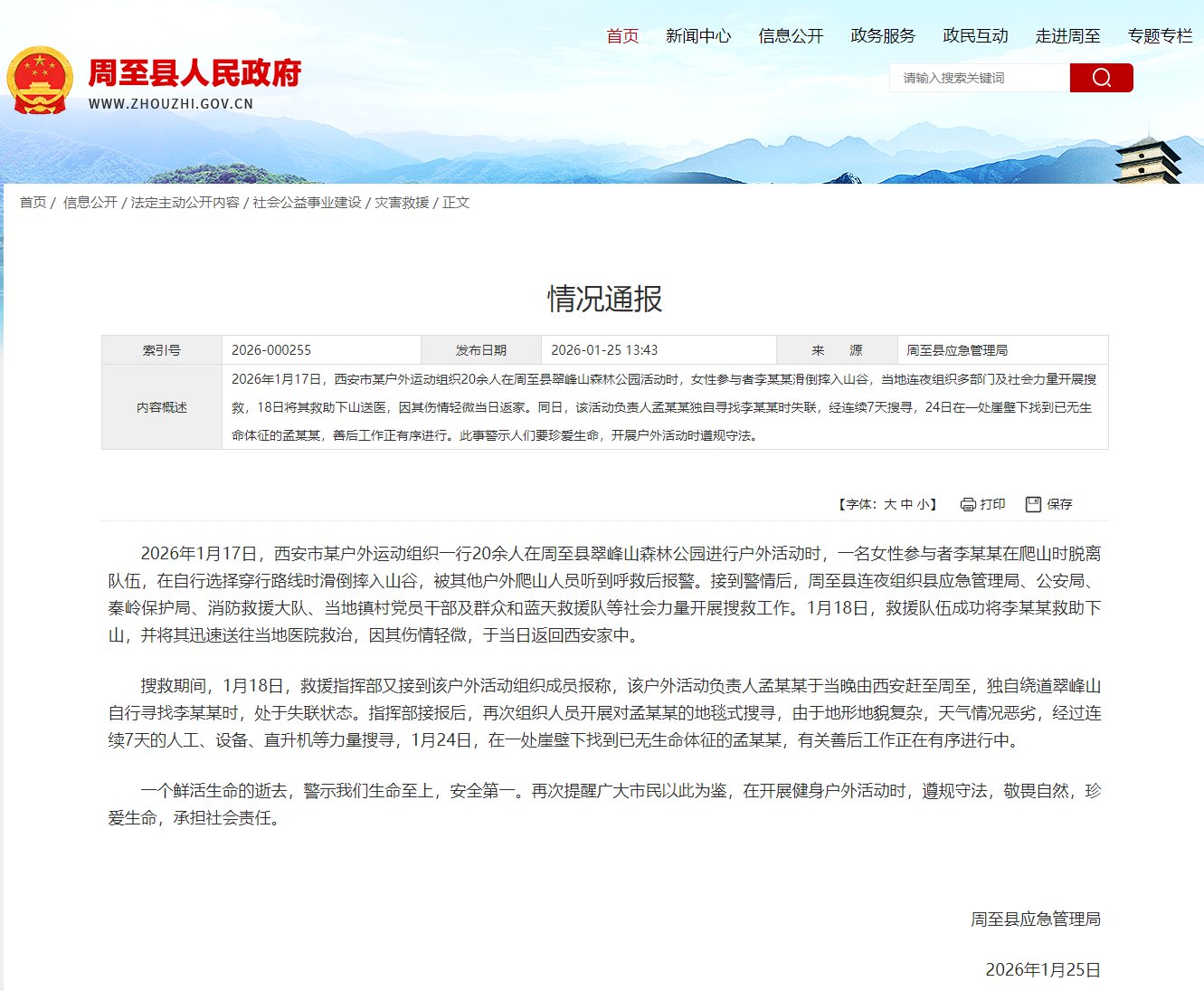
During the search and rescue, Zhouzhi County reportedly experienced rain, snow, freezing conditions and falling temperatures, and even some professional rescuers fell into deep pits. Before going into the mountains in winter, check the forecast and prepare cold-weather equipment; retreat promptly if the weather deteriorates.

17 Jan 2026 · HikingCuifeng Mountain, Qinling: Group member rescued after leaving group and falling; organizer dies searching alone

Forecast bad weather may arrive early

The party knew snow was coming, but it arrived two days earlier than forecast and fell for six days. An ExplorersWeb commentary argued that the cyclone had been forecast well in advance and that the climbers should have descended before the storm arrived. When planning at altitude, allow a margin on either side of the forecast time.

31 Oct 2025 · MountaineeringTwo Italian climbers buried by snow at Camp 1 on Panbari

Turn back when it snows; do not count on clearing weather

Several people who experienced the snowstorm chose to turn back and got out safely. According to reports, many of those who retreated did so because they lacked sufficient clothing or food, or lacked experience. Weather changes quickly in high-altitude mountains, and turning back becomes harder after crossing a key pass.

5 Oct 2025 · HikingLenglongling snowstorm: 251 people stranded in Laohugou

Warnings and the first snow are signals to turn back

The Shigatse City Meteorological Observatory had issued a blizzard warning the day before the storm arrived. According to reports, after a small group encountered snow at Tangxiang on 2 October, its guide decided to abandon the trip to base camp and return by a shorter loop. An independent hiker also broke camp and descended before the blizzard on 4 October. On long, high-altitude routes, shortening a trip upon seeing a warning or the first snow comes at a much lower cost than being stranded.

4 Oct 2025 · Hiking2025 Gama Valley blizzard traps hikers on Everest's east slope

During rockfall season, the time of passage is itself a risk

According to a teammate's recollection, the team passed through the section with the highest rockfall risk in the early morning, when the rocks were frozen. On the descent, they were also told to wait until the other teams had come down before proceeding, to reduce rockfall caused by people. Exposure time on such sections and the number of people on the mountain at the same time are variables that need to be calculated in advance.

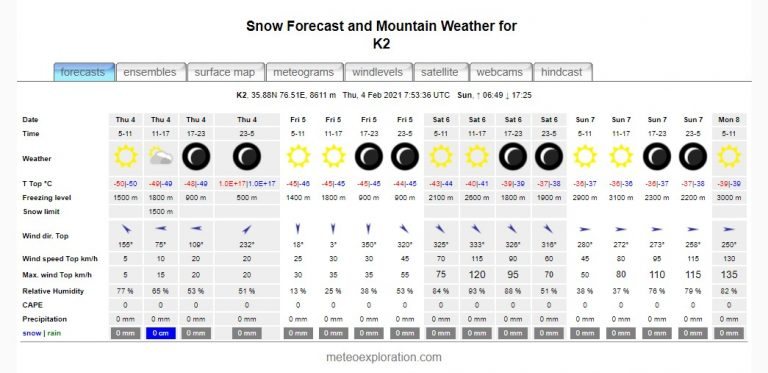
12 Aug 2025 · MountaineeringGuan Jing killed by rockfall while descending K2

Waiting for the water to recede is safer than pressing on

After the closure, local authorities urged stranded hikers to remain at camps and wait for the river to recede before continuing; some still chose to cross the water on foot, while others left the mountains on horseback. The cost of delaying a trip by a few days is far less than the risk of crossing a river in flood. Plans should allow extra time for weather.

30 Jul 2025 · CanyoningWusun Ancient Trail flash flood: Two hikers die after entering water

Mountain weather changes quickly in the rainy season; allow ample margin for retreat

According to reports, there was heavy fog and showers on the day she lost contact, followed by days of rain. On 5 July, Lijiang issued a Level II meteorological risk warning for geological disasters. Weather disrupted search and rescue on both 3 and 5 July, and the rescue team was ultimately only able to go up the mountain during the window on 6 July.

1 Jul 2025 · MountaineeringFemale university student falls from cliff while hiking alone on Liushapo, Yulong Snow Mountain

Rain affecting a canyon may fall elsewhere

According to a weather official, narrow canyons can cause rainwater to collect and rush downstream, forming a flash flood. Check the rainfall forecast before entering a narrow canyon, and during the rainy season keep time spent on the canyon floor as short as possible.

22 Aug 2024 · HikingHavasu Creek flash flood

Descend before the weather worsens in the afternoon

On the day of the incident, the party encountered a blizzard during the descent. One commentator argued that although the trek was rated moderate, it had no buffer or acclimatisation days, and the party remained on the mountain until 3 p.m.; this is the author's view. High-altitude routes should be planned around a latest turnaround time, allowing sufficient margin to descend before the weather worsens.

3 Jun 2024 · Hiking9 killed in blizzard on Sahastra Tal trek

Reconsider when the forecast warns of a storm

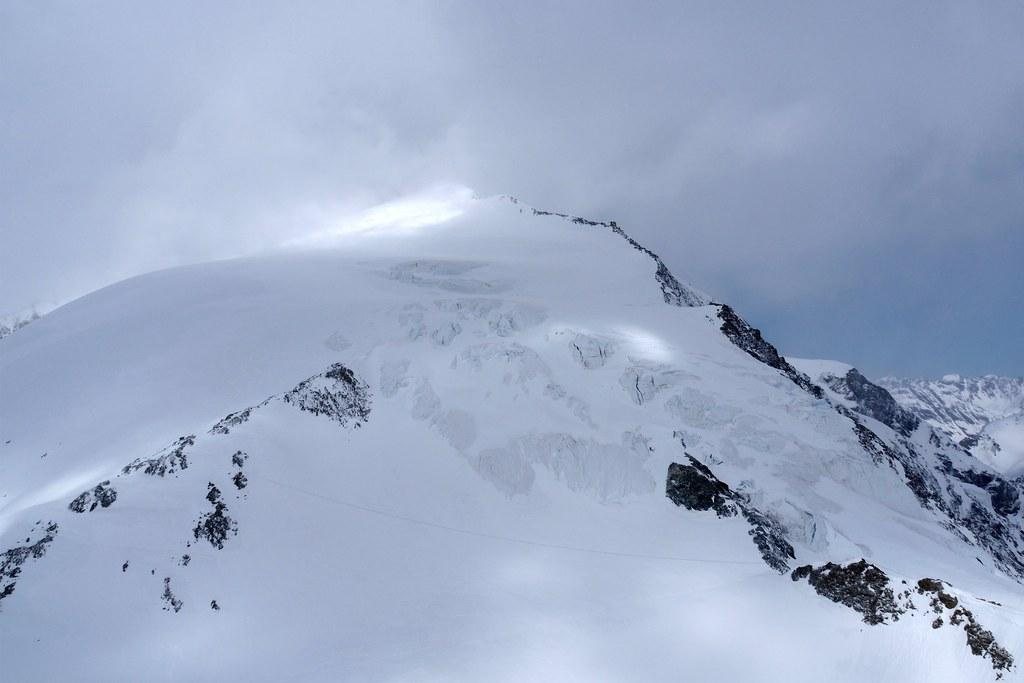
The weather was clear on the morning the group set out, but the forecast had warned of a strong storm that afternoon. Rescue chief Truffer considered it imprudent to travel in such a forecast; the head of the mountain guides' association also warned that weather conditions, including wind, can deteriorate rapidly.

9 Mar 2024 · MountaineeringTête Blanche snowstorm: Six ski mountaineers die

Do not enter Lop Nur in midsummer

In summer, surface temperatures in Lop Nur can reach a maximum of around 70 degrees Celsius. Several people in the field and explorers advise against entering in summer. According to reports, the guide's autopsy concluded that he had suffered heatstroke.

26 Jul 2023 · HikingFour die in Lop Nur self-drive convoy in 2023

A lifted advisory does not mean a gorge is safe

According to the prosecutors' investigation, the previous night's heavy rain advisory was lifted before the group set out, but that afternoon the weather bureau issued another heavy rain advisory and an immediate severe thunderstorm warning, by which time the group was already deep in the gorge. A survivor said the heavy rain arrived in an instant, leaving no time to retreat. During seasons of strong afternoon convection, check the afternoon forecast before entering a gorge and leave room to withdraw at any time.

20 May 2023 · CanyoningCanyoning group caught in heavy rain at Feilong Waterfall

Leave when a flash flood warning is issued

Before the incident, the weather service had issued a flash flood warning, and flood warnings were also in effect for the park area. Rock walls about 300 metres high rise on both sides of the slot canyon, leaving almost no escape routes, according to reports. Checking the forecast before setting out and leaving the canyon once a warning is issued is the safest choice.

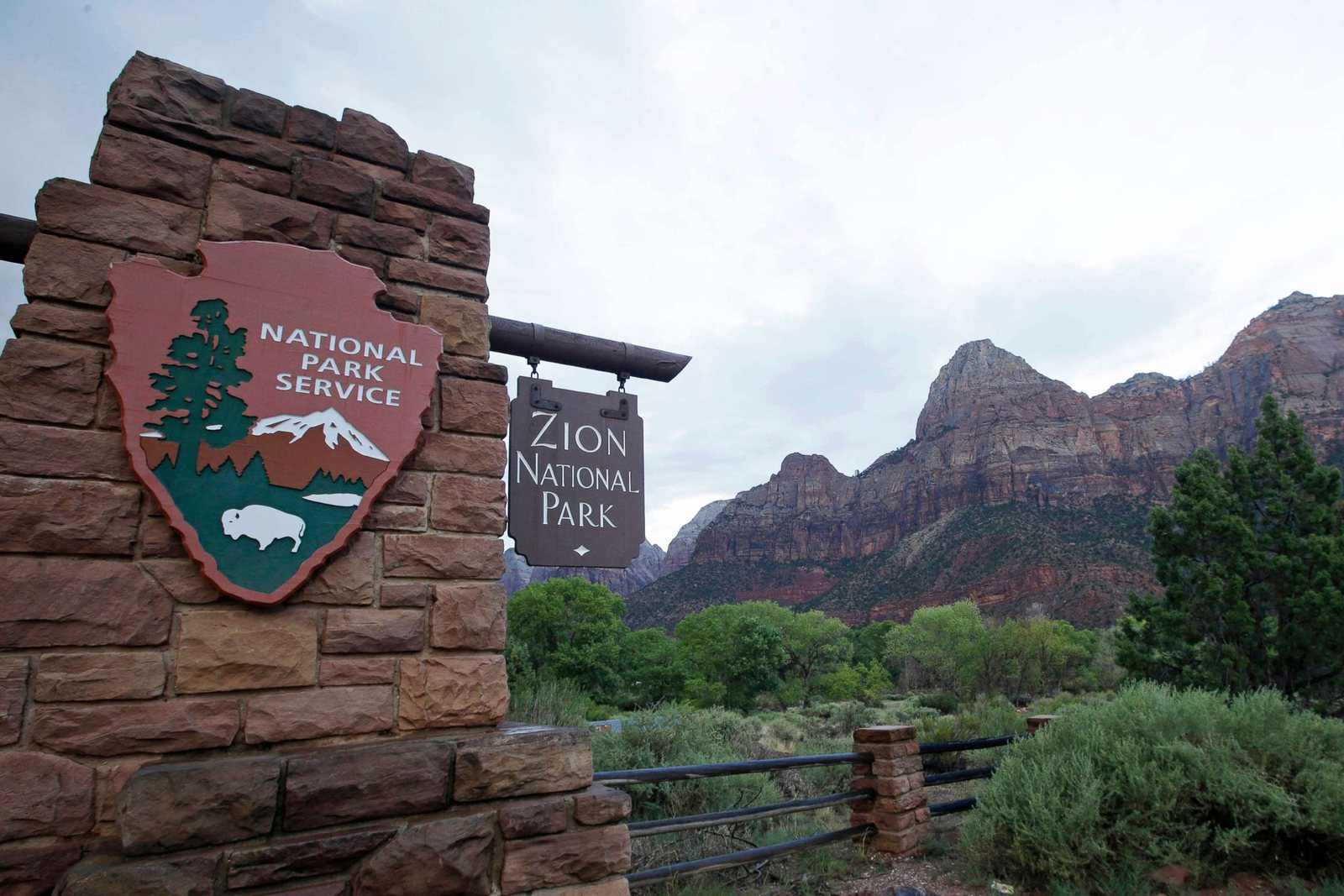
19 Aug 2022 · HikingThe Narrows flash flood: Doctoral student swept away in Zion National Park

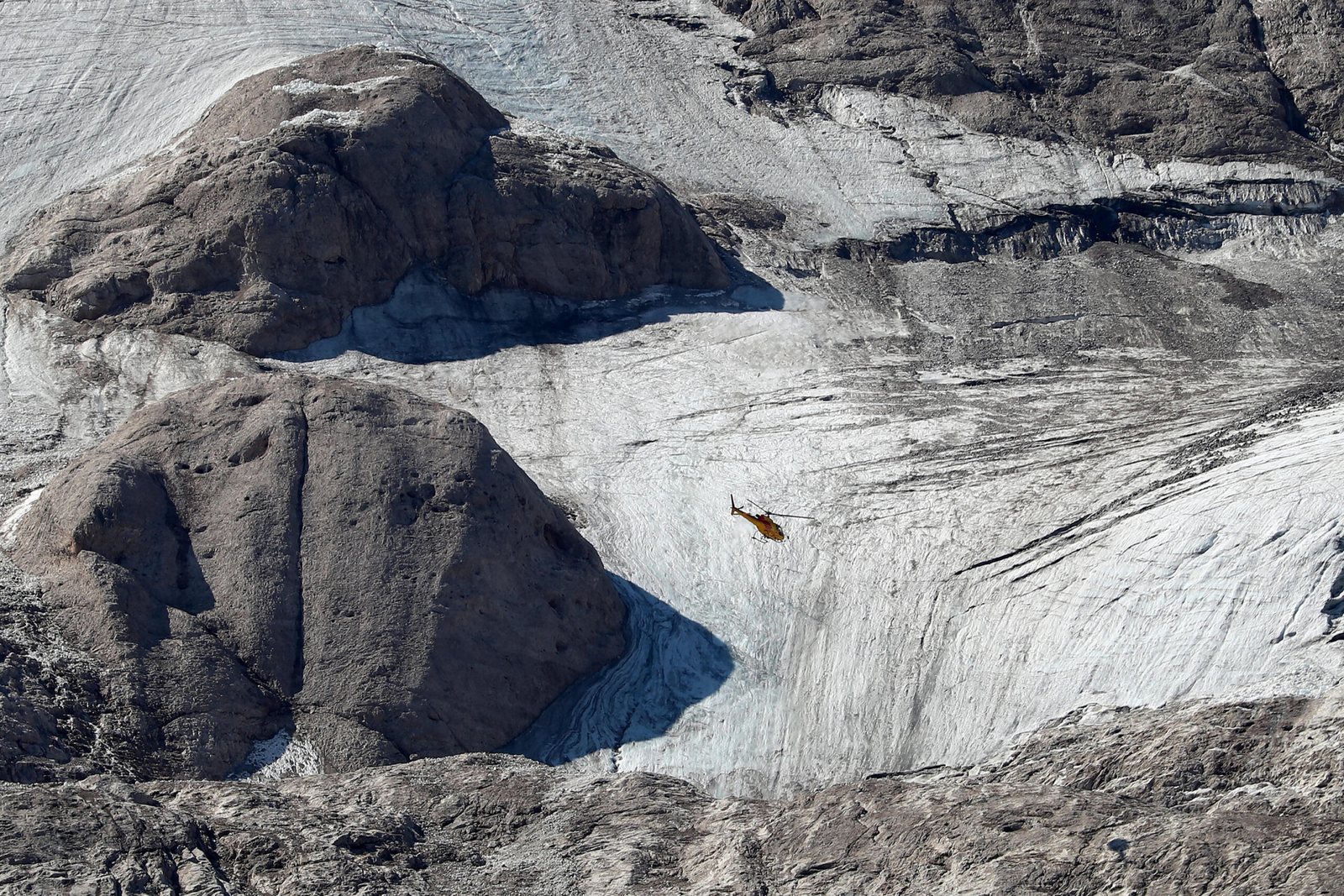
Heatwaves can change glacier hazards

Before this collapse, winter snowfall had been below average, a record high temperature had been recorded at the summit, and temperatures on the glacier had remained above freezing for several days. The expert assessment found that surface melting, water flowing beneath the ice and cracks together accelerated the glacier's disintegration. During consecutive days of high temperatures, routes beneath glaciers and ice towers need to be reassessed rather than followed on the basis of ordinary experience.

3 Jul 2022 · MountaineeringMarmolada glacier collapse

For a winter pilgrimage, check warnings before setting out

Reports said there was a local wind and snow warning and that people had tried to persuade the 5 to turn back, but they went up the mountain around the time of the heavy snowfall. Purang police advise that ice and snow hazards are frequent here from late November to late April each year. When faced with warnings and advice to turn back, abandoning or postponing the trip is the safest choice.

2 Feb 2022 · Hiking2 die during winter pilgrimage around Mount Kailash

Consider the season and weather window together

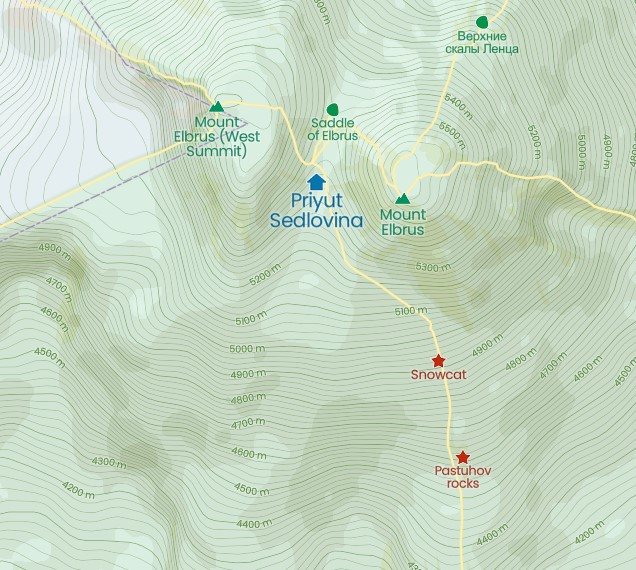
Investigators found that weather conditions were unfavorable for climbing the West Peak from the south slope in September, and that this had not been considered in the planning. According to reports, two parties hoped to reach the summit within a weather window, while other guides did not lead parties to the summit that day because of the weather.

23 Sep 2021 · MountaineeringCommercial climbing party caught in a blizzard on Mount Elbrus

Have a way to stop the race after a warning is issued

Before the race, the organizing committee received a special meteorological report and a blue high-wind warning. The investigation found that no effective measures were taken. The weather did not meet the standard for extreme weather, but it had a high impact on a 100 km ultramarathon. The race was ultimately forced to stop because large numbers of runners withdrew, rather than being proactively suspended. Races need to establish in advance the conditions for stopping and who will make the decision.

22 May 2021 · Other21 Deaths in the Yellow River Stone Forest 100 km Ultramarathon

Avoid the busiest summit days

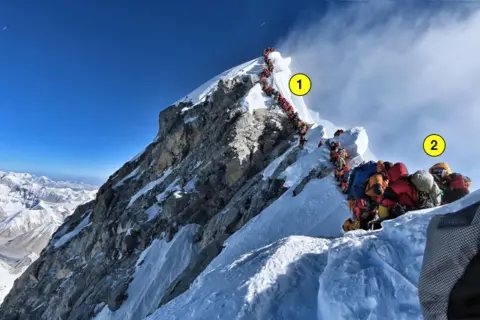
Good-weather windows were brief that season, and large numbers of climbers crowded onto the route for summit attempts on 22 and 23 May. Experienced guide teams would adjust their summit day or departure time to avoid the crowds; Göttler, climbing without supplemental oxygen, turned back about 200 metres from the summit because he did not want to take the risk amid the congestion.

22 May 2019 · Mountaineering2019 Everest “Traffic Jam” and Deadly Season

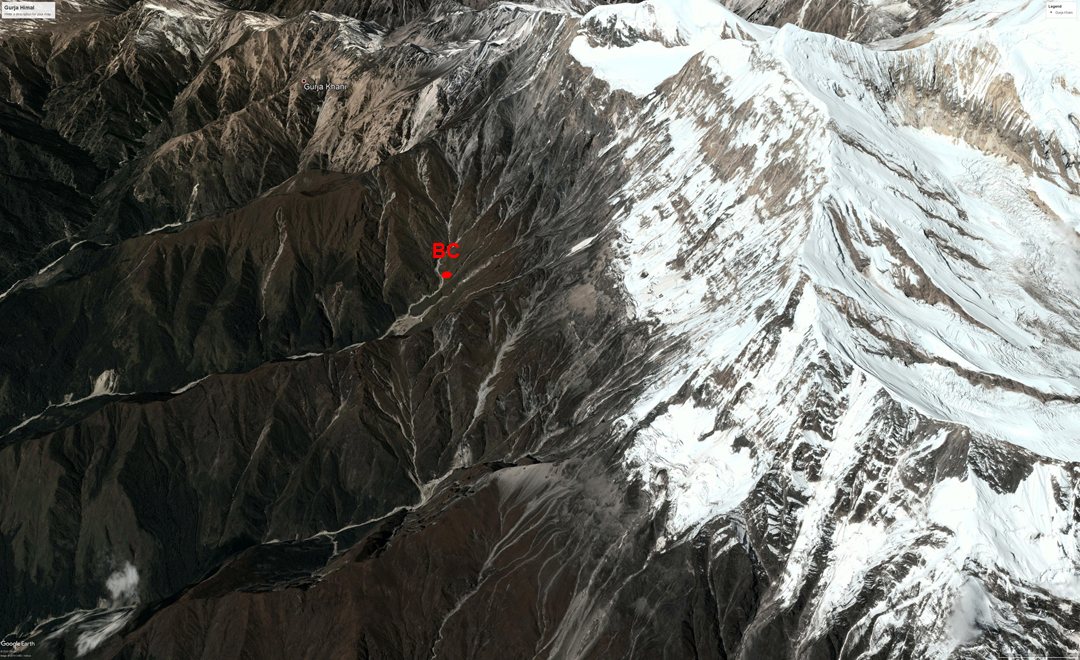
Allow a greater safety margin when the cause is unknown

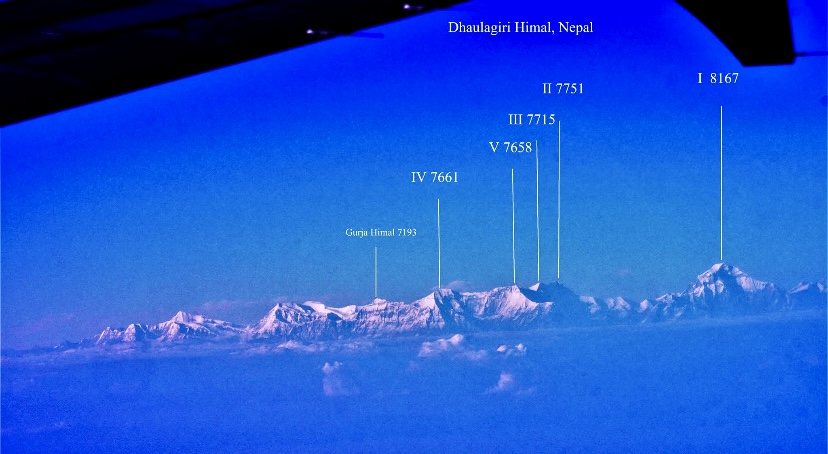
Landslide, avalanche, air blast and strong wind: none of the explanations has been established. When the mechanism of danger is unclear, keeping a greater distance from large rock faces overhead is more prudent than betting on one particular assessment.

12 Oct 2018 · MountaineeringNine killed at Gurja Himal base camp

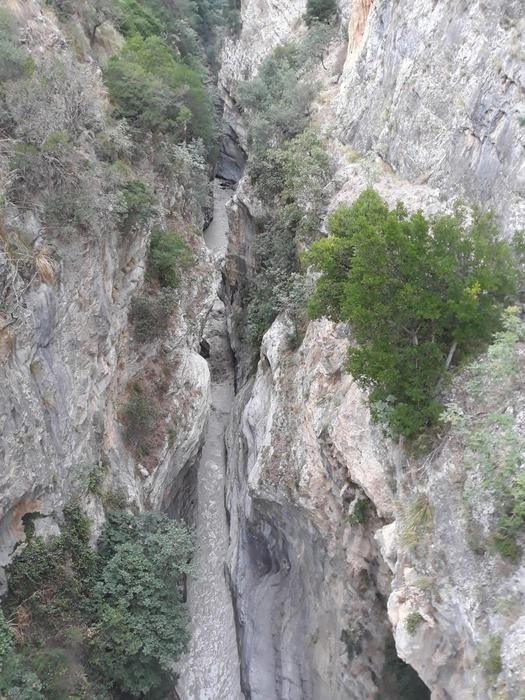
Accidents can happen under a yellow alert

Only a yellow weather alert was in effect locally at the time; the flood surge came from heavy rain upstream. According to reports, the gorge has steep rock walls on both sides and is only about 4 metres wide in some places. Before entering a gorge, check the weather across the entire drainage basin, especially upstream.

20 Aug 2018 · CanyoningRaganello Gorge flash flood

When a storm is forecast, do not count on it arriving late

A storm had been forecast before departure. The clear morning weather did not last, and the storm arrived earlier than expected. Weather windows in the high mountains are often shorter than forecast. On days when bad weather is forecast, set turnaround times and retreat points in advance; it is better to wait another day.

29 Apr 2018 · HikingPigne d'Arolla storm night: 7 ski tourers killed

Check fire conditions before entering grass-covered hills in the dry season

Local experts and forest officials both said that forest fires are common in this area from late winter to early summer. The area where the fire broke out has abundant grass and few trees, and the hillsides are covered with dry grass in the dry season. A nearby forest fire had already been burning for almost a week before the incident. Before travelling to grass-covered hills in the dry season, ask the forest department and local villagers about recent fire conditions; postpone the trip if there is a fire.

11 Mar 2018 · HikingKurangani forest fire traps two trekking groups

Clear weather does not mean no rockfall risk

The weather was reportedly clear on the day of the incident. The American Alpine Club's review notes that most rockfalls in Yosemite occur during rain, snowmelt or freezing periods in winter and early spring, but large rockfalls like those on El Capitan have also occurred in warm, stable weather.

27 Sep 2017 · OtherEl Capitan rockfalls: Two days at the foot of Yosemite's cliff

In bad weather, wait in place or descend

On the same day, one group rested in place at Yaowang Temple, while the Yunnan group continued through the wind and snow, unaware that there was a route down from the side of the ridge partway along the traverse. Learning the descent routes along the way before setting out, and stopping to wait or descending early when the weather worsens, is safer than pressing on to the next campsite.

3 May 2017 · HikingThree killed in blizzard during 2017 May Day holiday Ao-Tai traverse

When the weather changes abruptly, first establish where the route is

In this accident, snowfall covered the horse trail, and after straying from the route, the four walked through the night without finding their way. When snowfall occurs in an area where the route is unclear, it is safer to establish your location where you are and call for help promptly than to keep trying to find a way.

24 Sep 2016 · CanyoningFour hikers lose their way in Kanas; female university student dies in Tuergun River

Do not enter a slot canyon when flash floods are forecast

The day's forecast had already warned of thunderstorms and flash floods, with a higher risk in slot canyons, and the group was also told of the danger when collecting the permit. A permit being issued only means there is no official warning; it does not mean conditions are safe.

14 Sep 2015 · OtherKeyhole Canyon flash flood in Zion National Park

Stay in shelter during a storm

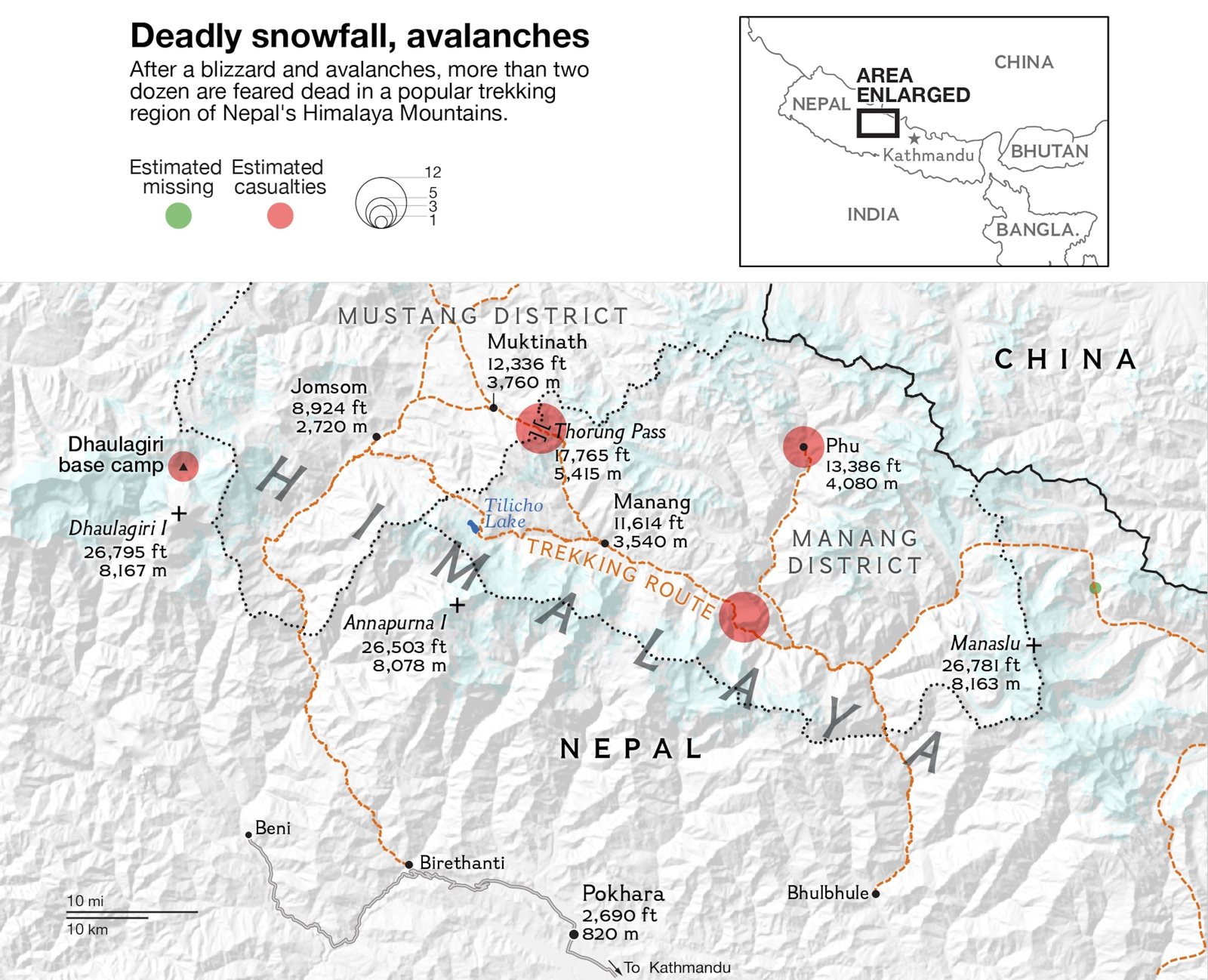
Several of those who died were caught by heavy snow while descending from Thorong La. The rescued Israeli trekkers believed their guide's advice to remain in the teahouse during the storm may have saved their lives; the veteran guide Gael's advice was not to leave shelter during a blizzard. According to reports, the group descended after seeing clear weather the next day but still lost their way in chest-deep snow.

14 Oct 2014 · HikingThe Blizzard at Thorong La

Early signs of a warning

After the cyclone made landfall in India, Nepali television warned on 13 October that rain and snow were coming; a climate expert said the meteorological department had issued warnings of strong winds and heavy rain. On 14 October, trekkers were still climbing towards the pass after it had begun to snow. Disaster authorities said the message reached local police stations too late.

14 Oct 2014 · HikingThe Blizzard at Thorong La

Descending in deteriorating weather

It was already evening when the three returned to camp after reaching the summit. Snow began falling shortly afterwards, and they continued their descent after packing up camp; the accident occurred soon afterwards. Evening and snowfall can make the ground harder to discern, making it worthwhile to allow more margin in the timing and route of a descent.

9 Jul 2012 · MountaineeringYan Dongdong dies in crevasse on Mount Qelebos

High mountains can still be in midwinter during Golden Week

During the latter half of Golden Week in 2012, a low-pressure system and cold air brought midwinter-like weather to the Northern Alps, and mountain accidents occurred in succession. On Mount Shirouma that morning, there was no wind and blue sky was visible; by afternoon, a snowstorm had developed on the ridge.

4 May 2012 · MountaineeringMount Shirouma Golden Week storm: Six older climbers from Kitakyushu die of hypothermia at Sangokuzakai

Racing the change in weather on summit day

Both teams made their summit attempts in the same weather window: the two Polish climbers reached the summit in the morning, and the weather on the mountain deteriorated markedly during their descent, with stronger winds and reduced visibility. The three climbers had originally planned to reach the summit in the afternoon and were still about 450 metres from it when they called. On a winter summit attempt at high altitude, the turnaround time must take the forecast time of a change in weather into account.

9 Mar 2012 · MountaineeringWinter traverse of Gasherbrum I: Three disappear below the summit

If there is a known fire, ask whether the race should go ahead

The committee found that the organisers knew there were fires on and around the course on race day but did not consult the relevant authorities about rerouting or cancelling. When outdoor events encounter signs of fire danger, organisers should first stop and ask people qualified to assess the situation before deciding whether to continue.

2 Sep 2011 · OtherBushfire traps competitors in Kimberley ultramarathon

Retreat early; do not wait for the weather to “improve”

The wind and rain were already strong on the day of departure, but the group set out on the expectation that conditions would improve. According to reports, another group on Mount Asahi heard the same forecast that day but called off its trip, taking into account that weather changes reach the mountains later than the lowlands, and did not encounter danger.

16 Jul 2009 · MountaineeringHypothermia deaths in Mount Tomuraushi tour group

A simple route can cease to be “simple” in a storm

Aconcagua's normal route is not highly technical; the main risk is severe storms. The author of a report concluded that a simple route is simple only while one remains on it: when visibility is close to zero, straying from the route can lead into entirely different terrain.

7 Jan 2009 · Mountaineering2009 Aconcagua Italian climbing team deaths in storm

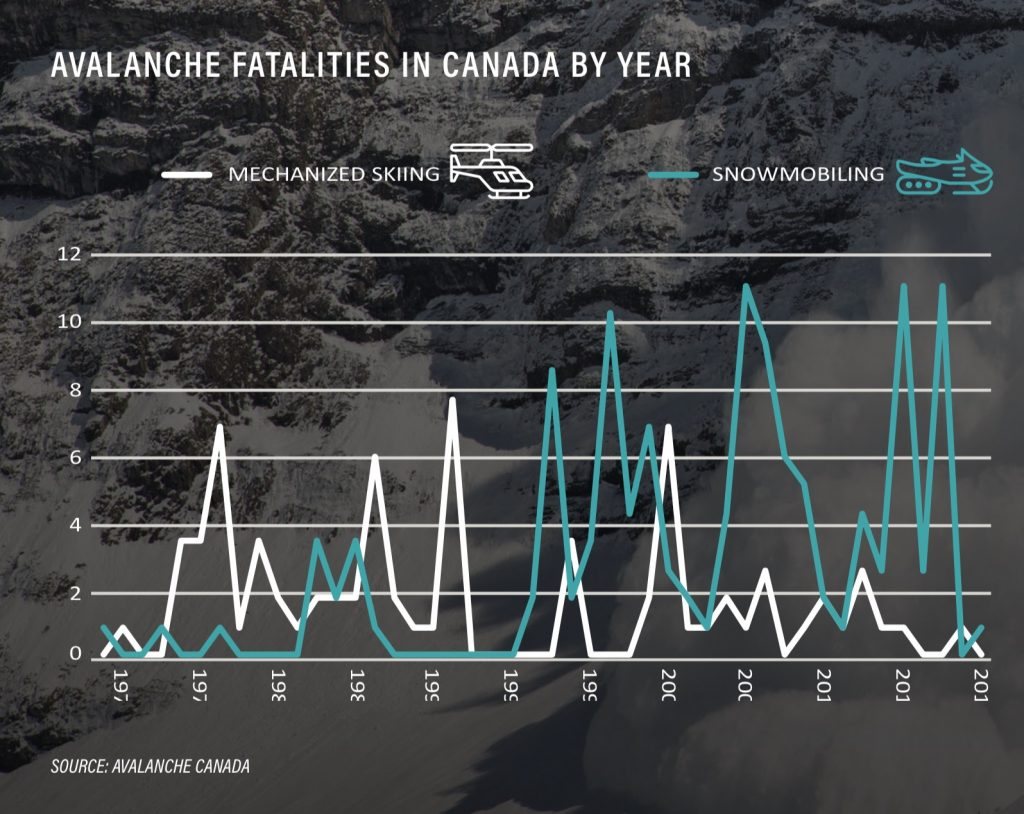
Snowpack overloaded after sustained heavy snowfall

Heavy snow had fallen around Fernie in the days before the incident. An avalanche centre forecaster said that a large amount of new snow combined with a period of warming had overloaded the snowpack. Heavy snow was still falling in the mountains at the time, and low clouds obscured the peaks.

28 Dec 2008 · OtherHarvey Pass avalanche: Eight snowmobilers from Sparwood killed

When thunderstorms are forecast, treat clouds as off-limits

The day's weather briefing had already forecast scattered thunderstorms, and the only warning pilots received was to stay farther away from clouds. Even clouds that do not look dangerous can grow rapidly in developing thunderstorm conditions, and paragliders flying beneath or near developing clouds may be sucked into them.

14 Feb 2007 · OtherManilla thunderstorm: Two paragliders caught in cumulonimbus cloud during training, one survives and one dies

Rescue capabilities are limited outside a weather window

Heavy snow, strong winds, poor visibility and the threat of avalanches repeatedly prevented rescuers and aircraft from approaching higher elevations. Planning in advance how to retreat or wait if the weather worsens is more reliable than responding on the spot.

7 Dec 2006 · Mountaineering2006 Mount Hood winter climbing accident

Failing to return to camp means a night in the death zone

Sharp did not return to camp on the evening of 14 May and spent a night above 8000 metres. The north-side high camp itself is at approximately 8230 metres; once exhausted, a person must walk for several hours to reach slightly denser air.

15 May 2006 · MountaineeringDavid Sharp dies on Everest's north side

Consider where to retreat

The party retreated from advanced base camp to base camp because of heavy snow, a common conservative decision, but the avalanche struck the very camp to which they had retreated. The retreat destination itself must also be assessed for whether it lies within an avalanche's potential reach.

20 Oct 2005 · MountaineeringKang Guru Base Camp Avalanche

Factor warning signs into the decision before setting out

Before the climb, Humar’s website had reported frequent avalanches near the route, and the forecast offered only a roughly three-day window of good weather. He encountered heavy snow in the middle section of the face and became stranded, with avalanches and snow slides occurring repeatedly around him. When the weather window is short and there are many signs of avalanche danger, plan how to retreat if the window closes before setting out.

Aug 2005 · MountaineeringHumar stranded and rescued on Nanga Parbat’s Rupal Face

Account for afternoon thunderstorms by the hour

There had been afternoon thunderstorms on each of the two days before the accident. The report said the forecast and recent weather should have indicated the risk on the afternoon of the 26th. Teton rangers generally recommend leaving the summit by noon or 1 p.m.; departure and turnaround times should be planned backward from that deadline.

26 Jul 2003 · MountaineeringLightning strike on Grand Teton's Exum Ridge

Thunderstorms may come without warning

According to the report, the fatal strike was the thunderstorm's first lightning strike, and no thunder could be heard as it approached. Many climbers later said the clouds “didn't look that bad”. Climbers cannot wait until they hear thunder to retreat; they should already be descending when the dangerous period arrives.

26 Jul 2003 · MountaineeringLightning strike on Grand Teton's Exum Ridge

The season itself is a risk

According to background information, the rainy season in the Everest region runs from early June to mid-September, and spring and autumn are better seasons for climbing Shishapangma. The team continued establishing the route and pushing for the summit despite increased precipitation and unstable weather in early August. When choosing a climbing period, plans should account for snowfall and avalanche risks during the monsoon.

7 Aug 2002 · MountaineeringPeking University Mountain Eagle Club Shishapangma West Peak accident

Campsite location on a stormy night

In this accident, a flash flood suddenly swept into the campsite at night, leaving those in the tents almost no time to react. One outdoor club manager considered camping in a low-lying area a major mistake in wilderness survival. Once a thunderstorm has begun, the campsite location and evacuation route warrant advance consideration rather than waiting until the water arrives to make a decision.

19 May 2002 · HikingHikers killed in rainstorm and flash flood on Shenzhen's Qiniang Mountain

Set a firm turnaround time and stick to it

Both teams encountered wind and snow in the afternoon as they approached the summit. A member of the Guangdong team continued toward the summit after the order to descend; according to reports, the Beijing team leader had set a mandatory descent deadline of 15:30, and the team members abandoned their summit attempt at about 3 p.m. A turnaround time should be set before departure, and climbers should turn back when it arrives, no matter how close they are to the summit.

6 May 2000 · Mountaineering2000 Yuzhu Peak mountaineering accident

Thunderstorms can strike upstream, out of sight

The sky at the gorge entrance does not represent conditions across the entire catchment. After a thunderstorm struck the funnel-shaped catchment upstream of Saxetenbach, the creek rose rapidly, while the guides at the entrance could not see the storm. Before entering a gorge, it is the weather across the entire catchment that needs to be checked.

27 Jul 1999 · HikingSaxetenbach canyoning flash flood

Understand the margin in forecasts

The review found that the Bureau of Meteorology assumed users would allow for winds and waves above the forecast, while the fleet thought actual conditions would be similar to or slightly stronger than forecast. Before going to sea, understand what the forecast figures mean and prepare for the worst.

27 Dec 1998 · Fieldwork1998 Sydney–Hobart yacht race storm

Clear skies overhead do not mean safety

Almost no rain fell at the site; the flood came from a thunderstorm farther upstream. Before entering a slot canyon, check weather forecasts and warnings for the entire drainage area, and do not enter if there is a thunderstorm warning.

12 Aug 1997 · HikingAntelope Canyon flash flood

Avoid the hottest season

June is the hottest and sandiest time of year at Lop Nur. According to reports, Yu Chunshun had originally planned to set out in September but changed the date to June to accommodate the filming schedule. The time window for a desert crossing should be determined by the climate, not by external schedules.

13 Jun 1996 · HikingYu Chunshun's death at Lop Nur

Weather changes can alter descent conditions

After the blizzard struck, visibility fell, fixed ropes were buried, and the tracks back to camp were erased. Even a few hundred meters from camp, descending climbers may still have difficulty finding the tents.

10 May 1996 · Mountaineering1996 Mount Everest disaster

Rare snowstorms can also occur in autumn

The storm occurred in November and was considered by researchers to be the most intense autumn storm in at least 50 years, with one to two metres of snow falling at higher elevations in Khumbu. According to reports, Nepal's meteorological department issued specialised weather forecasts only when requested, and the trekking company had not requested one on this occasion.

11 Nov 1995 · Hiking1995 Phangka avalanche in the Gokyo Valley: Lodge buried on a night of heavy snow, Japanese trekking group and Nepali guides killed

Set a turnaround time before setting out

The summit climbers did not reach the top until after 6 p.m., only an hour or two before nightfall and the storm. The weather appeared stable before the incident, and Explorersweb commented that the climbers believed they still had enough time. Setting a firm turnaround time in advance is more reliable than making a judgment on the spot at high altitude.

13 Aug 1995 · Mountaineering1995 K2 storm: Hargreaves and five others missing after reaching the summit

Landmarks can disappear in a sandstorm

After the eight-hour sandstorm, he woke the next day to completely unfamiliar terrain and found it difficult to determine his direction even with a compass and map. In dune country, sandstorms can erase markers and footprints. Recording the last reliable position and direction before visibility returns is more important than continuing by instinct.

14 Apr 1994 · OtherSahara marathon runner lost for nine days after sandstorm

Avalanches and melting snow make climbing dangerous

Reports noted that avalanches and melting ice and snow can make climbing Chimborazo dangerous. Before setting out, climbers should learn about snow conditions for the season and recent weather, and be prepared to abandon the summit attempt if conditions are poor.

10 Nov 1993 · MountaineeringChimborazo avalanche

The descent is the second half

Several people ran into trouble while descending after reaching the summit that season. On 4 August, members of several teams reached the summit one after another only in the afternoon. On the descent, they slipped and fell and had to spend the night in the open; by the next day, the storm had arrived. Summit timing must allow a margin for the descent and changes in the weather.

4 Aug 1986 · Mountaineering13 killed in K2's 1986 “Black Summer”

Descending in storms and at night increases terrain risks

The two continued lowering in the storm and after nightfall, entering a dangerous line above an ice cliff when they could not see clearly. When fatigue, frostbite and poor visibility combine, judging the descent route becomes very difficult.

8 Jun 1985 · MountaineeringSiula Grande: The cut rope

Turn back when necessary

The team returned to base camp because of a storm on their second day on the face, and after setting out again, turned back in time at the rock band. Each retreat was itself the right decision, showing that on high-altitude big faces, plans need to be repeatedly adjusted for weather and terrain.

17 Oct 1982 · Mountaineering1982 Annapurna South Face: Alex MacIntyre killed

The race must give way to the weather

In 2007, the Met Office warned of extreme weather similar to that of 1979. The race start was postponed, and most boats sheltered in port. When faced with a storm warning, postponing or abandoning the plan is worth considering over following the original schedule.

14 Aug 1979 · Other1979 Fastnet Race storm

Summit weather can change in half an hour

Strong winds and high-altitude cirrus clouds were already present early that morning. The two reached the summit in fog, and within half an hour of their separation, conditions became a whiteout. High-altitude cirrus clouds and thickening fog are signals to take seriously; the closer climbers get to the summit, the more margin they need to leave for the descent.

26 Sep 1975 · Mountaineering1975 Everest Southwest Face: Mick Burke missing after solo summit bid

The window for retreat is short when a storm is forecast

The camp had advised everyone to descend on 4 August. After reaching the summit on the evening of 5 August, the women's team encountered a sudden drop in visibility and could only pitch tents where they were and wait. Most sources say they did not begin descending until someone fell ill on 6 August. During a weather warning, a turnaround time needs to be set in advance, and “descend first if the weather worsens” should be written into the plan.

Aug 1974 · MountaineeringEight members of Soviet women's mountaineering team die on Lenin Peak in 1974

Weather information can easily be interrupted in the mountains

The party had already waited for the previous typhoon to pass before setting out. Radio reception was poor after they entered the mountains, and they learned of Nadine's approach only after reaching the ridgeline; according to reports, the sea warning was not issued until the evening of the 24th. On multi-day trips, the conditions for retreating and alternative routes should be considered in advance in case information is interrupted.

25 Jul 1971 · Mountaineering1971 Tsing Hua University Nuclear Engineering Department Qilai Mountain Disaster

The window of good weather was short

The summit was reached on 15 July in good weather. Two days later, the wind had weakened when the second group set out, but they reached the summit the following day in whiteout visibility and subsequently encountered a storm. According to reports, the storm was later described by meteorological authorities as a once-in-a-century event. The descent after a summit attempt requires the same margin as the ascent.

18 Jul 1967 · Mountaineering1967 Denali Wilcox Expedition disaster

Competitive pressure can change the original plan

Harlin originally intended for three climbers to travel light and wait for good weather before making a fast ascent. In the end, he ascended the fixed ropes despite a poor forecast to keep pace with his rivals' summit attempt. A competitive mindset can make people accept timing and risks they otherwise would not. Before setting out, it is worth asking again: If there were no rivals, would I still go now?

22 Mar 1966 · MountaineeringEiger North Face direttissima: John Harlin killed in rope failure

Even on a snowless night, wind adds snow to the slope

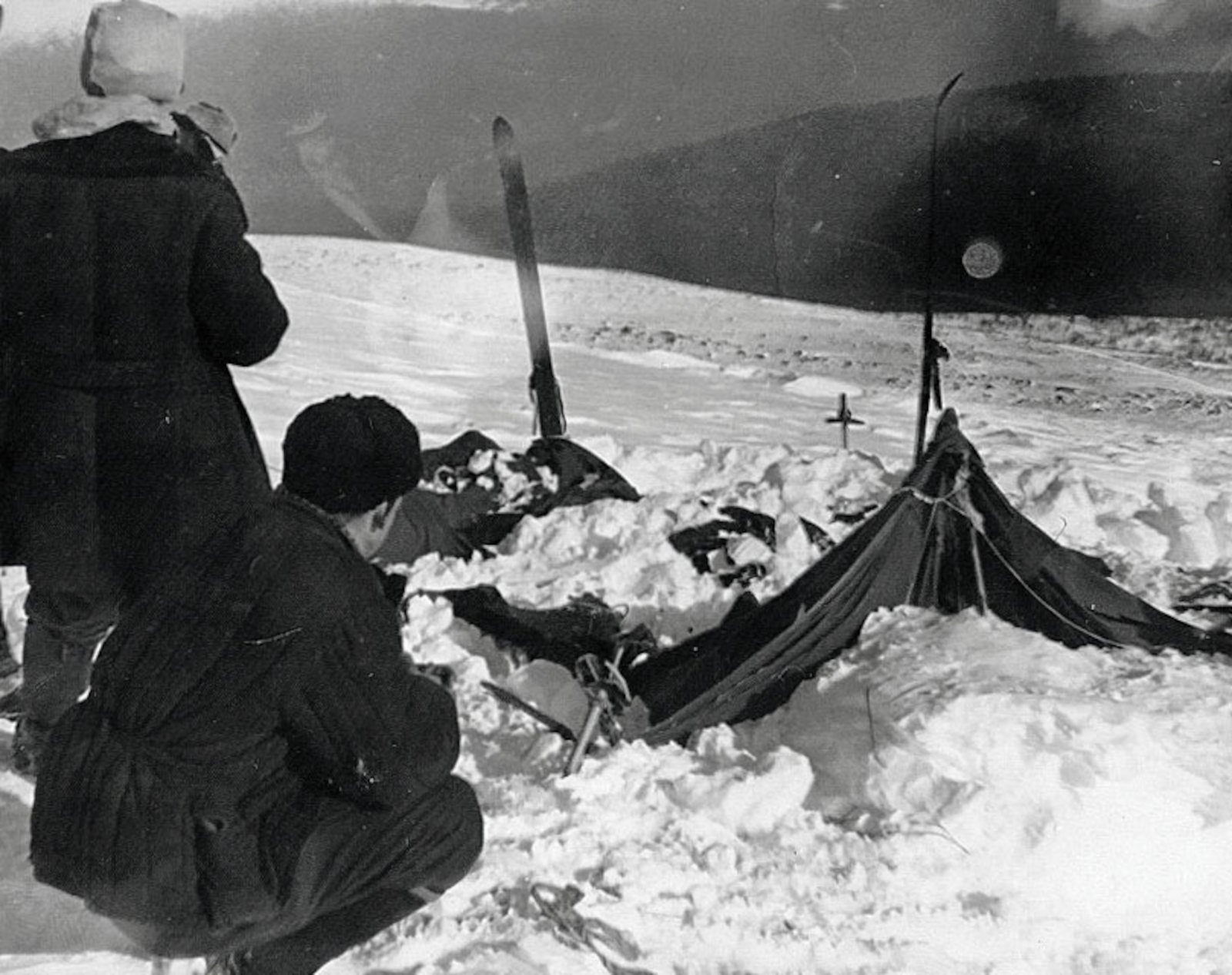
Reportedly, there was no snowfall on the night of the incident, but there were strong downslope winds. The study held that snow carried by the wind gradually accumulated above the tent and was key to the delayed avalanche. When camping, pay attention to wind direction and snow accumulation on leeward slopes.

1 Feb 1959 · HikingDyatlov Pass incident

Do not treat bad weather as a brief interruption

According to Streather's account, the team believed, based on previous records, that the monsoon had little effect on the Karakoram and that the bad weather was only local. The storm lasted about ten days. An optimistic assessment of the weather can lead a team to remain at altitude too long.

10 Aug 1953 · MountaineeringK2, 1953: The Death of Art Gilkey and “The Belay”

Continuous snowfall and severe cold can change the snow surface

According to reports, temperatures on the mountain were very low in June and it snowed every day; on the day of the accident, the fresh snow exceeded 10 feet. A subsequent analysis concluded that the cold, loose powder snow allowed the ice blocks to slide farther. Such snow conditions need to be considered when selecting a high-altitude camp site and deciding how long to stay.

15 Jun 1937 · Mountaineering1937 Nanga Parbat Camp 4 avalanche kills 16

A weather window can close in an instant

The expedition was still advancing under clear skies on the evening of 6 July, but within hours the wind intensified into a hurricane that lasted several days. On high-altitude ridges like these, clear weather does not mean plans for the retreat route and timing can be neglected.

Jul 1934 · Mountaineering1934 German expedition deaths on Nanga Parbat

Retreat is itself a success

After the weather stopped his first attempt, he returned to the monastery and survived. On the second attempt, his companions begged him to turn back, but he insisted on continuing alone and still did not descend after becoming exhausted. Setting clear conditions for turning back and acting on them when they occur is more important than the plan itself.

31 May 1934 · MountaineeringMaurice Wilson dies attempting Everest alone

Good weather can change quickly

The weather on the day they set out was described as “perfect weather for the job”, but shortly after the two disappeared, a snow squall covered the upper slopes with fresh snow. Weather windows at high altitude are short, and summit schedules should allow a margin for changing weather.

8 Jun 1924 · MountaineeringMallory and Irvine disappear on Everest

Take ice warnings seriously before setting out

On South Georgia, Endurance had already received a warning that ice conditions in the Weddell Sea were unusually severe that year. It nevertheless continued south as planned, and little more than a month later became trapped in pack ice not far from the landing site. Seasonal warnings about ice, snow and water conditions often determine the success or failure of an entire journey and are worth delaying or changing the route for.

21 Nov 1915 · OtherEndurance crushed and sunk by pack ice in the Weddell Sea; all 28 survive after reaching Elephant Island and a long small-boat voyage

The greatest danger can be closest to the depot

The final camp was only about 18 kilometres from the depot, but the men were trapped in their tent by a blizzard and could no longer move once their food and fuel ran out. The closer the objective, the more important it is to make decisions while reserves of strength and fuel remain, rather than waiting until trapped.

Mar 1912 · OtherScott's entire party dies on return from South Pole

Hypothermia and overnight gear

If you can't walk out, you'll spend the night in the mountains.

Carry an overnight insulation system in the mountains in winter

According to a rescuer, the group carried only light daypacks. Winter nighttime temperatures on the Aotai Route can fall to around minus 20 degrees; anyone unable to get out has to spend the night in the mountains. The only member rescued survived until daybreak by lighting a fire to keep warm.

2 Jan 2026 · HikingFive people make unauthorized Aotai Route traverse, three die

Prepare warm gear for the worst weather

The only person who died in this incident died from hypothermia and altitude sickness. People who were there recalled temperatures falling below zero at night; some also saw fellow hikers without down jackets, sleeping bags or even tents. In the high Qilian Mountains in October, gear should be chosen for an overnight stay in a snowstorm.

5 Oct 2025 · HikingLenglongling snowstorm: 251 people stranded in Laohugou

A hard shell cannot keep out prolonged rain and snow; bring dry clothes to change into

According to reports, one hiker's raincoat and hard-shell jacket both failed to keep out the rain and snow, leaving the hiker soaked throughout, with ice forming on the outer layer. A commercial group walked for three hours in wind and snow wearing damp clothes, and several members came close to hypothermia. For high-altitude trips, prepare changes of clothing and insulating layers in sealed, waterproof packaging.

4 Oct 2025 · Hiking2025 Gama Valley blizzard traps hikers on Everest's east slope

Wind on the ridge can cause loss of body heat

A team member involved in the search and rescue said the weather on the route is changeable and winds are strong. Being exposed to wind after sweating or getting clothing wet can easily lead to hypothermia; even though the weather was good on the day of the search and rescue, some team members experienced mild hypothermia. Sufficient warm and windproof clothing is also needed when going into the mountains in spring.

21 Apr 2025 · HikingTwo hikers die on Qinling's “Guang-Lu-Pao-Bing-Bing” route

Have backup warmth and supplies for a night in the open

Clothing and gloves were blown about in the strong wind, and food containers could not be opened because of the wind. The party spent the night sheltered beside a rock, and some members developed hypothermia. After tents, sleeping bags and hot water were brought from the camp below, the others were able to hold on until rescuers arrived.

3 Jun 2024 · Hiking9 killed in blizzard on Sahastra Tal trek

Prepare for the coldest nighttime conditions

Scenic area staff said the woman who died had not taken adequate measures to keep warm and had encountered colder weather at night. Weather forecasts and temperatures at the foot of the mountain can only serve as a reference; wind, rain and wet clothes on the mountain at night can cause hypothermia more quickly.

19 May 2024 · HikingWoman dies of hypothermia on reverse traverse of Wugong Mountain

Packing light for a one-day trip leaves no margin for an overnight stay

Ski mountaineers generally take two days to cover this section, staying overnight in a mountain hut; this group planned to complete it in one day. After they became stranded, rescuers advised them to dig a snow cave, and they did try. But Truffer considered it almost impossible to dig a snow cave in hard snow with a small, lightweight snow shovel.

9 Mar 2024 · MountaineeringTête Blanche snowstorm: Six ski mountaineers die

Prepare equipment for worse weather

October is usually the season when trekking resumes after the monsoon, but Kinnaur district reportedly experienced heavy snow on 17 and 18 October. An experienced trekker said that when he travels, he prepares clothing and equipment for weather that could occur in the two months before and after the trip; a commentary in The Telegraph also held that treks across high mountain passes now require four-season tents previously used for mountaineering.

18 Oct 2021 · Hiking2021 Lamkhaga Pass trekking party caught in heavy snow in India

Wear a warm layer rather than leaving it farther along the course

At the time of the incident, most runners wore short-sleeved shirts and shorts. Waterproof jackets were only recommended equipment, and some had been left at the changing point 62 km away. On the high-altitude section, the perceived temperature fell below zero. Without a windproof, insulating layer on the body, even thermal blankets could be torn apart by the wind. A windproof jacket should be carried before going up the mountain.

22 May 2021 · Other21 Deaths in the Yellow River Stone Forest 100 km Ultramarathon

When injured and unable to move, wet and cold are the greatest danger

When she called for help, she could not move her lower body, while it continued to rain in the mountains and nighttime temperatures were around freezing. When stranded in one place and unable to move to generate heat, an emergency blanket, dry clothing and a waterproof outer layer determine how long one can hold out.

19 Jan 2019 · OtherGigi Wu falls into valley while climbing Mount Penju alone

When forced to bivouac, shelter from the wind matters more than proximity to the destination

The guide's party stopped at an exposed saddle, where the rocky ground made it impossible to dig a snow cave and emergency blankets were blown away by strong winds. The same night, all 4 members of a group a few metres away survived after digging a snow pit, building snow walls and staying awake. When an overnight stay is unavoidable, first find a sheltered place with snow deep enough.

29 Apr 2018 · HikingPigne d'Arolla storm night: 7 ski tourers killed

Being soaked is the beginning of hypothermia

The group members' outdoor jackets were already soaked on 2 May. The campsite was damp and they could not start a fire; nighttime temperatures subsequently fell to minus 18 to 20 degrees. The last victim died of hypothermia. On a high-altitude ridge, waterproofing, spare dry clothes and a reliable sleep system determine whether one can get through the night.

3 May 2017 · HikingThree killed in blizzard during 2017 May Day holiday Ao-Tai traverse

Porters also need adequate equipment to cross the pass

Most of those who died were local Nepali trekking and expedition workers. Many were untrained and poorly equipped, and most of the local people who died were lightly dressed porters. According to reports, freelance porters had no insurance and often walked mountain trails in sandals and thin windbreakers; many stranded people also said they had encountered people suffering from hypothermia because of inadequate equipment.

14 Oct 2014 · HikingThe Blizzard at Thorong La

Under-ice entrances and exits can freeze over again in winter

The hole cut in the ice in the morning had frozen over again by evening. The diver surfacing had to break through the ice before reaching shore, and the people providing surface support raised the alarm only after becoming concerned that no one could get out through the hole. The exit point, measures to keep warm and time to raise the alarm for an under-ice dive need to be agreed in advance.

6 Feb 2014 · Diving and cavingPlura cave traverse diving accident

Hypothermia comes quickly in a snowstorm

According to reports, the temperature at the site was approximately minus 2 to 3 degrees Celsius and the wind speed approximately 20 meters per second. Based on a hypothetical calculation using these conditions, Hiroshi Nose estimated that body temperature would fall below 35°C in approximately 22 minutes; after a person stopped moving because of the cold, the time limit would shorten to approximately 10 minutes. All 6 died of hypothermia.

4 May 2012 · MountaineeringMount Shirouma Golden Week storm: Six older climbers from Kitakyushu die of hypothermia at Sangokuzakai

Cold-weather clothing was still in the backpacks

The lids of the backpacks containing cold-weather clothing were open for almost everyone at the site; 5 were lying in the same place with a simple tent beneath them. According to reports, when found they were wearing only relatively thin clothing such as raincoats and T-shirts, while down jackets were in the recovered backpacks.

4 May 2012 · MountaineeringMount Shirouma Golden Week storm: Six older climbers from Kitakyushu die of hypothermia at Sangokuzakai

Hypothermia can occur in summer too

Temperatures of eight to ten degrees, strong winds and being soaked through are enough to cause hypothermia. Police said the deceased had brought only thin raincoats; insulating layers and reliable waterproof clothing are also needed in the high mountains in summer, and exposed spots should be avoided as much as possible when crossing rivers or waiting.

16 Jul 2009 · MountaineeringHypothermia deaths in Mount Tomuraushi tour group

Do not leave emergency equipment behind

According to reports, the team left their backpacks at approximately 6300 meters to move faster and carried no emergency equipment to the summit. When their descent was blocked, they had no choice but to bivouac without tents or sleeping bags. When a team is moving slowly, it is even more important to prepare to wait in place.

7 Jan 2009 · Mountaineering2009 Aconcagua Italian climbing team deaths in storm

Without an immersion suit, time in cold water is short

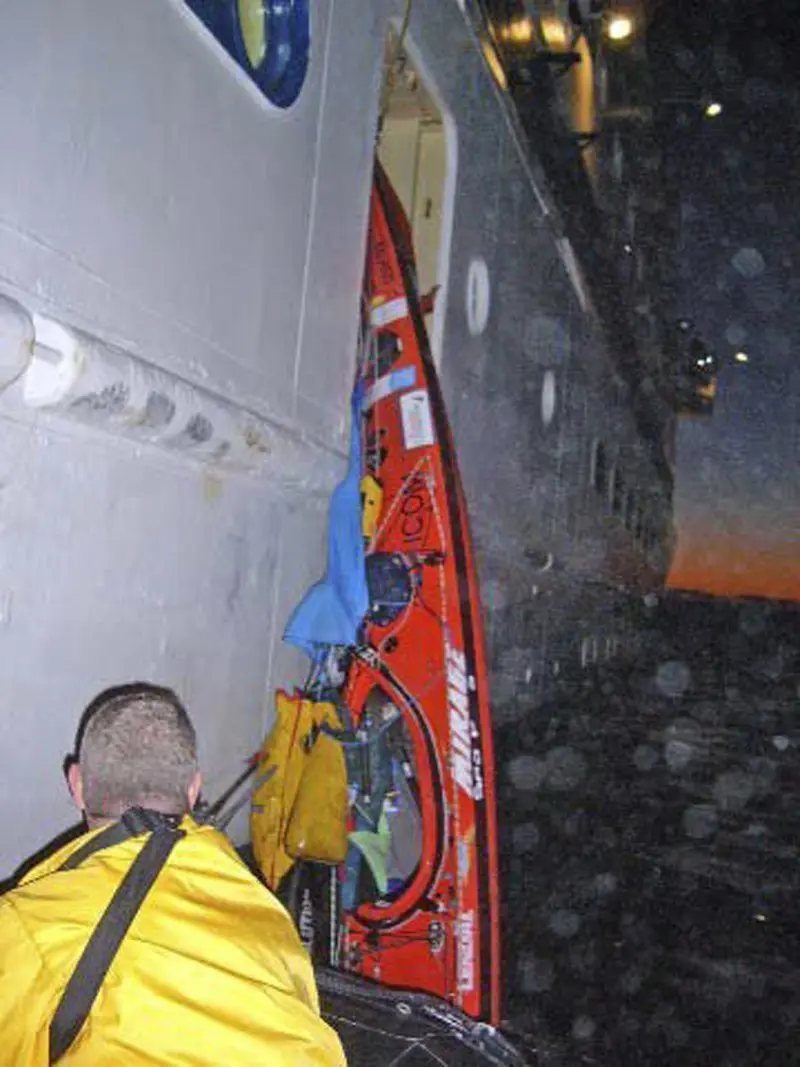
He reportedly did not carry a full-body immersion suit. When the search and rescue operation was suspended, officials estimated that he had been in seawater of about 15 degrees Celsius for about 70 hours. How long someone can survive after falling into the open sea depends to a large extent on what they are wearing.

9 Feb 2007 · OtherAndrew McAuley Goes Missing During Solo Kayak Crossing of the Tasman Sea

Allow enough time for uncertainty when climbing in winter

At the end of the search and rescue effort, the sheriff said that at least three days should be allowed for a winter climb of Mount Hood. In this accident, the three had planned a two-day trip, traveling light and ascending and descending quickly, while wind and snow persisted for several days.

7 Dec 2006 · Mountaineering2006 Mount Hood winter climbing accident

Prepare for an overnight stay even on a day trip

This was originally just a one-day trip, but he was trapped for five days. Nighttime temperatures fell to around zero degrees Celsius, and he ran out of water on the fourth day. When entering a remote canyon, carry enough extra water and warm clothing for an unexpected delay.

26 Apr 2003 · OtherSelf-rescue by amputation in Bluejohn Canyon

Without overnight equipment on summit day, there is no margin

When she left Camp IV, she had no sleeping bag, stove or food. When darkness fell above 8000 metres, she could only spend the night wrapped in a bivouac sack in a snow cave. A lightweight summit push depends on being able to return to camp the same day; once the pace falls short, the same equipment is not enough to get through a night.

12 May 1992 · MountaineeringWanda Rutkiewicz disappears on Kangchenjunga

A broken stove means a shortage of water

At high altitude, drinking water comes almost entirely from melting snow. After her stove broke, she was already dehydrated before the summit push and had no means of heating anything during the bivouac. When critical equipment fails, it should be treated as a reason to adjust the plan.

12 May 1992 · MountaineeringWanda Rutkiewicz disappears on Kangchenjunga

Choose tents and clothing for the worst winds

According to reports, the women's team used cotton tents and wooden poles, and their equipment was relatively old. Strong winds destroyed the tents twice, and backpacks, stoves and gloves outside the sleeping bags were blown away. For camping above 7000 metres, equipment must be able to preserve body heat and protect basic supplies in strong winds.

Aug 1974 · MountaineeringEight members of Soviet women's mountaineering team die on Lenin Peak in 1974

Strong winds and cold rain quickly deplete energy

On the afternoon of the 25th, the party pressed on against winds of about force 14. According to reports, the members were cold all over and suffering cramps, and could not pick up speed. Strong winds and cold rain can cause body temperature to drop rapidly; in such weather, an early decision should be made whether to retreat, seek shelter from the wind or stay in place and keep warm.

25 Jul 1971 · Mountaineering1971 Tsing Hua University Nuclear Engineering Department Qilai Mountain Disaster

Winter storms on the North Face are extremely fierce

During the summit attempt, a temperature of minus 12 degrees Fahrenheit and gusts of 85 miles per hour were measured at the foot of the mountain; some climbers suffered severe frostbite. Once trapped by a storm on a high mountain face in winter, retreat is difficult. Warm clothing and equipment, bivouac conditions and retreat routes should all be prepared for the worst case.

22 Mar 1966 · MountaineeringEiger North Face direttissima: John Harlin killed in rope failure

Leaving the tent means leaving warmth behind

The members left the tent without suitable clothing, leaving all their personal belongings behind, and most ultimately died from hypothermia. On a night below −20°C, a tent, sleeping bags and outer clothing are a lifeline. Even during an emergency evacuation, try to take warm gear along.

1 Feb 1959 · HikingDyatlov Pass incident

The longer the stay at altitude, the faster strength is depleted

The storm made it difficult to melt snow for water, the team members ate almost nothing over two days, and tent poles broke one after another. At high altitude, once drinking water, hot food and reliable shelter are lost, strength declines rapidly.

Jul 1934 · Mountaineering1934 German expedition deaths on Nanga Parbat

Supplies and camps along the retreat route

According to the American Alpine Club, the tents and all food and fuel were left at the highest camp when the team departed; a sleeping bag was also blown away by strong winds during the descent. Whether usable food, fuel and shelter are available along the retreat route directly determines whether someone unable to continue can survive the night.

Jul 1934 · Mountaineering1934 German expedition deaths on Nanga Parbat

When food runs short, limit losses early and choose a safer route

After losing most of their rations, the two abandoned the more dangerous coastal route, returned in a known direction and reduced their load as much as possible. Prolonged hunger and cold nevertheless caused their physical condition to deteriorate rapidly. Expedition plans should include sufficient extra rations for emergencies.

14 Dec 1912 · OtherMawson's Far Eastern sledging party: One man falls into a crevasse, another dies on the return journey, and Mawson walks back to base alone

Low temperatures can change travel speed

Later research concluded that temperatures on the ice shelf that year were significantly lower than usual and that the snow surface was also more difficult to haul over. Planned speeds should allow a margin for the worst low-temperature and snow-surface conditions, rather than being based on an average year.

Mar 1912 · OtherScott's entire party dies on return from South Pole

Communication and location

Let others know where you are, and let rescuers find you.

Leave your specific route and return time with someone

In this case, hotel staff called police after noticing that a guest had not checked out. Police initially did not know which route he had taken and did not narrow the search to the Mountaineer's Route until they found his car and permit the following day. Before setting out, tell a trusted person your route, planned return time, and the deadline for seeking help, so that search and rescue does not have to start by looking for your car.

18 Oct 2026 · MountaineeringFatal fall on Mount Whitney's Mountaineer's Route: Search prompted by missed hotel checkout

State your location and route clearly in your last message

His last message said only that he was descending. Search and rescue personnel could only infer his direction of travel by comparing photographs with the terrain and using phone data, which could only indicate that he “may” have descended by the same route. Telling a trusted person your planned route before setting out and including your location in check-in messages can save search and rescue teams many detours.

4 Oct 2026 · MountaineeringFatal fall during descent from Mount Morgan

Register for flash flood warnings, but do not rely on warnings alone

The Grand Canyon river corridor warning system can send flash flood warnings to satellite devices and phones with satellite communication capability even without cell service, but registration is required in advance. Reportedly, the first warning this time was sent shortly before 12:30 p.m., and the flash flood arrived at about 2:30 p.m. The emergency management director also cautioned that warnings are no substitute for observing and assessing one's surroundings.

29 Aug 2026 · HikingBright Angel Canyon flash flood in the Grand Canyon

Tell family your actual itinerary and keep a route log

She told her family she was going to visit friends, and they did not know she had entered the mountains alone. The search and rescue initially went in the wrong direction. Only after the route data associated with her other SIM card was obtained was the search area narrowed to the Zhangliangnao area. Phone reception in the mountains here is poor, and calls often cannot be made from the interior. A route shared before departure and a continuously recorded route log are among the few clues available to people outside.

27 Jul 2026 · HikingWoman hiking alone dies after losing contact at Zhangliangnao in the Southern Taihang Mountains

A real-time track narrowed the search area to a single point

Family members could see the GPS track in real time and raised the alarm after noticing that the position had not moved for a long time; rescuers used the same location to quickly find the accident site. Sharing a real-time location with someone down the mountain before setting out and agreeing on a time to check in can save considerable search time after an accident.

12 Jun 2026 · Mountaineering2026 Gran Paradiso north face fall kills roped team of three

Tell family your specific route

He left his father a voice message on the way up, saying only that he was going to a lookout. According to the investigation report, search and rescue did not know which route he had taken when the search began and first checked several lookout trails, narrowing down the area only after finding his car. Leaving the specific trail name and expected return time before setting out can help search and rescue find a direction more quickly.

3 May 2026 · MountaineeringFatal grizzly bear attack on the Brown Mountain Trail in Glacier National Park

Leave your route with someone before entering undeveloped mountains alone

Li Zhaofeng entered the mountains alone; his family and villagers only knew that he had parked his car at the village entrance. Rescuers faced a loop more than ten kilometres long with many junctions and could only check it section by section. Telling family your specific route and expected return time before setting out can greatly reduce the search and rescue area if something happens.

1 May 2026 · MountaineeringSolo climber missing for 50 days on Mama Peak in Laishui

Signal is scarce; prepare offline navigation in advance

According to a rescue team member, the location where he went missing was several kilometres from the village entrance, and there was no signal farther in; the search area was ultimately narrowed to one place using mobile data and signal records. Before entering an area without signal, carrying offline maps and satellite communication or positioning equipment is much more reliable than relying on network operator records afterward.

1 May 2026 · MountaineeringSolo climber missing for 50 days on Mama Peak in Laishui

Make it possible for others to find you

According to reports, they put their phones in airplane mode and did not carry satellite positioning devices; police could only determine approximately that a phone had briefly been switched on near the Qingfengxia Scenic Area. Remaining locatable when entering the mountains leaves rescuers one last clue.

2 Jan 2026 · HikingFive people make unauthorized Aotai Route traverse, three die

Have a lost-contact plan for areas without communications

The notice states that there are no communications in the undeveloped areas. The last contact was on the morning of the 26th, and no one called the police for help until the 27th; search and rescue began afterward. Before entering an area without signal, agree on contact times and a time to alert the police if contact is overdue with companions and people remaining behind.

26 Oct 2025 · HikingMan dies on reverse traverse to Changping Valley in Mount Siguniang

Bring satellite communications on routes without signal

According to reports, the signal in Gama Valley is weak from Tangxiang toward base camp, and there was no mobile phone signal in the valley during the rescue. Some hikers in self-organized groups had not brought satellite phones and lost contact with family and friends. On a long route without signal, bring at least one satellite communications device and arrange check-in times with family and friends at the foot of the mountain.

4 Oct 2025 · Hiking2025 Gama Valley blizzard traps hikers on Everest's east slope

Communication and power are the first safeguard

According to her sister, Cheng Xia said that morning that she would descend because there was a problem with her power bank, and there were no further messages from her. The rescue team used the last coordinates where her mobile phone signal disappeared, provided by police, to delineate the search area. Battery charge, backup power and an offline track are things to prepare before setting out.

1 Jul 2025 · MountaineeringFemale university student falls from cliff while hiking alone on Liushapo, Yulong Snow Mountain

Rescue information needs to be clear and consistent

After the accident, Brazilian officials criticized communications as inconsistent and delayed, while the family continued to post updates on the rescue on social media. In rescues involving foreign visitors, timely and accurate updates to families are equally important.

21 Jun 2025 · HikingBrazilian tourist dies in fall on Mount Rinjani

Half a day passed between losing contact and calling police

Reports of this incident show that contact with the hiker was lost in the afternoon, the family learned of it that evening, and police were called early the next morning. Before setting out, telling family the route, the expected descent time and “how long after the expected time to call police” can help search and rescue begin sooner.

21 Apr 2025 · HikingTwo hikers die on Qinling's “Guang-Lu-Pao-Bing-Bing” route

Communication is difficult on the canyon floor; warnings must come early

A park spokesperson said the canyon is narrow and communications are difficult to send out. According to reports, the tribe had no severe weather warning system at the time. Carrying satellite communication equipment and learning evacuation routes in advance are necessary preparations before entering such a canyon.

22 Aug 2024 · HikingHavasu Creek flash flood

How to call for help when communications fail

A guide said bad weather disrupted communications and that they waited all night before contacting the camp; another guide had to walk to a place with a signal to report the emergency. A state tourism official said that currently only the State Disaster Response Force can carry satellite phones. Others also noted that the state lacks uniform standard operating procedures for trekking.

3 Jun 2024 · Hiking9 killed in blizzard on Sahastra Tal trek

Communications in deep caves need advance preparation

Word did not reach the surface until the following morning. According to reports, rescuers later installed telephone lines and a wireless text messaging system in the cave. Before a deep-cave expedition, methods for communication between the cave and the surface and for raising the alarm should be planned.

2 Sep 2023 · Diving and cavingNine-day rescue a kilometre deep in Morca Cave

Every vehicle must be able to communicate with the outside

According to reports, neither the JAC pickup that lost contact nor the Land Cruiser withdrawing with it had a satellite phone. That evening, the main group used a satellite phone to call the guide's mobile phone but could not get through; the fourth person who died also had no satellite phone with them.

26 Jul 2023 · HikingFour die in Lop Nur self-drive convoy in 2023

Carry satellite communications in areas without signal

According to reports, there is no signal in the reserve, and it is difficult to call for help without a satellite phone. In this case, his partner called the police only after Jiang Ye failed to appear at the agreed time. Before entering the mountains, hikers should leave their itinerary and expected time of return and carry satellite communications equipment.

Jul 2023 · HikingJiang Ye dies hiking the Bogda Peak circuit

Allow enough time to descend and bring lighting and communications equipment

Rescue personnel noted that many stranded people do not adequately plan their trips and are afraid to continue after dark; mobile phone signals may disappear at high elevations, leaving stranded people out of contact. Before setting out, people should allow time to descend and bring lighting, supplies and backup means of communication.

25 Feb 2023 · HikingRescue team member dies in fall while searching for stranded hikers at Jiankou Great Wall

Location information and a prompt emergency call shortened the search and rescue

After being unable to contact the two men, their companions called for help and provided their location to search and rescue personnel, enabling the team to find the victims that day. Before setting out, confirming that the party has working means of communication and location is the most basic preparation for a mountain accident.

26 Feb 2022 · MountaineeringLeader and member of mountaineering party die in fall into ravine on Pintian Mountain

When communications are cut off, rescuers have difficulty finding people

The police station head recalled that the stranded people's phone was switched off, leaving officers to search the pilgrimage route location by location. Phones can easily run out of power in high-altitude cold; prepare insulation and a backup power supply before setting out, and tell someone staying behind about the itinerary.

2 Feb 2022 · Hiking2 die during winter pilgrimage around Mount Kailash

Positioning devices are useful only when switched on

Each of the four carried an RTK device, but none was switched on from the time contact was lost until they were found. Rescuers could only search the dense forest on foot, and thermal imaging drones could not see beneath the canopy. Agree before departure on times to switch on devices and report locations.

13 Nov 2021 · FieldworkDeaths of four geological survey workers in the Ailao Mountains

Weather warnings leave little time for those in the wilderness

According to a commentary in The Telegraph, one view heard afterwards was that rapid communication was needed: there was little time between the October severe weather warning and the incidents in the wilderness. Contacting trekking parties in the wilderness requires equipment such as satellite phones, but satellite phones are expensive and not all parties carry them.

18 Oct 2021 · Hiking2021 Lamkhaga Pass trekking party caught in heavy snow in India

Communications dead zones can slow rescue

The investigation found that signal coverage was incomplete in parts of the course and that checkpoint 3 had no signal relay station, preventing distress and command information from getting through. According to reports, a distress call sent by a runner using a GPS device received no response. On mountain courses, communications arrangements and distress response should be tested before the race.

22 May 2021 · Other21 Deaths in the Yellow River Stone Forest 100 km Ultramarathon

Make sure others know a solo hiker's plans

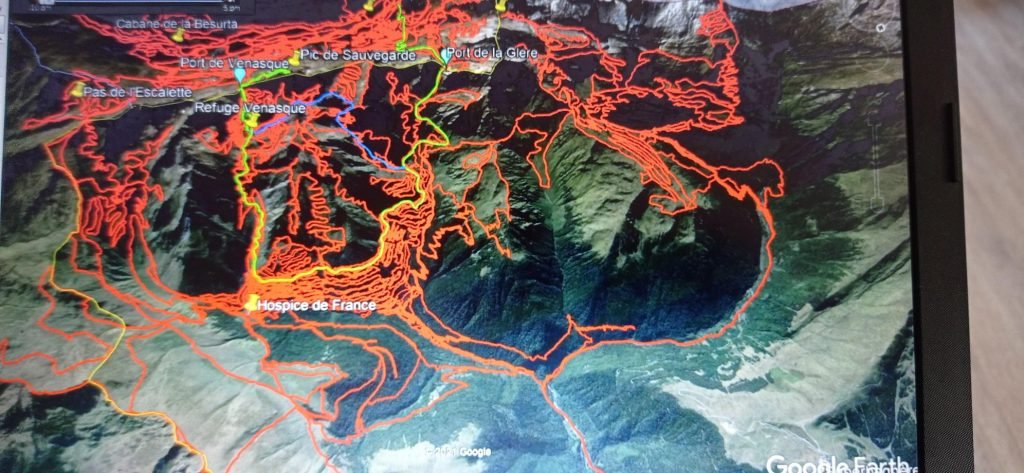
Dingley had agreed on her itinerary with her partner and said where she was going the following day in her last contact. But she was also concerned that she might have no mobile signal after entering the French side. When hiking alone, leaving a clear route and an alternative means of contact can narrow the search and rescue area.

22 Nov 2020 · HikingEsther Dingley goes missing and dies while hiking alone in the Pyrenees

Leave an itinerary and stay contactable

According to reports, his itinerary was recorded mainly through WeChat Moments posts and chat records. Contact was lost after 6 July, and his friends did not seek help until late August. Before setting out, telling a trusted person the route, expected arrival points and contacts, and agreeing how long to wait before reporting a loss of contact to police, can help search and rescue begin earlier.

6 Jul 2020 · CyclingLi Kaiyang dies while cycling in Hoh Xil

Prepare equipment and supplies before entering high-altitude uninhabited wilderness

Some reports said he had not brought enough food, water or tools such as a satellite phone and compass, and that he was unfamiliar with the local environment. In high-altitude areas without mobile phone signal, communications equipment, navigation tools and supplies should be checked before departure.

6 Jul 2020 · CyclingLi Kaiyang dies while cycling in Hoh Xil

Communications are poor in the mountains; check the weather before setting out

Communications in the area were poor during the heavy snow. According to reports, a volunteer teacher in the first group to return to South Korea said they had thought the route was not dangerous because even primary school pupils could walk it, and that the communications network was poor, so they could not contact the education office even if they knew the weather was worsening.

17 Jan 2020 · HikingAnnapurna Base Camp trek avalanche: Four South Korean volunteer teachers and Nepali guides killed

Carry communications and navigation equipment even on short hikes

Reports said she was in the habit of hiking without her phone, and this time she also left it in her car. Once off the trail, without communications or navigation, it is difficult to correct one's direction or call for help.

8 May 2019 · HikingRescued after 17 days lost in Maui forest

Set a firm deadline for calling for help if a group is overdue

After the eight failed to return as planned, the alarm was not raised until 31 May, and the subsequent search and rescue was further slowed by weather and terrain. Before going to remote high mountains, agree on a clear deadline with people at base camp or down the mountain: if there is no word by then, alert the authorities immediately. Carry satellite communication equipment capable of independently transmitting a location.

May 2019 · Mountaineering2019 Nanda Devi East mountaineering team disappearance

Agree on a check-in time

Jess did not contact his family as arranged, and his father promptly contacted rescue authorities. The three were reported overdue on 17 April, and Parks Canada personnel arrived at the scene by helicopter that day. Telling a reliable person the route and expected return time before setting out can help search and rescue begin as early as possible.

16 Apr 2019 · MountaineeringHowse Peak east face avalanche: Lama, Auer and Roskelley killed

The location of the last contact is crucial

The satellite phone location showed the outside world that the two were last at approximately 6300 metres, allowing the search to be concentrated on the spur between 5100 and 7000 metres. After leaving base camp, regularly informing those at base of one's plans, location and next steps is a prerequisite for search and rescue teams to narrow the search area.

24 Feb 2019 · Mountaineering2019 Nanga Parbat winter climbing deaths of Ballard and Nardi

Let people at the foot of the mountain know where you are

She carried a satellite phone and was able to give precise coordinates after falling into the valley. She had also left her climbing plan with a friend at the foot of the mountain, so the search and rescue team knew her route and location. When entering the mountains alone, a plan clearly setting out the route and descent date, together with a device that can make calls in areas without signal, is a prerequisite for being found.

19 Jan 2019 · OtherGigi Wu falls into valley while climbing Mount Penju alone

People waiting behind can help detect a problem sooner

A guide remained at the foot of the mountain and went up to check after the team failed to return on time; the organisers then sent a search party. This arrangement of agreeing on a return time and leaving someone behind to receive the team allowed the incident to be discovered quickly.

12 Oct 2018 · MountaineeringNine killed at Gurja Himal base camp

No one knew who was in the gorge

According to reports, the gorge was open to the public and entry required no registration. No one kept count of how many people were inside, and search and rescue teams had to continue searching as a precaution even after finding the missing people. Three young people who had camped in a place without mobile phone coverage were at one point listed as missing. Before setting out, tell a reliable person your itinerary and return time.

20 Aug 2018 · CanyoningRaganello Gorge flash flood

Have backups for navigation and communication

In the whiteout, the party repeatedly went the wrong way and relied on one member's GPS for navigation. There was no radio or mobile phone signal where they stopped. Everyone should carry a working navigation device with the route saved in advance, and should not rely on only one means of communication.

29 Apr 2018 · HikingPigne d'Arolla storm night: 7 ski tourers killed

Carry satellite communications in mountains with poor reception

According to reports, neither group had a satellite phone, and one hiker managed to place an emergency call using a weak mobile phone signal. When entering mountains with poor reception, it is best to carry a satellite phone or satellite messenger and agree in advance on how to call for help.

11 Mar 2018 · HikingKurangani forest fire traps two trekking groups

Leave an itinerary and arrange contact times

The two had arranged to contact their families on 10 March, allowing the families to report them missing when contact was lost, but nearly a week had passed between the last sighting and the missing-person report. Leaving a detailed route and expected contact times with a reliable person, and carrying communications or emergency equipment that does not depend on a mobile network, can help search and rescue start earlier and more accurately.

9 Mar 2017 · HikingLiang Sheng-yueh and Liu Chen-chun stranded in Nepal for 47 days

Once inside a canyon, you cannot receive warnings

The warning had been issued about an hour before the seven entered the canyon, but reportedly those in the canyon did not know about it; once people entered the canyon, the park had no way to notify them of weather changes. Check official forecasts and warnings again at the last moment before setting out.

14 Sep 2015 · OtherKeyhole Canyon flash flood in Zion National Park

There is no mobile signal in uninhabited wilderness; carry satellite communications

The electronic equipment listed in existing reports consists of two cameras, a mobile phone, a GPS device and a solar panel; satellite communications equipment is not mentioned. In places without a signal, a satellite phone or satellite messenger is the only means of sending a distress message after an emergency.

11 Dec 2014 · CyclingLi Congming's disappearance in Changtang

Ways to call for help in the high mountains

Communications were poor after the blizzard, and local officials could not contact dozens of people still stranded on the route. Some trekkers used a satellite phone to contact Germany, from where the message was relayed to the Nepali army; the group of Israelis who lost their way also had to wait until they could finally get a mobile phone call through before asking a travel agency and an embassy to send a helicopter.

14 Oct 2014 · HikingThe Blizzard at Thorong La

Leave a record of your route along the way

The trail club advises hikers to sign in at trail junction registration boxes and shelter logbooks to help search and rescue teams narrow the search area. Her cellphone data could establish only that she had reached the Orbeton Stream area; where she left the trail remains unknown.

22 Jul 2013 · HikingAppalachian Trail hiker Largay dies after getting lost

Satellite phone carries news out of the mountains

Only after descending to the advanced base camp did the two use the satellite phone stored there to contact the Chinese Mountaineering Association. News of the accident was made public on 11 July. In mountain areas without signal, carrying communications equipment and keeping it ready for use can shorten the time needed to call for help.

9 Jul 2012 · MountaineeringYan Dongdong dies in crevasse on Mount Qelebos

A traverse makes positions harder to track

The three were taking a traverse route up the south side and down the north side, and their teammates could only see them climbing high on the mountain from a distance. They had reportedly deviated from their planned route when they were last seen. The newer and more complex the route, the more important it is to agree clearly with base camp on communication times and turnaround points.

9 Mar 2012 · MountaineeringWinter traverse of Gasherbrum I: Three disappear below the summit

Test communications equipment before departure

The report noted that the organisers had not tested the communications system and satellite phones before the race. In remote areas without mobile phone coverage, equipment must be checked before departure, rather than finding out whether it works after an incident.

2 Sep 2011 · OtherBushfire traps competitors in Kimberley ultramarathon

Do not count on a phone signal

Marylyn's phone had no signal at the time of the incident. According to the report, she called 911 a total of 21 times without getting through. Ultimately, calls for help and a phone belonging to nearby hikers alerted rescuers. Before entering the park's backcountry, it is best to consider how to call for help without a signal.

6 Jul 2011 · HikingCouple encounter grizzly defending cubs in Yellowstone

A reported location may not be the actual location

After he was injured, Humar reported that he was at approximately 6,300 metres. Rescuers eventually found him at approximately 5,600 metres, about 700 metres lower than expected. An earlier aerial search and a search on foot by Sherpas at the location he had described had not found him.

9 Nov 2009 · MountaineeringHumar dies on solo climb of Langtang Lirung

Distance and time involved in seeking help

The accident site was more than thirty kilometres from the public security sub-bureau. The two survivors did not report the incident until the third day after descending, while the other two remained buried throughout. Leaving an itinerary before departure and carrying equipment that can contact the outside world can shorten this time.

28 Oct 2009 · Mountaineering2009 Mount Siguniang Camel Peak avalanche kills Russian climbers

When the actual route differs from the planned route, maintaining contact is even more important

According to Mécs László, neither team had originally wanted to approach the summit from the side ultimately attempted; logistical problems led them to switch to a third and most difficult route. There was no further contact with the team after 22 October, and the search did not begin until they failed to return on 31 October.

22 Oct 2009 · Mountaineering2009: Four Hungarian mountaineers missing on Mount Edgar

Communication equipment can save lives

A satellite phone call made by the lost van Rooijen enabled his teammates to determine that he was roughly on the south face, giving the search and rescue effort a direction. When climbing at high altitude, carry communication equipment and keep it charged.

1 Aug 2008 · Mountaineering11 die in K2 Bottleneck serac collapse

When the phone battery ran out, contact was lost

After the accident, the satellite phone’s battery was nearly depleted, and contact with the two was subsequently lost for a time. It was not restored until 20 July, after a helicopter dropped a new phone. While communications were down, it was difficult for those outside to know their condition.

15 Jul 2008 · MountaineeringNanga Parbat, Rakhiot Face: A collapsed snow bridge

A mobile phone call is not the same as a distress call; use location devices correctly

James contacted his family by mobile phone, but there was only one brief signal afterward. According to reports, locator transmitters are available to rent on Mount Hood; people in distress need to activate the device first, then call 911.

7 Dec 2006 · Mountaineering2006 Mount Hood winter climbing accident

Climbing alone at eight thousand metres means having no way back

Sharp had no partner, guide or Sherpa, and carried no radio. After he collapsed, those concerned about him did not know anything had happened, and passersby could find nothing to indicate which team he belonged to. In the death zone, being able to call for help and having someone know where you are can often mean the difference between life and death.

15 May 2006 · MountaineeringDavid Sharp dies on Everest's north side

Have a way to report an incident and call for help

The survivors had to walk in the dark to Meta village before they could get the news out, and bad weather then delayed rescue for two days. Remote camps should have communications equipment capable of reaching the outside world, and itineraries should be given to a logistics company or rescue organization.

20 Oct 2005 · MountaineeringKang Guru Base Camp Avalanche

Battery power determines how long contact can be maintained

After becoming stranded, Humar relied on contact with base camp to request and await rescue. Reportedly, by 8 August he had only his last 4 batteries left, and base camp subsequently went for a time without hearing from him. When stranded for a long period, batteries and calls should be rationed for the worst case.

Aug 2005 · MountaineeringHumar stranded and rescued on Nanga Parbat’s Rupal Face

Arrange a pickup and report anything unusual

The pilot did not receive a call from them on the morning of the pickup. After arriving and noticing that something was wrong, the pilot immediately contacted state troopers and the National Park Service rather than entering the campsite. In remote areas, a fixed pickup time and communication arrangement can help others detect problems as early as possible.

5 Oct 2003 · Other“Grizzly Man” Treadwell attacked at Katmai campsite

Leave your plans even for a short trip

Ralston did not tell anyone where he was going before setting out. Only after he had been missing for several days did the search begin with credit card records and the pickup parked at the trailhead. He later said he left a note almost every time, but did not do so this time. A note specifying the route and return time can help search and rescue start directly in the right place.

26 Apr 2003 · OtherSelf-rescue by amputation in Bluejohn Canyon

Without a satellite phone, news takes five days to get out

According to reports, the team did not bring a maritime satellite phone into the mountains. The avalanche occurred on 7 August, but the outside world did not learn of it until 12 August. There may have been no time to call for help during the avalanche itself, but the subsequent search, withdrawal and rescue all depended on communications. High-altitude expeditions should carry equipment capable of independently contacting the outside world.

7 Aug 2002 · MountaineeringPeking University Mountain Eagle Club Shishapangma West Peak accident

Make sure search and rescue can find you

At the height of the storm, many emergency position-indicating beacons were activated at the same time, making them difficult for search and rescue aircraft to distinguish. The race subsequently switched to 406 MHz beacons, and the coroner recommended that all crew members wear personal locator beacons on deck.

27 Dec 1998 · Fieldwork1998 Sydney–Hobart yacht race storm

Supply caches must be locatable

Although water and food had been buried along the route beforehand, Yu Chunshun did not know how to use GPS and relied solely on a map for navigation. After the sandstorm arrived, he did not reach the agreed meeting point. Supply caches are useful only if they can be located accurately; navigation skills and positioning tools are as important as the supplies themselves.

13 Jun 1996 · HikingYu Chunshun's death at Lop Nur

Camp and communications are lifelines for those who stay behind

The two Spanish team members who stayed behind kept in contact with base camp by radio. After losing their tent, they sheltered from the wind until daybreak, then descended on their own the next day with frostbite and were later picked up by helicopter. Maintaining communications and stocking sufficient supplies are basic preparations for emergencies.

13 Aug 1995 · Mountaineering1995 K2 storm: Hargreaves and five others missing after reaching the summit

Signals must be visible from the air

When a helicopter flew low overhead, the flare he fired was not seen; when he later lit a fire to signal for help, another sandstorm followed. According to the runner, the flares issued to competitors at the time were only the size of a ballpoint pen; from 1995, the race switched to marine flares. In open terrain, the brightness and duration of a distress signal determine whether it can be seen.

14 Apr 1994 · OtherSahara marathon runner lost for nine days after sandstorm

Carry equipment to call for help

In 2013, three stranded hikers went without food for two days and only managed to attract the attention of a passing helicopter by chance with a signal mirror. According to reports, a U.S. military spokesperson said that a satellite phone or emergency locator beacon could greatly reduce the risk.

18 Aug 1992 · OtherMcCandless's death in the Alaskan wilderness

No second source of information when communication was lost

During the final communication, the radio was already experiencing interference, and the next day base camp could no longer contact the camp. The entire team was concentrated at the same camp; once something went wrong, people outside had no way of knowing what had happened and could only wait for the weather to improve before going to check.

4 Jan 1991 · Mountaineering1991 Meili Snow Mountain Sino-Japanese Joint Expedition Disaster

Do not leave communication equipment with only one person

The only radio was in the lead climber’s backpack. After the accident, his partner, left on the rock face, could not notify base camp, which could only wait. When climbing as a rope team, it is best for each person to carry a communication device, or to leave it with the person who is not leading.

24 Oct 1989 · MountaineeringKukuczka dies in fall on Lhotse’s South Face

Agree on signals for when you cannot see or hear each other

The two had no means of communication during the lowering and could not hear each other in the strong wind. Yates did not know that Simpson had been lowered over the ice cliff and was suspended in mid-air. When descending roped together, agreeing on clear rope signals in advance and carrying two-way radios when conditions permit can help the person above learn promptly about the situation below.

8 Jun 1985 · MountaineeringSiula Grande: The cut rope

Have a plan for missed scheduled calls

The two men had reported by radio the previous evening that they were safe, but neither of the two scheduled calls the next day was answered. Those below could only use a telescope to assess the situation. Agreeing before departure on what each party will do if a call is missed is more useful than guessing afterwards.

17 May 1982 · MountaineeringBoardman and Tasker missing on Everest's Northeast Ridge

Keep everyone informed after requesting help

After the expedition sent a telegram requesting help, the military replied with instructions to stay in place and wait, but team members could no longer find Peng Jiamu when they prepared to deliver the message. While awaiting help, sharing replies and action plans promptly can help the team coordinate with rescue personnel.

17 Jun 1980 · FieldworkPeng Jiamu goes missing while looking for water at Lop Nur

Warnings must be received

In 1979, most yachts relied solely on scheduled marine weather broadcasts, and gale warnings issued at short notice were very likely to be missed at sea. Many boats also had no radio. Before going to sea, confirming that weather updates can be received continuously and that working communications equipment is aboard is more important than relying on the forecast at departure.

14 Aug 1979 · Other1979 Fastnet Race storm

Teams should have clear communication and emergency plans

Their teammates were nearby, but the two sides had difficulty communicating. The team later withdrew, believing both brothers had died. Agreeing in advance on distress signals and search arrangements for a loss of contact can reduce such misjudgments.

29 Jun 1970 · MountaineeringNanga Parbat: The death of Günther Messner

Let others know where you are going

Collins often stayed overnight at different people's homes, so no one thought it unusual when he did not return home that night. No one began searching until the next day. When entering a cave that no one has explored before alone, at least let one person know where you are going and what time you must make contact.

30 Jan 1925 · Diving and cavingFloyd Collins trapped in Sand Cave

No way to know after the last sighting

The two were last seen only briefly through a break in the clouds by a teammate in the distance. After that there was no signal or response, and their teammate could only keep watch all night and return to the camp two days later to check. Agreeing on a turnaround time and means of communication can help those behind determine earlier whether something has gone wrong.

8 Jun 1924 · MountaineeringMallory and Irvine disappear on Everest

Where there is no means of determining position, navigation is a lifeline

The small boat bound for South Georgia could navigate only by dead reckoning and occasional observations of the sun; a deviation from course would have meant missing the island. Outdoor trips today likewise require reliable positioning and communications equipment, and someone who knows how to use it.

21 Nov 1915 · OtherEndurance crushed and sunk by pack ice in the Weddell Sea; all 28 survive after reaching Elephant Island and a long small-boat voyage

Leave a way back, and make sure someone knows where you are

Mummery left food along the way and agreed with his companions that he would turn back if he could not get through. These arrangements later enabled them to determine that the three had not turned back. But once a small party enters a glacier out of anyone's sight, there is almost no way to search if something goes wrong. When splitting up, agreeing on a route, a turnaround time and a means of communication is equally important.

24 Aug 1895 · MountaineeringMummery and two Gurkhas go missing on Nanga Parbat in 1895

Closed areas and rules

Behind bans and protected areas there is often a string of accidents.

Undeveloped mountain areas have no trails, guardrails or signs

The area where the accident occurred is not a paid scenic area and has no maintained trails, guardrails, signs or supply points. Some cliffs have drops of more than 200 meters. Before entering such a place, prepare for a complete absence of facilities and phone signal rather than assessing the difficulty as if it were a scenic-area trail.

27 Jul 2026 · HikingWoman hiking alone dies after losing contact at Zhangliangnao in the Southern Taihang Mountains

Do not enter the mountain without authorization during a suspension

After all mountaineering activity was suspended, an unapproved climber still pushed for the summit and lost contact. When authorities close a mountain or glacier area, rescue conditions are also restricted.

3 Jul 2026 · MountaineeringMuztagh Ata blizzard accident

An unopened canyon has no rescue infrastructure

Cidao Canyon had not yet opened, warnings had been posted at its entrance, and local police had warned people not to enter without permission about ten days before the accident. According to the rescue team leader, it takes at least around 20 hours to travel from the accident site in the canyon to a safe rescue point, making it difficult for outside rescuers to arrive in time after an accident.

28 Jun 2026 · CanyoningXianyou Cidao Canyon stream-tracing accident

A restricted area is not a “more difficult route”

The Aotai Route lies in the core area of a nature reserve, and crossings have been prohibited since 2018. People have continued to have accidents there since the ban. Bypassing a management station to enter the mountains also means it is difficult for an accident to be discovered promptly.

2 Jan 2026 · HikingFive people make unauthorized Aotai Route traverse, three die

An undeveloped area is not an “off-the-beaten-path route”

Lenglongling is an undeveloped area not open to visitors. Qinghai had previously prohibited hiking and exploration in such areas, and entry requires prior notification. Changing routes at short notice and forming groups spontaneously online means no one is responsible for the route, weather and supplies.

5 Oct 2025 · HikingLenglongling snowstorm: 251 people stranded in Laohugou

Report itineraries when required

According to reports, the team of 4 had not applied to the sports authorities before the climb. Local authorities said the mountain was not open to the public at the time, while accounts differed on whether it had reopened. Reporting and permits allow managers to know who is on the mountain and what conditions are like, and also affect rescue efforts after an accident.

25 Sep 2025 · MountaineeringClimber dies in fall after unfastening safety rope to take photos on Nama Peak

Do not enter when the route is closed

On the day of the accident, the two counties had closed the entrances and exits of the ancient trail. Local authorities urged hikers to comply with safety management requirements and not enter without due consideration. A subsequent local notice strictly prohibited hiking in mountainous areas; before setting out, check whether the route is open and follow management regulations.

30 Jul 2025 · CanyoningWusun Ancient Trail flash flood: Two hikers die after entering water

Undeveloped areas have no paths or guaranteed signal

Liushapo is an undeveloped area of Yulong Snow Mountain that is not open to visitors, and is also within a nature reserve. According to reports, there are no paths there, and rescuers could only climb among the rocks. Lijiang fire services also said the area has many ravines and cliffs, a weak signal, and a very high risk of getting lost. A route in an online guide is not the same as a maintained route.

1 Jul 2025 · MountaineeringFemale university student falls from cliff while hiking alone on Liushapo, Yulong Snow Mountain

Safety measures and rules for hazardous sections need continual assessment

National park officials said safety ropes and ladders had been installed at several hazardous sections and first-aid stations had also been established. They said a comprehensive assessment would be conducted after the accident. Officials also mentioned plans to review guide certification, permits and visitor safety requirements.

21 Jun 2025 · HikingBrazilian tourist dies in fall on Mount Rinjani

Areas above 2000 metres are core protected areas

Under the Shaanxi Qinling Ecological and Environmental Protection Regulations, areas of the Qinling Mountains above 2000 metres are core protected areas, where activities unrelated to ecological protection or scientific research are prohibited. Almost the entire route is above this altitude, and entering it is itself a violation of the regulations.

21 Apr 2025 · HikingTwo hikers die on Qinling's “Guang-Lu-Pao-Bing-Bing” route

A trail in an alert zone

Mount Marapi had been under a Level II alert for years, and regulations prohibited people within 3 kilometres of the summit, yet the hiking trails remained open through online booking. According to reports, the volcanic agency that designated the exclusion zone had no enforcement powers of its own. Being able to book and buy a ticket does not mean it is safe; before climbing an active volcano, check the official alert level and the extent of the exclusion zone.

3 Dec 2023 · MountaineeringClimbers killed in sudden Mount Marapi eruption

An eruption without warning

According to reports, eruptions at Mount Marapi originate at a shallow depth near the summit and are often not preceded by tremors that monitoring instruments can detect; those who died within 1 to 1.5 kilometres of the crater were severely affected. On volcanoes of this kind, climbers cannot rely on noticing something unusual before evacuating; keeping a distance from the crater is the main protection.

3 Dec 2023 · MountaineeringClimbers killed in sudden Mount Marapi eruption

Equipment and insurance are a minimum for porters

According to the inquiry report, Hassan reached the Bottleneck without a down suit, supplemental oxygen or a helmet; his employer had only paid him to purchase his own equipment and had not insured him. The authorities penalised the employer as a result, and the inquiry report also recommended better insurance for porters.

27 Jul 2023 · MountaineeringA porter on the K2 Bottleneck: The death of Muhammad Hassan

Do not enter the reserve without approval

Visitors are not allowed to enter the Lop Nur Wild Camel National Nature Reserve without approval. Since 2017, the reserve has repeatedly issued notices strictly prohibiting entry. This convoy drove into the reserve without approval.

26 Jul 2023 · HikingFour die in Lop Nur self-drive convoy in 2023

Do not enter the reserve's core area without permission

Tourism, exploration, traverses and other activities are prohibited in the core area of the Bogda Peak Nature Reserve, and entry is not permitted without authorization. According to reports, a management committee staff member said Jiang Ye had not passed through an official checkpoint.

Jul 2023 · HikingJiang Ye dies hiking the Bogda Peak circuit

Unopened sections of the Great Wall lack safety protections

The Jiankou Great Wall is an unopened section of the Great Wall, and climbing it is prohibited. According to rescue personnel, some sections are almost vertical, with no handrails or fences, and the wall has fallen into disrepair over the years. If an accident occurs after people enter such a place, rescuers must take the same risks.

25 Feb 2023 · HikingRescue team member dies in fall while searching for stranded hikers at Jiankou Great Wall

Despite entry restrictions, some still take alternate routes into the mountains

According to reports, local authorities assigned personnel to guard many entrances, but some people still found other entrances on their own to bypass the guards and enter the mountains. In November 2022, hikers also prepared to pitch a tent and spend the night on the Great Wall, but were dissuaded by a protection officer.

25 Feb 2023 · HikingRescue team member dies in fall while searching for stranded hikers at Jiankou Great Wall

Understand where visitors are allowed and the rules of the reserve

According to reports, the areas currently open to visitors in Hoh Xil are limited to the two viewing platforms at Budongquan and Wudaoliang and the exhibition halls at protection stations along National Highway 109. Before entering, check local regulations and do not venture into the nature reserve without authorization.

6 Jul 2020 · CyclingLi Kaiyang dies while cycling in Hoh Xil

Experience matters more than a permit

At the time, obtaining an Everest permit in Nepal required only a medical certificate. Several veteran guides considered a lack of experience among climbers and some support teams a more fundamental problem than the number of people; afterwards, a Nepalese panel recommended that applicants must have climbed at least one Nepalese peak above 6500 metres and undergone high-altitude mountaineering training.

22 May 2019 · Mountaineering2019 Everest “Traffic Jam” and Deadly Season

Search and rescue is difficult when the number of people on the mountain is unclear

According to reports, 829 people had gone up the mountain in the two days before the earthquake, and about 1000 people climbed the mountain each day through the two main entrances, not including those who took less-travelled routes without registering. A spokesperson for the National Disaster Management Agency later said that regulations needed to be tightened and the climbing registration system improved.

29 Jul 2018 · HikingLombok earthquake strands hundreds of hikers on Mount Rinjani

Confirm permits and authorised routes

After the incident, the forest department and police said that only the Erode group had obtained permission to enter the hills. The investigation report noted the lack of a mechanism to regulate trekking organisations and recommended clearly delineating trekking routes and providing qualified guides. Before entering a protected forest, confirm permits and permitted routes with the responsible authorities.

11 Mar 2018 · HikingKurangani forest fire traps two trekking groups

Rockfall areas can remain active

After the first rockfall on 27 September, several more followed that day, and a larger collapse the next day developed upward from the location of the first rockfall. The American Alpine Club's review notes that rockfall areas often remain active for hours, days or even months, and advises avoiding areas where rockfalls have recently occurred.

27 Sep 2017 · OtherEl Capitan rockfalls: Two days at the foot of Yosemite's cliff

Not hearing an alarm does not mean water will not be released

The inquiry found that there was no early warning system or warning signs at the site and no standard operating procedure for releasing water. According to reports, the police investigation said one of three sirens had failed and the other two were unattended. The presence or absence of an alarm cannot be used as a basis for judging safety.

8 Jun 2014 · OtherEngineering students swept away by water release in Beas River

Risk falls most heavily on those carrying supplies

Clients cross the icefall six to eight times in a season, while guides may cross thirty or forty times. All 16 people killed were Nepalis transporting supplies and fixing the route for expeditions. Subsequent changes to compensation, insurance and helicopter transport of supplies were all intended to reduce the number of times guides repeatedly crossed the danger zone and to provide protection for them and their families.

18 Apr 2014 · MountaineeringEverest Khumbu Icefall ice avalanche: 16 Nepali mountain guides killed

Risk briefings should not merely mention hazards in passing

According to competitors' accounts, bushfires were mentioned only in passing at the pre-race briefing, which focused on risks such as dehydration, snakes and crocodiles. Risk warnings should be ordered according to the hazards that could actually occur, and every competitor should understand them.

2 Sep 2011 · OtherBushfire traps competitors in Kimberley ultramarathon

Swift water beyond the guardrail

The metal guardrail at the top of Vernal Fall separates visitors from the swift river water, and the area is marked as dangerous. The three crossed the guardrail and entered the water about 25 feet from the cliff edge to take photos. After one slipped, all three were swept over the waterfall.

19 Jul 2011 · HikingThree swept over Vernal Fall in Yosemite

Do not camp on bear trails

The campsite was surrounded by dense brush with poor visibility and was immediately adjacent to several bear trails. A state biologist wrote in a memorandum that passing bears had to either wade through the lake or walk right past the tent. When camping in bear country, choose a site with open visibility, away from animal trails and food sources.

5 Oct 2003 · Other“Grizzly Man” Treadwell attacked at Katmai campsite

Register before entering the mountains to speed up search and rescue

Police said that previously there had been more than a hundred cases of people getting lost in the Qiniang Mountain area each year, and that most of those stranded lacked equipment and safety awareness. Afterward, Shenzhen required groups and individuals climbing in the protected mountain forests to report and register beforehand. Sharing the route and campsite before setting out can help rescuers know where to search sooner.

19 May 2002 · HikingHikers killed in rainstorm and flash flood on Shenzhen's Qiniang Mountain

Registration, equipment and insurance are not mere formalities

The Guangdong team was found to have insufficient equipment when it registered, and its members had not bought insurance; the Beijing team did not register. A mountaineering association official noted that registration allows a team's composition to be checked and also facilitates rescue if an accident occurs.

6 May 2000 · Mountaineering2000 Yuzhu Peak mountaineering accident

Record both entry into the water and return aboard

According to reports, industry safety guidelines at the time included recording the numbers entering the water and returning. The coroner recommended a mandatory lookout and a method for confirming that all divers were aboard. Before boarding, divers can also make sure that the crew know they have returned.

25 Jan 1998 · Diving and cavingDiving couple left behind on the Great Barrier Reef

Warnings need to be an explicit “no”

The county sheriff's report found that the ticket collector had warned of the danger but had not asked the visitors to leave. When addressing foreign visitors, vague warnings can easily be taken as advice; warnings from the authorities also need to be prominent and multilingual.

12 Aug 1997 · HikingAntelope Canyon flash flood

A certified guide became a requirement

According to reports, from November 2012, the Ecuadorian government prohibited climbing Chimborazo without a certified mountain guide. Choosing a qualified guide and using official channels are basic preparations that can be made before a climb.

10 Nov 1993 · MountaineeringChimborazo avalanche

Safety equipment and hulls must withstand capsize

During the storm, safety harnesses broke and rudders failed. The investigation found that the main hatch was the most serious defect affecting watertightness, and that boats with a smaller range of stability were more likely to remain inverted after capsizing. Afterwards, VHF radios became mandatory, and racing yachts also had to undergo stability screening.

14 Aug 1979 · Other1979 Fastnet Race storm

Reviewing an accident can change site selection and passage rules

Remembering the previous deaths of 15 people, the 1976 expedition relocated Camp 3 to the north side and stipulated that no one could pass through the dangerous section between Camps 2 and 3 without a special reason. Incorporating lessons into campsite selection and passage rules is the most tangible way to honour those who died.

10 Apr 1972 · Mountaineering1972 avalanche involving a Korean expedition on Manaslu’s northeast face

Someone must take responsibility for addressing unusual bear behavior

The Trout Lake bear harassed campers all summer, visitors had complained, and rangers had also expressed concern about bears being fed at the chalet, but no action was taken before the incident. When a bear is frequently seen approaching people and food, it should be reported and addressed as early as possible, rather than waiting for it to become a bigger problem.

13 Aug 1967 · MountaineeringNight of the Grizzlies: Two Campsites Attacked on the Same Night in Glacier National Park

A trip without permission receives no support

His permit to enter Tibet was not approved, so he had to disguise himself as a monk and travel there secretly, without any official or expedition support. High-altitude climbing today likewise requires permits and registration. These are rules, but also prerequisites for being found if something goes wrong.

31 May 1934 · MountaineeringMaurice Wilson dies attempting Everest alone

Teams and decisions

Who leads, how to split up, and when to follow whom.

The summit is only halfway

Seibert had reached the summit and begun descending when the fall occurred at a cliff band at the bottom of a gully east of the summit. During the descent, a person is already tired and daylight is fading; route choices and the allocation of energy must account for the entire trip.
4 Oct 2026 · MountaineeringFatal fall during descent from Mount Morgan

An app track is not necessarily a passable route

According to reports, the person who died on 23 August climbed using a route from an outdoor app, and the two people who got into difficulty during the National Day holiday also followed an app track for an unofficial route into the mountain. The sources of online tracks are unknown; they cannot replace a guide or judgment of the terrain.
23 Aug 2026 · MountaineeringTwo climbers enter Haba Snow Mountain in violation of rules and die in falls within 8 days

Going alone on an unmarked route leaves no one to raise the alarm if something happens

People involved in the search and rescue said that most accidents involving people in distress in the Southern Taihang Mountains in recent years have involved people traveling alone, without companions or a local guide. They advise against taking unmarked routes or entering the mountains alone, recommending groups of at least three to five people and advance research into the route and terrain.
27 Jul 2026 · HikingWoman hiking alone dies after losing contact at Zhangliangnao in the Southern Taihang Mountains

Check guide qualifications

Climbs on peaks above 7000 meters must have guides holding the appropriate certificates from the Chinese Mountaineering Association. When signing up, confirm the certificate level of the guide who will actually lead the team, not just the names on the approval documents.

3 Jul 2026 · MountaineeringMuztagh Ata blizzard accident

Where visibility is limited, let bears hear you first

Fallen trees on the trail and dim light meant that the man and the bear did not see each other until they were very close. According to reports, the investigation recommended staying alert where visibility is limited, making noise by talking, singing or clapping, and traveling with others to avoid unexpected close encounters with bears.
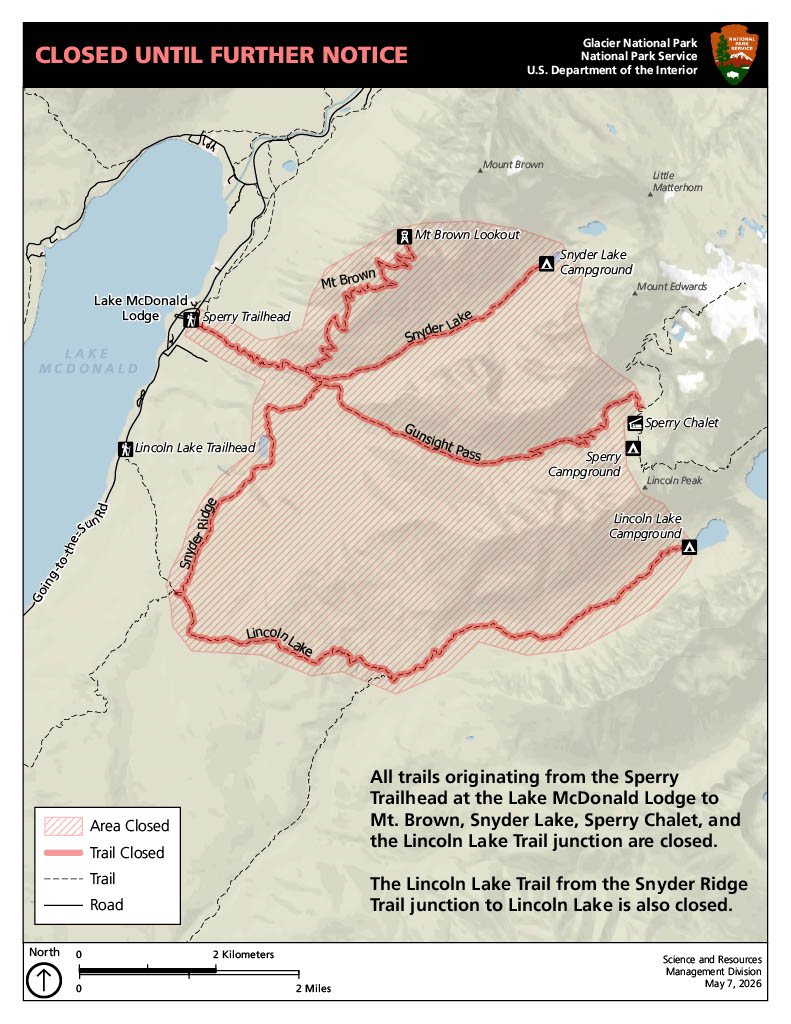
3 May 2026 · MountaineeringFatal grizzly bear attack on the Brown Mountain Trail in Glacier National Park

When a party splits during descent, those remaining higher up are most exposed

The expedition leader descended to base camp first because of a blood clot in his foot. His two teammates stayed at Camp 1 above 5000 meters, intending to descend later. After the snowfall began, they were unable to come down, and contact was lost three days later. When the whole party decides to descend, stopping along the way can leave the party separated by a storm.
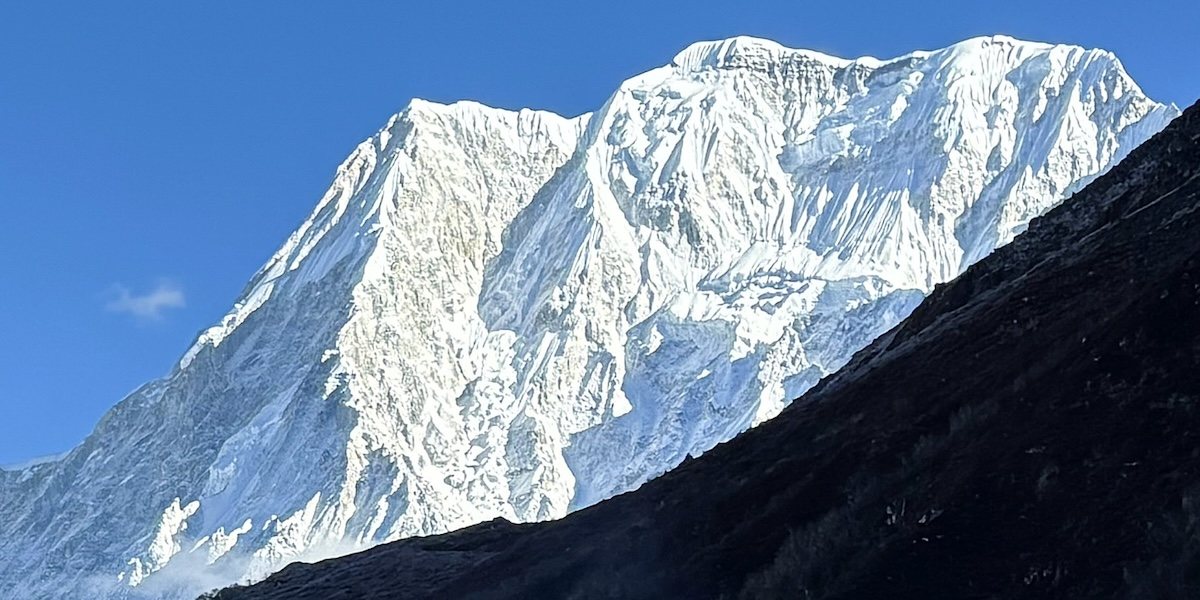
31 Oct 2025 · MountaineeringTwo Italian climbers buried by snow at Camp 1 on Panbari

Tie a stopper knot at the end of the rope

Descending off the end of a rope is one of the most common fatal rock climbing accidents. It usually happens when there is no stopper knot at the end of the rope and someone attempts to descend farther than the rope's length. According to American Alpine Club data, there were 15 descent accidents and 5 deaths in one year.
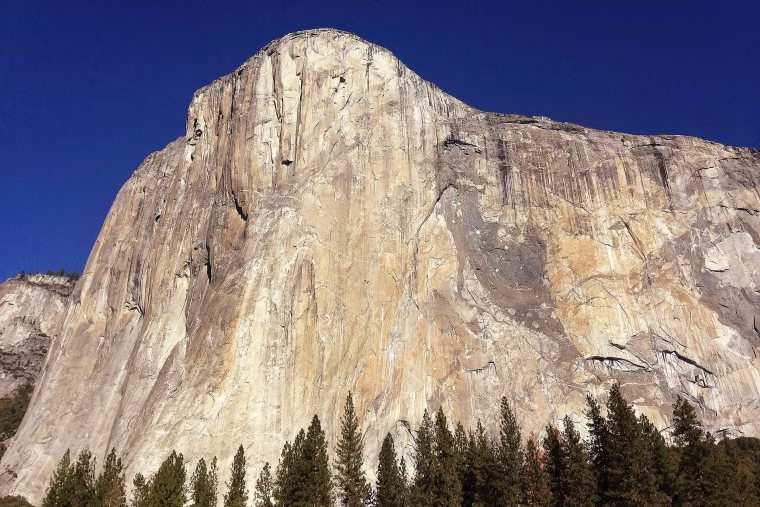
1 Oct 2025 · OtherEl Capitan's Sea of Dreams: Climber falls to his death off end of rope while retrieving stuck haul bag after reaching top

Beyond the weather window, there are mountain conditions

That season, the weather window was slow to arrive, while unusually dry and hot conditions left more rocks exposed. A window that allows a climb to proceed does not mean mountain conditions also allow it; many climbers chose to break camp in the face of the rockfall risk.
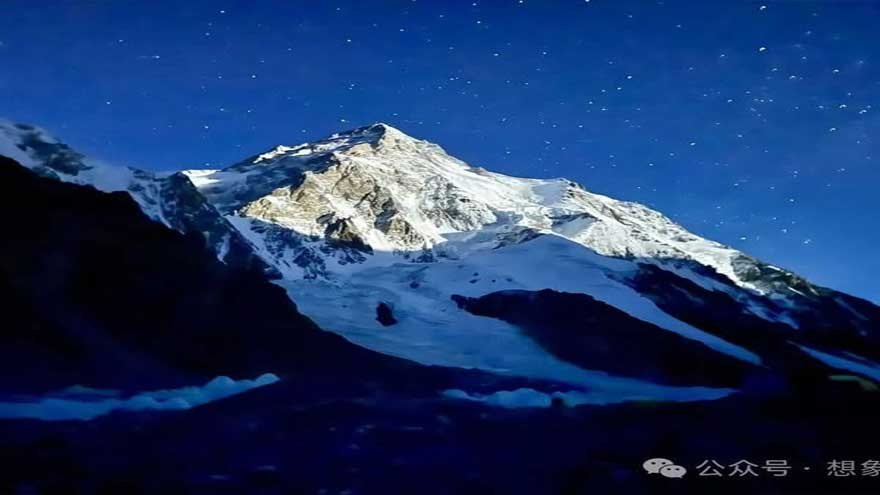
12 Aug 2025 · MountaineeringGuan Jing killed by rockfall while descending K2

If a partner has an accident, keep yourself safe first

Kraus tried for several hours to reach Dahlmeier, but was unable to get close because of difficult terrain and continuing rockfall. She reportedly left the danger area in the middle of the night and descended safely to base camp. At a site where danger remains, ensure your own safety after calling for help to avoid a second casualty.
28 Jul 2025 · MountaineeringLaura Dahlmeier killed by rockfall on Laila Peak

Write down your wishes in advance

Dahlmeier had left written wishes that no one should risk their life to rescue her, and her family said they respected them. Her management team said recovering her body was too risky given the continuing rockfall and changeable weather. Clearly writing down such wishes in advance can spare those close to you some difficult choices in a crisis.

28 Jul 2025 · MountaineeringLaura Dahlmeier killed by rockfall on Laila Peak

Entering a restricted area alone makes it difficult to be found quickly after an accident

According to reports, people had previously become stranded after entering this area in violation of regulations. In February this year, a 25-year-old man climbing alone became stranded on a cliff. The nature reserve management bureau had also added warning signs on accident-prone sections, stating that entry into undeveloped areas was prohibited. When traveling alone, no one can immediately know where you are.
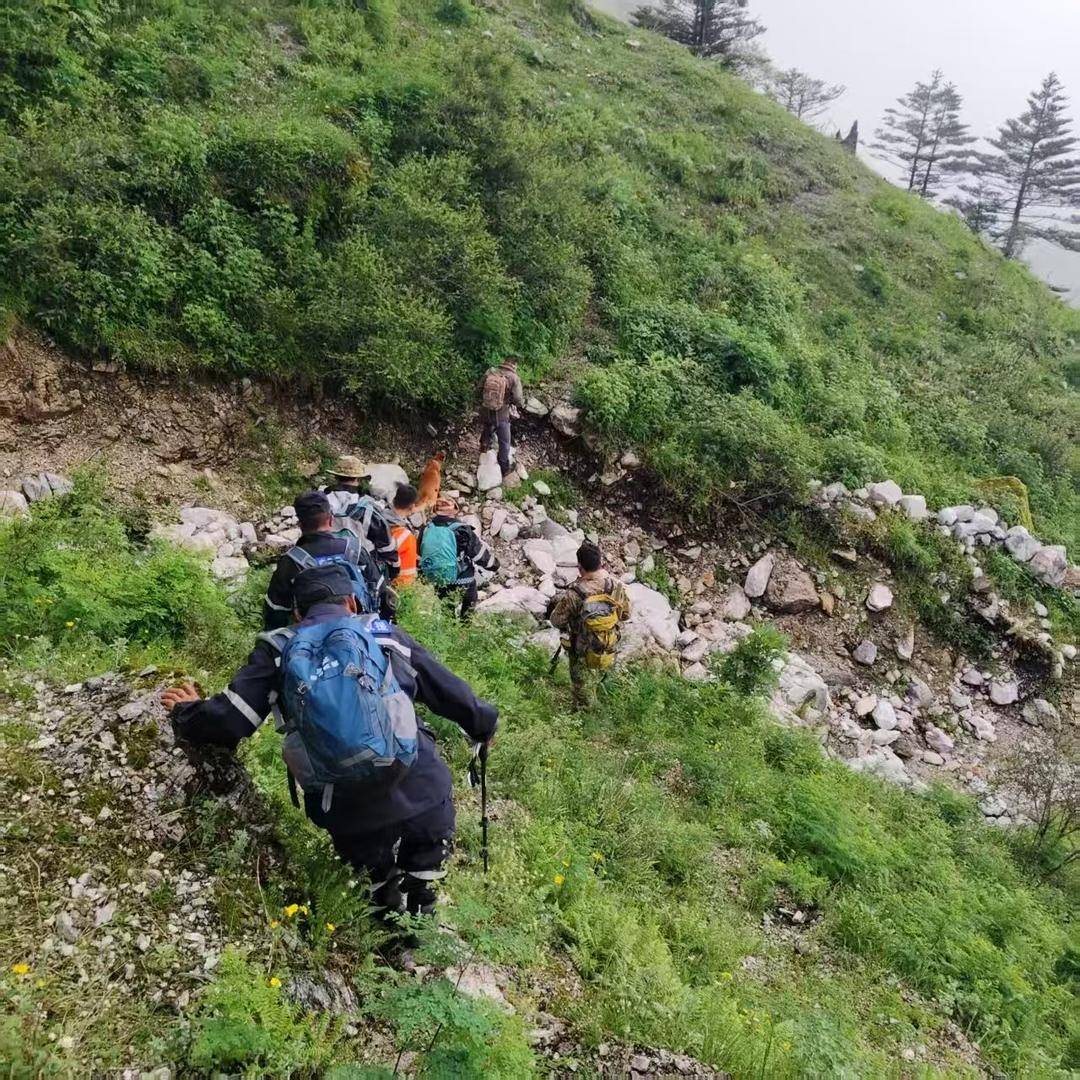
1 Jul 2025 · MountaineeringFemale university student falls from cliff while hiking alone on Liushapo, Yulong Snow Mountain

Have someone accompany anyone resting apart from the group

According to her sister, she fell after resting alone for about an hour near a hazardous section. Whether or not that account is exact, on sections with steep sandy slopes and cliffs on both sides, anyone struggling with fatigue is best advised to rest in a safe place with someone accompanying them.
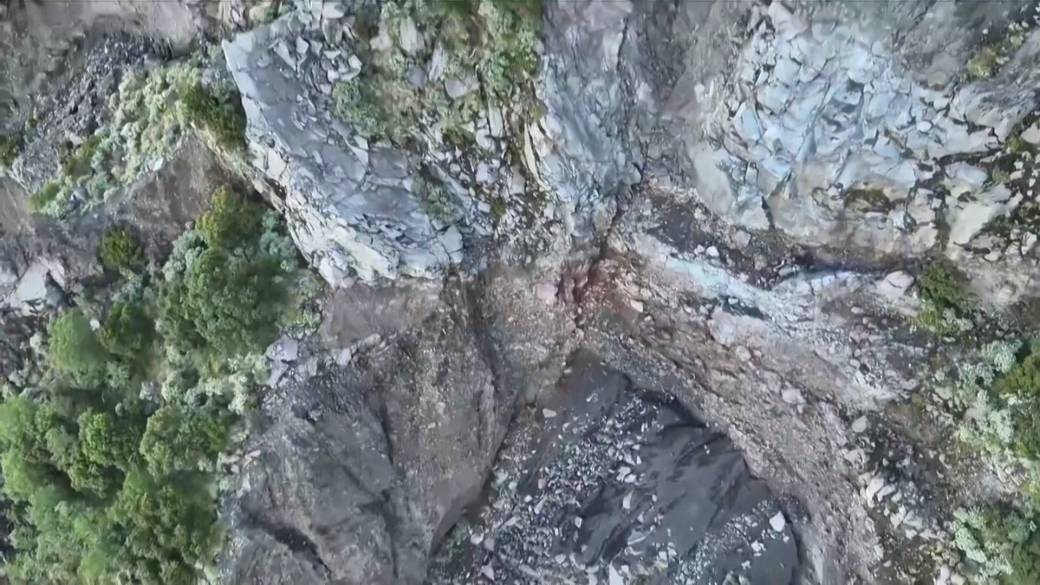
21 Jun 2025 · HikingBrazilian tourist dies in fall on Mount Rinjani

Plan protection for simultaneous roped travel

According to the leader's blog, the team mostly traveled roped together and moving at the same time, moving alternately in only three places. Reportedly, the five were attached to the same rope when contact was lost. The cause of the fall remains unknown, but it is worth deciding before setting out which sections require protection and a change to moving alternately.
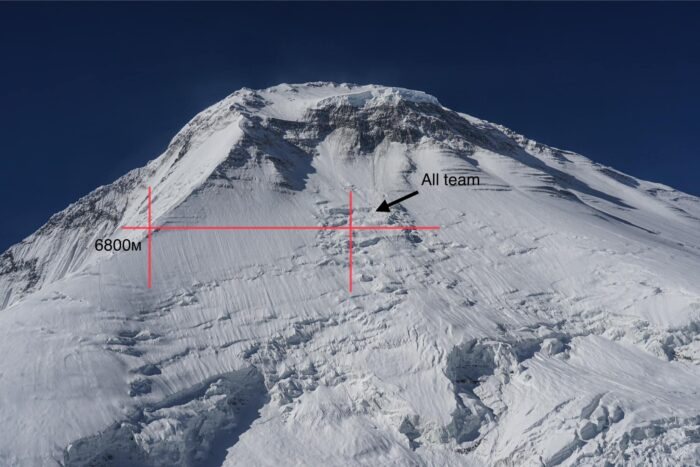
6 Oct 2024 · MountaineeringFive Russian climbers die in roped fall on Dhaulagiri in 2024

Tell companions your route and expected arrival time before setting out

According to reports, when he left, it was thought he would take the coastal path to Pedi, but later information showed that he had headed in another direction. Once a route changes, it is difficult for companions to know where to look. When changing plans, companions should be notified as soon as possible.

5 Jun 2024 · HikingMichael Mosley dies while hiking in extreme heat on Greece's Symi island

Crowding is a risk in itself

The incident occurred during the busiest summit window of the season, with large numbers of climbers crowded onto the same fixed rope on the summit ridge. After the collapse, congestion left many people stranded at altitude with dwindling oxygen. When choosing a summit day, crowd levels deserve as much consideration as the weather.
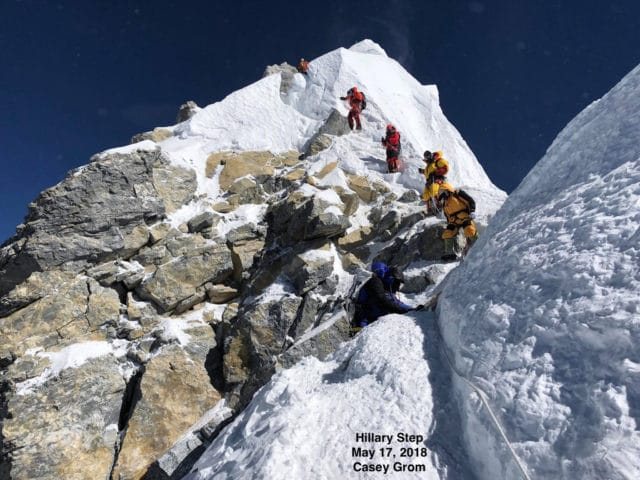
21 May 2024 · Mountaineering2024 Everest Hillary Step cornice collapse

Without experience, don't rely on guides to take an undeveloped route

A “reverse traverse” is usually more difficult, and the scenic area says taking such routes requires extensive outdoor knowledge. The route, weather and companions' abilities should all be assessed before setting out. In bad weather, do not press on blindly; turn back or rest nearby.
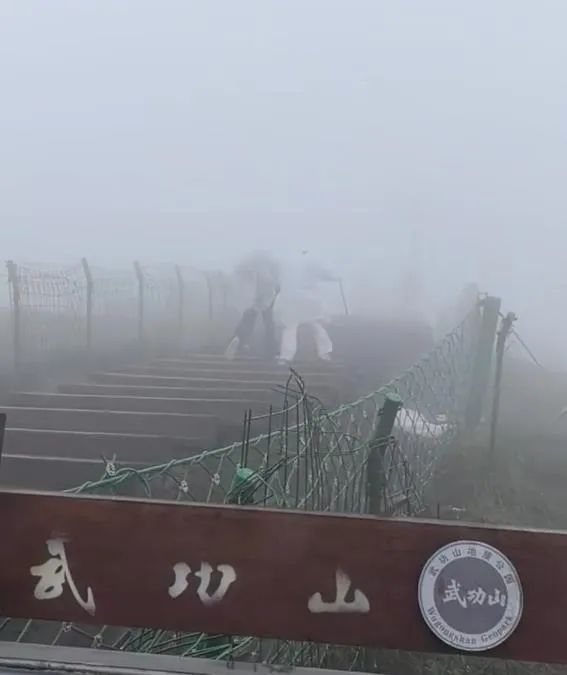
19 May 2024 · HikingWoman dies of hypothermia on reverse traverse of Wugong Mountain

Competition for a record can limit decision-making

Both the Imagine Nepal leader and an Outside investigation concluded that competition between the two women made the summit push hasty. When a goal is competitive, it is even more important to agree in advance on turnaround conditions and decision-making authority.
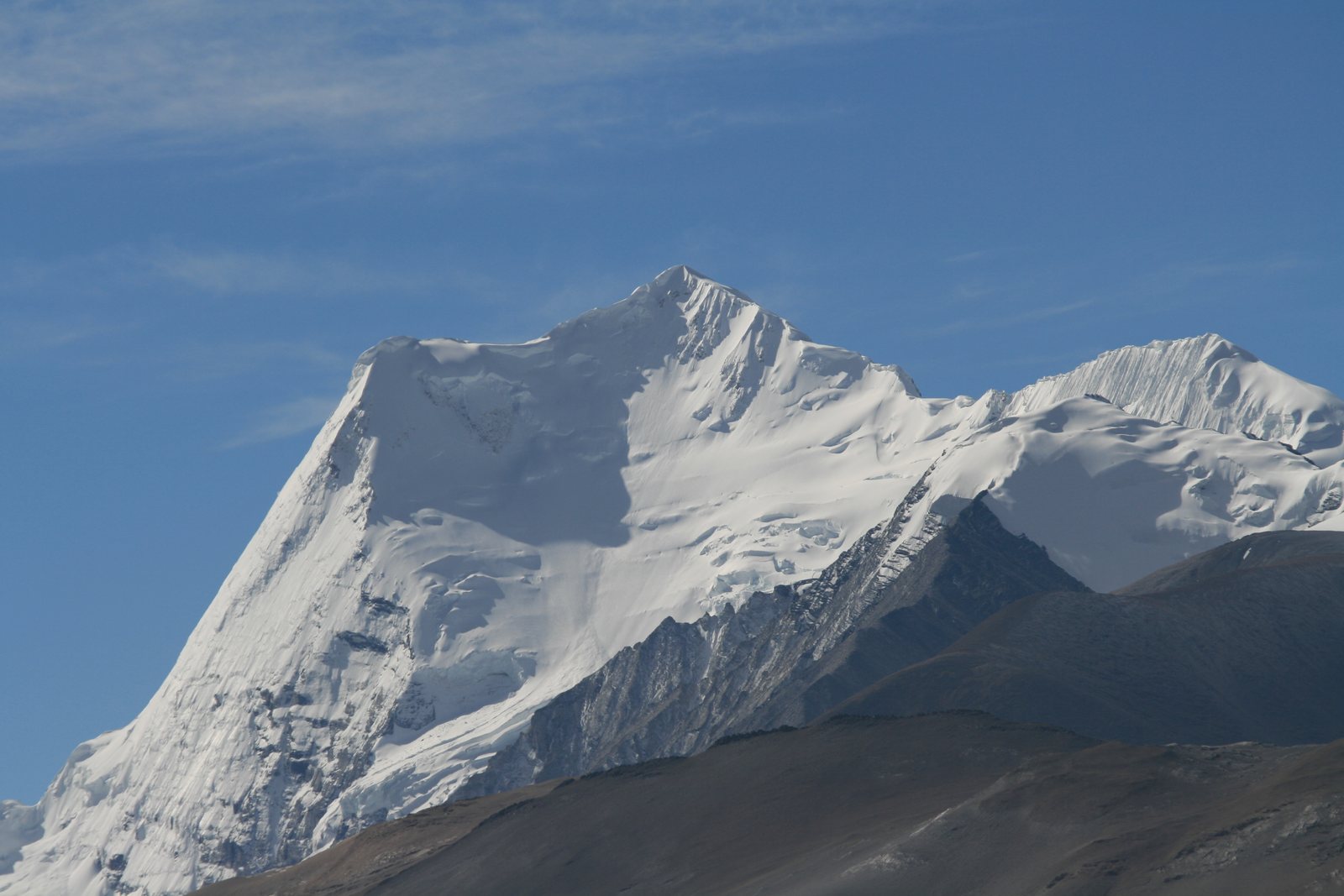
7 Oct 2023 · MountaineeringFour killed in two avalanches on Shishapangma

Someone must be able to say “It’s time to descend”

Subsequent reporting noted that Rzucidlo’s party lacked a clearly designated leader and that it was unclear who had the authority to make her turn back. When forming a team, it should be clear who is responsible for making assessments and who has the authority to call a halt.

7 Oct 2023 · MountaineeringFour killed in two avalanches on Shishapangma

A relay in sections is a method for deep-cave rescue

The rescue route was divided into seven sections, with teams from multiple countries responsible for different sections, and intermediate camps were established. According to reports, the European Cave Rescue Association coordinated rescuers from several countries, and the evacuation from the cave took more than two days. This kind of rescue requires an international cooperation network established in advance.
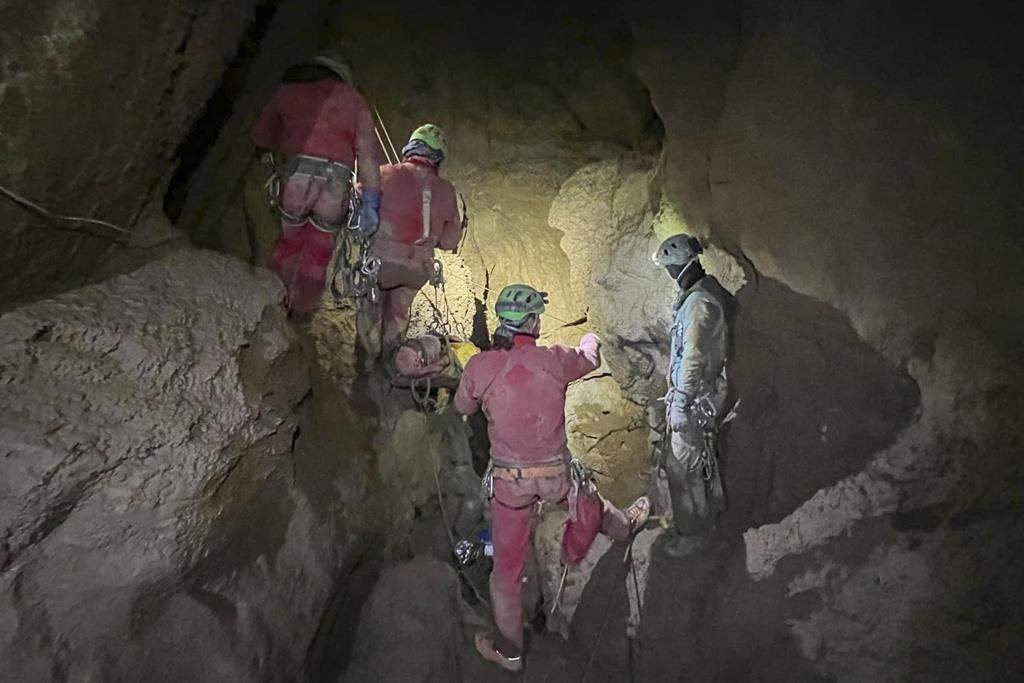
2 Sep 2023 · Diving and cavingNine-day rescue a kilometre deep in Morca Cave

Vehicles leaving the group must also carry sufficient supplies

In this case, a single pickup truck was sent to take people out. According to reports, it had no satellite phone; a person assisting with the rescue said the drinking water in the vehicle that lost contact had run out. He advised that when entering uninhabited wilderness, sufficient water, food, recovery equipment and emergency equipment should all be prepared.

26 Jul 2023 · HikingFour die in Lop Nur self-drive convoy in 2023

Avoid going alone on long routes with a heavy pack

Before setting out, Jiang Ye was advised to go with a group. After his partner turned back, he continued alone, and at Laohukou someone again invited him to join a group. If a person is alone on a multiday route carrying a heavy pack and encounters danger, there is no one nearby to help or raise the alarm.
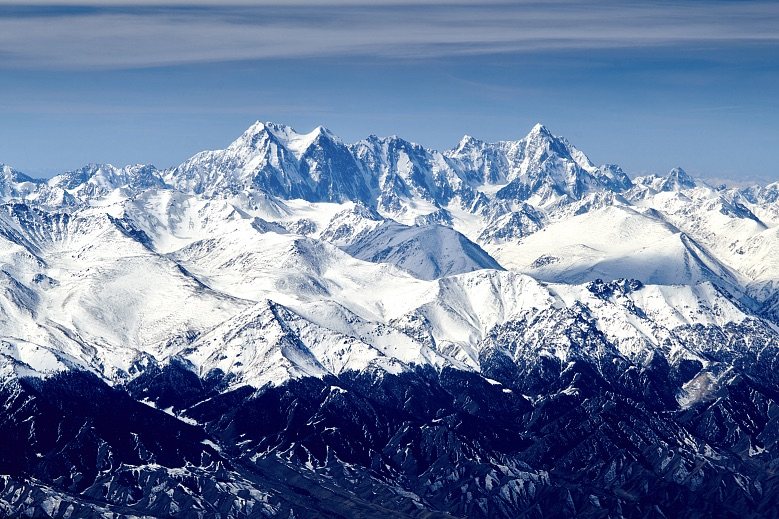
Jul 2023 · HikingJiang Ye dies hiking the Bogda Peak circuit

Agree on roles even in an informal group

A survivor said the group had no leader and that not all members knew one another; the prosecutors' office also found that the group had not assigned leader and guide roles. Even with careful planning and experienced members, it is worth agreeing before departure on who will monitor the weather and who will make the decision to retreat, so decisions can be made more quickly in an emergency.
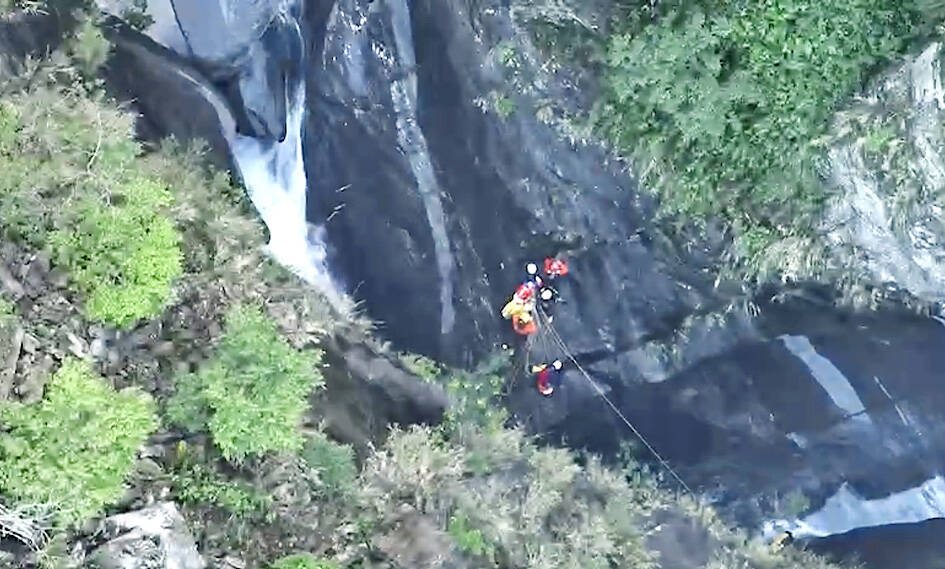
20 May 2023 · CanyoningCanyoning group caught in heavy rain at Feilong Waterfall

Check that the rope is long enough before every rappel

Maloo descended an ice wall approximately 8 meters high on a rope that was too short. After reaching the end of the rope, he fell and slid into a crevasse. Checking that the rope is long enough to reach the bottom is a step that must not be skipped before any rappel.
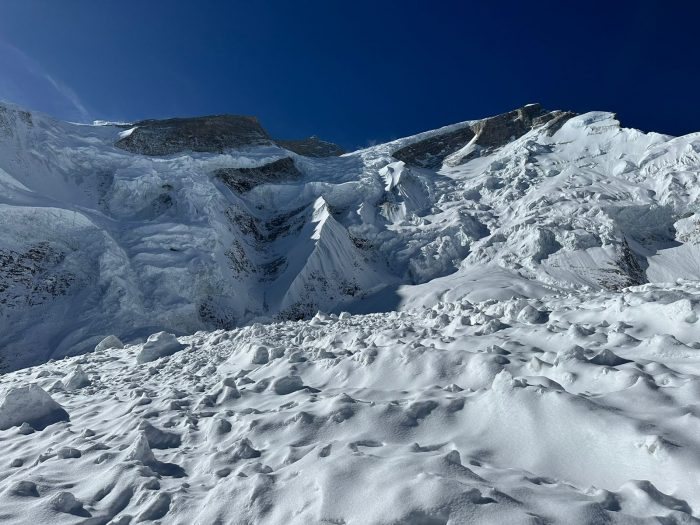
17 Apr 2023 · MountaineeringThree Days in an Annapurna Crevasse

Ask a companion to check critical actions when unwell

Maloo turned back because he felt unwell and, according to a witness, was very weak during the descent. When the witness noticed that his rope was too short, they shouted for him to stop and check, but he did not stop. When unwell, having a companion check critical technical actions is even more important.

17 Apr 2023 · MountaineeringThree Days in an Annapurna Crevasse

Take danger warnings from frontline guides seriously

According to one expedition leader, for about a week before the accident, the Sherpas on his team had been saying that the icefall above the “Football Field” looked dangerous. According to reports, the new snow had not settled that season, and the Icefall Doctors had difficulty opening the route. Frontline personnel's assessments of route conditions deserve serious attention.
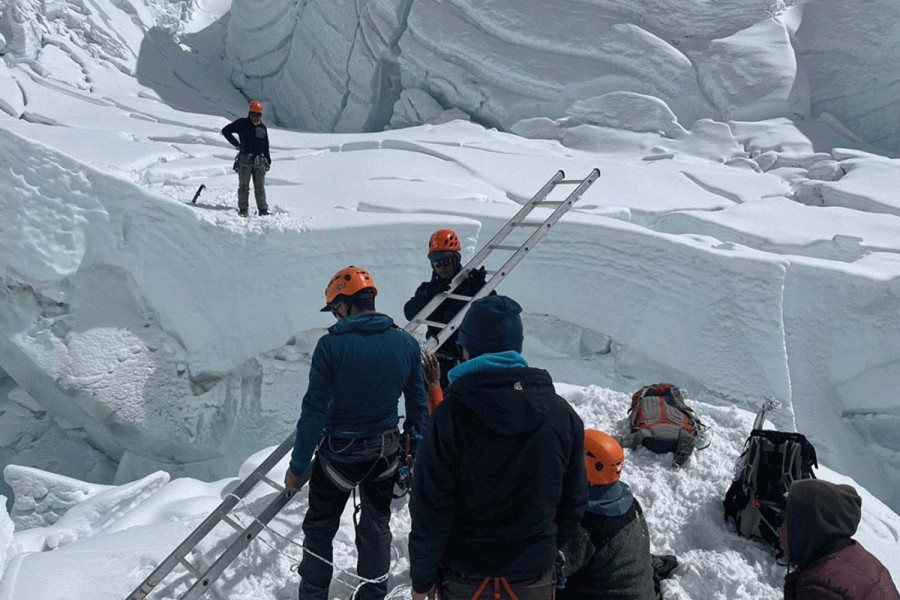
12 Apr 2023 · MountaineeringKhumbu Icefall collapse: Three Sherpa guides killed

Multiple groups on a popular route

When the avalanche occurred, approximately fifteen people in three groups were in the area of this popular route, each group led by mountain guides. With multiple groups below the same slope at the same time, a single avalanche could affect everyone.
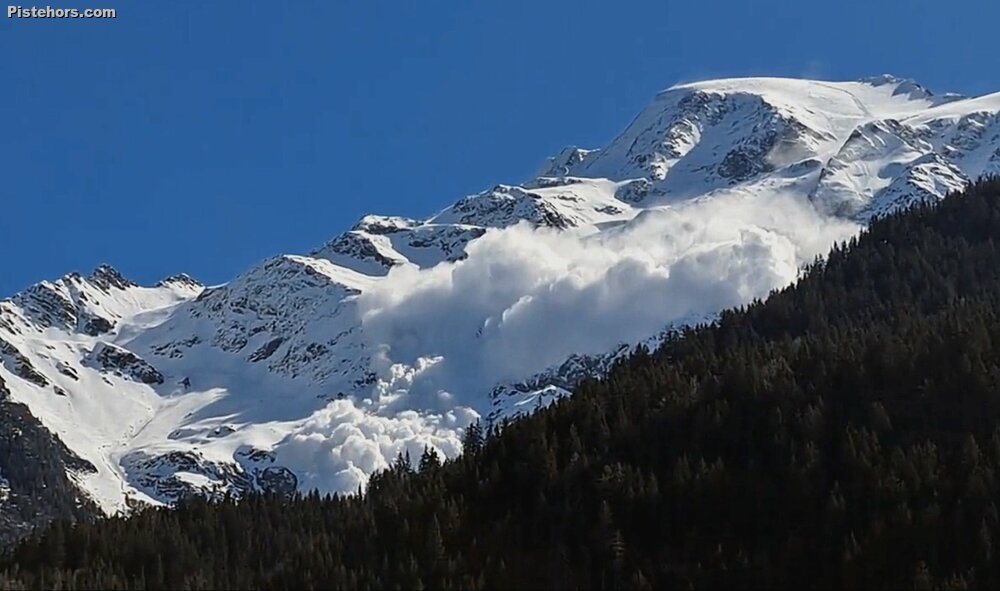
9 Apr 2023 · MountaineeringArmancette Glacier avalanche

Do not put the entire team on one slope at the same time

According to reports, all the trainees were placed in one group and climbed close together, on the same slope at the same time without knowing the snow conditions above. After the accident, NIM required greater spacing between groups to reduce the number of people exposed to hazardous slopes at one time.
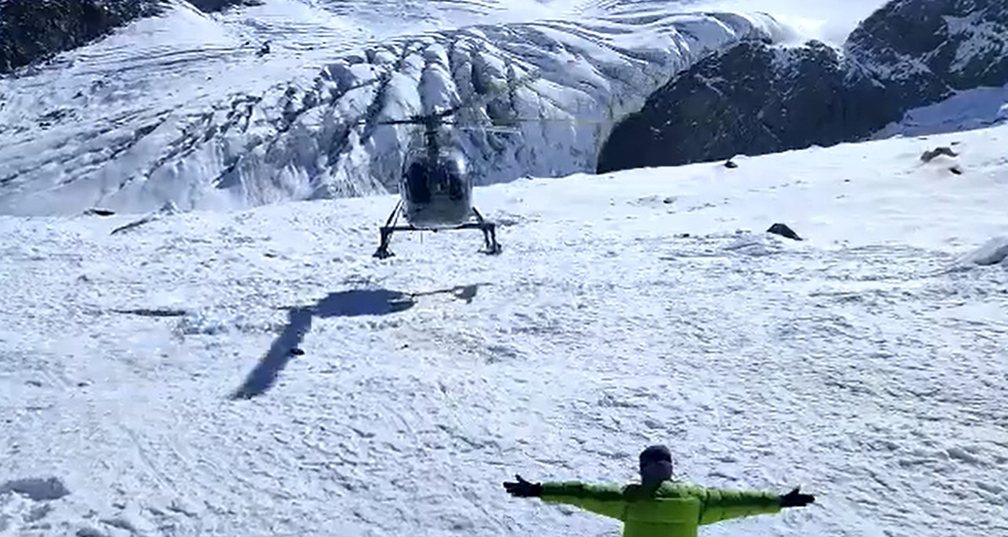
4 Oct 2022 · MountaineeringDraupadi Ka Danda II avalanche

When arranging a group, clarify who is responsible

The 5 had arranged to meet online, and afterward questions remained about whether there was a group leader and who led the way. An internet user said that local people advise tourists to form groups and hire a professional guide familiar with the route. Groups assembled on an ad hoc basis have even greater need to clarify roles and responsibilities beforehand.
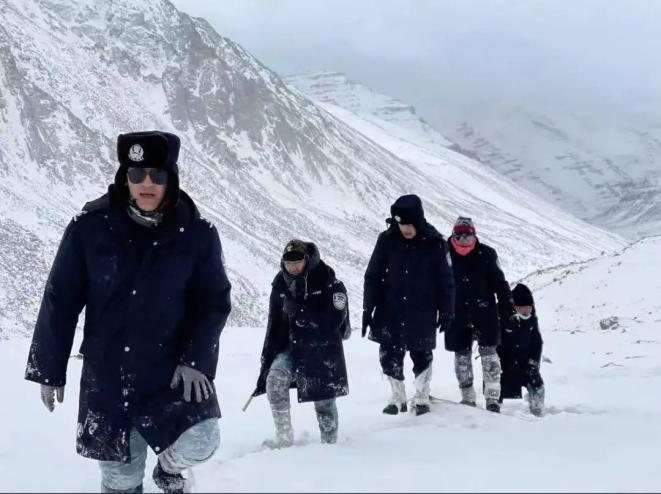
2 Feb 2022 · Hiking2 die during winter pilgrimage around Mount Kailash

Before joining a commercial party, check guide qualifications and numbers

Investigators found that the organizer knew some guides did not meet qualification requirements, that there were not enough guides accompanying the party to ensure safety, and that the members' equipment, health and physical readiness had not been assessed. According to reports, both lead guides held only a third-class mountaineering sports rank.

23 Sep 2021 · MountaineeringCommercial climbing party caught in a blizzard on Mount Elbrus

First ask whether to go, then how to ski

According to reports, the group of five discussed how to ski at the top of the slope but did not discuss whether they should ski it; neither group dug a snow pit to check the snowpack. The danger rating was “high” that day, the avalanche center had issued a warning beforehand, and both groups saw natural avalanches on their way up.
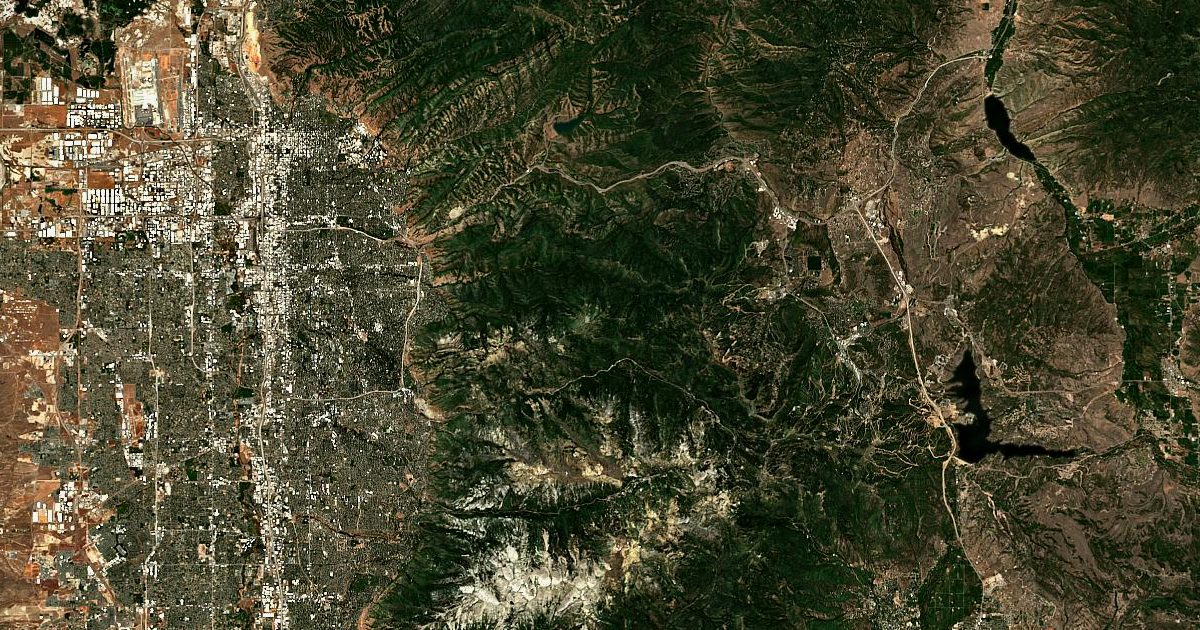
6 Feb 2021 · OtherWilson Glade avalanche: Two ski groups buried

Consider the route when descending after a change in weather

According to reports, the party split into two groups to descend after encountering a sharp deterioration in the weather at an altitude of about 3000 meters. The 4 people who set out first and their guide encountered the avalanche on the way down; the other 5 people in the party took shelter at a nearby lodge and were safe.
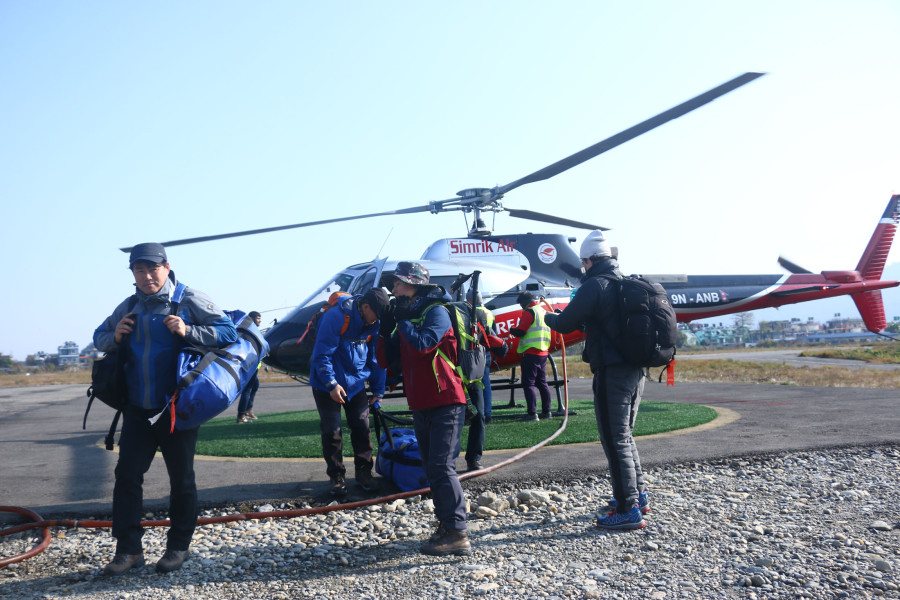
17 Jan 2020 · HikingAnnapurna Base Camp trek avalanche: Four South Korean volunteer teachers and Nepali guides killed

After resting off the trail, first confirm the direction back

According to her own account, she turned in the wrong direction when she set off again after leaving the trail to rest, and walked farther and farther in. Remembering landmarks when leaving the main trail to rest, and stopping in place if the direction seems wrong, is safer than continuing to feel one's way onward.
8 May 2019 · HikingRescued after 17 days lost in Maui forest

When splitting up, each group needs its own plan for seeking help

The 12-person expedition split into two groups on the mountain, with an eight-person team attempting a previously unclimbed peak. After splitting up, each group should agree on its own check-in and turnaround times, and who will call for help and when if a check-in is missed.
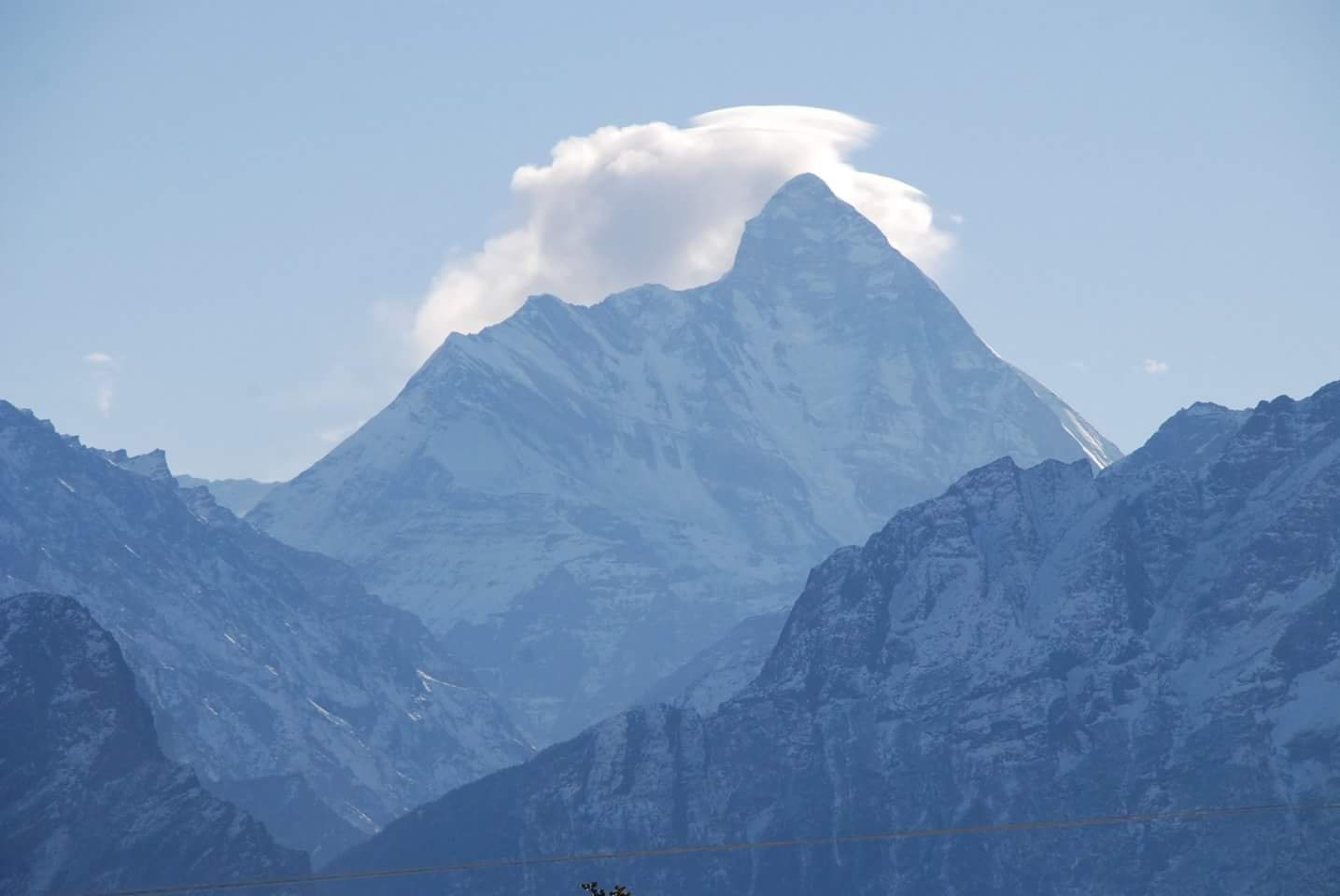
May 2019 · Mountaineering2019 Nanda Devi East mountaineering team disappearance

Experience should match the difficulty of the route

According to reports, the spur had never been climbed in its entirety, and Ballard, who accompanied Nardi, was climbing an 8000-metre peak for the first time and had never been above 6000 metres. A new route in winter is an extremely high bar for anyone; when choosing an objective beyond one's experience, it is especially important to set retreat limits in advance.
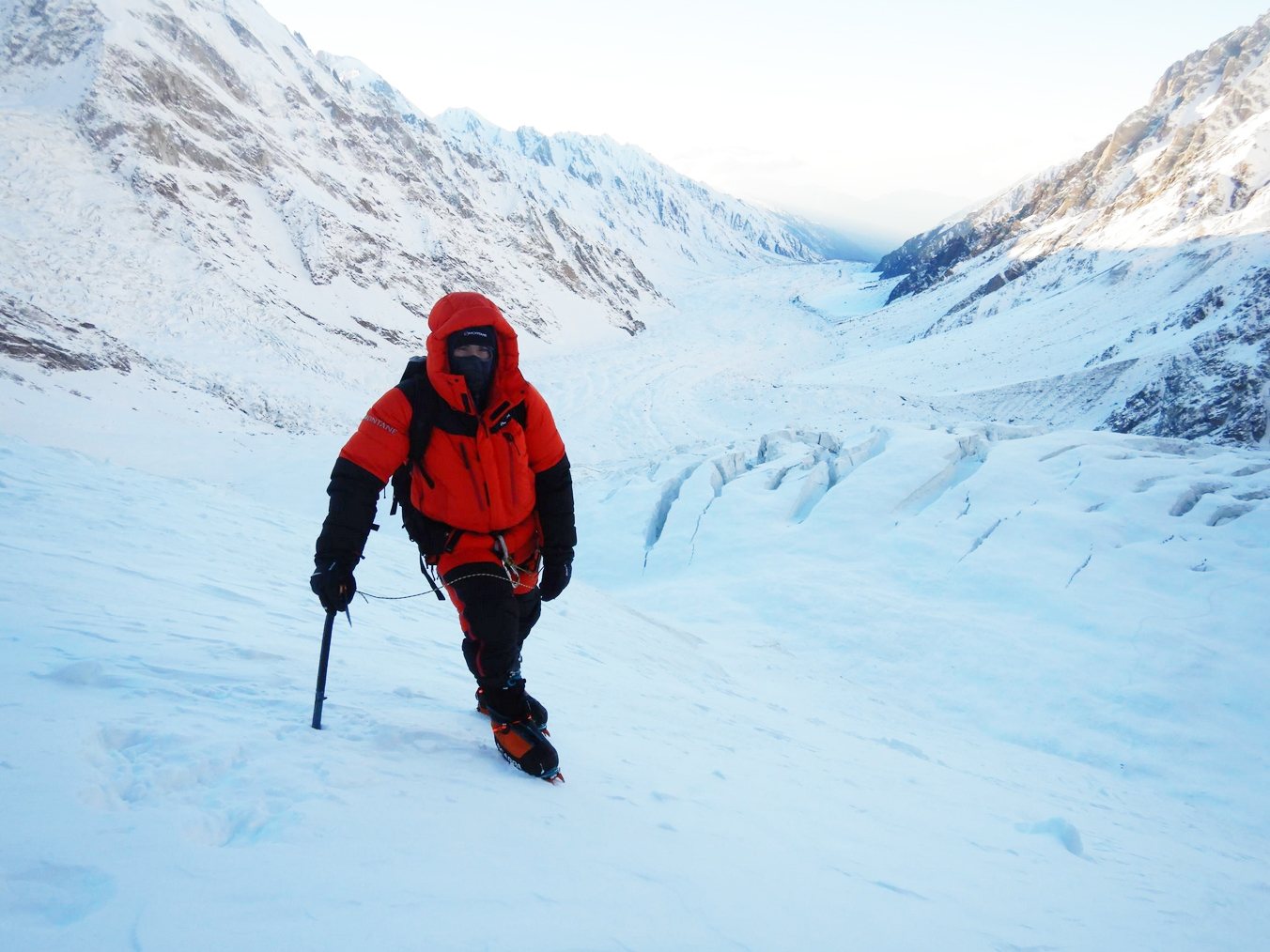
24 Feb 2019 · Mountaineering2019 Nanga Parbat winter climbing deaths of Ballard and Nardi

Solo climbing has no second safeguard

She herself had written that one must be especially careful when climbing alone and that she had been forced to turn back on one section. After falling and being injured alone, there are no teammates to provide care on the spot or go down the mountain to alert others. High-risk descending sections of a route warrant extra caution.
19 Jan 2019 · OtherGigi Wu falls into valley while climbing Mount Penju alone

After an earthquake, evacuate by the routes announced, not the original plan

According to reports, after this earthquake only one of Mount Rinjani's five hiking routes remained passable for descent. Some hikers had originally planned to descend to Senaru, but a footbridge on that route had been destroyed by a landslide. From the day of the earthquake, rescuers went up the trails to tell everyone to descend. After a strong earthquake, the originally planned descent route may no longer be passable.
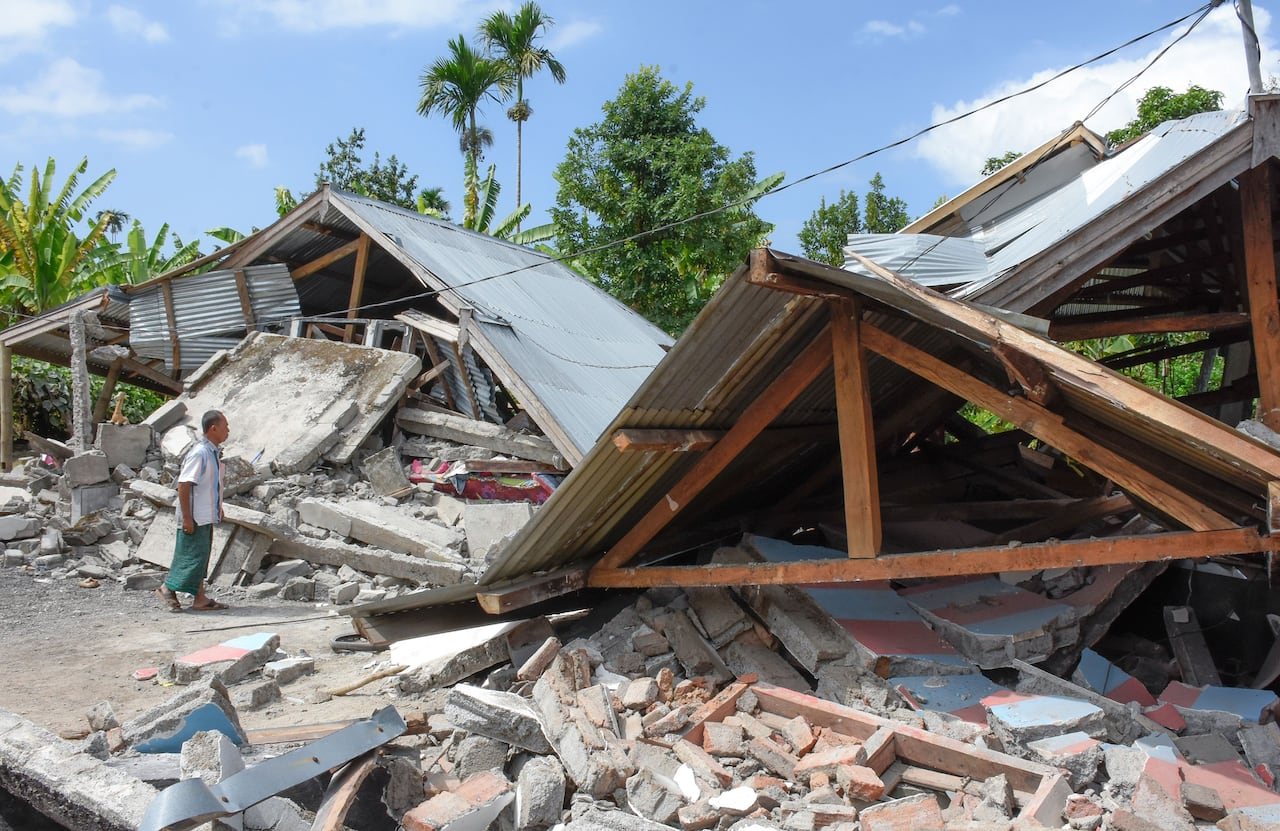
29 Jul 2018 · HikingLombok earthquake strands hundreds of hikers on Mount Rinjani

Provide enough guides and an emergency plan for large groups

According to reports, as the fire approached, the Erode group's guide warned everyone to descend quickly. He led some people to safety, while the others scattered and fled. The investigation report said both groups were inadequately equipped and had not been trained to deal with accidents. Large groups should have enough guides familiar with the terrain for the number of participants, and should explain before departure how to regroup and where to evacuate in an emergency.
11 Mar 2018 · HikingKurangani forest fire traps two trekking groups

Spend less time at the foot of cliffs

The couple were not climbing when the incident occurred; they were walking at the foot of the cliff. The review recommends minimising time spent approaching or bivouacking at the foot of cliffs, especially in known rockfall areas. Fresh debris and damaged vegetation at the foot of a cliff, and cracking sounds from the rock face, are signs to watch for. A helmet cannot stop large falling rocks, but can protect against flying fragments.
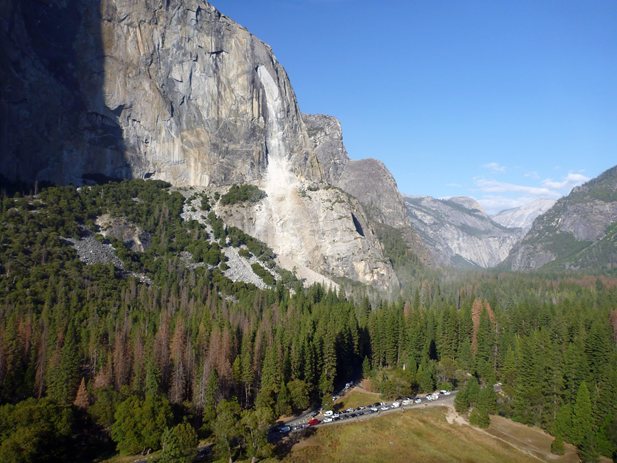
27 Sep 2017 · OtherEl Capitan rockfalls: Two days at the foot of Yosemite's cliff

Solo climbing makes accidents difficult to reconstruct

Steck was climbing alone on Nuptse that day, and his family said the exact circumstances remained unclear. According to reports, the head of the Nepal Mountaineering Association said that nobody knew what had happened precisely because Steck had been climbing alone; the association had also consistently advised the government to restrict foreigners from climbing alone.
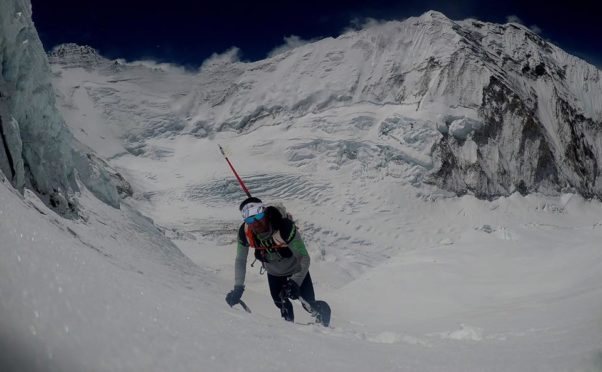
30 Apr 2017 · MountaineeringUeli Steck dies in fall on Nuptse

Reassess the risks when a partner is absent

His partner for the attempt, Tenji Sherpa, was unable to accompany him because of frostbite, and Steck set out alone. According to reports, expedition company head Mingma Sherpa said that conditions in the mountains are unpredictable and that even the most experienced climbers face challenges.

30 Apr 2017 · MountaineeringUeli Steck dies in fall on Nuptse

Groups assembled online should have first-aid capability

The members of this team came together online and did not know one another. According to reports, they had neither professional rescue equipment nor anyone trained in first aid. Before setting out, groups should confirm that someone knows how to manage altitude illness and agree in advance on the conditions for descending and seeking help.
6 Oct 2016 · HikingHiker dies of altitude sickness during unauthorized Muli–Daocheng Yading traverse

Acclimatization arrangements and notification afterward questioned

Strydom's mother said the itinerary had recommended spending a night at Camp 3 to acclimatize, but they had not done so. The team leader responded that sleeping too high could also weaken climbers. After the incident, the family learned of her death while searching online and received no direct contact from the organizer for several days.

21 May 2016 · Mountaineering2016 Everest Southeast Ridge: Strydom and Arnold die during descent

Recognise signs of physical exhaustion earlier

According to the analysis of a polar scientist quoted by Live Science, modern communications and evacuation methods can get a person off the ice within about 12 hours, but Worsley and the people in contact with him failed to recognise early enough how serious the situation was. Dehydration and fatigue can also impair judgment and lead people to make irrational decisions.
24 Jan 2016 · HikingHenry Worsley dies during solo unsupported crossing of Antarctica

The group's technical skills should match the route

Reportedly, only one of the seven had extensive canyoneering experience, and some members had only just begun learning to rappel. Limited technical proficiency can lengthen the time spent in the canyon and slow evacuation in an emergency.
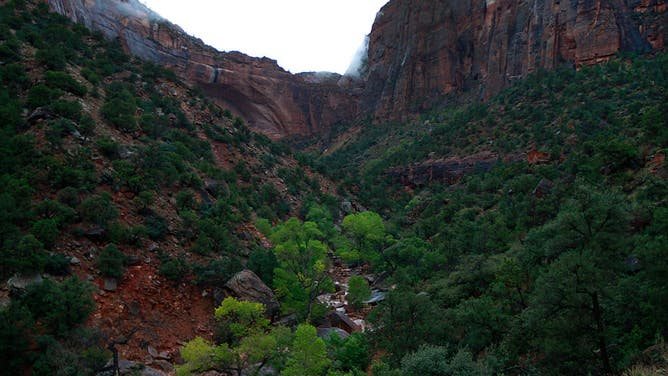
14 Sep 2015 · OtherKeyhole Canyon flash flood in Zion National Park

Follow bear-country guidelines even on short hikes

According to reports, Crosby's family and friends said he often hiked alone, often left trails and never carried spray. The report said he had no camera, phone or camping equipment with him, indicating that this was a spontaneous short trip. A survey of nearly 8,800 visitors found that fewer than 14% carried spray and 60% traveled in groups smaller than the recommended three people.
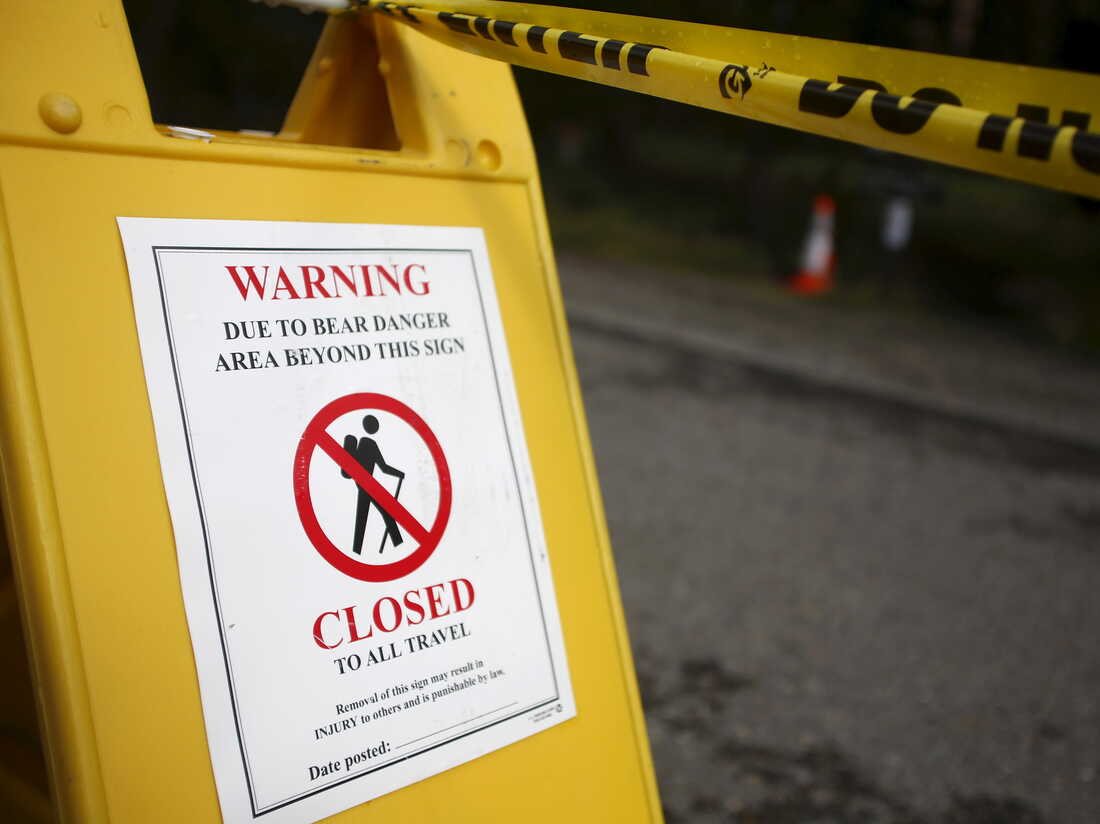
6 Aug 2015 · HikingSolo hiker attacked by grizzly bear on Elephant Back Mountain in Yellowstone

A point of no return on the flight path

Potter reportedly said before the jump that they would go around the ridge if they did not have enough altitude. A flying partner said that on the approximately 20-second flight, there was no turning back after 12 seconds. Potter ultimately cleared the notch but was unable to clear the terrain on the other side.
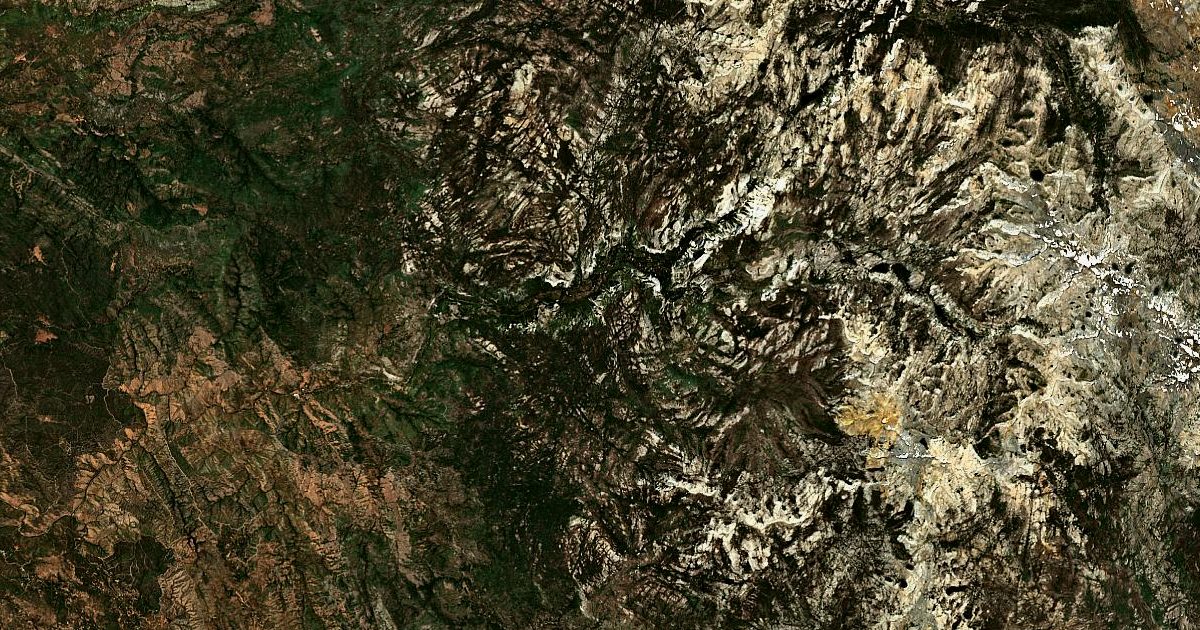
16 May 2015 · OtherDean Potter and Graham Hunt Yosemite wingsuit flying accident

Have someone who will alert police if you are overdue

About four months passed between his last message and the first missing-person notice; even under his original plan, he would not have emerged for 80 days. Before entering an uninhabited wilderness alone, give a reliable person your route, expected exit date and a plan for what to do if you are overdue, and agree on how many days without news should pass before they alert police.
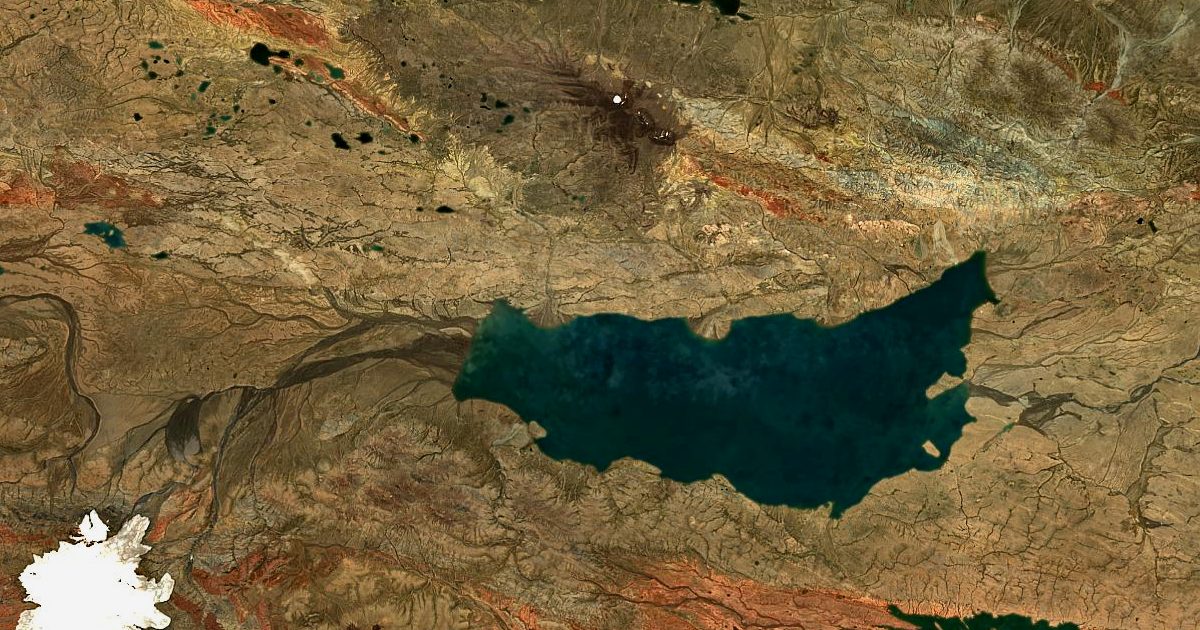
11 Dec 2014 · CyclingLi Congming's disappearance in Changtang

The group separated while fleeing

After the bear began following them, the five ran away and became separated in different directions. Only when four of them later regrouped did they realize Patel was missing, and they then called police.

21 Sep 2014 · HikingApshawa Preserve black bear attack

Set boundaries first when a group stops

According to reports, the chief minister said afterwards that the teachers should have prevented the students from going down onto the riverbed. In its 2025 ruling, the High Court also found that the accompanying teachers knew mountain rivers were dangerous but still allowed the students onto the riverbed to take photographs. On group trips, where people must not go should be made clear at the stopping point.
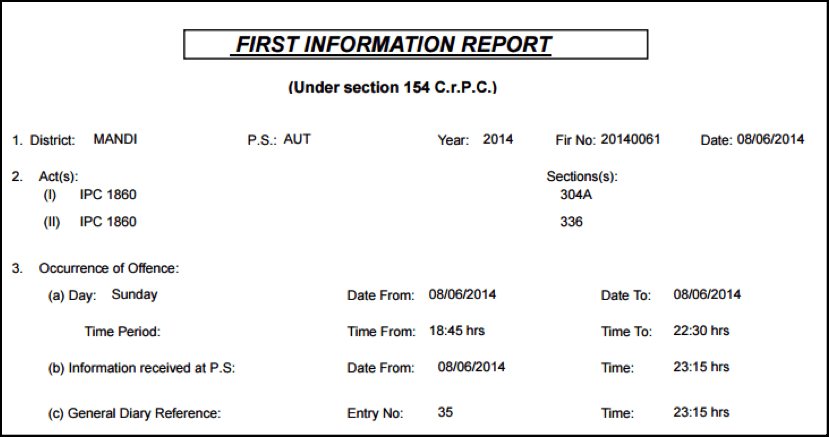
8 Jun 2014 · OtherEngineering students swept away by water release in Beas River

Congestion left people in the path of falling ice

According to reports, a shifted ladder caused congestion, leaving dozens of people waiting in the path of the ice avalanche. On sections exposed to falling ice, crowds can themselves magnify the consequences when route equipment fails; inspecting and repairing equipment in advance, staggering departures and limiting the number of people passing through at one time are all ways to reduce exposure.
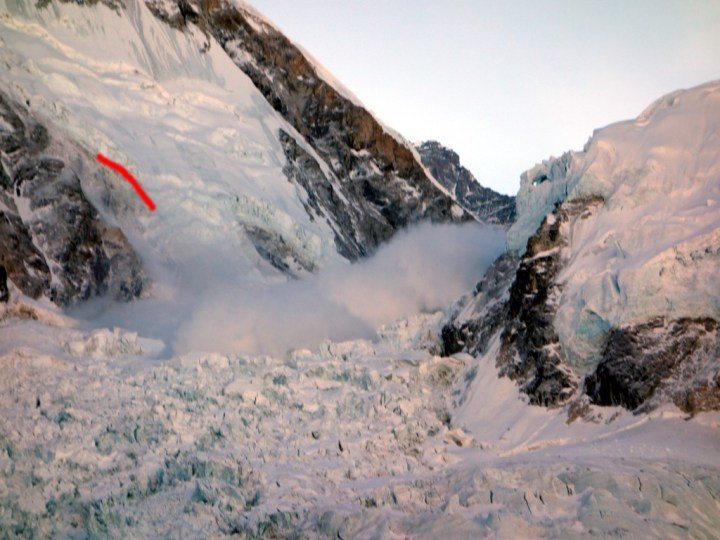
18 Apr 2014 · MountaineeringEverest Khumbu Icefall ice avalanche: 16 Nepali mountain guides killed

Teams entering at intervals also need a way to send messages back

The plan divided the five divers into two teams entering about two hours apart to allow sediment to settle. But when the accident happened at depth, the first team had no way to pass the news to the second. Before deciding on team size and intervals, divers need to work out how information will be communicated after an accident.
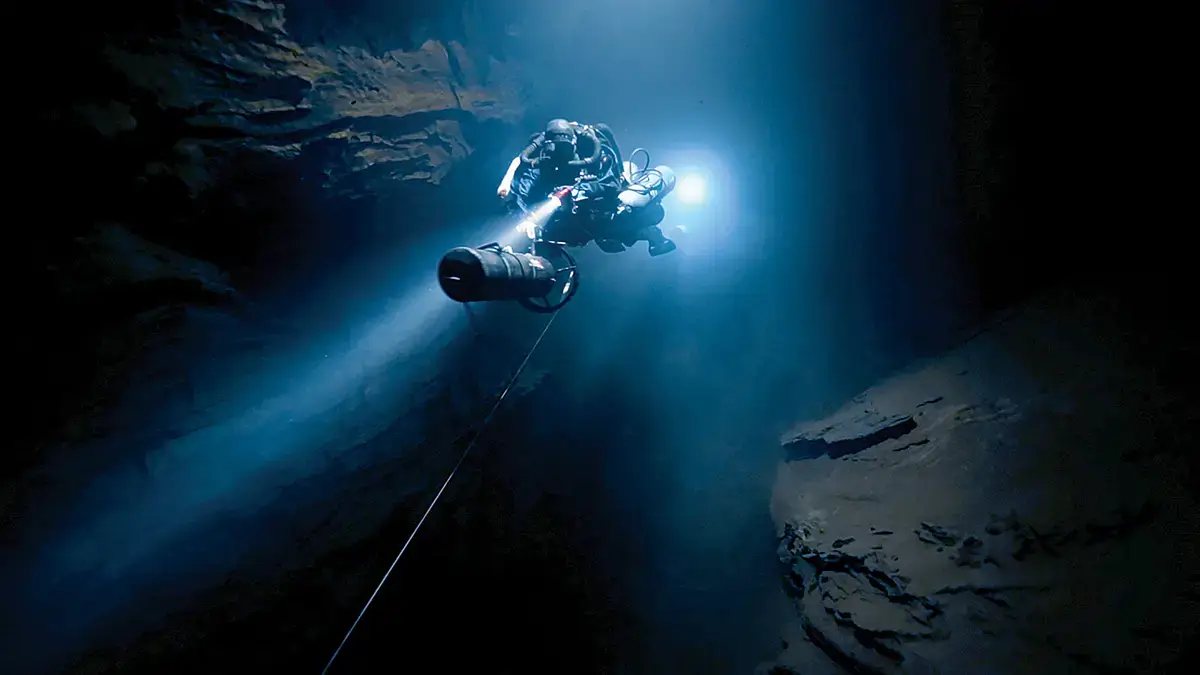
6 Feb 2014 · Diving and cavingPlura cave traverse diving accident

On high-altitude snow slopes, timing and position are also part of the risk

Nearly 30 people were on the route, setting out at almost the same time in the early hours and crossing the same steep slope. The more concentrated the parties, the more people a single avalanche can affect; weather, snow conditions and traffic can all be considered together before setting out.
12 Jul 2012 · Mountaineering2012 Mont Maudit avalanche in the Mont Blanc massif

Hidden crevasses remain a danger during glacier descents

The accident occurred during the descent after the summit, on the glacier near the 4400-metre camp. According to reports, Yan Dongdong was not roped up when he fell into a hidden crevasse covered by snow. The way climbers travel on glaciers requires the same careful attention at camp and during descent.
9 Jul 2012 · MountaineeringYan Dongdong dies in crevasse on Mount Qelebos

A large group does not mean safety

According to reports, a direct descent through Tunnel Creek to the valley floor leads into a funnel-shaped terrain trap. Michelson, who was with the group, later said she would never go backcountry skiing with 12 people; veteran skier Wurtele said it was very unwise for so many people to stop in that location, but he did not say so at the time.
19 Feb 2012 · OtherTunnel Creek avalanche: Three experienced skiers die at Stevens Pass

Turn back when warned

Before the accident, several people present urged the three to leave the river, warning that the current was swift and the water extremely cold. According to reports, the author of a book studying deaths in Yosemite believed that almost all waterfall accidents in the park resulted from carelessness and often happened while people were taking photos.
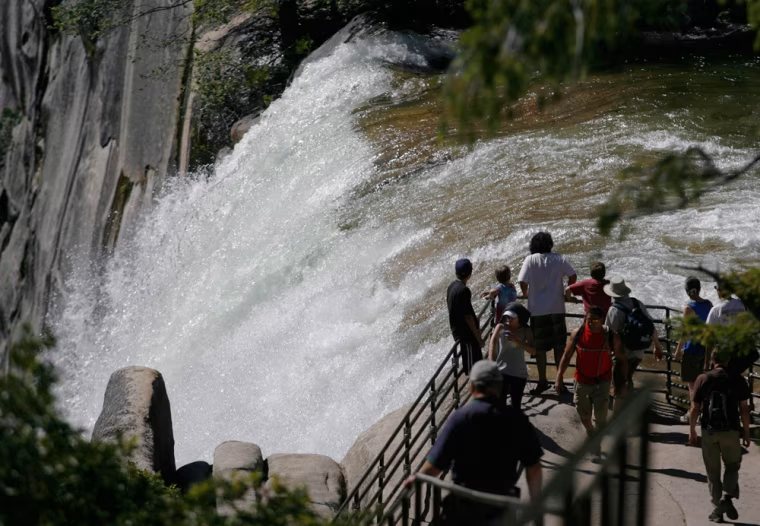
19 Jul 2011 · HikingThree swept over Vernal Fall in Yosemite

Know how to respond to a bear encounter

The park's bear-country guidelines advise against running or making sudden movements, and recommend backing away slowly. The investigation report noted that, in this case, the bear may have shifted from investigating to a sustained chase as the couple ran and shouted. Reacting to a close encounter with a mother bear and cubs is difficult; knowing the guidelines and agreeing on an approach before setting out can help people respond more calmly.
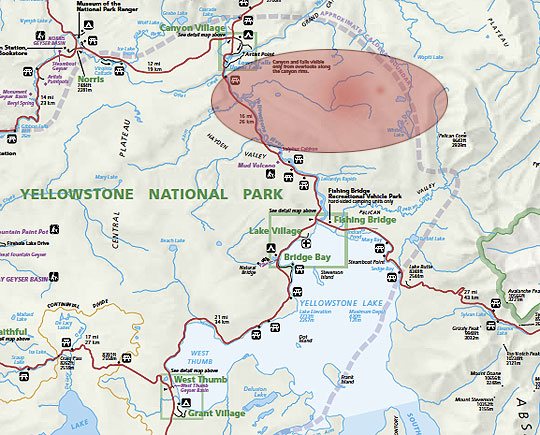
6 Jul 2011 · HikingCouple encounter grizzly defending cubs in Yellowstone

Guide teams should prepare to work together in advance

The three guides met on the day of departure, and only one had travelled the route before. The investigation found insufficient coordination and consultation on the ground. When danger arises, if the group splits up and those leading it become hypothermic themselves, no one is left to look after those who fall behind.

16 Jul 2009 · MountaineeringHypothermia deaths in Mount Tomuraushi tour group

Observe the turnaround time

Delays began to accumulate early that morning, and many people did not reach the summit until around nightfall, leaving them to descend through the most dangerous section in darkness. Pemba later said that some had stayed at high altitude too long, and that the outcome would have been very different if everyone had retreated together after the first death.
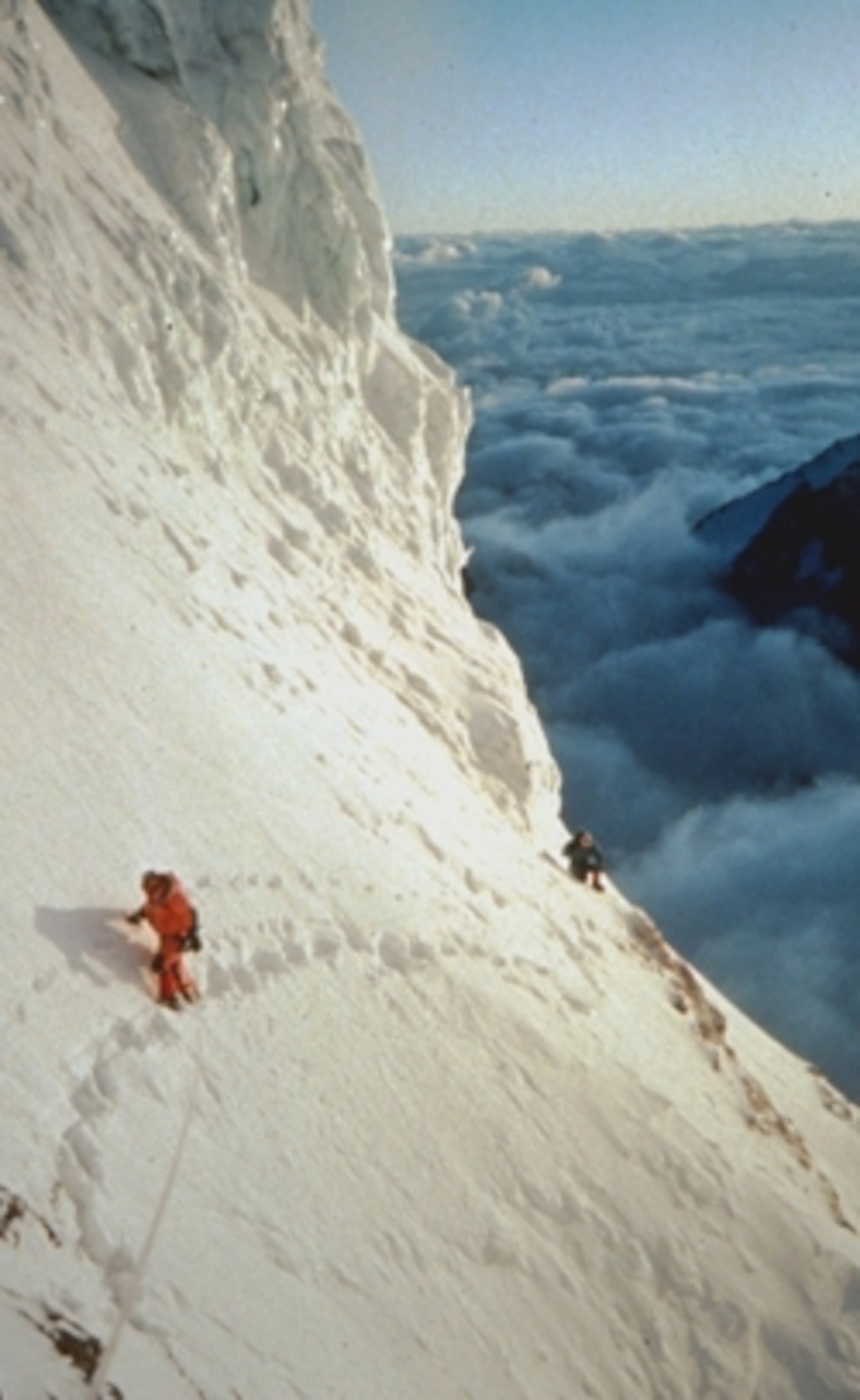
1 Aug 2008 · Mountaineering11 die in K2 Bottleneck serac collapse

A new route may offer no way back

After the accident, the two judged it too dangerous to descend from the accident site by the way they had come. They had to continue upward over the face and descend by the Buhl route, and were ultimately stranded on the mountain for about ten days. On a route no one has travelled before, a way back may not exist.
15 Jul 2008 · MountaineeringNanga Parbat, Rakhiot Face: A collapsed snow bridge

Giving up a summit attempt to save a life

Mazur's party encountered Hall not far from the summit. They chose to secure him, give him oxygen and call for help, and abandoned their own summit attempt. Before going up the mountain, climbers should consider what they are willing and able to give when they encounter someone in need of help.
25 May 2006 · MountaineeringLincoln Hall “returns from the dead” on Everest

Set criteria for abandoning a plan when unexpected changes arise

The body was floating, a situation the team had not anticipated. According to reports, a teammate who reviewed the video afterward also noted that, when faced with changes outside the plan, a decision about when to abandon the operation needs to be made in advance if work is to continue under the original plan.
8 Jan 2005 · Diving and cavingDave Shaw dies on 270-metre dive at Boesmansgat

Bears are less predictable late in the season

In previous years, Treadwell had left a month earlier, but this year he stayed until early October. That autumn, the berry crop was poor, salmon numbers were down, and bears fought frequently near the campsite. Bears’ behavior is harder to predict late in the season when food is scarce; leave as originally planned.
5 Oct 2003 · Other“Grizzly Man” Treadwell attacked at Katmai campsite

Large parties move more slowly on popular routes

The party of 13 included many inexperienced climbers and was delayed for about three hours while waiting in line on the most popular route. The report noted that such a party would find it hard to climb quickly and that some would inevitably approach the summit very late; large parties should start earlier or choose a less ambitious objective.
26 Jul 2003 · MountaineeringLightning strike on Grand Teton's Exum Ridge

Going alone into a remote canyon multiplies the risk

The local search and rescue leader believed that he could have left a note or found a companion, and said that people in this area often descend into places that are difficult to get back out of without telling anyone where they are going. When entering a remote canyon alone, an accident may occur without anyone knowing.
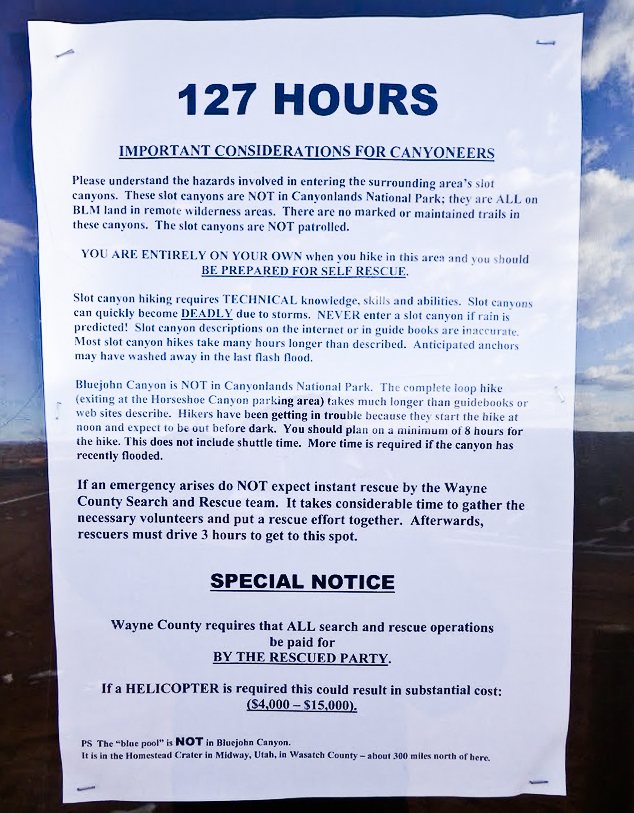
26 Apr 2003 · OtherSelf-rescue by amputation in Bluejohn Canyon

Speak up about concerns

The trainee guide accompanying the party was reportedly afraid of the snow conditions that morning but did not speak to the lead guide. Any group member's unease is worth stopping to discuss; following an authority does not necessarily mean being safe.
20 Jan 2003 · MountaineeringDurrand Glacier avalanche

The distribution of experience determines a team's margin of safety

According to reports, 7 of the 15 people had no climbing experience, and only 4 had experience on more than 3 mountains. The burden of establishing the route and making the summit push fell on a small number of core members. Criticism after the accident also focused on the failure to hire technical advisers. A year later, when the Mountain Eagle Club climbed again, it hired two mountaineers as advisers.
7 Aug 2002 · MountaineeringPeking University Mountain Eagle Club Shishapangma West Peak accident

Larger groups need unified leadership

According to reports, the 52 people traveled in four batches and several smaller teams; 6 members moving faster soon lost contact with the main group. One club manager considered it difficult to get everyone to follow the leader's instructions when a group is too large. The larger the group, the greater the need for clear meeting points, someone to bring up the rear, and communication arrangements.
19 May 2002 · HikingHikers killed in rainstorm and flash flood on Shenzhen's Qiniang Mountain

Do not walk away alone on a glacier

He left camp alone to take photographs, and nobody knows to this day when or how he fell into the crevasse. His friend believed that the fall was not particularly long and that he would certainly have survived if someone had been there to help. When travelling on a glacier, it is best to go with a partner or group and remain visible to your companions at all times.
29 Apr 2001 · MountaineeringLegendary Sherpa Babu Chiri falls into crevasse at Everest Camp II

Stay with a dive buddy on deep dives

According to reports, the footage shows him leaving his dive buddy almost from the start. Omar believed that descending without a buddy was itself dangerous. Before the dive, the local technical diver had proposed two weeks of training first, but he declined because he was staying for only one weekend.
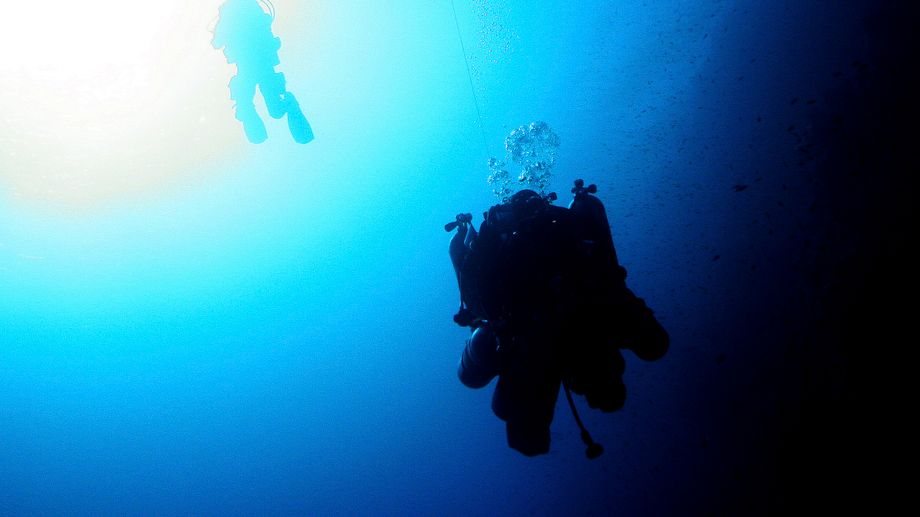
28 Apr 2000 · Diving and cavingLipski dies during deep dive at Dahab Blue Hole

Safety procedures and guide experience

Most of the guides leading the groups that day were in their first season, and the trial also established that the company had no written safety procedures. Decisions about whether commercial groups should go out should not rest solely on inexperienced guides; weather provisions and cancellation criteria should be written into the procedures.
27 Jul 1999 · HikingSaxetenbach canyoning flash flood

Withdraw early and choose a safe route

Yachts that retired during the storm still had to cross strong winds and huge waves to reach shelter. The race subsequently required skippers to assess whether they could continue as their yachts passed Green Cape, placing the decision to withdraw before entry into dangerous waters.

27 Dec 1998 · Fieldwork1998 Sydney–Hobart yacht race storm

A two-person team lacks backup after becoming separated

The couple had no support or guide, and lost contact with each other after becoming separated during the descent; Sergei never returned after going back up alone to look for his wife. Small teams should agree in advance on what to do if separated and maintain contact with other teams as far as possible.
24 May 1998 · MountaineeringArsentiev couple die on Everest's north face

A headcount needs a second check

In this incident, the headcount was wrong, and the boat returned to port without the couple aboard. At the hearing, a witness described headcounts as a very weak link in the safety chain, and the coroner also criticised the skipper for not checking the dive guide's records. A single verbal headcount can easily miss someone; records are needed for cross-checking.
25 Jan 1998 · Diving and cavingDiving couple left behind on the Great Barrier Reef

The cost of entering the core area alone

Yu Chunshun declined to have vehicles or people accompany him on the most dangerous section toward the center of the lake, and still refused to get in when they caught up with him in the afternoon. Once contact with a solo traveler is lost, it is difficult for companions to find him in a sandstorm, and a formal request for help and a helicopter search would not come until several days later.
13 Jun 1996 · HikingYu Chunshun's death at Lop Nur

Allow for congestion and turnaround

Congestion and delays in installing fixed ropes on summit day consumed time, and some climbers’ oxygen supplies were running low. The agreed turnaround time was not strictly observed, showing the importance of allowing reserves of time and oxygen on high-altitude routes.
10 May 1996 · Mountaineering1996 Mount Everest disaster

When proceeding alone, no one can make judgments for you

The dive was designed so that each diver used a separate descent line and could not see the other. Bowden reportedly did not see Exley again after 800 feet, and it took some time for those on the surface to confirm that something was wrong. In extreme pursuits, proceeding alone means there is no one there to notice immediately if something goes wrong.
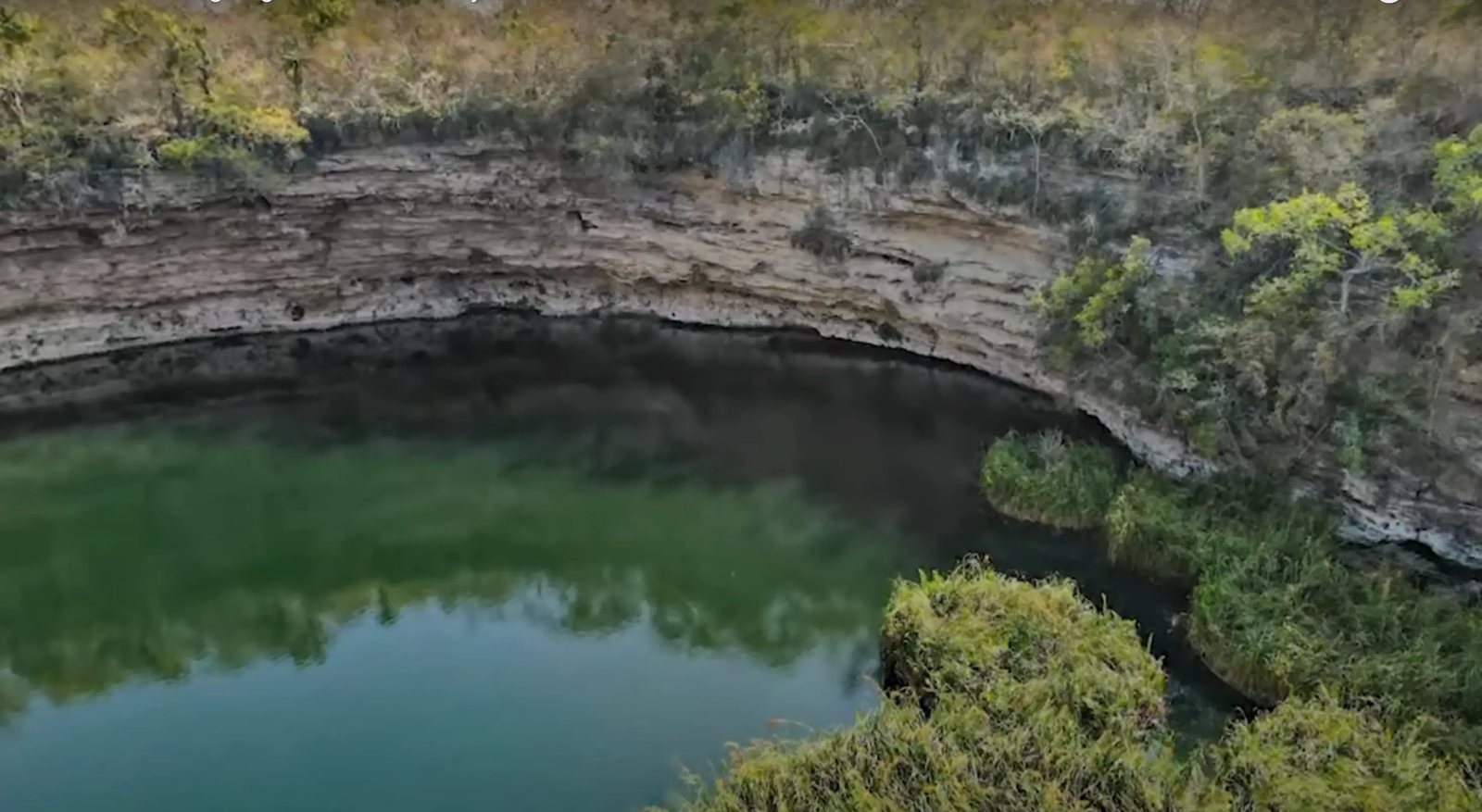
6 Apr 1994 · Diving and cavingSheck Exley dies during deep dive in Zacatón sinkhole

Separated parties have difficulty warning one another

The accident involved multiple parties that set out one after another. Some people turned back partway, while others reached the summit and began descending sooner, leaving the parties spread out along the slope. When multiple parties are on the same route, they need to know one another's locations and descent times.
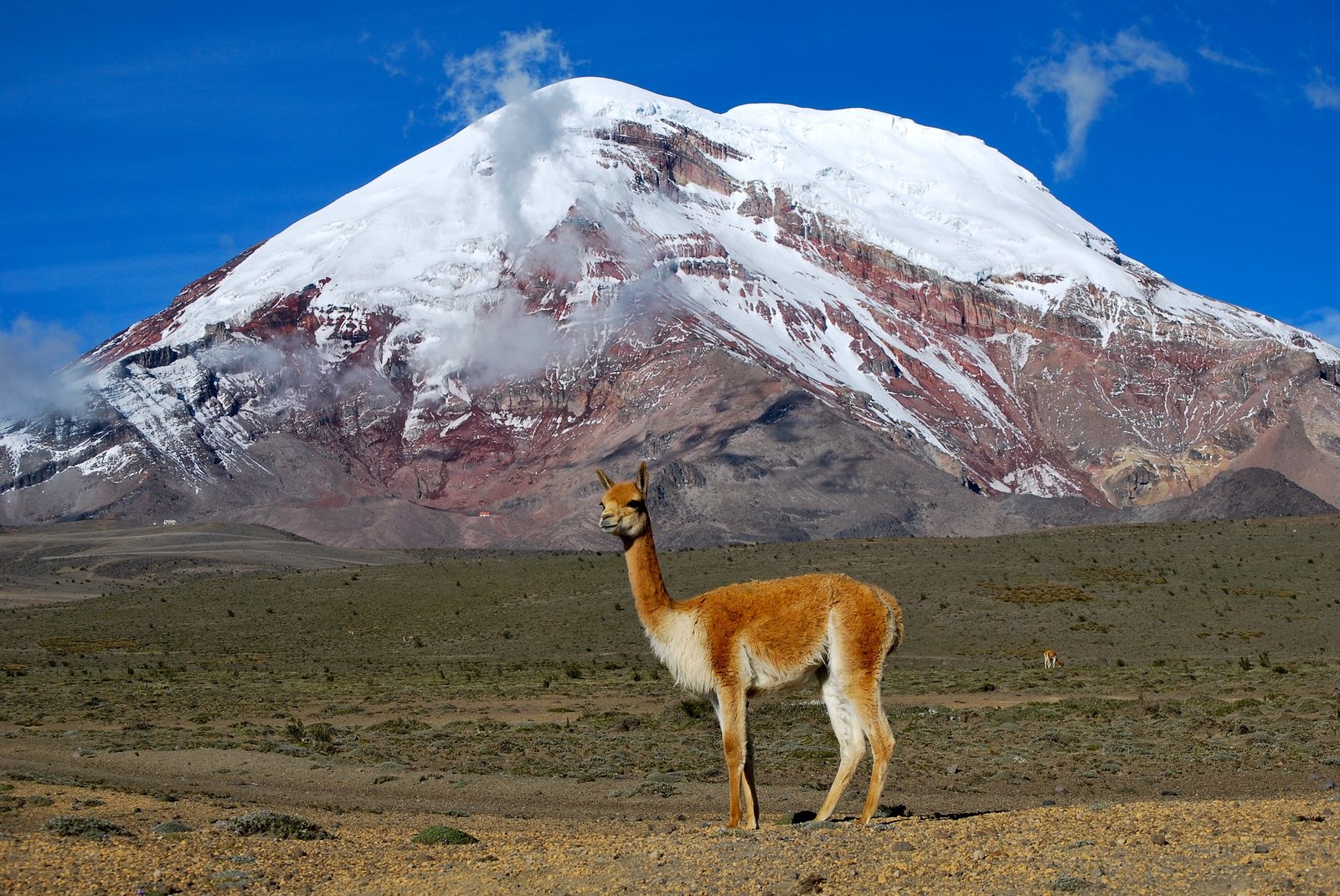
10 Nov 1993 · MountaineeringChimborazo avalanche

Leave a margin for the return route

According to Outside, the only food McCandless brought was rice, and he left behind his topographic map and compass. In a place with only one route in and out, separated by a river, a map, an alternative route and sufficient food determine whether there are options left when stranded.
18 Aug 1992 · OtherMcCandless's death in the Alaskan wilderness

A slow pace is a signal that needs to be taken seriously

From Camp III onwards, she fell noticeably behind, was forced to bivouac between camps on the first night and fell far behind again on summit day. Setting a turnaround time in advance and descending if the planned altitude has not been reached by then is more reliable than making the decision at altitude.
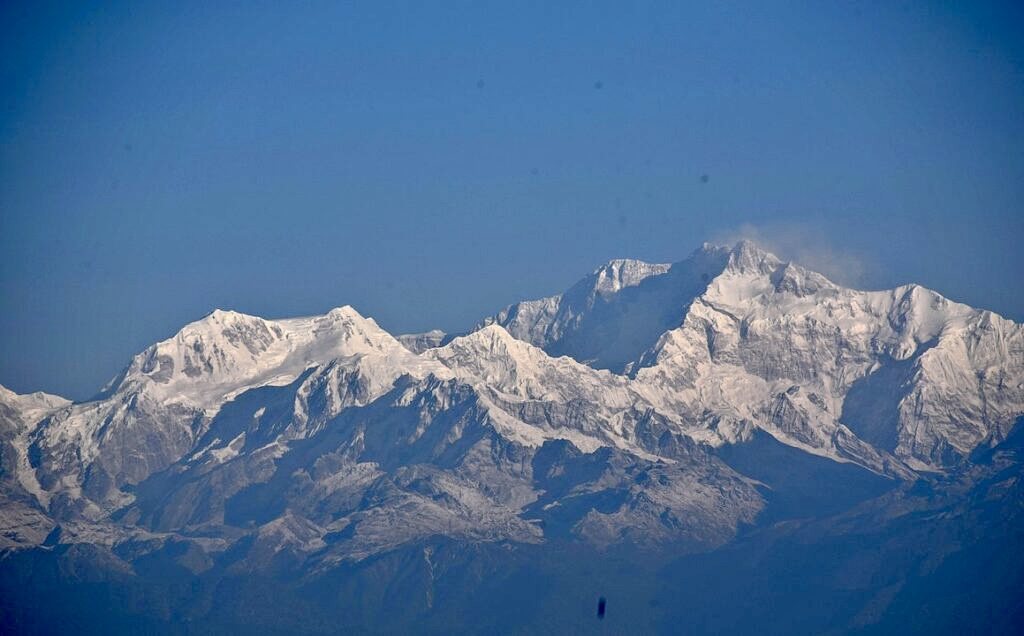
12 May 1992 · MountaineeringWanda Rutkiewicz disappears on Kangchenjunga

Every part of the protection system must withstand a fall

According to reports, the two used only one single rope above 8,000 metres, the intermediate protection did not hold, and the rope eventually broke in the fall. Some reports say the rope was a used one bought at a market in Kathmandu. On the most difficult sections, where the consequences are most serious, ropes and protection should not be the first things to economise on.
24 Oct 1989 · MountaineeringKukuczka dies in fall on Lhotse’s South Face

High camps are a shared lifeline

Commentators held that the Korean team established well-supplied camps along the route and that their tents and supplies helped save other climbers. Others believed that route markers higher on the mountain might have saved lives during the descent in the storm.
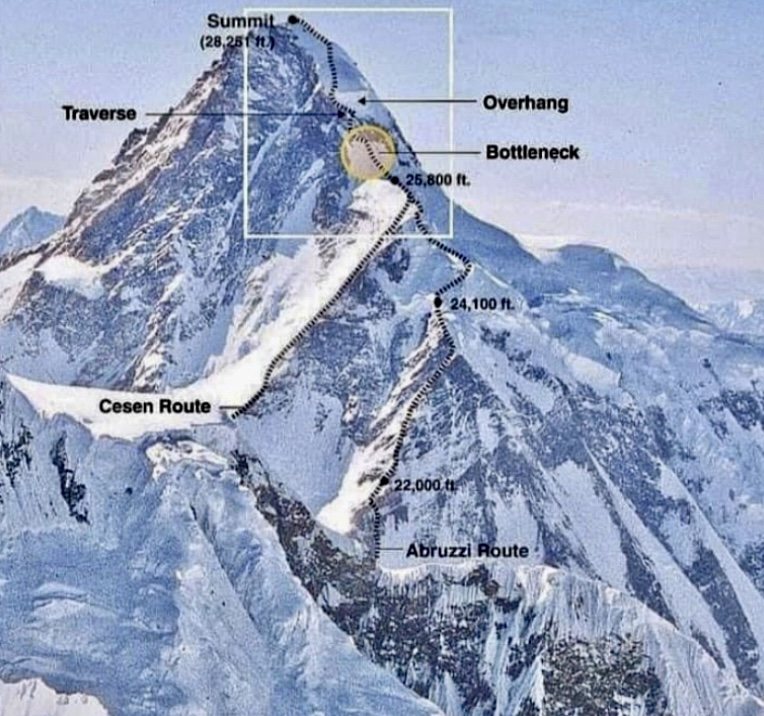
4 Aug 1986 · Mountaineering13 killed in K2's 1986 “Black Summer”

Leave a margin for the unexpected when climbing light

The two had brought only two pitons. When they encountered a rock band where the ice in the gully was too thin, they failed to get through after three attempts and had to retreat. Climbing light can increase speed, but it also means having few options when encountering unexpected terrain. Before setting out, consider what to do if the route cannot be passed.
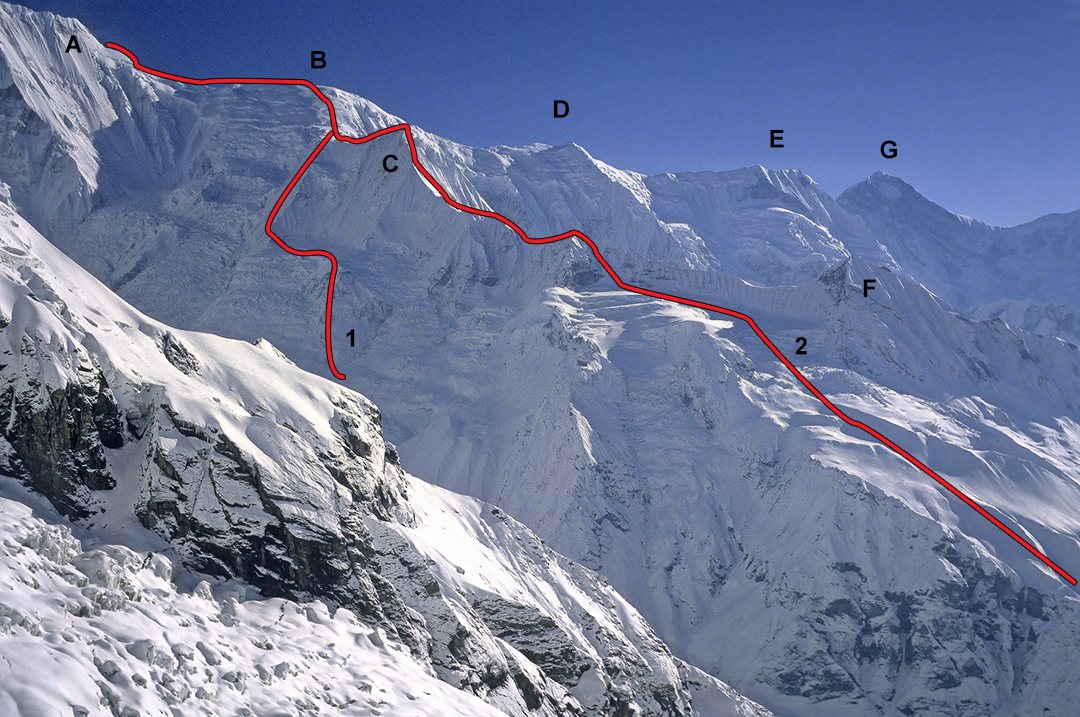
17 Oct 1982 · Mountaineering1982 Annapurna South Face: Alex MacIntyre killed

Put support teams and descent routes in place beforehand

Bonington and Gordon had planned to establish a supply point and mark a descent route at the North Col, but crevasses and ice towers blocked them on 16 May, and they did not open the route until 19 May. While the two men were making their summit attempt, support was still on the way. Before attempting a difficult section, confirm that the descent route is already usable.
17 May 1982 · MountaineeringBoardman and Tasker missing on Everest's Northeast Ridge

A decision to descend also takes time

The guides had already decided to descend after checking the snow conditions when the icefall occurred. On glacial terrain, assessment, regrouping and turning around all take time. Earlier assessment and less time spent gathered in danger zones mean less exposure.
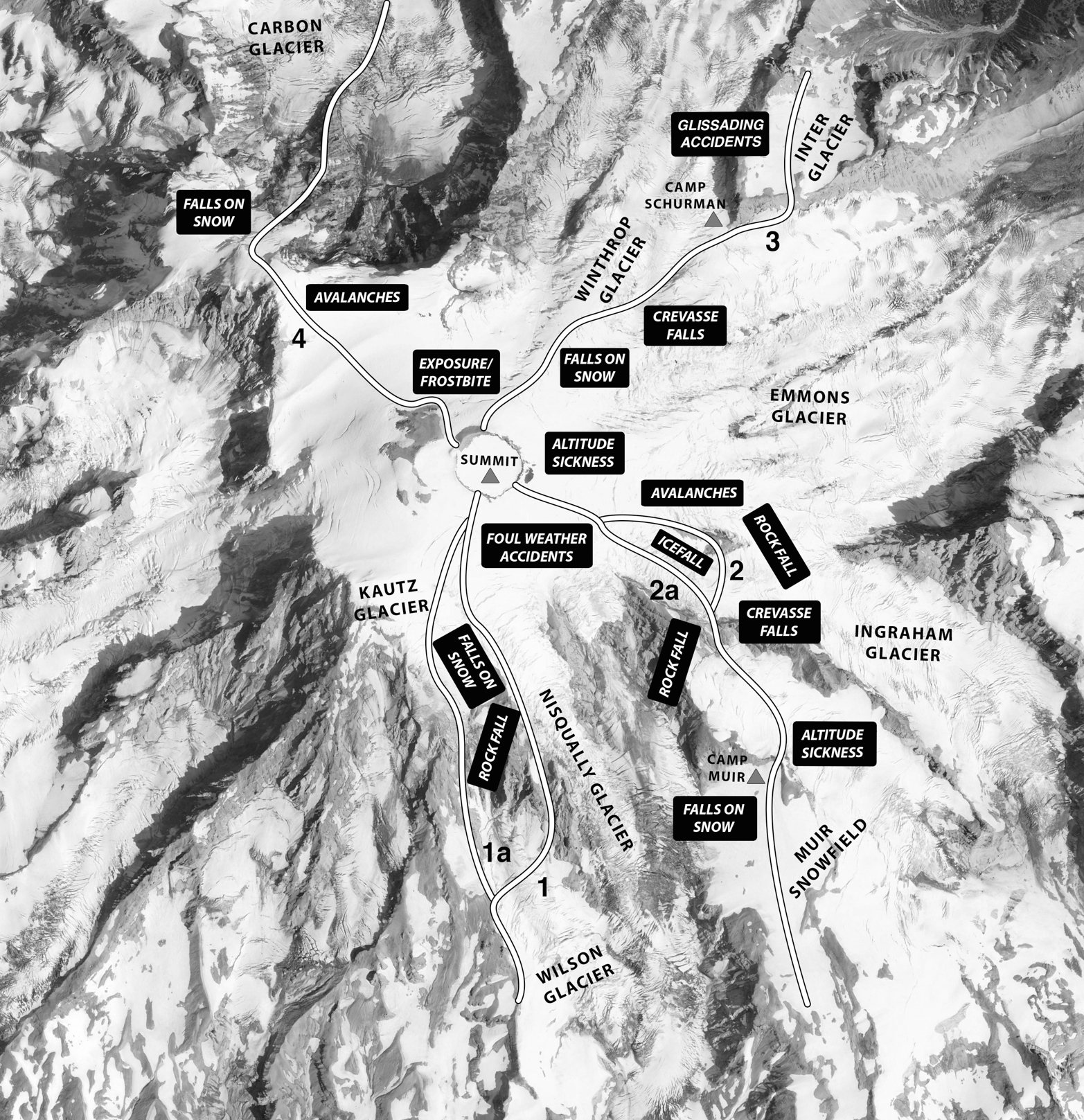
21 Jun 1981 · MountaineeringIngraham Glacier icefall on Mount Rainier

Do not follow someone of unknown background into unfamiliar territory

The leader of this trip was a stranger who had approached them on the street. It was later discovered that he was not the geologist he claimed to be. The local people's warnings and their question, “Why not take a local guide?”, should have been signals to stop and reconsider.
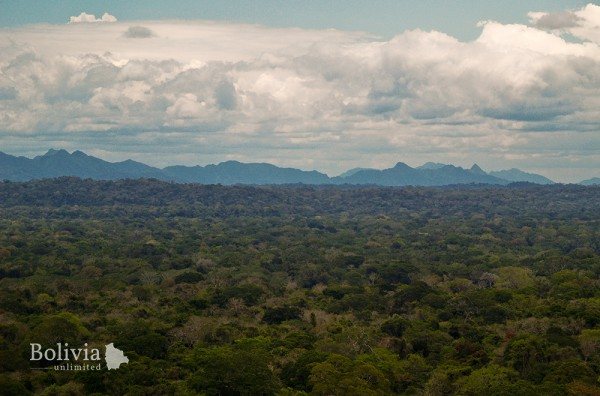
1981 · Hiking1981 Tuichi River jungle ordeal in Bolivia

Do not split up before a dangerous section

The leader judged the canyon ahead to be dangerous and argued for taking an overland route, but the party split into two groups, leaving only two people in each. About three hours after the split, the raft went out of control in the canyon, while the other two never emerged from the jungle.

1981 · Hiking1981 Tuichi River jungle ordeal in Bolivia

Maintain contact when leaving camp

A note left at the camp said that Peng Jiamu had gone east to look for water; team members subsequently followed footprints but did not find him. In remote areas where water is scarce, anyone leaving camp needs to make their whereabouts clear to teammates and consider the difficulties of communication and searching if separated.
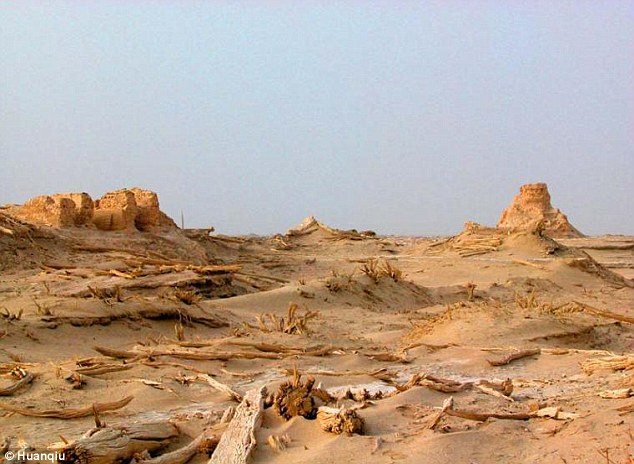
17 Jun 1980 · FieldworkPeng Jiamu goes missing while looking for water at Lop Nur

Abseiling around nightfall is when accidents are most likely

It was already late when the two reached the summit, and they had no bivouac equipment and were anxious to descend; Scott stepped onto an unseen layer of thin ice in the fading light. Reaching the summit is only half the journey. Leaving enough daylight and strength for the descent is among the simplest and hardest things to do in technical climbing at high altitude.
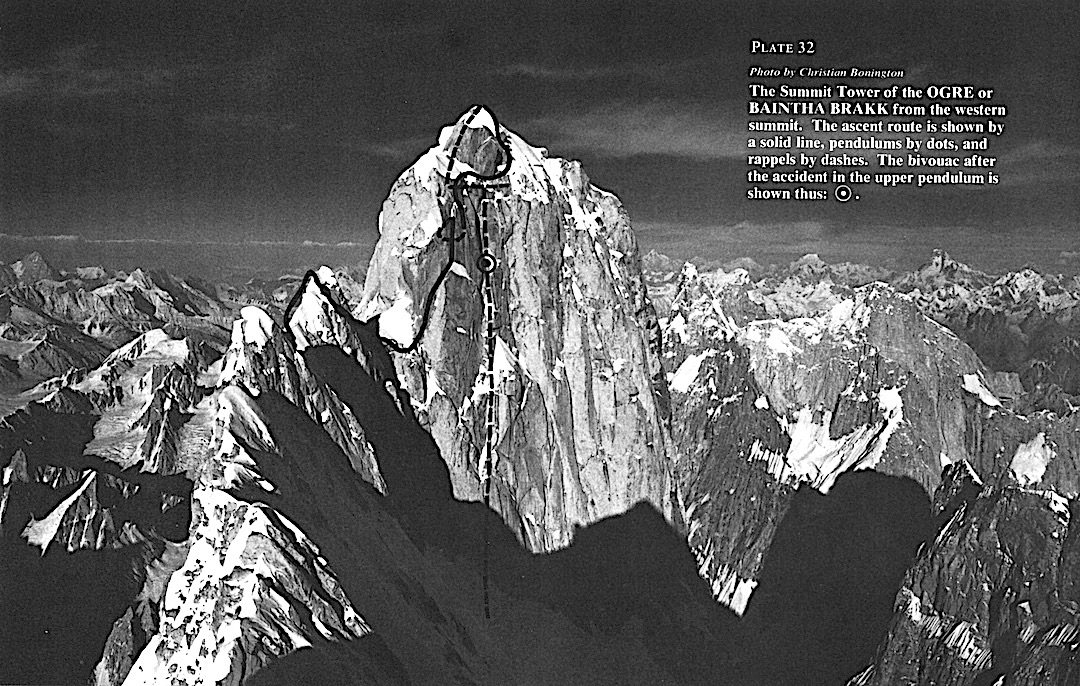
13 Jul 1977 · Mountaineering1977 Ogre: Descent with broken legs after the first ascent

Local guides’ concerns deserve serious attention

Before the accident, two Sherpas had already said that there was too much snow and that they were concerned about the slope above. The judgments of those on the ground about snow conditions should be a basis for the team to move camp, evacuate or wait. The deaths of 10 Sherpa personnel also remind us that the risks they face must not be overlooked.
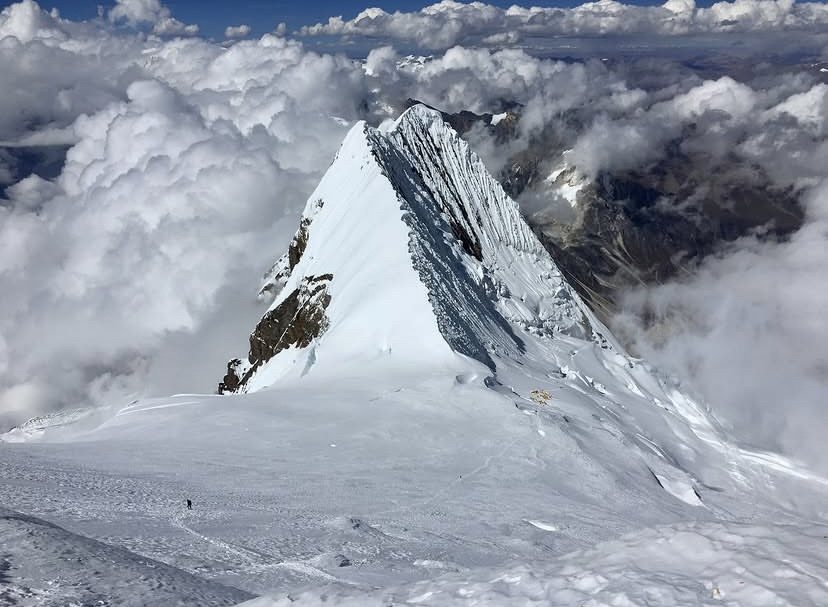
10 Apr 1972 · Mountaineering1972 avalanche involving a Korean expedition on Manaslu’s northeast face

Who bears the risks of carrying loads

Both Japanese teams transported supplies through the icefall on a large scale that season: according to reports, the Japanese Alpine Club team began transporting 12 tonnes on 1 April, and the ski team began carrying equipment on 5 April. Those who died in the icefall that season were six Sherpas working for the ski team and an icefall porter from the other team.
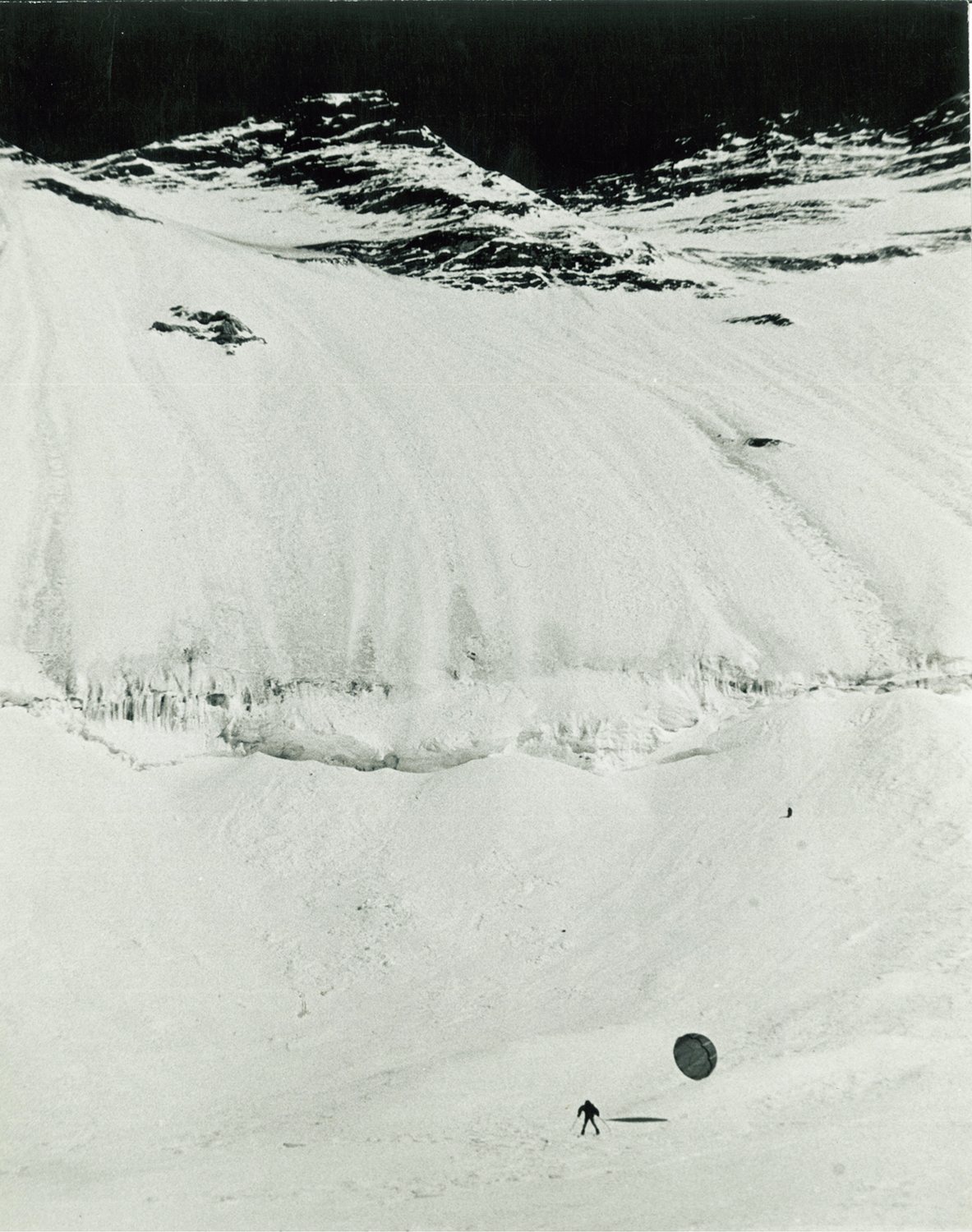
5 Apr 1970 · Mountaineering1970 Khumbu Icefall avalanche involving Japanese Everest ski team

A hastily combined party lacked more than numbers

The 12-person party was formed at the urging of the park service on the day before departure, and its members differed in experience and leadership style. Some survivors later felt that the two parties had indeed lacked unified leadership. How a party is organized before departure deserves to be treated as seriously as the route itself.
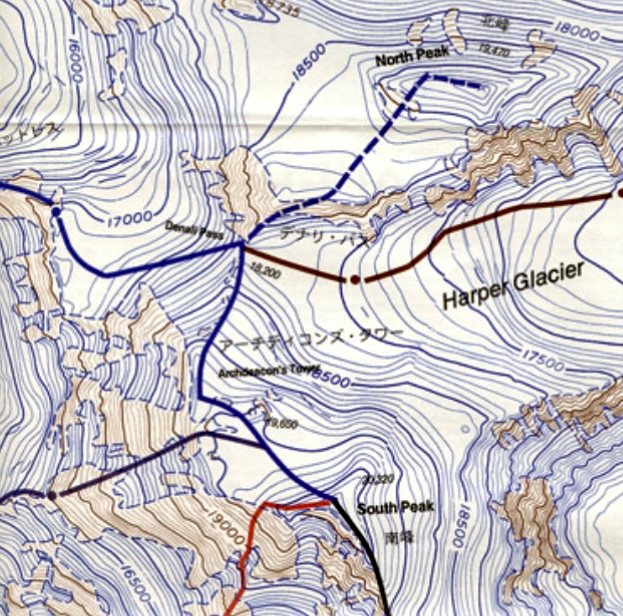
18 Jul 1967 · Mountaineering1967 Denali Wilcox Expedition disaster

Fixed ropes are consumables that can fail

The rope that broke was a 7-millimetre rope that had been ascended or descended only eight or nine times; the ropes below, which had been used repeatedly, remained intact. It was not the same brand as the other sections and had been purchased later as an addition. Fixed ropes left on a face for long periods should be inspected regularly. Ropes of unknown origin or thinner specifications call for extra caution, and backup protection should be used on critical sections wherever possible.
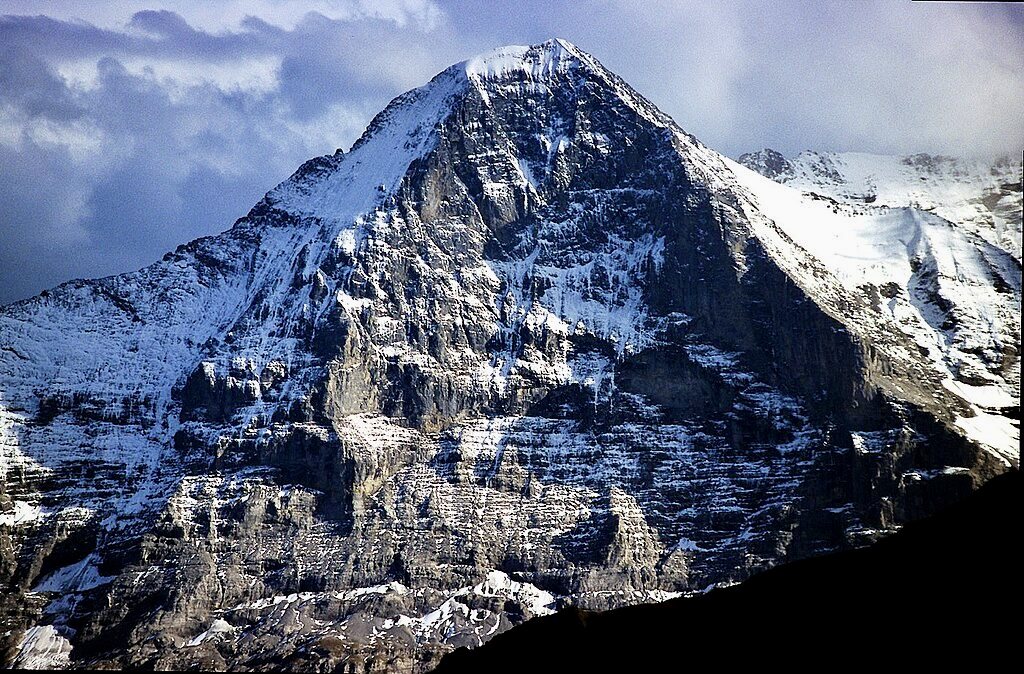
22 Mar 1966 · MountaineeringEiger North Face direttissima: John Harlin killed in rope failure

Taking the wrong route consumes reserves

The two initially took the wrong starting route, spent an extra night bivouacked and lost a day. They later joined another party, and their overall progress was slow. On a big rock face known for falling rock and changing weather, every extra day consumes strength and the available weather window.
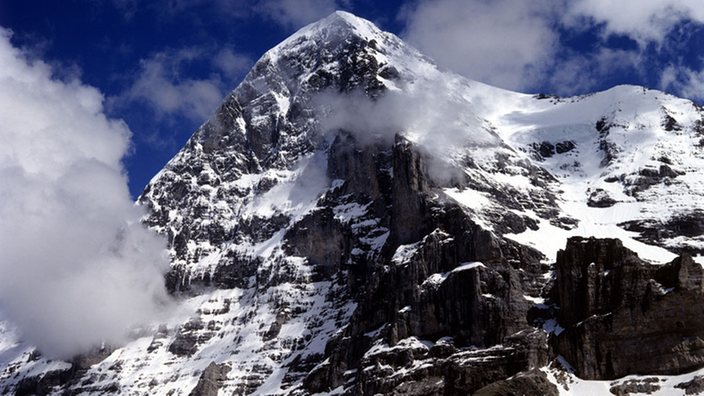
3 Aug 1957 · Mountaineering1957 Eiger North Face: Corti rescued and Longhi dies

Think carefully before splitting up to seek help

After the injuries, the party split up: Longhi remained on the small ledge, Corti was secured to the rock face, and the two Germans continued to the summit to seek help. In the end, only Corti survived. Before separating at altitude, assess how long each person can hold out and whether those seeking help can descend safely.

3 Aug 1957 · Mountaineering1957 Eiger North Face: Corti rescued and Longhi dies

A group on multiple ropes needs a genuinely secure belay anchor

One person slipped, several ropes became tangled, and 5 people were pulled off the ice slope at once. At the time, only Schoening had a secure belay anchor, and it held everyone. When a group moves together on steep terrain, the reliability of the anchor determines whether one slip becomes a fall involving the whole team.
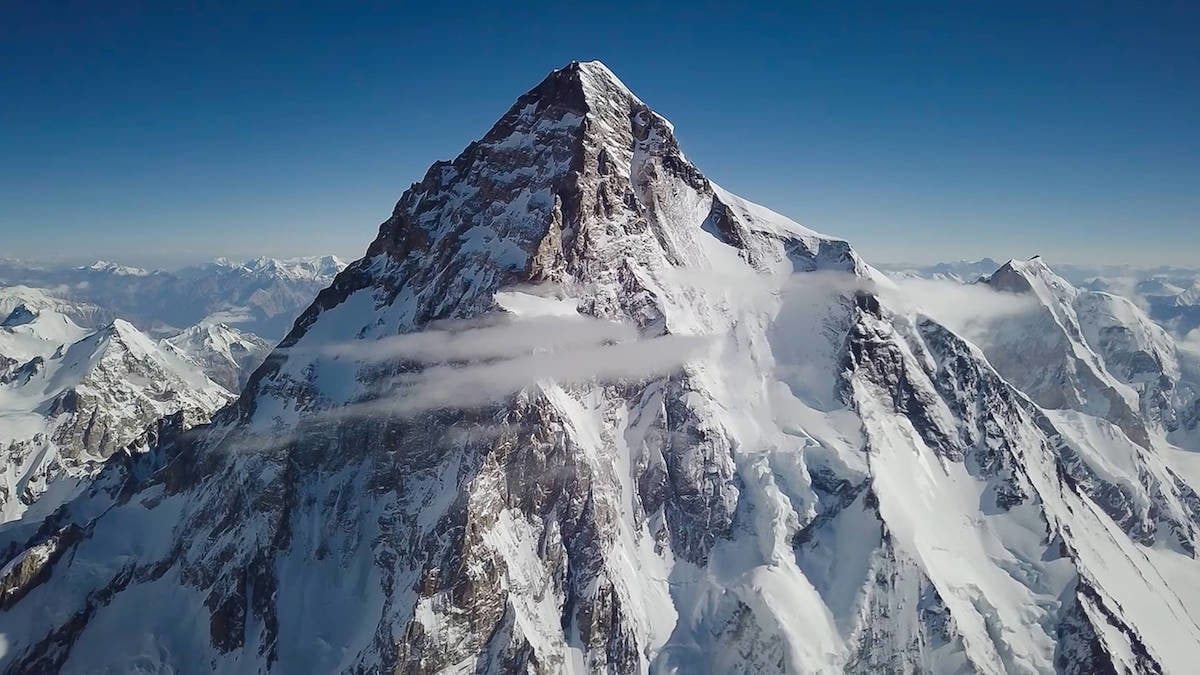
10 Aug 1953 · MountaineeringK2, 1953: The Death of Art Gilkey and “The Belay”

Confirm the situation of people higher up before dismantling camps

The Sherpas below concluded that the summit party had died solely because their calls went unanswered and removed the sleeping bags along the route. As a result, those who actually descended could not find overnight equipment along the way. Removing camps and supplies is a decision that can affect the lives of team members higher up and should be done only after confirming the situation.
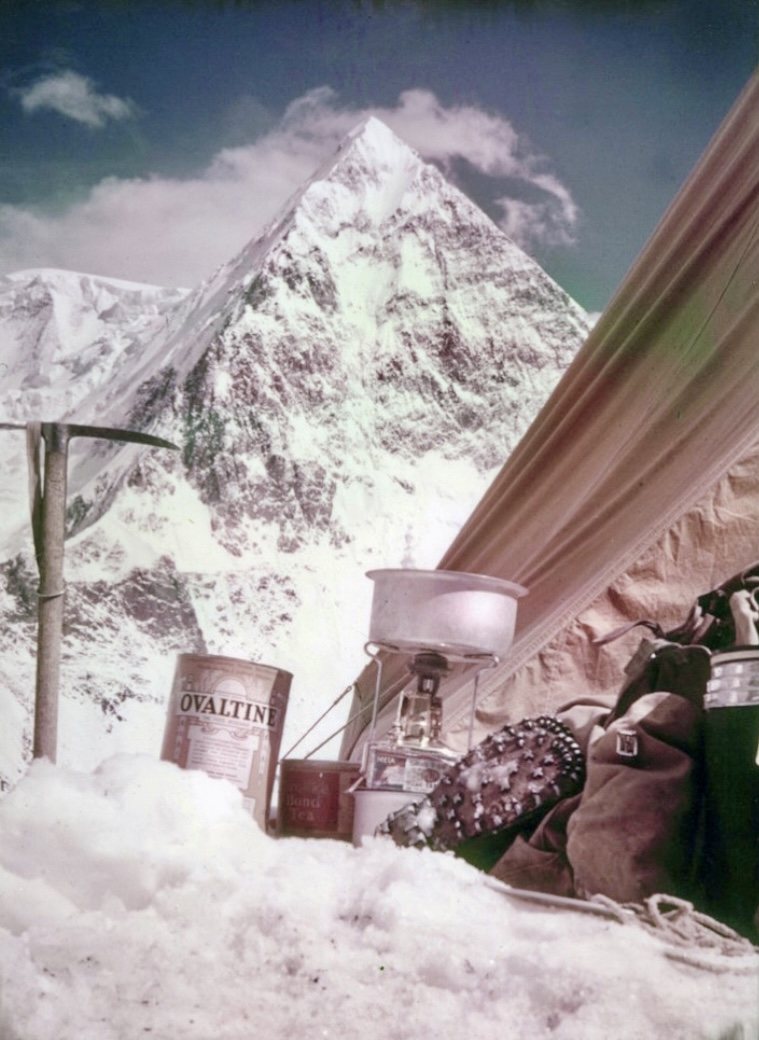
31 Jul 1939 · Mountaineering1939 American K2 expedition: Wolfe and three Sherpas die

Leave a way back through irreversible sections

The Hinterstoisser Traverse could only be crossed in one direction. After the four retrieved the rope, they could no longer cross back during their retreat. When passing through a section that is difficult to reverse, leaving a fixed rope or confirming an alternative retreat route in advance costs far less than becoming stranded.
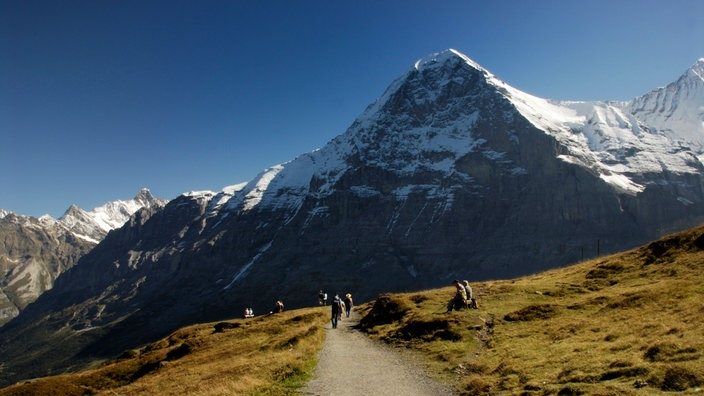
22 Jul 1936 · MountaineeringFour climbers killed on the Eiger North Face in 1936

Once a team splits up, its members can no longer see how the others are faring

The two who went ahead reached Camp IV that day, while those behind bivouacked and collapsed along the way. The people at camp had no way of knowing what was happening above, and deep snow stopped rescue efforts partway up. When a team spreads out during a descent, it needs to agree in advance where to regroup and who will bring up the rear.
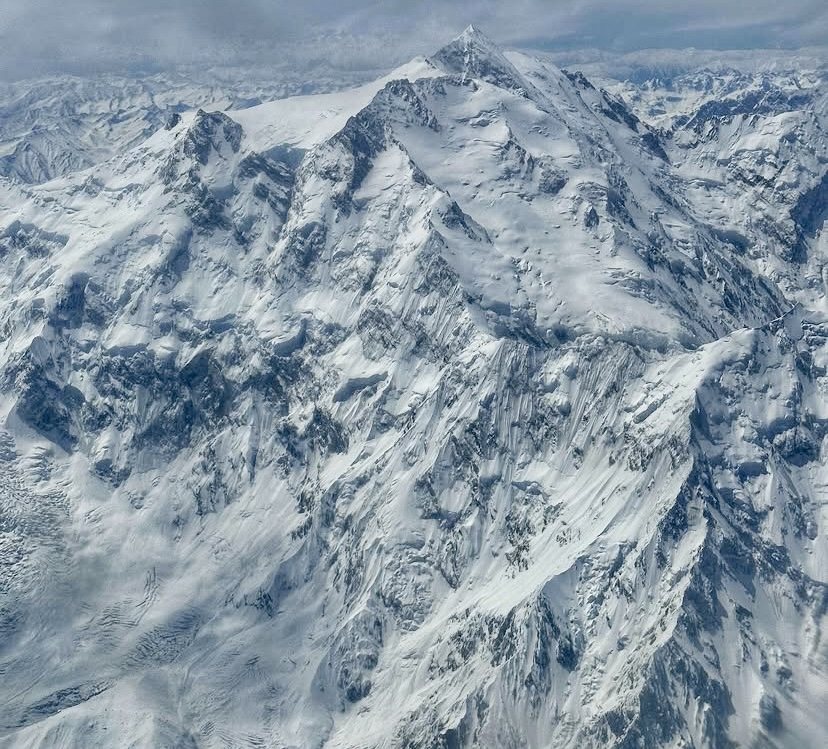
Jul 1934 · Mountaineering1934 German expedition deaths on Nanga Parbat

Do not go alone near icy water

Reportedly, the Inuit custom was not to hunt alone, but Watkins set out by himself that day, and his companions did not look for him until he failed to return. When paddling in icy water, the time available to rescue oneself after falling in is very short. Going with others, or at least remaining in sight of companions at all times, offers a chance of immediate rescue.
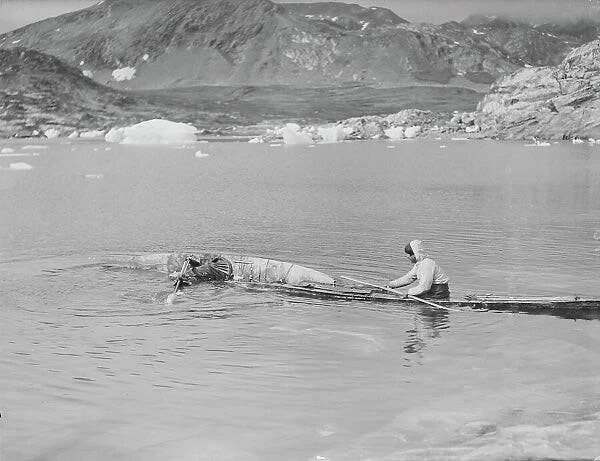
20 Aug 1932 · OtherGino Watkins Goes Missing While Kayaking in Greenland

Beware of a 'final attempt' when exhausted

Before the third summit attempt, most team members were already ill or tired, and the monsoon also appeared to be arriving early, but the team decided to try again. When conditions are deteriorating and people are tired, the desire not to return empty-handed can easily override risk assessment.
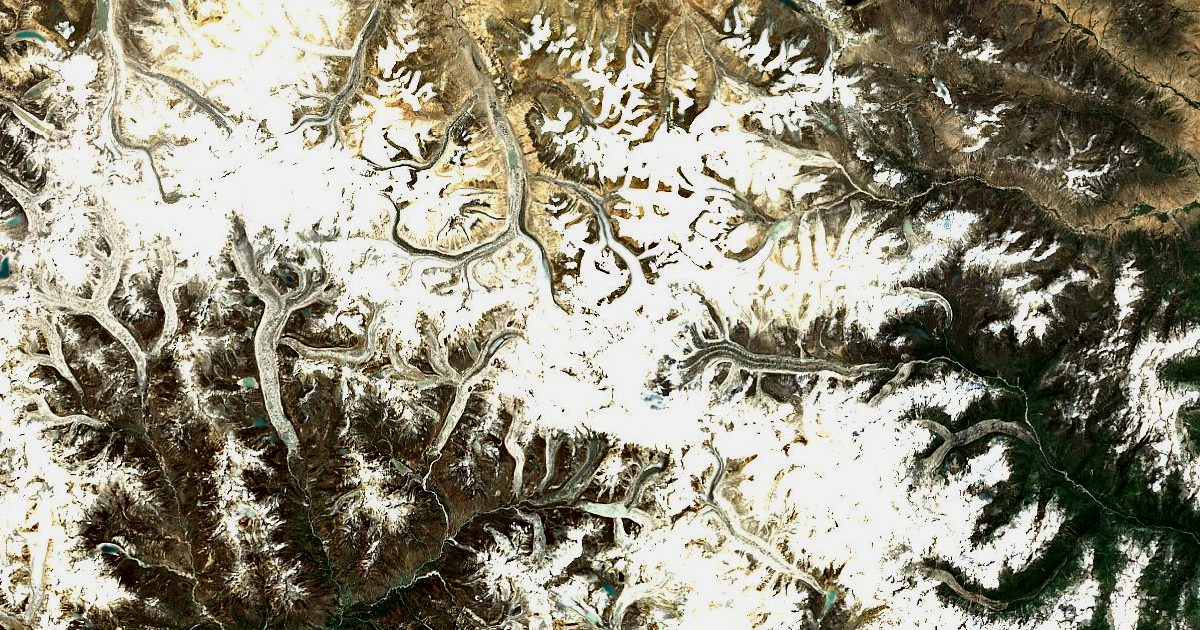
7 Jun 1922 · Mountaineering1922 Mount Everest North Col avalanche

Account carefully for strength and rations in a retreat plan

After seven days of marching on the ice, the party had advanced only about 7.5 miles, while their rations would last only 42 days. They stopped and made camp in time, rather than exhausting themselves on an impassable route. When stranded, first work out speed, distance and supplies, then decide whether to go or wait.
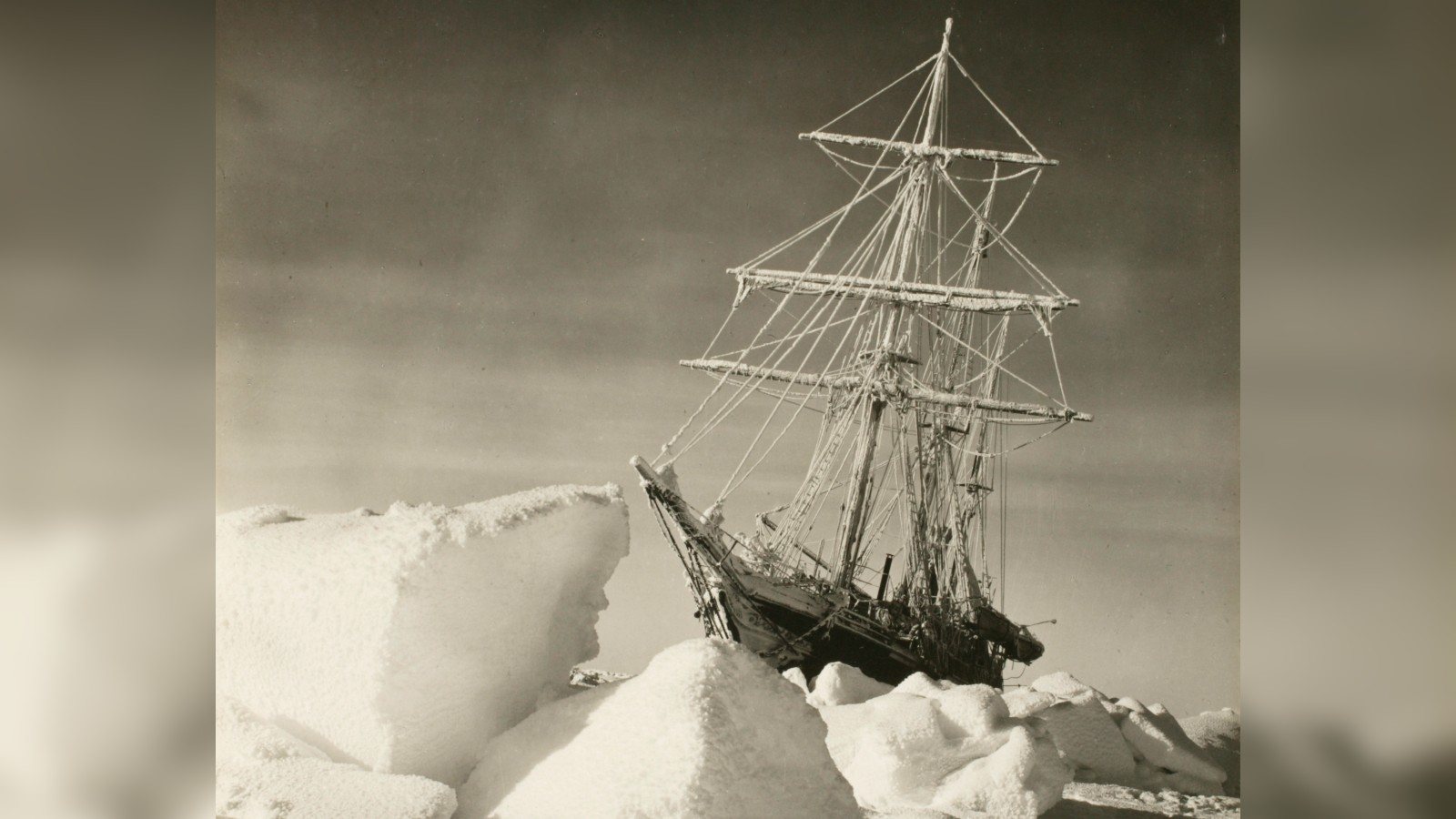
21 Nov 1915 · OtherEndurance crushed and sunk by pack ice in the Weddell Sea; all 28 survive after reaching Elephant Island and a long small-boat voyage

Do not concentrate essential supplies in one place

The best dogs, almost all the dog food, most of the rations and the main tent were all on the same sledge. A single fall left the two remaining men in a desperate situation. When travelling in a group, food, tents and stoves should be carried separately, so that if anything happens to one person, the others can still look after themselves.
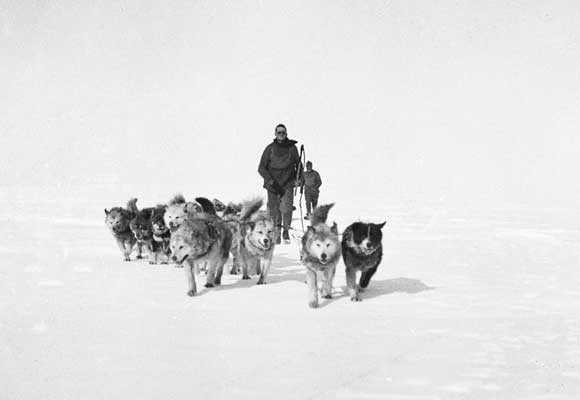
14 Dec 1912 · OtherMawson's Far Eastern sledging party: One man falls into a crevasse, another dies on the return journey, and Mawson walks back to base alone

Calculate supplies before advancing

Rations and fuel originally intended for four men ultimately had to support five; the depots along the way also held less fuel than expected. Once supply reserves are reduced on a polar expedition, any weather delay directly eats into the margin of safety.
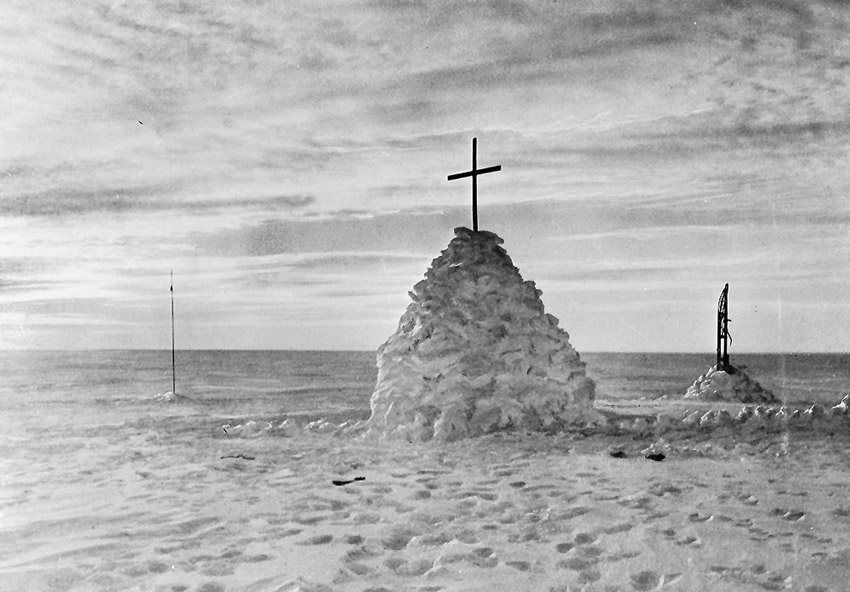
Mar 1912 · OtherScott's entire party dies on return from South Pole

Set protection before difficult sections

According to Whymper's own account, before the descent he proposed fixing a rope to the rock for extra protection on difficult sections, but this was not carried out. After the accident, the three survivors descended by fixing the rope to the rock. If a roped party has no anchor, one person's slip may pull the whole party down.
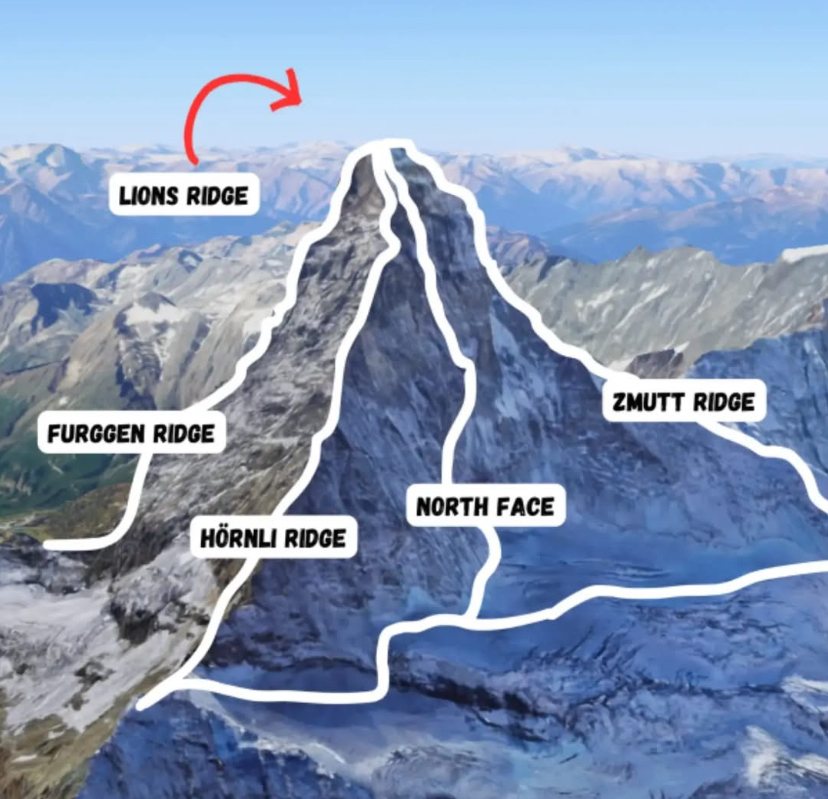
14 Jul 1865 · MountaineeringMatterhorn first ascent accident

Check every section of rope before setting out

The section that broke was the party's oldest and weakest rope, originally intended only as a spare, and was much thinner than the other two safety ropes. The weakest link in the system determines how much the entire protection chain can withstand. Check the purpose and condition of each piece of equipment before setting out.

14 Jul 1865 · MountaineeringMatterhorn first ascent accident

Recognise experience gaps in hastily assembled parties

The party was hastily assembled, and Hadow was a novice with very little experience who was second in line on the descent. When experience varies widely within a party, the route, rope order and protection methods should all be arranged around the weakest member.

14 Jul 1865 · MountaineeringMatterhorn first ascent accident

Water, streams and caves

Water conditions change fast; one rain can transform a stream.

Do not enter a canyon to trace streams after rain

According to a local trip leader, Cidao Canyon collects water from several surrounding mountains, and rain multiplies the difficulty. Small pools with drops of more than one metre in normal conditions turn into “recirculating weirs”. An experienced local leader waits until there has been no rain for a full week and the forecast for the day is clear before taking a group in during the rainy season.

28 Jun 2026 · CanyoningXianyou Cidao Canyon stream-tracing accident

A life jacket cannot protect against whirlpools; retreat to higher ground if it rains en route

According to a local trip leader, churning whirlpools or recirculating currents like a “washing machine” can form in the canyon. Once caught in one, a person will find it hard to escape even while wearing a life jacket. The head of the Xianyou County Mountaineering Association said that if a rainstorm occurs en route, people should quickly retreat to a hillside and must not go back down into the stream.

28 Jun 2026 · CanyoningXianyou Cidao Canyon stream-tracing accident

River flows can increase suddenly during the summer snowmelt season

This accident occurred during a period when sustained high temperatures coincided with brief heavy rainfall, and melting ice and snow caused river levels along the ancient trail to rise rapidly. Rivers in high mountain valleys often run higher in the afternoon. Check the weather and water conditions before setting out, observe the river before crossing, and do not enter the water if unsure.

30 Jul 2025 · CanyoningWusun Ancient Trail flash flood: Two hikers die after entering water

Water can rise in just over ten minutes

A gauge on Cataract Creek showed the water level rising from approximately 1 foot to approximately 8 feet in 15 minutes. According to one hiker's recollection, the creek becoming muddy and wider, and water seeping from the canyon walls, were the first signs. On seeing such signs, immediately move to higher ground.

22 Aug 2024 · HikingHavasu Creek flash flood

A stream after rain is not the same as usual

This stream can normally be waded across, but its water level rose after continuous rain, and the accident occurred only about two hours after the rainstorm warning was lifted. The lifting of a warning does not mean that water in the mountains has already receded; when a stream is swollen after rain, one should abandon the crossing or turn back the way one came.
2 Jun 2024 · CanyoningShiren Gorge stream-crossing accident

Do not place the rope perpendicular to the current

A rescue worker pointed out that the crossing had only a safety rope and no hauling rope. After the hikers fell into the water, the rope formed a “death V”, with the current pressing them against the middle of the rope and making it difficult to escape. An industry professional recommended angling the rope across the current at 45 to 60 degrees, with the starting point closer to upstream, and crossing diagonally.
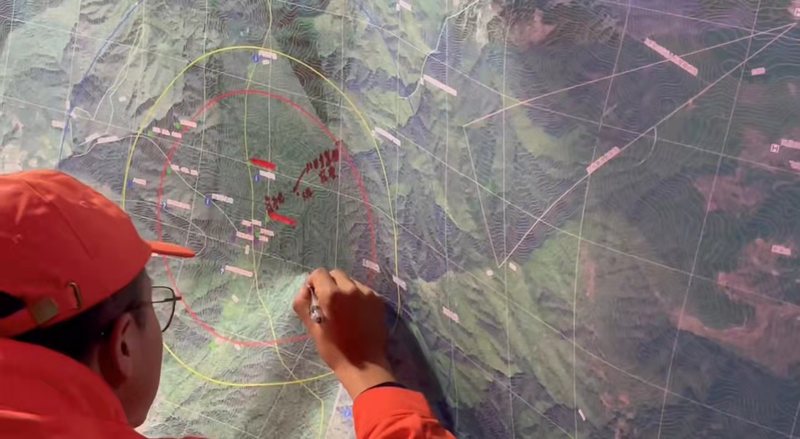
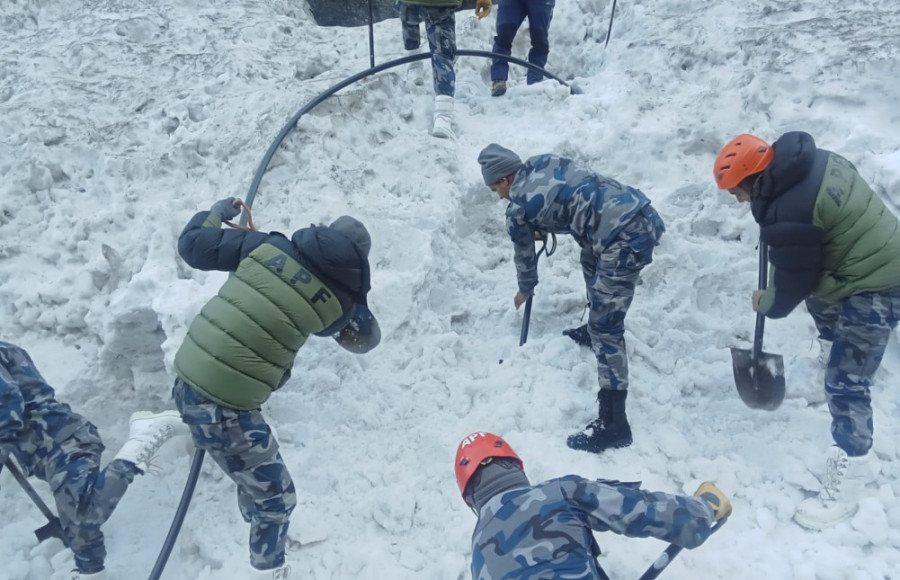
2 Jun 2024 · CanyoningShiren Gorge stream-crossing accident

Wear a whitewater life jacket and remove your backpack when wading

Some reports said that the people who died and their companions were not wearing life jackets while wading. There are many air bubbles in swift water, reducing buoyancy; a professional said that only a life jacket designed for whitewater can provide some assurance of flotation. Backpacks can also easily cause people to lose their balance while crossing.

2 Jun 2024 · CanyoningShiren Gorge stream-crossing accident

Do not force a crossing of a glacier-fed river in rain

The rivers on the Bogda circuit are fed by glacial meltwater. After rain, flash floods may occur and water levels may rise sharply. Local trip leaders and the rescue team captain advise against forcing a river crossing when unsure; instead, camp nearby in a safe place and wait for the water level to fall before continuing.

Jul 2023 · HikingJiang Ye dies hiking the Bogda Peak circuit

No way back on a waterfall descent

The group was descending a cliff when the incident occurred. Heavy rain caused the waterfall to surge suddenly, sweeping several people away. The first rescuers were also unable to approach because of the swift water. Once water levels rise on a canyoning route with successive waterfalls, both retreat routes and rescue access can disappear at the same time. When choosing a route, identify high ground along the way for shelter and evacuation routes in advance.

20 May 2023 · CanyoningCanyoning group caught in heavy rain at Feilong Waterfall

Use river flow to decide whether to go

According to the park, hiking in the Narrows becomes difficult when flow exceeds 70 cubic feet per second, and it usually closes when flow exceeds 150 cubic feet per second. During the search and rescue, flow exceeded 1,100 cubic feet per second at one point. Checking real-time flow and permit status before setting out is more reliable than judging by the sky.

19 Aug 2022 · HikingThe Narrows flash flood: Doctoral student swept away in Zion National Park

Staying near water was an important condition for her survival after she became lost

According to reports, she stayed near water and found edible wild fruit; rescuers believed that the local vegetation, water sources and climate helped her survive. This does not mean such conditions can be relied upon, but illustrates the importance of conserving energy and securing drinking water after becoming lost.

8 May 2019 · HikingRescued after 17 days lost in Maui forest

Passable in normal conditions, but not necessarily in high water

According to reports, Raganello Gorge can normally be walked upstream along the creek, but the route is recommended only for experienced hikers and entry is prohibited during certain periods each year. The difficulty of a gorge route should be assessed according to the worst water conditions.

20 Aug 2018 · CanyoningRaganello Gorge flash flood

Do not readily follow water downstream when lost

Following a river downstream to look for a village is a common instinct, but mountain river valleys are often interrupted by waterfalls and cliffs. The two followed the river to the edge of a waterfall and fell onto a rock ledge from which they could go neither up nor down. After getting lost, stopping first to assess your location is safer than hastily descending into a gorge.

9 Mar 2017 · HikingLiang Sheng-yueh and Liu Chen-chun stranded in Nepal for 47 days

A beginner route does not mean low risk

Keyhole Canyon is considered a beginner-level route and is short overall, but there is almost no high ground in the canyon apart from one spot near the entrance. In such terrain, there is nowhere to take shelter when a flood arrives; low technical difficulty cannot offset weather risks.

14 Sep 2015 · OtherKeyhole Canyon flash flood in Zion National Park

Water can rise at any time on a riverbed below a dam

In this incident, there appeared to be little water in the river before the incident, and students stood on boulders in the river taking photographs. The water level rose suddenly after the upstream hydropower station released water. Downstream of a hydropower station, a riverbed with little water and exposed boulders is not necessarily safe.

8 Jun 2014 · OtherEngineering students swept away by water release in Beas River

One narrow passage at depth may block everyone

The route passes through several narrow passages at a depth of 130 metres. When a member of the first team became stuck, the second team entering behind them was also blocked at the same place, while the first team could no longer turn back to warn them. For narrow sections on a traverse route, it is necessary to plan in advance what those behind will do if a passage becomes blocked.

6 Feb 2014 · Diving and cavingPlura cave traverse diving accident

Blood on surfacing is a warning sign, not a minor matter

Two days before the incident, Mevoli had blood at the corner of his mouth when he surfaced after a dive and was thought to have suffered an upper airway squeeze. According to reports, other competitors at the same event were allowed to continue competing the next day after being found to have sinus or tracheal squeeze injuries; a competition in Dahab after the incident required competitors who had suffered a squeeze injury within the previous month not to compete.

17 Nov 2013 · Diving and caving72 metres at Dean's Blue Hole: The death of freediver Nicholas Mevoli

River water is especially dangerous during snowmelt

Snowfall had been exceptionally heavy that winter, and in July the Merced River was still at spring-like high levels, with a swift current. According to reports, the park website said that most deaths in the Mist Trail area occurred because hikers slipped into the water and were unable to withstand the current.

19 Jul 2011 · HikingThree swept over Vernal Fall in Yosemite

Determine dive depth according to gas and training

The depth limit for recreational diving is generally about 40 meters; according to one report, the Egyptian diving association stipulates that dives using compressed air in the Red Sea must not exceed 40 meters. Breathing high-pressure gas at depth can cause nitrogen narcosis and impair judgment. Technical divers use gas mixtures such as trimix to reduce nitrogen narcosis; passing through the arch on compressed air is not easy.

28 Apr 2000 · Diving and cavingLipski dies during deep dive at Dahab Blue Hole

Treat warnings as a signal to turn back

Thunderstorms were forecast that day, it was already raining when the groups set out, the local fire department also sent someone to the creek to warn people not to enter the gorge, and another company canceled its trip. Both outside warnings and cancellations by other operators should be grounds for reassessment.

27 Jul 1999 · HikingSaxetenbach canyoning flash flood

No way out in the middle of the gorge

When the flood surge arrived, those swept away were mainly people in the two middle groups. In some sections of a steep-sided gorge, escape to either side is impossible. Once the water rises, there is very little time to react; rising and clouding water are themselves signals to leave.

27 Jul 1999 · HikingSaxetenbach canyoning flash flood

No way out in a slot canyon

When the flash flood struck, the exit ladder was only 100 feet away, but there was not enough time to reach it. Slot canyons have sheer walls and few exits; once the water arrives, there is almost nowhere to take shelter. The decision must be made before entering.

12 Aug 1997 · HikingAntelope Canyon flash flood

A gas reserve is the first safeguard

At around 900 feet, Bowden realized his gas consumption was far above plan and stopped descending in time; during his ascent, a regulator also began free-flowing. Gas consumption during deep dives is highly sensitive to breathing rate. Planning sufficient reserve gas and points at which to abort is more important than pursuing the objective.

6 Apr 1994 · Diving and cavingSheck Exley dies during deep dive in Zacatón sinkhole

A glacial river can block the way back

Glacial rivers such as the Teklanika are cold and fast-flowing, and can rise rapidly in summer because of snowmelt and rain. Being able to ford one on the way in does not mean it can be crossed on the way back; McCandless and many later hikers were stranded on the other side, and some died while crossing.

18 Aug 1992 · OtherMcCandless's death in the Alaskan wilderness

A homemade raft cannot get through canyon rapids

On a stretch of river known to have waterfalls and rapids downstream, those aboard a homemade raft cannot rescue themselves once it becomes trapped on rocks or goes out of control. In this case, all the equipment was lost when the raft broke apart, leaving the person who fell into the water with only the clothes he was wearing.

1981 · Hiking1981 Tuichi River jungle ordeal in Bolivia

Skill does not guarantee safety in icy water

Watkins was the team's most skilled kayaker and knew how to roll his kayak upright, yet he still came to grief. Reportedly, his biographer noted that even among the highly skilled Inuit, drowning accounted for a quarter of deaths. Great skill cannot replace a conservative assessment of cold-water risks.

20 Aug 1932 · OtherGino Watkins Goes Missing While Kayaking in Greenland

People moving through a cave can alter loose rock

Sand Cave was formed mainly from fallen blocks of sandstone and limestone mixed with soil, and its roof was loose. Days of rain, water seeping in as the ground thawed, and changes in the cave's temperature and humidity caused by large numbers of people entering and leaving are thought to have contributed to the collapse, which separated rescuers from the trapped man.

30 Jan 1925 · Diving and cavingFloyd Collins trapped in Sand Cave

Avalanche and high altitude

Snow conditions, glaciers and thin air leave very little room for error.

Even a thin snowpack can bury a person

According to reports, the snowpack on the slope was thin, so the group felt an avalanche was unlikely. CAIC cautioned that it does not take much snow to create dangerous avalanche conditions; in the early season, the slopes with the best coverage are often those with the deepest wind-drifted snow and the greatest danger.

25 Oct 2026 · OtherEarly-season avalanche on Mount Bross: Skier buried head-down

Report that you are safe immediately after an avalanche

According to ExplorersWeb, it was about 10 hours after the avalanche before anyone raised the alarm: there was no protocol for reporting by radio that people were safe after a major avalanche, and the teams did not share information with one another. A rapid search and rescue effort could not have saved anyone this time, but it might save lives next time.

30 Jul 2026 · Mountaineering10 climbers killed in Broad Peak avalanche

'Entry-level' does not mean low risk

Muztagh Ata is not technically difficult, but the accident occurred during the descent after the summit, at about 7300 meters. When wind and snow hit a large mountain with gentle slopes, route flags can disappear from view and tents can be blown away, leaving people disoriented.

3 Jul 2026 · MountaineeringMuztagh Ata blizzard accident

After heavy snow, wait for the snowpack to stabilise

Snow fell in the Rolwaling Valley for several consecutive days before the accident. Police said the snow remained unstable when the team set out after a brief improvement in the weather. A clear day immediately after heavy snow can make people want to set out quickly, but fresh snow needs time to stabilise. Delaying for a day or two is more important than keeping to the schedule.

3 Nov 2025 · Mountaineering2025 Nepal Yalung Ri avalanche kills 7

A beginner peak does not mean no avalanche risk

Yalung Ri requires only a trekking permit and is considered suitable for beginners, but its normal route reportedly passes beneath an ice tower that could collapse, and slab avalanches can also occur on the upper snow and ice slopes. Route selection should take terrain risks into account, not just altitude and difficulty grade.

3 Nov 2025 · Mountaineering2025 Nepal Yalung Ri avalanche kills 7

Continuous snowfall can bury an entire camp

When the search and rescue team reached the GPS coordinates, neither the tent nor the camp could be seen. According to Perlino, the two were buried in their tent while sleeping under approximately two and a half meters of compacted snow. During heavy snowfall lasting several days, the camp itself may no longer be safe.

31 Oct 2025 · MountaineeringTwo Italian climbers buried by snow at Camp 1 on Panbari

When descending in deep snow, slow is safer than fast

According to reports, hundreds of people descended slowly through the trench made by the yaks, and 90% of the members of one group fell at least once. Reports cautioned that sliding downhill in a seated position can easily turn into a high-speed fall if control is lost. When descending in deep snow, follow the established path, control your speed, and do not slide down to save time.

4 Oct 2025 · Hiking2025 Gama Valley blizzard traps hikers on Everest's east slope

Watch for rockfall during descent and rappelling

The accident happened on a rappel during the descent, around midday. The rockfall was reportedly triggered by a rope manoeuvre. According to reports, the Karakoram was unusually dry that season, with continuing rockfall on several peaks. On rock faces prone to rockfall, descending is no safer than climbing, and care is also needed when handling ropes to watch for rocks that may be dislodged.

28 Jul 2025 · MountaineeringLaura Dahlmeier killed by rockfall on Laila Peak

Account for avalanche risk during descent too

This accident occurred on the return journey from base camp, showing that reaching the destination does not mean the risk is over. Asking local guides and guesthouses about the latest snow conditions before departure and along the way is part of trip planning.

24 Mar 2025 · HikingAvalanche during descent from Annapurna Base Camp

Set a turnaround time based on the descent route

Reportedly, Shamalo thought the slope was steep and that nighttime gusts might blow a person over. Realizing that he would have to cross a dangerous traverse at night after reaching the summit, he turned back during the summit push. He was the only one of the six summit-party members to survive. Before a summit push, factor in the dangerous sections and the time needed for the descent, and turn back when the set time arrives.

6 Oct 2024 · MountaineeringFive Russian climbers die in roped fall on Dhaulagiri in 2024

Watch for cornices and soft snow underfoot

After the 2015 earthquake, the Hillary Step became a snow slope, with the Kangshung Face on one side. The snow on the ridge was soft that day, and a section of the cornice route collapsed beneath the climbers. When travelling along a corniced ridge, the snow underfoot may not be solid ground.

21 May 2024 · Mountaineering2024 Everest Hillary Step cornice collapse

Allow the snowpack time after snow and wind

Before the incident, there was persistent snowfall and strong wind on the mountain, people at base camp had warned of avalanche conditions, and an avalanche had also occurred above Camp 1. One guide believed that pushing for the summit too soon after the storm was a risk. Fresh snow and wind-deposited snow need time to stabilise; once warnings appear, rescheduling is safer than rushing to use a window.

7 Oct 2023 · MountaineeringFour killed in two avalanches on Shishapangma

Reassess after the first avalanche

After the first avalanche, many climbers abandoned their summit attempts and turned to help, while the other group continued upward and soon encountered a second avalanche. An avalanche on the same slope indicates that the entire slope is unstable and should be taken as a signal to withdraw.

7 Oct 2023 · MountaineeringFour killed in two avalanches on Shishapangma

A fall in an avalanche zone also makes rescue harder

The crevasse was in the most dangerous section of Annapurna's normal route, where avalanches are frequent; a major avalanche had swept through it two weeks earlier. Initially, few people were willing to risk descending into the crevasse; during the rescue, Tashi Sherpa also encountered a small avalanche inside it.

17 Apr 2023 · MountaineeringThree Days in an Annapurna Crevasse

Spend less time and make fewer trips through the most dangerous sections

By convention, people cross the Khumbu Icefall in the early morning, when temperatures are low and the ice is more stable, but it remains the most dangerous section of the south-side route on Everest. The “Football Field” section is particularly exposed to the threat of falling ice towers. Mountain guides make multiple trips through such sections each season to carry supplies for expeditions; after the accident, authorities reportedly approved the use of helicopters to carry some supplies up.

12 Apr 2023 · MountaineeringKhumbu Icefall collapse: Three Sherpa guides killed

Route alignment determines exposure

In recent years, the Icefall Doctors' route has gradually shifted towards Everest's West Shoulder because it is faster to establish a route that way. According to Alan Arnette, this makes the danger from ice towers overhead apparent, and experienced people have recommended returning to the old route closer to Nuptse.

12 Apr 2023 · MountaineeringKhumbu Icefall collapse: Three Sherpa guides killed

A low risk level does not rule out a major avalanche

The avalanche risk in the area that day was only 2 on a scale of 5, and Météo-France had not issued a specific alert, but an avalanche approximately 500 metres wide still occurred. According to reports, that day's avalanche bulletin also warned that a persistent weak layer could trigger large avalanches in very localized areas.

9 Apr 2023 · MountaineeringArmancette Glacier avalanche

A stable surface does not necessarily mean stability underneath

The director of ANENA said that a weak layer of snow was buried beneath a relatively stable surface layer and could not be detected from the surface. According to reports, the previous day someone in the area above 3300 metres turned back after hearing two snowpack collapses.

9 Apr 2023 · MountaineeringArmancette Glacier avalanche

Probing snow with an ice axe is not an assessment of snowpack stability

According to reports, instructors probed the snowpack with ice axes while climbing. Avalanche experts considered this a non-standard method of testing stability that could give a false impression that the slope was stable; before the accident, the trainees had received only about one hour of avalanche instruction. A small amount of snow had also slid down from above during the climb.

4 Oct 2022 · MountaineeringDraupadi Ka Danda II avalanche

Snow slopes are harder to assess after heavy fresh snowfall

Rain and snow were persistent on Manaslu that season, with heavy snowfall. According to reports, a large amount of fresh snow had accumulated on the overhanging snow formations along the summit ridge, and climbers who reached the summit in early September had already described the slopes as unstable. Nelson had skied only a short distance from the summit when she triggered a small avalanche. Another fatal avalanche on the same mountain was also reportedly thought to be related to continuous snowfall.

26 Sep 2022 · MountaineeringHilaree Nelson dies during ski descent of Manaslu

An easy route is not free of objective hazards

The Marmolada normal route is not technically difficult, and the mountaineers were carrying ropes and crampons. But objective hazards such as an ice tower collapse are unrelated to technical difficulty, and even full equipment cannot protect against them. When choosing a route, consider what is overhead, not just how easy the ground is underfoot.

3 Jul 2022 · MountaineeringMarmolada glacier collapse

No ready-made warnings in summer

According to reports, avalanche warnings are issued only in winter, leaving mountaineers to assess summer hazards themselves; there are also almost no warning systems on glaciers that monitor movement in real time. Before going onto a glacier in summer, check temperatures, the freezing level and glacier conditions reported by mountain huts and guides yourself.

3 Jul 2022 · MountaineeringMarmolada glacier collapse

Icy sections beside cliffs are high-risk points

The section where the accident occurred was icy and slippery, and a single slip was enough to cause a fall. According to reports, reaching the summit of Pintian Mountain requires crossing a V-shaped cliff, where every foothold must be chosen carefully. In winter, ice and snow conditions on such sections should be assessed, and traction equipment and safety ropes prepared.

26 Feb 2022 · MountaineeringLeader and member of mountaineering party die in fall into ravine on Pintian Mountain

The section after the pass is the most dangerous; leave an ample margin

According to reports, the 5 became lost after descending from Drolma La Pass. They were at an altitude of 5630 metres, where snow was 40–50 centimetres deep, and 70–80 centimetres deep in some places. By the time people cross the pass, they have expended considerable energy; the descent calls even more for someone familiar with the route and sufficient energy supplies.

2 Feb 2022 · Hiking2 die during winter pilgrimage around Mount Kailash

Even “less steep” slopes can avalanche

The slope at the avalanche crown was 31 degrees. The accident report noted that slopes steeper than 30 degrees can avalanche. Wilson Glade is often considered safer than nearby terrain, but it has seen multiple human-triggered avalanches and close calls; just over a month earlier, a skier had triggered an avalanche there.

6 Feb 2021 · OtherWilson Glade avalanche: Two ski groups buried

Gentle ground underfoot does not mean safety

According to reports, the slope where the group of three was located was only 25 degrees, but the avalanche came down from above and reached them. The group of five was climbing back up, not skiing down, when they were caught. The two groups had no contact with each other but were on the same slope.

6 Feb 2021 · OtherWilson Glade avalanche: Two ski groups buried

Avalanches can occur on trekking routes after days of heavy snow

Heavy snow had fallen in the area for several days before the incident. According to reports, a rescued mountaineer said that by the day of the incident, the snow was neck-deep and several avalanches had already occurred. This avalanche occurred on a section of the base camp trekking route at an altitude of about 3230 meters.

17 Jan 2020 · HikingAnnapurna Base Camp trek avalanche: Four South Korean volunteer teachers and Nepali guides killed

Prepare oxygen supplies for congestion

Several people who were there said congestion added hours to the normal round trip to the summit, and some people ran out of bottled oxygen while queuing. According to reports, one expedition company anticipated congestion and stocked extra oxygen in advance on the high-camp section of the route; its members used more than the standard allotment.

22 May 2019 · Mountaineering2019 Everest “Traffic Jam” and Deadly Season

Remaining oxygen determines whether a descent can be completed

According to Purja, Baidya and his guide had already run out of oxygen at 8450 metres. After giving away their own oxygen, the rescuers could only continue the rescue without it. In a summit plan, oxygen needed for the descent is as important as oxygen for reaching the summit.

15 May 2019 · Mountaineering2019 Kangchenjunga summit-day deaths

Climbing without oxygen or assistance leaves almost no way back

Vivanco used no supplemental oxygen and had no assistance from a guide or Sherpas. He went missing during his descent after reaching the summit. His family could only infer his movements from data from the GPS he carried.

15 May 2019 · Mountaineering2019 Kangchenjunga summit-day deaths

Assess snow conditions on the descent after summiting

According to reports, the three had photographed a small powder snow avalanche sweeping across their planned route the evening before they set out, and the snow in the basin had been softened by the sun during their ascent. They were caught in an avalanche during their afternoon descent. The danger level in spring avalanche bulletins can vary from low to high, and snow slopes crossed during the descent also need to be reassessed.

16 Apr 2019 · MountaineeringHowse Peak east face avalanche: Lama, Auer and Roskelley killed

Turning back is common on avalanche-prone routes

According to Ballard's own account, they turned back several times because of the threat of avalanches and also saw a large avalanche engulf their ascent route. The Mummery Spur was reported to be steep and prone to avalanches, and the search and rescue team later also encountered an ice tower collapse. The objective hazards of a route do not disappear with thorough preparation.

24 Feb 2019 · Mountaineering2019 Nanga Parbat winter climbing deaths of Ballard and Nardi

Base camp is not absolutely safe

Base camps are usually selected as the safest places, but this camp was destroyed when no climbing was underway. When choosing a site, in addition to avoiding obvious rockfall and avalanche paths, it is also worth considering the gullies and valleys below rock faces.

12 Oct 2018 · MountaineeringNine killed at Gurja Himal base camp

In a whiteout, even 550 metres may be impassable

The overnight site was only about 550 metres from the hut, a few minutes' walk in good weather. With zero visibility, even a nearby point of safety may be impossible to find. Save key locations on your device in advance rather than counting on finding your way by trial and error.

29 Apr 2018 · HikingPigne d'Arolla storm night: 7 ski tourers killed

The descent follows the summit

The two summited on 25 January; according to reports, the weather worsened and strong winds arose the next day. During the descent, Mackiewicz developed snow blindness, severe frostbite and symptoms of pulmonary edema, and could not move on his own. Plans for winter high-altitude climbing should account for the strength and time needed for the descent, as well as changes in the weather.

25 Jan 2018 · MountaineeringNanga Parbat winter ascent: The descent after the summit

Acclimatization training is also real climbing

The accident occurred not during a summit attempt, but during an acclimatization climb for the planned consecutive ascents of Everest and Lhotse. The fall was approximately 1000 metres. The acclimatization stage likewise needs to be treated according to the standards of a full climb.

30 Apr 2017 · MountaineeringUeli Steck dies in fall on Nuptse

The most dangerous section is on the descent

Before setting out, Arnold said that two-thirds of accidents happen on the descent and that, amid the joy of reaching the summit, the most dangerous part is still ahead. He died of altitude sickness in the area of Camp 4 on the South Col on the night he reached the summit. Strydom had turned back at the South Summit and also collapsed during the descent.

21 May 2016 · Mountaineering2016 Everest Southeast Ridge: Strydom and Arnold die during descent

Base Camp's protection has limits

Everest Base Camp normally relies on its distance from avalanche paths and the barriers formed by moraine terrain to protect it from avalanches. This time, the earthquake dislodged a large mass of ice from the saddle between Pumori and Lingtren. Several experienced guides and climbers said an avalanche of this scale had never occurred in the area.

25 Apr 2015 · Mountaineering2015 earthquake avalanche at Everest South Base Camp

A frozen lake is not a road

When the convoy crossed Lexie Wudan Lake in April, the ice was about 30 centimetres thick, yet a vehicle still broke through and became stuck in the lake. Warm springs on the lakebed could not be detected beforehand. Ice on plateau saltwater lakes varies greatly at different times and in different locations and should not be treated as a shortcut.

11 Dec 2014 · CyclingLi Congming's disappearance in Changtang

Below a hanging glacier, time spent is exposure to risk

The route on the left side of the Khumbu Icefall avoided the seracs and crevasses within the icefall, but was directly exposed beneath the hanging glacier on the West Shoulder. The exact trigger for the serac collapse remains unknown. Risks of this kind cannot be predicted; time in the danger zone can only be kept as short as possible, and warnings that have led experienced guides to call off climbs must be taken seriously.

18 Apr 2014 · MountaineeringEverest Khumbu Icefall ice avalanche: 16 Nepali mountain guides killed

Spacing cannot stop a deep slab

The party spaced themselves about 50 feet apart as they crossed below the slope. CAIC considered this method of travel ineffective against an avalanche of such magnitude. The CAIC report stated that the only effective way to deal with deep persistent slab avalanches is to avoid areas where a deep slab could release and, if the risk is considered acceptable, to expose only one party member to the danger at a time.

20 Apr 2013 · OtherSheep Creek avalanche at Loveland Pass

Slope bottoms and 'islands of safety' are also within reach

They deliberately crossed below the north-facing slope in the runout zone, well below the starting zone. The party was indeed far below the starting zone when the avalanche released, but it was triggered by party members at the bottom of the slope. The CAIC report stated that at least 3 party members had reached a previously selected 'island of safety' but were still caught and buried.

20 Apr 2013 · OtherSheep Creek avalanche at Loveland Pass

Change the route after understanding the bulletin

Before setting out, they read the avalanche bulletin together and discussed the deep persistent slab problem. The forecast that day stated that avalanches triggered in the wrong place would be very large, destructive and dangerous. CAIC later concluded that the accident could have been avoided.

20 Apr 2013 · OtherSheep Creek avalanche at Loveland Pass

After fresh snow, waiting does not mean safety

After heavy snowfall, climbing teams usually wait several days for the fresh snow to stabilize before going up the mountain, and the teams did so on this occasion. But according to Himalayan Ascent, no one expected the avalanche to be triggered by an ice tower collapse, showing that hanging ice above a camp is also a risk, even when the snowpack is stable.

23 Sep 2012 · MountaineeringAvalanche at Manaslu Camp 3

Consider the terrain overhead at high camps

Camp 3 was reportedly set up in its usual location, directly below hanging ice on the north ridge. Choosing a campsite involves not only finding shelter from the wind but also assessing whether ice masses or snow slopes above could collapse.

23 Sep 2012 · MountaineeringAvalanche at Manaslu Camp 3

Avalanche risk does not disappear in summer

Reports said heavy rain fell in Chamonix in the days before the accident, turning to snow at higher elevations. Local authorities had also previously warned mountaineers to take care because of heavier-than-usual spring snowfall. On high-altitude routes in summer, recent snowfall and wind conditions also need to be considered.

12 Jul 2012 · Mountaineering2012 Mont Maudit avalanche in the Mont Blanc massif

After heavy snowfall, even a normally gentle slope can avalanche

Motorcycle Hill is usually regarded as a relatively low-risk slope, and avalanches are uncommon in the area. A national park spokesperson said avalanches can occur there after heavy snowfall, and there had been heavy snow and strong winds on the mountain in the days before the accident. According to reports, experienced climbers encountering fresh snow on this route usually wait a day or two for the snow to settle and stabilize before proceeding.

13 Jun 2012 · MountaineeringDenali Motorcycle Hill avalanche: Four members of Japanese Miyagi climbing team killed

Do not rely on passing quickly through dangerous sections

On 17 October, the liaison officer had already warned the team that they were entering a particularly dangerous section; the climbers replied that they would pass through as quickly as possible. The Danish team later reported that the area where the Hungarian team is thought to have disappeared was highly prone to serac collapse. Time spent below or crossing under seracs is itself a risk.

22 Oct 2009 · Mountaineering2009: Four Hungarian mountaineers missing on Mount Edgar

Avalanche-prone gullies are areas of concentrated risk

According to reports, the deceased were in a broad gully below the southeast face, where rockfall was frequent and avalanches occurred almost daily during the search and rescue operation. When stopping in or passing through such terrain, assess avalanche and rockfall risks beforehand and minimize exposure time.

20 May 2009 · MountaineeringThree American climbers killed in 2009 Mount Edgar avalanche

Check avalanche bulletins even when changing routes at short notice

According to the coroner's findings, the group of 7 could not access avalanche warnings when they changed their destination to Harvey Creek at short notice in Fernie; there was also no evidence that the other group of 4 had checked the avalanche centre's latest information before setting out. According to reports, the avalanche centre's warning that day described conditions in the area as “very touchy”.

28 Dec 2008 · OtherHarvey Pass avalanche: Eight snowmobilers from Sparwood killed

Exposure time beneath seracs

According to commentary by Chamonix.net, the number of people on the route rises sharply in fine weather, and queues often form at crevasse crossings, leaving people beneath the potential path of a serac collapse for longer. Choosing when to go and reducing time spent beneath the danger zone are among the limited measures available.

24 Aug 2008 · Mountaineering2008 Mont Blanc massif Mont Blanc du Tacul serac avalanche

Fixed ropes are no guarantee of safety

Several teams relied on a single set of fixed ropes laid by the lead team; when the ropes were placed in the wrong position, it took several hours to adjust them. After the ice avalanche destroyed the ropes, those above suddenly lost their protection for the descent.

1 Aug 2008 · Mountaineering11 die in K2 Bottleneck serac collapse

A crevasse may lie beneath an apparently unbroken snow surface

The snow covering a crevasse suddenly collapsed beneath Unterkircher, and he fell into a deep crevasse and died. The three were reportedly unroped to save time. On a glacier with hidden crevasses, the trade-off between speed and protection may directly determine the consequences of a misstep.

15 Jul 2008 · MountaineeringNanga Parbat, Rakhiot Face: A collapsed snow bridge

Turning back does not mean safety

According to reports, Ochoa turned back near the summit after climbing for approximately 16 hours straight, partly because of frostbite on his hands and a shortage of rope. He collapsed near Camp 4 at approximately 7400 metres, and his condition worsened overnight as he lost consciousness. After turning back, a person remains at extremely high altitude.

23 May 2008 · MountaineeringIñaki Ochoa’s death on Annapurna and the international rescue

Ice towers above a “safe camp”

Camp III was generally regarded as a safe refuge, but on this occasion part of the hanging glacier Dablam collapsed, and an ice avalanche swept through the entire camp. Gandy believed that the first collapse changed the structure of the ice towers, causing subsequent avalanches to turn towards the camp as well.

14 Nov 2006 · MountaineeringIce avalanche engulfs Camp III on Ama Dablam

Reassessing the route after the ice avalanche

According to reports, after the accident some teams decided not to climb beneath Dablam for the rest of the season; in 2007 Sherpas refused to camp beneath the ice towers, and many teams skipped Camp III or set up camp as far as possible from the avalanche path.

14 Nov 2006 · MountaineeringIce avalanche engulfs Camp III on Ama Dablam

Problems after the summit mark the most dangerous moment

Hall developed problems shortly after reaching the summit, and his condition worsened throughout the descent. He was eventually diagnosed with high-altitude cerebral edema. Reaching the summit is only half the journey; if confusion or slow movement appears during the descent, it must immediately be treated as an emergency.

25 May 2006 · MountaineeringLincoln Hall “returns from the dead” on Everest

An established campsite is not necessarily a safe campsite

Kang Guru base camp was set up in the location traditionally used, but it was surrounded by slopes of 35 to 40 degrees, with a gorge directly below. According to reports, a porter had suggested moving the camp farther down, but the suggestion was not adopted. Before pitching camp, assess avalanche paths separately rather than looking only at where others have camped.

20 Oct 2005 · MountaineeringKang Guru Base Camp Avalanche

Beware of powder snow avalanches after prolonged heavy snowfall

Heavy snow had fallen for several hours before the avalanche. Powder snow avalanches move extremely fast, their direction is difficult to predict, and they can reach camps from slopes farther away. During and after heavy snowfall, treat all steep slopes around a camp as potential avalanche sources.

20 Oct 2005 · MountaineeringKang Guru Base Camp Avalanche

Minimise the number of people on a slope

In this incident, two groups travelled in succession on the same steep snow gully, and the avalanche caught 13 people at once. Reportedly, the industry had no rule at the time on how many people could be on a slope simultaneously. In avalanche terrain, exposing only one or a few people at a time is the most direct way to reduce casualties.

20 Jan 2003 · MountaineeringDurrand Glacier avalanche

Take “considerable” danger seriously

The avalanche danger rating that day was “considerable”, in the middle of the scale, which does not sound particularly high. Survivors later said there were no obvious signs of danger in the snowpack, but a deep weak layer leaves no signs on the surface.

20 Jan 2003 · MountaineeringDurrand Glacier avalanche

Consult another source of information

In the more than half a month before the incident, several operators had reported widespread avalanche activity on InfoEx; SME could see only the general public forecast. Before setting out, gather as much available information on snow conditions as possible, including observations from nearby groups.

20 Jan 2003 · MountaineeringDurrand Glacier avalanche

No time to react when an avalanche strikes

Yan Jiangzheng, president of the China Exploration Association, believes that avalanche accidents in mountaineering are usually sudden and unpredictable. Group A was establishing a route at about 6700 meters when it was caught in an avalanche, and all 5 died. Reducing avalanche risk depends mainly on choosing the right time, route and camp in advance, rather than reacting on the spot.

7 Aug 2002 · MountaineeringPeking University Mountain Eagle Club Shishapangma West Peak accident

The glacier extends to the edge of camp

The Western Cwm is glacial terrain, with numerous crevasses near Camp I. The crevasse Babu Chiri fell into was covered by fresh snow and was visible only because someone had fallen in and left an opening. According to recollections, he was not wearing crampons when he left his tent. When walking around a glacier camp, even just to take photographs, do not treat it as a safe area.

29 Apr 2001 · MountaineeringLegendary Sherpa Babu Chiri falls into crevasse at Everest Camp II

A “beginner mountain” can also be fatal

Yuzhu Peak has gentle slopes and is regarded as a beginner snow mountain. No mountaineering accident had previously occurred there, yet 5 people died this time. However easy a mountain may be, the risks of wind and snow, slipping and falling, and hypothermia at high altitude do not diminish.

6 May 2000 · Mountaineering2000 Yuzhu Peak mountaineering accident

Set a firm turnaround time in advance

It was already evening when the two reached the summit, having previously set out and turned back several times in succession above 8200 meters. In a memorial article, a friend also wondered why they had continued upward long after the noon turnaround time. A turnaround time should be set before departure, and climbers should descend when it arrives, without wavering because the summit is close.

24 May 1998 · MountaineeringArsentiev couple die on Everest's north face

The longer the stay in the death zone, the greater the danger

The couple attempted the summit for several consecutive days above 8200 meters and bivouacked above 8600 meters. Climbing without oxygen already leaves very little margin; after a failed attempt, climbers need to carefully assess whether they have enough strength left to descend before trying again.

24 May 1998 · MountaineeringArsentiev couple die on Everest's north face

Avalanche risk also exists during descent

Reportedly, Douillet's party saw signs of a wind slab fracture only during their descent, when they realised that a large avalanche had occurred above them. Descent after reaching the summit also requires observing the snow surface and slope; judgment should not be relaxed because the objective is nearly complete.

10 Nov 1993 · MountaineeringChimborazo avalanche

Continued snowfall can change camp safety

Camp III was located in a relatively gentle basin on the upper glacier, but by the last communication the snow was already 1.2 metres deep, and team members had to clear it every two or three hours. Subsequent aerial photographs showed a large accumulation of avalanche debris near the camp. During prolonged heavy snowfall, the avalanche risk on surrounding slopes needs to be continually reassessed, even at a carefully chosen campsite.

4 Jan 1991 · Mountaineering1991 Meili Snow Mountain Sino-Japanese Joint Expedition Disaster

A “safe camp” can also be in the path of a major icefall

The “Frying Pan” had for years been considered the safest stopping place on the route, yet it was engulfed in its entirety in seconds, and the camp was later moved higher up. Whether a camp is safe depends not only on whether the ground is flat, but also on whether there are ice towers and hanging glaciers above it.

13 Jul 1990 · MountaineeringLenin Peak avalanche: 45 people at Camp 2

Concentrating too many people can magnify the consequences

That night, 45 people were gathered on the same flat area, and 43 died; the small British team that had camped some distance from the main camp survived. In avalanche terrain, spreading camps out and avoiding exposing everyone to the same path can reduce the losses caused by a single event.

13 Jul 1990 · MountaineeringLenin Peak avalanche: 45 people at Camp 2

Reassess avalanche risk after earthquakes and heavy snow

Snow had been falling continuously on the mountain before the accident, while the avalanche was directly triggered when an earthquake as far away as Afghanistan dislodged an ice tower. In mountainous regions prone to earthquakes, the stability of ice and snow above should be reassessed after heavy snow and tremors.

13 Jul 1990 · MountaineeringLenin Peak avalanche: 45 people at Camp 2

Every extra day in the death zone takes a toll

The blizzard lasted about five days. Seven people were trapped at the 8000-metre camp, and their strength and judgment continually deteriorated. Later commentary held that lack of oxygen, which impairs judgment and even willpower, was the main cause of most of the deaths.

4 Aug 1986 · Mountaineering13 killed in K2's 1986 “Black Summer”

Rockfall on a big face can happen at any time

During reconnaissance, the team had already seen continuous meltwater on the south face during the day and heard the constant sound of falling rocks. The accident happened while the two were descending after abandoning their summit attempt, and after they had crossed the gully they considered most dangerous. Below a face like this, the descent route is also exposed to rockfall, and time spent there should be kept as short as possible.

17 Oct 1982 · Mountaineering1982 Annapurna South Face: Alex MacIntyre killed

Time spent at high altitude is itself a risk

The greatest difficulty on this route was not any single technical section, but the long time a small team had to spend at extreme altitude. After four nights at nearly 8000 metres, the four climbers were exhausted, and one left the expedition after showing symptoms of a stroke. The longer the route, the more important it is to account for physical exertion and a margin for retreat in the plan.

17 May 1982 · MountaineeringBoardman and Tasker missing on Everest's Northeast Ridge

Minimize time below ice towers

The waiting party members stopped above a large crevasse, approximately 800 feet below the ice that broke off. AAC statistics show a high risk of icefall in the Ingraham Glacier area and recommend choosing colder days and moving through quickly to minimize exposure in the danger zone.

21 Jun 1981 · MountaineeringIngraham Glacier icefall on Mount Rainier

Leave time and energy for the descent from the summit

It was late by the time the brothers reached the summit. With no tent, food or supplemental oxygen, they had to bivouac below the summit without equipment. Setting a turnaround time before a summit attempt and allowing enough margin for the descent are as important as reaching the summit itself.

29 Jun 1970 · MountaineeringNanga Parbat: The death of Günther Messner

Icefall collapses are difficult to predict

According to the Japanese Alpine Club team's report, the top of the icefall at about 6100 metres and the collapsed area near 5700 metres were the two most dangerous places in the icefall, and several previous accidents had occurred in these areas. The report's author also wrote that no one knew when or where a glacier collapse would occur.

5 Apr 1970 · Mountaineering1970 Khumbu Icefall avalanche involving Japanese Everest ski team

Take warnings from experienced people seriously

According to reports, team members who had crossed the icefall several times that season agreed that conditions were particularly dangerous; the report also recorded that there had been almost no snowfall during the previous winter and that the weather was unusual. When conditions differ from previous years, past route experience may not apply.

5 Apr 1970 · Mountaineering1970 Khumbu Icefall avalanche involving Japanese Everest ski team

Do not linger below ice cliffs

The ice avalanche came from a projecting ice cliff on the glacier. What fell was hard ice, not snow, and the eight people were gathered at the crevasse below, building a bridge and examining the route. Collapses of hanging ice and ice cliffs are difficult to predict. When passing through the areas they threaten, spend as little time there as possible and do not gather below them.

28 Apr 1969 · MountaineeringSeven killed in ice avalanche on 1969 American Dhaulagiri expedition

Shelter at high altitude

The 5 people at the lower camp huddled together in a three-person tent through the storm. One book reviewer argued that many might have survived if a large enough snow cave had been dug at the high camp. This is the reviewer's view, but it reminds readers that shelter should be prepared in advance of a prolonged storm.

18 Jul 1967 · Mountaineering1967 Denali Wilcox Expedition disaster

Limit time and repeated trips in the icefall

The leader decided not to establish a formal camp in the icefall and held more firmly to that decision after the accident; the small tent at the transfer point was for emergency use only. Team member Whittaker stayed above the icefall throughout the climb, passing through it only once, during his descent after summiting. According to a 2014 report, Sherpas crossed the icefall 30 to 40 times per climbing season, while client climbers crossed it only 6 to 10 times.

23 Mar 1963 · Mountaineering1963 Everest Khumbu Icefall ice wall collapse: American team member Jake Breitenbach killed

Cutting into a gentle slope to camp may also trigger an avalanche

The average slope above the tent was less than 30 degrees and was long considered insufficient for an avalanche. The researchers considered the cut made in the snow slope to pitch the tent to be one of the triggers. The paper’s authors cautioned that even on a gentle slope, cutting into the slope to pitch a tent may be dangerous, and digging a snow cave may be safer.

1 Feb 1959 · HikingDyatlov Pass incident

The longer the wait, the weaker the team

During the storm, the stove could not be lit and the climbers could not get water to drink. Trapped at Camp 8 for about ten days, they were weaker than they realised. According to an AAJ book review, this gradual weakening made their predicament worse when they were later forced to descend. Waiting for weather at a high camp also requires accounting for physical reserves and remaining fuel.

10 Aug 1953 · MountaineeringK2, 1953: The Death of Art Gilkey and “The Belay”

A previously safe camp is not necessarily always safe

According to later accounts, the area around Camp 4 had been relatively safe during several previous expeditions. Subsequent commentary noted that, after snow conditions changed, falling ice could slide farther than past experience suggested.

15 Jun 1937 · Mountaineering1937 Nanga Parbat Camp 4 avalanche kills 16

Willpower cannot replace snow and ice skills

Before setting out, Wilson had spent only a few weeks hiking in mountains without snow. He had not learned to use an ice axe or crampons, and discarded the crampons he found along the way. The icy slope of the North Col ultimately stopped him. High-altitude snow and ice routes require systematic training beforehand, as well as knowing how to use the equipment.

31 May 1934 · MountaineeringMaurice Wilson dies attempting Everest alone

Have backups for critical equipment

The oxygen apparatus in 1924 was heavy and often leaked, and the summit team relied heavily on one member to repair it on site. In high-altitude operations, failure of critical equipment such as oxygen supplies can leave no way out. Checks and backups before departure are more reliable than on-the-spot repairs.

8 Jun 1924 · MountaineeringMallory and Irvine disappear on Everest

Technical obstacles determine success or failure

The Second Step is a vertical rock barrier about 90 feet high. In 1999, Anker graded it 5.10 A0 even after climbing it with the help of a ladder. The hardest section of a route often determines whether climbers can get up and descend safely; beforehand, they need to know whether they and their equipment can handle it.

8 Jun 1924 · MountaineeringMallory and Irvine disappear on Everest

Wait several days before crossing snow slopes after heavy snowfall

The avalanche occurred shortly after heavy snowfall, when fresh snow had accumulated on the slope. Fresh snow takes time to bond with the old snow surface. The days immediately after heavy snowfall are the period of highest avalanche risk, and being pressed for time often means taking risks during this window.

7 Jun 1922 · Mountaineering1922 Mount Everest North Col avalanche

Snow that does not move when tested is not necessarily safe

The climbers had stamped on the slope and dug trenches to try to trigger an avalanche. The snow did not move, and they believed they had passed the most dangerous section, but the avalanche occurred higher up. A local test can show only the condition of that small patch of snow; it cannot represent the whole slope.

7 Jun 1922 · Mountaineering1922 Mount Everest North Col avalanche

Many people carrying loads on the same slope multiply the risk

Three climbers and more than ten porters carrying loads were walking in a line on the same snow slope. If it collapsed, everyone would be in the avalanche path. On slopes with avalanche risk, people should spread out and cross one at a time, reducing the number exposed at once.

7 Jun 1922 · Mountaineering1922 Mount Everest North Col avalanche

Distribute weight and travel roped together on glaciers

The person on skis and the person on the sledge crossed the same crevasse, but the person on foot broke through the snow bridge. On snow-covered glaciers, distributing weight with skis or snowshoes and roping people together for protection is more reliable than judging from experience which crevasses are dangerous.

14 Dec 1912 · OtherMawson's Far Eastern sledging party: One man falls into a crevasse, another dies on the return journey, and Mawson walks back to base alone

Avalanche danger in a glacier valley is difficult to assess from outside

During the climb, avalanches occurred constantly in the gullies on both sides of the rock rib. Afterwards, heavy snow and avalanches prevented searchers from entering the Diama Valley. From a distance, it is difficult to see how much of the glacier valley is threatened by hanging glaciers. Before entering, observe as much as possible and avoid periods after snowfall.

24 Aug 1895 · MountaineeringMummery and two Gurkhas go missing on Nanga Parbat in 1895

Reaching the summit is only halfway

The first-ascent party descended after spending about an hour on the summit, and the accident occurred during the descent. On the section near the summit, snow had accumulated in cracks and the rocks were covered with thin ice. With fatigue and a relaxation of vigilance after reaching the summit compounded by slippery terrain, descending is often more dangerous than ascending.

14 Jul 1865 · MountaineeringMatterhorn first ascent accident

Rescue and self-rescue

Rescue is often slower than you think; plan how to hold out until then.

Companion rescue is measured in minutes

All three carried beacons, shovels and probes. When the companions dug down to the buried skier in about five minutes, the skier had already stopped breathing. CAIC said the outcome could have been completely different if the rescue had been a little slower; beyond carrying equipment, people need to know how to use it and practice until proficient.

25 Oct 2026 · OtherEarly-season avalanche on Mount Bross: Skier buried head-down

One missing person can require search and rescue resources from an entire region

The search and rescue operation involved teams from two counties, a National Guard Chinook helicopter, a Highway Patrol helicopter and a Yosemite helicopter equipped for short-haul operations, with 305 volunteer hours. Even when the outcome is irreversible by the time a person is found, the search and rescue operation itself carries significant costs and risks.

4 Oct 2026 · MountaineeringFatal fall during descent from Mount Morgan

Leave a detailed itinerary so search and rescue can narrow the area

When he did not return, his family did not realise something was wrong until after the agreed return date, and rescue teams could only split up to search multiple sections and junctions along the circuit. Leave the route, each night's campsite and the latest return time with family or friends, so search and rescue can narrow the area more quickly.

14 Sep 2026 · HikingAustralian hiker goes missing and dies while walking the Huayhuash Circuit alone

Leave a record of your itinerary and follow evacuation notices

During the storm, the park notified people at the campsite at the bottom of the canyon to evacuate, and more than 80 people were rescued. Search and rescue personnel used information including backcountry permits and vehicle license plates to check who had entered the canyon and who had left, narrowing the number of missing people to one by the evening of 31 August.

29 Aug 2026 · HikingBright Angel Canyon flash flood in the Grand Canyon

Cliff terrain makes search and rescue slow and difficult

According to reports, summer grass was over a meter high and obstructed visibility. A rescue team from outside the area found on arrival that it needed to descend two or three hundred meters, beyond the capabilities of the equipment it had brought. Rescuers advise people in distress to call for rescue first, not move around blindly, and after nightfall wait in place and give their precise location if possible.

27 Jul 2026 · HikingWoman hiking alone dies after losing contact at Zhangliangnao in the Southern Taihang Mountains

Wear more visible clothing

He wore a black top, black trousers and black shoes that day. A rescue team had been within several dozen metres of the body, and the search lasted 50 days in all. In undeveloped mountains with numerous cliffs and dense vegetation, a brightly coloured jacket and backpack can make it easier for search and rescue personnel to see you.

1 May 2026 · MountaineeringSolo climber missing for 50 days on Mama Peak in Laishui

Leave searches to rescue personnel; do not go up the mountain alone

The injured person was rescued and taken down the mountain the next day, while the organizer who took a detour up the mountain alone to search for her lost contact and died. If a companion has an accident, report it to the rescue command center and cooperate with coordinated operations; do not enter complex terrain alone at night.

17 Jan 2026 · HikingCuifeng Mountain, Qinling: Group member rescued after leaving group and falling; organizer dies searching alone

In remote valleys, prepare for rescue delays

No rescue arrived for several hours after the avalanche. Helicopters were held back by the weather, and the ground team reached the scene only after walking through the night. Flight permits for the restricted area also reportedly slowed the air rescue. When going to a remote valley, carry satellite communications equipment and learn about local rescue and permit procedures in advance.

3 Nov 2025 · Mountaineering2025 Nepal Yalung Ri avalanche kills 7

Do not count on rapid air rescue in remote mountains

According to reports, the rescue helicopter did not arrive until the following morning because of the remote location, and bad weather then prevented it from carrying out a rescue. Some mountaineers believe that only military helicopters used mainly for transport are available in Pakistan, making long-line rescue operations common in the Alps difficult to carry out there. When going to such areas, prepare for “no outside help in the short term”.

28 Jul 2025 · MountaineeringLaura Dahlmeier killed by rockfall on Laila Peak

The rescue window is short on hazardous sections

In this accident, steep slopes, sandy terrain, dense fog and changeable weather made both rope and helicopter rescues difficult, and it took rescuers several days to reach her. On sections where steep slopes and cliffs lie close to the trail, rescue conditions after a fall are often worse than at the time of the accident.

21 Jun 2025 · HikingBrazilian tourist dies in fall on Mount Rinjani

Search and rescue takes time and coordination among multiple parties

From the initial search by local residents and police to the handover to the Armed Police Force's special rescue team, the search lasted 13 days. Buying insurance that covers high-altitude search and rescue before departure and informing companions and family of the itinerary can help get search and rescue started sooner.

24 Mar 2025 · HikingAvalanche during descent from Annapurna Base Camp

For a small team climbing independently, outside help may be slow to arrive

The team used no oxygen cylinders and had no Sherpa support above base camp. Reportedly, there were no other teams on the mountain that season. After the incident, the helicopter was initially unable to take off for a day because of the weather; after the bodies were found, a lack of specialist personnel and equipment prevented them from being brought down that day. When climbing an 8000-meter peak independently, anticipate that rescue will be slow if an incident occurs.

6 Oct 2024 · MountaineeringFive Russian climbers die in roped fall on Dhaulagiri in 2024

Personal protection in streams

She was not wearing a life jacket when she was swept away. When engaging in activities in streams and canyon waters, assess the need for personal flotation equipment and agree on a route to higher ground with companions.

22 Aug 2024 · HikingHavasu Creek flash flood

Rapid rescue depends on coordination among multiple parties

After the emergency was reported, ground rescue teams set out that night. Officials from both states and a mountaineering foundation coordinated, and Air Force helicopters took off early the next morning. This coordinated response contributed to the rescue of 13 people, but some commentators also noted that standardised contingency plans should be routine rather than activated only after an incident.

3 Jun 2024 · Hiking9 killed in blizzard on Sahastra Tal trek

Have a plan for assistance from the banks

When the two were trapped in the middle of the rope, people on both banks tried unsuccessfully to rescue them. A rescue worker said that in this situation, the webbing on one side should be released and the rope pulled in from the other side; pulling both ends after a “death V” has formed is a major mistake in the field. Before organizing a crossing, agree on who will release the rope and who will pull it in if someone falls into the water.

2 Jun 2024 · CanyoningShiren Gorge stream-crossing accident

In a storm, rescue may take a whole night

A foehn storm and the danger of avalanches prevented helicopters and rescue teams from approaching for an extended period. The ground rescue team turned back at around 21:00 that evening, and rescuers did not arrive until the following evening. After calling for help in the high mountains, one must also be prepared to get through a night unaided.

9 Mar 2024 · MountaineeringTête Blanche snowstorm: Six ski mountaineers die

Find cover first from falling rocks

According to reports, after the eruption some survivors ran towards a tree-lined trail to shelter from falling rocks, while others hid behind rocks; one person fell while jumping down during the panicked flight. When rocks fall during an eruption, finding solid cover nearby and watching your footing are more important than running blindly.

3 Dec 2023 · MountaineeringClimbers killed in sudden Mount Marapi eruption

Medical problems in deep caves cannot wait

Dickey fell ill approximately eight hours' travel from the cave entrance, and doctors from outside had to enter the cave to treat him. According to reports, the Hungarian medical team arrived approximately seven hours later, after which he could be given medication and blood transfusions. On expeditions far from the surface, the team's medical capability and the speed with which it calls for help directly determine the outcome.

2 Sep 2023 · Diving and cavingNine-day rescue a kilometre deep in Morca Cave

No one coordinated the rescue on a crowded summit day

Nearly 200 people set out for the summit on the same night. Hassan hung upside down from a fixed rope for more than an hour; the Sherpas ahead continued fixing the route after failing to pull him up, and people continued to pass those helping him. Steindl believed that no rescue had been organised at all.

27 Jul 2023 · MountaineeringA porter on the K2 Bottleneck: The death of Muhammad Hassan

Secure yourself on high ground and wait

The 5 people who were rescued drove bolts into the rock face to secure their harnesses and spent the night suspended. Each had dry food, and they also had radios for communication. They were hoisted to safety by helicopter the next morning. When retreat was impossible, securing themselves beyond the reach of the water and retaining a means of communication bought time for rescue.

20 May 2023 · CanyoningCanyoning group caught in heavy rain at Feilong Waterfall

Do not give up too early on a crevasse search and rescue

The rescue team carried 300 meters of rope, an infrared camera, a metal detector and a Recco detector. Bielecki said that at the time, only they had the technical ability to enter and exit the crevasse. As he descended, he thought he was looking for a body, but Maloo was still alive after three days.

17 Apr 2023 · MountaineeringThree Days in an Annapurna Crevasse

Self-rescue and search and rescue are nearly impossible after burial in an ice collapse

According to rescuers at the scene, the three were buried under five or six metres of ice, the blocks were as large as houses, and there was still a risk of another collapse, making it impossible for rescuers to reach them or excavate. The bodies of the three were ultimately not recovered.

12 Apr 2023 · MountaineeringKhumbu Icefall collapse: Three Sherpa guides killed

Nighttime mountain search and rescue is inherently high-risk

According to reports, visibility was poor at night, the terrain was steep, the signal was weak and the location was not accurate. Search and rescue personnel needed to repeatedly examine the terrain at the cliff edge. Most civilian rescue team members serve part-time, and rescue work takes up their spare time. Calls for help from stranded people also bring rescuers into the same dangerous situations.

25 Feb 2023 · HikingRescue team member dies in fall while searching for stranded hikers at Jiankou Great Wall

Carry complete avalanche rescue equipment on snow slopes

According to reports, there were no avalanche shovels at the scene, so rescuers had to dig with their hands, helmets and skis. On the next course after the accident, almost everyone was equipped with an avalanche beacon, more shovels were provided, and a rescue team was assigned to stand by nearby.

4 Oct 2022 · MountaineeringDraupadi Ka Danda II avalanche

High-altitude search and rescue is constrained by weather

Bad weather hampered the search and rescue effort: what appeared to be skis and clothing were spotted on 27 September, but deteriorating weather prevented the helicopter from flying closer. Only when the weather improved the following day could the helicopter return to the same area and find her.

26 Sep 2022 · MountaineeringHilaree Nelson dies during ski descent of Manaslu

Accounting for everyone afterwards is critical

On the day of the flash flood, rangers asked visitors group by group whether anyone was missing. No one was reported missing at the time, and it was not until the evening that someone was reported overdue. Telling companions the route and expected return time before entering the canyon can help a missing person be identified as soon as possible.

19 Aug 2022 · HikingThe Narrows flash flood: Doctoral student swept away in Zion National Park

Leave your itinerary

For the first few days after the incident, the number of people caught in the avalanche remained unknown, and authorities could only estimate it by counting vehicles left unclaimed in the parking lot. Before setting out, tell family or a mountain hut your route and expected return time, so search and rescue teams can more quickly know whom and how many people to look for.

3 Jul 2022 · MountaineeringMarmolada glacier collapse

Beacons and companion rescue can save lives

All 8 people carried avalanche beacons. Chris and Steve used beacons to locate and dig out two buried people. The accident report concluded that their companion rescue was quick and effective, saving two lives when six people were completely buried.

6 Feb 2021 · OtherWilson Glade avalanche: Two ski groups buried

High-altitude rescues depend on backup

Purja said he repeatedly requested oxygen support by radio and was told that people were bringing oxygen up, but they never arrived. The rescuers themselves developed high-altitude pulmonary edema and frostbite and were forced to descend. Above 8000 metres, rescues are difficult to complete with passing teams alone.

15 May 2019 · Mountaineering2019 Kangchenjunga summit-day deaths

Search and rescue takes time and an evidence-based search strategy

The official search was scaled back after the 72-hour limit, after which her family and large numbers of volunteers continued searching. According to her father, a search and rescue consultant recommended looking in low-lying areas favorable to survival, which helped lead to her discovery.

8 May 2019 · HikingRescued after 17 days lost in Maui forest

High-altitude rescue is slow; prepare for no one to arrive quickly

In this incident, a helicopter did not spot the bodies until 3 June, and the ground recovery continued until late June. In remote mountain areas at altitudes of 5000 to 6000 metres, outside rescue often takes days or weeks. Equipment, supplies and withdrawal plans should all be prepared with self-rescue in mind.

May 2019 · Mountaineering2019 Nanda Devi East mountaineering team disappearance

Avalanche beacons can also be carried on technical climbs

The three climbers did not wear avalanche beacons, leaving rescuers to drop a beacon near the debris as a marker and then risk searching while suspended from a helicopter longline. Gripped said that if the three had worn beacons, rescuers would have spent less time exposed to danger; Parks Canada risk specialists have consistently urged alpine and ice climbers entering hazardous areas to wear beacons.

16 Apr 2019 · MountaineeringHowse Peak east face avalanche: Lama, Auer and Roskelley killed

High-altitude search and rescue is limited by weather, airspace and avalanches

This search and rescue operation was affected in turn by bad weather, airspace closure and avalanche risk, and the team had to switch to observing from a distance using telescopes and drones. The bodies still cannot be safely recovered from their location, showing that rescue capabilities themselves have significant limits on spurs like this.

24 Feb 2019 · Mountaineering2019 Nanga Parbat winter climbing deaths of Ballard and Nardi

A helicopter may not be able to come in bad weather

In this case, the helicopter was unable to deploy three times because of the weather, leaving search and rescue personnel to enter the mountains on foot. About 43 hours passed between the call for help and finding her. When injured in remote high mountains, prepare on the basis that “rescue may take a day or two or longer”.

19 Jan 2019 · OtherGigi Wu falls into valley while climbing Mount Penju alone

Rescue at small high-altitude camps is limited by weather

The camp was at least a day's walk from the nearest village, and weather and unstable ground made helicopter operations difficult. All the bodies were brought out only two days after the incident. When choosing a remote camp, the time window for rescue needs to be considered in advance.

12 Oct 2018 · MountaineeringNine killed at Gurja Himal base camp

Falling rocks also pose a risk at crater lakes

According to reports, cliffs around Segara Anak Lake collapsed during the earthquake, and falling rocks and landslides also occurred near the campsite. A climber was struck and killed by falling rocks on the mountain. A campsite surrounded by steep cliffs is not safe during an earthquake.

29 Jul 2018 · HikingLombok earthquake strands hundreds of hikers on Mount Rinjani

High-altitude rescue is constrained by weather

After Revol called for help by satellite phone, the people able to come were K2 team members nearby who were already acclimatized to high altitude, transported by military helicopter. According to Revol, she heard a helicopter, but it could not land because of strong winds. When calling for help at high altitude in winter, one cannot count on rescue arriving quickly.

25 Jan 2018 · MountaineeringNanga Parbat winter ascent: The descent after the summit

Rescue is nearly impossible afterward

According to reports, when search and rescue personnel arrived, daylight was fading and there was a thunderstorm. The ground at the site was fragile, making recovery impossible that evening, and by the next day there was nothing left that could be safely recovered. Once an accident occurs in a hot spring area, there is almost no opportunity to remedy it.

7 Jun 2016 · OtherNorris Geyser Basin: Left the boardwalk in search of a wild hot spring, slipped and fell into an acidic hot spring

Solo expeditions: who decides when to evacuate

According to reports, Worsley's wife asked the team to get him off the ice, while the support team insisted on waiting for him to call personally. Once a person's strength begins to decline on a solo, unsupported expedition, whether to set clear evacuation criteria and who will trigger them are matters worth clarifying before departure.

24 Jan 2016 · HikingHenry Worsley dies during solo unsupported crossing of Antarctica

Observer's arrangements and photos helped the search

After failing to contact the two by radio, the observer went to the meeting place as agreed and later that night went to see the park's chief of staff. A ground search that night did not find them. According to reports, the next day the helicopter crew quickly located the two with the help of photos the observer had taken the previous night.

16 May 2015 · OtherDean Potter and Graham Hunt Yosemite wingsuit flying accident

Check navigation daily, rather than just recording points

According to an analysis of GPS data, he switched the device on only briefly each day to record a point. After day 30, he travelled to the north side of the mountain range, and his final location was about 100 kilometres from the planned route. Navigation equipment is useful for knowing at any time how far off course you are; learn to use it proficiently before setting out.

11 Dec 2014 · CyclingLi Congming's disappearance in Changtang

Do not run from a bear

A state Department of Environmental Protection spokesperson said that anyone encountering a bear should stay calm, not run, leave the bear an escape route, avoid direct eye contact, back away slowly and speak in a low, firm voice. Officials believed that the hikers' decision to run may have shown a lack of experience.

21 Sep 2014 · HikingApshawa Preserve black bear attack

Following without threatening behavior

The bear did not act threateningly as the five retreated; it only picked up speed. The investigation found that it had exhibited stalking behavior before the attack and was not interested in the food in the backpacks.

21 Sep 2014 · HikingApshawa Preserve black bear attack

Rescue in an ice avalanche zone also carries risks

After the ice avalanche, acclimatized guides went up the mountain with ladders and shovels, and helicopters made repeated trips to transport the injured. According to reports, search and rescue was stopped after about 48 hours because the risk was too great, and 3 victims were never found. In areas where ice may still fall, rescue efforts must weigh the risk of further injury.

18 Apr 2014 · MountaineeringEverest Khumbu Icefall ice avalanche: 16 Nepali mountain guides killed

Subsequent body recovery also has its limits

After assessing the situation, British divers with rescue experience considered the recovery too dangerous, and the official operation was cancelled; a civilian team subsequently took 5 days and 101 hours of diving to complete it. Rescue deep inside a cave requires considerable personnel and time, making prevention far more important than remedial action afterwards.

6 Feb 2014 · Diving and cavingPlura cave traverse diving accident

A few steps off the trail can be enough to get lost

She left the trail only to use the toilet and was never able to return. A trail club representative said that the brush in this area is dense as soon as one leaves the trail, and that looking back, one cannot even see the trail. Even when going only a few steps away, first remember the direction and leave a marker if necessary.

22 Jul 2013 · HikingAppalachian Trail hiker Largay dies after getting lost

Make yourself visible to search and rescue teams

Search and rescue teams passed within about 100 yards of her campsite several times, but it was in dense woods and difficult to see even from right beside it. The person in charge also said the local terrain made a grid search by personnel difficult. After getting lost, the location of a campsite and conspicuous markers affect whether one can be found.

22 Jul 2013 · HikingAppalachian Trail hiker Largay dies after getting lost

When everyone is buried, no one can call for help

The avalanche caught all 6 people and completely buried 5; no one could hear the survivor. Only after two forecasters saw the avalanche from the interstate and returned to the ski area to make inquiries did people go to the scene. The survivor was trapped for about 4 hours as a result.

20 Apr 2013 · OtherSheep Creek avalanche at Loveland Pass

Mutual aid between camps determined the first few hours

Guides and team leaders from Camp 2 climbed to Camp 3 shortly after the avalanche, and guides from the teams then worked together on the rescue. The first rescuers at high-altitude camps are often trained fellow climbers from nearby camps.

23 Sep 2012 · MountaineeringAvalanche at Manaslu Camp 3

Helicopter rescue depends on the weather

Helicopters evacuated a group of injured people down the mountain that day, but bad weather and thick cloud also hampered the rescue, and the 3 missing people were never found. The window for high-altitude rescue is short and cannot be guaranteed.

23 Sep 2012 · MountaineeringAvalanche at Manaslu Camp 3

Companions and others at the scene provide the first rescue response

After the avalanche, other mountaineers at the scene immediately went to help, and professional rescuers arrived subsequently. Travelling with companions and carrying and knowing how to use avalanche rescue equipment can buy time for subsequent rescue efforts.

12 Jul 2012 · Mountaineering2012 Mont Maudit avalanche in the Mont Blanc massif

Companion rescue is limited by equipment and physical endurance

According to Zhou Peng's account, the rescue continued until around 23:30, when the rope wore through, the device failed and the two were physically exhausted. Ma Xinxiang said that continuing the rescue without effective equipment and while physically exhausted would also put the other two in danger. Rescue capability is inherently limited when a small team climbs light.

9 Jul 2012 · MountaineeringYan Dongdong dies in crevasse on Mount Qelebos

Rescue is unlikely on an 8,000-metre peak in winter

After contact was lost, rescue helicopter flights were repeatedly cancelled because of the weather, and the people at base camp were either frostbitten or exhausted and unable to go up the mountain. The helicopter did not fly up to search until 15 March, by which time no trace could be found. When climbing an 8,000-meter peak in winter, preparations should be made on the basis that rescue will be difficult if an accident occurs.

9 Mar 2012 · MountaineeringWinter traverse of Gasherbrum I: Three disappear below the summit

Prepare a rescue plan before the race

The report found that the organisers had not made adequate helicopter arrangements. According to reports, the injured waited more than two hours to be rescued. The more remote the route, the greater the need to establish rescue resources, contacts and evacuation routes in advance.

2 Sep 2011 · OtherBushfire traps competitors in Kimberley ultramarathon

Entering the water to help can also lead to being swept away

In this accident, one person slipped and fell into the water. The other two went to help and also fell in, one after the other, and all three were swept over the waterfall. Those on the bank were unable to help and could only call 911.

19 Jul 2011 · HikingThree swept over Vernal Fall in Yosemite

High-altitude rescue capacity is limited

According to reports, an experienced local Nepalese pilot did not consider attempting a rescue at the time because he lacked experience flying at that altitude; people then believed the air was too thin for a helicopter to fly that high. The rescue depended on an Air Zermatt team brought in from Switzerland.

9 Nov 2009 · MountaineeringHumar dies on solo climb of Langtang Lirung

A lack of information about an unfamiliar mountain is itself a risk

The first photographs of the mountain had only been taken a year before the incident, and its elevation had also been overestimated; it was not measured at about 5820 metres until after the Danish team reached the summit. There was no previous experience to draw on regarding the route, avalanche conditions or ice avalanche conditions, and search and rescue efforts after the incident were repeatedly hampered by weather and terrain.

22 Oct 2009 · Mountaineering2009: Four Hungarian mountaineers missing on Mount Edgar

Rescue will not arrive immediately

Rescue volunteers rushed to high altitude within a day and were already severely exhausted. The rescue lasted approximately 30 hours in extremely low temperatures. At high altitude, people often have to rely on themselves to survive for a long time after calling for help; communication and staying warm in place are equally important.

7 Jan 2009 · Mountaineering2009 Aconcagua Italian climbing team deaths in storm

Beacons determine how quickly buried people are found

The two survivors who freed themselves used an avalanche beacon to locate and dig out a third person. According to the search and rescue team leader, 3 of the victims were found almost immediately because their beacons were transmitting signals; the other 4 could only be found gradually using probes.

28 Dec 2008 · OtherHarvey Pass avalanche: Eight snowmobilers from Sparwood killed

Some altitudes are beyond a helicopter’s reach

The two were above the helicopter’s operating range, so it could only drop supplies; they agreed to descend to around 6000 metres before being picked up by helicopter. At high altitude, whether climbers can descend on their own to a height a helicopter can reach determines when rescue can arrive.

15 Jul 2008 · MountaineeringNanga Parbat, Rakhiot Face: A collapsed snow bridge

Leave an itinerary and location markers

According to reports, the three left a note with their plans at a nearby Forest Service station. The Y-shaped rope beside the snow cave was also a location marker commonly used by climbers, helping search and rescue personnel determine the location.

7 Dec 2006 · Mountaineering2006 Mount Hood winter climbing accident

Those providing an escort have limits too

The Sherpas escorting Hall spent about nine hours doing so; in the end, they too were exhausted and short of oxygen, and some were snow-blind. Rescue plans should account in advance for relief personnel and oxygen reserves, rather than leaving the first escorts to carry on alone to the end.

25 May 2006 · MountaineeringLincoln Hall “returns from the dead” on Everest

Be especially cautious when determining death at high altitude

Hall was believed to have died in the evening, and his family was notified, but he was found alive about 12 hours later. Judgments made in conditions of oxygen deprivation, cold and exhaustion may be wrong; when conditions permit, maintain communications and continue observation.

25 May 2006 · MountaineeringLincoln Hall “returns from the dead” on Everest

Almost no one can bring down someone who cannot stand

Several teams gave Sharp oxygen and water and moved him into the sunlight, but he could not stand. The difference with Lincoln Hall, who was rescued approximately 10 days later, was that he could still walk on his own; Brice also said that the situation is very different for someone who cannot walk and someone who can.

15 May 2006 · MountaineeringDavid Sharp dies on Everest's north side

Do not count on high-altitude helicopter rescue as a fallback

Reportedly, helicopter rescues on the Pakistani side usually reach only about 5000 metres. A helicopter could not land at Humar’s location; from 7 to 9 August, attempts to deliver supplies, take off and rescue him were successively blocked by strong winds, bad weather and cloud. In the end, the pilots also had to carry less fuel to reduce weight. The rescue succeeded only after multiple setbacks.

Aug 2005 · MountaineeringHumar stranded and rescued on Nanga Parbat’s Rupal Face

A personal safety tether can become a hazard during a sling rescue

After connecting to the rope lowered by the helicopter, Humar was unable to detach his personal safety tether from an ice screw, leaving the helicopter temporarily connected to the face. After the tether broke, the recoiling rope threw him upwards and he nearly struck the helicopter. Before being lifted away from the face, make sure you can detach your safety tether in time.

Aug 2005 · MountaineeringHumar stranded and rescued on Nanga Parbat’s Rupal Face

Bring bear protection

The campsite had no electric fence, there were no weapons at the scene, and he had stopped carrying bear spray in recent years. In his conclusions, a biologist considered the absence of any means of defense or bear deterrence at the campsite to be one of the direct causes of the disaster. Bear spray and an electric fence are basic equipment for camping in bear country.

5 Oct 2003 · Other“Grizzly Man” Treadwell attacked at Katmai campsite

Equalize anchors; helmets and mobile phones save lives

Everyone in the party wore a helmet, and a mobile phone call to 911 initiated the rescue. But the anchor at the top of the Friction Pitch was not equalized, and after the lightning strike the weight of two people came onto one cam. On an exposed ridge, protection systems should also be built for the worst case.

26 Jul 2003 · MountaineeringLightning strike on Grand Teton's Exum Ridge

People are hard to see from the air in a slot canyon

Rescuers believed that the slot where he was trapped was so deep and narrow that a helicopter would not have spotted him from the air if he had not walked out himself. When facing an emergency in a slot canyon, means of calling for help should be planned in advance; one cannot count on being seen by an aerial search.

26 Apr 2003 · OtherSelf-rescue by amputation in Bluejohn Canyon

State your destination clearly and leave a trail to follow

According to reports, before leaving he told others that he was going to take photographs near camp. Searchers followed his footprints in the snow and found the crevasse covered by fresh snow around midnight. Before leaving camp, say where you are going and how long you will be; if you are overdue, others should start looking immediately.

29 Apr 2001 · MountaineeringLegendary Sherpa Babu Chiri falls into crevasse at Everest Camp II

Do not break camp while anyone remains unaccounted for

The Guangdong team descended from Camp C1 the day after 3 members went missing. Wang Tao's body was later found not far from the camp. Rescue personnel believed that breaking camp too early was a fatal mistake. As long as someone may still return, the camp, tents and sleeping bags should be left in place.

6 May 2000 · Mountaineering2000 Yuzhu Peak mountaineering accident

Glaciers can preserve traces for many years

Teammates searched for several days at the time without finding anything. The bodies were not found in the glacier by another mountaineering team until 16 years later. The whereabouts of people killed at high altitude may remain unconfirmed for a long time. Those who found the bodies did not touch them out of respect, also giving the families time to decide what to do next.

5 Oct 1999 · MountaineeringShishapangma avalanche: Alex Lowe and David Bridges killed

Experience does not mean knowing how to use equipment

The review noted that many crew members had extensive offshore racing experience but were unfamiliar with safety equipment and search and rescue techniques. Equipment must be practised with repeatedly in calm conditions so that it can be used in an emergency.

27 Dec 1998 · Fieldwork1998 Sydney–Hobart yacht race storm

Rescue capacity at high altitude is extremely limited

Several teams in turn gave her oxygen, massaged her and moved her, but were still unable to bring her down the mountain. According to O'Dowd, her mask could not be connected to another team's oxygen bottle, and carrying a person unable to move down the mountain would require multiple teams, dozens of people and several days. Above 8000 meters, the ability to save oneself is almost the only safeguard.

24 May 1998 · MountaineeringArsentiev couple die on Everest's north face

Absences need to be noticed quickly

The couple's shoes, left at the dock, went unnoticed, and it was not until two days later that crew members found their belongings among the lost property. The coroner criticised the approximately 50-hour gap between the boat's return and the report to authorities. For organisers of activities at sea, checks after returning to port and follow-up enquiries about anyone absent are equally important.

25 Jan 1998 · Diving and cavingDiving couple left behind on the Great Barrier Reef

How quickly heat and lack of water can kill

The autopsy concluded that a lack of water in a high-temperature environment caused acute dehydration and systemic failure, resulting in death. In an extremely hot desert, water consumption is far greater than usual. Carrying insufficient water or missing a single resupply may have irreversible consequences.

13 Jun 1996 · HikingYu Chunshun's death at Lop Nur

Communication cannot eliminate rescue limitations

Hall made repeated radio calls for help and also called Base Camp early the following morning. But as Sherpa rescuers climbed toward him, they were forced to turn back because the risk was too high, leaving oxygen and hot tea.

10 May 1996 · Mountaineering1996 Mount Everest disaster

Cut off from outside contact while stranded

According to the recollection of a stranded person, Gokyo village had no army or police post and no way to contact the outside world; people used wooden boards to pack down the snow and make a path, advancing only about 200 metres in two hours. Eventually, about 550 people were evacuated from the snowbound area by helicopter, and many hikers were separated from their guides, tents and food when they were taken to Namche.

11 Nov 1995 · Hiking1995 Phangka avalanche in the Gokyo Valley: Lodge buried on a night of heavy snow, Japanese trekking group and Nepali guides killed

Water is the first thing to run out in the desert

He had only about half a bottle of water left when the sandstorm began. By the time he was rescued, he had lost about 16 kilograms and his liver was severely damaged; recovery took nearly two years. According to a researcher interviewed by Discover, water loss equal to 11% to 12% of body weight is life-threatening. In a desert race, each stage should include a reserve for the worst case.

14 Apr 1994 · OtherSahara marathon runner lost for nine days after sandstorm

Travel outside the hottest hours

After setting out again, he walked only in the cool of early morning and evening, sheltering from the heat during the day. He found water on the eighth day. Even after finding it, he could only sip it slowly. When lost, limiting sweat can extend survival time more than pressing on.

14 Apr 1994 · OtherSahara marathon runner lost for nine days after sandstorm

The practical limits of underwater rescue

After the accident, the team believed that the only person capable of recovering a body at that depth was already underwater, and no recovery was organized. A support diver could only descend to approximately 280 feet to look. When the depth exceeds rescue capabilities, this must be accepted in advance and the risks assessed before entering the water.

6 Apr 1994 · Diving and cavingSheck Exley dies during deep dive in Zacatón sinkhole

Foraging and hunting are difficult to sustain long-term

On small game, roots and berries alone, it is difficult to consume enough calories to match expenditure, and once the body weakens, walking out or hunting becomes even harder. Extra caution is needed when foraging, even with a guide to edible plants: wild potato seeds, generally regarded as non-toxic, were later found in tests to contain a neurotoxin.

18 Aug 1992 · OtherMcCandless's death in the Alaskan wilderness

Separate summit pushes mean no one can provide support

The two agreed to make their summit attempts separately and met for only ten minutes in the end. After she stayed behind above 8000 metres, she had no communications; from lower down, observation was possible only with the naked eye, and providing support was out of the question. When a small team splits up at extreme altitude, each person assumes all the risks alone.

12 May 1992 · MountaineeringWanda Rutkiewicz disappears on Kangchenjunga

Mutual aid and descent after survival

The two survivors found a small amount of clothing and mats in the debris and survived the night by keeping each other warm. The next day, Koren, who was in better physical condition, continued down and, after encountering rescuers, led them back to his companion. In extreme circumstances, preserving body heat, maintaining contact and getting word down the mountain as quickly as possible are key to being rescued.

13 Jul 1990 · MountaineeringLenin Peak avalanche: 45 people at Camp 2

Have support for a solo descent from altitude

Pawłowski spent the night alone at 8,100 metres and returned to base camp with his teammates only after meeting them as they climbed up to help the next day. Keeping a support team below during a summit attempt allows it to assist survivors if the summit team has an accident.

24 Oct 1989 · MountaineeringKukuczka dies in fall on Lhotse’s South Face

Prepare for remote technical routes on the assumption that no rescue is available

Simpson knew beforehand that on a route like this, a rescue team could hardly be counted on if anything went wrong. In the end, both men had to get themselves to safety. Before taking on a remote technical route, prepare for self-rescue within the team, evacuation of an injured person and retreat as essential capabilities.

8 Jun 1985 · MountaineeringSiula Grande: The cut rope

Break a desperate situation into small goals

According to Simpson, he crawled back to camp bit by bit by setting himself successive 20-minute goals. When getting yourself to safety while injured, breaking a long journey into manageable sections can help you keep moving.

8 Jun 1985 · MountaineeringSiula Grande: The cut rope

Having someone watching from below is important

Porter, who stayed at base camp, kept watching the two climbers' positions. When he noticed something was wrong, he immediately set out with emergency equipment and a Sherpa, meeting Ghilini halfway as he descended alone. When climbing in a small team, observation and support from those remaining behind are important safety measures.

17 Oct 1982 · Mountaineering1982 Annapurna South Face: Alex MacIntyre killed

There is almost no rescue capacity at extreme altitude

After the two men disappeared, the team members below could not reach the ridge where the incident occurred and could only make a detour of dozens of miles to look from a distance from the other side. Ultimately, they found nothing. At such altitudes, a small team is essentially on its own if something goes wrong.

17 May 1982 · MountaineeringBoardman and Tasker missing on Everest's Northeast Ridge

It is difficult to be spotted from the air beneath a forest canopy

A search plane flew overhead but could not see the person on the ground because of the dense canopy; he was ultimately found by a boat searching along the river. When stranded in the rainforest, staying as close as possible to open areas such as riverbanks makes it easier to be spotted.

1981 · Hiking1981 Tuichi River jungle ordeal in Bolivia

If the boat is still afloat, do not rush into a life raft

After many people abandoned their boats, their life rafts rolled in the waves for hours; those who were able to remain aboard their boats survived. Lifeboat crews at the time concluded: leave your boat only if it is sinking, or if you can board a rescue vessel or helicopter directly.

14 Aug 1979 · Other1979 Fastnet Race storm

Knot the rope ends and check the lengths of both ropes

According to reports, the ends of the two ropes were not knotted when Scott fell; later, the two ropes were unequal in length, and two people in succession slipped off the end of the shorter one. Bonington broke ribs as a result. Before each abseil, checking that both ropes are in place and that there are stopper knots at the ends can prevent this kind of accident.

13 Jul 1977 · Mountaineering1977 Ogre: Descent with broken legs after the first ascent

Where there is no outside help, teammates are the rescue team

There were no satellite phones at the time, and at an altitude of approximately 7200 metres it was impossible to wait for outside rescue. Scott survived the descent thanks to his teammates kicking steps, rigging ropes and accompanying him, as well as his own determination to keep crawling on his knees.

13 Jul 1977 · Mountaineering1977 Ogre: Descent with broken legs after the first ascent

The value of shelters along the route

After the disaster, the Tsing Hua University administration and mountaineering club raised funds to establish three Chenggong Fort mountain shelters on Qilai Mountain. According to reports, a criminal investigator commented at the time that, when wind and rain strike, finding shelter from the wind first to conserve energy is often safer than struggling to descend.

25 Jul 1971 · Mountaineering1971 Tsing Hua University Nuclear Engineering Department Qilai Mountain Disaster

An era without a safety net, and the rules that followed

According to reports, no helicopters at the time could fly to high altitude, and no one was willing or able to climb the mountain to conduct a rescue during the storm. After the accident, Denali National Park required climbers to register in advance, provide details of their mountaineering experience, and carry two-way radios.

18 Jul 1967 · Mountaineering1967 Denali Wilcox Expedition disaster

The search began only after the party failed to return on time

Search and rescue began only after the party failed to return as planned, and the tent was found more than three weeks after the incident. For a long winter traverse, leave a clear route and return time, and agree on how long to wait after the expected return before starting search and rescue.

1 Feb 1959 · HikingDyatlov Pass incident

Evacuation of an injured or ill climber is almost impossible at extreme altitude

At a high camp on an 8000-metre peak, one team member becoming unable to move means that the whole team must take risks. An AAJ book review considered this the central dilemma of the expedition; Streather also believed that continuing to carry Gilkey through more difficult terrain would inevitably lead to more accidents. Before setting out, teams need to think through what they can do if someone becomes ill or injured at altitude.

10 Aug 1953 · MountaineeringK2, 1953: The Death of Art Gilkey and “The Belay”

Rescue in remote mountains depends on outside support

After the accident, only a few people were at the site, and they lacked tools. They had to seek help from Chilas and Gilgit, and a large number of rescuers and equipment did not arrive until weeks later. Camps far from base need to consider communications and emergency support in advance.

15 Jun 1937 · Mountaineering1937 Nanga Parbat Camp 4 avalanche kills 16

Going alone means no rescue

After he separated from his companions, no one knew how he was faring on the mountain. His companions could only wait and eventually descended to report what had happened; his body was not found until a year later. When going alone at high altitude, there is almost no chance of being found and rescued if something goes wrong.

31 May 1934 · MountaineeringMaurice Wilson dies attempting Everest alone

Rescue requires unified command

The early rescue effort lacked unified command, the teams did not trust one another, and supplies did not reach the trapped man. A systematic excavation plan was not put in place until the state government took over, but by then the cave could no longer be entered through its entrance.

30 Jan 1925 · Diving and cavingFloyd Collins trapped in Sand Cave

When rescue is unlikely to come, send the smallest possible party for help

Elephant Island was remote, and ships almost never passed by. Shackleton took only five men in a modified small boat to seek help, while the other 22 stayed behind and waited. Those who stayed had shelter and a leader; those seeking help travelled light and fast. In the end, everyone was rescued.

21 Nov 1915 · OtherEndurance crushed and sunk by pack ice in the Weddell Sea; all 28 survive after reaching Elephant Island and a long small-boat voyage

Set clear trigger conditions for support plans

The dog team sent to meet the party waited at the depot until around 10 March, then returned because rations were nearly exhausted. When the support party should set out, how long it should wait and when it should turn back need to be set out clearly in advance and made known to both parties, so that each does not have to make decisions amid uncertainty.

Mar 1912 · OtherScott's entire party dies on return from South Pole

Lessons are drawn by this site from the facts of the incidents, citing only facts with multiple or single sources, never speculation or accounts that differ.Areas such as Qiangtang and Hoh Xil are national nature reserves, and entering the core zone without approval is illegal. Do not enter the wilderness illegally; on any outdoor trip, go with companions, file your itinerary and carry a satellite communicator.