GuituluGlobal Outdoor Accident Archive 中文
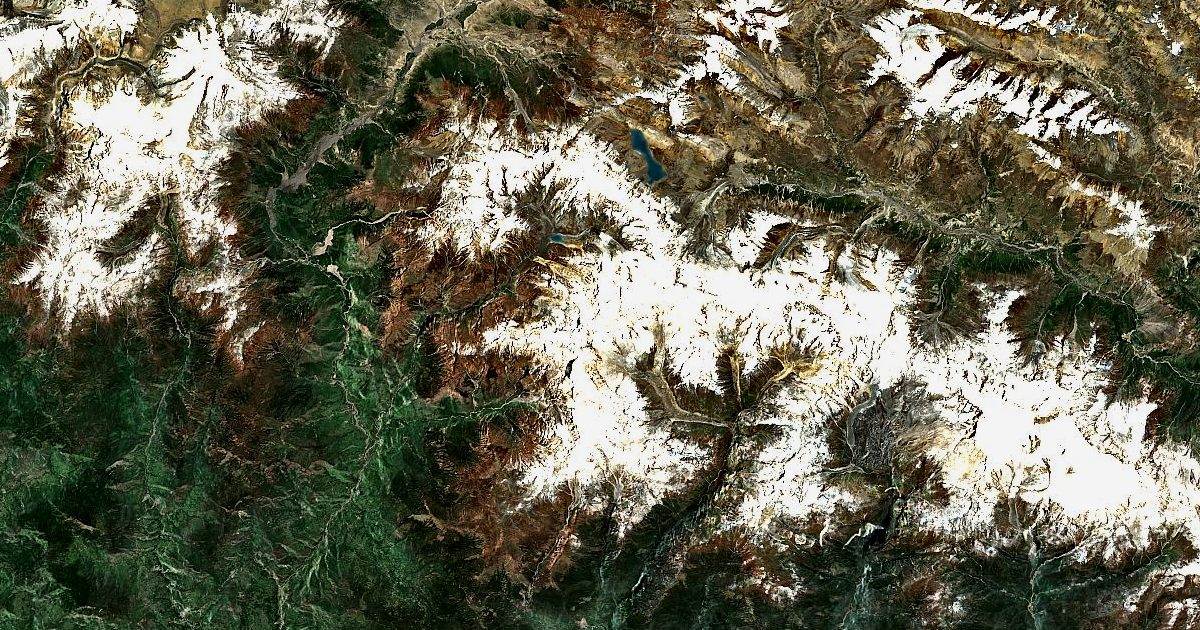
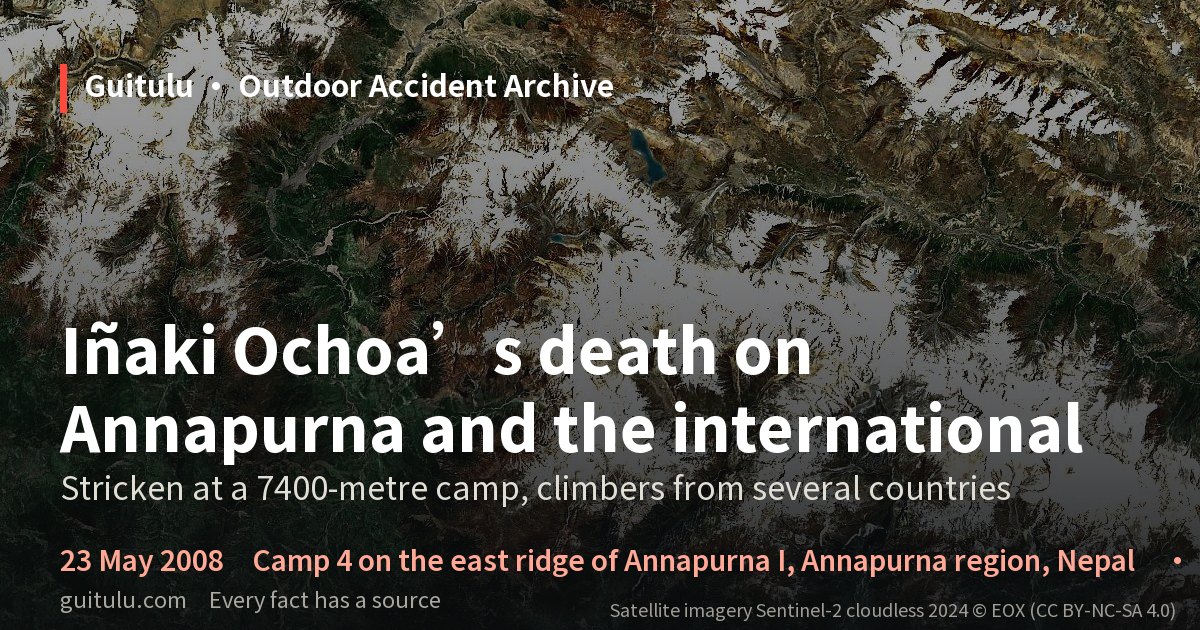
Satellite view of the area around Camp 4 on the east ridge of Annapurna I, Annapurna region, Nepal

Archive / Mountaineering

Iñaki Ochoa’s death on Annapurna and the international rescue

Stricken at a 7400-metre camp, climbers from several countries abandon plans to assist

The rescue was unsuccessful; Ochoa died at Camp 4 on 23 May 2008

Satellite imagery Sentinel-2 cloudless 2024 © EOX (CC BY-NC-SA 4.0)

Date
Spring
Place
Camp 4 on the east ridge of Annapurna I, Annapurna region, NepalNepal › Gandaki Province · Himalaya83.820°E 28.596°N
Activity
MountaineeringInvolves: Altitude illness · Extreme weatherOchoa, Colibășanu (Romania) and Bolotov (Russia) made a summit attempt; Steck and climbers from several countries joined the rescue
Casualties
Dead 1 Ochoa died at Camp 4 at approximately 7400 metres; his body was not brought down the mountain
Material
41 facts · 9 sources4 accounts differ and are shown side by side

01What happened

In May 2008, Spanish mountaineer Iñaki Ochoa, who had summited 12 eight-thousand-metre peaks, climbed the long east ridge of Annapurna I with Romanian climber Horia Colibășanu and Russian climber Alexei Bolotov. This was his attempt on a 13th eight-thousand-metre peak.Facts it rests onF38Multiple sourcesOchoa had previously summited 12 of the 14 eight-thousand-metre peaks.F04Multiple sourcesIn May 2008, Ochoa climbed the long east ridge of Annapurna I with Romanian climber Horia Colibășanu and Russian climber Alexei Bolotov.F03Multiple sourcesAnnapurna I was the 13th eight-thousand-metre peak Ochoa had attempted.

According to reports, on 21 May Ochoa turned back near the summit after climbing for approximately 16 hours straight, partly because of frostbite on his hands and a shortage of rope to fix difficult sections. During the descent, he collapsed near Camp 4 at approximately 7400 metres. His condition reportedly worsened overnight and he lost consciousness. Several reports said he developed serious brain problems accompanied by pulmonary complications.Facts it rests onF29Single sourceThe problems began on 21 May: after climbing for about 16 consecutive hours, Ochoa turned back to Camp 4 as he neared the summit.F31Multiple sourcesThe reasons for turning back included frostbite on Ochoa's hands and insufficient rope to fix the difficult section.F05Multiple sourcesOchoa collapsed during the descent near Camp 4 at an altitude of approximately 7400 metres.F06Single sourceWhile spending the night at 7400 metres, Ochoa’s condition worsened. He experienced severe pain, vomiting and coughing, and then lost consciousness.F07Multiple sourcesSeveral reports said that Ochoa developed a serious brain problem, accompanied by pulmonary complications.

Colibășanu stayed with him and began to show symptoms of altitude sickness himself. He used a satellite phone to contact base camp for help. Swiss climber Ueli Steck, who had just descended from the south face, carried medication up to Camp 4 through a snowstorm. Doctors at a hospital in Navarre, Spain, provided remote guidance on administering the medication. According to reports, the altitude and heavy snow made it impossible to bring Ochoa down the mountain, and a helicopter carrying rescuers was held in Pokhara for a time by the weather.Facts it rests onF09Multiple sourcesColibășanu stayed with Ochoa at Camp 4, although he himself had also begun to show symptoms of altitude sickness.F10Multiple sourcesColibășanu contacted base camp by satellite phone to ask for help, and the alarm was raised shortly afterwards.F13Multiple sourcesSwiss climbers Ueli Steck and Simon Anthamatten had previously abandoned an attempt on a new route on the south face because of avalanche risk and were waiting for the weather at base camp.F18Multiple sourcesSteck climbed through a snowstorm with medication to Camp 4 at approximately 7400 metres, reaching Ochoa.F11Multiple sourcesDoctors at Navarra Hospital in Pamplona, Spain, remotely advised on treatment and medication on the mountain.F20Single sourceThe altitude and heavy snow made it impossible to bring Ochoa down the mountain. Steck and Colibășanu could only do their best to provide medical care at altitude.F23Single sourceA helicopter carrying rescuers from several countries was grounded in Pokhara for a time because of bad weather and could not fly to the mountain.

Steck stayed with Ochoa in the tent, giving him water, food and medication, and performing cardiopulmonary resuscitation when he stopped breathing. Ochoa died at Camp 4 on 23 May 2008, before Urubko, who was climbing up with oxygen, had arrived. The climbers and Sherpas who took part in the rescue were later awarded the Navarre government’s Gold Medal for Sporting Merit.Facts it rests onF21Multiple sourcesSteck stayed with Ochoa in the tent, giving him water, food and medication, and performed CPR and artificial respiration when he stopped breathing.F34Multiple sourcesOchoa died at Camp 4 on 23 May 2008, with Steck at his side.F35Multiple sourcesWhen Ochoa died, Urubko, who was climbing up with oxygen, had not yet reached Camp 4. Steck told him the news by radio.F36Single sourceIn November 2008, the government of Navarre, Spain, awarded gold medals for sporting merit to the climbers and Sherpas who took part in the rescue.

The number at the end of a paragraph is how many facts it rests on; open it to see each fact and how well it is sourced: Multiple sourcesSingle source. Conflicting accounts and speculation are kept out of the narrative.

Satellite imagery Sentinel-2 cloudless 2024 © EOX · Terrain AWS Terrain Tiles · Position is schematic, geocoded from place names · Place coordinates not individually verified

Route review

6 scenes to understand what happened

Scroll down and the map flies to where each part happened.

01

Area of the incident

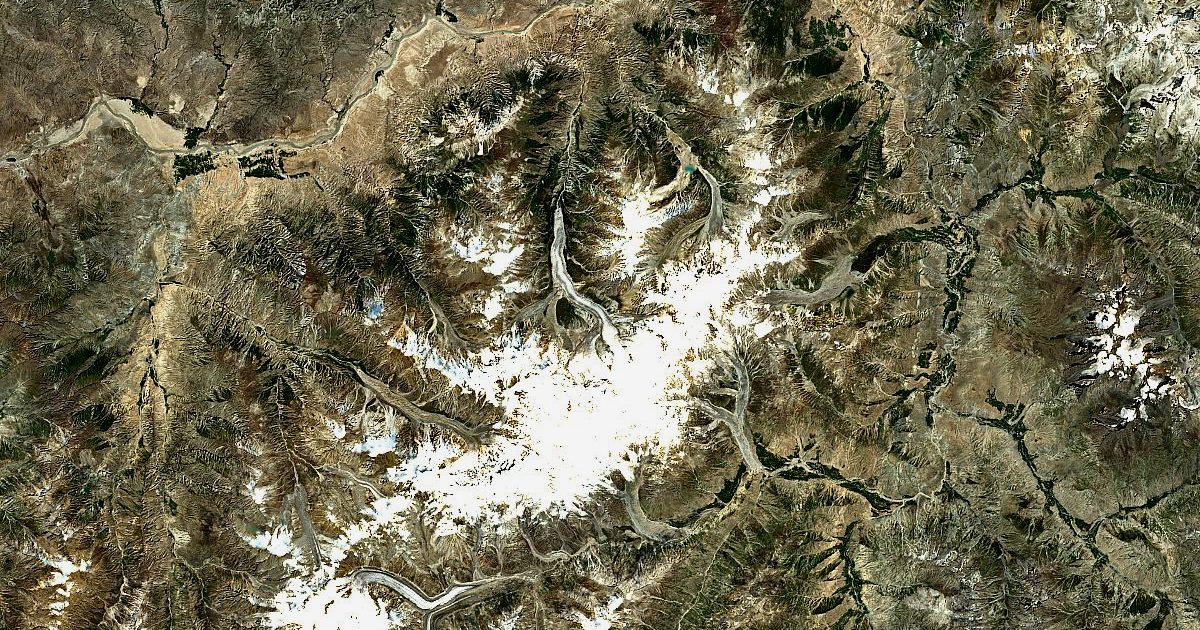
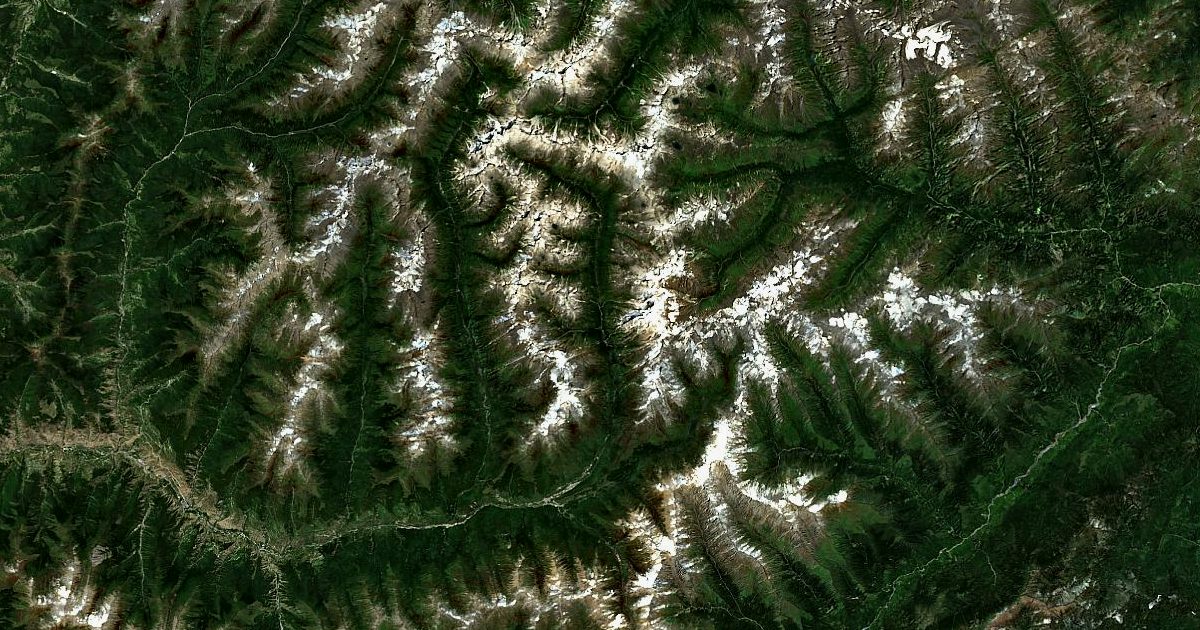
The reports do not provide enough locations along the way, so the map shows only the approximate location and terrain of the incident area.

05

Helicopter held up

A helicopter carrying rescuers was held in Pokhara for a time by the weather, while Urubko climbed higher carrying oxygen.Facts it rests onF23Single sourceA helicopter carrying rescuers from several countries was grounded in Pokhara for a time because of bad weather and could not fly to the mountain.F22Multiple sourcesKazakh climber Denis Urubko had been preparing to return home, but cancelled his flight and came by helicopter. He climbed towards the higher camps with Canadian climber Don Bowie, carrying oxygen and medication.

02Timeline

  1. Iñaki Ochoa de Olza was born on 29 May 1967 in Pamplona, Spain. F01

  2. Steck climbed through a snowstorm with medication to Camp 4 at approximately 7400 metres, reaching Ochoa. F18

  3. In May 2008, Ochoa climbed the long east ridge of Annapurna I with Romanian climber Horia Colibășanu and Russian climber Alexei Bolotov. F04

  4. Colibășanu contacted base camp by satellite phone to ask for help, and the alarm was raised shortly afterwards. F10

  5. Steck stayed with Ochoa in the tent, giving him water, food and medication, and performed CPR and artificial respiration when he stopped breathing. F21

  6. Ochoa collapsed during the descent near Camp 4 at an altitude of approximately 7400 metres. F05

  7. The problems began on 21 May: after climbing for about 16 consecutive hours, Ochoa turned back to Camp 4 as he neared the summit. F29

  8. The reasons for turning back included frostbite on Ochoa's hands and insufficient rope to fix the difficult section. F31

  9. On 22 May, the distress alert spread among the climbing teams on Annapurna. F33

  10. When Ochoa died, Urubko, who was climbing up with oxygen, had not yet reached Camp 4. Steck told him the news by radio. F35

  11. Ochoa died at Camp 4 on 23 May 2008, with Steck at his side. F34

  12. In November 2008, the government of Navarre, Spain, awarded gold medals for sporting merit to the climbers and Sherpas who took part in the rescue. F36

03Lessons

Avalanche and high altitude

Turning back does not mean safety

According to reports, Ochoa turned back near the summit after climbing for approximately 16 hours straight, partly because of frostbite on his hands and a shortage of rope. He collapsed near Camp 4 at approximately 7400 metres, and his condition worsened overnight as he lost consciousness. After turning back, a person remains at extremely high altitude.Facts it rests onF29Single sourceThe problems began on 21 May: after climbing for about 16 consecutive hours, Ochoa turned back to Camp 4 as he neared the summit.F31Multiple sourcesThe reasons for turning back included frostbite on Ochoa's hands and insufficient rope to fix the difficult section.F05Multiple sourcesOchoa collapsed during the descent near Camp 4 at an altitude of approximately 7400 metres.F06Single sourceWhile spending the night at 7400 metres, Ochoa’s condition worsened. He experienced severe pain, vomiting and coughing, and then lost consciousness.

Rescue and self-rescue

Carry first-aid medication

According to reports, Ochoa and his partner were not carrying a proper first-aid kit. The medication used in this case was carried from base camp to Camp 4 by Steck and administered under remote guidance from doctors in Spain.Facts it rests onF12Single sourceOchoa and Colibășanu did not have a proper first-aid kit with them.F18Multiple sourcesSteck climbed through a snowstorm with medication to Camp 4 at approximately 7400 metres, reaching Ochoa.F11Multiple sourcesDoctors at Navarra Hospital in Pamplona, Spain, remotely advised on treatment and medication on the mountain.

Communication and location

A working phone is the starting point for rescue

Colibășanu used a satellite phone to contact base camp, and the distress alert then spread among the teams on the mountain. Doctors subsequently provided remote guidance on medication, while information on the mountain was shared by radio.Facts it rests onF10Multiple sourcesColibășanu contacted base camp by satellite phone to ask for help, and the alarm was raised shortly afterwards.F33Single sourceOn 22 May, the distress alert spread among the climbing teams on Annapurna.F11Multiple sourcesDoctors at Navarra Hospital in Pamplona, Spain, remotely advised on treatment and medication on the mountain.F35Multiple sourcesWhen Ochoa died, Urubko, who was climbing up with oxygen, had not yet reached Camp 4. Steck told him the news by radio.

Rescue and self-rescue

Rescue at high altitude is extremely limited

The altitude and heavy snow made it impossible to bring Ochoa down the mountain, and a helicopter was held in Pokhara for a time by the weather. The rescue mobilised 14 climbers in all, but Urubko, who was carrying oxygen, was still unable to arrive before Ochoa died.Facts it rests onF20Single sourceThe altitude and heavy snow made it impossible to bring Ochoa down the mountain. Steck and Colibășanu could only do their best to provide medical care at altitude.F23Single sourceA helicopter carrying rescuers from several countries was grounded in Pokhara for a time because of bad weather and could not fly to the mountain.F28Single sourceThe rescue mobilised 14 climbers over its course.F35Multiple sourcesWhen Ochoa died, Urubko, who was climbing up with oxygen, had not yet reached Camp 4. Steck told him the news by radio.

04Fact list 41 facts

Under each fact is a verbatim quote from the original. "Single source" means only one outlet mentioned it; "Accounts differ" means sources contradict each other and this site adopts neither side; "Speculation" is an inference by a reporter or a person involved, not a fact.

  1. F01Multiple sourcesBackground

    Iñaki Ochoa de Olza was born on 29 May 1967 in Pamplona, Spain.

    Quotes from the original 2

    “Ochoa was born in Pamplona, Spain on May 29, 1967.”

    Alpinist · 2008-05-23

    “nato il 29 maggio 1967”

    Montagna.TV · 2020-05-29
  2. F02Single sourceAftermath

    According to Montagna.TV, Ochoa’s body was not brought down and remained on Annapurna.

    Quotes from the original 1

    “il suo corpo non fu portato a valle”

    Montagna.TV · 2020-05-29
  3. F03Multiple sourcesBackground

    Annapurna I was the 13th eight-thousand-metre peak Ochoa had attempted.

    Quotes from the original 2

    “Ochoa de Olza was on his quest to finish his 13th eight thousander”

    Nepali Times · 2008-05-30

    “dove Iñaki saliva alla ricerca del suo tredicesimo Ottomila”

    Montagna.TV · 2020-05-29
  4. F04Multiple sourcesPlan

    In May 2008, Ochoa climbed the long east ridge of Annapurna I with Romanian climber Horia Colibășanu and Russian climber Alexei Bolotov.

    Quotes from the original 2

    “was making an attempt on the long and committing East Ridge of Annapurna I. With him were Colibasanu, and the remaining member of another (Russian), expedition, Alexey Bolotov.”

    BMC ·

    “Alexey Bolotov, che l’altro ieri ha tentato la vetta con Ochoa e Colibasanu”

    Montagna.TV · 2008-05-23
  5. F05Multiple sourcesEvent

    Ochoa collapsed during the descent near Camp 4 at an altitude of approximately 7400 metres.

    Quotes from the original 3

    “On the descent, Ochoa had a seizure and collapsed near Camp 4.”

    Alpinist · 2008-05-23

    “returned to their Camp 4 at 7,400m”

    BMC ·

    “upon his arrival at Camp 4 the Spaniard collapsed”

    Nepali Times · 2008-05-30
  6. F06Single sourceEvent

    According to Montagna.TV, While spending the night at 7400 metres, Ochoa’s condition worsened. He experienced severe pain, vomiting and coughing, and then lost consciousness.

    Quotes from the original 1

    “durante la notte, passata a 7.400 metri, le sue condizioni sono peggiorate: ha cominciato a soffrire improvvisamente di forti dolori, conati di vomito e tosse. E poi ha perso conoscenza.”

    Montagna.TV · 2008-05-23
  7. F07Multiple sourcesFound at scene

    Several reports said that Ochoa developed a serious brain problem, accompanied by pulmonary complications.

    Quotes from the original 3

    “Apparent brain damage was complicated by pulmonary edema”

    Alpinist · 2008-05-23

    “Ochoa è spirato per complicazioni polmonari, dopo cinque notti passate a campo 4, incosciente per una grave lesione cerebrale”

    Montagna.TV · 2008-11-10

    “where Ochoa contracted cerebral oedema”

    BMC ·
  8. F08Accounts differFound at scene

    Accounts of the specific diagnosis differ: BMC said it was cerebral oedema; Nepali Times said it was a stroke or cerebral oedema; Alpinist said it was apparent brain damage compounded by pulmonary oedema.

    All were second-hand accounts relayed remotely; there was no formal medical conclusion.

    Quotes from the original 3

    “where Ochoa contracted cerebral oedema”

    BMC ·

    “collapsed with either a stroke or celebral oedema”

    Nepali Times · 2008-05-30

    “Apparent brain damage was complicated by pulmonary edema”

    Alpinist · 2008-05-23
  9. F09Multiple sourcesEvent

    Colibășanu stayed with Ochoa at Camp 4, although he himself had also begun to show symptoms of altitude sickness.

    Quotes from the original 2

    “Colibasanu remained with Ochoa, even though he himself was beginning to suffer from altitude sickness”

    BMC ·

    “Clibanasu stayed with de Olza until Swiss climbers”

    Nepali Times · 2008-05-30
  10. F10Multiple sourcesEvent

    Colibășanu contacted base camp by satellite phone to ask for help, and the alarm was raised shortly afterwards.

    Quotes from the original 2

    “managed to use his satellite phone to contact Steck at base camp”

    BMC ·

    “Scattato l’allarme con la telefonata al base del suo compagno di cordata Colibasanu”

    Montagna.TV · 2008-11-10
  11. F11Multiple sourcesEvent

    Doctors at Navarra Hospital in Pamplona, Spain, remotely advised on treatment and medication on the mountain.

    Quotes from the original 2

    “medical care directed remotely by doctors at the Hospital of Navarre in Pamplona, Spain”

    Alpinist · 2008-05-23

    “con i farmaci indicati da un team di medici dell’ospedale di Navarra”

    Montagna.TV ·
  12. F12Single sourceFound at scene

    According to BMC, Ochoa and Colibășanu did not have a proper first-aid kit with them.

    Quotes from the original 1

    “Packing a good medical kit (which the Spanish-Romanian pair did not possess) to deal with the problem”

    BMC ·
  13. F13Multiple sourcesBackground

    Swiss climbers Ueli Steck and Simon Anthamatten had previously abandoned an attempt on a new route on the south face because of avalanche risk and were waiting for the weather at base camp.

    Quotes from the original 2

    “having abandoned his and Simon Anthamatten’s attempt on the south face of the peak last week due to threatening avalanche conditions”

    Alpinist · 2008-05-23

    “The Swiss Anthamatten and Steck had just retreated from an attempt on a new route up the South Face, and were waiting for the weather to clear prior to a second try.”

    BMC ·
  14. F14Multiple sourcesEvent

    Steck set out from base camp with medication to rescue Ochoa. He did not take high-altitude boots with him when he set out; they were stored at a higher camp.

    Quotes from the original 2

    “they immediately started up the East Ridge, despite not having high altitude boots, which had been cached at their higher camp.”

    BMC ·

    “ascending with medications from basecamp to camp 4”

    Alpinist · 2008-05-23
  15. F15Single sourceEvent

    According to UKC, Steck struggled to break trail through deep fresh snow for approximately 4 hours to reach Ochoa.

    Quotes from the original 1

    “forced his way through deep fresh snow for 4 hours so that he could assist Olza”

    UKC · 2008-05
  16. F16Single sourceEvent

    According to BMC, After reaching the summit, Bolotov descended exhausted to Camp 4, then broke trail down the east ridge through fresh snow, intending to give Steck his boots when they met.

    Quotes from the original 1

    “Bolotov had reached the summit and descended, exhausted, to Camp 4, where he decided his best course of action was to break trail through fresh snow down the East Ridge until he met Steck, when he could swap boots.”

    BMC ·
  17. F17Multiple sourcesEvent

    Steck met Colibășanu on the ridge as he was descending, gave him medication and accompanied him part of the way down, until he was sure that Colibășanu could safely return to Anthamatten, who was waiting at Camp 3.

    Quotes from the original 2

    “Steck gave him medicine, and after Colibasanu appeared to recover, escorted him down the ridge until Steck was sure the Romanian could make it safely back to a waiting Anthamatten in Camp 3.”

    BMC ·

    “sta scendendo verso campo 3 (6.900 metri), dove lo attende lo svizzero Simon Anthamatten”

    Montagna.TV ·
  18. F18Multiple sourcesEvent

    Steck climbed through a snowstorm with medication to Camp 4 at approximately 7400 metres, reaching Ochoa.

    Quotes from the original 3

    “Steck infatti è salito in suo soccorso fino ai 7.400 metri di campo 4, nonostante la bufera per portare dei farmaci”

    Montagna.TV · 2008-11-10

    “ascending with medications from basecamp to camp 4, where Ochoa lay incapacitated”

    Alpinist · 2008-05-23

    “He then turned around and climbed up to the tent.”

    BMC ·
  19. F19Single sourceEvent

    According to Montagna.TV, After Steck gave him medication, Ochoa was able to drink water but could not yet speak.

    Quotes from the original 1

    “Ochoa, che ora riesce a bere ma, purtroppo, non ancora a parlare”

    Montagna.TV ·
  20. F20Single sourceEvent

    According to Alpinist, The altitude and heavy snow made it impossible to bring Ochoa down the mountain. Steck and Colibășanu could only do their best to provide medical care at altitude.

    Quotes from the original 1

    “Altitude and heavy snow conditions made a rescue impossible leaving Steck and Colibasanu to administer what medical care available at that altitude.”

    Alpinist · 2008-05-23
  21. F21Multiple sourcesEvent

    Steck stayed with Ochoa in the tent, giving him water, food and medication, and performed CPR and artificial respiration when he stopped breathing.

    Quotes from the original 2

    “Steck treated Ochoa, at one stage forced to give him CPR and artificial respiration when the Spaniard stopped breathing.”

    BMC ·

    “rimanendo con lui per tutta la notte, somministrandogli cibo, acqua e medicinali, ma senza risultati”

    Montagna.TV · 2018-05-23
  22. F22Multiple sourcesEvent

    Kazakh climber Denis Urubko had been preparing to return home, but cancelled his flight and came by helicopter. He climbed towards the higher camps with Canadian climber Don Bowie, carrying oxygen and medication.

    Quotes from the original 2

    “Urubko, was just about to fly home after completing another expedition, but cancelled his flight and boarded a helicopter”

    BMC ·

    “Denis Urubko, che sta salendo verso i campi alti insieme al canadese Don Bowie, con delle bombole d’ossigeno e diversi medicinali”

    Montagna.TV ·
  23. F23Single sourceEvent

    According to Montagna.TV, A helicopter carrying rescuers from several countries was grounded in Pokhara for a time because of bad weather and could not fly to the mountain.

    Quotes from the original 1

    “ieri avrebbe dovuto raggiungere la montagna e invece ha dovuto fermarsi a Pokhara a causa del maltempo”

    Montagna.TV ·
  24. F24Single sourceEvent

    According to Nepali Times, Climbers in Kathmandu changed their flights and flew back to Pokhara to join the rescue.

    Quotes from the original 1

    “Mountaineers in Kathmandu changed their flights, flew back to Pokhara and tried everything humanly possible to save Ochoa de Olza”

    Nepali Times · 2008-05-30
  25. F25Single sourceEvent

    According to Montagna.TV, Bolotov was exhausted after several consecutive days at high altitude, but refused to descend to base camp.

    Quotes from the original 1

    “Bolotov, stremato dalle fatiche e dai giorni in alta quota, ieri si era rifiutato di scendere al base.”

    Montagna.TV · 2008-05-23
  26. F26Accounts differEvent

    Accounts differ on the exact time and date of death: Alpinist says 6:45 GMT; Montagna.TV says shortly after midnight on the 23rd (12:30 at night); Nepali Times gives 12:30 noon on the 23rd in one place and 25 May in another.

    Reports record the time of death differently, and their use of time zones and a.m. and p.m. is also inconsistent.

    Quotes from the original 4

    “succumbed at 6:45 a.m. GMT”

    Alpinist · 2008-05-23

    “poco dopo la mezzanotte del 23 maggio 2008”

    Montagna.TV · 2018-05-23

    “succumbed to pulmonary oedema on 23 May at 12.30 PM”

    Nepali Times · 2008-05-30

    “died at 7,400m on Annapurna I on 25 May”

    Nepali Times · 2008-05-30
  27. F27Accounts differEvent

    Accounts differ on how long Ochoa was stranded at altitude: Alpinist and one Montagna.TV article say he spent five nights at Camp 4; Nepali Times says he endured four days; another Montagna.TV article says it lasted 6 days.

    Quotes from the original 4

    “Ochoa remained at 7400m, semi-conscious, for five nights before passing away.”

    Alpinist · 2008-05-23

    “dopo cinque notti passate a campo 4”

    Montagna.TV · 2008-11-10

    “Four days of agony”

    Nepali Times · 2008-05-30

    “La sua agonia durò 6 giorni”

    Montagna.TV · 2020-05-29
  28. F28Single sourceAftermath

    According to Montagna.TV, The rescue mobilised 14 climbers over its course.

    Quotes from the original 1

    “In tutto si mobilitarono 14 alpinisti per prestare soccorso a Iñaki”

    Montagna.TV · 2020-05-29
  29. F29Single sourceMovement

    According to Montagna.TV, The problems began on 21 May: after climbing for about 16 consecutive hours, Ochoa turned back to Camp 4 as he neared the summit.

    Several quotations come from different reports by the same outlet and are counted as one source

    Quotes from the original 2

    “I problemi sono iniziati il 21 maggio, quando a seguito di una scalata ininterrotta di 16 ore”

    Montagna.TV · 2018-05-23

    “dopo una scalata non-stop di 16 ore”

    Montagna.TV · 2008-05-23
  30. F30Accounts differMovement

    Accounts differ on where they turned back: Montagna.TV and Nepali Times say about 100 metres from the summit; BMC says the two retreated from an altitude of 7850 metres.

    Annapurna I is approximately 8091 metres high; the two accounts differ by a little over 100 metres.

    Quotes from the original 3

    “quando ormai si trovava a 100 metri della vetta dell’Annapurna”

    Montagna.TV · 2008-05-23

    “got to about 100m below the summit of the 10th highest mountain in the world”

    Nepali Times · 2008-05-30

    “Ochoa and the Romanian Colibasanu retreated from 7,850m”

    BMC ·
  31. F31Multiple sourcesEvent

    The reasons for turning back included frostbite on Ochoa's hands and insufficient rope to fix the difficult section.

    Quotes from the original 3

    “The pair had to turn around due to problems with Ochoa de Olza's hands and lack of ropes to fix some difficult sections.”

    Nepali Times · 2008-05-30

    “turned back from the summit after he ran out of rope. He was also suffering from bad frost-bite in his hands.”

    UKC · 2008-05

    “con dei congelamenti alle mani, che hanno costretto Ochoa a rientrare a campo 4”

    Montagna.TV · 2008-05-23
  32. F32Multiple sourcesEvent

    Reports said conditions on the mountain were dangerous and the weather had clearly worsened.

    Quotes from the original 2

    “turned around before summitting the peak due to dangerous conditions”

    Alpinist · 2008-05-23

    “Le condizioni climatiche erano drasticamente peggiorate”

    Montagna.TV · 2020-05-29
  33. F33Single sourceEvent

    According to Montagna.TV, On 22 May, the distress alert spread among the climbing teams on Annapurna.

    Quotes from the original 1

    “in seguito all’allarme diffusosi tra tutti gli scalatori all’Annapurna il 22 maggio”

    Montagna.TV · 2018-05-23
  34. F34Multiple sourcesEvent

    Ochoa died at Camp 4 on 23 May 2008, with Steck at his side.

    Nepali Times gives 25 May elsewhere.

    Quotes from the original 2

    “lo scalatore basco si è spento tra le braccia di Ueli Steck a campo 4, poco dopo la mezzanotte del 23 maggio 2008”

    Montagna.TV · 2018-05-23

    “succumbed to pulmonary oedema on 23 May at 12.30 PM”

    Nepali Times · 2008-05-30
  35. F35Multiple sourcesEvent

    When Ochoa died, Urubko, who was climbing up with oxygen, had not yet reached Camp 4. Steck told him the news by radio.

    Quotes from the original 2

    “But sadly Ochoa died, at about the time Urubko, carrying oxygen, reached 7,200m.”

    BMC ·

    “E’ stato Ueli Steck a dare la notizia, via radio, a Denis Urubko che stava salendo verso campo 4, carico di ossigeno e medicinali.”

    Montagna.TV · 2008-05-23
  36. F36Single sourceAftermath

    According to Montagna.TV, In November 2008, the government of Navarre, Spain, awarded gold medals for sporting merit to the climbers and Sherpas who took part in the rescue.

    Quotes from the original 1

    “Questi i nomi degli alpinisti medagliati qualche giorno fa dal governo spagnolo di Navarra”

    Montagna.TV · 2008-11-10
  37. F37Single sourceAftermath

    According to BMC, The British Alpine Club awarded the first “Spirit of Mountaineering Commendation” to Antamatten, Bolotov, Bowey, Colibășanu, Steck and Urubko, recognising their efforts to rescue Ochoa.

    Quotes from the original 1

    “the Alpine Club's first Spirit of Mountaineering Commendation will be presented to Simon Anthamatten, Alexey Bolotov, Don Bowie, Horia Colibasanu, Ueli Steck and Denis Urubko”

    BMC ·
  38. F38Multiple sourcesBackground

    Ochoa had previously summited 12 of the 14 eight-thousand-metre peaks.

    Quotes from the original 3

    “Ochoa had climbed 12 of the 14 8000+ meter peaks”

    Alpinist · 2008-05-23

    “who had already summited 12, 8,000m peaks”

    BMC ·

    “Aveva 12 ottomila all’attivo”

    Montagna.TV · 2008-05-23
  39. F39Multiple sourcesBackground

    Ochoa had taken part in more than 30 Himalayan expeditions and worked as a high-altitude cameraman and guide.

    Quotes from the original 2

    “has since taken part in over 30 Himalayan expeditions. He worked as high altitude cameraman and guide.”

    Alpinist · 2008-05-23

    “Aveva al sua attivo 30 spedizioni himalayane”

    Montagna.TV · 2020-05-29
  40. F40Single sourceBackground

    According to Montagna.TV, Ochoa had summited all 12 eight-thousand-metre peaks without using bottled oxygen.

    Quotes from the original 1

    “aveva raggiunto la vetta di 12 dei 14 Ottomila, tutti senza l’ausilio di bombole d’ossigeno”

    Montagna.TV · 2020-05-29
  41. F41Single sourceAftermath

    According to Montagna.TV, Basque mountaineering journalist Jorge Nagore helped coordinate the rescue and later wrote the book “Salvate Iñaki!”.

    Quotes from the original 1

    “L’autore è il giornalista basco specializzato in alpinismo Jorge Nagore, amico vicino a Iñaki e coordinatore del tentativo di salvataggio”

    Montagna.TV · 2018-05-23