GuituluGlobal Outdoor Accident Archive 中文
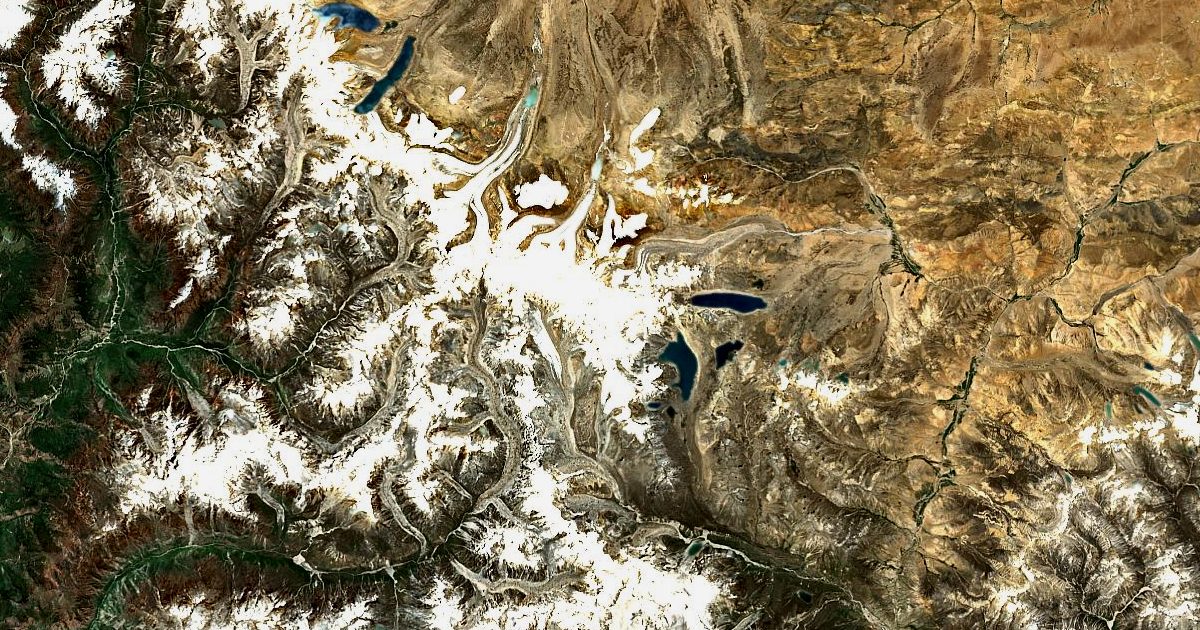
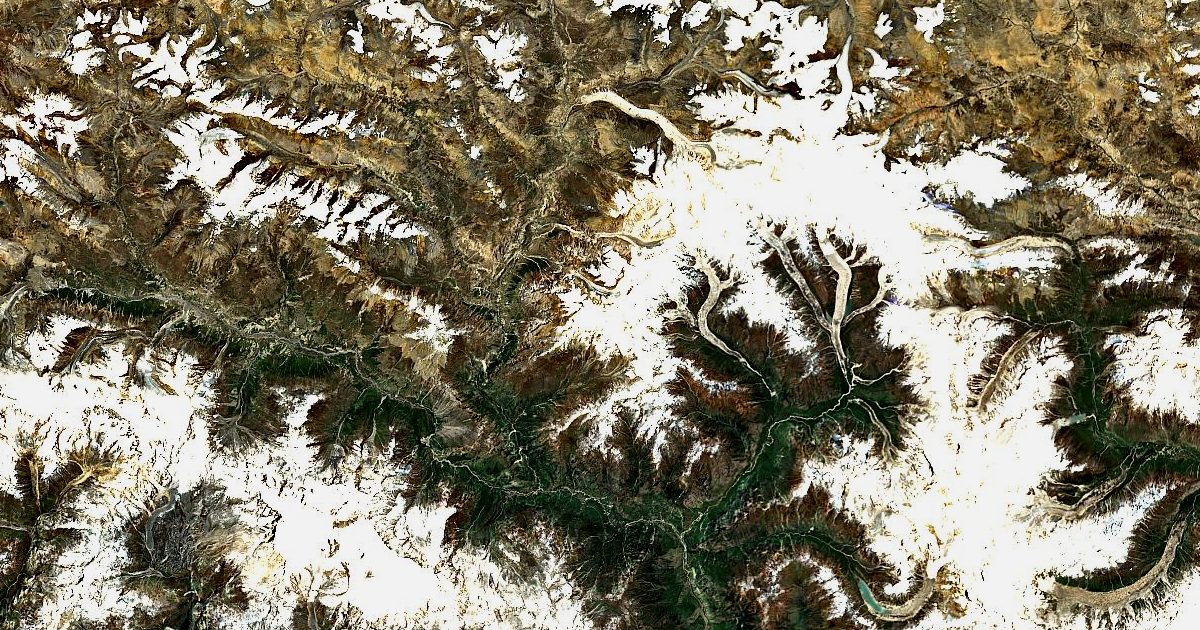
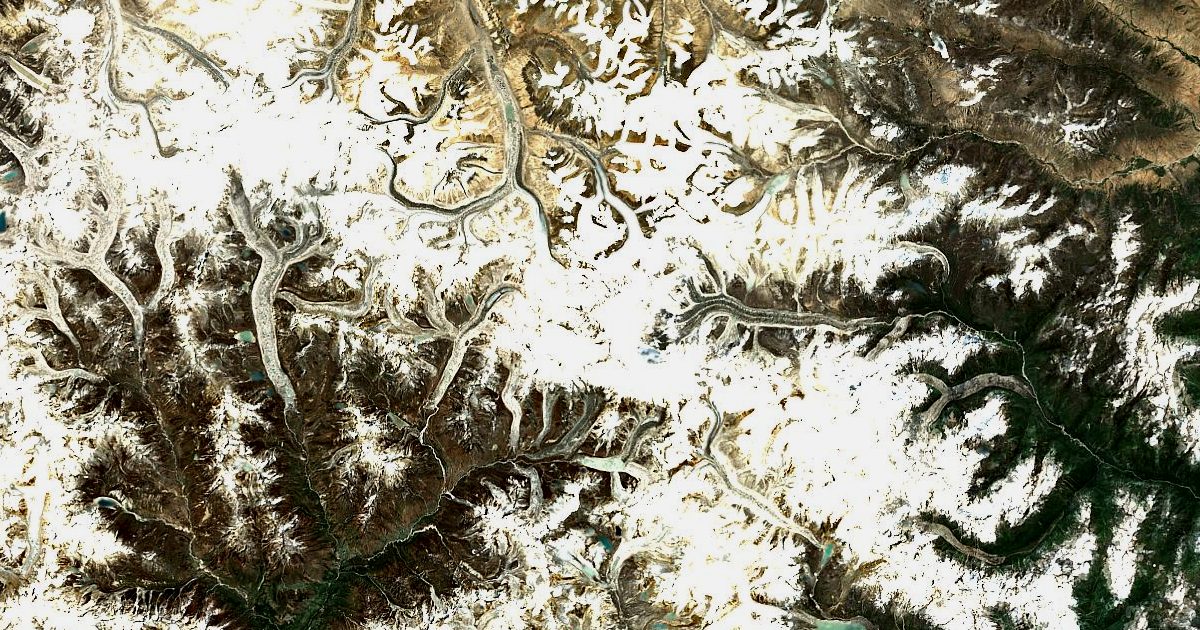
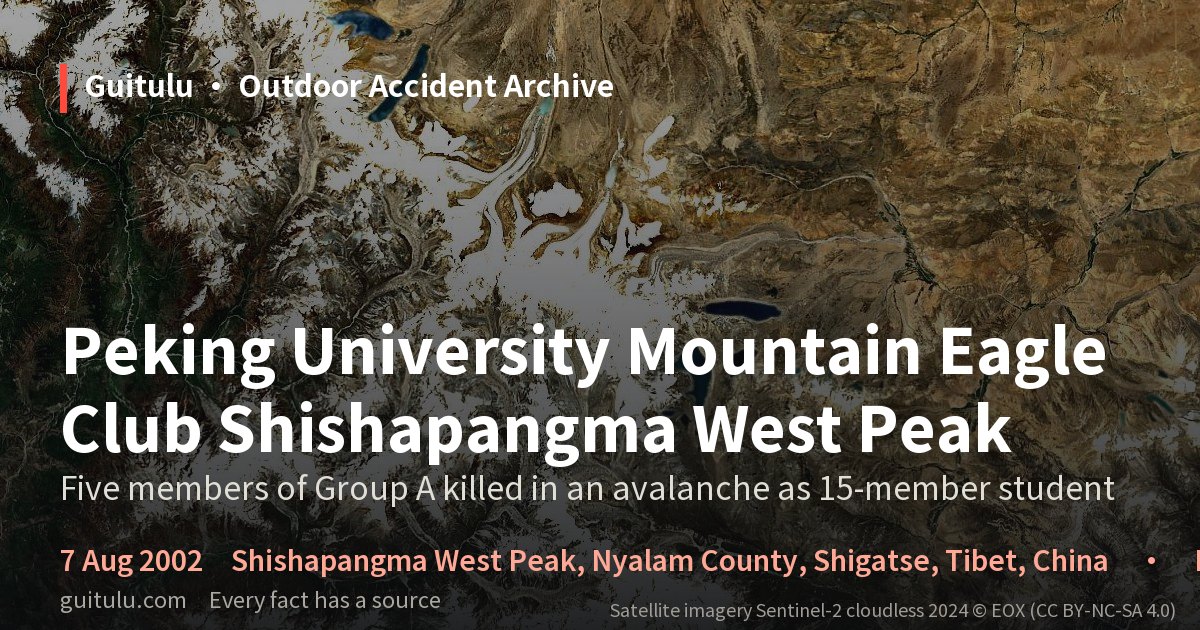
Satellite view of the area around Shishapangma West Peak, Nyalam County, Shigatse, Tibet, China

Archive / Mountaineering

Peking University Mountain Eagle Club Shishapangma West Peak accident

Five members of Group A killed in an avalanche as 15-member student mountaineering team climbed Shishapangma West Peak during the rainy season

Search and rescue ended; all 5 team members were determined to have died

Satellite imagery Sentinel-2 cloudless 2024 © EOX (CC BY-NC-SA 4.0)

Date
Summer (rainy season)
Place
Shishapangma West Peak, Nyalam County, Shigatse, Tibet, ChinaChina › Tibet · Himalaya85.772°E 28.357°N
Activity
MountaineeringInvolves: AvalanchePeking University Mountain Eagle Club mountaineering team of 15 (12 men and 3 women); the five members of Group A died
Casualties
Dead 5 The initial report stated that 2 people had died and 3 were missing; after the search and rescue effort on 19 August, all 5 were determined to have died
Material
39 facts · 9 sources2 accounts differ and are shown side by side

01What happened

On 13 July 2002, a 15-member mountaineering team from Peking University's Mountain Eagle Club set out for Shishapangma West Peak, at an altitude of 7292 meters in Nyalam County, Tibet. According to reports, only four team members had experience climbing more than three peaks, while seven had no climbing experience. On 22 July, the team reached base camp at 5400 meters.Facts it rests onF05Single sourceOn 13 July 2002, the Peking University Mountain Eagle Club mountaineering team of 15 set out for Shishapangma West Peak. The team arrived in Lhasa on 18 July and left Lhasa for Shishapangma on 20 July.F37Multiple sourcesShishapangma West Peak is 7292 metres above sea level and is located in Nyalam County, Tibet.F03Multiple sourcesThe Peking University mountaineering team climbing Shishapangma West Peak had 15 members, including 12 men and 3 women.F04Single sourceOf the 15 members, 4 had experience climbing more than 3 peaks, 1 had climbed 2, 3 had climbed 1, and 7 had no climbing experience.F06Single sourceThe mountaineering team arrived at Shishapangma Base Camp at an altitude of 5400 metres on 22 July.

The weather remained good until early August, and the team established a route to 6600 meters, set up camp and finished transporting supplies. From 3 August, the weather worsened and precipitation increased. The whole team withdrew to base camp to rest and regroup, dividing into Groups A, B and C. Group A was responsible for establishing the route and making the summit push. According to reports, Group A extended the route to 6700 meters on 6 August.Facts it rests onF13Multiple sourcesThe weather was good from late July to early August. The mountaineering team prepared the route to an altitude of 6600 meters, established Camps 1 and 2, and finished transporting supplies.F14Single sourceFrom 3 August, the weather was unstable and precipitation increased. All members descended to base camp to rest and were divided into Groups A, B and C, with Group A responsible for preparing the route and making the summit attempt.F15Single sourceOn 6 August, Group A continued preparing the route upward to an altitude of 6700 meters. Group B set out early to transport supplies to Camp 3 and, after meeting Group A, whose departure had been delayed by fog, returned to Camp 2. The two groups remained in contact throughout the night.

At 11 a.m. on 7 August, Group B contacted Group A by walkie-talkie. According to reports, Group A was establishing a route above 6700 meters at the time and had reached a location known as “two large rocks.” That day, the 5 members of Group A—Lin Liqing, Yang Lei, Lu Zhen, Lei Yu and Zhang Xingbai—were caught in an avalanche at an altitude of about 6700 meters.Facts it rests onF16Single sourceAt 11 a.m. on 7 August, Group B contacted Group A by radio and learned that Group A was preparing the route above an altitude of 6700 meters and had reached the location of “two large rocks”.F17Multiple sourcesOn 7 August 2002, the 5 members of Group A of the Peking University Mountain Eagle Club mountaineering team were caught in an avalanche at an altitude of approximately 6700 meters while climbing Shishapangma West Peak.F19Multiple sourcesThe five team members who died were Lin Liqing, Yang Lei, Lu Zhen, Lei Yu and Zhang Xingbai (also written 张兴佰).

According to reports, Group B went up to Camp 3 on 8 August, searched up the mountain that night without success, and waited with their headlamps on throughout the night. On 9 August, team members found signs of a large-scale avalanche at about 6700 meters and located two deceased team members. Because they had not brought an Inmarsat satellite phone, two team members went to Lhasa to seek help. The relevant authorities did not learn of the accident until the Tibet Mountaineering Association was notified on the afternoon of 12 August. On 19 August, a professional search and rescue team reached the accident site and determined that all 5 had died.Facts it rests onF20Single sourceOn 8 August, the four members of Group B went to Camp 3 and waited there because of poor visibility. By 8 p.m., Group A had still not returned, so they went up the mountain to look for them, returning after an hour and a half without finding them. That night, they took turns keeping watch and kept their headlamps on, hoping to guide Group A back.F21Multiple sourcesOn 9 August, team members found traces of a large-scale avalanche at an altitude of about 6700 metres on the route to the summit and found two team members who had died. They found no survivors.F23Single sourceOn 11 August, team members Yue Bin and Li Lan went to Lhasa to seek help.F24Single sourceThe mountaineering team did not take a maritime satellite phone into the mountains. The relevant authorities learned of the accident only on the afternoon of 12 August, when the two team members who had returned to Lhasa to report the news informed the Tibet Mountaineering Association.F26Multiple sourcesOn 13 August, Danzhen Duoji led seven rescue team members to the mountain area to conduct search and rescue, Peking University Deputy Party Secretary Wang Dengfeng led an emergency working group on a flight to Lhasa, and the Chinese Mountaineering Association also sent experts to Tibet.F27Multiple sourcesOn the morning of 19 August, a search and rescue group made up of professional mountaineers climbed to the accident site at approximately 6700 metres, and by then concluded that all five team members had died.

On 26 August, Peking University held a memorial service for the 5 students who died. The accident drew widespread media attention and prompted intense debate about amateur mountaineering. A year later, the Mountain Eagle Club formed another team to climb Yuzhu Peak. According to reports, this time it rented an Inmarsat satellite phone and hired two mountaineers as technical advisers.Facts it rests onF29Multiple sourcesOn 26 August, Peking University held a memorial service for the five students who died and posthumously awarded them the honorary title of “Mountaineering Warriors”.F02Multiple sourcesThe accident attracted widespread media attention and sparked intense debate about the development of amateur mountaineering in China.F34Single sourceIn July 2003, the Mountain Eagle Club formed a new team to climb Yuzhu Peak. This time it rented an Inmarsat satellite phone and hired two mountaineers as technical advisers.

The number at the end of a paragraph is how many facts it rests on; open it to see each fact and how well it is sourced: Multiple sourcesSingle source. Conflicting accounts and speculation are kept out of the narrative.

Satellite imagery Sentinel-2 cloudless 2024 © EOX · Terrain AWS Terrain Tiles · Position is schematic, geocoded from place names · Place coordinates not individually verified

Route review

7 scenes to understand what happened

Scroll down and the map flies to where each part happened.

01

Full route

Locations mentioned in reports are connected in sequence to show the approximate route (illustrative).

03

Base camp

According to reports, the team reached base camp at 5400 meters on 22 July, then established the route and set up camps. From 3 August, the weather worsened and the whole team withdrew to rest and regroup.Facts it rests onF06Single sourceThe mountaineering team arrived at Shishapangma Base Camp at an altitude of 5400 metres on 22 July.F13Multiple sourcesThe weather was good from late July to early August. The mountaineering team prepared the route to an altitude of 6600 meters, established Camps 1 and 2, and finished transporting supplies.F14Single sourceFrom 3 August, the weather was unstable and precipitation increased. All members descended to base camp to rest and were divided into Groups A, B and C, with Group A responsible for preparing the route and making the summit attempt.

04

Avalanche

On 7 August, the 5 members of Group A were caught in an avalanche while establishing a route at an altitude of about 6700 meters on Shishapangma West Peak.Facts it rests onF16Single sourceAt 11 a.m. on 7 August, Group B contacted Group A by radio and learned that Group A was preparing the route above an altitude of 6700 meters and had reached the location of “two large rocks”.F17Multiple sourcesOn 7 August 2002, the 5 members of Group A of the Peking University Mountain Eagle Club mountaineering team were caught in an avalanche at an altitude of approximately 6700 meters while climbing Shishapangma West Peak.

05

Search

According to reports, Group B kept its lights on throughout the night at Camp 3 on 8 August while waiting. On 9 August, team members found signs of an avalanche at approximately 6700 metres.Facts it rests onF20Single sourceOn 8 August, the four members of Group B went to Camp 3 and waited there because of poor visibility. By 8 p.m., Group A had still not returned, so they went up the mountain to look for them, returning after an hour and a half without finding them. That night, they took turns keeping watch and kept their headlamps on, hoping to guide Group A back.F21Multiple sourcesOn 9 August, team members found traces of a large-scale avalanche at an altitude of about 6700 metres on the route to the summit and found two team members who had died. They found no survivors.

06

Travelling to Lhasa for help

According to reports, the team had not brought a maritime satellite phone. Two members travelled to Lhasa and did not notify the Tibet Mountaineering Association until the afternoon of 12 August.Facts it rests onF23Single sourceOn 11 August, team members Yue Bin and Li Lan went to Lhasa to seek help.F24Single sourceThe mountaineering team did not take a maritime satellite phone into the mountains. The relevant authorities learned of the accident only on the afternoon of 12 August, when the two team members who had returned to Lhasa to report the news informed the Tibet Mountaineering Association.

02Timeline

  1. On 13 July 2002, the Peking University Mountain Eagle Club mountaineering team of 15 set out for Shishapangma West Peak. The team arrived in Lhasa on 18 July and left Lhasa for Shishapangma on 20 July. F05

  2. The mountaineering team arrived at Shishapangma Base Camp at an altitude of 5400 metres on 22 July. F06

  3. The weather was good from late July to early August. The mountaineering team prepared the route to an altitude of 6600 meters, established Camps 1 and 2, and finished transporting supplies. F13

  4. From 3 August, the weather was unstable and precipitation increased. All members descended to base camp to rest and were divided into Groups A, B and C, with Group A responsible for preparing the route and making the summit attempt. F14

  5. On 6 August, Group A continued preparing the route upward to an altitude of 6700 meters. Group B set out early to transport supplies to Camp 3 and, after meeting Group A, whose departure had been delayed by fog, returned to Camp 2. The two groups remained in contact throughout the night. F15

  6. At 11 a.m. on 7 August, Group B contacted Group A by radio and learned that Group A was preparing the route above an altitude of 6700 meters and had reached the location of “two large rocks”. F16

  7. On 7 August 2002, the 5 members of Group A of the Peking University Mountain Eagle Club mountaineering team were caught in an avalanche at an altitude of approximately 6700 meters while climbing Shishapangma West Peak. F17

  8. On 8 August, the four members of Group B went to Camp 3 and waited there because of poor visibility. By 8 p.m., Group A had still not returned, so they went up the mountain to look for them, returning after an hour and a half without finding them. That night, they took turns keeping watch and kept their headlamps on, hoping to guide Group A back. F20

  9. On 9 August, team members found traces of a large-scale avalanche at an altitude of about 6700 metres on the route to the summit and found two team members who had died. They found no survivors. F21

  10. On 11 August, team members Yue Bin and Li Lan went to Lhasa to seek help. F23

  11. The mountaineering team did not take a maritime satellite phone into the mountains. The relevant authorities learned of the accident only on the afternoon of 12 August, when the two team members who had returned to Lhasa to report the news informed the Tibet Mountaineering Association. F24

  12. On 13 August, Danzhen Duoji led seven rescue team members to the mountain area to conduct search and rescue, Peking University Deputy Party Secretary Wang Dengfeng led an emergency working group on a flight to Lhasa, and the Chinese Mountaineering Association also sent experts to Tibet. F26

  13. On the morning of 19 August, a search and rescue group made up of professional mountaineers climbed to the accident site at approximately 6700 metres, and by then concluded that all five team members had died. F27

  14. On 26 August, Peking University held a memorial service for the five students who died and posthumously awarded them the honorary title of “Mountaineering Warriors”. F29

  15. In July 2003, the Mountain Eagle Club formed a new team to climb Yuzhu Peak. This time it rented an Inmarsat satellite phone and hired two mountaineers as technical advisers. F34

03Lessons

Weather and retreat

The season itself is a risk

According to background information, the rainy season in the Everest region runs from early June to mid-September, and spring and autumn are better seasons for climbing Shishapangma. The team continued establishing the route and pushing for the summit despite increased precipitation and unstable weather in early August. When choosing a climbing period, plans should account for snowfall and avalanche risks during the monsoon.Facts it rests onF39Single sourceBackground information states that the rainy season in the Everest region lasts from early June to mid-September each year, with the southeast monsoon bringing frequent precipitation and cloud and fog; the best climbing seasons for Shishapangma are April and May and October and November.F14Single sourceFrom 3 August, the weather was unstable and precipitation increased. All members descended to base camp to rest and were divided into Groups A, B and C, with Group A responsible for preparing the route and making the summit attempt.

Communication and location

Without a satellite phone, news takes five days to get out

According to reports, the team did not bring a maritime satellite phone into the mountains. The avalanche occurred on 7 August, but the outside world did not learn of it until 12 August. There may have been no time to call for help during the avalanche itself, but the subsequent search, withdrawal and rescue all depended on communications. High-altitude expeditions should carry equipment capable of independently contacting the outside world.Facts it rests onF24Single sourceThe mountaineering team did not take a maritime satellite phone into the mountains. The relevant authorities learned of the accident only on the afternoon of 12 August, when the two team members who had returned to Lhasa to report the news informed the Tibet Mountaineering Association.F17Multiple sourcesOn 7 August 2002, the 5 members of Group A of the Peking University Mountain Eagle Club mountaineering team were caught in an avalanche at an altitude of approximately 6700 meters while climbing Shishapangma West Peak.F35Single sourceMountain Eagle Club member Gao Wen believed that a satellite phone would be of little use in an actual avalanche, because it needed to be set up and adjusted before use, while an avalanche happened in an instant.

Teams and decisions

The distribution of experience determines a team's margin of safety

According to reports, 7 of the 15 people had no climbing experience, and only 4 had experience on more than 3 mountains. The burden of establishing the route and making the summit push fell on a small number of core members. Criticism after the accident also focused on the failure to hire technical advisers. A year later, when the Mountain Eagle Club climbed again, it hired two mountaineers as advisers.Facts it rests onF04Single sourceOf the 15 members, 4 had experience climbing more than 3 peaks, 1 had climbed 2, 3 had climbed 1, and 7 had no climbing experience.F32Single sourceAfter the mountaineering accident, outside criticism of the Mountain Eagle Club focused on two points: that it had not rented a satellite phone, delaying rescue, and had not hired technical advisers, making the timing of the climb less safe.F34Single sourceIn July 2003, the Mountain Eagle Club formed a new team to climb Yuzhu Peak. This time it rented an Inmarsat satellite phone and hired two mountaineers as technical advisers.

Avalanche and high altitude

No time to react when an avalanche strikes

Yan Jiangzheng, president of the China Exploration Association, believes that avalanche accidents in mountaineering are usually sudden and unpredictable. Group A was establishing a route at about 6700 meters when it was caught in an avalanche, and all 5 died. Reducing avalanche risk depends mainly on choosing the right time, route and camp in advance, rather than reacting on the spot.Facts it rests onF30Single sourceYan Jiangzheng, president of the China Exploration Association, believes that avalanche accidents in mountaineering are usually sudden and unpredictable.F17Multiple sourcesOn 7 August 2002, the 5 members of Group A of the Peking University Mountain Eagle Club mountaineering team were caught in an avalanche at an altitude of approximately 6700 meters while climbing Shishapangma West Peak.F27Multiple sourcesOn the morning of 19 August, a search and rescue group made up of professional mountaineers climbed to the accident site at approximately 6700 metres, and by then concluded that all five team members had died.

04Fact list 39 facts

Under each fact is a verbatim quote from the original. "Single source" means only one outlet mentioned it; "Accounts differ" means sources contradict each other and this site adopts neither side; "Speculation" is an inference by a reporter or a person involved, not a fact.

  1. F01Multiple sourcesBackground

    The Peking University Mountain Eagle Club was founded in 1989 as a student club whose main activities are mountaineering and rock climbing. According to China Daily, it has become China's best-known amateur mountaineering group.

    Quotes from the original 2

    “北京大学山鹰社成立于1989年4月1日,是全国首家以登山、攀岩为主要活动的学生社团”

    The Peking University Mountain Eagle Club was founded on 1 April 1989 and was the first student club in the country whose main activities were mountaineering and rock climbing (machine translation)

    Sina Sports · 2002-08-15

    “Established in 1989, the association has become the most prominent amateur mountaineering club in China.”

    China Daily · 2018-05-16
  2. F02Multiple sourcesAftermath

    The accident attracted widespread media attention and sparked intense debate about the development of amateur mountaineering in China.

    Quotes from the original 2

    “The tragedy attracted a great deal of media attention and sparked a heated debate on the development of amateur mountaineering in China.”

    China Daily · 2018-05-16

    “也使这一学生社团遭遇了前所未有的舆论压力”

    It also subjected this student club to unprecedented pressure from public opinion (machine translation)

    China News Service · 2003-07-24
  3. F03Multiple sourcesBackground

    The Peking University mountaineering team climbing Shishapangma West Peak had 15 members, including 12 men and 3 women.

    Quotes from the original 3

    “北大登山队共有15名队员参加这次攀登希夏邦马峰的活动,12名男队员3名女队员”

    The Peking University mountaineering team had a total of 15 members taking part in this climb of Shishapangma, 12 male members and 3 female members (machine translation)

    Sina Sports · 2002-08-15

    “北大山鹰社登山队一行15人出征西夏邦马西峰”

    The Peking University Mountain Eagle Club mountaineering team, a party of 15, set out for Shishapangma West Peak (machine translation)

    Sohu Sports ·

    “An avalanche in August 2002 killed five students in a 15-member team from the university”

    China Daily · 2018-05-16
  4. F04Single sourceBackground

    According to Sina Sports, Of the 15 members, 4 had experience climbing more than 3 peaks, 1 had climbed 2, 3 had climbed 1, and 7 had no climbing experience.

    Quotes from the original 1

    “其中拥有攀登3座山峰以上经验的队员4名,攀登2座山峰经验的队员1名,攀登1座山峰经验的队员3名,无攀登经验的队员7名”

    Among them, 4 members had experience climbing more than 3 peaks, 1 member had experience climbing 2 peaks, 3 members had experience climbing 1 peak, and 7 members had no climbing experience (machine translation)

    Sina Sports · 2002-08-15
  5. F05Single sourceMovement

    According to Sohu Sports, On 13 July 2002, the Peking University Mountain Eagle Club mountaineering team of 15 set out for Shishapangma West Peak. The team arrived in Lhasa on 18 July and left Lhasa for Shishapangma on 20 July.

    Quotes from the original 3

    “2002年7月13日 北大山鹰社登山队一行15人出征西夏邦马西峰”

    13 July 2002: The Peking University Mountain Eagle Club mountaineering team, a party of 15, set out for Shishapangma West Peak (machine translation)

    Sohu Sports ·

    “2002年7月18日 登山队到达拉萨”

    18 July 2002: The mountaineering team arrived in Lhasa (machine translation)

    Sohu Sports ·

    “2002年7月20日 登山队离开拉萨开赴希夏帮马峰”

    20 July 2002: The mountaineering team left Lhasa for Shishapangma (machine translation)

    Sohu Sports ·
  6. F06Single sourceMovement

    According to Sohu Sports, The mountaineering team arrived at Shishapangma Base Camp at an altitude of 5400 metres on 22 July.

    Quotes from the original 1

    “2002年7月22日 登山队到达海拔5400米希夏邦马大本营”

    22 July 2002: The mountaineering team arrived at Shishapangma Base Camp at an altitude of 5400 metres (machine translation)

    Sohu Sports ·
  7. F07Single sourcePlan

    According to Sina Sports, The mountaineering team established base camp on 24 July. The plan was to finish climbing on 20 August and return to base camp on the 21st.

    Quotes from the original 1

    “7月24日,登山队建立了大本营。此后按照攀登计划展开活动,预计8月20日结束攀登,21日撤至大本营。”

    On 24 July, the mountaineering team established base camp. After that, it carried out activities according to the climbing plan, expecting to finish climbing on 20 August and withdraw to base camp on the 21st. (machine translation)

    Sina Sports · 2002-08-15
  8. F08Accounts differMovement

    Accounts differ on when Camp 3 was established: Sina Sports says Group A established Camp 3 (6600 metres) on 5 August; Sohu Sports' timeline says team members had established three high-altitude camps at 5800 metres, 6100 metres and 6600 metres before 1 August.

    The camp numbers and establishment dates in the two timelines do not match

    Quotes from the original 2

    “8月5日,A组建立三号营地(6600米),B组上二号营地。”

    On 5 August, Group A established Camp 3 (6600 metres), and Group B went up to Camp 2. (machine translation)

    Sina Sports · 2002-08-15

    “队员们先后在5800米,6100米,6600 米的高度,建立了三个高山营地”

    The team members established three high-altitude camps in succession at altitudes of 5800 metres, 6100 metres and 6600 metres (machine translation)

    Sohu Sports ·
  9. F09Single sourcePlan

    According to Sohu Sports, The mountaineering team had originally planned to attempt the summit on 9 and 10 August.

    Quotes from the original 1

    “打算争取在8月9日、10日冲顶”

    planned to attempt to reach the summit on 9 or 10 August (machine translation)

    Sohu Sports ·
  10. F10Single sourceMovement

    According to China Youth Daily, According to one surviving member's account, two members descended to seek help after the accident, while the other 7 remained at base camp awaiting rescue for approximately 7 days in all.

    Quotes from the original 2

    “剩下的7名队员留守大本营待援”

    The remaining 7 members stayed at base camp awaiting rescue (machine translation)

    China Youth Daily · 2007-08-09

    “待援的7天仿佛是7年”

    The 7 days awaiting rescue seemed like 7 years (machine translation)

    China Youth Daily · 2007-08-09
  11. F11Single sourceMovement

    According to China Youth Daily, According to a surviving member's account, 6 members descended as planned and met the main search and rescue party on the way. The 6 formed a line and held hands to cross a swift-flowing glacial meltwater river.

    Quotes from the original 2

    “按照计划,第二天6名队员下撤。”

    As planned, 6 members descended the next day. (machine translation)

    China Youth Daily · 2007-08-09

    “我们6个人在湍急的河流中排成一排,手拉手前进,成功渡河。”

    The 6 of us formed a line in the swift-flowing river and moved forward hand in hand, successfully crossing the river. (machine translation)

    China Youth Daily · 2007-08-09
  12. F12Single sourceBackground

    According to China Youth Daily, According to a surviving member's account, when parting from Group A, Lei Yu gave the author a red avalanche ribbon and told the author to be sure to carry it at all times, just in case.

    Quotes from the original 1

    “与A组临别时雷宇交到我手上的红色雪崩飘带,他叮嘱我一定要随身带好,以防万一”

    The red avalanche ribbon Lei Yu handed to me when we parted from Group A; he told me to be sure to carry it at all times, just in case (machine translation)

    China Youth Daily · 2007-08-09
  13. F13Multiple sourcesMovement

    The weather was good from late July to early August. The mountaineering team prepared the route to an altitude of 6600 meters, established Camps 1 and 2, and finished transporting supplies.

    Quotes from the original 2

    “一直到8月2日,天气状况良好,登山队将登山路线修到了海拔6600米,建立了一号营地和二号营地,并且将物资运送完毕。”

    The weather remained good until 2 August. The mountaineering team prepared the climbing route to an altitude of 6600 meters, established Camps 1 and 2, and finished transporting the supplies. (machine translation)

    Sina Sports · 2002-08-15

    “从24日起,直至8月1号,这 段时间天气一直不错,没有下雪。”

    From the 24th until 1 August, the weather was good throughout this period, and there was no snow. (machine translation)

    Sohu Sports ·
  14. F14Single sourceMovement

    According to Sina Sports, From 3 August, the weather was unstable and precipitation increased. All members descended to base camp to rest and were divided into Groups A, B and C, with Group A responsible for preparing the route and making the summit attempt.

    Quotes from the original 1

    “从8月3日起,天气状况一直不稳定,降水开始增多,全体队员下撤到大本营休整,队员分成ABC三组,A组负责修路和突击顶峰的任务。”

    From 3 August, the weather remained unstable and precipitation began to increase. All members descended to base camp to rest. The members were divided into Groups A, B and C, and Group A was responsible for preparing the route and making the summit attempt. (machine translation)

    Sina Sports · 2002-08-15
  15. F15Single sourceMovement

    According to Sina Sports, On 6 August, Group A continued preparing the route upward to an altitude of 6700 meters. Group B set out early to transport supplies to Camp 3 and, after meeting Group A, whose departure had been delayed by fog, returned to Camp 2. The two groups remained in contact throughout the night.

    Quotes from the original 1

    “8月6日,A组往上修路到达6700米,B组早起运输物资至三号营地,他们遇上了因雾推迟出发的A组,B组撤回二号营地,当晚,两个组之间一直保持联系。”

    On 6 August, Group A continued preparing the route upward to 6700 meters. Group B set out early to transport supplies to Camp 3. They met Group A, whose departure had been delayed by fog. Group B returned to Camp 2. That night, the two groups remained in contact throughout. (machine translation)

    Sina Sports · 2002-08-15
  16. F16Single sourceEvent

    According to Sina Sports, At 11 a.m. on 7 August, Group B contacted Group A by radio and learned that Group A was preparing the route above an altitude of 6700 meters and had reached the location of “two large rocks”.

    Quotes from the original 1

    “8月7日,上午11点,B组通过步话机与A组联系,得知A组正在6700米以上修路,到达两块大石头的位置。”

    At 11 a.m. on 7 August, Group B contacted Group A by radio and learned that Group A was preparing the route above 6700 meters and had reached the location of two large rocks. (machine translation)

    Sina Sports · 2002-08-15
  17. F17Multiple sourcesEvent

    On 7 August 2002, the 5 members of Group A of the Peking University Mountain Eagle Club mountaineering team were caught in an avalanche at an altitude of approximately 6700 meters while climbing Shishapangma West Peak.

    Quotes from the original 4

    “北京大学山鹰社登山队A组队员林礼清、雷宇、杨磊、卢臻、张兴佰在海拔6700米处遭遇突发性雪崩”

    Peking University Mountain Eagle Club mountaineering team Group A members Lin Liqing, Lei Yu, Yang Lei, Lu Zhen and Zhang Xingbai were caught in a sudden avalanche at an altitude of 6700 meters (machine translation)

    China Youth Daily · 2007-08-09

    “2002年8月7日,北京大学山鹰社登山队5名队员在攀登希夏邦马西峰顶峰的过程中,遭遇雪崩”

    On 7 August 2002, 5 members of the Peking University Mountain Eagle Club mountaineering team were caught in an avalanche while climbing to the summit of Shishapangma West Peak (machine translation)

    Sina Sports · 2002-08-14

    “今年8月7日,北京大学山鹰社登山队在西夏邦马雪山西峰遭遇雪崩事故,有五名北大学生在这次事故中不幸遇难。”

    On 7 August this year, the Peking University Mountain Eagle Club mountaineering team was caught in an avalanche on Shishapangma West Peak. Five Peking University students died in the accident. (machine translation)

    CCTV News Probe · 2002-09-01

    “The five members suffered an avalanche.”

    Peking University · 2018-05-15
  18. F18Accounts differEvent

    Accounts differ on when Group A lost contact with the other members: Sina Sports said contact was lost after the 11 a.m. call and had still not been re-established by evening; China Youth Daily said the group lost contact with base camp after being caught in an avalanche at noon; Sohu Sports' timeline said contact was lost starting at 7 p.m.

    Quotes from the original 3

    “此后联络中断,到傍晚仍未联系上。”

    Contact was lost after that and had still not been re-established by evening. (machine translation)

    Sina Sports · 2002-08-15

    “2002年8月7日中午,北京大学山鹰社登山队A组队员”

    At noon on 7 August 2002, members of Group A of the Peking University Mountain Eagle Club mountaineering team (machine translation)

    China Youth Daily · 2007-08-09

    “从晚上7点钟开始,与 其他队员失去联系,当晚没有下山”

    Starting at 7 p.m., contact was lost with the other members; they did not descend that night (machine translation)

    Sohu Sports ·
  19. F19Multiple sourcesBackground

    The five team members who died were Lin Liqing, Yang Lei, Lu Zhen, Lei Yu and Zhang Xingbai (also written 张兴佰).

    Reports use two different Chinese spellings for the fifth team member's name: “张兴柏” and “张兴佰”

    Quotes from the original 3

    “这5名队员是林礼清、杨磊、卢臻、雷宇、张兴柏。”

    The 5 members were Lin Liqing, Yang Lei, Lu Zhen, Lei Yu and Zhang Xingbai. (machine translation)

    Sina Sports · 2002-08-15

    “牺牲的五名同学分别是林礼清、卢臻、雷宇、杨磊和张兴柏。”

    The five students who died were Lin Liqing, Lu Zhen, Lei Yu, Yang Lei and Zhang Xingbai. (machine translation)

    CCTV News Probe · 2002-09-01

    “林礼清、杨磊、卢臻、雷宇、张兴佰”

    Lin Liqing, Yang Lei, Lu Zhen, Lei Yu, Zhang Xingbai (machine translation)

    Sohu Sports ·
  20. F20Single sourceMovement

    According to Sina Sports, On 8 August, the four members of Group B went to Camp 3 and waited there because of poor visibility. By 8 p.m., Group A had still not returned, so they went up the mountain to look for them, returning after an hour and a half without finding them. That night, they took turns keeping watch and kept their headlamps on, hoping to guide Group A back.

    Quotes from the original 2

    “8月8日,B组4人前往三号营地,到达时能见度不好,于是在三号营地等候。到晚上8点仍未见A组队员返回,于是上山寻找,一个半小时后,搜索未果返回。”

    On 8 August, the four members of Group B went to Camp 3. Visibility was poor when they arrived, so they waited at Camp 3. By 8 p.m., the members of Group A had still not returned, so they went up the mountain to look for them. After an hour and a half, they returned without finding them. (machine translation)

    Sina Sports · 2002-08-15

    “他们彻夜没有关闭头灯,期望着能给A组的队员引路”

    They did not turn off their headlamps all night, hoping to guide the members of Group A (machine translation)

    Sina Sports · 2002-08-15
  21. F21Multiple sourcesFound at scene

    On 9 August, team members found traces of a large-scale avalanche at an altitude of about 6700 metres on the route to the summit and found two team members who had died. They found no survivors.

    Quotes from the original 3

    “在两块巨石下面,发现有大规模雪崩的痕迹。他们没有发现其他的生还者。”

    Below two large rocks, traces of a large-scale avalanche were found. They found no other survivors. (machine translation)

    Sina Sports · 2002-08-15

    “在海拔 6700米的地方发现雪崩痕迹,同时发现两名同学的遗体”

    At an altitude of 6700 metres, traces of an avalanche were found, along with the bodies of two students (machine translation)

    Sohu Sports ·

    “8月9日,B组两名队员发现雪崩现场,搜索到两具遗体。”

    On 9 August, two members of Group B found the avalanche site and found two bodies during the search. (machine translation)

    China Youth Daily · 2007-08-09
  22. F22Single sourceEvent

    According to Sohu Sports, On 9 August, team member Li Lan contacted team leader Liu Yanlin and reported the situation. They decided that the remaining team members should retreat to a safe area as soon as possible and that Liu Yanlin would organise a search and rescue effort.

    Quotes from the original 1

    “队员李兰同队长刘炎林联系上,并报告了情况。他们当即决定剩下的队 员尽快撤离到安全地带,队长刘炎林组织自己的力量进行搜救。”

    Team member Li Lan contacted team leader Liu Yanlin and reported the situation. They immediately decided that the remaining team members should retreat to a safe area as soon as possible, and that team leader Liu Yanlin would organise his own resources to conduct search and rescue. (machine translation)

    Sohu Sports ·
  23. F23Single sourceMovement

    According to Sohu Sports, On 11 August, team members Yue Bin and Li Lan went to Lhasa to seek help.

    Quotes from the original 1

    “2002年8月11日 队员岳斌和李兰赶赴拉萨求援”

    11 August 2002: Team members Yue Bin and Li Lan went to Lhasa to seek help (machine translation)

    Sohu Sports ·
  24. F24Single sourceEvent

    According to Sina Sports, The mountaineering team did not take a maritime satellite phone into the mountains. The relevant authorities learned of the accident only on the afternoon of 12 August, when the two team members who had returned to Lhasa to report the news informed the Tibet Mountaineering Association.

    Quotes from the original 1

    “由于北大登山队进山时没有带海事卫星电话,直到8月12日下午,返回拉萨报信的两名队员向西藏登山协会通报了消息,有关方面才了解这次山难。”

    Because the Peking University mountaineering team did not take a maritime satellite phone into the mountains, the relevant authorities learned of the accident only on the afternoon of 12 August, when the two team members who had returned to Lhasa to report the news informed the Tibet Mountaineering Association. (machine translation)

    Sina Sports · 2002-08-15
  25. F25Single sourceEvent

    According to Sina Sports, When the news was confirmed on 13 August, the initial report was that the five had been caught in an avalanche, with two dead and three missing.

    Several quotations come from different reports by the same media outlet and are counted as one source

    Quotes from the original 2

    “北大登山队员在希夏邦马峰遇难的消息8月13日得到确认:8月7日,北京大学山鹰社登山队5名队员在攀登希夏邦马西峰顶峰的过程中,遭遇雪崩,两人遇难,3人失踪。”

    The news that members of the Peking University mountaineering team had died on Shishapangma was confirmed on 13 August: on 7 August, five members of the Peking University Mountain Eagle Club mountaineering team were caught in an avalanche while climbing to the summit of Shishapangma West Peak; two died and three were missing. (machine translation)

    Sina Sports · 2002-08-15

    “遭遇雪崩,两人遇难,三人失踪。”

    Caught in an avalanche, two died and three were missing. (machine translation)

    Sina Sports · 2002-08-14
  26. F26Multiple sourcesEvent

    On 13 August, Danzhen Duoji led seven rescue team members to the mountain area to conduct search and rescue, Peking University Deputy Party Secretary Wang Dengfeng led an emergency working group on a flight to Lhasa, and the Chinese Mountaineering Association also sent experts to Tibet.

    Quotes from the original 2

    “国际登山健将丹真多吉率领7名救援队员赶赴山区搜救。北大党委副书记王登峰带领紧急工作小组飞赴拉萨。中国登山协会也已派专家飞赴西藏”

    International-class mountaineer Danzhen Duoji led seven rescue team members to the mountain area to conduct search and rescue. Peking University Deputy Party Secretary Wang Dengfeng led an emergency working group on a flight to Lhasa. The Chinese Mountaineering Association has also sent experts by air to Tibet (machine translation)

    Sohu Sports ·

    “中国登山协会和西藏协会派出的搜索队已经出发,预计今天抵达大本营。”

    The search team sent by the Chinese Mountaineering Association and the Tibet association has set out and is expected to reach base camp today. (machine translation)

    Sina Sports · 2002-08-14
  27. F27Multiple sourcesFound at scene

    On the morning of 19 August, a search and rescue group made up of professional mountaineers climbed to the accident site at approximately 6700 metres, and by then concluded that all five team members had died.

    Quotes from the original 2

    “上午8:30分,搜救队员上到6700米左右事发现场”

    At 8:30 am, search and rescue personnel ascended to the accident site at around 6700 metres (machine translation)

    Sohu Sports ·

    “8月19日,由专业登山队员组成的搜救小组发现了第三位遇难队员遗体,并推测其他两具遗体在较深的雪层中——至此断定,北大遭遇雪崩的5位登山队员全部遇难。”

    On 19 August, a search and rescue group made up of professional mountaineers found the body of a third team member and inferred that the other two bodies were in a deeper layer of snow—by then concluding that all five Peking University mountaineers caught in the avalanche had died. (machine translation)

    China Youth Daily · 2007-08-09
  28. F28Single sourceMovement

    According to Sohu Sports, On 20 August, five members of the mountaineering team and one scientific expedition member returned to Beijing.

    Quotes from the original 1

    “2002年8月20日 登山队5名队员、1名科考队员返京,状态良好”

    20 August 2002 Five members of the mountaineering team and one scientific expedition member returned to Beijing, in good condition (machine translation)

    Sohu Sports ·
  29. F29Multiple sourcesAftermath

    On 26 August, Peking University held a memorial service for the five students who died and posthumously awarded them the honorary title of “Mountaineering Warriors”.

    Quotes from the original 2

    “追授雷宇、林礼清、杨磊、卢臻、张兴佰等五位同学"登山勇士"荣誉称号”

    Posthumously awarded the honorary title of "Mountaineering Warriors" to the five students Lei Yu, Lin Liqing, Yang Lei, Lu Zhen and Zhang Xingbai (machine translation)

    CCTV News Probe · 2002-09-01

    “2002年8月26日 北京大学为遇难的五位同学召开追思会”

    26 August 2002: Peking University held a memorial service for the five students who died (machine translation)

    Sohu Sports ·
  30. F30Single sourceParticipant's view

    According to CCTV News Probe, Yan Jiangzheng, president of the China Exploration Association, believes that avalanche accidents in mountaineering are usually sudden and unpredictable.

    Quotes from the original 1

    “有些事故的发生它具有突发性和不可预测性。你比如像登山过程中所发生的雪崩事故通常都是这样。”

    Some accidents happen suddenly and unpredictably. For example, avalanche accidents during mountaineering are usually like this. (machine translation)

    CCTV News Probe · 2002-09-01
  31. F31Single sourceAftermath

    According to China News Service, By 2003, the Mountain Eagle Club required members participating in mountaineering, winter training or scientific expeditions to explain the situation to their parents and obtain their consent.

    Quotes from the original 1

    “现在不仅是登山,只要是队员参加冬训或者科学考察活动,社里都要求向家长说明情况,一定要征得他们的同意才能参加。”

    Now it is not just mountaineering. Whenever members participate in winter training or scientific expeditions, the club requires them to explain the situation to their parents; they must obtain their consent before they can participate. (machine translation)

    China News Service · 2003-07-24
  32. F32Single sourceParticipant's view

    According to China News Service, After the mountaineering accident, outside criticism of the Mountain Eagle Club focused on two points: that it had not rented a satellite phone, delaying rescue, and had not hired technical advisers, making the timing of the climb less safe.

    Quotes from the original 1

    “即因为他们当时没有租用卫星电话导致救援延误,由于没有聘请技术顾问使得登山时机不够安全以致遭遇雪崩等”

    Namely, that their failure to rent a satellite phone at the time delayed rescue, and that their failure to hire technical advisers made the timing of the climb less safe, leading to their encounter with an avalanche, among other things (machine translation)

    China News Service · 2003-07-24
  33. F33Single sourcePost-incident analysis

    According to China News Service, The Mountain Eagle Club's review of the accident focused more on technical matters than on examining its thinking and awareness.

    Quotes from the original 1

    “在山鹰社对2002年山难的总结中,更多的是技术上的总结,而并非思想意识上的检讨。”

    In the Mountain Eagle Club's review of the 2002 mountaineering accident, there was more assessment of technical matters than examination of thinking and awareness. (machine translation)

    China News Service · 2003-07-24
  34. F34Single sourceAftermath

    According to China News Service, In July 2003, the Mountain Eagle Club formed a new team to climb Yuzhu Peak. This time it rented an Inmarsat satellite phone and hired two mountaineers as technical advisers.

    Quotes from the original 1

    “但这次北大不仅租用了价格昂贵的海事卫星电话,还特别聘请了两名登山运动员作为技术顾问。”

    But this time Peking University not only rented an expensive Inmarsat satellite phone, but also specifically hired two mountaineers as technical advisers. (machine translation)

    China News Service · 2003-07-24
  35. F35Single sourceParticipant's view

    According to China News Service, Mountain Eagle Club member Gao Wen believed that a satellite phone would be of little use in an actual avalanche, because it needed to be set up and adjusted before use, while an avalanche happened in an instant.

    Quotes from the original 1

    “其实如果真的遇上雪崩,卫星电话基本起不了什么作用。因为卫星电话在使用之前需要架设,还要用几分钟进行调试,而雪崩则是一瞬间的事情”

    In fact, if you really encounter an avalanche, a satellite phone is basically of little use. Because a satellite phone needs to be set up before use, and it also takes several minutes to adjust, while an avalanche happens in an instant (machine translation)

    China News Service · 2003-07-24
  36. F36Single sourceAftermath

    According to Peking University, Seven years after the accident, surviving team member Li Lan decided to climb Shishapangma again in memory of the teammates who died.

    Quotes from the original 1

    “Seven years later, Li decided to reclimb Shishapangma to commemorate her teammates.”

    Peking University · 2010-12-25
  37. F37Multiple sourcesBackground

    Shishapangma West Peak is 7292 metres above sea level and is located in Nyalam County, Tibet.

    Quotes from the original 3

    “海拔7292米的希夏邦马西峰位于西藏聂拉木县境内”

    Shishapangma West Peak, at an altitude of 7292 metres, is located in Nyalam County, Tibet (machine translation)

    Sina Sports · 2002-08-14

    “去年海拔7292米、地势险峻的希夏邦马西峰”

    Last year, Shishapangma West Peak, at an altitude of 7292 metres and with steep terrain (machine translation)

    China News Service · 2003-07-24

    “In summer 2002, the team climbed the west peak of Shisha Pangma (7292 m) in Tibet.”

    Peking University · 2018-05-15
  38. F38Multiple sourcesBackground

    Lin Liqing was the climbing leader for this expedition, a mathematics department student in the class of 1998 and a national second-class mountaineer; Lei Yu had previously served as president of the Mountain Eagle Club and was responsible for technical guidance and filming on the team.

    Lin Liqing's role and Lei Yu's responsibilities are according to Sina Sports; Lei Yu's former role as club president is according to CCTV's News Probe

    Quotes from the original 3

    “林礼清,攀登队长,98级数学系学生,国家二级登山运动员。”

    Lin Liqing, climbing leader, mathematics department student in the class of 1998, national second-class mountaineer. (machine translation)

    Sina Sports · 2002-08-15

    “雷宇,职务:技术指导/摄像”

    Lei Yu, role: technical guidance/filming (machine translation)

    Sina Sports · 2002-08-15

    “雷宇,原北大山鹰社社长”

    Lei Yu, former president of the Peking University Mountain Eagle Club (machine translation)

    CCTV News Probe · 2002-09-01
  39. F39Single sourceBackground

    According to Sina Sports, Background information states that the rainy season in the Everest region lasts from early June to mid-September each year, with the southeast monsoon bringing frequent precipitation and cloud and fog; the best climbing seasons for Shishapangma are April and May and October and November.

    Quotes from the original 2

    “每年6月初至9月中旬为雨季,强烈的东南季风造成暴雨频繁,云雾弥漫,冰雪肆虐无常。”

    The rainy season runs from early June to mid-September each year. The strong southeast monsoon causes frequent rainstorms, pervasive clouds and fog, and severe, unpredictable ice and snow. (machine translation)

    Sina Sports · 2002-08-15

    “希夏邦马峰最好的季节是每年4月、5月,和10月、11月”

    The best seasons for Shishapangma are April and May, and October and November each year (machine translation)

    Sina Sports · 2002-08-15