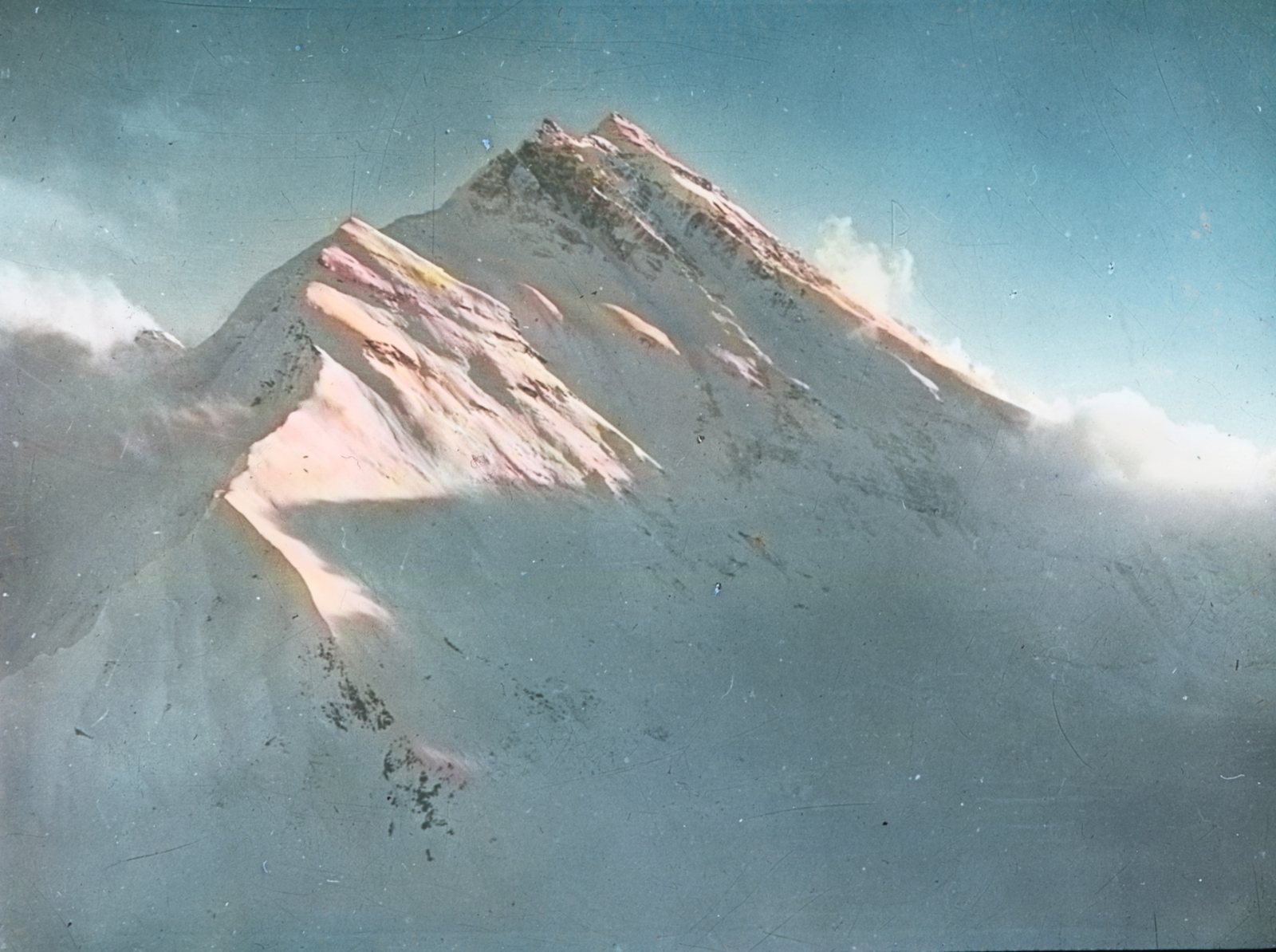
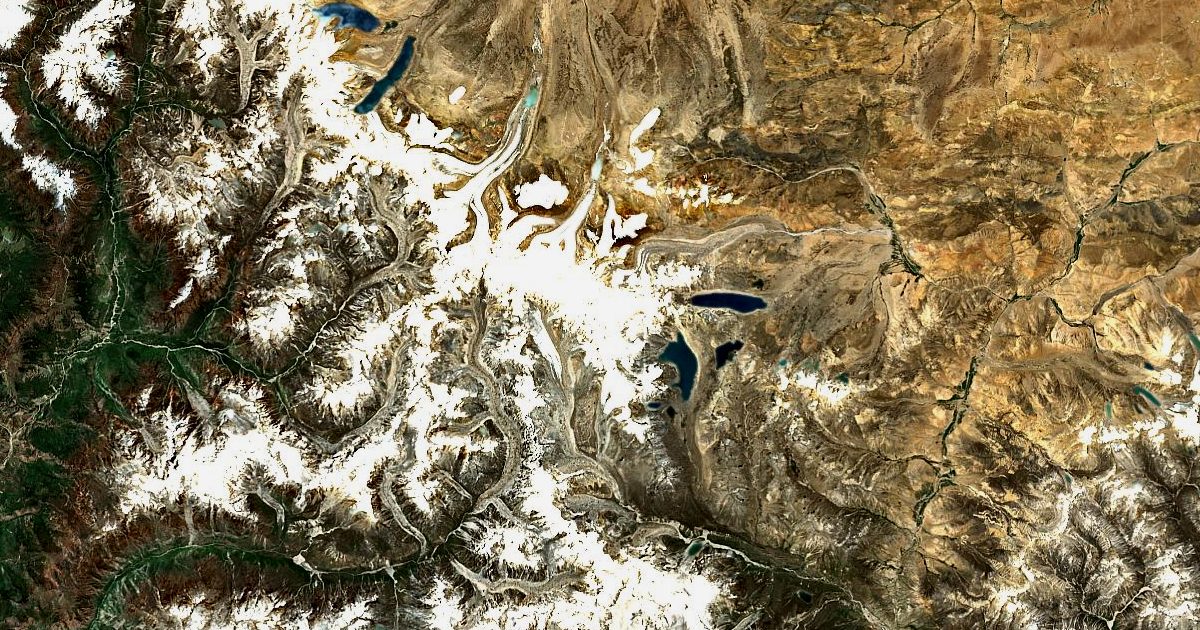
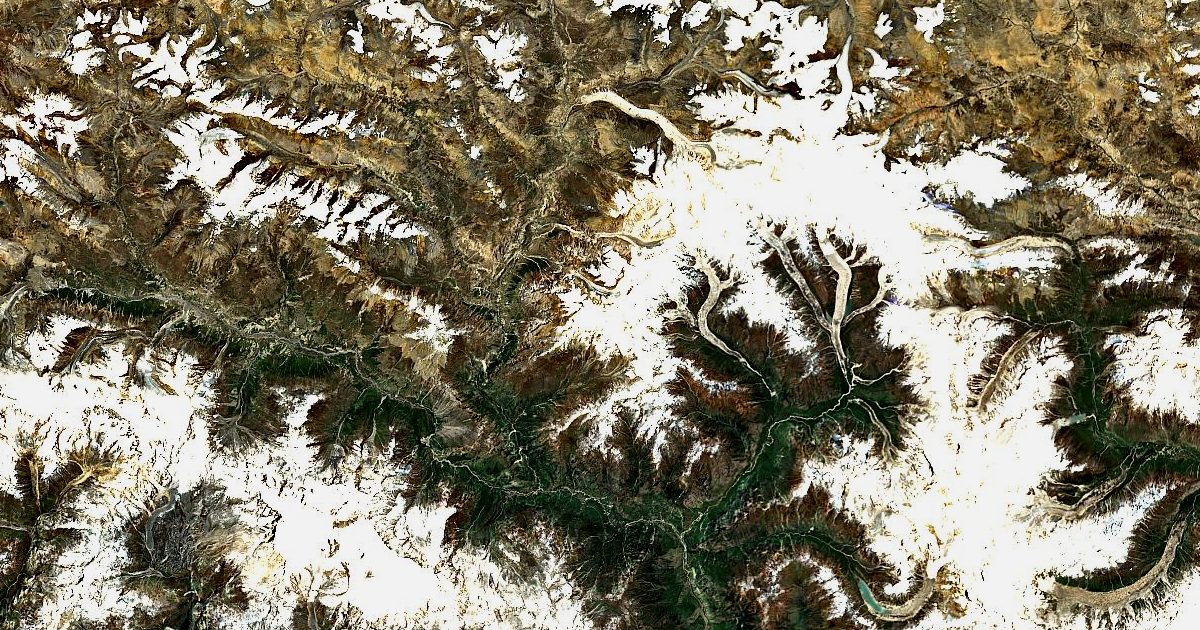
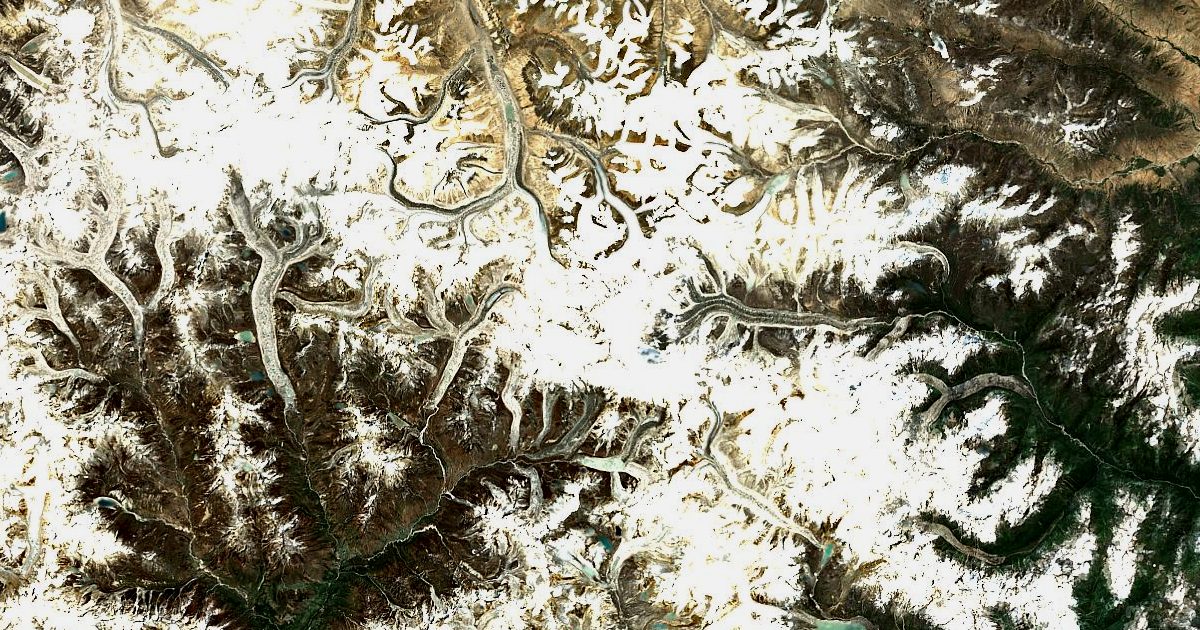
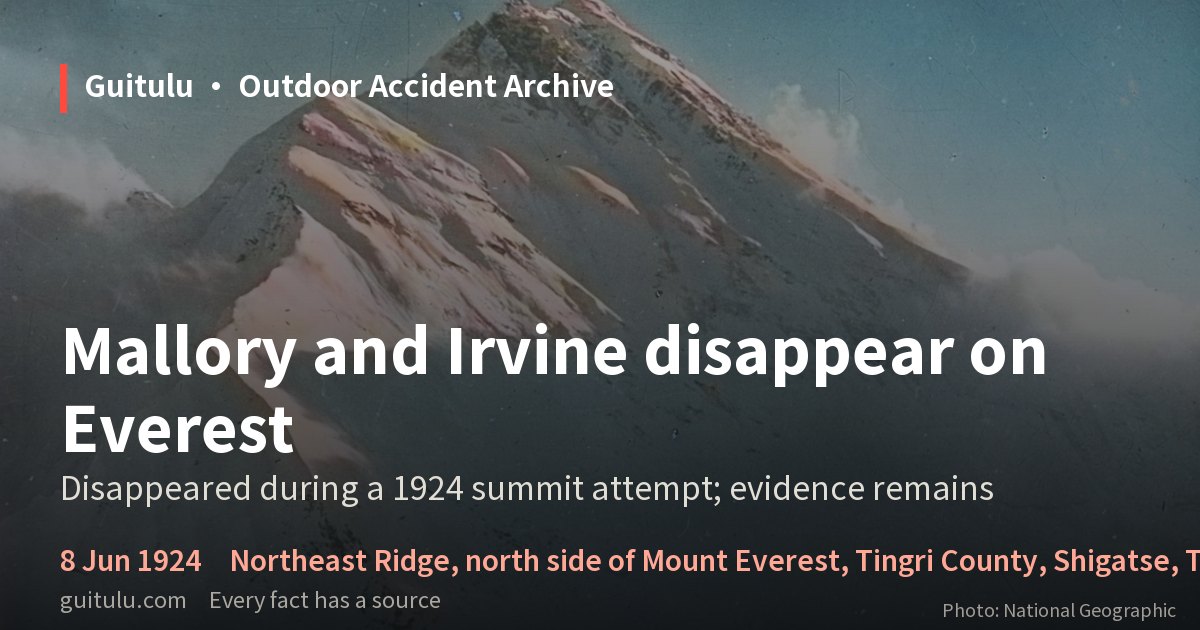
Northeast Ridge, north side of Mount Everest, Tingri County, Shigatse, Tibet, ChinaChina › Tibet · Himalaya86.925°E 27.988°N
Activity
MountaineeringInvolves: Altitude illness · Extreme weatherTwo members of the 1924 British Everest expedition summit team (George Mallory and Andrew Irvine)
Casualties
Dead 2 Both men died. Mallory's body was found on the North Face in 1999; in 2024, a boot and partial remains believed to belong to Irvine were found on the Central Rongbuk Glacier, pending DNA confirmation.
Material
45 facts · 10 sources3 accounts differ and are shown side by side
The number at the end of a paragraph is how many facts it rests on; open it to see each fact and how well it is sourced:
Multiple sourcesSingle source. Conflicting accounts and speculation are kept out of the narrative.
Scroll down and the map flies to where each part happened. The line is Schematic, The waypoints mentioned in reports are connected in sequence, showing only the approximate direction, not the actual track.
01
Full route
Locations mentioned in reports are connected in sequence to show the approximate route (schematic).
Before the 1924 British Everest expedition, Britain had conducted two Everest expeditions: the 1921 expedition reconnoitred possible climbing routes, and the 1922 expedition made the first serious attempt to reach the summit. F01
On the morning of 6 June, Mallory and Irvine set out from the top of the North Col at an altitude of approximately 23,100 feet, planning to reach the summit three days later. F11
Early on 8 June 1924, the two set out from the high camp for the summit; Mallory reportedly described the day as “perfect weather for the job”. F12
On the afternoon of 8 June, fellow expedition member Noel Odell was the last person to see Mallory and Irvine. F13
Odell retreated to the North Col and watched the slopes above throughout the night, but saw no sign of them. Two days later, he returned to their last camp and found that neither had returned; the expedition had to accept that Mallory and Irvine had died. F19
In 1933, a British expedition found an ice axe high on the Northeast Ridge (PBS NOVA places it at approximately 27,750 feet on the route). It is thought to have belonged to Irvine. F21
On 29 May 1953, Edmund Hillary and Tenzing Norgay reached the summit of Everest for the first time from the Nepalese side. This is the currently accepted first ascent. F22
A Chinese climber reportedly saw a body in 1975 about 750 feet directly below where the ice axe had been found; this sighting became the basis for the search area defined by the 1999 Mallory and Irvine Research Expedition. F23
In 1999, Conrad Anker, a climber with the Mallory and Irvine Research Expedition, found Mallory's body on the north face of Everest. F25
Anker climbed the Second Step with the aid of a ladder and rated its difficulty as 5.10 A0. F33
In September 2024, a National Geographic documentary team (Jimmy Chin, Erich Roepke and Mark Fisher) found an old leather boot that had melted out of the ice on the Central Rongbuk Glacier below Everest's north face. The boot contained partial remains. F34
The remains have been handed over to the China Tibet Mountaineering Association, which is responsible for climbing permits on the north side of Everest. F41
Under each fact is a verbatim quote from the original. "Single source" means only one outlet mentioned it; "Accounts differ" means sources contradict each other and this site adopts neither side; "Speculation" is an inference by a reporter or a person involved, not a fact.
According to National Geographic, Before the 1924 British Everest expedition, Britain had conducted two Everest expeditions: the 1921 expedition reconnoitred possible climbing routes, and the 1922 expedition made the first serious attempt to reach the summit.
Quotes from the original 1
“one in 1921 to reconnoiter possible climbing routes, and a second in 1922 that marked the first serious attempt at summiting.”
According to PBS NOVA, Irvine had no previous Himalayan or high-altitude climbing experience, but was skilled at repairing the oxygen equipment used by the expedition.
Quotes from the original 2
“only 22 at the time, had no Himalayan or high-altitude climbing experience.”
According to PBS NOVA, The oxygen equipment at the time was unreliable: even after Irvine's improvements, the oxygen carrying frame weighed about 30 pounds, and 38 oxygen cylinders were found to be leaking that year.
Quotes from the original 2
“his revised oxygen rig still weighed about 30 pounds.”
Accounts differ on who carried the camera up: National Geographic and Yangtze Evening News say Irvine carried the camera lent by Somervell; PBS NOVA and Hoyland's account of what Somervell said state that the camera was lent to Mallory.
The Yangtze Evening News account was compiled from National Geographic.
Quotes from the original 4
“it had been Irvine who had carried the Kodak Vest Pocket Camera lent by expedition member Howard Somervell.”
According to PBS NOVA, On the morning of 6 June, Mallory and Irvine set out from the top of the North Col at an altitude of approximately 23,100 feet, planning to reach the summit three days later.
Quotes from the original 2
“On the morning of June 6, having breakfasted on a fry of tinned sardines, George Mallory”
Early on 8 June 1924, the two set out from the high camp for the summit; Mallory reportedly described the day as “perfect weather for the job”.
The Yangtze Evening News report was compiled from National Geographic.
Quotes from the original 2
“Early on the morning of June 8, 1924, the two men set off for the summit under conditions that Mallory is said to have described as ''perfect weather for the job.''”
Which step the two were on when Odell saw them has long been disputed: several reports identify it as the Second Step; an American Alpine Club article says there has been a long-running discussion about which step they were seen on, while Mental Floss says some believe Odell may have been mistaken.
Quotes from the original 3
“approach and climb a rock step, called the Second Step, on the mountain's”
“One expedition member said he spotted the climbers moving across the Second Step—the penultimate of three rocky expanses just below the summit—though some believed he may have been mistaken.”
According to PBS NOVA, Odell retreated to the North Col and watched the slopes above throughout the night, but saw no sign of them. Two days later, he returned to their last camp and found that neither had returned; the expedition had to accept that Mallory and Irvine had died.
Quotes from the original 3
“Odell retreated to the North Col but kept watch all night for”
According to PBS NOVA, Odell wrote in The Fight for Everest: 1924 that there was no direct evidence, but that, considering where the two were last seen, he thought it highly likely that they had reached the summit.
Quotes from the original 1
“considering their position when last seen, I think myself there is a strong probability that Mallory and Irvine succeeded.”
In 1933, a British expedition found an ice axe high on the Northeast Ridge (PBS NOVA places it at approximately 27,750 feet on the route). It is thought to have belonged to Irvine.
Quotes from the original 3
“In 1933, an ice axe was found on the route at 27,750 feet.”
On 29 May 1953, Edmund Hillary and Tenzing Norgay reached the summit of Everest for the first time from the Nepalese side. This is the currently accepted first ascent.
Quotes from the original 2
“New Zealander Edmund Hillary and Nepalese Sherpa Tenzing Norgay scaled the mountain on May 29, 1953.”
On 29 May 1953, two members of a British expedition climbed to the summit of Mount Everest for the first time from the south slope in Nepal. (machine translation)
A Chinese climber reportedly saw a body in 1975 about 750 feet directly below where the ice axe had been found; this sighting became the basis for the search area defined by the 1999 Mallory and Irvine Research Expedition.
Quotes from the original 2
“in 1975 a body was found 750 feet directly below the ice axe by a Chinese climber”
Accounts differ on the altitude at which Mallory's body was found: Yangtse Evening Post gives approximately 8190 meters; Mental Floss gives 26,700 feet (approximately 8140 meters).
Quotes from the original 2
“1999年,一支美国攀登队在珠穆朗玛峰北坡大约海拔8190米处发现了马洛里的遗体”
In 1999, an American climbing team found Mallory's body at an altitude of about 8190 meters on the north slope of Mount Everest (machine translation)
Speculation: Mallory's goggles were in his pocket, leading some to speculate that the fall may have occurred during a descent in the evening or when visibility was poor.
Quotes from the original 2
“His dark snow goggles were in his pocket, which led to speculation that the fall could have occurred in the evening as the two had been descending.”
In September 2024, a National Geographic documentary team (Jimmy Chin, Erich Roepke and Mark Fisher) found an old leather boot that had melted out of the ice on the Central Rongbuk Glacier below Everest's north face. The boot contained partial remains.
Quotes from the original 4
“In September, on the broad expanse of the Central Rongbuk Glacier, below the north face of Mount Everest, a National Geographic documentary team that included the photographer and director Jimmy Chin”
Jimmy Chin said that a few days before they found the boot, they had also found an unusual relic on the Central Rongbuk Glacier: an oxygen cylinder marked with a date, 1933. (machine translation)
The remains have been handed over to the China Tibet Mountaineering Association, which is responsible for climbing permits on the north side of Everest.
Speculation: Irvine's great-niece Julie Summers believes the remains may have been carried down the mountain by an avalanche and compressed as the glacier moved.
The Yangtse Evening Post report was compiled and translated from National Geographic.
Quotes from the original 2
“Summers suspects that the remains were swept down the mountain by avalanches and crushed by the moving glacier.”
According to AAC, The Second Step is a vertical rock barrier about 90 feet high, at an altitude of about 28,300 feet, and is the most difficult section of the route.
Quotes from the original 1
“a 90-foot vertical barrier at an elevation of 28,300 feet: the Second Step, the most challenging bit of it all.”
 GuituluGlobal Outdoor Accident Archive