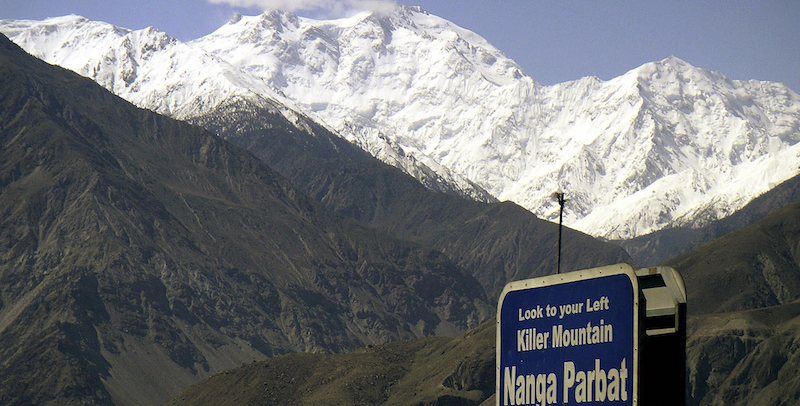
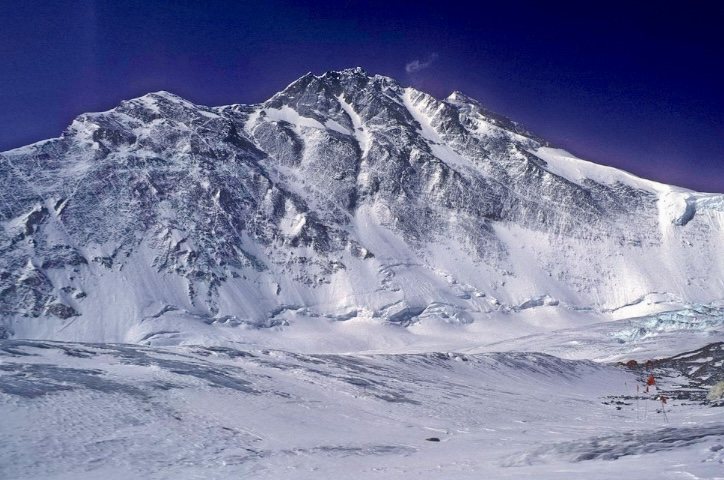
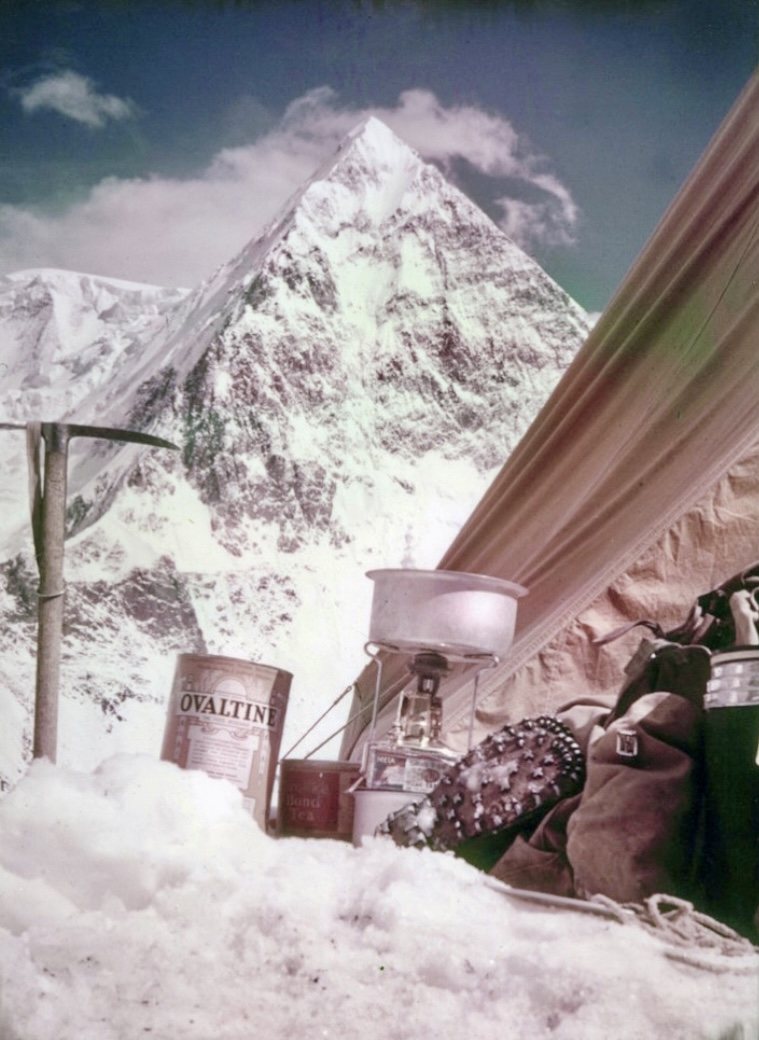
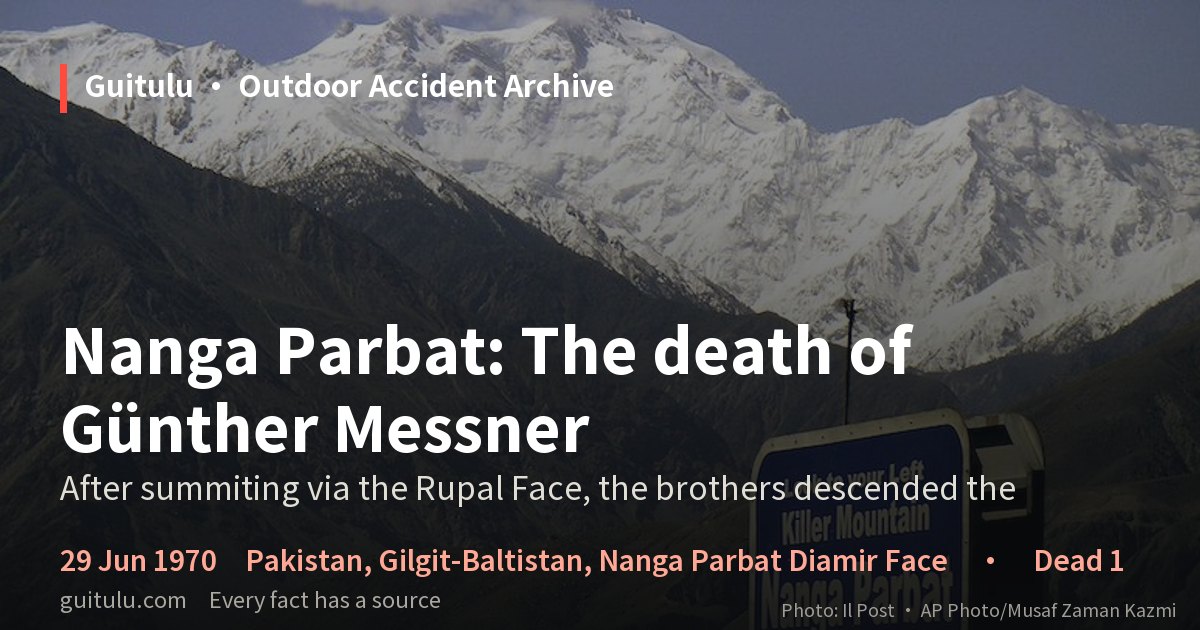
After summiting via the Rupal Face, the brothers descended the Diamir Face; the younger brother went missing, and his remains reappeared on the glacier 35 years later
Remains found on the Diamir side in 2005 and identified by DNA; the exact circumstances of his death remain disputed
MountaineeringInvolves: Altitude illness · AvalancheBrothers Reinhold Messner and Günther Messner (members of the 1970 Nanga Parbat expedition led by Herrligkoffer)
Casualties
Dead 1 Injured 1Günther Messner went missing and died during the descent; his remains were found on the Diamir Glacier in 2005 and identified by DNA. Reinhold suffered severe frostbite and lost seven toes
Material
48 facts · 11 sources3 accounts differ and are shown side by side
The number at the end of a paragraph is how many facts it rests on; open it to see each fact and how well it is sourced:
Multiple sourcesSingle source. Conflicting accounts and speculation are kept out of the narrative.
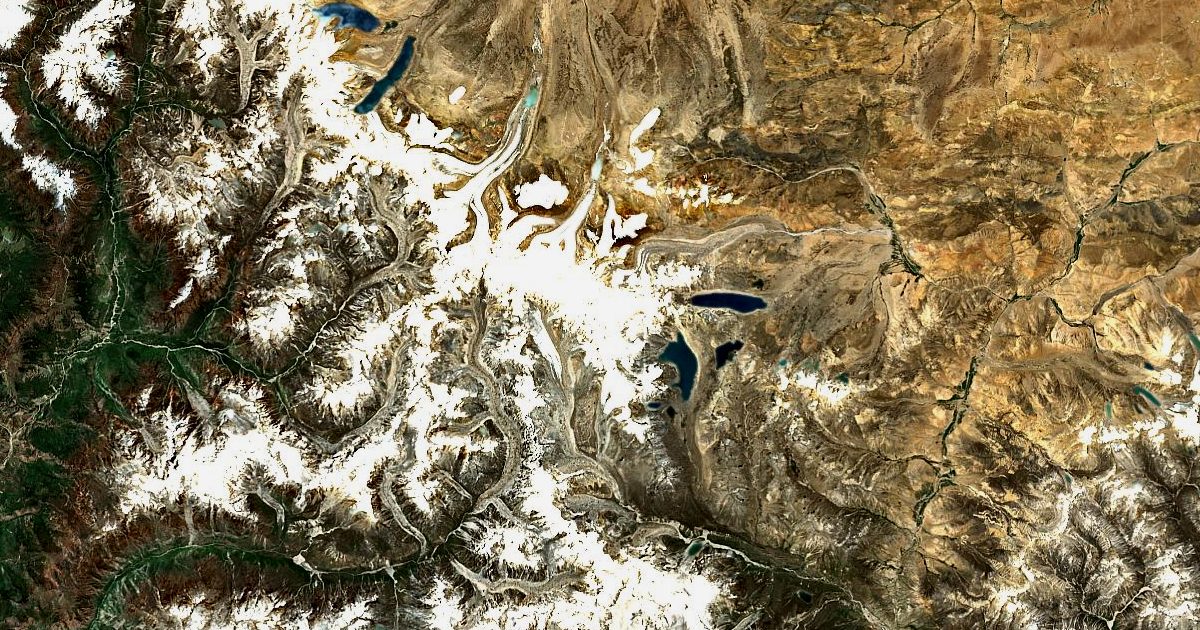
Reported locations along the route (schematic)Schematic
Scroll down and the map flies to where each part happened. The line is Schematic, Lines connect the locations mentioned in reports in sequence, showing only the approximate direction, not the actual track. Sources for the location coordinates are in places.json.
01
Full route
Locations mentioned in reports are connected in sequence to show the approximate route (illustrative).
On 26 June 1970, the team reached the highest camp (Camp V), where the Messner brothers and Baur waited for a signal flare from base camp as the weather was deteriorating. F10
In the early hours of 27 June, Reinhold set out alone from Camp V for the summit. F12
After descending some distance from the summit, the two made an emergency bivouac overnight without bivouac equipment. F18
By the time the brothers reached the summit, it was too late in the day to return to camp. F16
Günther, who had been fixing ropes, decided on his own to follow his older brother and caught up with him several hours later. F13
The next morning, the brothers saw their teammates Kuen and Scholz climbing towards the summit in the Merkl Couloir, but communication between them was difficult, and Reinhold believed they could not rescue them. F19
The brothers decided not to return by the same route, instead descending the gentler Diamir Face on the west side, which was unfamiliar to both of them; Messner said this was because his younger brother had altitude sickness. F22
As they continued descending on 29 June 1970, Reinhold was walking ahead and Günther went missing out of his sight; Reinhold believed his brother had been caught in an avalanche. F24
Reinhold went back and searched for a day and a night, but did not find his brother. F25
The expedition believed both brothers had died and had packed up and left; on 3 July, Reinhold encountered a vehicle from the departing expedition and was rescued. F27
In 2000, Messner and his party found a bone in the Diamir Glacier area and brought it back for DNA analysis; the results were announced in 2004, determining that it belonged to one of the Messner brothers. F32
On 17 July 2005, local people found remains, along with a shoe, hair and fragments of clothing, on the Diamir Glacier at the foot of Nanga Parbat. F38
On 4 September 2005, Messner held a press conference in Islamabad, displaying the boot and saying that the location of the remains supported his account. F42
On 21 October 2005, a forensic laboratory in Innsbruck, Austria, announced DNA results confirming that the remains belonged to Günther Messner. F43
In June 2022, local people found Günther's other boot at the foot of the Diamir Glacier. F45
Under each fact is a verbatim quote from the original. "Single source" means only one outlet mentioned it; "Accounts differ" means sources contradict each other and this site adopts neither side; "Speculation" is an inference by a reporter or a person involved, not a fact.
Accounts differ on the date the brothers reached the summit: Outside and Explorersweb give 27 June 1970; NBC News reports Messner's 2005 account as giving 28 June.
Most sources give 27 June.
Quotes from the original 3
“Günther was stricken with altitude sickness soon after they summited, on June 27”
On 26 June 1970, the team reached the highest camp (Camp V), where the Messner brothers and Baur waited for a signal flare from base camp as the weather was deteriorating.
Quotes from the original 2
“the Messners and Baur sat at Camp 5, watching for a signal rocket from base camp.”
According to Outside, As agreed, base camp used signal flares to forecast the weather: blue meant good weather, while red meant bad weather and that Reinhold should make a fast solo summit push. The flare sent was red, but the radio forecast was actually for good weather.
Quotes from the original 1
“Radio Peshawar reported good weather, so Herrligkoffer fired a rocket, but it exploded red, not blue—the first glitch.”
The next morning, the brothers saw their teammates Kuen and Scholz climbing towards the summit in the Merkl Couloir, but communication between them was difficult, and Reinhold believed they could not rescue them.
Quotes from the original 2
“he saw Kuen and Scholz in the Merkl Couloir, heading for the summit.”
According to Outside, According to Messner, Kuen called out to ask whether the two were all right, and he replied, “All is well”; this reply later became one of the focal points of the controversy.
Quotes from the original 1
““Yes! Everything’s OK,” Messner replied, in what would become one of the central puzzles in the dispute.”
The brothers decided not to return by the same route, instead descending the gentler Diamir Face on the west side, which was unfamiliar to both of them; Messner said this was because his younger brother had altitude sickness.
Quotes from the original 4
“the brothers apparently decided that their only chance of survival was to pick their way down the unfamiliar but less steep Diamir Face.”
As they continued descending on 29 June 1970, Reinhold was walking ahead and Günther went missing out of his sight; Reinhold believed his brother had been caught in an avalanche.
Quotes from the original 4
“He was more than an hour ahead of Günther when he reached a spot where glacier water flowed.”
The expedition believed both brothers had died and had packed up and left; on 3 July, Reinhold encountered a vehicle from the departing expedition and was rescued.
Quotes from the original 3
“On July 3, six days after summiting, he encountered the vehicles of the departing team and was rescued.”
“Two of the climbers on the expedition, Hans Saler and Max von Kienlin, wrote books in which they claimed Reinhold was so obsessed with conquering Nanga Parbat he abandoned his frostbitten and delirious brother.”
Saler and von Kienlin's view was that the brothers separated near the summit, Reinhold descended the Diamir Face alone, and Günther returned along the ascent route on the Rupal Face side.
Quotes from the original 2
“Instead, they posit that Reinhold parted ways with his brother near the summit and set off down the Diamir Face solo, while Günther headed toward the ascent route.”
In 2000, Messner and his party found a bone in the Diamir Glacier area and brought it back for DNA analysis; the results were announced in 2004, determining that it belonged to one of the Messner brothers.
Outside says the bone was found by Eisendle, who was accompanying the party.
Quotes from the original 2
“In April 2004 he held a press conference in Innsbruck to announce that Günther’s fibula had been found during a 2000 journey he’d made to the Diamir Glacier.”
The leather mountaineering boot beside the remains was a key clue: after 1980, mountaineering boots had largely changed to plastic, and Messner said only that expedition used this type of leather boot.
Quotes from the original 2
“since plastic footwear had replaced leather after 1980.”
Critics including Saler and Baur argued that the remains could only show that Günther died on the Diamir Face side, not how he died; the body could also have been carried a long way down by the glacier.
Quotes from the original 2
““Finding Günther’s body proves nothing except that he died somewhere on the Diamir Face,” Saler said”
Accounts differ on the altitude where the remains were found: Outside gives approximately 14,110 feet (approximately 4300 metres, about an hour above Diamir base camp), Il Post gives 4300 metres, and Gripped gives 4400 metres.
Quotes from the original 3
“at about 14,110 feet, an hour’s climb above the Diamir base camp”
According to Outside, On 29 August 2005, Messner reached the site of the remains and recognised the boot as standard equipment for the 1970 expedition.
Quotes from the original 1
“On August 29, when he reached the remains, Messner was jubilant.”
On 4 September 2005, Messner held a press conference in Islamabad, displaying the boot and saying that the location of the remains supported his account.
Quotes from the original 3
“at press conferences in Islamabad, Pakistan, on September 4”
 GuituluGlobal Outdoor Accident Archive