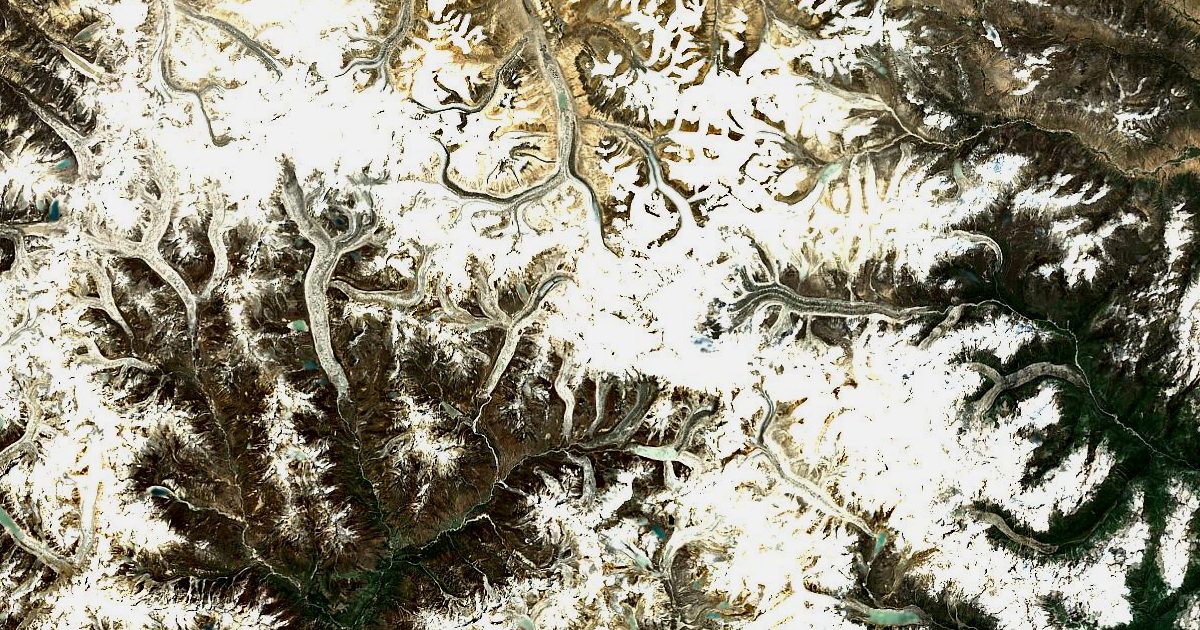
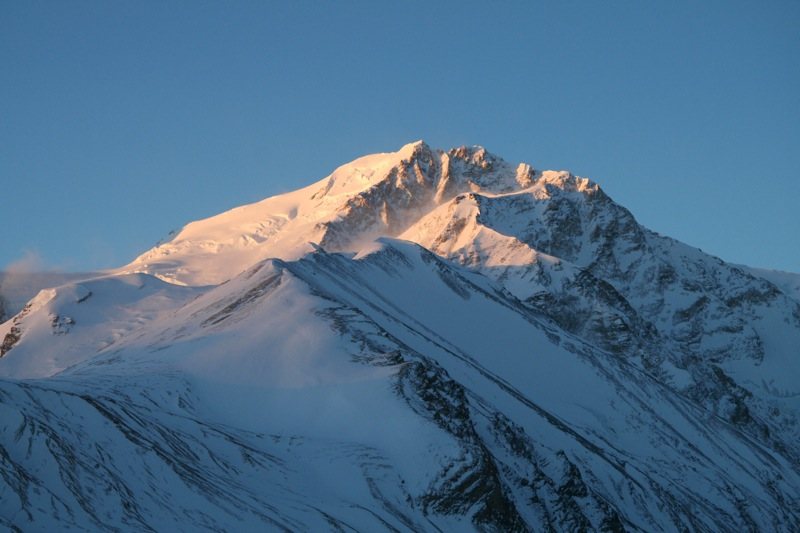
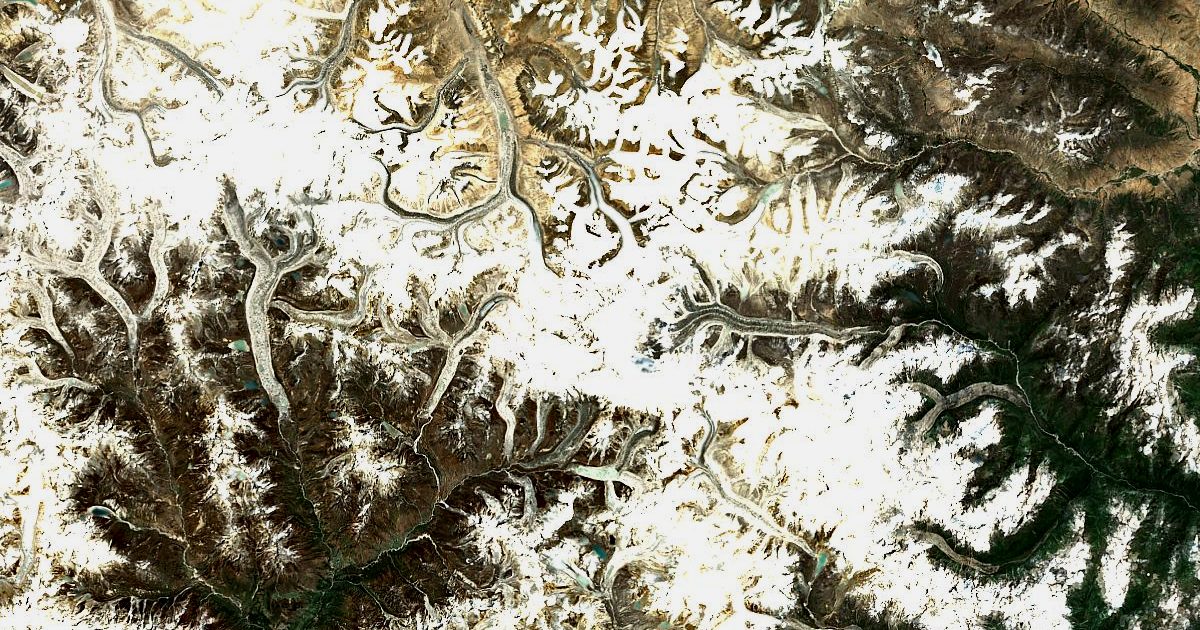
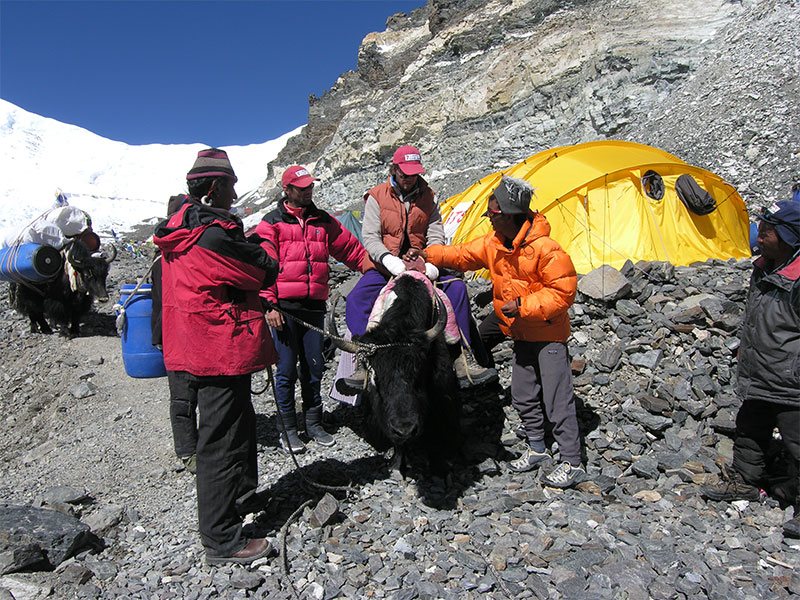
Nepal, Khumbu, Camp II in the Western Cwm of Mount EverestNepal › Koshi Province · Himalaya86.889°E 27.981°N
Activity
MountaineeringInvolves: Crevasses and glaciers · Falls and slipsBabu Chiri Sherpa (35, Nepali Sherpa mountaineering guide leading a team on Everest)
Casualties
Dead 1 Babu Chiri was the only person killed; most sources give the date of his death as 29 April, while a 2026 report in The Himalayan Times gives it as 30 April.
Material
33 facts · 9 sources2 accounts differ and are shown side by side
The number at the end of a paragraph is how many facts it rests on; open it to see each fact and how well it is sourced:
Multiple sourcesSingle source. Conflicting accounts and speculation are kept out of the narrative.
In 1989, he climbed Kangchenjunga, the world's third-highest peak, with a Russian mountaineering team. F01
In 1995, he summited Everest twice in a very short period (the American Alpine Journal records both ascents as having taken place in May; a news agency report says they were within 14 days). F02
In May 1999, he spent 21 hours on the summit of Everest without bottled oxygen. F03
In 2000, he climbed from base camp to the summit of Everest in 16 hours 56 minutes, setting the fastest record at the time. F04
He joined another Everest expedition in spring 2001; if successful, it would have been his 11th summit. F05
Belayed by two Sherpas, Benegas descended about 10 metres into the crevasse, found Babu Chiri and confirmed that he had died. F22
At around 4 p.m. on 29 April, he told others he was going to take photographs near camp. F14
Willie Benegas, the leader of another expedition, and his lead Sherpa, Pemba Gyalzen, joined the search. F17
The searchers followed his footprints and, around midnight, found that they led to a crevasse, where they found him. F18
At the time of the incident, he was staying at Camp II in Everest's Western Cwm. F10
Recovery of his body began at 6 a.m. on 30 April, and it was brought out of the crevasse about three hours later (around 9 a.m.). F24
Team leader Nima Dorje stayed on the mountain and led three of Babu Chiri's clients to the summit a few days later. F25
In April 2026, a 25th-anniversary commemoration was held at his statue and memorial site in Tilganga, Kathmandu. F27
Under each fact is a verbatim quote from the original. "Single source" means only one outlet mentioned it; "Accounts differ" means sources contradict each other and this site adopts neither side; "Speculation" is an inference by a reporter or a person involved, not a fact.
In 1995, he summited Everest twice in a very short period (the American Alpine Journal records both ascents as having taken place in May; a news agency report says they were within 14 days).
Quotes from the original 2
“In May 1995 he became the first person ever to make two ascents of the mountain in the same month.”
In 2000, he climbed from base camp to the summit of Everest in 16 hours 56 minutes, setting the fastest record at the time.
Quotes from the original 3
“The following year he achieved the fastest ever ascent made from base camp to summit on the Nepalese side, when he climbed to the top in just 16 hours and 56 minutes.”
Accounts differ on the date of his death and his age: most sources, including the American Alpine Journal and the foundation, say 29 April 2001 and age 35; a 2026 report by The Himalayan Times says 30 April 2001 and age 36.
According to Mark Horrell, According to team leader Nima Dorje, that afternoon he declined Babu Chiri's invitation because he wanted to continue resting; as Babu turned to leave the tent, he noticed that Babu was not wearing crampons.
Quotes from the original 2
“Since it was a rest day, Boka declined the invitation and said that he wanted more sleep.”
Accounts differ on when his teammates noticed he was missing: a news agency report quoted his friend as saying it was at dinner three hours later; the American Alpine Journal said he had still not returned by 9 p.m., when his elder brother Dawa went out to look for him; the team leader recalled that the wind stopped at around 5 p.m. and they noticed he was missing when everyone came out of their tents.
Quotes from the original 3
“people only noticed he was missing during dinner time three hours later”
“At around 5pm the wind died down and everyone came outside to get snacks from the kitchen. It was only then they realised that Babu Chiri was missing.”
According to AAJ, The crevasse was difficult to see because it was covered by fresh snow; it was discovered only because of the conspicuous hole left by someone falling into it.
Quotes from the original 1
“Due to fresh snow, the crevasse was not readily visible and was only apparent because of the obvious hole caused by someone falling in.”
According to Irish Examiner, His friend and business partner Babu Sherpa believed that the fall was not a long one and that, if someone had been there to help pull him out, he would certainly have survived.
Quotes from the original 1
“"It was only a short fall, if there had been somebody around at the time to help him out he would have definitely survived," said Babu Sherpa.”
“the funds raised from his exploits and his growing international fame were geared towards building schools in his native village of Taksendu in Solukhumbu”
According to AAJ, His next plan was to cross Everest from the base camp on the Tibet side to the base camp on the Khumbu side, then immediately return by the same route.
Quotes from the original 1
“His next climbing project was to attempt an incredible traverse of Everest from the Tibetan base camp to the Khumbu base camp, then immediately turn around and reverse the traverse.”
 GuituluGlobal Outdoor Accident Archive