GuituluGlobal Outdoor Accident Archive 中文
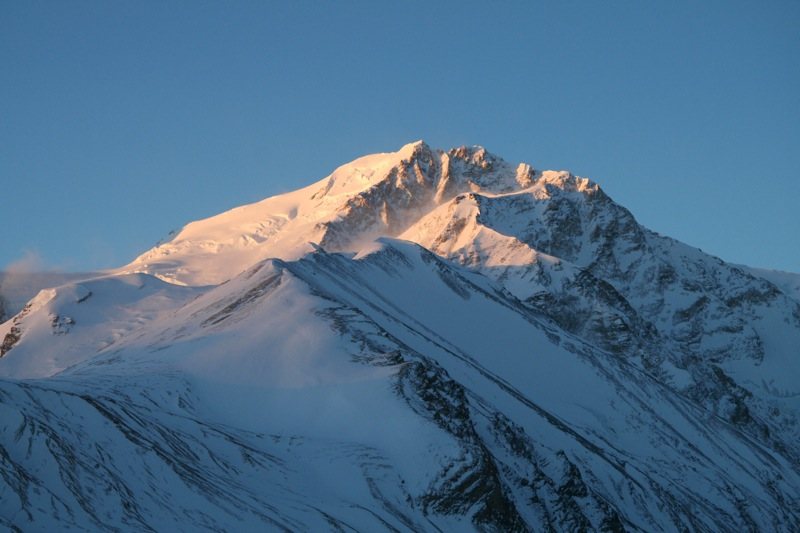
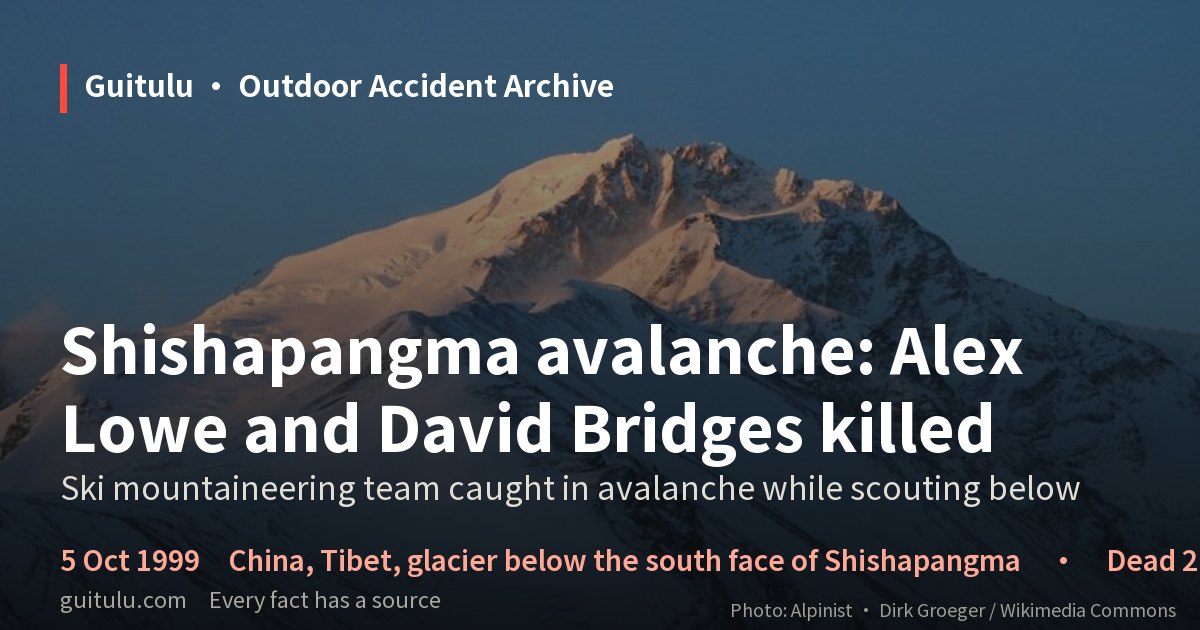
Shishapangma massif (file photo, not taken on the day of the incident)

Archive / Mountaineering

Shishapangma avalanche: Alex Lowe and David Bridges killed

Ski mountaineering team caught in avalanche while scouting below the south face; bodies found 16 years later

Bodies found and identified by another mountaineering team in 2016

Photo: Alpinist · Dirk Groeger / Wikimedia Commons

Date
Autumn
Place
China, Tibet, glacier below the south face of ShishapangmaChina › Tibet · Himalaya85.782°E 28.352°N
Activity
Ski mountaineeringInvolves: AvalancheAmerican ski mountaineering team (9 people)
Casualties
Dead 2 Injured 1Lowe (40) and Bridges (29) were killed; Conrad Anker was injured and survived. The bodies were found in April 2016
Material
33 facts · 9 sources2 accounts differ and are shown side by side

01What happened

In autumn 1999, an American ski mountaineering team came to Shishapangma in Tibet, planning to climb the eight-thousand-metre peak and then ski down. According to reports, the expedition was an attempt to make the first American ski descent. The team included Alex Lowe, regarded by many as one of the best mountaineers of his time, and David Bridges, a photographer invited to document the expedition. Their teammates also included Conrad Anker and others.Facts it rests onF01Single sourceBridges was a photographer invited by an outdoor brand to accompany the team and film Lowe and Anker skiing down the mountain.F02Multiple sourcesLowe was 40 when he died and was regarded by many as one of the best mountaineers of his time.F03Multiple sourcesBridges was 29 when he died and was a photographer and paragliding champion.F04Multiple sourcesThe team planned to climb Shishapangma and then ski down.F05Single sourceIt was an attempt to complete the first ski descent of the peak by Americans.F06Single sourceOther members of the team included Andrew McLean, Hans Saari, Chris Erickson and Conrad Anker.

Shishapangma massif (file photo, not taken on the day of the incident)Photo source: Alpinist · Dirk Groeger / Wikimedia Commons

On 5 October, Lowe, Bridges and Anker were in the area of the glacier below the south face. Anker later recalled that they were acclimatising; other reports said they were scouting a route for the ski descent. According to the Associated Press, a large slab of snow broke loose above them. Sources differ on the exact time of the avalanche and the altitude at which it broke loose; this page does not draw a conclusion.Facts it rests onF09Multiple sourcesOn 5 October 1999, American mountaineer Alex Lowe and photographer David Bridges were swept away by an avalanche on Shishapangma in Tibet.F10Single sourceThe avalanche struck a team of nine Americans.F11Single sourceWhen the avalanche occurred, Anker, Lowe and Bridges were acclimatizing on the lower part of a glacier below the south face of Shishapangma.F12Single sourceAnother account says that the two were scouting a ski descent route on the southwest face.F13Single sourceThey were scouting the route at an altitude of about 19000 feet when they saw a large slab of snow break loose about 6000 feet above them.F15Single sourceThe avalanche came down from the south face and struck Lowe, Bridges and Anker.

Anker said that when the avalanche struck, Bridges and Lowe ran in one direction and he ran in another. He survived with only minor injuries. After the avalanche stopped, he got up and looked for his two companions, calling their names but receiving no response. Teammates searched for several days afterwards but found no trace of Lowe or Bridges.Facts it rests onF16Single sourceAnker said that as the avalanche approached, Bridges and Lowe ran in one direction while he ran in another and survived.F17Single sourceAnker, who was with the two men, survived the avalanche with only minor injuries.F18Single sourceAnker later recalled that after the avalanche stopped, he stood up, looked for Lowe and Bridges and called their names, but received no response.F07Multiple sourcesTheir teammates searched for several days afterward but found no trace of Lowe or Bridges.

In spring 2016, Swiss mountaineer Ueli Steck and German mountaineer David Göttler came to Tibet to prepare to climb the south face of Shishapangma. On 27 April, they found two bodies encased in ice while acclimatising. According to Steck, the bodies were at an altitude of about 19356 feet and about two metres apart. Out of respect, they did not touch them and left them in their original positions.Facts it rests onF19Single sourceIn spring 2016, Swiss mountaineer Ueli Steck and German mountaineer David Göttler came to Tibet, planning to climb a new direct route on the south face of Shishapangma.F26Multiple sourcesOn 27 April 2016, Steck and Göttler found two bodies while acclimatizing.F27Single sourceSteck and Göttler found the bodies encased in ice at an altitude of about 19356 feet. Steck said the two bodies were about two meters apart.F24Single sourceSteck said that out of respect they did not touch the bodies and left them in their original positions.

The men who found the bodies described equipment including a blue-and-red backpack and yellow plastic mountaineering boots to Anker, who identified the bodies as Lowe and Bridges on that basis. Lowe's widow said the family planned to travel to Shishapangma. Anker said finding the bodies brought the relief of confirming their deaths.Facts it rests onF20Multiple sourcesThe men who found them described their equipment to Anker: blue and red North Face backpacks and yellow Koflach plastic mountaineering boots.F21Single sourceBased on the clothing and backpacks described by the men who found them, Anker concluded that the two bodies were those of Lowe and Bridges.F22Single sourceAnker said that no one else had died on that side of the mountain.F25Multiple sourcesLowe's widow, Lowe-Anker, said that she and her family planned to make a pilgrimage to Shishapangma.F30Single sourceAnker said that finding the bodies brought a sense of relief in confirming their deaths, and that their goal was to treat the bodies with respect.

The number at the end of a paragraph is how many facts it rests on; open it to see each fact and how well it is sourced: Multiple sourcesSingle source. Conflicting accounts and speculation are kept out of the narrative.

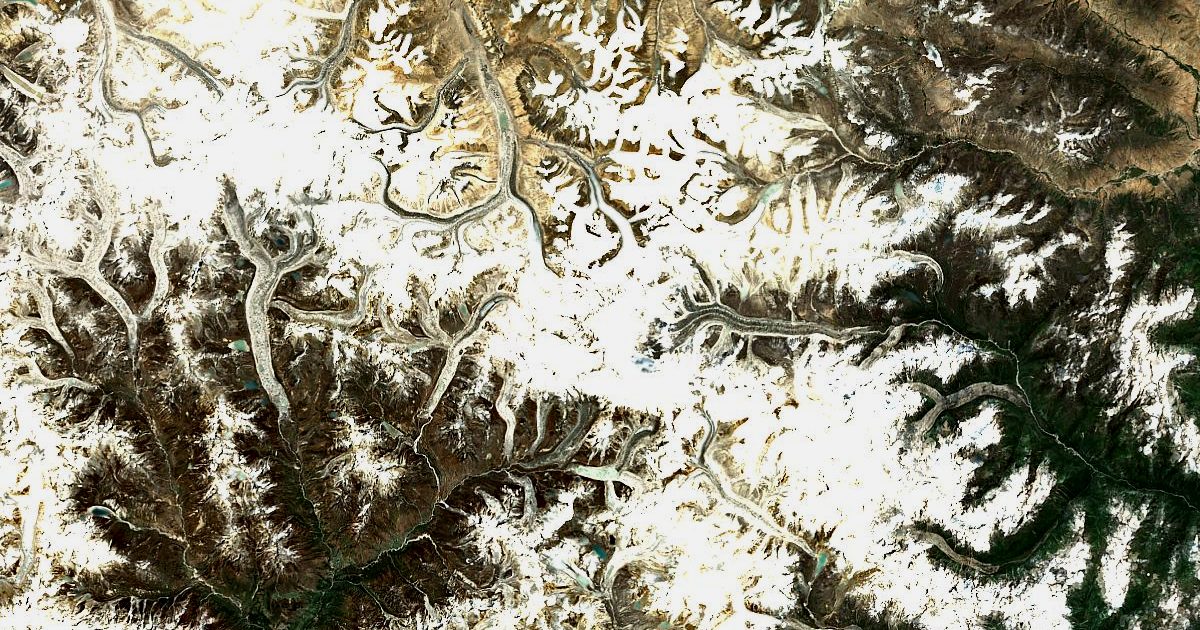
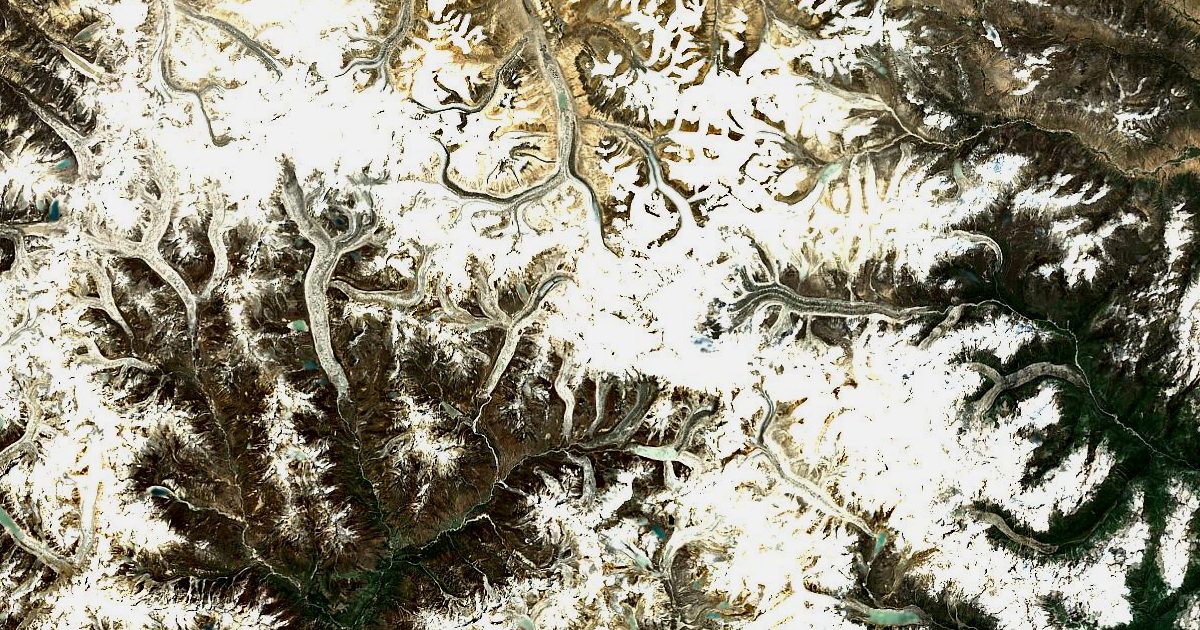
Satellite imagery Sentinel-2 cloudless 2024 © EOX · Terrain AWS Terrain Tiles · Position is schematic, geocoded from place names

Route review

5 scenes to understand what happened

Scroll down and the map flies to where each part happened.

01

Area of the accident

The reports do not provide enough locations along the route, so the map shows only the approximate location and terrain of the accident area.

03

Glacier below the south face

The three were below the south face when a slab of snow broke loose above them.Facts it rests onF11Single sourceWhen the avalanche occurred, Anker, Lowe and Bridges were acclimatizing on the lower part of a glacier below the south face of Shishapangma.F13Single sourceThey were scouting the route at an altitude of about 19000 feet when they saw a large slab of snow break loose about 6000 feet above them.F15Single sourceThe avalanche came down from the south face and struck Lowe, Bridges and Anker.

04

Survival and search

Anker survived, and teammates searched for several days without finding any trace.Facts it rests onF16Single sourceAnker said that as the avalanche approached, Bridges and Lowe ran in one direction while he ran in another and survived.F18Single sourceAnker later recalled that after the avalanche stopped, he stood up, looked for Lowe and Bridges and called their names, but received no response.F07Multiple sourcesTheir teammates searched for several days afterward but found no trace of Lowe or Bridges.

02Timeline

  1. Their teammates searched for several days afterward but found no trace of Lowe or Bridges. F07

  2. The team planned to climb Shishapangma and then ski down. F04

  3. Anker said that as the avalanche approached, Bridges and Lowe ran in one direction while he ran in another and survived. F16

  4. Anker later recalled that after the avalanche stopped, he stood up, looked for Lowe and Bridges and called their names, but received no response. F18

  5. They were scouting the route at an altitude of about 19000 feet when they saw a large slab of snow break loose about 6000 feet above them. F13

  6. On 5 October 1999, American mountaineer Alex Lowe and photographer David Bridges were swept away by an avalanche on Shishapangma in Tibet. F09

  7. In spring 2016, Swiss mountaineer Ueli Steck and German mountaineer David Göttler came to Tibet, planning to climb a new direct route on the south face of Shishapangma. F19

  8. Based on the clothing and backpacks described by the men who found them, Anker concluded that the two bodies were those of Lowe and Bridges. F21

  9. Steck said that out of respect they did not touch the bodies and left them in their original positions. F24

  10. Lowe's widow, Lowe-Anker, said that she and her family planned to make a pilgrimage to Shishapangma. F25

  11. On 27 April 2016, Steck and Göttler found two bodies while acclimatizing. F26

  12. Steck and Göttler found the bodies encased in ice at an altitude of about 19356 feet. Steck said the two bodies were about two meters apart. F27

03Lessons

Avalanche and high altitude

Below the south face is not safe

This accident happened on the glacier below the south face, not while climbing the face itself. According to the Associated Press, the snow slab broke loose from a point high above them. When acclimatising or scouting a route, avalanche terrain overhead must also be factored into the risk.Facts it rests onF11Single sourceWhen the avalanche occurred, Anker, Lowe and Bridges were acclimatizing on the lower part of a glacier below the south face of Shishapangma.F13Single sourceThey were scouting the route at an altitude of about 19000 feet when they saw a large slab of snow break loose about 6000 feet above them.F15Single sourceThe avalanche came down from the south face and struck Lowe, Bridges and Anker.

Teams and decisions

Companions may be in different positions

According to Anker's recollection, the three ran in two different directions when the avalanche struck. Within a few seconds, no one can make a choice for someone else, so it is important to agree on the route, spacing and escape directions before setting out.Facts it rests onF16Single sourceAnker said that as the avalanche approached, Bridges and Lowe ran in one direction while he ran in another and survived.F17Single sourceAnker, who was with the two men, survived the avalanche with only minor injuries.

Rescue and self-rescue

Glaciers can preserve traces for many years

Teammates searched for several days at the time without finding anything. The bodies were not found in the glacier by another mountaineering team until 16 years later. The whereabouts of people killed at high altitude may remain unconfirmed for a long time. Those who found the bodies did not touch them out of respect, also giving the families time to decide what to do next.Facts it rests onF07Multiple sourcesTheir teammates searched for several days afterward but found no trace of Lowe or Bridges.F26Multiple sourcesOn 27 April 2016, Steck and Göttler found two bodies while acclimatizing.F24Single sourceSteck said that out of respect they did not touch the bodies and left them in their original positions.F30Single sourceAnker said that finding the bodies brought a sense of relief in confirming their deaths, and that their goal was to treat the bodies with respect.

04Fact list 33 facts

Under each fact is a verbatim quote from the original. "Single source" means only one outlet mentioned it; "Accounts differ" means sources contradict each other and this site adopts neither side; "Speculation" is an inference by a reporter or a person involved, not a fact.

  1. F01Single sourceBackground

    According to Alpinist, Bridges was a photographer invited by an outdoor brand to accompany the team and film Lowe and Anker skiing down the mountain.

    Quotes from the original 1

    “The North Face invited Bridges to film Alex Lowe and Conrad Anker on a ski descent of Shishapangma.”

    Alpinist · 2016-05-02
  2. F02Multiple sourcesBackground

    Lowe was 40 when he died and was regarded by many as one of the best mountaineers of his time.

    Quotes from the original 2

    “Lowe, 40, was a climbing hero and legend, considered by many to be the best mountaineer of his time”

    National Geographic · 2016-05-02

    “Lowe, who was 40 at the time of his death, was regarded as the best American mountaineer of his generation”

    Bangor Daily News · 2016-05-30
  3. F03Multiple sourcesBackground

    Bridges was 29 when he died and was a photographer and paragliding champion.

    Quotes from the original 2

    “Bridges, 29, was a photographer and paragliding champion”

    National Geographic · 2016-05-02

    “cameraman Bridges, 29”

    ITV News · 2016-05-02
  4. F04Multiple sourcesPlan

    The team planned to climb Shishapangma and then ski down.

    Quotes from the original 2

    “The two were part of an expedition to Shisha Pangma to try to ski the 8,000-meter giant.”

    National Geographic · 2016-05-02

    “were on an expedition to climb Shishapangma, the 14th highest mountain in the world, then ski down it”

    CBS News · 2016-04-30
  5. F05Single sourcePlan

    According to Gulf Times, It was an attempt to complete the first ski descent of the peak by Americans.

    Quotes from the original 1

    “while attempting the first American ski descent”

    Gulf Times · 2016-05-01
  6. F06Single sourceBackground

    According to National Geographic, Other members of the team included Andrew McLean, Hans Saari, Chris Erickson and Conrad Anker.

    Quotes from the original 1

    “The other teammates included such mountaineering stars as Andrew McLean, Hans Saari, Kris Erickson, and Anker.”

    National Geographic · 2016-05-02
  7. F07Multiple sourcesAftermath

    Their teammates searched for several days afterward but found no trace of Lowe or Bridges.

    Quotes from the original 2

    “their teammates spent days looking for Bridges and Lowe, without coming across any traces of them”

    Alpinist · 2016-05-02

    “Their climbing partners desperately searched for them but found no sign.”

    NPR · 2016-05-03
  8. F08Single sourceParticipant's view

    According to Alpinist, Two days before his death, Lowe wrote on the expedition website about the meaning of mountaineering, saying that he came to the mountains not to conquer them but to become part of their vastness.

    Quotes from the original 1

    “not to conquer them, but to immerse myself in their incomprehensible immensity”

    Alpinist · 2016-05-02
  9. F09Multiple sourcesEvent

    On 5 October 1999, American mountaineer Alex Lowe and photographer David Bridges were swept away by an avalanche on Shishapangma in Tibet.

    Quotes from the original 2

    “swept away in an avalanche on Shisha Pangma (8,027 meters/26,335 feet) in Tibet on October 5, 1999”

    National Geographic · 2016-05-02

    “swept away by a massive snow and ice avalanche on the 8,027-metre Shisha Pangma peak in China in October 1999”

    Gulf Times · 2016-05-01
  10. F10Single sourceEvent

    According to NPR, The avalanche struck a team of nine Americans.

    Quotes from the original 1

    “an avalanche struck a group of nine Americans climbing a 26,000-foot peak in Tibet called Shishapangma”

    NPR · 2016-05-03
  11. F11Single sourceMovement

    According to NPR, When the avalanche occurred, Anker, Lowe and Bridges were acclimatizing on the lower part of a glacier below the south face of Shishapangma.

    Quotes from the original 2

    “we were on the lower part of the glacier below the south face of Shishapangma”

    NPR · 2016-05-03

    “David, Alex and I were acclimatizing.”

    NPR · 2016-05-03
  12. F12Single sourceMovement

    According to Alpinist, Another account says that the two were scouting a ski descent route on the southwest face.

    Quotes from the original 1

    “while Dave Bridges and Alex Lowe were investigating a potential ski descent on the southwest face of Shishapangma, an avalanche buried them”

    Alpinist · 2016-05-02
  13. F13Single sourceEvent

    According to CBS News, They were scouting the route at an altitude of about 19000 feet when they saw a large slab of snow break loose about 6000 feet above them.

    Quotes from the original 1

    “They were scouting out routes at about 19,000 feet when they saw a slab of snow break free 6,000 feet above them.”

    CBS News · 2016-04-30
  14. F14Accounts differEvent

    Sources differ on the time of the avalanche and the height at which it broke loose: NPR quoted Anker as saying it occurred at about 8 a.m. local time and was triggered high above; Alpinist said a cornice broke loose about five thousand feet above them that afternoon; the Associated Press said a slab of snow broke loose about 6000 feet above them; Yahoo News said it broke loose 1.8 kilometers above them.

    The sources give different accounts, and it is not possible to determine which is more accurate.

    Quotes from the original 3

    “about 8 a.m. local time, an ice avalanche was triggered high up.”

    NPR · 2016-05-03

    “On the afternoon of October 5, 1999, Alex Lowe, Conrad Anker, and David Bridges were hiking above base camp when a cornice broke some five thousand feet above them.”

    Alpinist · 2016-05-02

    “which broke free 1.8 kilometres above them”

    Yahoo News Australia · 2016-05-01
  15. F15Single sourceEvent

    According to Alpinist, The avalanche came down from the south face and struck Lowe, Bridges and Anker.

    Quotes from the original 1

    “an avalanche poured down the south face of the mountain, striking Lowe, Bridges and Conrad Anker”

    Alpinist · 2016-05-02
  16. F16Single sourceEvent

    According to NPR, Anker said that as the avalanche approached, Bridges and Lowe ran in one direction while he ran in another and survived.

    Quotes from the original 1

    “David and Alex ran one direction. I ran the other direction, and I was able to survive it.”

    NPR · 2016-05-03
  17. F17Single sourceEvent

    According to Yahoo News Australia, Anker, who was with the two men, survived the avalanche with only minor injuries.

    Quotes from the original 1

    “Miraculously Conrad Anker, who was climbing with the pair, survived with minor injuries.”

    Yahoo News Australia · 2016-05-01
  18. F18Single sourceEvent

    According to Alpinist, Anker later recalled that after the avalanche stopped, he stood up, looked for Lowe and Bridges and called their names, but received no response.

    Quotes from the original 2

    “I immediately stood up and began looking for Alex and David.”

    Alpinist · 2016-05-02

    “I was calling their names, but to no avail”

    Alpinist · 2016-05-02
  19. F19Single sourceBackground

    According to Alpinist, In spring 2016, Swiss mountaineer Ueli Steck and German mountaineer David Göttler came to Tibet, planning to climb a new direct route on the south face of Shishapangma.

    Quotes from the original 1

    “planning to climb a new direct route on the south face of Shishapangma”

    Alpinist · 2016-05-02
  20. F20Multiple sourcesFound at scene

    The men who found them described their equipment to Anker: blue and red North Face backpacks and yellow Koflach plastic mountaineering boots.

    Quotes from the original 2

    “blue and red North Face backpacks, yellow Koflach plastic mountaineering boots”

    National Geographic · 2016-05-02

    “Blue and red North Face backpacks. Yellow Koflach boots.”

    CBS News · 2016-04-30
  21. F21Single sourceFound at scene

    According to Alpinist, Based on the clothing and backpacks described by the men who found them, Anker concluded that the two bodies were those of Lowe and Bridges.

    Quotes from the original 1

    “Goettler described the clothing and packs of the climbers to Conrad [Anker], who concluded that the two were undoubtedly David Bridges and Alex Lowe.”

    Alpinist · 2016-05-02
  22. F22Single sourceFound at scene

    According to NPR, Anker said that no one else had died on that side of the mountain.

    Quotes from the original 1

    “there is no other fatalities on that side of the mountain”

    NPR · 2016-05-03
  23. F23Accounts differFound at scene

    Accounts differ on the date the men who found them called Anker: National Geographic said it was before noon on 29 April, while Yahoo News said it was Wednesday.

    The two sources give different dates for the call.

    Quotes from the original 2

    “Just before noon on April 29, Lowe’s climbing partner Conrad Anker and widow, Jennifer, received a call from Goettler and Steck”

    National Geographic · 2016-05-02

    “On Wednesday, Anker received a phone call from Goettler and Steck”

    Yahoo News Australia · 2016-05-01
  24. F24Single sourceAftermath

    According to Bangor Daily News, Steck said that out of respect they did not touch the bodies and left them in their original positions.

    Quotes from the original 1

    “We did not touch them out of respect and left the bodies on the mountain in the same position as we had discovered [them]”

    Bangor Daily News · 2016-05-30
  25. F25Multiple sourcesAftermath

    Lowe's widow, Lowe-Anker, said that she and her family planned to make a pilgrimage to Shishapangma.

    Quotes from the original 2

    “Mrs Lowe-Anker said they are now planning to visit Shishapangma”

    ITV News · 2016-05-02

    “will make our pilgrimage to Shisha Pangma”

    Gulf Times · 2016-05-01
  26. F26Multiple sourcesFound at scene

    On 27 April 2016, Steck and Göttler found two bodies while acclimatizing.

    Quotes from the original 2

    “made the discovery while acclimatizing for their own ascent of the South Face”

    National Geographic · 2016-05-02

    “On April 27, 2016, David Goettler and Ueli Steck reported finding the bodies of Alex Lowe and David Bridges on Shishapangma in Tibet.”

    Alpinist · 2016-05-02
  27. F27Single sourceFound at scene

    According to Bangor Daily News, Steck and Göttler found the bodies encased in ice at an altitude of about 19356 feet. Steck said the two bodies were about two meters apart.

    Quotes from the original 2

    “stumbled upon the bodies of the pair, encased in ice, at an altitude of 19,356 feet”

    Bangor Daily News · 2016-05-30

    “The bodies were two meters [six feet] apart”

    Bangor Daily News · 2016-05-30
  28. F28Single sourceAftermath

    According to Gulf Times, Lowe's family will travel to Shishapangma to retrieve his body.

    Quotes from the original 1

    “They will travel to the Tibetan mountain - one of only 14 in the world measuring over 8,000 metres - to retrieve the bodies.”

    Gulf Times · 2016-05-01
  29. F29Single sourceParticipant's view

    According to Alpinist, Bridges's older brother Dan believed that bringing the bodies back was neither practical nor morally appropriate.

    Quotes from the original 1

    “It seems absurd to do that–not just logistically but morally in a sense.”

    Alpinist · 2016-05-02
  30. F30Single sourceAftermath

    According to NPR, Anker said that finding the bodies brought a sense of relief in confirming their deaths, and that their goal was to treat the bodies with respect.

    Quotes from the original 2

    “when you have a body, then we know that there's a confirmed death”

    NPR · 2016-05-03

    “our goal is to treat the bodies of David and Alex with the - with respect and put it to rest.”

    NPR · 2016-05-03
  31. F31Single sourceAftermath

    According to Bangor Daily News, Steck and Goettler made two attempts to summit Shishapangma in the same month, but were unsuccessful because of bad weather.

    Quotes from the original 1

    “Steck and Goettler made two attempts to reach the summit of Shishapangma this month, but failed because of bad weather.”

    Bangor Daily News · 2016-05-30
  32. F32Single sourceBackground

    According to Bangor Daily News, Lowe had summited Mount Everest twice and completed several first ascents in Antarctica.

    Quotes from the original 1

    “Lowe’s accomplishments included two climbs to the top of Mount Everest, the world’s highest peak, several first ascents in Antarctica”

    Bangor Daily News · 2016-05-30
  33. F33Single sourceBackground

    According to Gulf Times, Shishapangma is relatively accessible among the 8,000-metre peaks and was closed to Westerners before 1978.

    Quotes from the original 1

    “The mountain, which was closed to westerners until 1978, is considered relatively accessible among the 8,000-metre peaks.”

    Gulf Times · 2016-05-01