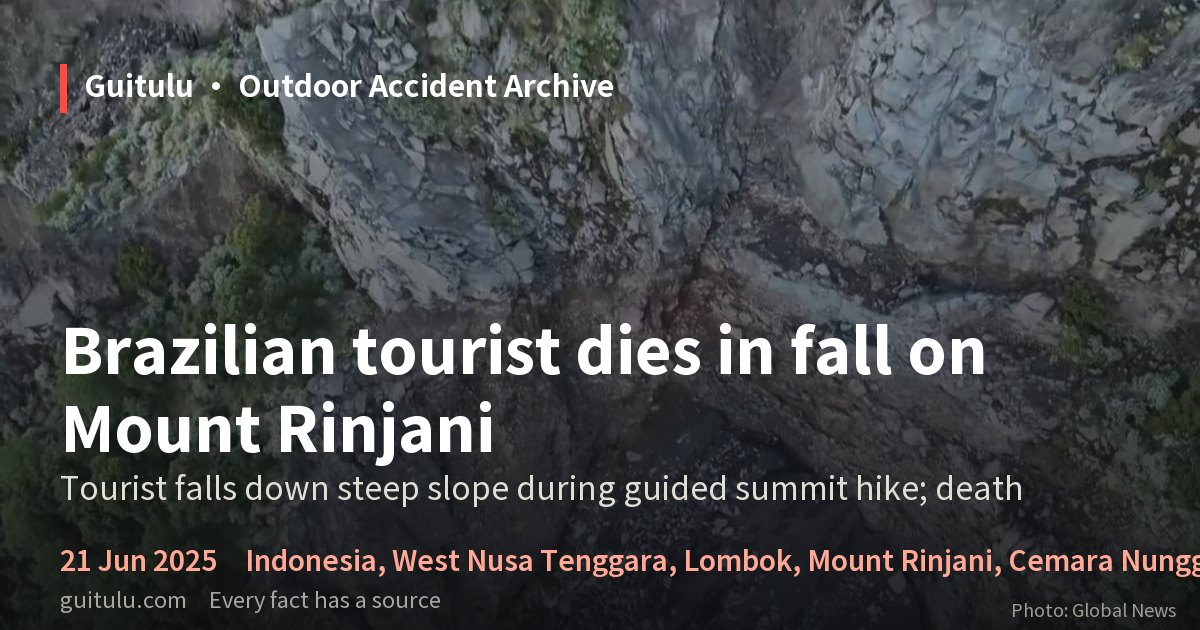
Tourist falls down steep slope during guided summit hike; death confirmed after four days of rescue efforts
The victim’s body was recovered on 25 June, and Indonesian forensic examiners have conducted an autopsy; her family has criticized the slow rescue and said it will seek accountability
The number at the end of a paragraph is how many facts it rests on; open it to see each fact and how well it is sourced:
Multiple sourcesSingle source. Conflicting accounts and speculation are kept out of the narrative.
ImgScene photos all from news coverage; copyright belongs to the original authors
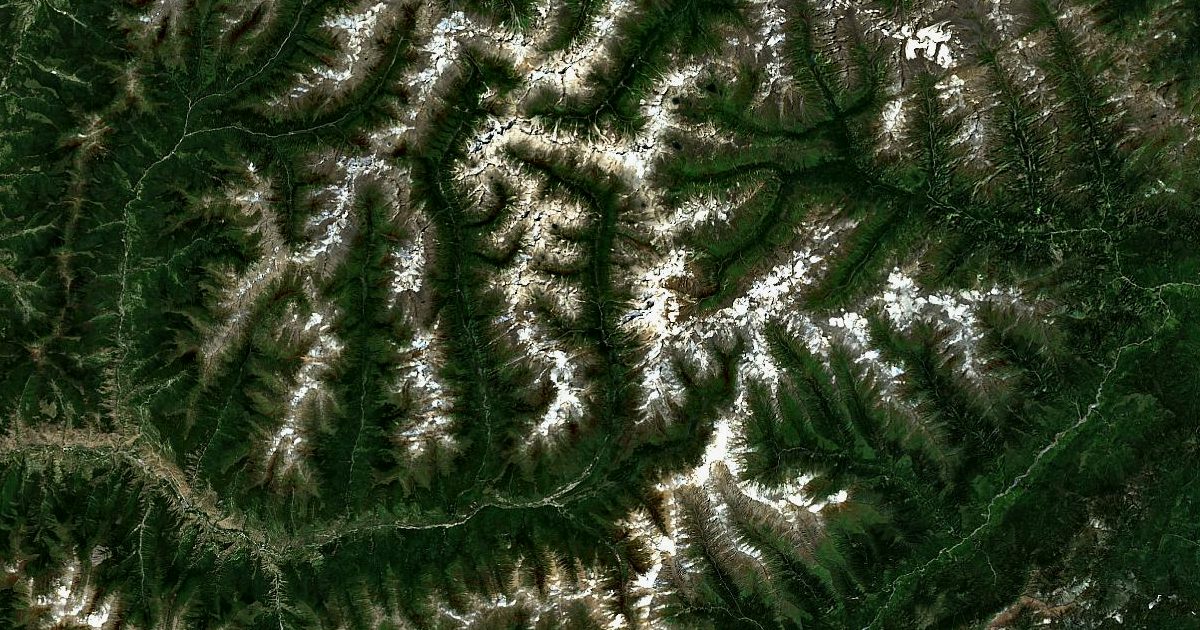
Aerial view of Mount Rinjani's crater and a sea of cloudsPhoto source: Estado de MinasMap of the accident location: Mount Rinjani and Lake Segara Anak on LombokPhoto source: Estado de Minas
At about 6:30 on Saturday, 21 June, Marins fell down a steep slope beside the trail on the Cemara Nunggal section of the route to Rinjani's summit. F05
On Sunday, 22 June, she slid farther down. Search and rescue personnel lost sight of her for a time and continued searching that night. F09
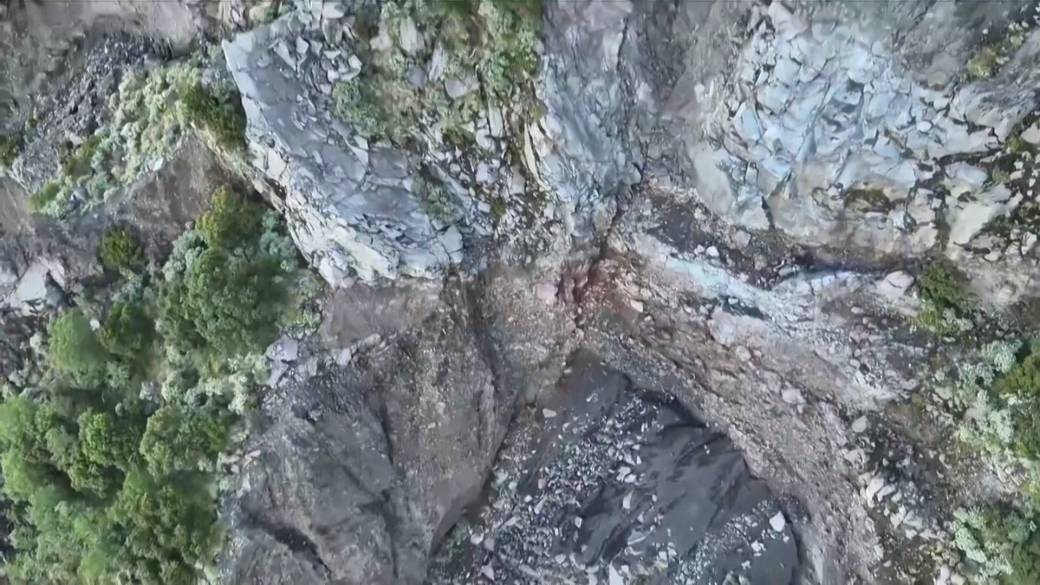
On Monday, 23 June, a drone located her again. The park said she was lodged on a rock face at a depth of about 500 metres and appeared motionless. F11
Indonesia's Ministry of Forestry announced the closure of Rinjani's climbing routes to facilitate the rescue and show respect for her family. F16
The removal of her body was postponed that night until the following morning because of fading light, worsening weather and the risk to rescuers. F15
On 24 June (Tuesday), the first rescuer descended to a depth of about 600 meters and found no signs of life. Three more rescuers then approached and confirmed that she had died, at around 18:00. F14
On Wednesday, 25 June, her body was carried out on a stretcher. The transfer took at least 5 hours; the head of the search and rescue agency said that transporting the stretcher would take a long time. F17
On 25 June, her family said in an Instagram statement that the rescue team had been seriously negligent and that she could have survived if rescuers had reached her within an estimated 7 hours. They also said they would seek legal accountability. F19
From 26 June, her body was transferred to Denpasar, Bali, for an autopsy. Officials said this was because the province where Lombok is located had no forensic experts. F20
A forensic examiner at Bali Mandara Hospital determined that the cause of death was blunt force trauma: multiple fractures of the chest, shoulder, spine and femur caused internal organ damage and massive bleeding, with the most severe injuries to the back and chest. F23
Under each fact is a verbatim quote from the original. "Single source" means only one outlet mentioned it; "Accounts differ" means sources contradict each other and this site adopts neither side; "Speculation" is an inference by a reporter or a person involved, not a fact.
According to The New York Times, Tourists had previously died on Rinjani: a Malaysian tourist died in a fall in May 2025, and the body of a Portuguese hiker took four days to recover in 2022.
Quotes from the original 2
“Last month, a Malaysian man died after falling down the mountain.”
The woman who died was 26-year-old Brazilian tourist Juliana Marins. She was hiking to the summit of Mount Rinjani with a guided group. A few sources give her age as 27.
Most sources give her age as 26
Quotes from the original 2
“climbing Indonesia’s second-highest volcano on June 21 with a group led by a tour guide”
According to Estado de Minas, The head of Mount Rinjani National Park said the group was staffed in accordance with regulations: 1 guide and 2 porters for every 6 foreign climbers. This requirement had been met.
Only the national park head's account
Quotes from the original 1
“seis escaladores externos usem um guia e dois carregadores. E isso foi feito”
According to her sister's account to Brazilian television, Marins was very tired on the way and asked the guide to stop for a rest. The guide continued leading the group onward, and she fell after resting alone for about an hour. This is a relative's account; the guide's account was not found in the reports collected.
Both sources come from the sister's same account to Fantástico and are not independent confirmation
Quotes from the original 2
“spent an hour resting alone before her tragic slip at sunrise”
According to Estado de Minas, She fell down a slope several hundred metres deep in the direction of Lake Segara Anak. The national park head said preliminary information indicated that she initially landed at a depth of about 200 metres.
Sources differ on the initial depth: 150 metres, 200 metres and about 300 metres all appear
Indonesian authorities had said that rescuers had delivered food and water to her. The Brazilian embassy in Jakarta and her family disputed this, and the head of the search and rescue office denied having released this information. The accounts conflict.
Conflicting accounts; not used in the page narrative
Quotes from the original 2
“Indonesian authorities reported that the rescuers had been able to deliver food and water to Marins, but the Brazilian embassy in Jakarta contested this claim.”
The rescue was hampered by thick fog, slippery and unstable rocky slopes, and changeable weather. A helicopter attempt was cancelled because of the weather, and the helicopter was still unable to fly to the summit on Tuesday because of the weather.
Quotes from the original 2
“attempts to reach her by helicopter were called off due to poor weather”
On 24 June (Tuesday), the first rescuer descended to a depth of about 600 meters and found no signs of life. Three more rescuers then approached and confirmed that she had died, at around 18:00.
Quotes from the original 2
“managed to reach the victim at the depth of 600 metres, upon checking there were no signs of life”
On Wednesday, 25 June, her body was carried out on a stretcher. The transfer took at least 5 hours; the head of the search and rescue agency said that transporting the stretcher would take a long time.
Quotes from the original 2
“It took rescuers at least five hours to bring 26-year-old Juliana Marins”
According to Estado de Minas, The national park head said the rescue had followed standard procedures, that a team had been assembled immediately, and denied criticism that the rescue had been too slow. There were about 50 rescuers at the peak of the operation.
Quotes from the original 1
“negou as críticas de que o processo tenha sido lento”
On 25 June, her family said in an Instagram statement that the rescue team had been seriously negligent and that she could have survived if rescuers had reached her within an estimated 7 hours. They also said they would seek legal accountability.
The family's claim
Quotes from the original 2
“Juliana would still be alive if the team had got to her within the estimated time of seven hours”
From 26 June, her body was transferred to Denpasar, Bali, for an autopsy. Officials said this was because the province where Lombok is located had no forensic experts.
According to Indonesia Business Post, After the accident, Indonesian officials indicated that they would review guide certification, permit and visitor safety requirements; experts and advocacy groups called for tighter regulation of independent hiking and more rescue equipment.
Quotes from the original 1
“Officials have hinted at revisiting licensing, guide certification, and tourist safety requirements in light of the tragedy.”
The accident drew intense attention in Brazil, with large numbers of internet users flooding the social media accounts of the Indonesian president and the search and rescue agency to criticise the slow rescue; the Brazilian embassy in Indonesia criticised the communication as inconsistent and untimely.
A forensic examiner at Bali Mandara Hospital determined that the cause of death was blunt force trauma: multiple fractures of the chest, shoulder, spine and femur caused internal organ damage and massive bleeding, with the most severe injuries to the back and chest.
Quotes from the original 2
“sustained multiple fractures to her spine, chest, back, and femur”
The forensic examiner said there were no signs that she survived for long after being injured, estimating that death occurred about 20 minutes after the injury; but he also said that the exact time of death was difficult to determine because the body had been frozen during transport.
Global News reported that a Brazilian autopsy report also gave an estimate of about 20 minutes
Quotes from the original 2
“no evidence she survived long after the injuries occurred”
The forensic examiner said no signs associated with hypothermia were found, such as injuries to the fingertips, but the body had been kept frozen before the autopsy, so it could not be conclusively determined whether hypothermia played a part.
The wording differs slightly between the two reports
Quotes from the original 2
“Ele acrescentou que não havia sinais de hipotermia”
Mount Rinjani is on the Indonesian island of Lombok. At an altitude of 3726 metres, it is Indonesia's second-highest volcano and one of the country's most visited hiking destinations.
Quotes from the original 2
“Situated on Lombok, the Indonesian island just east of Bali”
According to The Daily Beast, According to the family on Instagram, the rescue team descended only 250 metres over the course of a full day and withdrew while still 350 metres from her.
The family's account only
Quotes from the original 1
“A whole day and they advanced only 250 meters below, there were 350 meters left to reach Juliana”
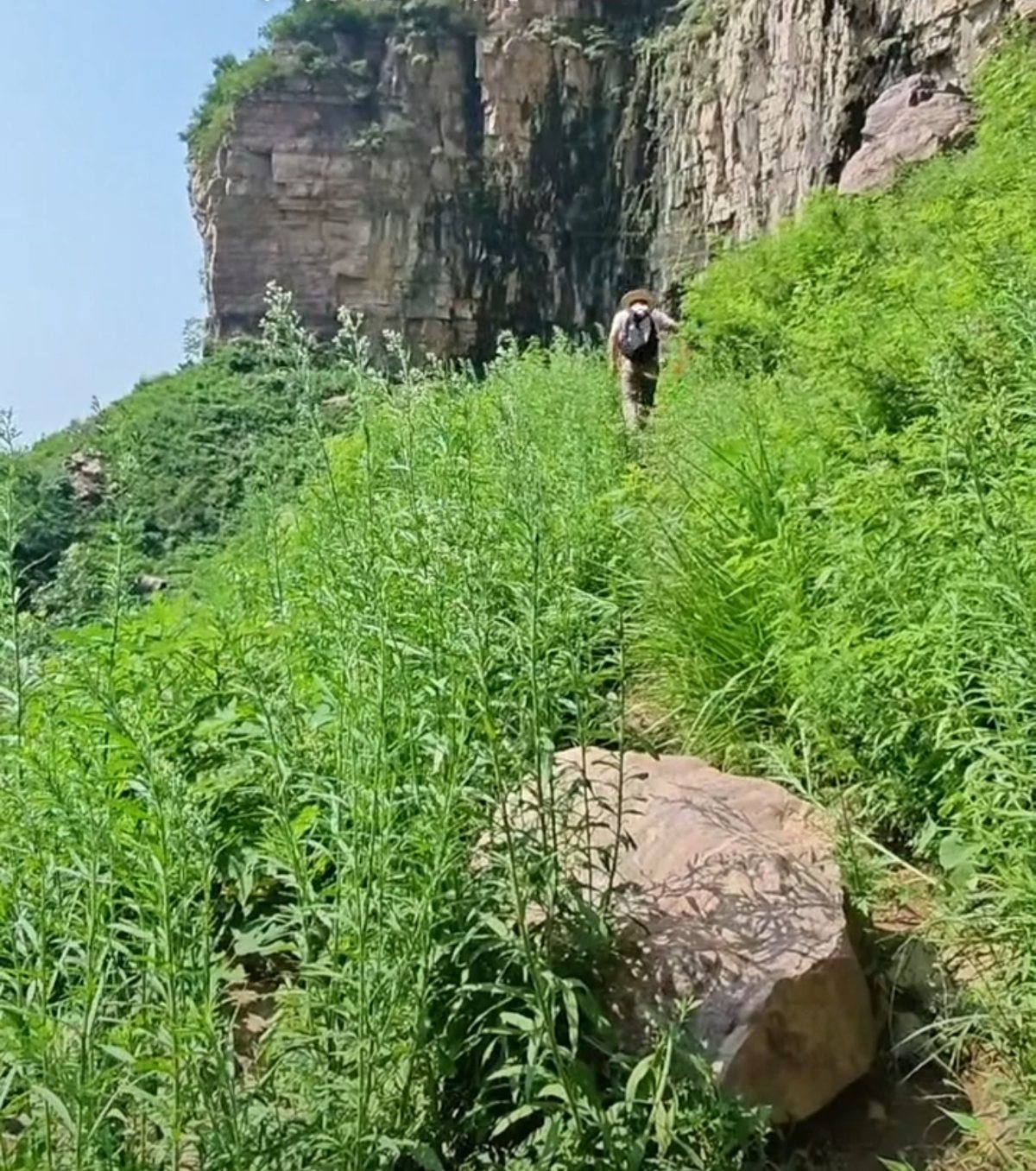
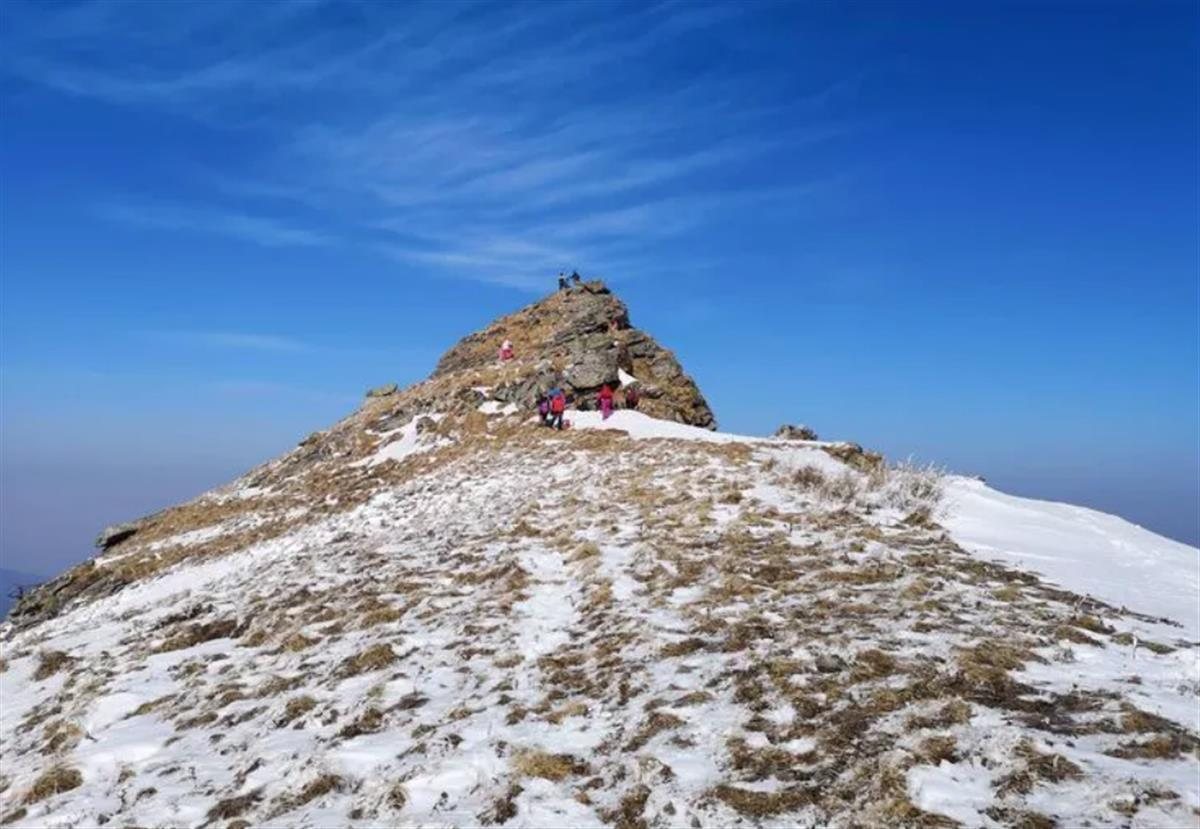
According to Estado de Minas, Experienced mountaineers said the section approaching the summit is a steep sandy slope with cliffs on both sides and strong winds, where a small mistake can cause an accident.
According to Estado de Minas, The head of the national park said safety ropes and ladders had previously been installed at several hazardous sections and first aid posts had been established at two locations; after the accident, a comprehensive assessment would be conducted, including infrastructure and staffing at hazardous sections.
The national park's account
Quotes from the original 2
“a instalação de cordas e escadas de segurança em diversos locais vulneráveis”
 GuituluGlobal Outdoor Accident Archive