GuituluGlobal Outdoor Accident Archive 中文
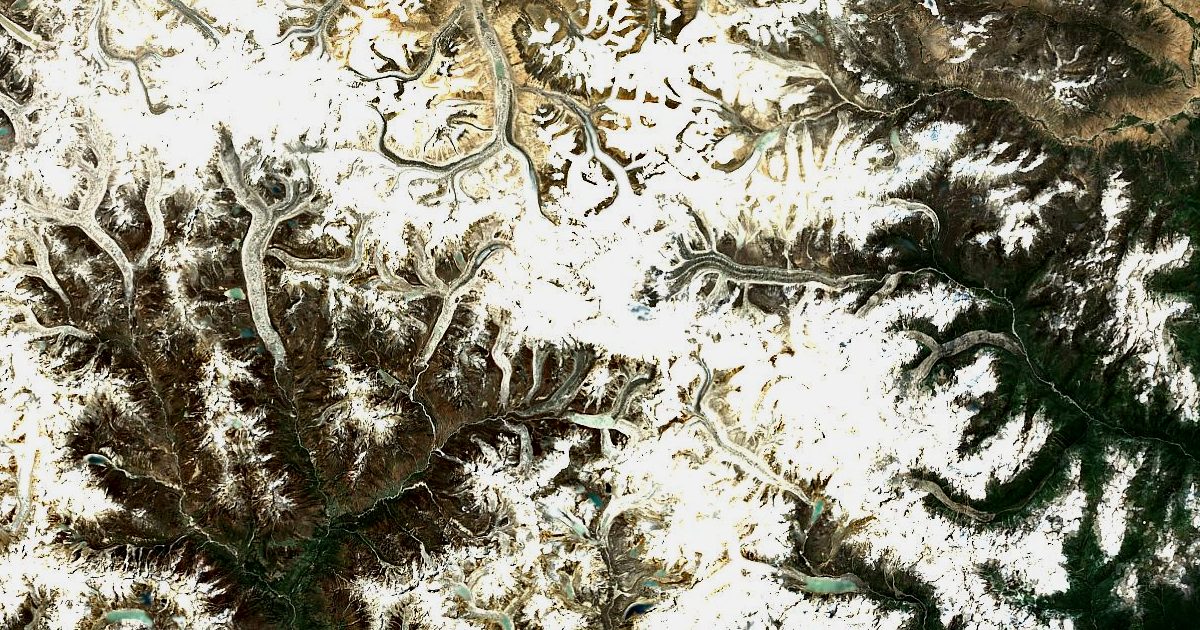
Satellite view of the area around Nepal, Khumbu, Lhotse South Face

Archive / Mountaineering

Kukuczka dies in fall on Lhotse’s South Face

A fall on a single rope above 8,000 metres: the second person to climb all fourteen 8,000-metre peaks did not return

Historical event; the account of the accident is based primarily on a teammate’s recollection and the deputy expedition leader’s report

Satellite imagery Sentinel-2 cloudless 2024 © EOX (CC BY-NC-SA 4.0)

Date
Autumn
Place
Nepal, Khumbu, Lhotse South FaceNepal › Koshi Province · Himalaya86.933°E 27.962°N
Activity
MountaineeringInvolves: Falls and slipsPolish Lhotse South Face expedition; the summit team consisted of Jerzy Kukuczka and Ryszard Pawłowski
Casualties
Dead 1 Kukuczka died in the fall and his body was not recovered; his partner Pawłowski descended alone and survived
Material
45 facts · 8 sources5 accounts differ and are shown side by side

01What happened

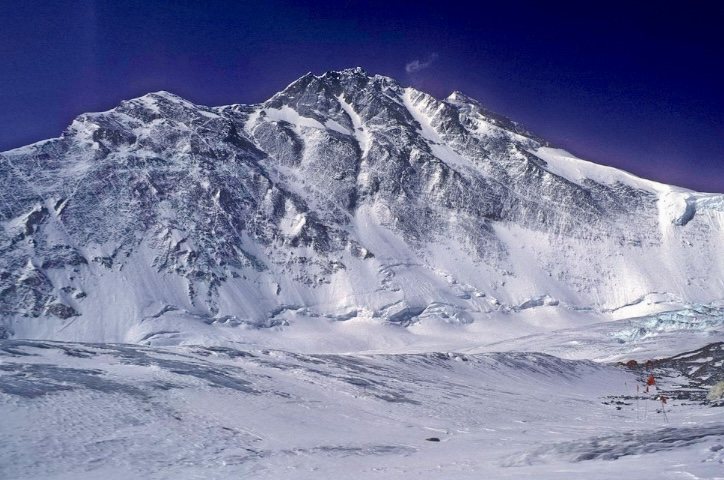
Polish mountaineer Jerzy Kukuczka was the second person, after Messner, to summit all 14 8,000-metre peaks, completing the record on Shishapangma in September 1987. His first 8,000-metre peak was Lhotse, which he climbed by the normal route in 1979. At the time, Lhotse’s South Face remained unclimbed and was considered one of the greatest challenges in Himalayan mountaineering. A team organised by Messner had also failed there in spring 1989.Facts it rests onF03Multiple sourcesKukuczka was the second person, after Messner, to summit all 14 8000-metre peaks.F04Multiple sourcesOn 18 September 1987, Kukuczka summited Shishapangma, completing all 14 8000-metre peaks.F01Multiple sourcesLhotse was Kukuczka’s first 8000-metre peak; he summited it via the normal route in 1979.F05Multiple sourcesAt the time, Lhotse’s South Face had not yet been climbed and was regarded as one of the greatest challenges in Himalayan mountaineering.F07Multiple sourcesIn the spring of the same year, a high-profile team organised by Messner, including the Poles Wielicki and Hajzer, attempted the South Face without success.

In autumn 1989, Kukuczka led a Polish mountaineering team back to the south face. According to a team member's report, the monsoon continued until early October, leaving the team able to focus only on the Polish route on the south face. The weather was poor and the avalanche danger high while they were fixing ropes; Camps I through VI were established in stages between 5800 metres and 7800 metres from 13 September to 21 October.Facts it rests onF08Multiple sourcesThe Polish Lhotse South Face expedition in autumn 1989 was led by Kukuczka, with Walecki as deputy leader; its members included Pawłowski, Pawlikowski, Piasecki and Kopiś.F12Single sourceThe monsoon continued until early October, disrupting the original plan, and the team could only focus on the Polish route on the South Face.F10Single sourceThe weather remained bad while the team was fixing ropes, the avalanche danger was high, the members suffered from damp and severe cold, and most were coughing.F11Single sourceCamps I through VI were established at altitudes of 5800, 6200, 6800, 7100, 7450 and 7800 metres respectively, on 13, 18 and 28 September and 5, 8 and 21 October.

On 18 October, Kukuczka and his partner Pawłowski set out from base camp on their summit attempt, reaching Camp VI on 21 October. The weather was very good during the summit attempt, with no wind. According to Pawłowski's recollection, the two were tied into a single rope rather than the usual double ropes; Kukuczka was leading, about 50 metres above him.Facts it rests onF17Single sourceOn 18 October, Kukuczka and Pawłowski set out from base camp for the summit; the wind stopped the following day.F18Single sourceThe two reached Camp VI on 21 October.F14Multiple sourcesThe weather was very good during the summit push, with no wind.F21Single sourceThe two were tied to a single rope rather than the usual two ropes; Pawłowski said they understood their own abilities and the risks involved.F22Multiple sourcesKukuczka was leading, at a considerable distance from his partner; Pawłowski said Kukuczka was about 50 metres above him.

On the final difficult section, near the ridge, Kukuczka fell from an icy rock slab. The rope connecting the two could not withstand the fall and broke, and Kukuczka fell down the rock face and died. According to reports, the rope broke on sharp rock and did not pull Pawłowski down with him. Kukuczka had the radio, so Pawłowski could not notify base camp.Facts it rests onF23Multiple sourcesKukuczka fell on the final difficult section just before reaching the ridge; Pawłowski said he slipped on an icy rock slab.F26Multiple sourcesThe rope connecting the two men could not withstand the force of the fall and broke, and Kukuczka fell down the rock face and died.F27Single sourceThe rope broke on sharp rock, without pulling Pawłowski down with him.F31Multiple sourcesKukuczka had the radio, so Pawłowski could not notify base camp or his teammates.F30Single sourcePawłowski was thrown against the rock face by the force of the fall. At the same moment, he felt the rope go slack and realised it had broken.

Base camp did not receive the agreed communication that day. Pawłowski spent the night on a rock ledge at 8,100 metres and the next day met Kopiś and Pawlikowski, who had climbed up to support them. The three returned to base camp on 26 October. In October 1990, Russian climbers made the first ascent of the South Face; a stupa was later erected at the entrance to Chukhung village in memory of Kukuczka and other Poles who died on the South Face.Facts it rests onF34Single sourceOn 24 October, Kukuczka did not contact base camp at the agreed time.F33Single sourcePawłowski spent the night on a rock ledge at an altitude of 8100 metres.F37Single sourceThe next day, Pawłowski met support team members Kopiś and Pawlikowski, and the three returned to base camp on 26 October.F38Multiple sourcesOn 1 October 1990, Russian climbers Bershov and Karataev made the first ascent of Lhotse’s South Face.F39Single sourceA stupa with a memorial plaque at the entrance to Chukhung village commemorates Kukuczka and two other Poles who died on Lhotse’s South Face; the plaque was unveiled on 22 March 2008.

The number at the end of a paragraph is how many facts it rests on; open it to see each fact and how well it is sourced: Multiple sourcesSingle source. Conflicting accounts and speculation are kept out of the narrative.

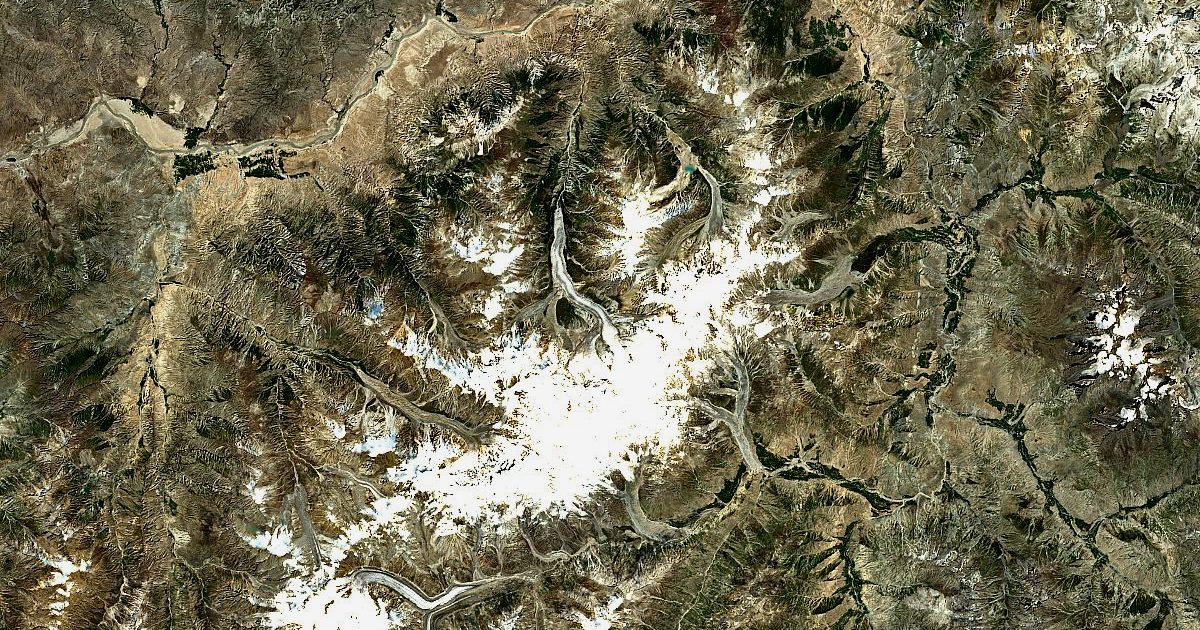
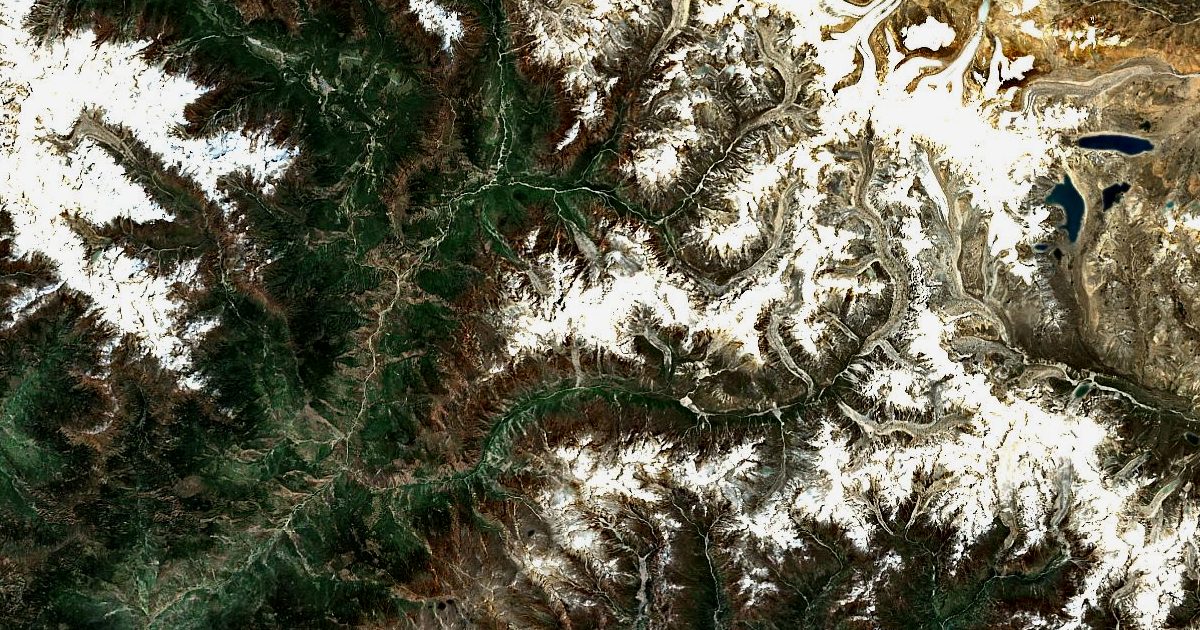
Satellite imagery Sentinel-2 cloudless 2024 © EOX · Terrain AWS Terrain Tiles · Position is schematic, geocoded from place names

Route review

7 scenes to understand what happened

Scroll down and the map flies to where each part happened.

01

Accident area

The reports do not provide enough waypoints; the map shows only the approximate location and terrain of the accident area.

04

Summit attempt on a single rope

The two set out from base camp on 18 October and reached Camp VI on 21 October; according to recollections, they were tied into a single rope.Facts it rests onF17Single sourceOn 18 October, Kukuczka and Pawłowski set out from base camp for the summit; the wind stopped the following day.F18Single sourceThe two reached Camp VI on 21 October.F21Single sourceThe two were tied to a single rope rather than the usual two ropes; Pawłowski said they understood their own abilities and the risks involved.

07

Afterwards

Russian climbers made the first ascent of the South Face in 1990; a stupa at the entrance to Chukhung village commemorates the Polish climbers who died on the South Face.Facts it rests onF38Multiple sourcesOn 1 October 1990, Russian climbers Bershov and Karataev made the first ascent of Lhotse’s South Face.F39Single sourceA stupa with a memorial plaque at the entrance to Chukhung village commemorates Kukuczka and two other Poles who died on Lhotse’s South Face; the plaque was unveiled on 22 March 2008.

02Timeline

  1. Lhotse was Kukuczka’s first 8000-metre peak; he summited it via the normal route in 1979. F01

  2. On 18 September 1987, Kukuczka summited Shishapangma, completing all 14 8000-metre peaks. F04

  3. Camps I through VI were established at altitudes of 5800, 6200, 6800, 7100, 7450 and 7800 metres respectively, on 13, 18 and 28 September and 5, 8 and 21 October. F11

  4. On 5 October, team members established Camp IV at an altitude of 7100 metres. F16

  5. On 18 October, Kukuczka and Pawłowski set out from base camp for the summit; the wind stopped the following day. F17

  6. The two reached Camp VI on 21 October. F18

  7. The rope connecting the two men could not withstand the force of the fall and broke, and Kukuczka fell down the rock face and died. F26

  8. Kukuczka had the radio, so Pawłowski could not notify base camp or his teammates. F31

  9. Pawłowski spent the night on a rock ledge at an altitude of 8100 metres. F33

  10. On 24 October, Kukuczka did not contact base camp at the agreed time. F34

  11. The next day, Pawłowski met support team members Kopiś and Pawlikowski, and the three returned to base camp on 26 October. F37

  12. On 1 October 1990, Russian climbers Bershov and Karataev made the first ascent of Lhotse’s South Face. F38

  13. A stupa with a memorial plaque at the entrance to Chukhung village commemorates Kukuczka and two other Poles who died on Lhotse’s South Face; the plaque was unveiled on 22 March 2008. F39

03Lessons

Teams and decisions

Every part of the protection system must withstand a fall

According to reports, the two used only one single rope above 8,000 metres, the intermediate protection did not hold, and the rope eventually broke in the fall. Some reports say the rope was a used one bought at a market in Kathmandu. On the most difficult sections, where the consequences are most serious, ropes and protection should not be the first things to economise on.Facts it rests onF21Single sourceThe two were tied to a single rope rather than the usual two ropes; Pawłowski said they understood their own abilities and the risks involved.F25Single sourcePawłowski recalled that the intermediate protection point did not hold.F26Multiple sourcesThe rope connecting the two men could not withstand the force of the fall and broke, and Kukuczka fell down the rock face and died.F28Single sourceThe rope was an old rope bought for very little money at a market in Kathmandu; it was worn and frayed when it broke.

Communication and location

Do not leave communication equipment with only one person

The only radio was in the lead climber’s backpack. After the accident, his partner, left on the rock face, could not notify base camp, which could only wait. When climbing as a rope team, it is best for each person to carry a communication device, or to leave it with the person who is not leading.Facts it rests onF31Multiple sourcesKukuczka had the radio, so Pawłowski could not notify base camp or his teammates.F34Single sourceOn 24 October, Kukuczka did not contact base camp at the agreed time.

Rescue and self-rescue

Have support for a solo descent from altitude

Pawłowski spent the night alone at 8,100 metres and returned to base camp with his teammates only after meeting them as they climbed up to help the next day. Keeping a support team below during a summit attempt allows it to assist survivors if the summit team has an accident.Facts it rests onF33Single sourcePawłowski spent the night on a rock ledge at an altitude of 8100 metres.F37Single sourceThe next day, Pawłowski met support team members Kopiś and Pawlikowski, and the three returned to base camp on 26 October.

04Fact list 45 facts

Under each fact is a verbatim quote from the original. "Single source" means only one outlet mentioned it; "Accounts differ" means sources contradict each other and this site adopts neither side; "Speculation" is an inference by a reporter or a person involved, not a fact.

  1. F01Multiple sourcesBackground

    Lhotse was Kukuczka’s first 8000-metre peak; he summited it via the normal route in 1979.

    Quotes from the original 2

    “Drogę po Koronę Himalajów i Karakorum rozpoczął od zdobycia Lhotse w 1979 r.”

    PAP · 2019-10-24

    “Il suo primo approccio con l’aria rarefatta fu nel 1979 quando raggiunse la vetta del Lhotse seguendo la via normale.”

    Montagna.tv · 2026-03-19
  2. F02Multiple sourcesBackground

    Kukuczka had previously attempted the South Face: the 1985 attempt did not reach the summit, but team members climbed above 8000 metres.

    Quotes from the original 2

    “Pierwszą próbę podjął już w 1985 roku, wyprawa nie weszła na szczyt.”

    RMF24 · 2014-10-24

    “Jesienią byliśmy na południowej ścianie Lhotse, osiągnęliśmy ponad 8000 m”

    PAP · 2019-10-24
  3. F03Multiple sourcesBackground

    Kukuczka was the second person, after Messner, to summit all 14 8000-metre peaks.

    Quotes from the original 3

    “Został drugim człowiekiem na świecie, po Messnerze, który stanął na wszystkich czternastu ośmiotysięcznikach.”

    TVP Info · 2026-10-24

    “divenendo il secondo uomo al mondo a completare questa cavalcata dopo Reinhold Messner”

    Montagna.tv · 2026-03-19

    “drugi w historii człowiek, który zdobył Koronę Himalajów i Karakorum”

    PAP · 2019-10-24
  4. F04Multiple sourcesBackground

    On 18 September 1987, Kukuczka summited Shishapangma, completing all 14 8000-metre peaks.

    Quotes from the original 2

    “18 września 1987 roku Kukuczka zdobył Sziszapangmę i skompletował Koronę Himalajów i Karakorum.”

    TVP Info · 2026-10-24

    “gdy Polak wejściem na Sziszapangmę (8013 m n.p.m.) zakończył zdobywanie Korony Himalajów i Karakorum”

    RMF24 · 2014-10-24
  5. F05Multiple sourcesBackground

    At the time, Lhotse’s South Face had not yet been climbed and was regarded as one of the greatest challenges in Himalayan mountaineering.

    Quotes from the original 2

    “podjął drugą już próbę pokonania niezdobytej jeszcze wówczas południowej ściany Lhotse, uchodzącej za jeden z największych problemów himalaizmu”

    RMF24 · 2014-10-24

    “Droga ta pozostawała niezdobyta, kusząc największe nazwiska himalaizmu.”

    Interia · 2019-10-24
  6. F06Accounts differBackground

    Accounts differ on which attempt at the South Face Kukuczka’s 1989 expedition was: RMF24 says it was his second; PAP says it was his third.

    Quotes from the original 2

    “W październiku 1989 roku podjął drugą już próbę”

    RMF24 · 2014-10-24

    “Była to trzecia próba Kukuczki na tej drodze.”

    PAP · 2019-10-24
  7. F07Multiple sourcesBackground

    In the spring of the same year, a high-profile team organised by Messner, including the Poles Wielicki and Hajzer, attempted the South Face without success.

    Quotes from the original 2

    “Wśród nich znaleźli się Krzysztof Wielicki i Artur Hajzer. Wyprawa zakończyła się fiaskiem.”

    Interia · 2019-10-24

    “w tym samym roku niepowodzeniem zakończyła się na tej ścianie próba zorganizowana przez Messnera, zresztą z udziałem Polaków”

    PAP · 2019-10-24
  8. F08Multiple sourcesBackground

    The Polish Lhotse South Face expedition in autumn 1989 was led by Kukuczka, with Walecki as deputy leader; its members included Pawłowski, Pawlikowski, Piasecki and Kopiś.

    Quotes from the original 2

    “Our expedition was composed of Jerzy Kukuczka, leader, Ryszard Pawlowski, Macij Pawlikowski, Przemyslaw Piasecki, Tomasz Kopys, Michal Kulej, Elzbieta Pietak, Witold Oklek, Leszek Czech and me, Poles”

    AAJ ·

    “Kierownikiem został Jerzy Kukuczka, jego zastępcą Ryszard Warecki.”

    Interia · 2019-10-24
  9. F09Single sourcePlan

    According to AAJ, The expedition originally planned to fix ropes as far as Camp II while team members acclimatised on nearby 6000-metre peaks and on Lhotse’s normal route.

    Quotes from the original 1

    “Our plan was to fix rope to Camp II while climbers acclimatized on neighboring 6000ers and on the normal route on Lhotse.”

    AAJ ·
  10. F10Single sourceEvent

    According to AAJ, The weather remained bad while the team was fixing ropes, the avalanche danger was high, the members suffered from damp and severe cold, and most were coughing.

    Quotes from the original 1

    “During the whole period while the rope was being fixed, the weather was bad and there was a great danger of avalanches. The climbers suffered from the high moisture and sharp cold, and most had painful coughs.”

    AAJ ·
  11. F11Single sourceMovement

    According to AAJ, Camps I through VI were established at altitudes of 5800, 6200, 6800, 7100, 7450 and 7800 metres respectively, on 13, 18 and 28 September and 5, 8 and 21 October.

    Quotes from the original 1

    “Camps I, II, III, IV, V and VI were placed at 5800, 6200, 6800, 7100, 7450 and 7800 meters on September 13, 18, 28, October 5, 8 and 21.”

    AAJ ·
  12. F12Single sourceEvent

    According to AAJ, The monsoon continued until early October, disrupting the original plan, and the team could only focus on the Polish route on the South Face.

    Quotes from the original 1

    “However, nature changed our ambitious plans as the monsoon lasted until the first days of October. There was no alternative but to try only the Polish route on the south face of Lhotse.”

    AAJ ·
  13. F13Multiple sourcesEvent

    Strong winds arose on the mountain in mid-October; the AAJ report said they came from the direction of Tibet.

    Quotes from the original 2

    “As traditionally is the case, in the middle of October strong winds blew in from Tibet.”

    AAJ ·

    “Na górze strasznie wieje.”

    National Geographic Polska · 2019-10-24
  14. F14Multiple sourcesEvent

    The weather was very good during the summit push, with no wind.

    Quotes from the original 2

    “Pogoda o dziwo zrobiła się, jak na październik, dobra. Nie wiało.”

    PAP · 2019-10-24

    “The weather was still excellent.”

    AAJ ·
  15. F15Accounts differAftermath

    Accounts differ on what happened to the body: Interia and Montagna.tv say it was never found; TVP Info says he was buried in a crevasse in the area of the incident.

    Quotes from the original 3

    “Ciała Jerzego Kukuczki nigdy nie odnaleziono.”

    Interia · 2019-10-24

    “il suo corpo non venne mai ritrovato”

    Montagna.tv · 2026-03-19

    “Miejscem pochówku stała się szczelina lodowa w rejonie wypadku.”

    TVP Info · 2026-10-24
  16. F16Multiple sourcesMovement

    On 5 October, team members established Camp IV at an altitude of 7100 metres.

    Quotes from the original 2

    “7100”

    AAJ ·

    “Przekazali informację, że założyli obóz czwarty na wysokości 7100 m n.p.m.”

    National Geographic Polska · 2019-10-24
  17. F17Single sourceMovement

    According to AAJ, On 18 October, Kukuczka and Pawłowski set out from base camp for the summit; the wind stopped the following day.

    Quotes from the original 1

    “On October 18 Kukuczka and Pawlowski set out from Base Camp hoping to reach the summit. The next day, the wind stopped blowing.”

    AAJ ·
  18. F18Single sourceMovement

    According to AAJ, The two reached Camp VI on 21 October.

    Quotes from the original 1

    “Taking advantage of the good weather, they reached Camp VI on October 21.”

    AAJ ·
  19. F19Accounts differMovement

    Accounts differ on the two climbers’ highest campsite before the accident: the AAJ report says they bivouacked successively at 8000 metres and 8300 metres; Interia says they established an assault camp at 7900 metres on 23 October; Pawłowski told PAP they set out from 8000 metres on the morning of 24 October.

    Quotes from the original 3

    “On the following day, they continued, bivouacking first at 8000 and then at 8300 meters.”

    AAJ ·

    “23 października założyli obóz szturmowy na wysokości 7900 m.”

    Interia · 2019-10-24

    “Rano 24 wystartowaliśmy z wysokości 8000 m i wszystko szło planowo”

    PAP · 2019-10-24
  20. F20Accounts differEvent

    Accounts differ on the date of the fall: the AAJ report gives shortly after sunrise on 23 October; Pawłowski’s account to PAP and reports by ExplorersWeb and other media give the morning of 24 October.

    Quotes from the original 3

    “Just after sunrise on the 23rd, Kukuczka began to climb toward the ridge crest which he could already see.”

    AAJ ·

    “Rano 24 wystartowaliśmy z wysokości 8000 m”

    PAP · 2019-10-24

    “On Oct. 24, 1989, Poland’s Jerzy Kukuczka was attempting the South Face of 8,516m Lhotse, when his rope broke.”

    ExplorersWeb · 2024-10-24
  21. F21Single sourceEvent

    According to PAP, The two were tied to a single rope rather than the usual two ropes; Pawłowski said they understood their own abilities and the risks involved.

    Quotes from the original 1

    “Byliśmy związani pojedynczą liną, a nie jak zazwyczaj podwójną, świadomi swoich sił i ryzyka.”

    PAP · 2019-10-24
  22. F22Multiple sourcesEvent

    Kukuczka was leading, at a considerable distance from his partner; Pawłowski said Kukuczka was about 50 metres above him.

    Quotes from the original 2

    “Jurek był nade mną około 50 metrów.”

    PAP · 2019-10-24

    “Jerzy Kukuczka prowadził, w znacznej odległości od partnera.”

    Interia · 2019-10-24
  23. F23Multiple sourcesEvent

    Kukuczka fell on the final difficult section just before reaching the ridge; Pawłowski said he slipped on an icy rock slab.

    Quotes from the original 3

    “Just as he was about to reach it on the final obstacle, he suddenly fell off.”

    AAJ ·

    “do momentu, gdy Jurek osunął się na skalnej, zalodzonej płycie”

    PAP · 2019-10-24

    “Podczas wspinaczki w zespole z Ryszardem Pawłowskim odpadł powyżej 8000 metrów.”

    RMF24 · 2014-10-24
  24. F24Accounts differEvent

    Accounts differ on the altitude at which the fall occurred: PAP and Montagna.tv say about 8200 metres; TVP Info says about 8200–8300 metres; ExplorersWeb says 8350 metres.

    All figures are approximate

    Quotes from the original 4

    “Do tragedii doszło na wysokości ok. 8200 m.”

    PAP · 2019-10-24

    “Si trovavano a una quota di circa 8200 metri”

    Montagna.tv · 2026-03-19

    “Na wysokości około 8200-8300 metrów, podczas próby wytyczenia nowej drogi, odpadł od ściany.”

    TVP Info · 2026-10-24

    “Kukuczka fell to his death from an altitude of 8,350m.”

    ExplorersWeb · 2024-10-24
  25. F25Single sourceEvent

    According to Interia, Pawłowski recalled that the intermediate protection point did not hold.

    Quotes from the original 1

    “Ku mojemu przerażeniu okazało się, że te przeloty nie działają”

    Interia · 2019-10-24
  26. F26Multiple sourcesEvent

    The rope connecting the two men could not withstand the force of the fall and broke, and Kukuczka fell down the rock face and died.

    Quotes from the original 4

    “The rope could not hold the fall of more than 100 meters and broke and he fell the whole length of the face to his death.”

    AAJ ·

    “Lina, która łączyła obu wspinaczy, nie wytrzymała.”

    RMF24 · 2014-10-24

    “Pękła lina. Spadł w przepaść.”

    TVP Info · 2026-10-24

    “when his rope broke”

    ExplorersWeb · 2024-10-24
  27. F27Single sourceEvent

    According to Interia, The rope broke on sharp rock, without pulling Pawłowski down with him.

    Quotes from the original 1

    “Lina przerwała się na ostrej skale i nie pociągnęła go ze sobą w dół.”

    Interia · 2019-10-24
  28. F28Single sourceFound at scene

    According to Montagna.tv, The rope was an old rope bought for very little money at a market in Kathmandu; it was worn and frayed when it broke.

    Other sources do not mention where the rope came from.

    Quotes from the original 1

    “la vecchia corda a cui era ancorato, acquistata per pochi soldi in un mercato di Kathamandu, ha ceduto sfilacciandosi”

    Montagna.tv · 2026-03-19
  29. F29Single sourcePost-incident analysis

    According to National Geographic Polska, The expedition journalist’s book says that, among accounts accepted by those involved, the most common is that there were two intermediate pitons between the two men and that the rope connecting them was about 70–80 metres long.

    Quotes from the original 1

    “W relacjach autoryzowanych najczęściej pojawia się informacja o dwóch hakach przelotowych i linie długości około 70–80 metrów łączącej wspinaczy.”

    National Geographic Polska · 2019-10-24
  30. F30Single sourceEvent

    According to PAP, Pawłowski was thrown against the rock face by the force of the fall. At the same moment, he felt the rope go slack and realised it had broken.

    Quotes from the original 1

    “Rzuciło mnie na ścianę, ale w tej samej chwili poczułem luz i już wiedziałem, że lina musiała się przerwać.”

    PAP · 2019-10-24
  31. F31Multiple sourcesEvent

    Kukuczka had the radio, so Pawłowski could not notify base camp or his teammates.

    Quotes from the original 2

    “Pawlowski could not inform Base Camp about the accident because Kukuczka had the radio in his rucksack.”

    AAJ ·

    “Zostałem w trudnym terenie, bez możliwości kontaktu z kolegami, bo to Jurek miał telefon.”

    PAP · 2019-10-24
  32. F32Single sourceParticipant's view

    According to PAP, Pawłowski said that after regaining his senses, he realised he could only save himself; it was a fight for survival.

    Quotes from the original 1

    “pomyślałem, że muszę sam się ratować. To była walka o życie”

    PAP · 2019-10-24
  33. F33Single sourceMovement

    According to AAJ, Pawłowski spent the night on a rock ledge at an altitude of 8100 metres.

    Quotes from the original 1

    “He spent the night on a rock ledge at 8100 meters.”

    AAJ ·
  34. F34Single sourceEvent

    According to National Geographic Polska, On 24 October, Kukuczka did not contact base camp at the agreed time.

    Quotes from the original 1

    “24 października Kukuczka nie odezwał się do bazy o umówionej godzinie.”

    National Geographic Polska · 2019-10-24
  35. F35Single sourceEvent

    According to National Geographic Polska, That day, support team members Pawlikowski and Kopiś could still communicate with base camp. They said they were heading to Camp V and were also worried that they could not reach the two men attempting the summit.

    Quotes from the original 2

    “Przekazali nam informację, że idą do piątki.”

    National Geographic Polska · 2019-10-24

    “Też się niepokoją tym brakiem łączności z Kukuczką i Pawłowskim.”

    National Geographic Polska · 2019-10-24
  36. F36Multiple sourcesBackground

    Kukuczka was 41 when he died.

    Quotes from the original 2

    “Jerzy Kukuczka miał wtedy 41 lat”

    TVP Info · 2026-10-24

    “41-letni Jerzy Kukuczka był z pewnością najbardziej znanym polskim himalaistą.”

    Interia · 2019-10-24
  37. F37Single sourceMovement

    According to AAJ, The next day, Pawłowski met support team members Kopiś and Pawlikowski, and the three returned to base camp on 26 October.

    Quotes from the original 1

    “The next day he met the support team of Kopys and Pawlikowski. All three returned to Base Camp on October 26.”

    AAJ ·
  38. F38Multiple sourcesAftermath

    On 1 October 1990, Russian climbers Bershov and Karataev made the first ascent of Lhotse’s South Face.

    Quotes from the original 2

    “1 października 1990 na szczycie stanęli Rosjanie - Siergiej Bierszow i Władimir Karatajew”

    Interia · 2019-10-24

    “zdobytej po raz pierwszy w 1990 r. przez Rosjan”

    PAP · 2019-10-24
  39. F39Single sourceAftermath

    According to PAP, A stupa with a memorial plaque at the entrance to Chukhung village commemorates Kukuczka and two other Poles who died on Lhotse’s South Face; the plaque was unveiled on 22 March 2008.

    Quotes from the original 2

    “Czorten z tablicą upamiętniającą Kukuczkę oraz dwóch innych Polaków, którzy zginęli na południowej ścianie Lhotse”

    PAP · 2019-10-24

    “a tablicę odsłonili 22 marca 2008 r. Artur Hajzer i Robert Szymczak”

    PAP · 2019-10-24
  40. F40Multiple sourcesBackground

    Lhotse is 8516 metres high.

    Quotes from the original 2

    “8,516m Lhotse”

    ExplorersWeb · 2024-10-24

    “na południowej ścianie Lhotse (8516 m)”

    PAP · 2019-10-24
  41. F41Single sourceBackground

    According to National Geographic Polska, Lhotse’s South Face is one of the most difficult faces in the Himalayas, about three kilometres high and increasingly difficult higher up.

    Quotes from the original 1

    “Południowa ściana Lhotse to jedna z najtrudniejszych ścian w Himalajach – trzy tysiące metrów wymagającego terenu z trudnościami rosnącymi wraz z wysokością.”

    National Geographic Polska · 2019-10-24
  42. F42Single sourcePost-incident analysis

    According to National Geographic Polska, The expedition journalist’s book considers that the precise location and detailed circumstances of the accident have still not been sufficiently studied.

    Quotes from the original 1

    “Wydaje się, że samo miejsce i szczegółowe okoliczności wypadku na południowej ścianie Lhotse nie doczekały się jak dotąd wystarczającego opracowania.”

    National Geographic Polska · 2019-10-24
  43. F43Single sourceParticipant's view

    According to PAP, Pawłowski believed the South Face was within their capabilities, but that they did not have enough luck.

    Quotes from the original 1

    “Według niego ściana Lhotse była w zasięgu ich możliwości, ale po prostu zabrakło szczęścia.”

    PAP · 2019-10-24
  44. F44Single sourceParticipant's view

    According to PAP, His longtime teammate Wielicki said that once Kukuczka had decided to do something, he was determined to do it, sometimes even taking risks.

    Quotes from the original 1

    “Jak coś wymyślił, to musiał to zrobić, czasami nawet kosztem ryzyka.”

    PAP · 2019-10-24
  45. F45Single sourceParticipant's view

    According to PAP, Pawłowski said the accident made him reflect: no climber is immortal, and even the greatest heroes of high-altitude mountaineering can die.

    Quotes from the original 1

    “Wypadek Jurka pozostawił we mnie ślad i refleksję, że nie ma wspinaczy nieśmiertelnych”

    PAP · 2019-10-24