GuituluGlobal Outdoor Accident Archive 中文
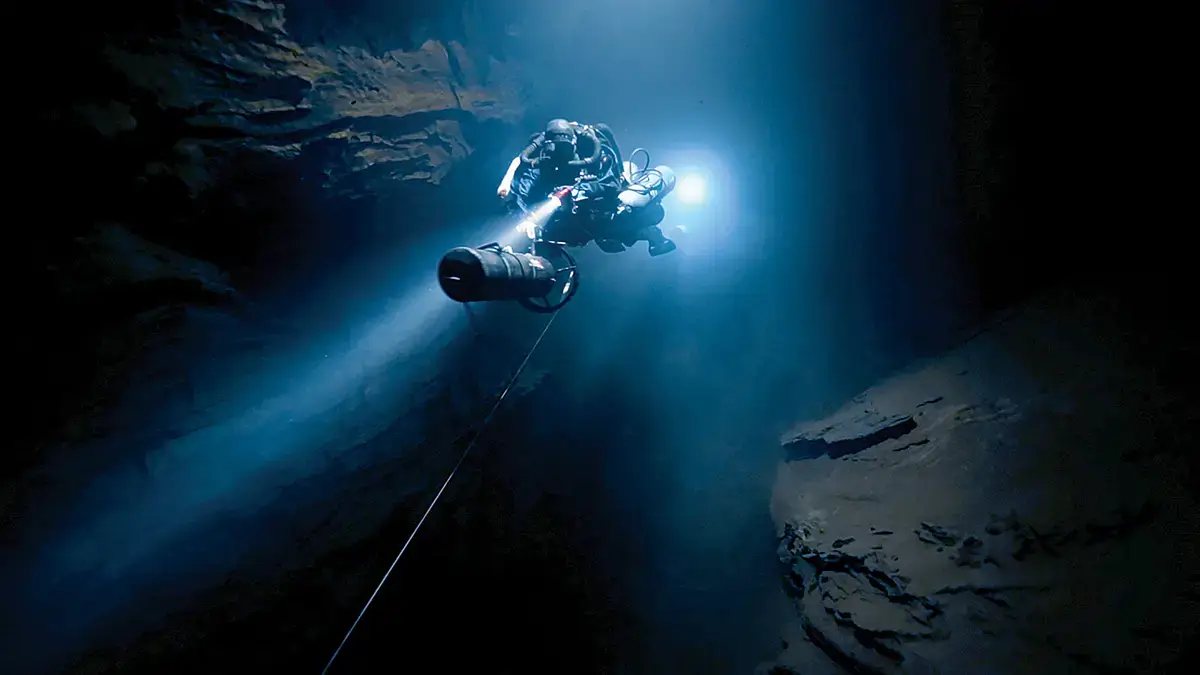
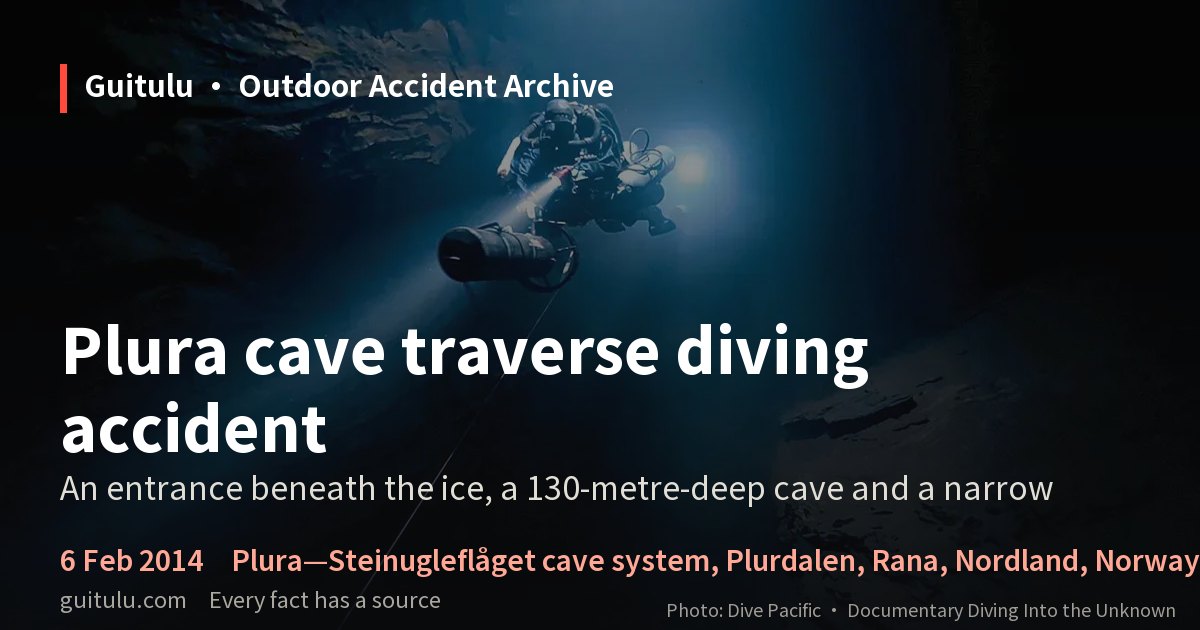
Documentary still: A diver uses an underwater scooter to travel through a deep-water cave

Archive / Diving and caving

Plura cave traverse diving accident

An entrance beneath the ice, a 130-metre-deep cave and a narrow passage: a traverse dive by five Finnish divers went wrong

The bodies were recovered in March 2014 by a volunteer team of Finnish divers; no public reporting of the Norwegian police's formal investigation findings was found

Photo: Dive Pacific · Documentary Diving Into the Unknown

Date
Winter
Place
Plura—Steinugleflåget cave system, Plurdalen, Rana, Nordland, NorwayNorway › Nordland County · Scandinavian Mountains14.731°E 66.281°N
Activity
Cave traverse divingInvolves: Drowning and diving5 Finnish cave divers (in two teams)
Casualties
Dead 2 Injured 32 people died; 3 survivors were taken to hospital for treatment after insufficient decompression
Material
38 facts · 9 sources2 accounts differ and are shown side by side

01What happened

Plura Cave is located in the Rana area of Nordland, Norway, and is described as the largest naturally formed water-filled cave in the Nordic countries. In 2013, Finnish cave divers discovered an underwater connection between it and the dry cave Steinugleflåget. In early 2014, five Finnish divers planned to traverse between the two exits, expecting the dive to take about 5 hours and reach a maximum depth of about 129 metres. They split into two teams, with the second team entering the water about two hours after the first.Facts it rests onF33Multiple sourcesPlura cave is described as the largest water-filled natural cave in the Nordic countries and is a place divers frequently visit.F02Multiple sourcesThe underwater connection between the two entrances at Plura and the dry cave Steinugleflåget was discovered by Finnish cave divers in 2013.F03Multiple sourcesIn early 2014, five Finnish friends planned a traverse dive through the Plura cave. It would be the second traverse between the two exits and the first from the Plura side towards Steinugleflåget.F08Multiple sourcesThe planned dive time was approximately 5 hours, with a planned maximum depth of 129 metres.F09Multiple sourcesThe five divided into two teams. The second team entered the water approximately two hours after the first, to allow any sediment stirred up by the first team to settle.

Documentary still: A diver uses an underwater scooter to travel through a deep-water cavePhoto source: Dive Pacific · Documentary Diving Into the Unknown

On 6 February, the two divers who entered first cut an entry hole in the pond's ice and went into the water after noon. In a narrow passage at a depth of about 110 metres, one of them became stuck, with the tow line of his underwater scooter pinned beneath a rock. His companion returned to help and offered his own backup gas, but was unable to save him. According to reports, the surviving companion could not turn back to notify the team behind and had no choice but to continue towards the Steinugleflåget exit.Facts it rests onF11Multiple sourcesOn 6 February, the two who entered the water first used a chainsaw to cut an entry hole in the ice on Plura pond.F12Single sourceThe two members of the first team entered the water through the hole in the ice after noon.F13Multiple sourcesHuotarinen of the first team became stuck in a narrow section at a depth of approximately 110 metres. The tow line of his underwater scooter was pinned beneath a large rock, and he died.F14Multiple sourcesGrönqvist, his teammate, returned to try to help and gave him his own open-circuit backup gas to breathe, but was unable to save him.F15Multiple sourcesGrönqvist could not turn back to notify the second team and had to continue towards the Steinugleflåget exit.

Documentary still: A diver prepares equipment near the water surface inside the cavePhoto source: Dive Pacific · Documentary Diving Into the Unknown

The second team, which entered the water two hours later, encountered the body of their fellow diver in the cave. One diver removed some of his equipment and managed to squeeze through the narrow section and continue; another experienced an unspecified problem and died after switching to backup gas. Reports did not explain the cause. The third diver turned around alone and swam back to the entrance along the same route. According to Helsingin Sanomat, the survivor from the first team surfaced at Steinugleflåget after 9 p.m. that evening, about half an hour before he could safely complete decompression.Facts it rests onF16Multiple sourcesThe second team, which had entered the water approximately two hours later, encountered their deceased teammate's body in the cave.F17Multiple sourcesRantanen removed some of his equipment, managed to squeeze through the narrow passage beside the body, and continued towards Steinugleflåget.F18Multiple sourcesJari U. of the second team experienced an abnormality, switched to backup gas and subsequently died; the cause was not specified in reports.F19Multiple sourcesKänkänen turned back alone and swam back along the same route to the Plura entrance.F20Single sourceGrönqvist surfaced at Steinugleflåget after 9 p.m. that evening, approximately half an hour before the safe decompression time.

Cross-sectional diagram of the Plura cave system: the Steinugleflåget dry cave entrance and the Plura underwater entrancePhoto source: Dive Pacific · Documentary Diving Into the Unknown

In the early hours of 7 February, the hole cut in the ice that morning had frozen over again, and the last diver broke through the ice to return to the surface. The two people waiting by the pond then alerted the Norwegian authorities. Police reported that two people had died and three had been taken to a nearby hospital. According to X-Ray Mag, all three were hospitalised with decompression sickness.Facts it rests onF25Single sourceKänkänen surfaced at Plura at about 1:30 a.m. on 7 February. The hole cut in the ice that morning had frozen over again.F26Multiple sourcesThe two people waiting by the pond, concerned that no one would be able to get out through the hole in the ice, alerted the Norwegian authorities; Helgeland police confirmed that they received a report of a diving accident in the early hours of 7 February.F27Multiple sourcesPolice reported that two people had died and three had been taken to a nearby hospital; according to X-Ray Mag, all three were hospitalised for decompression sickness.

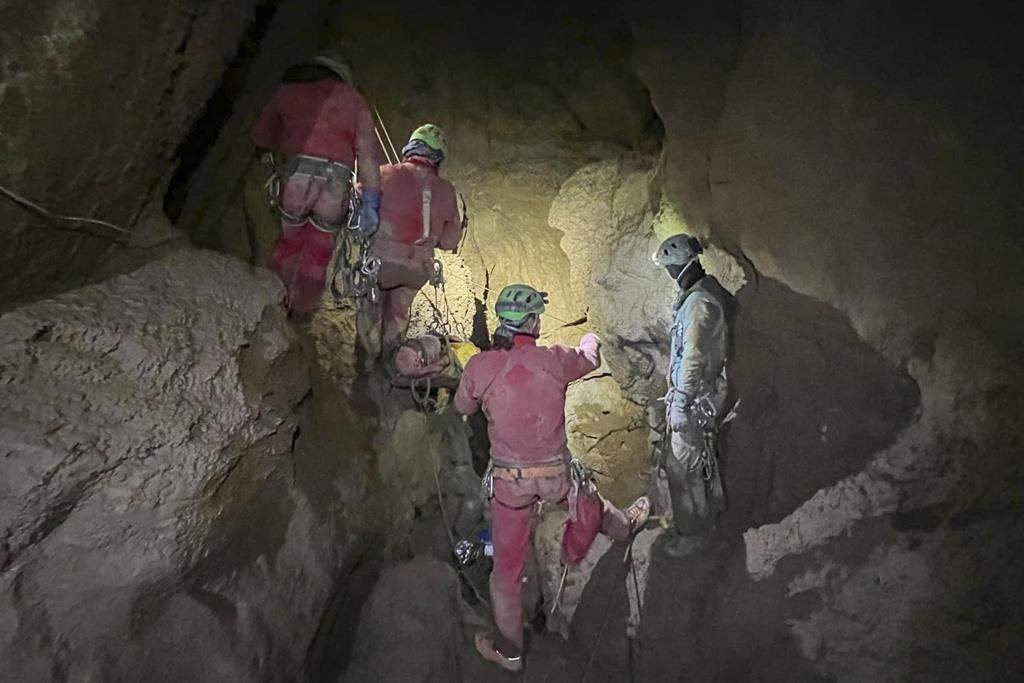
The Norwegian authorities brought in three British divers with cave rescue experience, but they considered the recovery too dangerous. The official operation was cancelled, the bodies were left in the cave, and diving was banned and the area closed. From 22 to 26 March, a civilian team of divers independently organised the recovery, spending 5 days and a total of 101 hours diving. The bodies were brought out of the water at Steinugleflåget on the evening of 26 March, and footage and equipment were handed over to local police.Facts it rests onF05Multiple sourcesThe Norwegian authorities brought in three British divers with cave rescue experience to recover the bodies.F06Multiple sourcesThe British divers considered the recovery too dangerous. The official recovery was cancelled, and it was decided to leave the bodies in the cave, prohibit diving and close the area.F30Multiple sourcesFrom 22 to 26 March, a civilian team of divers independently organised the recovery of the bodies, diving for a total of 101 hours over 5 days.F31Multiple sourcesThe bodies were brought to the surface at Steinugleflåget and placed in bags on the evening of 26 March. The next day, Norwegian rescue personnel were responsible for carrying them out of the dry cave; the recovery team handed all footage and equipment over to local police.

The number at the end of a paragraph is how many facts it rests on; open it to see each fact and how well it is sourced: Multiple sourcesSingle source. Conflicting accounts and speculation are kept out of the narrative.

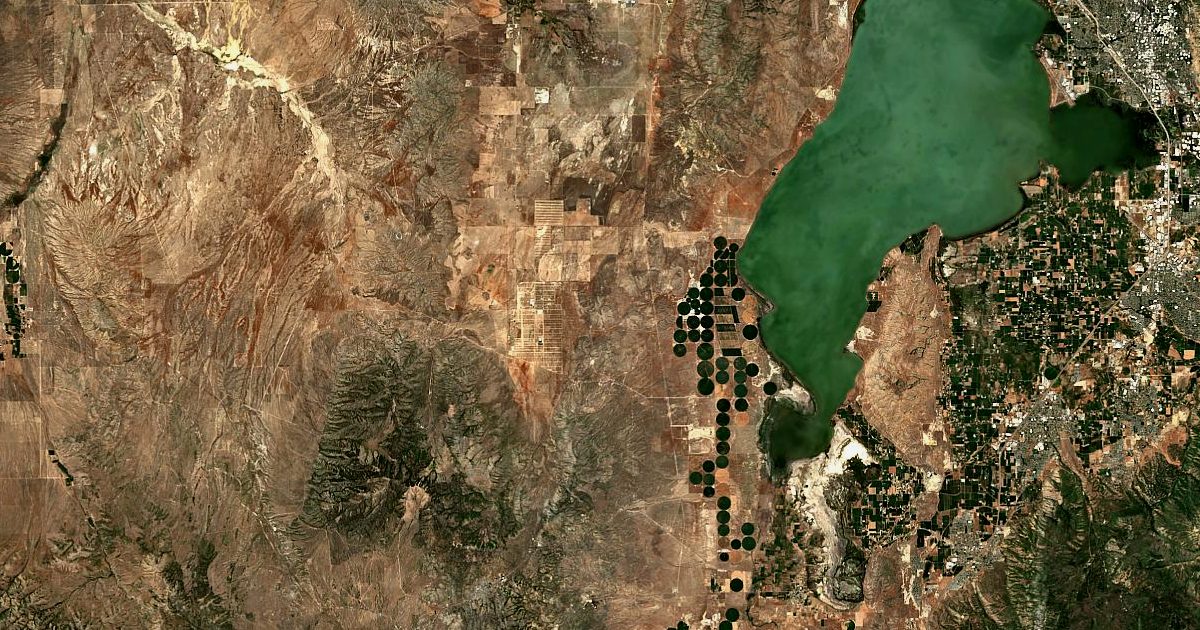
  • Reported locations along the route (schematic)Schematic

Satellite imagery Sentinel-2 cloudless 2024 © EOX · Terrain AWS Terrain Tiles · Orange line is schematic · Place coordinates not individually verified

Route review

6 scenes to understand what happened

Scroll down and the map flies to where each part happened. The line is Schematic, Connects the locations mentioned in reports in sequence, showing only the approximate direction, not the actual track.

01

Full route

The locations mentioned in reports are connected in sequence to show the approximate route (schematic).

02

Arrival and plan

The five arrived at Jordbru farm in the early hours, planning to traverse from Plura to Steinugleflåget.Facts it rests onF03Multiple sourcesIn early 2014, five Finnish friends planned a traverse dive through the Plura cave. It would be the second traverse between the two exits and the first from the Plura side towards Steinugleflåget.F10Single sourceThe five arrived at Jordbru farm in Rana after one in the morning on 6 February to spend the night.F08Multiple sourcesThe planned dive time was approximately 5 hours, with a planned maximum depth of 129 metres.

05

Surfacing and raising the alarm

The survivors surfaced one after another, and the people on the surface alerted the Norwegian authorities.Facts it rests onF20Single sourceGrönqvist surfaced at Steinugleflåget after 9 p.m. that evening, approximately half an hour before the safe decompression time.F26Multiple sourcesThe two people waiting by the pond, concerned that no one would be able to get out through the hole in the ice, alerted the Norwegian authorities; Helgeland police confirmed that they received a report of a diving accident in the early hours of 7 February.

06

Recovery of the bodies

The official recovery was cancelled, and a private team completed the recovery in March.Facts it rests onF06Multiple sourcesThe British divers considered the recovery too dangerous. The official recovery was cancelled, and it was decided to leave the bodies in the cave, prohibit diving and close the area.F30Multiple sourcesFrom 22 to 26 March, a civilian team of divers independently organised the recovery of the bodies, diving for a total of 101 hours over 5 days.F31Multiple sourcesThe bodies were brought to the surface at Steinugleflåget and placed in bags on the evening of 26 March. The next day, Norwegian rescue personnel were responsible for carrying them out of the dry cave; the recovery team handed all footage and equipment over to local police.

02Timeline

  1. The underwater connection between the two entrances at Plura and the dry cave Steinugleflåget was discovered by Finnish cave divers in 2013. F02

  2. In early 2014, five Finnish friends planned a traverse dive through the Plura cave. It would be the second traverse between the two exits and the first from the Plura side towards Steinugleflåget. F03

  3. The British divers considered the recovery too dangerous. The official recovery was cancelled, and it was decided to leave the bodies in the cave, prohibit diving and close the area. F06

  4. The two members of the first team entered the water through the hole in the ice after noon. F12

  5. On 6 February, the two who entered the water first used a chainsaw to cut an entry hole in the ice on Plura pond. F11

  6. Grönqvist surfaced at Steinugleflåget after 9 p.m. that evening, approximately half an hour before the safe decompression time. F20

  7. The second team, which had entered the water approximately two hours later, encountered their deceased teammate's body in the cave. F16

  8. Huotarinen of the first team became stuck in a narrow section at a depth of approximately 110 metres. The tow line of his underwater scooter was pinned beneath a large rock, and he died. F13

  9. Police reported that two people had died and three had been taken to a nearby hospital; according to X-Ray Mag, all three were hospitalised for decompression sickness. F27

  10. The two people waiting by the pond, concerned that no one would be able to get out through the hole in the ice, alerted the Norwegian authorities; Helgeland police confirmed that they received a report of a diving accident in the early hours of 7 February. F26

  11. Känkänen surfaced at Plura at about 1:30 a.m. on 7 February. The hole cut in the ice that morning had frozen over again. F25

  12. From 22 to 26 March, a civilian team of divers independently organised the recovery of the bodies, diving for a total of 101 hours over 5 days. F30

  13. The bodies were brought to the surface at Steinugleflåget and placed in bags on the evening of 26 March. The next day, Norwegian rescue personnel were responsible for carrying them out of the dry cave; the recovery team handed all footage and equipment over to local police. F31

03Lessons

Water, streams and caves

One narrow passage at depth may block everyone

The route passes through several narrow passages at a depth of 130 metres. When a member of the first team became stuck, the second team entering behind them was also blocked at the same place, while the first team could no longer turn back to warn them. For narrow sections on a traverse route, it is necessary to plan in advance what those behind will do if a passage becomes blocked.Facts it rests onF13Multiple sourcesHuotarinen of the first team became stuck in a narrow section at a depth of approximately 110 metres. The tow line of his underwater scooter was pinned beneath a large rock, and he died.F15Multiple sourcesGrönqvist could not turn back to notify the second team and had to continue towards the Steinugleflåget exit.F16Multiple sourcesThe second team, which had entered the water approximately two hours later, encountered their deceased teammate's body in the cave.

Teams and decisions

Teams entering at intervals also need a way to send messages back

The plan divided the five divers into two teams entering about two hours apart to allow sediment to settle. But when the accident happened at depth, the first team had no way to pass the news to the second. Before deciding on team size and intervals, divers need to work out how information will be communicated after an accident.Facts it rests onF09Multiple sourcesThe five divided into two teams. The second team entered the water approximately two hours after the first, to allow any sediment stirred up by the first team to settle.F15Multiple sourcesGrönqvist could not turn back to notify the second team and had to continue towards the Steinugleflåget exit.F16Multiple sourcesThe second team, which had entered the water approximately two hours later, encountered their deceased teammate's body in the cave.

Hypothermia and overnight gear

Under-ice entrances and exits can freeze over again in winter

The hole cut in the ice in the morning had frozen over again by evening. The diver surfacing had to break through the ice before reaching shore, and the people providing surface support raised the alarm only after becoming concerned that no one could get out through the hole. The exit point, measures to keep warm and time to raise the alarm for an under-ice dive need to be agreed in advance.Facts it rests onF25Single sourceKänkänen surfaced at Plura at about 1:30 a.m. on 7 February. The hole cut in the ice that morning had frozen over again.F26Multiple sourcesThe two people waiting by the pond, concerned that no one would be able to get out through the hole in the ice, alerted the Norwegian authorities; Helgeland police confirmed that they received a report of a diving accident in the early hours of 7 February.

Rescue and self-rescue

Subsequent body recovery also has its limits

After assessing the situation, British divers with rescue experience considered the recovery too dangerous, and the official operation was cancelled; a civilian team subsequently took 5 days and 101 hours of diving to complete it. Rescue deep inside a cave requires considerable personnel and time, making prevention far more important than remedial action afterwards.Facts it rests onF06Multiple sourcesThe British divers considered the recovery too dangerous. The official recovery was cancelled, and it was decided to leave the bodies in the cave, prohibit diving and close the area.F30Multiple sourcesFrom 22 to 26 March, a civilian team of divers independently organised the recovery of the bodies, diving for a total of 101 hours over 5 days.

04Fact list 38 facts

Under each fact is a verbatim quote from the original. "Single source" means only one outlet mentioned it; "Accounts differ" means sources contradict each other and this site adopts neither side; "Speculation" is an inference by a reporter or a person involved, not a fact.

  1. F01Multiple sourcesBackground

    A Norwegian diver also died in the same cave system in 2006.

    Quotes from the original 2

    “Local media said a 37-year-old Norwegian diver died in the same caves in 2006 when he tried to set a new deep-diving record.”

    AP · 2014-02-07

    “In 2006, the body of a Norwegian diver was recovered from the cave almost two weeks after he was reported missing”

    Dive Magazine · 2024-04-08
  2. F02Multiple sourcesBackground

    The underwater connection between the two entrances at Plura and the dry cave Steinugleflåget was discovered by Finnish cave divers in 2013.

    Sources differ on the exact month of discovery (Helsingin Sanomat gives September 2013, while the ScubaBoard overview gives October); these include a low-credibility source.

    Quotes from the original 2

    “It was them who had discovered the connection between the two known entrances to the Plura cave.”

    Helsingin Sanomat · 2014-06-01

    “was first found by Finnish cave divers (the "Divers of the dark" team, Sami Paakkarinen et al.) in October 2013”

    ScubaBoard overview · 2014-03-01
  3. F03Multiple sourcesPlan

    In early 2014, five Finnish friends planned a traverse dive through the Plura cave. It would be the second traverse between the two exits and the first from the Plura side towards Steinugleflåget.

    Quotes from the original 2

    “The plan of the five men was to conduct only the second traverse between the two entrances, the first one in this direction.”

    Helsingin Sanomat · 2014-06-01

    “In early 2014, five friends decided that they wanted to dive the Plura Cave through-trip.”

    X-Ray Mag · 2017-04-06
  4. F04Accounts differPlan

    Accounts differ on the traverse distance: Helsingin Sanomat gives approximately 2036 metres from the pond entrance to the other exit, while Dive Pacific gives approximately 1980 metres.

    The distances given in the two reports differ, possibly because of differences in measurement or starting point.

    Quotes from the original 2

    “dive 2,036 metres to the other entrance”

    Helsingin Sanomat · 2014-06-01

    “a 1980m long traverse from a small pond known as Plura”

    Dive Pacific · 2017-09-08
  5. F05Multiple sourcesAftermath

    The Norwegian authorities brought in three British divers with cave rescue experience to recover the bodies.

    Quotes from the original 2

    “They called in three renowned British cave explorers who specialize in rescue and recovery work in caves, to do the job.”

    X-Ray Mag · 2017-04-06

    “They decided to summon three experienced British divers to carry out the recovery operation - it was virtually the only alternative.”

    Helsingin Sanomat · 2014-06-01
  6. F06Multiple sourcesAftermath

    The British divers considered the recovery too dangerous. The official recovery was cancelled, and it was decided to leave the bodies in the cave, prohibit diving and close the area.

    Quotes from the original 2

    “The team deemed the process was too risky, and the Norwegian police called off the recovery.”

    X-Ray Mag · 2017-04-06

    “Officials as a result decided to leave the bodies in the cave, imposing a diving ban and closing the area for visitors.”

    Helsingin Sanomat · 2014-06-01
  7. F07Multiple sourcesAftermath

    At the request of the three survivors, the Finnish Diving Association released their account of what happened.

    Quotes from the original 2

    “Redogörelsen publiceras på dykarnas egen begäran.”

    Svenska Yle · 2014-02-10

    “In a report about the course of events presented to the Finnish Divers' Association, the survivors describe this part of the dive as follows:”

    Helsingin Sanomat · 2014-06-01
  8. F08Multiple sourcesPlan

    The planned dive time was approximately 5 hours, with a planned maximum depth of 129 metres.

    Quotes from the original 2

    “The planned dive time was five hours, with a maximum planned depth of 129m (423ft).”

    X-Ray Mag · 2017-04-06

    “They had estimated that the dive would last five hours.”

    Helsingin Sanomat · 2014-06-01
  9. F09Multiple sourcesPlan

    The five divided into two teams. The second team entered the water approximately two hours after the first, to allow any sediment stirred up by the first team to settle.

    Quotes from the original 2

    “The group had agreed that the second team would depart two hours after the first one in order to ensure that the sediment possibly stirred up by Grönqvist and Huotarinen has had time to settle.”

    Helsingin Sanomat · 2014-06-01

    “They entered the water about two hours after the first team.”

    X-Ray Mag · 2017-04-06
  10. F10Single sourceMovement

    According to Helsingin Sanomat, The five arrived at Jordbru farm in Rana after one in the morning on 6 February to spend the night.

    Quotes from the original 1

    “It was past one in the morning of 6 February when they finally arrived at the Jordbru farm in Rana, a municipality in the Norwegian county of Nordland.”

    Helsingin Sanomat · 2014-06-01
  11. F11Multiple sourcesMovement

    On 6 February, the two who entered the water first used a chainsaw to cut an entry hole in the ice on Plura pond.

    Quotes from the original 2

    “Grönqvist and Huotarinen were left with the task of cutting a hole in the ice with a chainsaw.”

    Helsingin Sanomat · 2014-06-01

    “On 6 February 2014, the first team made a hole in the ice at the Plura”

    X-Ray Mag · 2017-04-06
  12. F12Single sourceMovement

    According to Helsingin Sanomat, The two members of the first team entered the water through the hole in the ice after noon.

    Quotes from the original 1

    “It was past midday on Thursday, 6 February.”

    Helsingin Sanomat · 2014-06-01
  13. F13Multiple sourcesEvent

    Huotarinen of the first team became stuck in a narrow section at a depth of approximately 110 metres. The tow line of his underwater scooter was pinned beneath a large rock, and he died.

    Quotes from the original 2

    “It wasn't until then that I noticed that the line of his scooter was stuck under a big rock.”

    Helsingin Sanomat · 2014-06-01

    “One diver in the first team got stuck in a restriction in the cave at 110m (360ft) and subsequently died.”

    X-Ray Mag · 2017-04-06
  14. F14Multiple sourcesEvent

    Grönqvist, his teammate, returned to try to help and gave him his own open-circuit backup gas to breathe, but was unable to save him.

    Quotes from the original 2

    “I handed him the mouthpiece from my cylinder. Jari took maybe ten breaths and then switched back to the rebreather.”

    Helsingin Sanomat · 2014-06-01

    “Gronqvist went back to help, but could only watch, helpless”

    Dive Pacific · 2017-09-08
  15. F15Multiple sourcesEvent

    Grönqvist could not turn back to notify the second team and had to continue towards the Steinugleflåget exit.

    Quotes from the original 2

    “He could no longer swim back to tell the others what had happened.”

    Helsingin Sanomat · 2014-06-01

    “heading to the only way out, the Steinugleflaget exit”

    Dive Pacific · 2017-09-08
  16. F16Multiple sourcesEvent

    The second team, which had entered the water approximately two hours later, encountered their deceased teammate's body in the cave.

    Quotes from the original 2

    “Then he saw the deceased. He tried not to look.”

    Helsingin Sanomat · 2014-06-01

    “The first part of their dive was also uneventful, until the three divers came across the body of their friend.”

    X-Ray Mag · 2017-04-06
  17. F17Multiple sourcesEvent

    Rantanen removed some of his equipment, managed to squeeze through the narrow passage beside the body, and continued towards Steinugleflåget.

    Quotes from the original 2

    “He began to take off his gear to fit through the narrow opening.”

    Helsingin Sanomat · 2014-06-01

    “Instead he decided to push on, struggling to squeeze between Jari Huotarinen”

    Dive Pacific · 2017-09-08
  18. F18Multiple sourcesEvent

    Jari U. of the second team experienced an abnormality, switched to backup gas and subsequently died; the cause was not specified in reports.

    According to Helsingin Sanomat, Jari U.'s full name was withheld at his family's request.

    Quotes from the original 2

    “Jari U. was swinging peculiarly and switched from the closed-circuit system to his bailout system.”

    Helsingin Sanomat · 2014-06-01

    “A second diver then died.”

    X-Ray Mag · 2017-04-06
  19. F19Multiple sourcesEvent

    Känkänen turned back alone and swam back along the same route to the Plura entrance.

    Quotes from the original 2

    “Känkänen turned back alone.”

    Helsingin Sanomat · 2014-06-01

    “Kankanen opted to retrace the swim back to Plura”

    Dive Pacific · 2017-09-08
  20. F20Single sourceEvent

    According to Helsingin Sanomat, Grönqvist surfaced at Steinugleflåget after 9 p.m. that evening, approximately half an hour before the safe decompression time.

    Quotes from the original 1

    “Patrik Grönqvist rose to the surface a little past nine o'clock in the evening, half an hour before it was safe.”

    Helsingin Sanomat · 2014-06-01
  21. F21Single sourceEvent

    According to Dive Pacific, According to Dive Pacific, Rantanen ended his decompression approximately 80 minutes earlier than required.

    Quotes from the original 1

    “He aborted his decompression 80 minutes early”

    Dive Pacific · 2017-09-08
  22. F22Accounts differEvent

    Accounts differ on the duration of Känkänen's dive: Helsingin Sanomat gives 11.5 hours, while Dive Pacific gives approximately 10 hours.

    The figures in the two reports differ.

    Quotes from the original 2

    “His dive had lasted 11.5 hours.”

    Helsingin Sanomat · 2014-06-01

    “completing a remarkable 10 hour dive”

    Dive Pacific · 2017-09-08
  23. F23Multiple sourcesFound at scene

    The deceased were located at a depth of about 110 metres.

    Quotes from the original 2

    “They were 111 metres below the surface.”

    Helsingin Sanomat · 2014-06-01

    “got stuck in a restriction in the cave at 110m (360ft)”

    X-Ray Mag · 2017-04-06
  24. F24Single sourcePost-incident analysis

    According to Helsingin Sanomat, Compared with the first traverse in September of the previous year, more spare gas cylinders were carried this time, which Känkänen thought would slow them down.

    Quotes from the original 1

    “Känkänen recognised that the fact that they were carrying more bailout cylinders than during the maiden traverse in September would slow them down.”

    Helsingin Sanomat · 2014-06-01
  25. F25Single sourceEvent

    According to Helsingin Sanomat, Känkänen surfaced at Plura at about 1:30 a.m. on 7 February. The hole cut in the ice that morning had frozen over again.

    Quotes from the original 2

    “The hole they had cut in the morning had frozen shut.”

    Helsingin Sanomat · 2014-06-01

    “It was half past one in the morning and dark.”

    Helsingin Sanomat · 2014-06-01
  26. F26Multiple sourcesEvent

    The two people waiting by the pond, concerned that no one would be able to get out through the hole in the ice, alerted the Norwegian authorities; Helgeland police confirmed that they received a report of a diving accident in the early hours of 7 February.

    Quotes from the original 2

    “Finally, they raised the alarm with the Norwegian authorities, afraid that no one would climb out of the hole.”

    Helsingin Sanomat · 2014-06-01

    “Police in Norway's Helgeland district confirmed they were alerted early Friday to a diving accident near Mo i Rana, some 1,000 kilometers (620 miles) north of Oslo.”

    AP · 2014-02-07
  27. F27Multiple sourcesAftermath

    Police reported that two people had died and three had been taken to a nearby hospital; according to X-Ray Mag, all three were hospitalised for decompression sickness.

    Quotes from the original 2

    “A police statement said two people were killed and three others flown to a nearby hospital.”

    AP · 2014-02-07

    “The three surviving divers made it out of the system safely, but all were hospitalized with decompression sickness.”

    X-Ray Mag · 2017-04-06
  28. F28Multiple sourcesAftermath

    The recovery operation was kept secret from the Norwegian authorities beforehand, and the participants reportedly arrived in the area quietly.

    Quotes from the original 2

    “The major recovery operation had been kept secret from the authorities.”

    Helsingin Sanomat · 2014-06-01

    “arrived covertly in trucks, cars, sleds and even snow machines”

    Dive Pacific · 2017-09-08
  29. F29Single sourceAftermath

    According to Helsingin Sanomat, Helsingin Sanomat reported that, although the bodies were recovered contrary to the official arrangements, the divers' actions were not criticised.

    Quotes from the original 1

    “Although the bodies were retrieved against official orders, the actions of the divers did not come under criticism.”

    Helsingin Sanomat · 2014-06-01
  30. F30Multiple sourcesAftermath

    From 22 to 26 March, a civilian team of divers independently organised the recovery of the bodies, diving for a total of 101 hours over 5 days.

    Quotes from the original 3

    “Kaikkiaan operaatioon kului viisi päivää ja 101 tuntia sukellusta.”

    MTV Uutiset · 2014-03-27

    “Project was done in 5 days, total of 101h of diving were need to complete the project.”

    ScubaBoard recovery report · 2014-03-27

    “the recovery operation took 101 hours of diving time”

    X-Ray Mag · 2017-04-06
  31. F31Multiple sourcesAftermath

    The bodies were brought to the surface at Steinugleflåget and placed in bags on the evening of 26 March. The next day, Norwegian rescue personnel were responsible for carrying them out of the dry cave; the recovery team handed all footage and equipment over to local police.

    Quotes from the original 4

    “In the evening the whole project group went down to Steinugleflåget and took out the bodies from water and put them to body bags.”

    ScubaBoard recovery report · 2014-03-27

    “The task of Norwegian rescue workers would be to transport the bodies out of the difficult-to-reach dry cave.”

    Helsingin Sanomat · 2014-06-01

    “all filmed material and retrieved gear is handed over to the local police.”

    ScubaBoard recovery report · 2014-03-27

    “Ryhmä kertoo luovuttaneensa kuvausmateriaalin Norjan poliisille.”

    MTV Uutiset · 2014-03-27
  32. F32Multiple sourcesAftermath

    The accident and subsequent recovery were made into the documentary Diving Into the Unknown, released in 2017.

    Quotes from the original 2

    “Released in 2017, Diving into the Unknown is a movie by Juan Reina”

    Dive Pacific · 2017-09-08

    “The 85-minute documentary is now available on iTunes”

    X-Ray Mag · 2017-04-06
  33. F33Multiple sourcesBackground

    Plura cave is described as the largest water-filled natural cave in the Nordic countries and is a place divers frequently visit.

    Quotes from the original 2

    “Today, Plura is the largest water-filled natural cave in Northern Europe.”

    Helsingin Sanomat · 2014-06-01

    “The cave system, fed by the Plura River, is considered Norway's largest water-filled cave and is popular among divers.”

    AP · 2014-02-07
  34. F34Single sourceBackground

    According to Helsingin Sanomat, The water temperature in the cave is about 2 degrees Celsius. There are sharp fragments of limestone on the cave floor, and a tear in a diving suit could have serious consequences.

    Quotes from the original 1

    “Divers must beware of the schists of limestone lying on the floor as in the two-degree water a tear in the dry suit would be fatal.”

    Helsingin Sanomat · 2014-06-01
  35. F35Single sourceBackground

    According to Helsingin Sanomat, Beyond the air chamber inside the cave, the cave drops steeply to 60 metres, then 100 metres, with a maximum depth of about 130 metres.

    Quotes from the original 1

    “After the air chamber, the cave begins to descend steeply, first reaching a depth of 60 metres, then 100 metres and finally 130 metres.”

    Helsingin Sanomat · 2014-06-01
  36. F36Single sourceBackground

    According to Helsingin Sanomat, All five were experienced technical divers with closed-circuit rebreather full cave diving qualifications.

    Quotes from the original 1

    “The Finnish divers in Norway were all experienced technical divers and certified CCR Full Cave Divers.”

    Helsingin Sanomat · 2014-06-01
  37. F37Single sourceParticipant's view

    According to Dive Pacific, The author in Dive Pacific commented that such traverses should normally be preceded by multiple exploratory dives from both sides to become familiar with the environment, establish abort conditions and pre-position emergency gas; the article concluded that the preparations for this plan were inadequate.

    This is the film review author's opinion, not an investigation finding.

    Quotes from the original 2

    “Standard planning procedure for a cave traverse like this entails first completing a series of dives, from one side then the other, to reconnoitre and establish familiarity, set abort limits and place emergency gas supplies.”

    Dive Pacific · 2017-09-08

    “ill-planned effort”

    Dive Pacific · 2017-09-08
  38. F38Single sourceParticipant's view

    According to Dive Pacific, In the documentary, survivor Grönqvist said that the outcome would have been different if they had conducted a rehearsal beforehand, and said that it was their own responsibility.

    Quotes from the original 1

    “If we had done a practice run then things would have been different. It was totally our own fault”

    Dive Pacific · 2017-09-08