GuituluGlobal Outdoor Accident Archive 中文
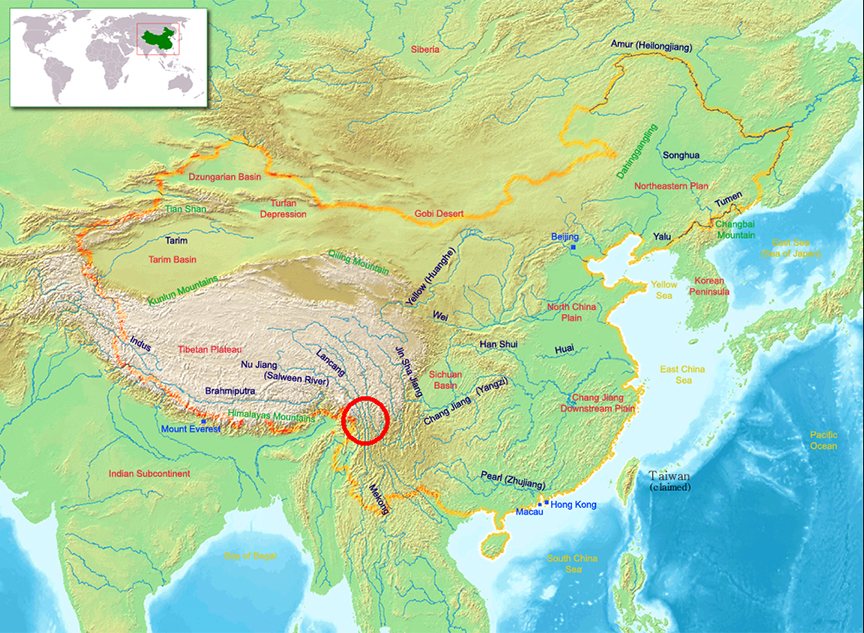
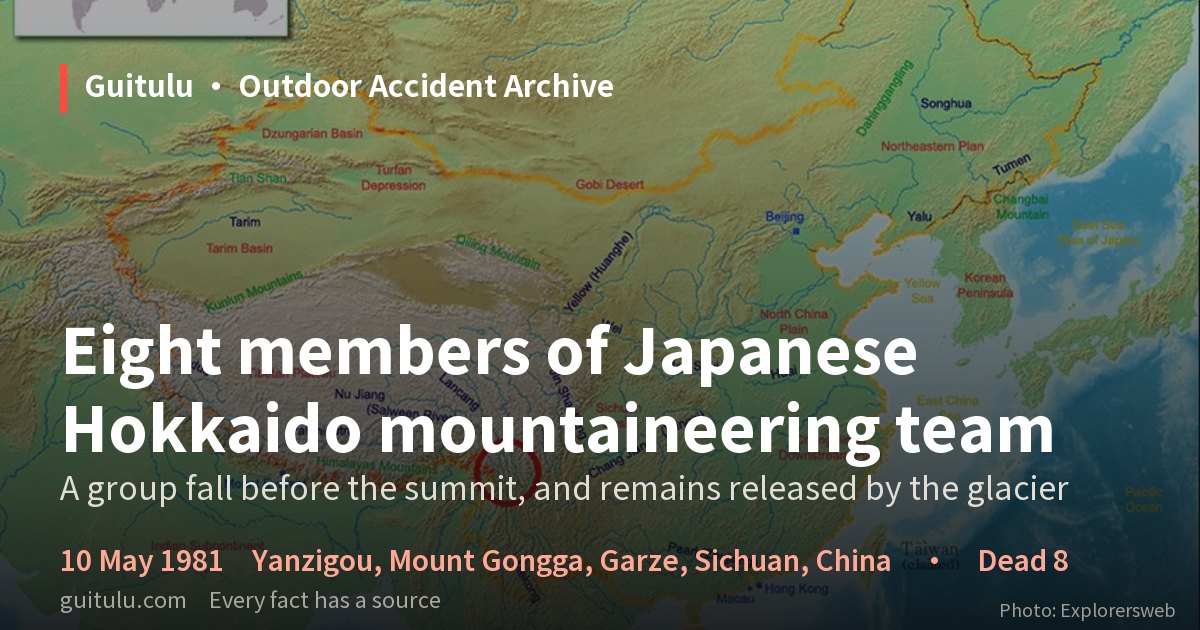
Map showing the location of Mount Gongga in southwest China (red circle)

Archive / Mountaineering

Eight members of Japanese Hokkaido mountaineering team killed on Mount Gongga in 1981

A group fall before the summit, and remains released by the glacier twenty-six years later

The first confirmed remains were found in 2007; there are no public reports of the other victims' remains being found

Photo: Explorersweb

Date
Spring
Place
Yanzigou, Mount Gongga, Garze, Sichuan, ChinaChina › Sichuan · Daxue Mountains101.879°E 29.596°N
Activity
MountaineeringInvolves: Falls and slipsJapanese Hokkaido Mountaineering Federation Mount Gongga expedition, 12 summit team members
Casualties
Dead 8 Eight of the 12 summit team members died; the remains of one victim were found on Yanzigou Glacier in 2007. Reports do not confirm the whereabouts of the other victims
Material
25 facts · 7 sources3 accounts differ and are shown side by side

01What happened

From 1957 to 1980, China prohibited foreigners from climbing peaks in the west; foreign teams returned to Mount Gongga only after the restriction was lifted. According to reports, an American team was caught in an avalanche on the northwest ridge in 1980 and swept down about 400 metres; one person died.Facts it rests onF01Single sourceFrom 1957 to 1980, Chinese authorities prohibited foreigners from climbing peaks in western China; foreign teams returned to Mount Gongga only after the restrictions were lifted.F02Single sourceIn 1980, an American team was caught in an avalanche on the northwest ridge and swept down about 400 meters. Photographer Jonathan Wright died in the fall, and three others survived.

Map showing the location of Mount Gongga in southwest China (red circle)Photo source: Explorersweb

In May 1981, a 12-person mountaineering team from Hokkaido, Japan, climbed Mount Gongga, attempting to reach the summit by the previously unclimbed northeast ridge.Facts it rests onF03Multiple sourcesIn May 1981, a 12-member mountaineering team from Hokkaido, Japan, climbed Mount Gongga.F04Multiple sourcesThe team attempted to reach the summit via the northeast ridge; no one had previously completed this route.

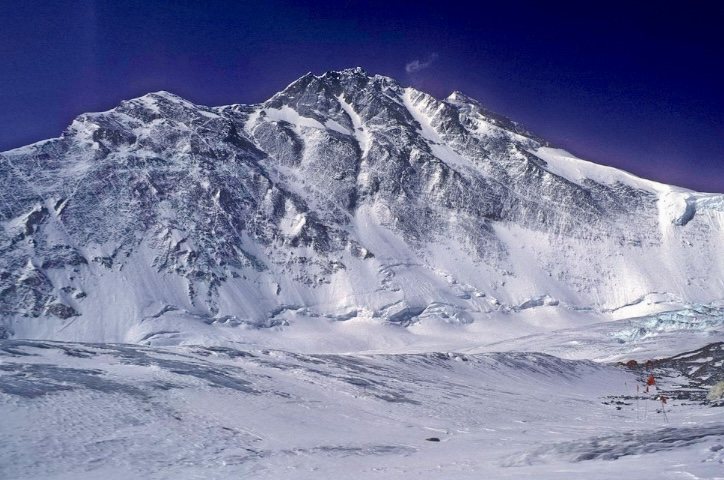
Distant panoramic view of Mount Gongga and the peaks of the Daxue MountainsPhoto source: Explorersweb

Eight of the 12 team members died. Most reports describe a fall, while some describe an avalanche. According to survivor Abe Mikio's own account, he was at the back of the rope team when the seven people ahead of him fell together and disappeared into dense fog as he was adjusting a carabiner. According to a blogger who had read a related book, the incident occurred on 10 May. The incident shocked the international mountaineering community at the time.Facts it rests onF05Multiple sourcesEight of the 12 team members were killed. Most reports say they fell after slipping, while some articles describe an avalanche; the incident shook the international mountaineering community at the time.F08Multiple sourcesAccording to Mikio Abe's own account, he was last on the rope team and, while he was adjusting a carabiner, the seven people ahead of him slipped together and disappeared into thick fog; he survived as a result.F09Single sourceAccording to a blogger recounting a survivor's book, on 10 May 1981, the 12 members of the team's first summit team approached the summit, and eight of them slipped and fell, causing heavy casualties.

Distant view of the plateau terrain around the main peak of Mount GonggaPhoto source: Explorersweb

After the accident, another Japanese team attempted the northeast ridge again in spring 1982. Beginning in 1994, at the request of the Hokkaido side, the Sichuan Mountaineering Association and the Japanese side searched near the Yanzigou Glacier every two years for the remains and belongings of the team members, but for a long time found only a few small, hard-to-identify fragments and belongings.Facts it rests onF10Multiple sourcesIn spring 1982, another Japanese team again attempted Mount Gongga's northeast ridge, despite the accident involving their compatriots the previous year.F11Multiple sourcesBeginning in 1994, at the request of the Hokkaido side, the Sichuan Mountaineering Association and the Japanese side searched every two years for the remains and belongings of the deceased team members near the glacier at altitudes of 4000 to 4200 meters.F13Multiple sourcesPrevious searches had found only some very small fragments and personal effects, which were difficult to identify; the most recent search was in 2002, led by Mikio Abe.

Valley and campsite below Mount GonggaPhoto source: Explorersweb

On 4 June 2007, several villagers gathering medicinal herbs near a glacier at about 4040 metres in Yanzigou found belongings and remains and reported them to the local government. On 9 June, mountaineering association personnel arrived at the scene and found incomplete remains and equipment including gloves and clothing. Based on their age, they determined that the remains belonged to a victim of the 1981 accident. In accordance with mountaineering practice, the remains and belongings were photographed, their location recorded, and they were buried at the site. The person in charge of the Japanese search was subsequently notified.Facts it rests onF17Multiple sourcesOn 4 June 2007, several villagers gathering medicinal herbs near a glacier at an altitude of about 4040 meters in Yanzigou found personal effects and remains and reported them to the local government.F19Multiple sourcesOn 9 June, Gao Min, deputy secretary-general of the mountaineering association, and his party reached the vicinity of the glacier at an altitude of 4040 meters on foot and found incomplete remains, as well as a glove, clothing and broken mountaineering equipment.F20Multiple sourcesGao Min said that, based on the condition of the remains and the age of the clothing and mountaineering equipment, including a marked glove and strap, they confirmed that the remains belonged to a person killed in the 1981 mountain accident, not the 1994 accident.F15Multiple sourcesIn accordance with mountaineering practice, the search team photographed and recorded the location of the remains and personal effects, then buried them on site.F16Multiple sourcesThe Sichuan Mountaineering Association subsequently informed Mikio Abe, who was responsible for the Japanese search effort, by email and discussed the subsequent handling of the remains with the Japanese side.

The number at the end of a paragraph is how many facts it rests on; open it to see each fact and how well it is sourced: Multiple sourcesSingle source. Conflicting accounts and speculation are kept out of the narrative.

ImgScene photos all from news coverage; copyright belongs to the original authors

  • Reported places along the route (illustrative)Schematic

Satellite imagery Sentinel-2 cloudless 2024 © EOX · Terrain AWS Terrain Tiles · Orange line is schematic · Place coordinates not individually verified

Route review

5 scenes to understand what happened

Scroll down and the map flies to where each part happened. The line is Schematic, The places mentioned in reports are connected in sequence, showing only the approximate direction, not the actual route. Sources for the place coordinates are in places.json.

01

Full route

Locations mentioned in the reports are connected in order to show the approximate course (schematic).

03

Group fall

Eight of the 12 team members died; according to a survivor's own account, the seven people ahead fell together in dense fog.Facts it rests onF05Multiple sourcesEight of the 12 team members were killed. Most reports say they fell after slipping, while some articles describe an avalanche; the incident shook the international mountaineering community at the time.F08Multiple sourcesAccording to Mikio Abe's own account, he was last on the rope team and, while he was adjusting a carabiner, the seven people ahead of him slipped together and disappeared into thick fog; he survived as a result.

04

Years of searching

Beginning in 1994, the Sichuan and Japanese sides searched every two years for remains and belongings near the glacier at an altitude of 4000 to 4200 metres.Facts it rests onF11Multiple sourcesBeginning in 1994, at the request of the Hokkaido side, the Sichuan Mountaineering Association and the Japanese side searched every two years for the remains and belongings of the deceased team members near the glacier at altitudes of 4000 to 4200 meters.F13Multiple sourcesPrevious searches had found only some very small fragments and personal effects, which were difficult to identify; the most recent search was in 2002, led by Mikio Abe.

05

Glacier releases remains

In 2007, villagers found remains at about 4040 metres in Yanzigou; the mountaineering association confirmed they belonged to a victim of the 1981 accident.Facts it rests onF17Multiple sourcesOn 4 June 2007, several villagers gathering medicinal herbs near a glacier at an altitude of about 4040 meters in Yanzigou found personal effects and remains and reported them to the local government.F19Multiple sourcesOn 9 June, Gao Min, deputy secretary-general of the mountaineering association, and his party reached the vicinity of the glacier at an altitude of 4040 meters on foot and found incomplete remains, as well as a glove, clothing and broken mountaineering equipment.F20Multiple sourcesGao Min said that, based on the condition of the remains and the age of the clothing and mountaineering equipment, including a marked glove and strap, they confirmed that the remains belonged to a person killed in the 1981 mountain accident, not the 1994 accident.

02Timeline

  1. In 1980, an American team was caught in an avalanche on the northwest ridge and swept down about 400 meters. Photographer Jonathan Wright died in the fall, and three others survived. F02

  2. The team attempted to reach the summit via the northeast ridge; no one had previously completed this route. F04

  3. Eight of the 12 team members were killed. Most reports say they fell after slipping, while some articles describe an avalanche; the incident shook the international mountaineering community at the time. F05

  4. In May 1981, a 12-member mountaineering team from Hokkaido, Japan, climbed Mount Gongga. F03

  5. In spring 1982, another Japanese team again attempted Mount Gongga's northeast ridge, despite the accident involving their compatriots the previous year. F10

  6. Beginning in 1994, at the request of the Hokkaido side, the Sichuan Mountaineering Association and the Japanese side searched every two years for the remains and belongings of the deceased team members near the glacier at altitudes of 4000 to 4200 meters. F11

  7. Previous searches had found only some very small fragments and personal effects, which were difficult to identify; the most recent search was in 2002, led by Mikio Abe. F13

  8. In accordance with mountaineering practice, the search team photographed and recorded the location of the remains and personal effects, then buried them on site. F15

  9. The Sichuan Mountaineering Association subsequently informed Mikio Abe, who was responsible for the Japanese search effort, by email and discussed the subsequent handling of the remains with the Japanese side. F16

  10. On 4 June 2007, several villagers gathering medicinal herbs near a glacier at an altitude of about 4040 meters in Yanzigou found personal effects and remains and reported them to the local government. F17

  11. On 9 June, Gao Min, deputy secretary-general of the mountaineering association, and his party reached the vicinity of the glacier at an altitude of 4040 meters on foot and found incomplete remains, as well as a glove, clothing and broken mountaineering equipment. F19

  12. Gao Min said that, based on the condition of the remains and the age of the clothing and mountaineering equipment, including a marked glove and strap, they confirmed that the remains belonged to a person killed in the 1981 mountain accident, not the 1994 accident. F20

03Lessons

Teams and decisions

Rope-team risks on a first-ascent route

According to reports, the northeast ridge had not previously been completed, and eight team members on the same rope team fell together. The more unfamiliar the route, the greater the need to plan in advance how to prevent the whole team from being affected if one person loses their footing.Facts it rests onF04Multiple sourcesThe team attempted to reach the summit via the northeast ridge; no one had previously completed this route.F05Multiple sourcesEight of the 12 team members were killed. Most reports say they fell after slipping, while some articles describe an avalanche; the incident shook the international mountaineering community at the time.F08Multiple sourcesAccording to Mikio Abe's own account, he was last on the rope team and, while he was adjusting a carabiner, the seven people ahead of him slipped together and disappeared into thick fog; he survived as a result.

Avalanche and high altitude

High-altitude avalanches and falls are hard to predict

Mount Gongga is known for changeable weather, avalanches and steep ice walls. According to reports, more than thirty climbers have died there over the years. The American team in 1980 also encountered an avalanche on another ridge.Facts it rests onF22Multiple sourcesThe mountain is known for its changeable weather, avalanches and steep ice walls; reportedly, more than 30 mountaineers have died there over the years.F02Single sourceIn 1980, an American team was caught in an avalanche on the northwest ridge and swept down about 400 meters. Photographer Jonathan Wright died in the fall, and three others survived.

Rescue and self-rescue

Glaciers can return remains many years later

The remains appeared as the glacier changed more than twenty years after the incident and were discovered and reported by villagers gathering medicinal herbs. Mountaineering practice is not to handle them without authorization, but to record the location, place them at the site and notify relatives and friends.Facts it rests onF17Multiple sourcesOn 4 June 2007, several villagers gathering medicinal herbs near a glacier at an altitude of about 4040 meters in Yanzigou found personal effects and remains and reported them to the local government.F25Multiple sourcesAn unwritten rule in the mountaineering community is that people who find the remains of someone who died in earlier years do not handle them without authorisation, but move them into ice where they are unlikely to be displaced and bury them, then notify relatives and friends.F15Multiple sourcesIn accordance with mountaineering practice, the search team photographed and recorded the location of the remains and personal effects, then buried them on site.

04Fact list 25 facts

Under each fact is a verbatim quote from the original. "Single source" means only one outlet mentioned it; "Accounts differ" means sources contradict each other and this site adopts neither side; "Speculation" is an inference by a reporter or a person involved, not a fact.

  1. F01Single sourceBackground

    According to Explorersweb, From 1957 to 1980, Chinese authorities prohibited foreigners from climbing peaks in western China; foreign teams returned to Mount Gongga only after the restrictions were lifted.

    Quotes from the original 1

    “From 1957 to 1980 the Chinese authorities prohibited foreigners from climbing the peaks of western China.”

    Explorersweb · 2022-03-06
  2. F02Single sourceBackground

    According to Explorersweb, In 1980, an American team was caught in an avalanche on the northwest ridge and swept down about 400 meters. Photographer Jonathan Wright died in the fall, and three others survived.

    Background event, not directly related to the 1981 Japanese team

    Quotes from the original 1

    “Their cameraman, Jonathan Wright, died in the fall.”

    Explorersweb · 2022-03-06
  3. F03Multiple sourcesPlan

    In May 1981, a 12-member mountaineering team from Hokkaido, Japan, climbed Mount Gongga.

    Rakusan Rakusui Nikki says these 12 people were the team's first summit team.

    Quotes from the original 2

    “In May 1981, a 12-member Japanese mountaineering team from Hokkaido”

    China Daily · 2007-06-12

    “一支来自日本北海道的登山队在四川甘孜州攀登横断山脉主峰贡嘎山时”

    When a mountaineering team from Hokkaido, Japan, was climbing Mount Gongga, the main peak of the Hengduan Mountains, in Garze Prefecture, Sichuan (machine translation)

    China Outdoor Network · 2007-06-12
  4. F04Multiple sourcesPlan

    The team attempted to reach the summit via the northeast ridge; no one had previously completed this route.

    Quotes from the original 2

    “In 1981, a Japanese team attempted the northeast ridge.”

    Explorersweb · 2022-03-06

    “hoping to complete the new route on the northeast ridge, so disastrously attempted by other Japanese in 1981”

    American Alpine Journal · 1983-01-01
  5. F05Multiple sourcesEvent

    Eight of the 12 team members were killed. Most reports say they fell after slipping, while some articles describe an avalanche; the incident shook the international mountaineering community at the time.

    Reports differ on the cause; see the explanation of conflicting accounts of the altitude and cause below.

    Quotes from the original 3

    “8名队员遇难,尸骨一直未曾找到,该事件震惊当时的国际登山界”

    Eight team members were killed, and their remains have never been found; the incident shocked the international mountaineering community at the time (machine translation)

    Yangcheng Evening News · 2007-06-13

    “8名队员因滑坠不幸遇难,震惊国际登山界”

    Eight team members tragically fell to their deaths after slipping, shocking the international mountaineering community (machine translation)

    China Outdoor Network · 2007-06-12

    “eight of them lost their lives in the snowslide”

    China Daily · 2007-06-12
  6. F06Accounts differEvent

    Reports differ on the altitude and cause: a Xinhua report says an avalanche occurred at about 7400 meters, another report says the team slipped and fell while descending at 7450 meters, another says they fell at 7000 meters, and mountaineering media say they were less than 100 meters from the summit.

    Accounts differ on the altitude, the cause (avalanche or slip and fall), and whether the team was ascending or descending; these cannot be treated as established facts

    Quotes from the original 4

    “when they made the height of 7,400 meters”

    China Daily · 2007-06-12

    “在7450米下撤时,发生滑坠”

    While descending at 7450 meters, a slip and fall occurred (machine translation)

    Yangcheng Evening News · 2007-06-13

    “8人在登至海拔7000米时下坠遇难”

    Eight people fell to their deaths after climbing to an altitude of 7000 meters (machine translation)

    Archived Sina News report ·

    “The eight climbers were less than 100m from the top”

    Explorersweb · 2022-03-06
  7. F07Single sourceEvent

    According to Explorersweb, According to an account in mountaineering media, team leader Yugi Fujiwara fell first, while the other team members were attempting to retreat.

    Single source; the person's name is given in English spelling

    Quotes from the original 1

    “when leader Yugi Fujiwara fell. The other seven tried to retreat.”

    Explorersweb · 2022-03-06
  8. F08Multiple sourcesEvent

    According to Mikio Abe's own account, he was last on the rope team and, while he was adjusting a carabiner, the seven people ahead of him slipped together and disappeared into thick fog; he survived as a result.

    Abe's account is quoted by Explorersweb; Rakusan Rakusui Nikki confirms that he was a survivor but does not describe the details of the fall.

    Quotes from the original 3

    “I was the last in the line.”

    Explorersweb · 2022-03-06

    “I could see them all falling together and disappearing into thick mist”

    Explorersweb · 2022-03-06

    “アタック隊生き残りの著者によるその顛末記。”

    An account of the events by the author, a survivor of the summit team. (machine translation)

    Rakusan Rakusui Diary · 2022-01-08
  9. F09Single sourceEvent

    According to Rakusan Rakusui Diary, According to a blogger recounting a survivor's book, on 10 May 1981, the 12 members of the team's first summit team approached the summit, and eight of them slipped and fell, causing heavy casualties.

    The date comes from this source alone, a blog's reading notes

    Quotes from the original 1

    “1981年5月10日、北海道山岳連盟ミニャ・コンガ登山隊の第一次アタック隊12名が山頂直下まで迫るも、うち8名が滑落して大量遭難を引き起こす。”

    On 10 May 1981, the 12 members of the first summit team of the Hokkaido Mountaineering Federation Minya Konka expedition reached just below the summit, but eight of them slipped and fell, causing a mass casualty accident. (machine translation)

    Rakusan Rakusui Diary · 2022-01-08
  10. F10Multiple sourcesAftermath

    In spring 1982, another Japanese team again attempted Mount Gongga's northeast ridge, despite the accident involving their compatriots the previous year.

    The accident involving the 1982 team was a separate event and is not covered in detail on this page

    Quotes from the original 2

    “The Japanese team wanted to climb the northeast ridge again, despite the tragic accident that struck their compatriots in 1981.”

    Explorersweb · 2022-03-06

    “hoping to complete the new route on the northeast ridge”

    American Alpine Journal · 1983-01-01
  11. F11Multiple sourcesAftermath

    Beginning in 1994, at the request of the Hokkaido side, the Sichuan Mountaineering Association and the Japanese side searched every two years for the remains and belongings of the deceased team members near the glacier at altitudes of 4000 to 4200 meters.

    Quotes from the original 2

    “省登协开始组织搜索1981年遇难队员”

    The provincial mountaineering association began organizing searches for the team members who died in 1981 (machine translation)

    China Outdoor Network · 2007-06-12

    “Since 1994, both Japan and the Sichuan association have been conducting intensive searches every two years”

    China Daily · 2007-06-12
  12. F12Accounts differAftermath

    According to a blogger's account of Abe's work, the body of one person killed in the accident was recovered at the end of the glacier in 1996, cremated on site and buried at Yaowang Temple, where a memorial was erected; China Outdoor Network reported, however, that the torso found in 2007 was the first remains of a person killed in 1981 to be found.

    Both accounts exist; the difference may reflect different ways of counting the “first torso found” and the “body recovered in 1996”, but the original texts do not explain this.

    Quotes from the original 2

    “氷河末端で1名の遺体を収容、現地で荼毘に付し薬王廟に埋葬し慰霊碑を建立したのが1996年”

    It was in 1996 that the body of one person was recovered at the end of the glacier, cremated on site and buried at Yaowang Temple, and a memorial was erected. (machine translation)

    Rakusan Rakusui Diary · 2022-01-08

    “是1981年贡嘎山遇难者遗体首次被找到”

    It was the first time that the remains of a person killed on Mount Gongga in 1981 had been found. (machine translation)

    China Outdoor Network · 2007-06-12
  13. F13Multiple sourcesAftermath

    Previous searches had found only some very small fragments and personal effects, which were difficult to identify; the most recent search was in 2002, led by Mikio Abe.

    Quotes from the original 2

    “All their efforts turned out only bits of remains and belongings, which were too small to be identified”

    China Daily · 2007-06-12

    “但体积都较小,几乎无法辨认”

    But they were all small and almost impossible to identify. (machine translation)

    China Outdoor Network · 2007-06-12
  14. F14Single sourcePost-incident analysis

    According to China Daily, Gao Min believed that the remains appeared 26 years after the accident mainly because of climate warming and glacial melt, and because villagers promptly reported anything unusual they found.

    An explanation from a person involved, single source

    Quotes from the original 1

    “mainly due to the warming of the climate, the thawing of glaciers”

    China Daily · 2007-06-12
  15. F15Multiple sourcesAftermath

    In accordance with mountaineering practice, the search team photographed and recorded the location of the remains and personal effects, then buried them on site.

    Quotes from the original 2

    “buried the belongings and the remains on the spot after taking pictures and making geographic marks”

    China Daily · 2007-06-12

    “对现场进行拍照并标注相关地理坐标,然后将遗骸掩埋”

    Photographed the scene and recorded the relevant geographical coordinates, then buried the remains. (machine translation)

    China Outdoor Network · 2007-06-12
  16. F16Multiple sourcesAftermath

    The Sichuan Mountaineering Association subsequently informed Mikio Abe, who was responsible for the Japanese search effort, by email and discussed the subsequent handling of the remains with the Japanese side.

    Quotes from the original 2

    “sent the information through e-mail to Abe Mikio”

    China Daily · 2007-06-12

    “目前四川省登山协会正与日方取得联系,共同处理遗骸问题”

    The Sichuan Mountaineering Association is currently in contact with the Japanese side to jointly handle the matter of the remains. (machine translation)

    Yangcheng Evening News · 2007-06-13
  17. F17Multiple sourcesEvent

    On 4 June 2007, several villagers gathering medicinal herbs near a glacier at an altitude of about 4040 meters in Yanzigou found personal effects and remains and reported them to the local government.

    Quotes from the original 3

    “6月4日下午,当地几名老乡在贡嘎山燕子沟海拔4040米的冰川附近采药时”

    On the afternoon of 4 June, when several local villagers were gathering medicinal herbs near a glacier at an altitude of 4040 meters in Yanzigou on Mount Gongga. (machine translation)

    Yangcheng Evening News · 2007-06-13

    “villagers who collected the medicine herbs at the Swallow Valley”

    China Daily · 2007-06-12

    “我们在山上发现尸体,可能是登山者的”

    We found a body on the mountain; it may belong to a mountaineer. (machine translation)

    China Outdoor Network · 2007-06-12
  18. F18Single sourceFound at scene

    According to China Outdoor Network, Initially, the Sichuan Mountaineering Association speculated that the remains might belong to a member of the Japanese Himalayan Association mountaineering team killed in an avalanche in 1994.

    Single source

    Quotes from the original 1

    “该遗骸可能为1994年日本登山队遇难员的”

    The remains may belong to a member of the Japanese mountaineering team killed in 1994. (machine translation)

    China Outdoor Network · 2007-06-12
  19. F19Multiple sourcesFound at scene

    On 9 June, Gao Min, deputy secretary-general of the mountaineering association, and his party reached the vicinity of the glacier at an altitude of 4040 meters on foot and found incomplete remains, as well as a glove, clothing and broken mountaineering equipment.

    Yangcheng Evening News says “the party set out on the 7th”; the date of arrival was the 9th.

    Quotes from the original 3

    “9日,经过一天的徒步,高敏一行抵达海拔4040米的燕子沟冰川附近”

    On the 9th, after a day's hike, Gao Min and his party reached the vicinity of Yanzigou Glacier at an altitude of 4040 meters. (machine translation)

    China Outdoor Network · 2007-06-12

    “On June 9, Gao and his team identified the remains at the height of 4,040 meters.”

    China Daily · 2007-06-12

    “在遗骸周围找到一只手套、衣物和破碎的登山设备等物品”

    A glove, clothing, broken mountaineering equipment and other items were found around the remains. (machine translation)

    Yangcheng Evening News · 2007-06-13
  20. F20Multiple sourcesFound at scene

    Gao Min said that, based on the condition of the remains and the age of the clothing and mountaineering equipment, including a marked glove and strap, they confirmed that the remains belonged to a person killed in the 1981 mountain accident, not the 1994 accident.

    The identification was based on the personal effects and an assessment of their age; the reports did not mention DNA testing.

    Quotes from the original 3

    “From the belongings, which include gloves and straps with marks”

    China Daily · 2007-06-12

    “根据尸体的情况和衣物及登山设备的年代分析,我们确认该尸体是1981年那次山难的遇难者遗体”

    Based on an analysis of the condition of the body and the age of the clothing and mountaineering equipment, we confirmed that the body was the remains of a person killed in the 1981 mountain accident. (machine translation)

    Yangcheng Evening News · 2007-06-13

    “我们确认该尸体不是1994年日本遇难队员的,而是1981年那次山难的遇难者遗体”

    We confirmed that the body was not that of a Japanese team member killed in 1994, but the remains of a person killed in the 1981 mountain accident. (machine translation)

    China Outdoor Network · 2007-06-12
  21. F21Multiple sourcesBackground

    Mount Gongga (Minya Konka) is in the Daxue Mountains of western Sichuan, on the eastern edge of the Qinghai-Tibet Plateau. Its main peak is 7556 meters above sea level.

    Quotes from the original 2

    “Situated in the Daxue Shan mountain range on the eastern Tibetan plateau”

    China Daily · 2007-06-12

    “Minya Konka lies in the Daxue Range, which is part of the Hengduan Mountain Region, along the eastern edge of the Tibetan Plateau.”

    Explorersweb · 2022-03-06
  22. F22Multiple sourcesBackground

    The mountain is known for its changeable weather, avalanches and steep ice walls; reportedly, more than 30 mountaineers have died there over the years.

    Includes sources of low reliability

    Quotes from the original 2

    “Characterized by capricious and changeable meteorology, the peak is difficult to access even from the nearby valleys.”

    Explorersweb · 2022-03-06

    “最困难的是其变化无常的天气”

    The greatest difficulty is its unpredictable weather. (machine translation)

    Archived Sina News report ·
  23. F23Accounts differBackground

    There are conflicting accounts of Mikio Abe's role: a Chinese report identified him as the team leader that year, while mountaineering media identified him as the expedition photographer.

    Conflicting accounts of his role; do not use in the main text

    Quotes from the original 2

    “1981年日本北海道山岳会贡嘎山12人登山队队长阿部干雄”

    Mikio Abe, leader of the 12-member Mount Gongga mountaineering team of the Japanese Hokkaido Mountaineering Federation in 1981 (machine translation)

    Archived Sina News report ·

    “Mikio Abe, the expedition photographer”

    Explorersweb · 2022-03-06
  24. F24Single sourceFound at scene

    According to Archived Sina News report, According to a report from the early 2000s, a search for other missing people found remains at an altitude of approximately 4600 metres. There was Japanese writing on the socks, and it was initially suggested that the remains might be those of a Japanese team member who died in 1981.

    Single source; publication date of the report is unknown, and the identification is only speculative

    Quotes from the original 2

    “这具遗骨的袜子上有一排日文”

    There was a line of Japanese writing on the socks of these remains (machine translation)

    Archived Sina News report ·

    “初步估计这是20年前在海拔7000米处遇难的日本登山队员”

    It was initially estimated that this was a Japanese mountaineer who died 20 years earlier at an altitude of 7000 metres (machine translation)

    Archived Sina News report ·
  25. F25Multiple sourcesBackground

    An unwritten rule in the mountaineering community is that people who find the remains of someone who died in earlier years do not handle them without authorisation, but move them into ice where they are unlikely to be displaced and bury them, then notify relatives and friends.

    Includes a low-credibility source

    Quotes from the original 2

    “按照登山界的不成文规定,登山者发现以前的遇难者遗体一般不能擅自处理”

    According to the unwritten rules of the mountaineering community, mountaineers who find the remains of people who died previously generally must not handle them without authorisation (machine translation)

    Archived Sina News report ·

    “In accordance with the mountaineering customs of the world”

    China Daily · 2007-06-12