GuituluGlobal Outdoor Accident Archive 中文
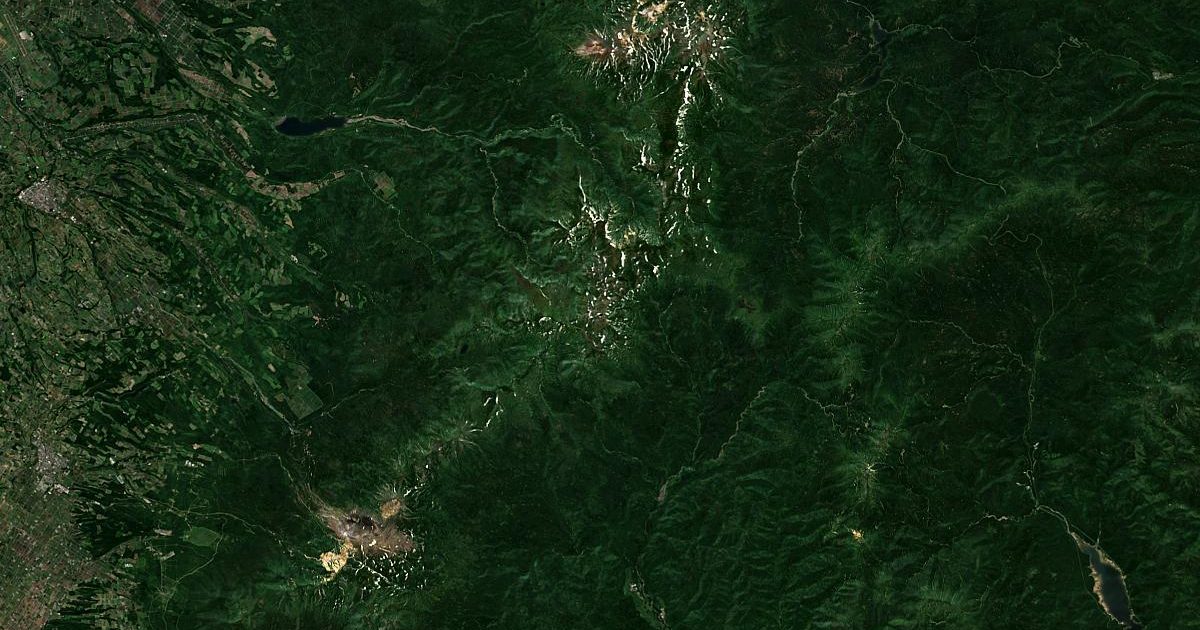
Satellite view of the area around Mount Tomuraushi (トムラウシ山), Daisetsuzan National Park, Hokkaido, Japan

Archive / Mountaineering

Hypothermia deaths in Mount Tomuraushi tour group

Eight members of an 18-person tour group died of hypothermia in a storm on the Daisetsuzan main ridge in midsummer

The Japan Mountain Guides Association released an investigation report in 2010; the case ended in March 2018 without prosecution of those involved

Satellite imagery Sentinel-2 cloudless 2024 © EOX (CC BY-NC-SA 4.0)

Date
Summer
Place
Mount Tomuraushi (トムラウシ山), Daisetsuzan National Park, Hokkaido, JapanJapan › Hokkaido · Daisetsuzan142.850°E 43.532°N
Activity
Commercial group traverse hikeInvolves: Hypothermia · Extreme weather18-person tour group (15 guests and 3 guides)
Casualties
Dead 8 Eight people in the tour group died of hypothermia (7 clients and 1 guide); during the same period, 1 solo climber on the same mountain and 1 person in another tour group on nearby Mount Biei also died
Material
45 facts · 8 sources1 account differs and are shown side by side

01What happened

In July 2009, Tokyo outdoor travel company Amuse Travel organised an 18-person tour group (15 guests and 3 guides) for a two-night, three-day traverse of more than 40 kilometres along the Daisetsuzan main ridge, from Mount Asahi to Tomuraushi Onsen in Hokkaido. The guests' average age was 64; the three guides met for the first time on the day of departure, and only one had travelled the route before. The forecast before departure had already shown that a low-pressure system would pass over Hokkaido.Facts it rests onF04Multiple sourcesThe tour was organised by Amuse Travel, an outdoor travel company in Tokyo. The group consisted of 15 guests and 3 guides and planned to traverse the main ridge of Daisetsuzan over three days.F02Multiple sourcesThe itinerary was a two-night, three-day trip: starting from the Mount Asahi area, staying at Hakuundake Shelter and Hisagonuma Shelter, traversing the main ridge and descending to Tomuraushi Onsen, a total distance of more than 40 kilometres.F44Single sourceOf the 15 guests, 10 were women and 5 were men. Their average age was 64, and most were climbing Japan's “100 Famous Mountains”.F05Multiple sourcesThe three guides met for the first time on the day of departure, and only one of them had previously travelled the route.F06Multiple sourcesBefore departure, the weather forecast showed that a low-pressure system would pass over Hokkaido, and the guides warned the guests that the weather would worsen on the second and third days.

The first day was clear, and the group crossed Mount Asahi and stayed at the Hakuundake Refuge. It rained throughout the second day, and the group reached the Hisago-numa Refuge in the afternoon. The refuge was crowded, and there was nowhere to dry their wet equipment. At around 5:30 a.m. on 16 July, the group set out in strong winds and heavy rain; according to reports, the guides expected the weather to improve in the afternoon, but several guests were uneasy about setting out.Facts it rests onF07Multiple sourcesOn the first day, 14 July, the weather was clear and fine. The group crossed the summit of Mount Asahi and walked to the first shelter, Hakuundake Shelter, where they stayed overnight.F08Multiple sourcesOn 15 July it rained. The group travelled via Mount Chubetsu, Mount Goshiki and Mount Kaun, reaching the second shelter, Hisagonuma Shelter, in the afternoon (before 15:00).F09Multiple sourcesHisagonuma Shelter was crowded and cramped, with nowhere to dry wet equipment. Some guests had no choice but to keep their wet clothes on in the hope of drying them with body heat.F11Multiple sourcesAt around 5:30 a.m. on 16 July, the group left Hisagonuma Shelter in violent wind and rain.F10Single sourceOn the morning of 16 July, the guides decided to set out, expecting the weather to improve in the afternoon, but several guests felt uneasy about the decision.

After they reached the main ridge, westerly winds of 20 to 25 metres per second brought rain showers, and people were repeatedly blown over. The temperature was only about 8 to 10 degrees Celsius. The group did not reach Kita-numa until around 10 a.m. Overflowing water from the pond had formed a fast-flowing stream about 2 metres wide. Guests were helped across one by one while the others waited in an exposed spot. Many were soaked, and several subsequently showed signs of hypothermia. The group leader stayed behind to care for a guest who had collapsed; both ultimately died of hypothermia.Facts it rests onF12Multiple sourcesAfter reaching the main ridge, the group encountered westerly winds of 20 to 25 meters per second and showers, and people were repeatedly blown over.F13Multiple sourcesAt the time of the incident, the local temperature was approximately 8 to 10 degrees Celsius, with a storm bringing winds of more than 20 meters per second.F14Multiple sourcesThe group did not reach Kitanuma below the summit until around 10 a.m., taking far longer than usual.F15Multiple sourcesWater overflowing from Kitanuma formed a rapid stream approximately 2 meters wide across the trail. A guide helped the guests across one at a time, while the others waited in an exposed area in strong winds. Many were soaked through.F16Multiple sourcesAfter crossing Kitanuma, several guests began to show symptoms of hypothermia, and one female guest was no longer able to walk unaided.F18Multiple sourcesThe leader decided to stay behind with a basic emergency tent to attend to the female guest who had collapsed, while the others continued. Both the leader and the guest ultimately died of hypothermia.

The remaining members descended around the summit, with people repeatedly falling behind and the group scattering. According to reports, the first emergency call to 110 was not made until 15:55, and a Self-Defense Forces helicopter was unable to take off because the weather was too bad. Only 5 people made it down the mountain on their own that night. Helicopters did not begin search and rescue until the weather improved in the early hours of 17 July. A total of 8 people in the tour group died (7 guests and 1 guide), all from hypothermia.Facts it rests onF20Multiple sourcesThe remaining members bypassed the summit of Mount Tomuraushi and continued their descent along a gentler route on its western side.F22Multiple sourcesDuring the descent, people continued to fall behind, and the group became strung out and scattered. Those who died were found at different locations on the mountain.F23Single sourceAt 15:55, a guest made the first 110 emergency call at a guide's request.F25Single sourceThe Self-Defense Forces attempted to dispatch helicopters, but the weather was too poor for them to fly.F26Multiple sourcesOnly five people walked down the mountain on their own that night. The first two arrived at the onsen trailhead at 23:55.F28Multiple sourcesThe weather improved markedly during the night. From the early hours of 17 July, police and Self-Defense Forces helicopters began searching and rescued the survivors on the mountain.F29Multiple sourcesEight people in the tour group died (7 guests and 1 guide); autopsies confirmed that all died of hypothermia.

Afterward, police searched the travel agency on suspicion of professional negligence resulting in death. An investigation by a special committee of the Japan Mountain Guides Association concluded that this was a case of “weather-related deaths” caused by misjudgment of the weather and a delayed retreat, with errors in planning and decision-making playing a central role; pressure to keep to the schedule was also an important factor in the guides' decision to press on. The company was suspended from operations for 51 days, and its travel business registration was revoked after another tourist died in 2012. In March 2018, proceedings against the former company president and the surviving guides ended without prosecution.Facts it rests onF33Multiple sourcesOn 18 July, police searched Amuse Travel’s Tokyo headquarters and Hokkaido office on suspicion of professional negligence resulting in death.F36Multiple sourcesThe Japan Mountain Guides Association’s special accident committee investigated the incident and published its report on 1 March 2010.F37Multiple sourcesThe investigation concluded that this was a “weather-related accident”: errors in assessing the weather and delayed or absent decisions to retreat exposed the group to severe conditions, resulting in hypothermia. The direct cause of death was hypothermia, but planning and decision-making errors played a central role.F45Multiple sourcesAn analysis pointed out that the guides were under pressure to stay on schedule and avoid cancelling accommodation and flights, an important factor in their decision to press on in bad weather.F39Multiple sourcesAs a result of the incident, the Japan Tourism Agency ordered Amuse Travel’s head office to suspend operations from 16 December 2010 to 4 February 2011, a total of 51 days.F40Multiple sourcesIn 2012, another tour group organized by the same company had an accident in which 3 Japanese tourists died; the company's travel agency registration was revoked in December of the same year.F43Multiple sourcesIn March 2018, the pursuit of professional negligence charges against the company's former president and the surviving guides ended without prosecution.

The number at the end of a paragraph is how many facts it rests on; open it to see each fact and how well it is sourced: Multiple sourcesSingle source. Conflicting accounts and speculation are kept out of the narrative.

  • Reported locations along the route (schematic)Schematic

Satellite imagery Sentinel-2 cloudless 2024 © EOX · Terrain AWS Terrain Tiles · Orange line is schematic · Place coordinates not individually verified

Route review

6 scenes to understand what happened

Scroll down and the map flies to where each part happened. The line is Schematic, The locations mentioned in reports are connected in order, showing only the approximate direction, not the actual track.

01

Full route

Locations mentioned in reports are connected in order to show the approximate route (schematic).

02

Three-day traverse

The 18-person tour group planned a two-night, three-day traverse of more than 40 kilometres along the Daisetsuzan main ridge, from Mount Asahi to Tomuraushi Onsen.Facts it rests onF04Multiple sourcesThe tour was organised by Amuse Travel, an outdoor travel company in Tokyo. The group consisted of 15 guests and 3 guides and planned to traverse the main ridge of Daisetsuzan over three days.F02Multiple sourcesThe itinerary was a two-night, three-day trip: starting from the Mount Asahi area, staying at Hakuundake Shelter and Hisagonuma Shelter, traversing the main ridge and descending to Tomuraushi Onsen, a total distance of more than 40 kilometres.

03

Second day in the rain

It rained throughout 15 July. The group reached the Hisago-numa Refuge in the afternoon, with nowhere to dry their wet equipment.Facts it rests onF08Multiple sourcesOn 15 July it rained. The group travelled via Mount Chubetsu, Mount Goshiki and Mount Kaun, reaching the second shelter, Hisagonuma Shelter, in the afternoon (before 15:00).F09Multiple sourcesHisagonuma Shelter was crowded and cramped, with nowhere to dry wet equipment. Some guests had no choice but to keep their wet clothes on in the hope of drying them with body heat.

05

Kita-numa crossing

The group reached Kitanuma at about 10:00. Water overflowing from the pond had formed a fast-flowing stream; many were soaked while crossing or waiting, and several subsequently developed hypothermia.Facts it rests onF14Multiple sourcesThe group did not reach Kitanuma below the summit until around 10 a.m., taking far longer than usual.F15Multiple sourcesWater overflowing from Kitanuma formed a rapid stream approximately 2 meters wide across the trail. A guide helped the guests across one at a time, while the others waited in an exposed area in strong winds. Many were soaked through.F16Multiple sourcesAfter crossing Kitanuma, several guests began to show symptoms of hypothermia, and one female guest was no longer able to walk unaided.

06

Scattered descent

The remaining party members descended around the summit, becoming strung out and scattered; only 5 reached the trailhead on their own that evening.Facts it rests onF20Multiple sourcesThe remaining members bypassed the summit of Mount Tomuraushi and continued their descent along a gentler route on its western side.F22Multiple sourcesDuring the descent, people continued to fall behind, and the group became strung out and scattered. Those who died were found at different locations on the mountain.F26Multiple sourcesOnly five people walked down the mountain on their own that night. The first two arrived at the onsen trailhead at 23:55.

02Timeline

  1. The tour was organised by Amuse Travel, an outdoor travel company in Tokyo. The group consisted of 15 guests and 3 guides and planned to traverse the main ridge of Daisetsuzan over three days. F04

  2. On the first day, 14 July, the weather was clear and fine. The group crossed the summit of Mount Asahi and walked to the first shelter, Hakuundake Shelter, where they stayed overnight. F07

  3. On 15 July it rained. The group travelled via Mount Chubetsu, Mount Goshiki and Mount Kaun, reaching the second shelter, Hisagonuma Shelter, in the afternoon (before 15:00). F08

  4. The leader decided to stay behind with a basic emergency tent to attend to the female guest who had collapsed, while the others continued. Both the leader and the guest ultimately died of hypothermia. F18

  5. Water overflowing from Kitanuma formed a rapid stream approximately 2 meters wide across the trail. A guide helped the guests across one at a time, while the others waited in an exposed area in strong winds. Many were soaked through. F15

  6. The group did not reach Kitanuma below the summit until around 10 a.m., taking far longer than usual. F14

  7. At around 5:30 a.m. on 16 July, the group left Hisagonuma Shelter in violent wind and rain. F11

  8. At 15:55, a guest made the first 110 emergency call at a guide's request. F23

  9. Only five people walked down the mountain on their own that night. The first two arrived at the onsen trailhead at 23:55. F26

  10. Eight people in the tour group died (7 guests and 1 guide); autopsies confirmed that all died of hypothermia. F29

  11. The weather improved markedly during the night. From the early hours of 17 July, police and Self-Defense Forces helicopters began searching and rescued the survivors on the mountain. F28

  12. On 18 July, police searched Amuse Travel’s Tokyo headquarters and Hokkaido office on suspicion of professional negligence resulting in death. F33

  13. The Japan Mountain Guides Association’s special accident committee investigated the incident and published its report on 1 March 2010. F36

  14. As a result of the incident, the Japan Tourism Agency ordered Amuse Travel’s head office to suspend operations from 16 December 2010 to 4 February 2011, a total of 51 days. F39

  15. In March 2018, the pursuit of professional negligence charges against the company's former president and the surviving guides ended without prosecution. F43

03Lessons

Weather and retreat

Retreat early; do not wait for the weather to “improve”

The wind and rain were already strong on the day of departure, but the group set out on the expectation that conditions would improve. According to reports, another group on Mount Asahi heard the same forecast that day but called off its trip, taking into account that weather changes reach the mountains later than the lowlands, and did not encounter danger.Facts it rests onF11Multiple sourcesAt around 5:30 a.m. on 16 July, the group left Hisagonuma Shelter in violent wind and rain.F10Single sourceOn the morning of 16 July, the guides decided to set out, expecting the weather to improve in the afternoon, but several guests felt uneasy about the decision.F27Single sourceAnother group on Mount Asahi heard the same forecast that day, but, based on their experience that “mountain weather arrives later than weather on the plains,” judged that the severe conditions would last until evening. They decided to cancel their trip and did not encounter difficulties.F37Multiple sourcesThe investigation concluded that this was a “weather-related accident”: errors in assessing the weather and delayed or absent decisions to retreat exposed the group to severe conditions, resulting in hypothermia. The direct cause of death was hypothermia, but planning and decision-making errors played a central role.

Hypothermia and overnight gear

Hypothermia can occur in summer too

Temperatures of eight to ten degrees, strong winds and being soaked through are enough to cause hypothermia. Police said the deceased had brought only thin raincoats; insulating layers and reliable waterproof clothing are also needed in the high mountains in summer, and exposed spots should be avoided as much as possible when crossing rivers or waiting.Facts it rests onF13Multiple sourcesAt the time of the incident, the local temperature was approximately 8 to 10 degrees Celsius, with a storm bringing winds of more than 20 meters per second.F15Multiple sourcesWater overflowing from Kitanuma formed a rapid stream approximately 2 meters wide across the trail. A guide helped the guests across one at a time, while the others waited in an exposed area in strong winds. Many were soaked through.F16Multiple sourcesAfter crossing Kitanuma, several guests began to show symptoms of hypothermia, and one female guest was no longer able to walk unaided.F32Single sourcePolice said the hikers had only brought thin raincoats, which appeared insufficient to protect them from strong winds, low temperatures and rain.

Teams and decisions

Schedule pressure must not override safety

The investigation concluded that pressure to keep to the schedule to avoid cancelling accommodation and flights was an important factor in the guides' decision to press on in severe weather. Commercial group itineraries should allow time to wait for the weather.Facts it rests onF45Multiple sourcesAn analysis pointed out that the guides were under pressure to stay on schedule and avoid cancelling accommodation and flights, an important factor in their decision to press on in bad weather.F02Multiple sourcesThe itinerary was a two-night, three-day trip: starting from the Mount Asahi area, staying at Hakuundake Shelter and Hisagonuma Shelter, traversing the main ridge and descending to Tomuraushi Onsen, a total distance of more than 40 kilometres.

Teams and decisions

Guide teams should prepare to work together in advance

The three guides met on the day of departure, and only one had travelled the route before. The investigation found insufficient coordination and consultation on the ground. When danger arises, if the group splits up and those leading it become hypothermic themselves, no one is left to look after those who fall behind.Facts it rests onF05Multiple sourcesThe three guides met for the first time on the day of departure, and only one of them had previously travelled the route.F38Single sourceThe investigation report noted that the guide team had been assembled at short notice, its members were unfamiliar with one another, and they had not met to discuss the trip beforehand, resulting in insufficient coordination and consultation on site.F21Single sourceThe investigation report noted that by this point, the assistant guide's own hypothermia symptoms were worsening, and the guide was not capable of leading the group and was unfamiliar with the descent route.F22Multiple sourcesDuring the descent, people continued to fall behind, and the group became strung out and scattered. Those who died were found at different locations on the mountain.

04Fact list 45 facts

Under each fact is a verbatim quote from the original. "Single source" means only one outlet mentioned it; "Accounts differ" means sources contradict each other and this site adopts neither side; "Speculation" is an inference by a reporter or a person involved, not a fact.

  1. F01Accounts differBackground

    Accounts differ on the number of guides: Hokkaido Wilds and Wikipedia say there were 3 guides; a Japan Times editorial says the group consisted of 15 climbers and 4 guides.

    Quotes from the original 3

    “The 15 clients and three guides”

    Hokkaido Wilds · 2018-12-05

    “ガイド甲(添乗員兼ガイドリーダー)、乙(メインガイド)、丙(サブガイド)の3人が参加していた”

    Three guides participated: Guide A (tour escort and lead guide), Guide B (main guide), and Guide C (sub-guide). (machine translation)

    Wikipedia ·

    “The tour group in Mount Tomuraushi was composed of 15 climbers and four guides.”

    The Japan Times · 2009-07-26
  2. F02Multiple sourcesPlan

    The itinerary was a two-night, three-day trip: starting from the Mount Asahi area, staying at Hakuundake Shelter and Hisagonuma Shelter, traversing the main ridge and descending to Tomuraushi Onsen, a total distance of more than 40 kilometres.

    Quotes from the original 2

    “白雲岳避難小屋とヒサゴ沼避難小屋を利用しながら大雪山系の主稜線を縦走し、トムラウシ温泉へ下山する2泊3日の登山行動を予定していた”

    They had planned a three-day, two-night mountaineering trip, traversing the main ridge of the Daisetsuzan range while using the Hakuundake and Hisagonuma mountain huts, and descending to Tomuraushi Onsen. (machine translation)

    Wikipedia ·

    “the participants were scheduled to traverse a distance of more than 40 km from Mount Asahi to Mount Tomuraushi in two nights and three days.”

    The Japan Times · 2009-07-26
  3. F03Single sourceParticipant's view

    According to NBC News, One surviving guest said he was glad he had brought a thick sweater and a down jacket, which he believed saved his life.

    Quotes from the original 1

    “"Luckily I had a thick sweater and a down-lined jacket with me, which I believe saved my life,"”

    NBC News · 2009-07-19
  4. F04Multiple sourcesBackground

    The tour was organised by Amuse Travel, an outdoor travel company in Tokyo. The group consisted of 15 guests and 3 guides and planned to traverse the main ridge of Daisetsuzan over three days.

    Quotes from the original 3

    “The 15 clients and three guides were to undertake a three day trek along the spine of the rugged Daisetsusan mountain range”

    Hokkaido Wilds · 2018-12-05

    “中高年の登山ツアー客15名、ガイド3名で構成された一団である”

    It was a group consisting of 15 middle-aged and older mountaineering tour guests and 3 guides. (machine translation)

    Wikipedia ·

    “The members of an 18-member tour organized by Amuse-Travel Co. Ltd.”

    NBC News · 2009-07-19
  5. F05Multiple sourcesBackground

    The three guides met for the first time on the day of departure, and only one of them had previously travelled the route.

    Quotes from the original 3

    “Of the three guides, who were meeting for the first time that day”

    Hokkaido Wilds · 2018-12-05

    “but only one of them actually had firsthand knowledge of the intended route”

    Hokkaido Wilds · 2018-12-05

    “ガイドのうち甲、丙の2人は今回のコースは初めてだったという”

    Of the guides, A and C were said to be taking this route for the first time. (machine translation)

    Wikipedia ·
  6. F06Multiple sourcesPlan

    Before departure, the weather forecast showed that a low-pressure system would pass over Hokkaido, and the guides warned the guests that the weather would worsen on the second and third days.

    Quotes from the original 2

    “so the guides warned the clients to expect deteriorating conditions on their second and third days on the mountain.”

    Hokkaido Wilds · 2018-12-05

    “ガイド乙が14日は大丈夫だが15日、16日は崩れるだろうと予測した”

    Guide B predicted that the weather would be fine on the 14th but would probably deteriorate on the 15th and 16th. (machine translation)

    Wikipedia ·
  7. F07Multiple sourcesMovement

    On the first day, 14 July, the weather was clear and fine. The group crossed the summit of Mount Asahi and walked to the first shelter, Hakuundake Shelter, where they stayed overnight.

    Quotes from the original 2

    “The first day’s (14 July) weather was fine and the group made good progress over the summit of Asahidake (2291m) to the first hut.”

    Hokkaido Wilds · 2018-12-05

    “旭岳山頂、間宮岳、松田岳、北海岳、白雲岳を12キロの道のりを経て白雲岳避難小屋に宿泊した”

    They travelled 12 kilometres via the summit of Mount Asahi, Mount Mamiya, Mount Matsuda, Mount Hokkai and Mount Hakuun, and stayed overnight at Hakuundake Shelter. (machine translation)

    Wikipedia ·
  8. F08Multiple sourcesMovement

    On 15 July it rained. The group travelled via Mount Chubetsu, Mount Goshiki and Mount Kaun, reaching the second shelter, Hisagonuma Shelter, in the afternoon (before 15:00).

    Quotes from the original 2

    “The second day it was raining, but visibility remained fair and the group reached the second hut in the early afternoon without incident.”

    Hokkaido Wilds · 2018-12-05

    “パーティは忠別岳、五色岳、化雲岳を経由し、約10時間をかけ、ヒサゴ沼避難小屋に15時前に到着した”

    The party travelled via Mount Chubetsu, Mount Goshiki and Mount Kaun, taking about 10 hours to reach Hisagonuma Shelter before 15:00. (machine translation)

    Wikipedia ·
  9. F09Multiple sourcesEvent

    Hisagonuma Shelter was crowded and cramped, with nowhere to dry wet equipment. Some guests had no choice but to keep their wet clothes on in the hope of drying them with body heat.

    Quotes from the original 2

    “The second hut was crowded and cramped, with no space to dry wet gear; some of the clients kept their wet clothes on in an attempt to dry them out.”

    Hokkaido Wilds · 2018-12-05

    “そのため濡れた装備を乾かすこともできず、ずぶ濡れの寝袋に包まって横になっただけであった”

    As a result, they could not dry their wet equipment and merely lay down wrapped in soaking-wet sleeping bags. (machine translation)

    Wikipedia ·
  10. F10Single sourceEvent

    According to Wikipedia, On the morning of 16 July, the guides decided to set out, expecting the weather to improve in the afternoon, but several guests felt uneasy about the decision.

    Quotes from the original 2

    “午後から天候は好転すると見越して出発を決定した”

    They decided to set out in anticipation of the weather improving in the afternoon. (machine translation)

    Wikipedia ·

    “しかし、客の何人かはこの決定に不安を感じたという”

    However, some of the guests reportedly felt uneasy about this decision. (machine translation)

    Wikipedia ·
  11. F11Multiple sourcesMovement

    At around 5:30 a.m. on 16 July, the group left Hisagonuma Shelter in violent wind and rain.

    Quotes from the original 2

    “Nevertheless, the group set off from the hut at 5.30am into the teeth of the gale.”

    Hokkaido Wilds · 2018-12-05

    “一行は午前5時半ごろに避難小屋を出発した”

    The group left the shelter at around 5:30 a.m. (machine translation)

    Wikipedia ·
  12. F12Multiple sourcesEvent

    After reaching the main ridge, the group encountered westerly winds of 20 to 25 meters per second and showers, and people were repeatedly blown over.

    Quotes from the original 2

    “Here they encountered extremely strong winds from the west blowing at 20m/second accompanied by rain squalls.”

    Hokkaido Wilds · 2018-12-05

    “風速20 - 25メートルの強風をまともに受けて転ぶ人が続出し”

    People fell one after another as they took the full force of winds of 20–25 meters per second (machine translation)

    Wikipedia ·
  13. F13Multiple sourcesEvent

    At the time of the incident, the local temperature was approximately 8 to 10 degrees Celsius, with a storm bringing winds of more than 20 meters per second.

    AFP reported that the temperature fell to 10 degrees, while the Associated Press reported approximately 46 degrees Fahrenheit (approximately 8 degrees Celsius).

    Quotes from the original 2

    “現地は低気圧の通過とともに風速20以上の暴風雨が吹き荒れており、気温も10度まで低下していたという”

    As a low-pressure system passed through, a storm with winds of 20 or more was raging at the site, and the temperature had reportedly fallen to 10 degrees. (machine translation)

    AFP · 2009-07-17

    “The temperature in the area was around 46 degrees Fahrenheit, lower than the usual 51 degrees Fahrenheit, it said.”

    NBC News · 2009-07-17
  14. F14Multiple sourcesMovement

    The group did not reach Kitanuma below the summit until around 10 a.m., taking far longer than usual.

    Quotes from the original 2

    “By the time the group reached Kitanuma, a small tarn on the shoulder of the mountain where the summit path branches off, some five hours had passed.”

    Hokkaido Wilds · 2018-12-05

    “10時ごろ、通常なら3時間のところを6時間近くかけて山頂下の北沼に到着した”

    At around 10 a.m., they arrived at Kitanuma below the summit, having taken nearly 6 hours for a journey that would normally take 3 hours. (machine translation)

    Wikipedia ·
  15. F15Multiple sourcesEvent

    Water overflowing from Kitanuma formed a rapid stream approximately 2 meters wide across the trail. A guide helped the guests across one at a time, while the others waited in an exposed area in strong winds. Many were soaked through.

    Quotes from the original 3

    “Further time was lost here fording the outflow of the tarn, which had turned into a 2m wide torrent.”

    Hokkaido Wilds · 2018-12-05

    “パーティ全員が渡りきるまで吹きさらしの場所で待機することになり、多くの人がずぶ濡れになっていた”

    They had to wait in an exposed place until the entire party had crossed, and many people were soaked through. (machine translation)

    Wikipedia ·

    “the group had to wade through muddy waters under severe weather”

    NBC News · 2009-07-19
  16. F16Multiple sourcesEvent

    After crossing Kitanuma, several guests began to show symptoms of hypothermia, and one female guest was no longer able to walk unaided.

    Quotes from the original 2

    “A number of clients were beginning to display symptoms of hypothermia, one female client in particular unable to walk unaided”

    Hokkaido Wilds · 2018-12-05

    “68歳の女性客fが低体温症のため歩行困難となった”

    The 68-year-old female guest f had difficulty walking due to hypothermia. (machine translation)

    Wikipedia ·
  17. F17Multiple sourcesEvent

    While waiting, some guests raised concerns, and a male guest shouted to the leader, “This is an emergency, call for rescue now.”

    Quotes from the original 2

    “「これは遭難だ。救援を要請しろ」と怒鳴った”

    He shouted, “This is an emergency. Call for rescue.” (machine translation)

    Wikipedia ·

    “Finally, after one of the clients voiced concern, the guides conferred”

    Hokkaido Wilds · 2018-12-05
  18. F18Multiple sourcesEvent

    The leader decided to stay behind with a basic emergency tent to attend to the female guest who had collapsed, while the others continued. Both the leader and the guest ultimately died of hypothermia.

    Quotes from the original 2

    “The guide and the client had an emergency shelter, but both perished from hypothermia within a few hours.”

    Hokkaido Wilds · 2018-12-05

    “リーダー甲が歩行困難の女性客fに付き添うために残り、他のメンバーは先に進んだ”

    Leader A stayed behind to accompany female guest f, who had difficulty walking, while the other members went ahead. (machine translation)

    Wikipedia ·
  19. F19Single sourceEvent

    According to Wikipedia, Afterward, the lead guide and several guests who were unable to walk, among others, made an emergency camp nearby, a total of 5 people.

    Quotes from the original 1

    “ガイド乙(メインガイド)の計5人がこの場でビバーク(緊急野営)することとなった”

    A total of 5 people, including guide B (the main guide), were to bivouac (make an emergency camp) at this spot. (machine translation)

    Wikipedia ·
  20. F20Multiple sourcesMovement

    The remaining members bypassed the summit of Mount Tomuraushi and continued their descent along a gentler route on its western side.

    Quotes from the original 2

    “トムラウシ山頂を迂回し西側の平坦なコースで下山を続行した”

    They bypassed the summit of Mount Tomuraushi and continued descending on the flat route on the western side. (machine translation)

    Wikipedia ·

    “the rest of the party would continue on the traverse path around the summit to the descent route”

    Hokkaido Wilds · 2018-12-05
  21. F21Single sourcePost-incident analysis

    According to Wikipedia, The investigation report noted that by this point, the assistant guide's own hypothermia symptoms were worsening, and the guide was not capable of leading the group and was unfamiliar with the descent route.

    Quotes from the original 1

    “この時点でガイド丙は低体温症の症状が進行していてパーティを引率できる状況になく、また下山ルートを知らなかった”

    At this point, guide C's symptoms of hypothermia were progressing, and the guide was in no condition to lead the party and did not know the descent route. (machine translation)

    Wikipedia ·
  22. F22Multiple sourcesEvent

    During the descent, people continued to fall behind, and the group became strung out and scattered. Those who died were found at different locations on the mountain.

    Quotes from the original 3

    “One climber after another fell behind due to the bad weather and the group became scattered.”

    The Japan Times · 2009-07-26

    “ガイド丙は遅れた人を待つことなく大急ぎで進んだため列が伸びて全員を確認できなくなった”

    Guide C hurried ahead without waiting for those who had fallen behind, so the line became stretched out and it was no longer possible to keep track of everyone. (machine translation)

    Wikipedia ·

    “were found at separate locations on the mountain, a sign that they were not well-escorted, the police official said.”

    NBC News · 2009-07-19
  23. F23Single sourceEvent

    According to Wikipedia, At 15:55, a guest made the first 110 emergency call at a guide's request.

    Quotes from the original 1

    “ガイドに頼まれ最初の110番通報を行った(15時55分)”

    At a guide's request, made the first 110 emergency call (15:55). (machine translation)

    Wikipedia ·
  24. F24Single sourceEvent

    According to Wikipedia, On the day of the incident, a guide sent an email requesting help, writing, “7 people cannot descend, requesting rescue” and “About 4 people may not make it.”

    Quotes from the original 1

    “「すみません。7人下山できません。救助要請します」「4人くらいダメかもしれないです」”

    “I'm sorry. Seven people cannot descend the mountain. We are requesting rescue.” “About four people may not make it.” (machine translation)

    Wikipedia ·
  25. F25Single sourceEvent

    According to Hokkaido Wilds, The Self-Defense Forces attempted to dispatch helicopters, but the weather was too poor for them to fly.

    Quotes from the original 1

    “the Japan Self-Defense Force attempted helicopter flights but conditions were too bad.”

    Hokkaido Wilds · 2018-12-05
  26. F26Multiple sourcesMovement

    Only five people walked down the mountain on their own that night. The first two arrived at the onsen trailhead at 23:55.

    Quotes from the original 2

    “Only five members finally made it down to the lodge at the foot of the mountain at around midnight”

    Hokkaido Wilds · 2018-12-05

    “23時55分、男性客Aと女性客aが温泉登山口に自力で下山”

    At 23:55, male guest A and female guest a descended to the onsen trailhead on their own (machine translation)

    Wikipedia ·
  27. F27Single sourcePost-incident analysis

    According to Wikipedia, Another group on Mount Asahi heard the same forecast that day, but, based on their experience that “mountain weather arrives later than weather on the plains,” judged that the severe conditions would last until evening. They decided to cancel their trip and did not encounter difficulties.

    Quotes from the original 1

    “山の天気が平地より遅れてくるとの経験則から夕方まで荒れると見越して、中止の決断をしたことで遭難しなかった”

    Based on the rule of thumb that mountain weather arrives later than weather on the plains, they anticipated that the stormy conditions would last until evening and decided to cancel, thereby avoiding an accident (machine translation)

    Wikipedia ·
  28. F28Multiple sourcesEvent

    The weather improved markedly during the night. From the early hours of 17 July, police and Self-Defense Forces helicopters began searching and rescued the survivors on the mountain.

    Quotes from the original 2

    “During the night the weather improved dramatically and in the early hours of the following morning the surviving clients and guides were rescued by helicopter.”

    Hokkaido Wilds · 2018-12-05

    “4時、道警航空隊、自衛隊ヘリコプターなど計3機が順次上空からの捜索を開始”

    At 4:00, a total of three aircraft, including Hokkaido police aviation unit and Self-Defense Forces helicopters, began aerial searches in succession (machine translation)

    Wikipedia ·
  29. F29Multiple sourcesAftermath

    Eight people in the tour group died (7 guests and 1 guide); autopsies confirmed that all died of hypothermia.

    Quotes from the original 4

    “トムラウシ山においては当ツアーに参加した登山客男女7人と男性ガイド1人”

    On Mount Tomuraushi, 7 male and female hikers who participated in this tour and 1 male guide (machine translation)

    Wikipedia ·

    “全員が低体温症による凍死であったことが確認された”

    All were confirmed to have died from exposure due to hypothermia (machine translation)

    Wikipedia ·

    “17日までに8人の死亡を確認した”

    By the 17th, 8 people had been confirmed dead (machine translation)

    AFP · 2009-07-17

    “with eight on a guided tour and one doing a solo ascent”

    The Japan Times · 2009-07-26
  30. F30Multiple sourcesAftermath

    Around the same time, a separate solo climber died on Mount Tomuraushi, and one person in another tour group died on nearby Mount Biei. A total of 10 people died in the Daisetsuzan range.

    Quotes from the original 3

    “Eight were part of an 18-member group tour, while the other was climbing alone. A 10th person died on another mountain on Hokkaido, he said.”

    NBC News · 2009-07-17

    “トムラウシ山に近い美瑛岳でも、登山客の女性1人が死亡した”

    On Mount Biei, near Mount Tomuraushi, one female hiker also died (machine translation)

    AFP · 2009-07-17

    “One was on a guided tour of 2,052-meter Mount Biei.”

    The Japan Times · 2009-07-26
  31. F31Single sourceParticipant's view

    According to AFP, A member who descended on their own told a television station that the rain and wind were very strong, that they had been exhausted, and that the trip should have been cancelled.

    Quotes from the original 1

    “雨と風がすごく、体力を消耗した、ツアーは中止すべきだったと話している”

    They said the rain and wind were tremendous, they had exhausted their strength, and the tour should have been cancelled (machine translation)

    AFP · 2009-07-17
  32. F32Single sourceFound at scene

    According to NBC News, Police said the hikers had only brought thin raincoats, which appeared insufficient to protect them from strong winds, low temperatures and rain.

    Quotes from the original 1

    “The climbers had thin rain jackets that apparently were insufficient for the strong winds, chilly mountain air and rain, Matsuya said.”

    NBC News · 2009-07-19
  33. F33Multiple sourcesAftermath

    On 18 July, police searched Amuse Travel’s Tokyo headquarters and Hokkaido office on suspicion of professional negligence resulting in death.

    Quotes from the original 2

    “Investigators raided Amuse-Travel Co.'s headquarters in Tokyo and its regional office on Hokkaido on Saturday”

    NBC News · 2009-07-19

    “業務上過失致死の疑いでアミューズトラベル札幌営業所を家宅捜索”

    A search of Amuse Travel’s Sapporo office on suspicion of professional negligence resulting in death (machine translation)

    Wikipedia ·
  34. F34Single sourceParticipant's view

    According to The Japan Times, A Japan Times editorial said the itinerary had clearly been planned on the assumption of good weather.

    Quotes from the original 1

    “But this schedule was apparently based on the assumption that the weather would be good.”

    The Japan Times · 2009-07-26
  35. F35Single sourceParticipant's view

    According to The Japan Times, A Japan Times editorial cautioned that having guides did not mean a trip was safe, that participants ultimately had to rely on their own judgment and physical strength, and that warm and waterproof clothing was essential even for summer mountain climbing.

    Quotes from the original 2

    “participants must keep in mind that the presence of guides does not necessarily ensure that the tour is safe.”

    The Japan Times · 2009-07-26

    “Even in summertime, both warm and waterproof clothing is essential equipment when climbing mountains.”

    The Japan Times · 2009-07-26
  36. F36Multiple sourcesAftermath

    The Japan Mountain Guides Association’s special accident committee investigated the incident and published its report on 1 March 2010.

    Quotes from the original 2

    “2010年3月1日 - 社団法人日本山岳ガイド協会の事故特別委員会が調査・作成した”

    1 March 2010 - Investigated and prepared by the special accident committee of the Japan Mountain Guides Association (machine translation)

    Wikipedia ·

    “A full report of the incident was also prepared by The Japan Mountain Guides Association”

    Hokkaido Wilds · 2018-12-05
  37. F37Multiple sourcesPost-incident analysis

    The investigation concluded that this was a “weather-related accident”: errors in assessing the weather and delayed or absent decisions to retreat exposed the group to severe conditions, resulting in hypothermia. The direct cause of death was hypothermia, but planning and decision-making errors played a central role.

    Quotes from the original 2

    “天候判断のミスおよび撤退判断の遅れ・欠如などにより厳しい気象条件下に晒される状態に陥り、低体温症を引き起こしたことがおもな要因である”

    The main factor was that errors in assessing the weather and delayed or absent decisions to retreat left them exposed to severe weather conditions, causing hypothermia (machine translation)

    Wikipedia ·

    “Although the immediate cause of death on Tomuraushi was hypothermia, it was clear that poor planning and decision making had played a central role.”

    Hokkaido Wilds · 2018-12-05
  38. F38Single sourcePost-incident analysis

    According to Wikipedia, The investigation report noted that the guide team had been assembled at short notice, its members were unfamiliar with one another, and they had not met to discuss the trip beforehand, resulting in insufficient coordination and consultation on site.

    Quotes from the original 1

    “にわかづくりのチームで互いにあまり面識がなく、事前の打ち合わせもなかったことから”

    Because it was a hastily assembled team whose members were not very familiar with one another and had not held a prior meeting (machine translation)

    Wikipedia ·
  39. F39Multiple sourcesAftermath

    As a result of the incident, the Japan Tourism Agency ordered Amuse Travel’s head office to suspend operations from 16 December 2010 to 4 February 2011, a total of 51 days.

    Quotes from the original 3

    “the Japan Tourism Agency ordered the company to suspend its operations for 51 days in December 2010.”

    The Japan Times · 2012-11-10

    “2010年12月16日から2011年2月4日まで旅行業法第11条の2第1項違反により本社営業所を業務停止命令”

    The head office was ordered to suspend operations from 16 December 2010 to 4 February 2011 for violating Article 11-2, Paragraph 1 of the Travel Agency Act (machine translation)

    Wikipedia ·

    “forced to suspend operations for nearly two months by the Japan Tourism Agency”

    Hokkaido Wilds · 2018-12-05
  40. F40Multiple sourcesAftermath

    In 2012, another tour group organized by the same company had an accident in which 3 Japanese tourists died; the company's travel agency registration was revoked in December of the same year.

    Quotes from the original 3

    “This violation of travel-industry guidelines ultimately cost the lives of three of the Japanese tourists”

    The Japan Times · 2012-11-10

    “2012年12月に旅行業の登録取り消し処分となった”

    In December 2012, its travel agency registration was revoked (machine translation)

    Wikipedia ·

    “it would eventually cease trading altogether after another incident in 2012 in which clients lost their lives.”

    Hokkaido Wilds · 2018-12-05
  41. F41Single sourceAftermath

    According to トラベルボイス, The final report published by the Japan Tourism Agency in December 2012 proposed 5 improvement measures, including revising the operating guidelines for group mountaineering tours and adding provisions for overseas group mountaineering tours.

    Quotes from the original 2

    “最終報告では5点の改善策を盛り込んだ”

    The final report included 5 improvement measures (machine translation)

    トラベルボイス · 2012-12-18

    “ツアー登山運行ガイドラインの見直しや海外ツアー登山に関する規定の追加”

    Reviewing the operating guidelines for group mountaineering tours and adding provisions concerning overseas group mountaineering tours (machine translation)

    トラベルボイス · 2012-12-18
  42. F42Single sourceAftermath

    According to Wikipedia, On 27 December 2017, Hokkaido police referred the company's president at the time of the accident and 3 male guides, one of whom had died, to prosecutors on suspicion of professional negligence resulting in death and injury.

    Quotes from the original 1

    “北海道警察が事故当時のアミューズトラベル社長と男性ガイド3人(うち1人は死亡)を業務上過失致死傷の疑いで釧路地方検察庁に書類送検した”

    Hokkaido police referred the case of the president of Amuse Travel at the time of the accident and three male guides (one of whom died) to the Kushiro District Public Prosecutors Office on suspicion of professional negligence resulting in death and injury. (machine translation)

    Wikipedia ·
  43. F43Multiple sourcesAftermath

    In March 2018, the pursuit of professional negligence charges against the company's former president and the surviving guides ended without prosecution.

    Wikipedia says the Kushiro District Public Prosecutors Office made the decision not to prosecute; Hokkaido Wilds says police dropped the charges.

    Quotes from the original 2

    “釧路地方検察庁はアミューズトラベル元社長とガイド2人を嫌疑不十分で不起訴とし”

    The Kushiro District Public Prosecutors Office decided not to prosecute the former president of Amuse Travel and 2 guides due to insufficient evidence (machine translation)

    Wikipedia ·

    “In March 2018, the police finally dropped charges of professional negligence against the company president and the surviving guides.”

    Hokkaido Wilds · 2018-12-05
  44. F44Single sourceBackground

    According to Hokkaido Wilds, Of the 15 guests, 10 were women and 5 were men. Their average age was 64, and most were climbing Japan's “100 Famous Mountains”.

    Quotes from the original 1

    “The average age of the ten female and five male clients was 64, and most of them were well into their hyakumeizan campaigns.”

    Hokkaido Wilds · 2018-12-05
  45. F45Multiple sourcesPost-incident analysis

    An analysis pointed out that the guides were under pressure to stay on schedule and avoid cancelling accommodation and flights, an important factor in their decision to press on in bad weather.

    Quotes from the original 2

    “the pressure on the guides to keep to the schedule to avoid accommodation and flight cancellations was a major factor in their decision to press on in horrendous conditions.”

    Hokkaido Wilds · 2018-12-05

    “実際には経済優先のプレッシャーを感じさせ、安全が後回しになってしまう環境を放置していた”

    In practice, an environment had been left in place that made them feel pressure to prioritize economic considerations, with safety taking a back seat (machine translation)

    Wikipedia ·