GuituluGlobal Outdoor Accident Archive 中文
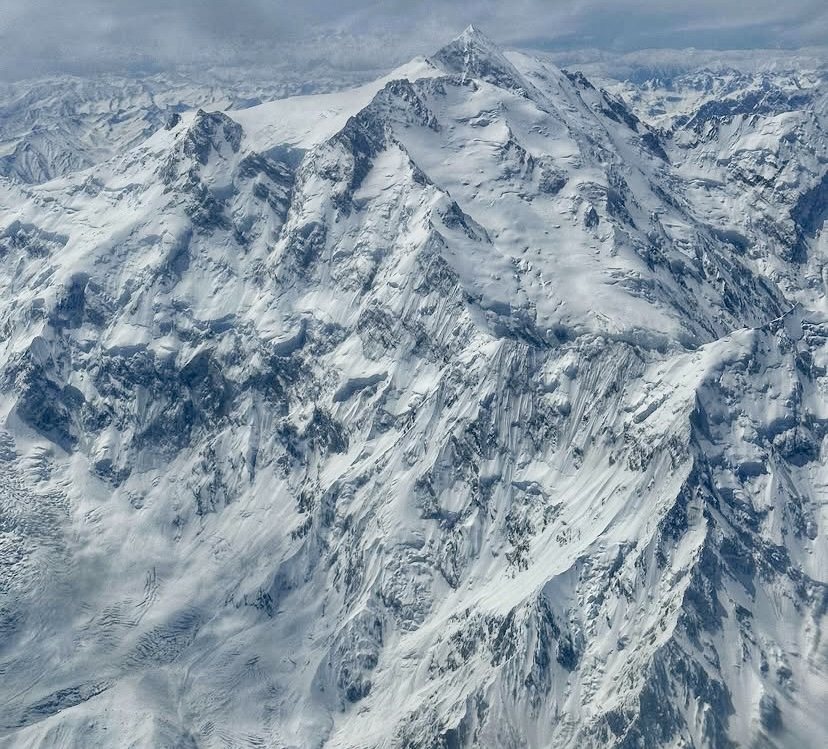
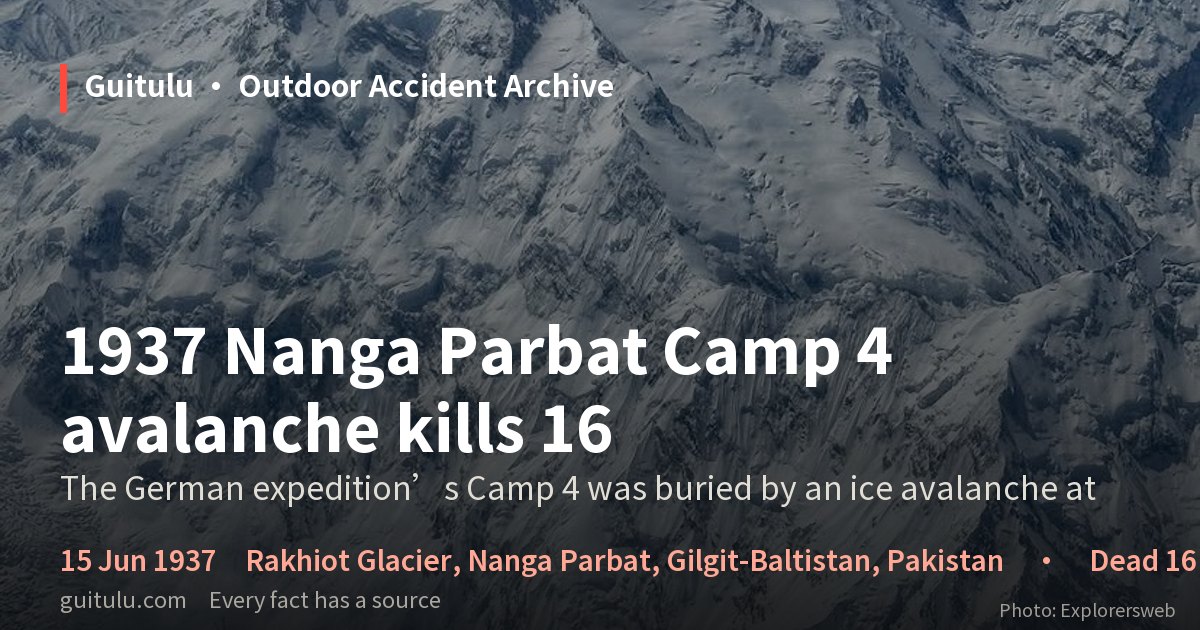
Aerial view of Nanga Parbat

Archive / Mountaineering

1937 Nanga Parbat Camp 4 avalanche kills 16

The German expedition’s Camp 4 was buried by an ice avalanche at midnight, killing 16 people

The cause was reconstructed from the search and rescue operation that year and from diaries, and a conclusive review has been published

Photo: Explorersweb

Date
Summer
Place
Rakhiot Glacier, Nanga Parbat, Gilgit-Baltistan, PakistanPakistan › Gilgit-Baltistan · Himalaya74.614°E 35.318°N
Activity
MountaineeringInvolves: AvalancheGerman Himalayan expedition led by Karl Wien; 7 European climbers and 9 Sherpa porters were at the camp
Casualties
Dead 16 Seven European mountaineers and nine Sherpa porters died at the camp. The search and rescue team found the bodies of five Europeans and buried them on site.
Material
38 facts · 6 sources2 accounts differ and are shown side by side

01What happened

In 1934, ten people had already died on Nanga Parbat. Afterwards, Karl Wien regarded another attempt as a responsibility and, according to an obituary published by the Himalayan Club, he was chosen to organise and lead the 1937 expedition. A group of Sherpas who volunteered to return despite the heavy losses in 1934 also joined the team; several had been to high camps on Everest.Facts it rests onF02Single sourceTen people had died on the same mountain in 1934.F03Single sourceAfter 1934, Karl Wien regarded another attempt on Nanga Parbat as a responsibility and took on the 1937 expedition.F04Single sourceAccording to an obituary by the Himalayan Club, the head of the German sports authorities selected Wien to organize and lead this renewed attempt.F07Single sourceDespite the heavy losses in 1934, a group of Sherpas volunteered to join the German team again, several of whom had reached high camps on Everest.

Aerial view of Nanga ParbatPhoto source: Explorersweb

On 22 May, the first group of team members began the formal ascent. On 26 May, Camp 2 was struck by wind and snow set in motion by an avalanche, but no one was injured. On 31 May, it was decided to withdraw the advance group to base camp because of bad weather. Camp 4 was occupied from 7 June, after which the weather worsened again, holding up the operation. According to reports, temperatures on the mountain were very low in June and it snowed every day; by 14 June, the fresh snow exceeded 10 feet.Facts it rests onF08Single sourceOn 22 May, the expedition's first group began its formal ascent.F09Single sourceOn 26 May, Camp 2 was hit by wind and snow stirred up by an avalanche. No one was injured.F10Single sourceOn 31 May, because of continued bad weather, it was decided to withdraw the advance group to base camp.F14Single sourceCamp 4 was first occupied on 7 June. The weather then changed, delaying the effort again.F17Single sourceIn June, temperatures on the mountain were very low and it snowed every day; by 14 June, the day of the accident, more than 10 feet of new snow had fallen.

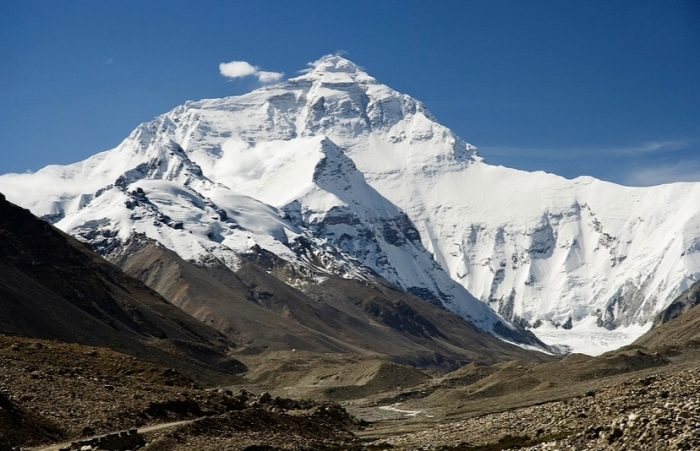
The Rakhiot Face of Nanga Parbat viewed from Fairy Meadows, with the peaks labelledPhoto source: Explorersweb

On 12 June, the team reached the site of Camp 5, but did not occupy it because of poor conditions and remained at Camp 4. On the night of 13 June, eight people crowded into one tent, singing and talking. On the morning of 14 June, liaison officer Smart descended with five sick porters. That day, Wien, Göttner and Hartmann took porters to carry supplies towards Camp 5 before returning to camp. Pfeffer wrote in his diary that the weather seemed finally to be improving. That night, seven mountaineers and nine Sherpa porters stayed at Camp 4.Facts it rests onF15Single sourceOn 12 June, the party reached the Camp 5 site, but did not occupy it because of poor conditions. The climbers and Sherpas remained at Camp 4.F16Single sourceOn the night of 13 June, eight people crowded into one tent, singing, playing the harmonica and chatting.F18Single sourceOn the morning of 14 June, liaison officer Smart left Camp 4 with 5 sick porters and descended.F19Single sourceOn 14 June, Wien, Görtner and Hartmann led a group of porters carrying supplies toward Camp 5. After leaving the supplies, they returned to Camp 4.F20Single sourcePfeffer's diary entry for 14 June said that the weather finally appeared to be improving and morale at the camp had risen.F21Multiple sourcesOn the night of 14 June, all 7 climbers and 9 Sherpa porters stayed overnight at Camp 4.

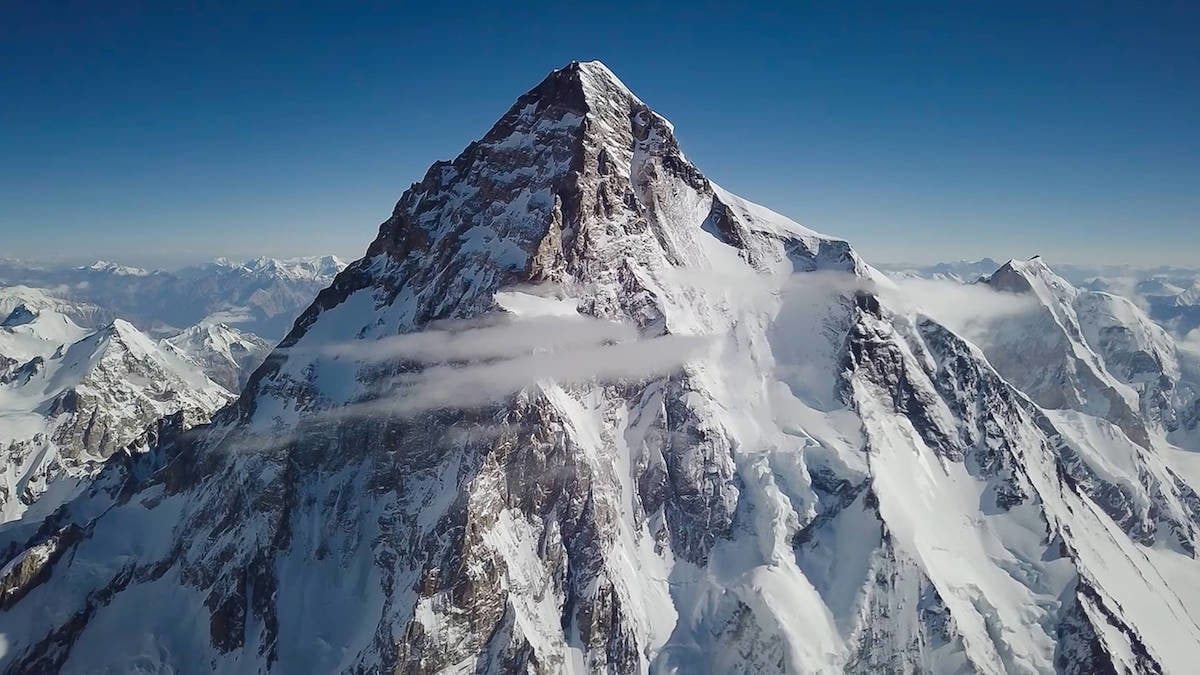
Panorama of the Rakhiot Face of Nanga ParbatPhoto source: Explorersweb

The avalanche occurred during the night of 14 June, just after midnight; the American Alpine Club's annual report also recorded it as occurring after midnight in the early hours of 15 June. According to reports, Hartmann's watch showed 12:20, and he and Pfeffer had both written in their diaries that night. Ice fell from an ice cliff about 300 to 400 meters above the camp, and the camp was buried about 9 to 10 feet beneath the avalanche debris. According to a subsequent analysis, the falling serac encountered cold powder snow, which provided a good sliding surface; this was an inference, not an eyewitness observation.Facts it rests onF22Multiple sourcesThe avalanche occurred during the night of 14 June, a few minutes after midnight; the American Alpine Club's annual report likewise records it as occurring after midnight in the early hours of 15 June.F23Single sourceWhen the search and rescue team retrieved Hartmann's watch, it showed 12:20; Hartmann and Pfeffer had also written diary entries late on the night of 14 June. These provided clues for determining the time.F24Multiple sourcesIce broke away from an ice cliff about 300 to 400 metres above the camp; the American Alpine Club annual report says it came from a hanging glacier on Rakhiot Peak.F28Single sourceThe camp was buried about 9 to 10 feet beneath the surface of the avalanche debris; the tents had been pitched in snow pits.F25Multiple sourcesAccording to the analysis in the report compiled by Bauer, the falling ice tower encountered cold powder snow, which provided a good sliding surface. This was an inference made after the event.

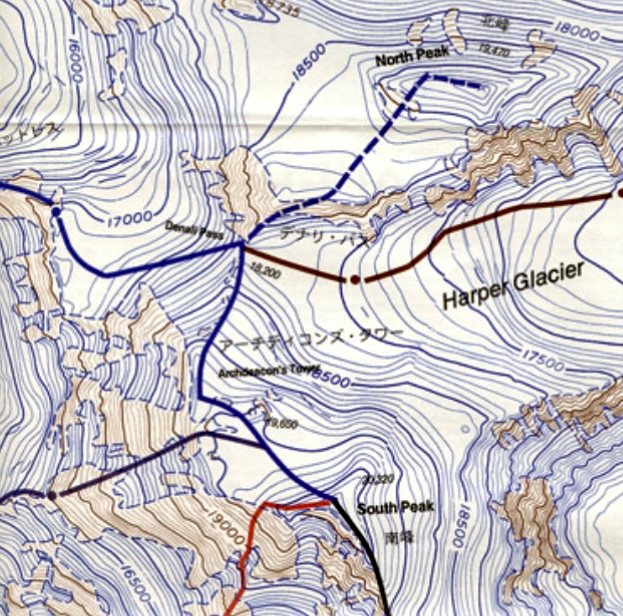
Sketch of the route and camp locations on the north face of Nanga Parbat (the route commonly used by German expeditions in the 1930s)Photo source: Explorersweb

In mid-June, Luft went up the mountain and reached the former camp site, where he found only the backpacks of several team members. He and Smart concluded that the accident had occurred during the night of 14 June. According to reports, Smart immediately sent people to Chilas and Gilgit to seek help. In early July, Bauer and others were flown by the Royal Air Force from Risalpur to Gilgit and then went to the site. When the search and rescue team found the tent, it was covered by about 2.5 meters of ice blocks and compacted snow. The team found five Europeans and buried them on site; another tent was not found. The Sherpa leader said that leaving the remaining porters to rest where they were would be more consistent with their beliefs, and the search and rescue team did not continue searching.Facts it rests onF11Single sourceLuft reached the former camp site and, after a cursory search, found only the backpacks of Hartmann, Hepp and others.F12Single sourceLuft and Smart concluded that the accident could only have happened during the night of 14 June.F13Single sourceSmart immediately sent people to Chilas and Gilgit to request suitable tools and personnel.F31Single sourceWhen the search and rescue team found the tents, they were covered by about 2.5 metres of large blocks of ice and compacted snow.F32Multiple sourcesThe search and rescue team found Pfeffer, Hartmann, Hepp, Wien and Fankhauser and buried them at the site; one other tent was not found, and the search was stopped because the team was exhausted and lacked food and fuel.F33Single sourceThe Sherpa leader Nursang said that, according to their religious beliefs, it would be more appropriate to let the remaining porters rest where they were, so the search and rescue team did not continue looking for them.F36Multiple sourcesBauer and two others flew to India, and the Royal Air Force flew them from Risalpur to Gilgit on 5 July.

The number at the end of a paragraph is how many facts it rests on; open it to see each fact and how well it is sourced: Multiple sourcesSingle source. Conflicting accounts and speculation are kept out of the narrative.

ImgScene photos all from news coverage; copyright belongs to the original authors

  • Reported waypoints (illustrative)Schematic

Satellite imagery Sentinel-2 cloudless 2024 © EOX · Terrain AWS Terrain Tiles · Orange line is schematic · Place coordinates not individually verified

Route review

6 scenes to understand what happened

Scroll down and the map flies to where each part happened. The line is Schematic, Connects the waypoints mentioned in reports in sequence, showing only the approximate direction, not the actual route.

01

Full route

The locations mentioned in reports are connected in sequence to show the approximate course of events (schematic).

05

Midnight ice avalanche

Ice fell from above the camp, burying it under 9 to 10 feet of ice and snow.Facts it rests onF22Multiple sourcesThe avalanche occurred during the night of 14 June, a few minutes after midnight; the American Alpine Club's annual report likewise records it as occurring after midnight in the early hours of 15 June.F24Multiple sourcesIce broke away from an ice cliff about 300 to 400 metres above the camp; the American Alpine Club annual report says it came from a hanging glacier on Rakhiot Peak.F28Single sourceThe camp was buried about 9 to 10 feet beneath the surface of the avalanche debris; the tents had been pitched in snow pits.

02Timeline

  1. On 22 May, the expedition's first group began its formal ascent. F08

  2. On 26 May, Camp 2 was hit by wind and snow stirred up by an avalanche. No one was injured. F09

  3. On 31 May, because of continued bad weather, it was decided to withdraw the advance group to base camp. F10

  4. Luft reached the former camp site and, after a cursory search, found only the backpacks of Hartmann, Hepp and others. F11

  5. Camp 4 was first occupied on 7 June. The weather then changed, delaying the effort again. F14

  6. On 12 June, the party reached the Camp 5 site, but did not occupy it because of poor conditions. The climbers and Sherpas remained at Camp 4. F15

  7. On the night of 13 June, eight people crowded into one tent, singing, playing the harmonica and chatting. F16

  8. On the morning of 14 June, liaison officer Smart left Camp 4 with 5 sick porters and descended. F18

  9. The avalanche occurred during the night of 14 June, a few minutes after midnight; the American Alpine Club's annual report likewise records it as occurring after midnight in the early hours of 15 June. F22

  10. Munich received the first unconfirmed news of the accident around noon on 20 June; one website says that early reports also briefly suggested Wien might have survived. F30

  11. The search and rescue team found Pfeffer, Hartmann, Hepp, Wien and Fankhauser and buried them at the site; one other tent was not found, and the search was stopped because the team was exhausted and lacked food and fuel. F32

  12. Bauer and two others flew to India, and the Royal Air Force flew them from Risalpur to Gilgit on 5 July. F36

03Lessons

Avalanche and high altitude

A previously safe camp is not necessarily always safe

According to later accounts, the area around Camp 4 had been relatively safe during several previous expeditions. Subsequent commentary noted that, after snow conditions changed, falling ice could slide farther than past experience suggested.Facts it rests onF24Multiple sourcesIce broke away from an ice cliff about 300 to 400 metres above the camp; the American Alpine Club annual report says it came from a hanging glacier on Rakhiot Peak.F38Single sourceA later assessment held that the lesson was that even experienced climbers who manage known hazards well may still encounter an infrequent ice avalanche beyond their previous experience.

Weather and retreat

Continuous snowfall and severe cold can change the snow surface

According to reports, temperatures on the mountain were very low in June and it snowed every day; on the day of the accident, the fresh snow exceeded 10 feet. A subsequent analysis concluded that the cold, loose powder snow allowed the ice blocks to slide farther. Such snow conditions need to be considered when selecting a high-altitude camp site and deciding how long to stay.Facts it rests onF17Single sourceIn June, temperatures on the mountain were very low and it snowed every day; by 14 June, the day of the accident, more than 10 feet of new snow had fallen.F25Multiple sourcesAccording to the analysis in the report compiled by Bauer, the falling ice tower encountered cold powder snow, which provided a good sliding surface. This was an inference made after the event.

Rescue and self-rescue

Rescue in remote mountains depends on outside support

After the accident, only a few people were at the site, and they lacked tools. They had to seek help from Chilas and Gilgit, and a large number of rescuers and equipment did not arrive until weeks later. Camps far from base need to consider communications and emergency support in advance.Facts it rests onF13Single sourceSmart immediately sent people to Chilas and Gilgit to request suitable tools and personnel.F11Single sourceLuft reached the former camp site and, after a cursory search, found only the backpacks of Hartmann, Hepp and others.F36Multiple sourcesBauer and two others flew to India, and the Royal Air Force flew them from Risalpur to Gilgit on 5 July.

04Fact list 38 facts

Under each fact is a verbatim quote from the original. "Single source" means only one outlet mentioned it; "Accounts differ" means sources contradict each other and this site adopts neither side; "Speculation" is an inference by a reporter or a person involved, not a fact.

  1. F01Single sourceBackground

    According to Himalayan Journal, Wien was the only son of Nobel laureate Wilhelm Wien.

    Quotes from the original 1

    “the only son of Wilhelm Wien, the distinguished scientist and Nobel prize-winner”

    Himalayan Journal ·
  2. F02Single sourceBackground

    According to Himalayan Journal, Ten people had died on the same mountain in 1934.

    Quotes from the original 1

    “The loss of ten lives in 1934 tells its own tragic and terrible story.”

    Himalayan Journal ·
  3. F03Single sourceBackground

    According to Himalayan Journal, After 1934, Karl Wien regarded another attempt on Nanga Parbat as a responsibility and took on the 1937 expedition.

    Quotes from the original 1

    “He therefore took upon himself the task, more as a duty than as an inclination, of making a fresh attempt on Nanga Parbat.”

    Himalayan Journal ·
  4. F04Single sourceBackground

    According to Himalayan Journal, According to an obituary by the Himalayan Club, the head of the German sports authorities selected Wien to organize and lead this renewed attempt.

    Quotes from the original 1

    “selected him to organize and lead another attempt to climb Nanga Parbat”

    Himalayan Journal ·
  5. F05Single sourceBackground

    According to The Friday Times, An article notes that the mountain was treated as a German prestige objective during the Nazi era, and that the 1937 expedition followed the same route as several previous attempts.

    Quotes from the original 2

    “Nanga Parbat turned into a prestige object of the Nazi regime”

    The Friday Times · 2019-04-26

    “A third attempt in 1937, followed the same route as Merkl’s expeditions”

    The Friday Times · 2019-04-26
  6. F06Single sourceBackground

    According to Himalayan Journal, Hartmann intended to continue his high-altitude human research on Nanga Parbat and brought his assistant Ulrich Luft with him.

    Quotes from the original 1

    “These researches were to be continued on Nanga Parbat, and with that object he took with him Dr. Ulrich Luft, his assistant.”

    Himalayan Journal ·
  7. F07Single sourceBackground

    According to Himalayan Journal, Despite the heavy losses in 1934, a group of Sherpas volunteered to join the German team again, several of whom had reached high camps on Everest.

    Quotes from the original 2

    “Several of the twelve who were chosen had been to the highest camps on Mount Everest.”

    Himalayan Journal ·

    “again volunteered to assist their German companions”

    Himalayan Journal ·
  8. F08Single sourceMovement

    According to Himalayan Journal, On 22 May, the expedition's first group began its formal ascent.

    Quotes from the original 1

    “The real attack began on the 22nd May, when the first group”

    Himalayan Journal ·
  9. F09Single sourceEvent

    According to Himalayan Journal, On 26 May, Camp 2 was hit by wind and snow stirred up by an avalanche. No one was injured.

    Quotes from the original 1

    “Fortunately the snow particles were fine and there was no large ice debris in the wind, so that no one was hurt.”

    Himalayan Journal ·
  10. F10Single sourceMovement

    According to Himalayan Journal, On 31 May, because of continued bad weather, it was decided to withdraw the advance group to base camp.

    Quotes from the original 1

    “On the 31st May, however, in view of the continued bad weather, it was decided to withdraw them to the base camp.”

    Himalayan Journal ·
  11. F11Single sourceEvent

    According to Himalayan Journal, Luft reached the former camp site and, after a cursory search, found only the backpacks of Hartmann, Hepp and others.

    Quotes from the original 1

    “After some rough search we found only the rucksacks of Hartmann, Hepp, and”

    Himalayan Journal ·
  12. F12Single sourcePost-incident analysis

    According to Himalayan Journal, Luft and Smart concluded that the accident could only have happened during the night of 14 June.

    Quotes from the original 1

    “it is the opinion of Lieutenant Smart and myself that it can only have happened on the night of the 14th June”

    Himalayan Journal ·
  13. F13Single sourceAftermath

    According to Himalayan Journal, Smart immediately sent people to Chilas and Gilgit to request suitable tools and personnel.

    Quotes from the original 1

    “Smart sont off runners at once to Chilas and Gilgit asking for suitable tools and men.”

    Himalayan Journal ·
  14. F14Single sourceMovement

    According to Himalayan Journal, Camp 4 was first occupied on 7 June. The weather then changed, delaying the effort again.

    Quotes from the original 1

    “Camp 4 was occupied on the 7th June, when a change in the weather set in and operations were again held up.”

    Himalayan Journal ·
  15. F15Single sourceMovement

    According to Himalayan Journal, On 12 June, the party reached the Camp 5 site, but did not occupy it because of poor conditions. The climbers and Sherpas remained at Camp 4.

    Quotes from the original 1

    “Owing to the unfavourable conditions it was not advisable to occupy it, and the mountaineers and Sherpas remained in Camp 4.”

    Himalayan Journal ·
  16. F16Single sourceEvent

    According to Himalayan Journal, On the night of 13 June, eight people crowded into one tent, singing, playing the harmonica and chatting.

    Quotes from the original 1

    “At night we sat up long, all the eight of us in one tent, singing, playing the mouth-organ, and yarning.”

    Himalayan Journal ·
  17. F17Single sourceFound at scene

    According to Himalayan Journal, In June, temperatures on the mountain were very low and it snowed every day; by 14 June, the day of the accident, more than 10 feet of new snow had fallen.

    Quotes from the original 2

    “the temperature was very low in June, while snow fell every day”

    Himalayan Journal ·

    “there had been more than 10 feet of fresh snow”

    Himalayan Journal ·
  18. F18Single sourceMovement

    According to Himalayan Journal, On the morning of 14 June, liaison officer Smart left Camp 4 with 5 sick porters and descended.

    Quotes from the original 1

    “who left there on the morning of the 14th June, bringing down five sick porters”

    Himalayan Journal ·
  19. F19Single sourceMovement

    According to Himalayan Journal, On 14 June, Wien, Görtner and Hartmann led a group of porters carrying supplies toward Camp 5. After leaving the supplies, they returned to Camp 4.

    Quotes from the original 1

    “had led up a gang of porters towards Camp 5 that day, dumping the loads some way up and then returning to Camp 4”

    Himalayan Journal ·
  20. F20Single sourceEvent

    According to Himalayan Journal, Pfeffer's diary entry for 14 June said that the weather finally appeared to be improving and morale at the camp had risen.

    Quotes from the original 1

    “morale grew high as the weather appeared to be improving at last”

    Himalayan Journal ·
  21. F21Multiple sourcesEvent

    On the night of 14 June, all 7 climbers and 9 Sherpa porters stayed overnight at Camp 4.

    The American Alpine Club annual report refers to “seven German team members”; according to a journal, one of them was from Tyrol, Austria.

    Quotes from the original 2

    “Nine Sherpa porters also slept there on the same night.”

    Himalayan Journal ·

    “seven of the nine German members, and nine Sherpa porters were overwhelmed”

    American Alpine Club ·
  22. F22Multiple sourcesEvent

    The avalanche occurred during the night of 14 June, a few minutes after midnight; the American Alpine Club's annual report likewise records it as occurring after midnight in the early hours of 15 June.

    Quotes from the original 2

    “The catastrophe must have happened during the night of the 14th, at a few minutes after midnight.”

    Himalayan Journal ·

    “in the early morning of June 15th. shortly after midnight”

    American Alpine Club ·
  23. F23Single sourceFound at scene

    According to Himalayan Journal, When the search and rescue team retrieved Hartmann's watch, it showed 12:20; Hartmann and Pfeffer had also written diary entries late on the night of 14 June. These provided clues for determining the time.

    Quotes from the original 2

    “Hartmann's wrist-watch showed 12.20 when we took it from him”

    Himalayan Journal ·

    “Hartmann and Pfeffer had added to their diaries again in the late evening of that day”

    Himalayan Journal ·
  24. F24Multiple sourcesFound at scene

    Ice broke away from an ice cliff about 300 to 400 metres above the camp; the American Alpine Club annual report says it came from a hanging glacier on Rakhiot Peak.

    Both accounts came from German reports and have similar origins.

    Quotes from the original 2

    “The ice broke away from the cliffs of an ice-terrace from 300 to 400 metres distant from the camp.”

    Himalayan Journal ·

    “which descended from the hanging glacier on Rakhiot Peak”

    American Alpine Club ·
  25. F25Multiple sourcesPost-incident analysis

    According to the analysis in the report compiled by Bauer, the falling ice tower encountered cold powder snow, which provided a good sliding surface. This was an inference made after the event.

    The second source, Global Summit Guide, is a secondary review of the journal account and serves only as supporting evidence; its actual source is the same report.

    Quotes from the original 2

    “The cold powder snow unfortunately made a good sliding surface for the ice serac which broke away during the night of the 14th June.”

    Himalayan Journal ·

    “Ice blocks accelerated across deep, cold powder snow”

    Global Summit Guide · 2026-09-18
  26. F26Accounts differFound at scene

    Sources differ on the distance the avalanche travelled across the platform: Bauer's report gives about 150 metres; the American Alpine Club annual report gives three-quarters of a mile (about 1.2 kilometres).

    Bauer's report also describes the avalanche area as about 400 metres long and 150 metres wide.

    Quotes from the original 2

    “Ice and snow sliding over the glacier swept, as avalanches sometimes do, some 150 metres over the level part”

    Himalayan Journal ·

    “It swept three-quarters of a mile across the level terrasse”

    American Alpine Club ·
  27. F27Accounts differFound at scene

    Regarding the camp's location: Bauer's report says the area around Camp 4 was relatively safe in 1932 and 1934; the American Alpine Club annual report says this camp was not in the location used before. Whether the two accounts contradict each other cannot yet be verified.

    Quotes from the original 2

    “The site of Camp 4 was comparatively safe in 1932 and 1934.”

    Himalayan Journal ·

    “The campsite was not the same as previously used”

    American Alpine Club ·
  28. F28Single sourceFound at scene

    According to Himalayan Journal, The camp was buried about 9 to 10 feet beneath the surface of the avalanche debris; the tents had been pitched in snow pits.

    Quotes from the original 2

    “from 9 to 10 feet below its surface”

    Himalayan Journal ·

    “The tents stood in a pit and the snow around them had accumulated higher and higher”

    Himalayan Journal ·
  29. F29Single sourceAftermath

    According to Explorersweb, An article listed the names of the 9 Sherpas who died (spellings follow the original).

    Quotes from the original 1

    “Pasang P., Nim Tsering, Mambahadur, Kami, Gyaljen Monjo, Jigmay, Chong Karma, Ang Tsering II, and Da Thondup”

    Explorersweb ·
  30. F30Multiple sourcesAftermath

    Munich received the first unconfirmed news of the accident around noon on 20 June; one website says that early reports also briefly suggested Wien might have survived.

    The second part appears only in Global Summit Guide (less reliable) and serves only as supporting evidence.

    Quotes from the original 2

    “The first unconfirmed report of the disaster reached Munich about midday on Sunday, the 20th June.”

    Himalayan Journal ·

    “even briefly suggested Karl Wien might have survived”

    Global Summit Guide · 2026-09-18
  31. F31Single sourceAftermath

    According to Himalayan Journal, When the search and rescue team found the tents, they were covered by about 2.5 metres of large blocks of ice and compacted snow.

    Quotes from the original 1

    “The tents were covered by a layer 2 ½ metres thick, consisting of large ice-blocks and hard-pressed snow.”

    Himalayan Journal ·
  32. F32Multiple sourcesAftermath

    The search and rescue team found Pfeffer, Hartmann, Hepp, Wien and Fankhauser and buried them at the site; one other tent was not found, and the search was stopped because the team was exhausted and lacked food and fuel.

    According to Bauer's report, Gärtner and Müllerried were in the tent that was not found.

    Quotes from the original 3

    “There we found Pfeffer, Hartmann, Hepp, Wien, and Fankhauser”

    Himalayan Journal ·

    “we could not trace, and we then had to give up any further search owing to the exhaustion of the men and lack of food and fuel”

    Himalayan Journal ·

    “They recovered the bodies of five of the Europeans, which they buried nearby.”

    American Alpine Club ·
  33. F33Single sourceAftermath

    According to Himalayan Journal, The Sherpa leader Nursang said that, according to their religious beliefs, it would be more appropriate to let the remaining porters rest where they were, so the search and rescue team did not continue looking for them.

    Quotes from the original 1

    “it would be more in keeping with their religious views to leave them to rest where they had met their fate”

    Himalayan Journal ·
  34. F34Single sourceFound at scene

    According to Himalayan Journal, All those found were lying in sleeping bags, with no signs of alarm visible on their faces or hands.

    Quotes from the original 1

    “All the men who were found lay in their sleeping-bags without any sign of alarm in their faces or hands.”

    Himalayan Journal ·
  35. F35Single sourceParticipant's view

    According to Himalayan Journal, Based on the diaries, Bauer believed that the accident was not caused by an error of judgment; this was his own view.

    Quotes from the original 1

    “so that we could establish the fact that it was brought about through no error of judgement”

    Himalayan Journal ·
  36. F36Multiple sourcesAftermath

    Bauer and two others flew to India, and the Royal Air Force flew them from Risalpur to Gilgit on 5 July.

    Quotes from the original 2

    “they were flown by the Royal Air Force from Risalpur to Gilgit, on the 5th”

    Himalayan Journal ·

    “Three members of the Himalayan Foundation were sent out immediately from Germany by air”

    American Alpine Club ·
  37. F37Single sourceAftermath

    According to Explorersweb, In 1938, Paul Bauer led another expedition there, setting out mindful of the two tragedies of 1934 and 1937.

    Quotes from the original 1

    “Paul Bauer led a German expedition in 1938, mindful of the 1934 and 1937 tragedies.”

    Explorersweb ·
  38. F38Single sourcePost-incident analysis

    According to Global Summit Guide, A later assessment held that the lesson was that even experienced climbers who manage known hazards well may still encounter an infrequent ice avalanche beyond their previous experience.

    Quotes from the original 1

    “experienced climbers can manage known hazards and still be exposed to a low-frequency runout that exceeds prior experience”

    Global Summit Guide · 2026-09-18