GuituluGlobal Outdoor Accident Archive 中文
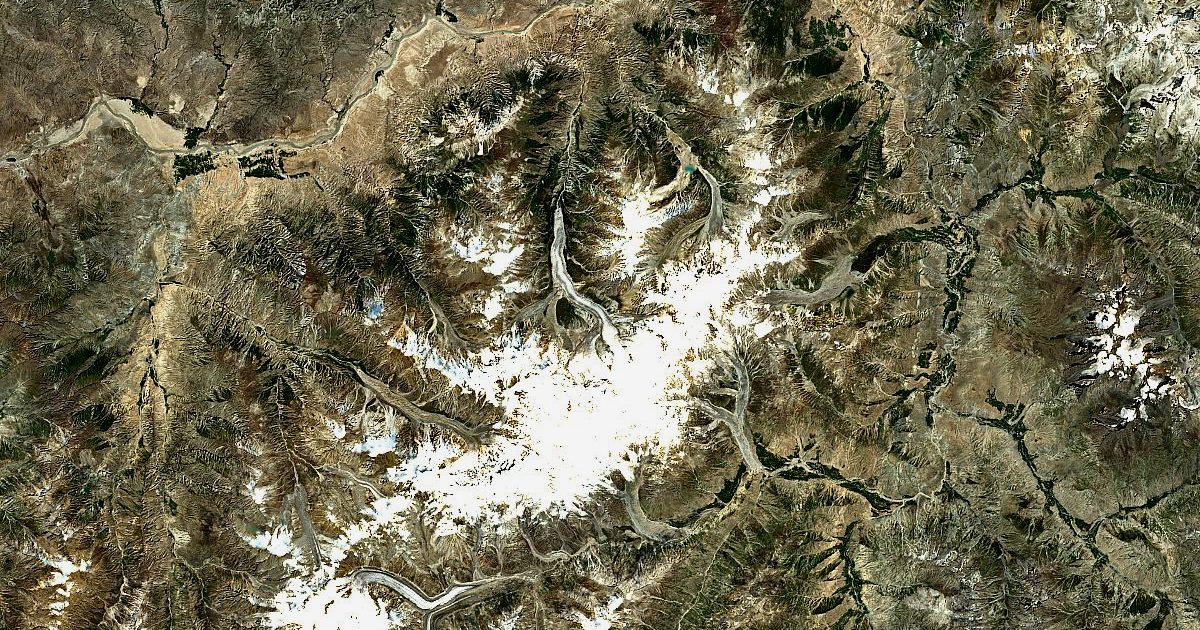
Satellite view of the area around Pakistan, Gilgit-Baltistan, Nanga Parbat, Rakhiot Face

Archive / Mountaineering

Nanga Parbat, Rakhiot Face: A collapsed snow bridge

Leader falls into a crevasse while establishing a new route; two companions rescued after about ten days stranded on the mountain

Two survivors rescued; recovery of the deceased climber’s body deemed impossible

Satellite imagery Sentinel-2 cloudless 2024 © EOX (CC BY-NC-SA 4.0)

Date
Summer
Place
Pakistan, Gilgit-Baltistan, Nanga Parbat, Rakhiot FacePakistan › Gilgit-Baltistan · Himalaya74.614°E 35.318°N
Activity
MountaineeringInvolves: Crevasses and glaciers · Extreme weather3 people (Italian climbers Karl Unterkircher, Simon Kehrer and Walter Nones)
Casualties
Dead 1 Unterkircher died after falling into a crevasse, and his body could not be brought down the mountain; Kehrer and Nones were rescued by a Pakistani military helicopter and were reportedly in good health
Material
44 facts · 14 sources4 accounts differ and are shown side by side

01What happened

In July 2008, Italian climbers Karl Unterkircher, then aged 37, Simon Kehrer and Walter Nones were attempting to establish a new route on the Rakhiot Face of Nanga Parbat. They had just established a new route on nearby Chongra Peak. The three reportedly set out in alpine style at 10 p.m. on 14 July and reached approximately 6300 metres at 4 p.m. the following afternoon.Facts it rests onF02Multiple sourcesItalian climbers Karl Unterkircher, Simon Kehrer and Walter Nones formed a team to attempt a new route on the Rakhiot Face of Nanga Parbat.F26Multiple sourcesUnterkircher was 37 years old at the time.F03Multiple sourcesBefore attempting the Rakhiot Face, the three had just opened a new route on nearby Chongra Peak.F07Single sourceAt 10 p.m. on 14 July, the three began climbing the Rakhiot Face in alpine style.F08Single sourceAt 4 p.m. on 15 July, the three reached about 6300 metres.

The snow covering a crevasse suddenly collapsed beneath Unterkircher, and he fell into a deep crevasse and died. The three were reportedly unroped to save time; Kehrer said Unterkircher was only a few metres away from them when it happened. The other two tried unsuccessfully to rescue him that night. They later descended into the crevasse and found Unterkircher buried in snow, but could not bring him out and retrieved only items including a satellite phone. Kehrer used the satellite phone to relay the news, but its battery was nearly depleted, and contact with the two was subsequently lost for a time.Facts it rests onF29Multiple sourcesAt the time of the accident, the snow covering a crevasse suddenly collapsed beneath Unterkircher.F28Multiple sourcesUnterkircher fell into a deep crevasse and died.F31Single sourceAccording to the Italian climber Gallo, who came to assist with the rescue, the three were not roped together at the time in order to save time.F32Single sourceKehrer said that Unterkircher was only a few meters away from them when the accident happened, and that he disappeared from sight immediately after the snow collapsed.F33Multiple sourcesThat night, Kehrer and Nones tried to rescue Unterkircher, but were unsuccessful.F34Multiple sourcesThe two later descended into the crevasse and found Unterkircher buried in snow.F35Multiple sourcesThe two were unable to bring Unterkircher out of the crevasse and retrieved only items he had with him, including a satellite phone.F36Multiple sourcesKehrer used the satellite phone to report the accident to the outside world.F37Multiple sourcesWhen the accident was reported, the satellite phone had little battery power left, and contact with the two was subsequently lost for a time.

The two judged it too dangerous to descend from the accident site by the way they had come and decided to continue upward over the face, then find a safer route down. Italian climbers Maurizio Gallo and Silvio Mondinelli came to base camp to help with the rescue, but the two were above the helicopter’s operating range, so it could only drop food, gas and a satellite phone to them. On 20 July, they re-established contact using the phone and decided to descend by the Buhl route, taken on the first ascent in 1953.Facts it rests onF38Multiple sourcesThe two judged it too dangerous to descend from the accident site by the way they had come and decided to continue climbing, then find a safer route down after getting off the face.F39Multiple sourcesItalian climbers Maurizio Gallo and Silvio Mondinelli came to base camp in Pakistan to assist with the rescue.F40Multiple sourcesThe two were above the helicopter's operating altitude and could not be lifted out directly.F11Multiple sourcesA helicopter located the two men and dropped food, gas and a satellite phone to them.F12Multiple sourcesOn 20 July, the two men re-established contact with the outside world using the phone that had been dropped to them.F41Multiple sourcesThe two decided to descend via the Buhl route, taken on the 1953 first ascent.

During the descent, snowstorms and thick fog forced the two to stop several times. According to the climbers, they had only a few pieces of protective equipment left, including two ice screws, and also encountered an avalanche on the way. They agreed to descend to around 6000 metres before being picked up by helicopter. On 24 July, a Pakistani military helicopter took Kehrer back to base camp first, then returned to pick up Nones. The two had been stranded on the mountain for about ten days and were neither injured nor ill when rescued. Unterkircher’s body could not be brought down the mountain; rescuers considered its recovery impossible under the conditions at the time.Facts it rests onF13Multiple sourcesOn 21 July, a snowstorm covered the mountain, and the two men were held up at about 7000 metres on the Bazhin Glacier.F14Multiple sourcesOn 22 July, after descending to about 6600 metres, the two men could not see the way through thick fog and stopped to camp again.F15Multiple sourcesAccording to the two men, they had only a few pieces of protection equipment left, including two ice screws, making their descent more difficult.F43Multiple sourcesDuring the descent, the two encountered an avalanche, which they both avoided.F17Multiple sourcesThe two men agreed to descend to about 6000 metres and be picked up by helicopter.F21Multiple sourcesOn 24 July, a Pakistani military helicopter first brought Kehrer back to base camp, then returned to pick up Nones.F22Multiple sourcesThe two men were rescued after being stranded on the mountain for about ten days.F23Multiple sourcesNeither of the two rescued men was injured or ill.F06Multiple sourcesUnterkircher's body could not be brought down the mountain; rescuers believed it could not be recovered under the conditions at the time.

The number at the end of a paragraph is how many facts it rests on; open it to see each fact and how well it is sourced: Multiple sourcesSingle source. Conflicting accounts and speculation are kept out of the narrative.

  • Reported locations along the route (illustrative)Schematic

Satellite imagery Sentinel-2 cloudless 2024 © EOX · Terrain AWS Terrain Tiles · Orange line is schematic · Place coordinates not individually verified

Route review

6 scenes to understand what happened

Scroll down and the map flies to where each part happened. The line is Schematic, Lines connect the reported locations in sequence and indicate only the approximate direction, not the actual track. Sources for the location coordinates are in places.json.

01

Full route

The locations mentioned in reports are connected in sequence to show the approximate course of events (schematic).

02

New route on the Rakhiot Face

The three attempted a new route on the Rakhiot Face of Nanga Parbat, reportedly setting out on the night of 14 July and reaching approximately 6300 metres the following afternoon.Facts it rests onF02Multiple sourcesItalian climbers Karl Unterkircher, Simon Kehrer and Walter Nones formed a team to attempt a new route on the Rakhiot Face of Nanga Parbat.F07Single sourceAt 10 p.m. on 14 July, the three began climbing the Rakhiot Face in alpine style.F08Single sourceAt 4 p.m. on 15 July, the three reached about 6300 metres.

04

Only way was up

It was too dangerous to descend by the way they had come, so the two continued upward. The helicopter could not reach their altitude and could only drop food and a phone.Facts it rests onF38Multiple sourcesThe two judged it too dangerous to descend from the accident site by the way they had come and decided to continue climbing, then find a safer route down after getting off the face.F40Multiple sourcesThe two were above the helicopter's operating altitude and could not be lifted out directly.F11Multiple sourcesA helicopter located the two men and dropped food, gas and a satellite phone to them.

05

Descent by the Buhl route

The two descended by the Buhl route, taken on the first ascent in 1953. Snowstorms and thick fog forced them to stop several times.Facts it rests onF41Multiple sourcesThe two decided to descend via the Buhl route, taken on the 1953 first ascent.F13Multiple sourcesOn 21 July, a snowstorm covered the mountain, and the two men were held up at about 7000 metres on the Bazhin Glacier.F14Multiple sourcesOn 22 July, after descending to about 6600 metres, the two men could not see the way through thick fog and stopped to camp again.

02Timeline

  1. At 10 p.m. on 14 July, the three began climbing the Rakhiot Face in alpine style. F07

  2. At 4 p.m. on 15 July, the three reached about 6300 metres. F08

  3. A strong storm struck on the night of 17 July, and waist-deep snow hindered the two men's progress the following day. F10

  4. After the accident, the two men spent another night at about 6300 metres. From 17 July, they ascended by a longer but easier route. F09

  5. A helicopter located the two men and dropped food, gas and a satellite phone to them. F11

  6. On 20 July, the two men re-established contact with the outside world using the phone that had been dropped to them. F12

  7. On 21 July, a snowstorm covered the mountain, and the two men were held up at about 7000 metres on the Bazhin Glacier. F13

  8. On 22 July, after descending to about 6600 metres, the two men could not see the way through thick fog and stopped to camp again. F14

  9. On 23 July, bad weather prevented the two men from descending to an altitude where they could be evacuated by air. F18

  10. At about 7:30 a.m. on 24 July, the two men set out from their bivouac at 6600 metres to descend. F19

  11. On 24 July, a Pakistani military helicopter first brought Kehrer back to base camp, then returned to pick up Nones. F21

  12. After their rescue, the two were taken to Gilgit for medical examinations. F24

03Lessons

Avalanche and high altitude

A crevasse may lie beneath an apparently unbroken snow surface

The snow covering a crevasse suddenly collapsed beneath Unterkircher, and he fell into a deep crevasse and died. The three were reportedly unroped to save time. On a glacier with hidden crevasses, the trade-off between speed and protection may directly determine the consequences of a misstep.Facts it rests onF29Multiple sourcesAt the time of the accident, the snow covering a crevasse suddenly collapsed beneath Unterkircher.F28Multiple sourcesUnterkircher fell into a deep crevasse and died.F31Single sourceAccording to the Italian climber Gallo, who came to assist with the rescue, the three were not roped together at the time in order to save time.

Teams and decisions

A new route may offer no way back

After the accident, the two judged it too dangerous to descend from the accident site by the way they had come. They had to continue upward over the face and descend by the Buhl route, and were ultimately stranded on the mountain for about ten days. On a route no one has travelled before, a way back may not exist.Facts it rests onF38Multiple sourcesThe two judged it too dangerous to descend from the accident site by the way they had come and decided to continue climbing, then find a safer route down after getting off the face.F41Multiple sourcesThe two decided to descend via the Buhl route, taken on the 1953 first ascent.F22Multiple sourcesThe two men were rescued after being stranded on the mountain for about ten days.

Communication and location

When the phone battery ran out, contact was lost

After the accident, the satellite phone’s battery was nearly depleted, and contact with the two was subsequently lost for a time. It was not restored until 20 July, after a helicopter dropped a new phone. While communications were down, it was difficult for those outside to know their condition.Facts it rests onF37Multiple sourcesWhen the accident was reported, the satellite phone had little battery power left, and contact with the two was subsequently lost for a time.F11Multiple sourcesA helicopter located the two men and dropped food, gas and a satellite phone to them.F12Multiple sourcesOn 20 July, the two men re-established contact with the outside world using the phone that had been dropped to them.

Rescue and self-rescue

Some altitudes are beyond a helicopter’s reach

The two were above the helicopter’s operating range, so it could only drop supplies; they agreed to descend to around 6000 metres before being picked up by helicopter. At high altitude, whether climbers can descend on their own to a height a helicopter can reach determines when rescue can arrive.Facts it rests onF40Multiple sourcesThe two were above the helicopter's operating altitude and could not be lifted out directly.F11Multiple sourcesA helicopter located the two men and dropped food, gas and a satellite phone to them.F17Multiple sourcesThe two men agreed to descend to about 6000 metres and be picked up by helicopter.F21Multiple sourcesOn 24 July, a Pakistani military helicopter first brought Kehrer back to base camp, then returned to pick up Nones.

04Fact list 44 facts

Under each fact is a verbatim quote from the original. "Single source" means only one outlet mentioned it; "Accounts differ" means sources contradict each other and this site adopts neither side; "Speculation" is an inference by a reporter or a person involved, not a fact.

  1. F01Multiple sourcesBackground

    In 2004, Unterkircher summited Mount Everest and K2 without supplemental oxygen in the same season.

    Quotes from the original 2

    “In 2004, Unterkircher clocked a world record for the fastest ascent, in 63 days, of both Mount Everest and K2 without oxygen.”

    NBC News · 2008-07-25

    “He was the first person to have climbed the world's two highest peaks - Mount Everest and K2 - without oxygen, in a single season, back in 2004.”

    The National · 2008-07-24
  2. F02Multiple sourcesPlan

    Italian climbers Karl Unterkircher, Simon Kehrer and Walter Nones formed a team to attempt a new route on the Rakhiot Face of Nanga Parbat.

    Quotes from the original 4

    “The team of three climbers, comprised of Unterkircher, Simon Kehrer and Walter Nones, were attempting a new route on the Rakhiot Face of the mountain.”

    Alpinist · 2008-07-16

    “Karl Unterkircher, impegnato nella scalata di una via nuova sulla parete Rakhiot”

    Montagna.tv · 2008-07-16

    “was trying to pioneer a new route up Nanga Parbat, the world's ninth highest peak.”

    NBC News · 2008-07-25

    “along with Kehrer and Nones was attempting a new route on Nanga Parbat”

    Business Recorder · 2008-07-25
  3. F03Multiple sourcesBackground

    Before attempting the Rakhiot Face, the three had just opened a new route on nearby Chongra Peak.

    Quotes from the original 2

    “Simon Kehrer, Walter Nones, and Karl Unterkircher climbed new routes on 6,830m Chongra Main”

    AAJ · 2009

    “a member of the Italian team that recently established a new route on Chongra Peak”

    Alpinist · 2008-07-16
  4. F04Accounts differEvent

    Accounts differ on the date of the accident: the American Alpine Journal and Montagna.tv's timeline give 15 July; an Associated Press report gives 16 July, and Italy Magazine says it happened on Wednesday.

    Quotes from the original 4

    “They began climbing after midnight on the 15th”

    AAJ · 2009

    “15 luglio: Tragedia sul Nanga Parbat, Karl Unterkircher cade in un crepaccio a circa 6.400 metri di quota”

    Montagna.tv · 2008-07-24

    “on the 26,810-foot Nanga Parbat on July 16 when the accident occurred.”

    NBC News · 2008-07-25

    “fell to his death on Wednesday”

    Italy Magazine · 2008-07-18
  5. F05Accounts differMovement

    Accounts differ on when the two men emerged from the Rakhiot Face: Montagna.tv's timeline says that by 20 July they were off the route and on the Bazhin Glacier at about 7200 metres; the American Alpine Journal says they did not emerge from the face until 21 July, then skied to a camp at 7500 metres.

    Quotes from the original 2

    “20 luglio: "Siamo fuori dalla via, stiamo bene, scendiamo dalla Buhl”

    Montagna.tv · 2008-07-24

    “before cresting the face on July 21 and skiing to a tent site at 7,500m.”

    AAJ · 2009
  6. F06Multiple sourcesAftermath

    Unterkircher's body could not be brought down the mountain; rescuers believed it could not be recovered under the conditions at the time.

    Quotes from the original 2

    “where the rescue team subsequently deemed the body recovery to be impossible, given the conditions.”

    AAJ · 2009

    “But the body of their expedition leader, Karl Unterkircher, was unlikely to be found”

    The National · 2008-07-24
  7. F07Single sourceMovement

    According to AAJ, At 10 p.m. on 14 July, the three began climbing the Rakhiot Face in alpine style.

    Quotes from the original 1

    “The three men began their alpine-style attempt on Nanga Parbat’s Rakhiot Face at 10 p.m. on July 14.”

    AAJ · 2009
  8. F08Single sourceMovement

    According to AAJ, At 4 p.m. on 15 July, the three reached about 6300 metres.

    Quotes from the original 1

    “At 4 p.m. they arrived at 6,300m.”

    AAJ · 2009
  9. F09Single sourceMovement

    According to AAJ, After the accident, the two men spent another night at about 6300 metres. From 17 July, they ascended by a longer but easier route.

    Quotes from the original 1

    “After another night at 6,300m, on July 17 they headed up and right by a longer but easier route than they’d originally planned to climb”

    AAJ · 2009
  10. F10Single sourceEvent

    According to AAJ, A strong storm struck on the night of 17 July, and waist-deep snow hindered the two men's progress the following day.

    Quotes from the original 1

    “A strong storm arrived during the night of July 17, and the next day snow up to waist deep hindered their progress.”

    AAJ · 2009
  11. F11Multiple sourcesEvent

    A helicopter located the two men and dropped food, gas and a satellite phone to them.

    Quotes from the original 3

    “Il secondo elicottero inviato dalla spedizione di soccorso individua Nones e Kehrer e lancia loro viveri, gas e un satelllitare.”

    Montagna.tv · 2008-07-24

    “They were located by air two days later when a helicopter crew managed to drop food and a satellite phone to them.”

    The National · 2008-07-24

    “at first could only drop food, bottled gas and another phone to them.”

    NBC News · 2008-07-25
  12. F12Multiple sourcesEvent

    On 20 July, the two men re-established contact with the outside world using the phone that had been dropped to them.

    Quotes from the original 2

    “Having retrieved the phone, the pair contacted Gallo and Mondinelli yesterday, July 20”

    Alpinist · 2008-07-21

    “until the evening of July 20, when they called the Italian Embassy.”

    The National · 2008-07-24
  13. F13Multiple sourcesEvent

    On 21 July, a snowstorm covered the mountain, and the two men were held up at about 7000 metres on the Bazhin Glacier.

    Quotes from the original 2

    “21 luglio: Nones e Kehrer sono a quota 7000 metri a causa di una tormenta che ha provocato loro alcune difficoltà di orientamento.”

    Montagna.tv · 2008-07-24

    “Tomorrow they hope to beat back a blizzard that has overtaken the mountain”

    Alpinist · 2008-07-21
  14. F14Multiple sourcesEvent

    On 22 July, after descending to about 6600 metres, the two men could not see the way through thick fog and stopped to camp again.

    Quotes from the original 2

    “From another bivouac at around 6600m, they called rescue coordinators in base camp. “We don’t see anything. It is to dangerous to continue,””

    Alpinist · 2008-07-22

    “Nones, fermo a 6.600 metri nel bivacco allestito questa mattina”

    Montagna.tv · 2008-07-22
  15. F15Multiple sourcesEvent

    According to the two men, they had only a few pieces of protection equipment left, including two ice screws, making their descent more difficult.

    Quotes from the original 2

    “the fact that we only have two ice screws and two crampons left makes it difficult to cross the crevasses.”

    Alpinist · 2008-07-22

    “il problema è che abbiamo soltanto due viti da ghiaccio e due chiodi da ghiaccio”

    Montagna.tv · 2008-07-22
  16. F16Multiple sourcesFound at scene

    After going up to inspect the route, Mondinelli concluded that the lower section of the glacier had many crevasses and seracs and was very dangerous.

    Quotes from the original 2

    “Mondinelli indicated that the glacier looked very dangerous with many crevasses.”

    Alpinist · 2008-07-22

    “La seraccata nella parte bassa del ghiacciaio è complessa, lunga e insidiosa, come ha raccontato stamattina Mondinelli che l’ha vista da vicino”

    Montagna.tv · 2008-07-22
  17. F17Multiple sourcesPlan

    The two men agreed to descend to about 6000 metres and be picked up by helicopter.

    Quotes from the original 3

    “hanno concordato, per domani, il recupero in elicottero attorno ai seimila metri”

    Montagna.tv · 2008-07-22

    “A helicopter is on standby in base camp to take off as soon as the climbers reach an altitude of approximately 6000m.”

    Alpinist · 2008-07-22

    “they agreed to be recovered by helicopter once they’d reached a low enough altitude”

    AAJ · 2009
  18. F18Multiple sourcesEvent

    On 23 July, bad weather prevented the two men from descending to an altitude where they could be evacuated by air.

    Quotes from the original 2

    “23 luglio: Nones e Kehrer fermi per il maltempo”

    Montagna.tv · 2008-07-24

    “Inclement weather on Wednesday had hindered the descent of the Italian climbers to a safe height for an airlift.”

    Business Recorder · 2008-07-25
  19. F19Single sourceMovement

    According to Alpinist, At about 7:30 a.m. on 24 July, the two men set out from their bivouac at 6600 metres to descend.

    Quotes from the original 1

    “At approximately 7:30 on the morning of July 24, 2008, the two started their descent from their bivouac at 6600m.”

    Alpinist · 2008-07-24
  20. F20Accounts differEvent

    Accounts differ on the altitude at which the helicopter picked up the two men: Alpinist says it was on a glacier plateau at 5700 metres; the American Alpine Journal says 5400 metres; Montagna.tv reported that day that the two were waiting for the helicopter in a safe area at about 5900 metres.

    Quotes from the original 3

    “Nones and Kehrer reached a glacier plateau at 5700m, where the rescue organization’s helicopter was able to pick them up.”

    Alpinist · 2008-07-24

    “On July 24 a helicopter picked up Kehrer and Nones at 5,400m and carried them to base camp”

    AAJ · 2009

    “Ora si trovano in una zona di sicurezza a circa 5900 metri in attesa degli elicotteri.”

    Montagna.tv · 2008-07-24
  21. F21Multiple sourcesEvent

    On 24 July, a Pakistani military helicopter first brought Kehrer back to base camp, then returned to pick up Nones.

    Quotes from the original 3

    “They first flew Kehrer to safety and a few minutes later returned to bring Nones to Fairy Meadows, the base camp of Nanga Parbat.”

    Alpinist · 2008-07-24

    “The Ecureuil helicopter from the Pakistan army's aviation wing first picked up Kehrer and after dropping him at the base camp went for Nones.”

    Business Recorder · 2008-07-25

    “The helicopter picked up Mr Kehrer at 1pm local time, before returning for Mr Nones at 1.30pm.”

    The National · 2008-07-24
  22. F22Multiple sourcesAftermath

    The two men were rescued after being stranded on the mountain for about ten days.

    Quotes from the original 2

    “After a ten-day Odyssey on the Rakhiot Face of Nanga Parbat, Italian alpinists Walter Nones and Simon Kehrer have been rescued.”

    Alpinist · 2008-07-24

    “Two Italian climbers were rescued by helicopter from Pakistan's most dangerous mountains yesterday after being stranded at 7,000 metres for 10 days in freezing conditions.”

    The National · 2008-07-24
  23. F23Multiple sourcesAftermath

    Neither of the two rescued men was injured or ill.

    Quotes from the original 2

    “"They [Kehrer and Nones] were not injured or ill, they were psychologically stuck after the other climber died," said Col Ilyas Mirza”

    The National · 2008-07-24

    “Both mountaineers were apparently in good health”

    Business Recorder · 2008-07-25
  24. F24Multiple sourcesAftermath

    After their rescue, the two were taken to Gilgit for medical examinations.

    Quotes from the original 2

    “That afternoon the mountaineers were flown to Gilgit, Pakistan, for a medical check”

    Alpinist · 2008-07-24

    “they will undergo a medical check-up in the town of Gilgit”

    Business Recorder · 2008-07-25
  25. F25Single sourceAftermath

    According to Alpinist, Before leaving base camp, the two held a small memorial ceremony for Unterkircher.

    Quotes from the original 1

    “but not before holding a small memorial service for Karl Unterkircher”

    Alpinist · 2008-07-24
  26. F26Multiple sourcesBackground

    Unterkircher was 37 years old at the time.

    Quotes from the original 2

    “Unterkircher, a 37-year-old Italian”

    NBC News · 2008-07-25

    “Mr Unterkircher, a 37-year-old Italian”

    The National · 2008-07-24
  27. F27Multiple sourcesBackground

    Of his two companions, Nones was 36 and Kehrer was 29.

    Quotes from the original 2

    “Simon Kehrer, 29 anni di San Vigilio di Marebbe (Alto Adige), e l’appuntato dei carabinieri Walter Nones, 36 anni”

    Blitz Quotidiano · 2008-07-18

    “Walter Nones, 36, and Simon Kehrer, 29”

    Italy Magazine · 2008-07-18
  28. F28Multiple sourcesEvent

    Unterkircher fell into a deep crevasse and died.

    Quotes from the original 4

    “Unterkircher plummeted into a deep crevasse and was killed.”

    AAJ · 2009

    “plucked two Italian climbers from a Himalayan mountain where their expert team-mate fell to his death in a crevasse last week”

    Business Recorder · 2008-07-25

    “the accomplished climber plunged to his death down a deep crevasse”

    The National · 2008-07-24

    “Karl Unterkircher, impegnato nella scalata di una via nuova sulla parete Rakhiot, è precipitato in un crepaccio.”

    Montagna.tv · 2008-07-16
  29. F29Multiple sourcesEvent

    At the time of the accident, the snow covering a crevasse suddenly collapsed beneath Unterkircher.

    Quotes from the original 2

    “died when a bridge of snow masking a crevasse on Pakistan's "Killer Mountain" gave way under his tentative step”

    NBC News · 2008-07-25

    “La costola di neve dove Unterkircher stava battendo traccia sarebbe improvvisamente crollata sotto i suoi piedi”

    Montagna.tv · 2008-07-16
  30. F30Accounts differEvent

    Accounts differ on the altitude of the accident: the American Alpine Journal records it as 6300 meters; Montagna.tv and Alpinist give about 6400 meters; The National quotes an agent as saying about 6000 meters.

    Quotes from the original 4

    “following the death of Unterkircher in a crevasse fall at 6,300m.”

    AAJ · 2009

    “cade in un crepaccio a circa 6.400 metri di quota”

    Montagna.tv · 2008-07-24

    “fell into a crevasse at ca. 6400 meters five days ago”

    Alpinist · 2008-07-21

    “he fell into the crevasse at about 6,000m”

    The National · 2008-07-24
  31. F31Single sourceEvent

    According to NBC News, According to the Italian climber Gallo, who came to assist with the rescue, the three were not roped together at the time in order to save time.

    Quotes from the original 1

    “said the trio had not been roped together at the time in order to save time.”

    NBC News · 2008-07-25
  32. F32Single sourceEvent

    According to NBC News, Kehrer said that Unterkircher was only a few meters away from them when the accident happened, and that he disappeared from sight immediately after the snow collapsed.

    Quotes from the original 1

    “"Karl was just a few meters (yards) from us" when the snow suddenly gave way beneath him, Simon Kehrer told a news conference in the Pakistani capital. "In that moment, Karl just vanished from view."”

    NBC News · 2008-07-25
  33. F33Multiple sourcesEvent

    That night, Kehrer and Nones tried to rescue Unterkircher, but were unsuccessful.

    Quotes from the original 3

    “After trying to reach him that night, Kehrer and Nones camped 50m away.”

    AAJ · 2009

    “After a hellish night of attempting in vain to rescue him”

    The National · 2008-07-24

    “dopo una terribile notte passata all’addiaccio nel disperato tentativo di salvare il loro amico e capospedizione”

    Montagna.tv · 2008-07-16
  34. F34Multiple sourcesFound at scene

    The two later descended into the crevasse and found Unterkircher buried in snow.

    Quotes from the original 2

    “The following morning they descended into the crevasse, where they found Unterkircher’s body buried under heavy snow.”

    AAJ · 2009

    “Walter Nones, the third climber, lowered Kehrer by rope into the frigid crevasse, where he dug with his hands until he found Unterkircher's body.”

    NBC News · 2008-07-25
  35. F35Multiple sourcesEvent

    The two were unable to bring Unterkircher out of the crevasse and retrieved only items he had with him, including a satellite phone.

    Quotes from the original 2

    “After trying unsuccessfully to recover the body, in dangerous conditions, the two men recovered Unterkircher’s pack, climbing gear, and satellite phone”

    AAJ · 2009

    “non hanno potuto far nulla se non recuperare, tra mille difficoltà, il telefono satellitare che Unterkircher aveva indosso.”

    Montagna.tv · 2008-07-16
  36. F36Multiple sourcesEvent

    Kehrer used the satellite phone to report the accident to the outside world.

    Quotes from the original 2

    “Kehrer contacted base camp via satellite phone to inform them that Unterkircher had fallen”

    Alpinist · 2008-07-16

    “A raccontarlo sono stati, questa mattina, i suoi compagni di cordata Walter Nones e Simon Kehrer”

    Montagna.tv · 2008-07-16
  37. F37Multiple sourcesEvent

    When the accident was reported, the satellite phone had little battery power left, and contact with the two was subsequently lost for a time.

    Quotes from the original 2

    “La telefonata a casa è stata brevissima. La batteria del telefono è agli sgoccioli.”

    Montagna.tv · 2008-07-16

    “Staff at base camp have been unable to reach the two men on their satellite phone since the accident, when the climbers said they were running out of battery power.”

    Italy Magazine · 2008-07-18
  38. F38Multiple sourcesEvent

    The two judged it too dangerous to descend from the accident site by the way they had come and decided to continue climbing, then find a safer route down after getting off the face.

    Quotes from the original 4

    “After concluding it would be too dangerous to descend from this point, Kehrer and Nones decided to continue up the face to the Silver Plateau”

    AAJ · 2009

    “With rock and ice falls making the face of the mountain too dangerous to re-descend, the pair decided to climb on to 23,000 feet to find a safer route down.”

    NBC News · 2008-07-25

    “It was too dangerous for the remaining two to descend from where the tragedy occurred, so they had to climb up, to 7,000m”

    The National · 2008-07-24

    “Walter Nones and Simon Kehrer had to continue their ascent of Nanga Parbat as it was impossible for them to return via the same route”

    Alpinist · 2008-07-16
  39. F39Multiple sourcesEvent

    Italian climbers Maurizio Gallo and Silvio Mondinelli came to base camp in Pakistan to assist with the rescue.

    Quotes from the original 3

    “Meanwhile, Italian friends Maurizio Gallo and Silvio Mondinelli rushed to Pakistan to provide support from base camp.”

    Alpinist · 2008-07-21

    “la squadra di soccorso inviata dall’Italia da Agostino Da Polenza, con Silvio Mondinelli e Maurizio Gallo”

    Montagna.tv · 2008-07-24

    “Maurizio Gallo, an experienced Italian climber who rushed to the area to help guide the survivors down the mountain”

    NBC News · 2008-07-25
  40. F40Multiple sourcesEvent

    The two were above the helicopter's operating altitude and could not be lifted out directly.

    Quotes from the original 3

    “Because the pair were at a height above the maximum the helicopter was able to operate”

    The National · 2008-07-24

    “Pakistani army helicopters, flying at their operational limit because of the lack of oxygen in the air, at first could only drop food, bottled gas and another phone to them.”

    NBC News · 2008-07-25

    “They hoped to perform a longline rescue for Kehrer and Nones”

    Alpinist · 2008-07-21
  41. F41Multiple sourcesPlan

    The two decided to descend via the Buhl route, taken on the 1953 first ascent.

    Quotes from the original 3

    ““We are okay and will descend via the Buhl Route.””

    Alpinist · 2008-07-21

    “iniziano la difficile discesa lungo la via Buhl”

    Montagna.tv · 2008-07-24

    “they skied down the Buhl route (Nanga Parbat’s 1953 first-ascent route along the east ridge)”

    AAJ · 2009
  42. F42Single sourcePlan

    According to AAJ, According to the American Alpine Journal, the two agreed to be picked up by helicopter because this might allow rescuers to attempt to recover Unterkircher's body sooner.

    Quotes from the original 1

    “because this might expedite rescuers’ chances for recovering Unterkircher’s body.”

    AAJ · 2009
  43. F43Multiple sourcesEvent

    During the descent, the two encountered an avalanche, which they both avoided.

    Quotes from the original 2

    “in poor visibility, escaping two snow avalanches.”

    AAJ · 2009

    “There was a small avalanche yesterday but we were able to ski on this morning”

    Italy Magazine · 2008-07-24
  44. F44Single sourceAftermath

    According to AAJ, The two named the route on the Rakhiot Face the “Karl Unterkircher Route,” dedicating it to their companion who had died.

    Quotes from the original 1

    “The climbers dedicated their route on the Rakhiot Face, Via Karl Unterkircher (3,000m, IV-V M4+ 70°-80°), to their lost friend.”

    AAJ · 2009