GuituluGlobal Outdoor Accident Archive 中文
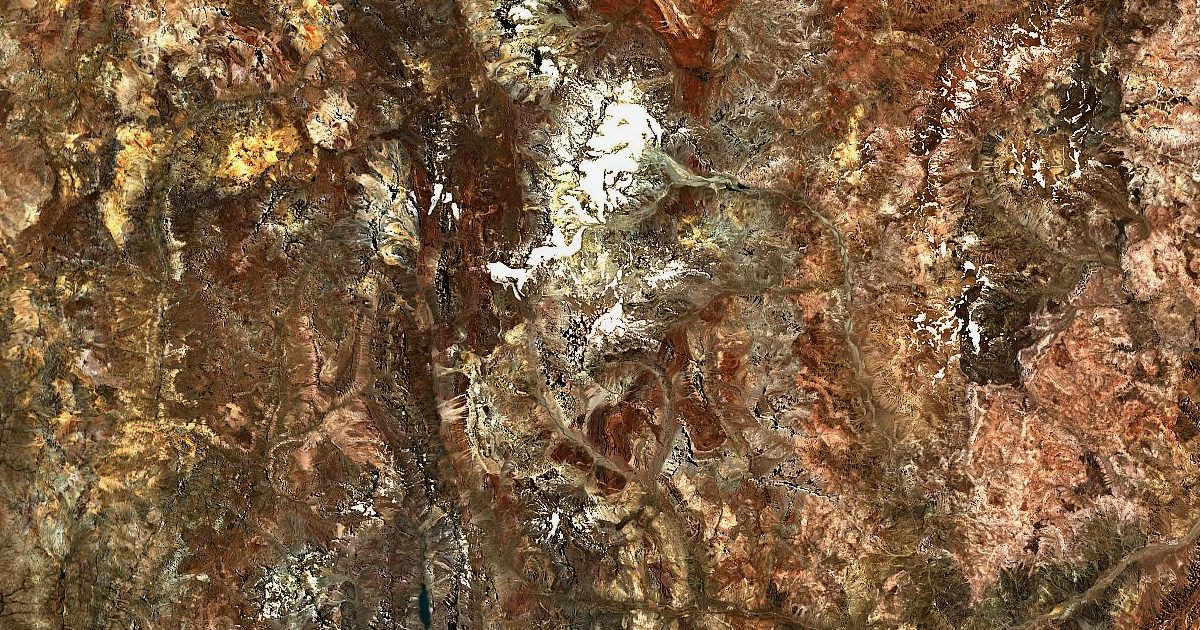
Satellite view of the area around Argentina, Mendoza, Aconcagua, descent from the summit (Canaleta area)

Archive / Mountaineering

2009 Aconcagua Italian climbing team deaths in storm

A blizzard sent the team off route after reaching the summit; a client and the lead guide died, and rescue footage sparked controversy

The accident has been reported by multiple sources; this archive did not find the conclusions of the judicial investigation into the rescue operation

Satellite imagery Sentinel-2 cloudless 2024 © EOX (CC BY-NC-SA 4.0)

Date
Summer (Southern Hemisphere)
Place
Argentina, Mendoza, Aconcagua, descent from the summit (Canaleta area)Argentina › Mendoza Province · Andes-70.012°E -32.653°N
Activity
Commercial mountaineeringInvolves: Hypothermia · Altitude illness · Getting lost and losing contact · Extreme weather1 Argentine guide with 4 Italian clients (1 turned back en route)
Casualties
Dead 2 Injured 3Italian climber Elena Senin and guide Federico Campanini died; the other 3 clients were rescued and experienced hypothermia, dehydration and other conditions
Material
33 facts · 10 sources2 accounts differ and are shown side by side

01What happened

In early January 2009, a commercial climbing team made up mainly of Italian clients began a summit attempt on Aconcagua in Argentina (approximately 6962 meters above sea level), led by Argentine guide Federico Campanini. According to reports, one of the team's original clients fell ill en route and was escorted back to camp, leaving one guide to lead the remaining clients during the summit push; the team left their backpacks at approximately 6300 meters, hoping to descend before dark after reaching the summit.Facts it rests onF01Single sourceThe Italian clients reportedly arrived in Argentina before Christmas, began their ascent on New Year's Day after acclimatizing, and hired Campanini as their guide.F02Multiple sourcesAconcagua is approximately 6962 meters above sea level and is the highest peak in the Americas.F07Multiple sourcesOne client in the original party felt unwell en route, stopped partway and was escorted back to the high camp, leaving one guide with the remaining clients for the summit stage.F09Multiple sourcesThe party left their backpacks at approximately 6300 meters to move faster, hoping to descend before dark after reaching the summit.

The team reached the summit on the afternoon of 7 January, then encountered a blizzard. According to reports, visibility fell to approximately 9 meters and the temperature was below minus 25 degrees Celsius. The team became disoriented, strayed from the standard route during the descent and moved onto the upper section of the Polish Glacier route. The guide of another team that had descended earlier the same day said they had found the refuge hut only by using GPS waypoints.Facts it rests onF11Multiple sourcesThe party reached the summit on the afternoon of 7 January (Wednesday) and subsequently encountered a snowstorm.F12Single sourceIn the snowstorm, visibility fell to approximately 9 meters and the temperature was below minus 25 degrees Celsius. The party became disoriented and strayed from its original route.F13Single sourceThe guide of another party that descended earlier the same day said that the storm broke shortly after they left the summit, with winds of approximately 80 kilometers per hour and visibility of only half a meter in front of their feet, and that they found the refuge hut only by using GPS waypoints.F14Multiple sourcesDuring the descent, the party strayed from the standard route onto the upper section of the Polish Glacier route.

One of the clients, Elena Senin, was involved in an accident and died on the upper Polish Glacier; sources differ on the precise cause of death. Campanini called for help by radio and tried to reach her, but developed hypothermia and altitude sickness and was unable to continue. According to reports, the other three clients could not help their companions and did not know the route down, leaving them with no choice but to bivouac at approximately 6700 meters without tents or sleeping bags.Facts it rests onF16Multiple sourcesAfter Senin's accident, Campanini called for help by radio and managed to get close to her, but developed hypothermia and altitude sickness and was unable to continue.F17Single sourceThe other three clients could not help their companions and did not know the route down, so they had to bivouac at approximately 6700 meters without tents or sleeping bags.

Approximately 80 people took part in the search and rescue, which the American Alpine Club's journal called the largest rescue in Aconcagua's history. On 8 January, rescuers found the survivors and helped them down to Cólera Camp; Campanini died that day. The three survivors were subsequently taken out of the mountains, and two were hospitalized for hypothermia, dehydration and severe bruising.Facts it rests onF19Multiple sourcesAbout 80 people took part in the search and rescue, which the American Alpine Journal called the largest rescue in Aconcagua's history; rescuers found the survivors on Thursday and helped them down to Condor Camp at about 5400 meters.F20Multiple sourcesCampanini died on 8 January (Thursday), by which time rescuers had found the party; the Associated Press said police reported that he died about four hours after the rescue shown in the video, with a rescue team member beside him.F22Multiple sourcesThe rescue coordinator said the volunteer rescuers had rushed to high altitude in one day, while normal climbers would take three or four days, and were severely fatigued; the rescue lasted about 30 hours, in extremely low temperatures.F23Multiple sourcesThe three Italian survivors were brought off the mountain; two were hospitalized for hypothermia, dehydration and severe bruising, and the other was also taken to hospital after their condition stabilized.

In February 2009, a nearly 3-minute rescue video was broadcast on Argentine television, showing Campanini being dragged by rescuers with a rope. His parents believed this proved their son had been abandoned while still alive. Prosecutors opened an investigation, and the Mendoza provincial government reportedly replaced the head of the mountain rescue team. A mountaineering writer also argued that carrying someone on a stretcher at that altitude was impossible and that the criticism had gone too far.Facts it rests onF25Multiple sourcesA rescue video nearly 3 minutes long was repeatedly broadcast on Argentine television. It shows Campanini lying face down in the snow as 5 rescuers drag him with a rope, while another person films.F26Multiple sourcesThe video was anonymously given to Campanini's lawyer and parents; his parents believed it proved that their son had been abandoned while still alive.F28Multiple sourcesProsecutors in Buenos Aires and Mendoza opened an investigation into the unsuccessful rescue, and a judge opened a case to “determine the circumstances of the death”.F29Single sourceThe Mendoza provincial government replaced the head of the Aconcagua mountain rescue team.F30Single sourceMountaineering writer David Roberts believed the criticism of the rescue team went too far, saying that at such an altitude it was impossible to carry someone down from near the summit on a stretcher; an open letter from an anonymous Argentine guide also said that in extreme circumstances, dragging someone with a rope and improvising were measures rescuers had little choice but to take, while criticizing the way the video was circulated.

The number at the end of a paragraph is how many facts it rests on; open it to see each fact and how well it is sourced: Multiple sourcesSingle source. Conflicting accounts and speculation are kept out of the narrative.

  • Reported waypoints (schematic)Schematic

Satellite imagery Sentinel-2 cloudless 2024 © EOX · Terrain AWS Terrain Tiles · Orange line is schematic · Place coordinates not individually verified

Route review

5 scenes to understand what happened

Scroll down and the map flies to where each part happened. The line is Schematic, Lines connect the reported waypoints in sequence, showing only the approximate direction, not the actual track.

01

Full route

Locations mentioned in reports are connected in sequence to show the approximate course of events (schematic).

04

Bivouac while awaiting rescue

The guide was unable to move after calling for help, and three clients bivouacked at approximately 6700 meters.Facts it rests onF16Multiple sourcesAfter Senin's accident, Campanini called for help by radio and managed to get close to her, but developed hypothermia and altitude sickness and was unable to continue.F17Single sourceThe other three clients could not help their companions and did not know the route down, so they had to bivouac at approximately 6700 meters without tents or sleeping bags.

02Timeline

  1. The Italian clients reportedly arrived in Argentina before Christmas, began their ascent on New Year's Day after acclimatizing, and hired Campanini as their guide. F01

  2. In the snowstorm, visibility fell to approximately 9 meters and the temperature was below minus 25 degrees Celsius. The party became disoriented and strayed from its original route. F12

  3. The other three clients could not help their companions and did not know the route down, so they had to bivouac at approximately 6700 meters without tents or sleeping bags. F17

  4. One client in the original party felt unwell en route, stopped partway and was escorted back to the high camp, leaving one guide with the remaining clients for the summit stage. F07

  5. After Senin's accident, Campanini called for help by radio and managed to get close to her, but developed hypothermia and altitude sickness and was unable to continue. F16

  6. The party reached the summit on the afternoon of 7 January (Wednesday) and subsequently encountered a snowstorm. F11

  7. During the descent, the party strayed from the standard route onto the upper section of the Polish Glacier route. F14

  8. The party left their backpacks at approximately 6300 meters to move faster, hoping to descend before dark after reaching the summit. F09

  9. Campanini died on 8 January (Thursday), by which time rescuers had found the party; the Associated Press said police reported that he died about four hours after the rescue shown in the video, with a rescue team member beside him. F20

  10. About 80 people took part in the search and rescue, which the American Alpine Journal called the largest rescue in Aconcagua's history; rescuers found the survivors on Thursday and helped them down to Condor Camp at about 5400 meters. F19

  11. The three Italian survivors were brought off the mountain; two were hospitalized for hypothermia, dehydration and severe bruising, and the other was also taken to hospital after their condition stabilized. F23

  12. Prosecutors in Buenos Aires and Mendoza opened an investigation into the unsuccessful rescue, and a judge opened a case to “determine the circumstances of the death”. F28

  13. The Mendoza provincial government replaced the head of the Aconcagua mountain rescue team. F29

  14. A rescue video nearly 3 minutes long was repeatedly broadcast on Argentine television. It shows Campanini lying face down in the snow as 5 rescuers drag him with a rope, while another person films. F25

  15. In 2011, in memory of Senin, her family and Italian and Argentine organizations built a shelter named after her at Plaza Colera, at around 6000 meters. F33

03Lessons

Weather and retreat

A simple route can cease to be “simple” in a storm

Aconcagua's normal route is not highly technical; the main risk is severe storms. The author of a report concluded that a simple route is simple only while one remains on it: when visibility is close to zero, straying from the route can lead into entirely different terrain.Facts it rests onF03Single sourceAconcagua's normal route is not highly technical. The main risks are violent storms and the lack of technical obstacles, which can make it easy for people to attempt the summit without adequate acclimatization. The final approximately 300 meters are a scree gully called the Canaleta.F12Single sourceIn the snowstorm, visibility fell to approximately 9 meters and the temperature was below minus 25 degrees Celsius. The party became disoriented and strayed from its original route.F14Multiple sourcesDuring the descent, the party strayed from the standard route onto the upper section of the Polish Glacier route.F32Single sourceLessons summarized by the Backpacker author: an easy route is easy only when you are on it; a large, slow party should not leave emergency equipment behind; rescue will not arrive immediately, so one must be prepared to wait in place.

Hypothermia and overnight gear

Do not leave emergency equipment behind

According to reports, the team left their backpacks at approximately 6300 meters to move faster and carried no emergency equipment to the summit. When their descent was blocked, they had no choice but to bivouac without tents or sleeping bags. When a team is moving slowly, it is even more important to prepare to wait in place.Facts it rests onF09Multiple sourcesThe party left their backpacks at approximately 6300 meters to move faster, hoping to descend before dark after reaching the summit.F10Single sourceAccording to the other party's guide, the party was not carrying emergency equipment when it reached the summit.F17Single sourceThe other three clients could not help their companions and did not know the route down, so they had to bivouac at approximately 6700 meters without tents or sleeping bags.F32Single sourceLessons summarized by the Backpacker author: an easy route is easy only when you are on it; a large, slow party should not leave emergency equipment behind; rescue will not arrive immediately, so one must be prepared to wait in place.

Rescue and self-rescue

Rescue will not arrive immediately

Rescue volunteers rushed to high altitude within a day and were already severely exhausted. The rescue lasted approximately 30 hours in extremely low temperatures. At high altitude, people often have to rely on themselves to survive for a long time after calling for help; communication and staying warm in place are equally important.Facts it rests onF16Multiple sourcesAfter Senin's accident, Campanini called for help by radio and managed to get close to her, but developed hypothermia and altitude sickness and was unable to continue.F19Multiple sourcesAbout 80 people took part in the search and rescue, which the American Alpine Journal called the largest rescue in Aconcagua's history; rescuers found the survivors on Thursday and helped them down to Condor Camp at about 5400 meters.F22Multiple sourcesThe rescue coordinator said the volunteer rescuers had rushed to high altitude in one day, while normal climbers would take three or four days, and were severely fatigued; the rescue lasted about 30 hours, in extremely low temperatures.

Teams and decisions

Small, slow teams need more redundancy

During the summit push, only one guide remained to lead several clients. Once casualties occurred, the team lost the person familiar with the route. Decisions about team composition and turnaround times should allow for this risk.Facts it rests onF07Multiple sourcesOne client in the original party felt unwell en route, stopped partway and was escorted back to the high camp, leaving one guide with the remaining clients for the summit stage.F08Single sourceAccording to the guide of another party that summited the same day, the predominantly Italian party was moving slowly.F16Multiple sourcesAfter Senin's accident, Campanini called for help by radio and managed to get close to her, but developed hypothermia and altitude sickness and was unable to continue.F17Single sourceThe other three clients could not help their companions and did not know the route down, so they had to bivouac at approximately 6700 meters without tents or sleeping bags.

04Fact list 33 facts

Under each fact is a verbatim quote from the original. "Single source" means only one outlet mentioned it; "Accounts differ" means sources contradict each other and this site adopts neither side; "Speculation" is an inference by a reporter or a person involved, not a fact.

  1. F01Single sourcePlan

    According to Sky Sport, The Italian clients reportedly arrived in Argentina before Christmas, began their ascent on New Year's Day after acclimatizing, and hired Campanini as their guide.

    Quotes from the original 2

    “Avevano messo sotto contratto una guida esperta, Federico Campanini”

    Sky Sport · 2011-01-10

    “la risalita che inizia proprio il giorno di Capodanno”

    Sky Sport · 2011-01-10
  2. F02Multiple sourcesBackground

    Aconcagua is approximately 6962 meters above sea level and is the highest peak in the Americas.

    Quotes from the original 2

    “the highest peak in the Americas”

    Fox News · 2009-02-18

    “Aconcagua (6,962m)”

    American Alpine Journal · 2009-01-01
  3. F03Single sourceBackground

    According to Backpacker, Aconcagua's normal route is not highly technical. The main risks are violent storms and the lack of technical obstacles, which can make it easy for people to attempt the summit without adequate acclimatization. The final approximately 300 meters are a scree gully called the Canaleta.

    Quotes from the original 1

    “Aconcagua via the normal route is not technically difficult.”

    Backpacker · 2009-03-02
  4. F04Multiple sourcesBackground

    Federico Campanini, the guide who died, was a 31-year-old Argentine who was living in Salt Lake City, United States, at the time and had worked for Rainier Mountaineering (RMI).

    Quotes from the original 3

    “an Argentine living in Salt Lake City”

    Backpacker · 2009-03-02

    “an Argentine/American guide working for Rainier Mountaineering”

    Backpacker · 2009-03-02

    “moved here three years ago from Argentina”

    KSL · 2009-01-09
  5. F05Single sourceBackground

    According to KSL, Campanini had extensive experience leading climbing parties. According to his relatives, he had summited Mount Rainier 17 times and had also climbed McKinley (Denali) the previous year.

    From a television station's account of relatives' statements; only one source

    Quotes from the original 1

    “climbed Mt. Rainier 17 times and Mt. McKinley last year”

    KSL · 2009-01-09
  6. F06Multiple sourcesBackground

    Elena Senin, who died, was a 38-year-old Italian climber from Ivrea in Piedmont.

    Quotes from the original 2

    “Elena Senin, 38”

    NBC News · 2009-01-09

    “originaria di Ivrea”

    Sky Sport · 2011-01-10
  7. F07Multiple sourcesEvent

    One client in the original party felt unwell en route, stopped partway and was escorted back to the high camp, leaving one guide with the remaining clients for the summit stage.

    Quotes from the original 2

    “che si ferma però a metà percorso perché non si sente bene”

    Sky Sport · 2011-01-10

    “one lagged behind with a slow client who eventually had to be escorted back down”

    Backpacker · 2009-03-02
  8. F08Single sourceEvent

    According to Backpacker, According to the guide of another party that summited the same day, the predominantly Italian party was moving slowly.

    A first-person forum account relayed by a magazine; single source

    Quotes from the original 1

    “The RMI group, mostly Italians, was slow, as are many large guided parties.”

    Backpacker · 2009-03-02
  9. F09Multiple sourcesMovement

    The party left their backpacks at approximately 6300 meters to move faster, hoping to descend before dark after reaching the summit.

    Quotes from the original 2

    “A quota 6.300 decidono di abbandonare lo zaino per essere più veloci.”

    Sky Sport · 2011-01-10

    “found all the Italian’s backpacks stashed in a sheltered area called The Cave”

    Backpacker · 2009-03-02
  10. F10Single sourceFound at scene

    According to Backpacker, According to the other party's guide, the party was not carrying emergency equipment when it reached the summit.

    Single source

    Quotes from the original 1

    “They summited with no emergency gear.”

    Backpacker · 2009-03-02
  11. F11Multiple sourcesEvent

    The party reached the summit on the afternoon of 7 January (Wednesday) and subsequently encountered a snowstorm.

    Quotes from the original 2

    “reached Aconcagua's 22,841-foot summit Wednesday afternoon but were then caught in a blinding snow storm”

    NBC News · 2009-01-09

    “On Jan. 7, he and the four Italian climbers were caught in an afternoon snow storm”

    Fox News · 2009-02-18
  12. F12Single sourceEvent

    According to NBC News, In the snowstorm, visibility fell to approximately 9 meters and the temperature was below minus 25 degrees Celsius. The party became disoriented and strayed from its original route.

    The other party's guide estimated winds at approximately 80 kilometers per hour and the temperature at approximately minus 20 degrees Celsius; see F13

    Quotes from the original 1

    “With visibility reduced to 30 feet and temperatures below minus 13 degrees Fahrenheit”

    NBC News · 2009-01-09
  13. F13Single sourceEvent

    According to Backpacker, The guide of another party that descended earlier the same day said that the storm broke shortly after they left the summit, with winds of approximately 80 kilometers per hour and visibility of only half a meter in front of their feet, and that they found the refuge hut only by using GPS waypoints.

    Single source, first-person forum account

    Quotes from the original 2

    “Winds were 50mph and temps -5F.”

    Backpacker · 2009-03-02

    “managed to find the Independencia Refuge (hut) via a waypoint”

    Backpacker · 2009-03-02
  14. F14Multiple sourcesMovement

    During the descent, the party strayed from the standard route onto the upper section of the Polish Glacier route.

    Quotes from the original 2

    “veered onto upper sections of the Polish Glacier Route”

    Backpacker · 2009-03-02

    “imboccano la strada sbagliata, per il Ghiacciaio dei Polacchi”

    Sky Sport · 2011-01-10
  15. F15Accounts differEvent

    Accounts of Elena Senin's cause of death differ: NBC and the Associated Press said she died in an avalanche during the storm; Backpacker said she fell into a crevasse on the upper Polish Glacier and is thought to have been crushed by collapsing ice; the Italian source Sky Sport said only that she slipped and fell.

    Conflicting accounts of cause of death; cannot be treated as an established fact

    Quotes from the original 3

    “an avalanche during the storm killed Italian Elena Senin”

    NBC News · 2009-01-09

    “Elena Senin (38) fell into a crevasse and was killed”

    Backpacker · 2009-03-02

    “Elena scivola”

    Sky Sport · 2011-01-10
  16. F16Multiple sourcesEvent

    After Senin's accident, Campanini called for help by radio and managed to get close to her, but developed hypothermia and altitude sickness and was unable to continue.

    Quotes from the original 2

    “cerca di raggiungerla ma entra in ipotermia, non riesce più ad andare avanti”

    Sky Sport · 2011-01-10

    “which led to his collapse from altitude problems”

    Backpacker · 2009-03-02
  17. F17Single sourceEvent

    According to Sky Sport, The other three clients could not help their companions and did not know the route down, so they had to bivouac at approximately 6700 meters without tents or sleeping bags.

    Single source; altitude relayed by a reporter

    Quotes from the original 1

    “decidono di fermarsi e bivaccare, a 6.700 metri senza tenda e senza sacco a pelo”

    Sky Sport · 2011-01-10
  18. F18Accounts differEvent

    Accounts differ on how long the party was stranded: Backpacker said the party was trapped by the snowstorm at the accident site for two nights; Sky Sport said they bivouacked for a full night, and NBC's timeline (in trouble on Wednesday, found on Thursday) is also closer to one night.

    Sources differ on how long they were stranded, and the dates within Backpacker are inconsistent; this cannot be treated as an established fact.

    Quotes from the original 1

    “pinned down by blizzard for two nights at the accident site”

    Backpacker · 2009-03-02
  19. F19Multiple sourcesAftermath

    About 80 people took part in the search and rescue, which the American Alpine Journal called the largest rescue in Aconcagua's history; rescuers found the survivors on Thursday and helped them down to Condor Camp at about 5400 meters.

    Quotes from the original 3

    “An 80-person rescue team located the survivors Thursday”

    NBC News · 2009-01-09

    “the biggest rescue ever on Aconcagua”

    American Alpine Journal · 2009-01-01

    “ottanta persone mettono in piedi la più grande operazione di soccorso mai vista sull’Aconcagua”

    Sky Sport · 2011-01-10
  20. F20Multiple sourcesEvent

    Campanini died on 8 January (Thursday), by which time rescuers had found the party; the Associated Press said police reported that he died about four hours after the rescue shown in the video, with a rescue team member beside him.

    Sources differ slightly on the time of death.

    Quotes from the original 3

    “was also injured in the slide and died the next day”

    NBC News · 2009-01-09

    “police said he died four hours later with a rescue member by his side”

    Fox News · 2009-02-18

    “In gravi condizioni di ipotermia è Federico Campanini”

    VareseNews · 2009-01-09
  21. F21Single sourceFound at scene

    According to Cooperativa, In the video, a rescuer says over the radio that they are about 400 meters from the summit, that he is not moving, and that he is estimated not to last another 40 minutes.

    Quotes from the original 2

    “nos quedan 400 metros a la cumbre y él no se mueve”

    Cooperativa · 2009-02-18

    “no aguanta más de 40 minutos”

    Cooperativa · 2009-02-18
  22. F22Multiple sourcesFound at scene

    The rescue coordinator said the volunteer rescuers had rushed to high altitude in one day, while normal climbers would take three or four days, and were severely fatigued; the rescue lasted about 30 hours, in extremely low temperatures.

    The accounts of fatigue and duration come from the coordinator and the Associated Press's reporting.

    Quotes from the original 2

    “the rescue crew surged to the top in one day and were suffering severe fatigue”

    Fox News · 2009-02-18

    “the entire effort lasted 30 hours”

    National Geographic · 2009-02-20
  23. F23Multiple sourcesAftermath

    The three Italian survivors were brought off the mountain; two were hospitalized for hypothermia, dehydration and severe bruising, and the other was also taken to hospital after their condition stabilized.

    Quotes from the original 2

    “were hospitalized with hypothermia, dehydration and severe bruising”

    NBC News · 2009-01-09

    “hanno mani e piedi congelati, sono disidratati”

    Sky Sport · 2011-01-10
  24. F24Single sourceAftermath

    According to Cooperativa, The survivors said they owed their survival to Campanini's skills and assistance.

    A Spanish-language news agency's account of the survivors' statements.

    Quotes from the original 1

    “lograron salir con vida gracias a "la destreza y colaboración" de Campanini”

    Cooperativa · 2009-02-18
  25. F25Multiple sourcesAftermath

    A rescue video nearly 3 minutes long was repeatedly broadcast on Argentine television. It shows Campanini lying face down in the snow as 5 rescuers drag him with a rope, while another person films.

    Quotes from the original 2

    “tugged forward on a rope by five rescuers, while another filmed”

    Fox News · 2009-02-18

    “has aired repeatedly on Argentine national television”

    National Geographic · 2009-02-20
  26. F26Multiple sourcesAftermath

    The video was anonymously given to Campanini's lawyer and parents; his parents believed it proved that their son had been abandoned while still alive.

    Quotes from the original 2

    “anonymously delivered to his lawyer a week ago”

    Fox News · 2009-02-18

    “recibieran de manos anónimas un video”

    Cooperativa · 2009-02-18
  27. F27Multiple sourcesParticipant's view

    Campanini's father criticized the rescue team, saying they should have brought oxygen and a stretcher, and said his son had been abandoned “like a dog”.

    The family's view.

    Quotes from the original 2

    “they should have been carrying oxygen and a stretcher”

    National Geographic · 2009-02-24

    “lo abandonaron como a un perro”

    Cooperativa · 2009-02-18
  28. F28Multiple sourcesAftermath

    Prosecutors in Buenos Aires and Mendoza opened an investigation into the unsuccessful rescue, and a judge opened a case to “determine the circumstances of the death”.

    The outcome of the investigation was not found in this source collection.

    Quotes from the original 2

    “Prosecutors are investigating a failed attempt to rescue”

    Fox News · 2009-02-18

    “el juez que abrió una investigación por”

    Cooperativa · 2009-02-18
  29. F29Single sourceAftermath

    According to Cooperativa, The Mendoza provincial government replaced the head of the Aconcagua mountain rescue team.

    The official said he was on leave at the time and was about to retire; single source.

    Quotes from the original 1

    “destituyó al jefe de la patrulla de rescate del cerro Aconcagua”

    Cooperativa · 2009-02-18
  30. F30Single sourceParticipant's view

    According to National Geographic, Mountaineering writer David Roberts believed the criticism of the rescue team went too far, saying that at such an altitude it was impossible to carry someone down from near the summit on a stretcher; an open letter from an anonymous Argentine guide also said that in extreme circumstances, dragging someone with a rope and improvising were measures rescuers had little choice but to take, while criticizing the way the video was circulated.

    Opinion, as reported by National Geographic.

    Quotes from the original 2

    “Those criticisms go overboard.”

    National Geographic · 2009-02-24

    “if it is necessary to drag someone with a rope, they'll do it”

    National Geographic · 2009-02-24
  31. F31Single sourceAftermath

    According to American Alpine Journal, The American Alpine Journal reported about 300 rescues and 6 deaths on Aconcagua that season; this accident brought a “media circus”.

    Quotes from the original 2

    “There were nearly 300 rescues (278 last season) and six deaths.”

    American Alpine Journal · 2009-01-01

    “led to a media circus”

    American Alpine Journal · 2009-01-01
  32. F32Single sourceParticipant's view

    According to Backpacker, Lessons summarized by the Backpacker author: an easy route is easy only when you are on it; a large, slow party should not leave emergency equipment behind; rescue will not arrive immediately, so one must be prepared to wait in place.

    The author's view.

    Quotes from the original 2

    “Easy routes are only easy if you’re on the route.”

    Backpacker · 2009-03-02

    “Big slow groups should never leave emergency gear behind.”

    Backpacker · 2009-03-02
  33. F33Single sourceAftermath

    According to Sky Sport, In 2011, in memory of Senin, her family and Italian and Argentine organizations built a shelter named after her at Plaza Colera, at around 6000 meters.

    Quotes from the original 2

    “porta il nome di Elena Senin”

    Sky Sport · 2011-01-10

    “per volontà della famiglia e con l’aiuto di istituzioni italiane e argentine”

    Sky Sport · 2011-01-10