GuituluGlobal Outdoor Accident Archive 中文
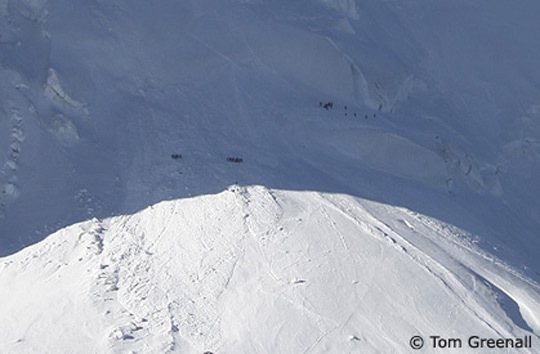
Mont Blanc du Tacul avalanche site, with search and rescue personnel working along the avalanche path

Archive / Mountaineering

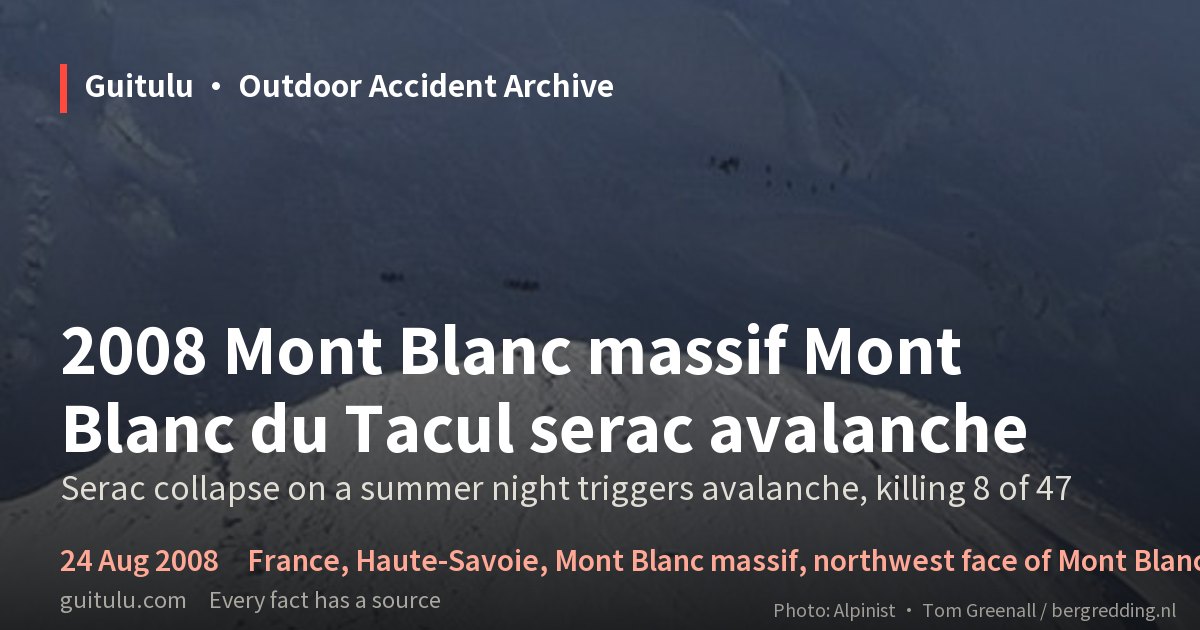
2008 Mont Blanc massif Mont Blanc du Tacul serac avalanche

Serac collapse on a summer night triggers avalanche, killing 8 of 47 climbers

The victims have been located, but the authorities have not recovered their bodies because of the continuing risk of a serac collapse. They are expected to emerge naturally as the glacier moves or melts.

Photo: Alpinist · Tom Greenall / bergredding.nl

Date
Summer
Place
France, Haute-Savoie, Mont Blanc massif, northwest face of Mont Blanc du TaculFrance › Haute-Savoie · Alps6.888°E 45.857°N
Activity
MountaineeringInvolves: AvalancheSeveral roped parties, with a total of about 47 people climbing the northwest slope of Mont Blanc du Tacul
Casualties
Dead 8 Injured 78 people died (4 Germans, 3 Swiss and 1 Austrian, including guides); reports put the number injured at 7 or 8. The bodies were located but not recovered because of the risk.
Material
29 facts · 7 sources4 accounts differ and are shown side by side

01What happened

Mont Blanc du Tacul, at an altitude of about 4248 metres, is the first peak on the Three Monts route commonly used to climb Mont Blanc. In summer, climbers usually set out at night and ascend while low temperatures keep the snow surface hard. In the early hours of 24 August 2008, the weather was described as ideal, with no particular avalanche risk, and about 47 climbers were ascending the northwest slope of Mont Blanc du Tacul.Facts it rests onF01Multiple sourcesMont Blanc du Tacul is approximately 4248 metres high and is located in the Mont Blanc massif. It is the first peak on a commonly used route up Mont Blanc, the Three Monts route.F02Multiple sourcesIn summer, climbers usually set out at night because low temperatures harden the snow surface, reducing how far their feet sink in and lowering the risk of avalanche.F03Multiple sourcesIn the early hours of the day of the incident, the weather was clear and fine. Conditions were described as ideal for climbing Mont Blanc, with no particular avalanche risk.F05Multiple sourcesAt about 3 a.m. on 24 August, approximately 47 climbers were ascending the northwest slope of Mont Blanc du Tacul.

Mont Blanc du Tacul avalanche site, with search and rescue personnel working along the avalanche pathPhoto source: Alpinist · Tom Greenall / bergredding.nl

At about 3 a.m., a large serac broke off the mountain, triggering an avalanche that swept towards the climbers at an altitude of about 3600 metres. According to reports, the serac collapse also triggered a slab avalanche. Survivors said the avalanche came almost without a sound, and some had barely any time to react.Facts it rests onF06Multiple sourcesAt about 3 a.m., a large serac broke off Mont Blanc du Tacul, triggering an avalanche that swept towards the climbers.F07Multiple sourcesThe avalanche occurred at an altitude of approximately 3600 metres.F08Single sourceThe serac collapse reportedly also triggered a slab avalanche.F10Multiple sourcesSurvivors said the avalanche came with almost no sound; it arrived immediately after someone shouted, “Avalanche, stick your ice axes in”.

Avalanche path on the northwest face of Mont Blanc du TaculPhoto source: Alpinist · Tom Greenall / bergredding.nl

According to reports, one roped party of climbers was swept down the slope. When found, they were covered in snow but were not seriously hurt. The mountain gendarmerie received a call at 3:15 a.m. and a joint French-Italian search and rescue operation followed. Only personal belongings, including backpacks and ice axes, were found at the scene. The search and rescue operation was suspended that afternoon over concerns about another collapse.Facts it rests onF13Single sourceA roped party of climbers was swept down the slope by the avalanche. When found, they were covered in snow but not seriously hurt, and they then returned to the mountain hut.F14Single sourceAccording to Chamonix.net, the mountain gendarmerie received a call at 3:15 a.m. and launched a joint French-Italian search and rescue operation, deploying approximately 40 people and 4 helicopters.F15Multiple sourcesRescuers found only personal belongings of the missing people at the scene, including backpacks, socks and ice axes. The search and rescue operation was suspended that afternoon because of concerns about another serac collapse and avalanche.

The following day, a search and rescue helicopter picked up signals from beacons carried by the victims, confirming the locations of all 8. According to reports, they were buried beneath deep ice and snow. As the area remained threatened by a serac collapse, the mountain gendarmerie decided not to recover the bodies, which were expected to emerge after weeks or years as the glacier moved or melted.Facts it rests onF19Multiple sourcesThose killed included an Austrian mountain guide; another report said a Swiss guide was among the dead.F20Multiple sourcesOn 25 August, a search and rescue helicopter picked up signals from beacons carried by those killed, and the locations of all 8 were confirmed.F21Multiple sourcesThose killed were buried beneath ice and snow. Reports differed on the depth of burial, with the greatest depth approximately 50 metres; police said they had most likely fallen into a very deep crevasse.

The number at the end of a paragraph is how many facts it rests on; open it to see each fact and how well it is sourced: Multiple sourcesSingle source. Conflicting accounts and speculation are kept out of the narrative.

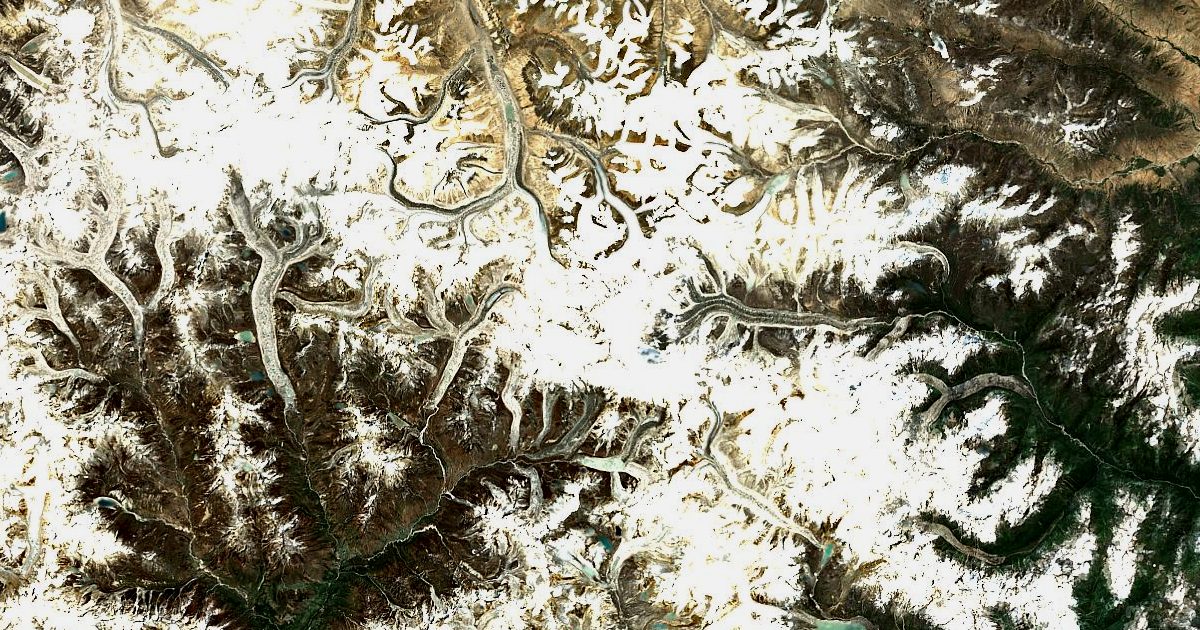
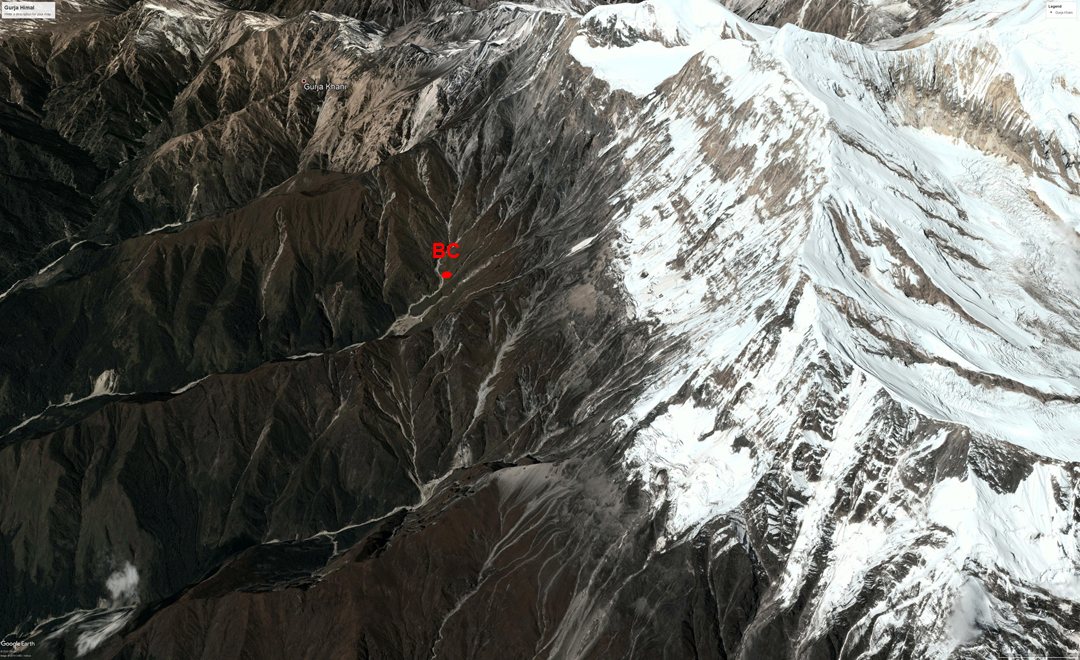
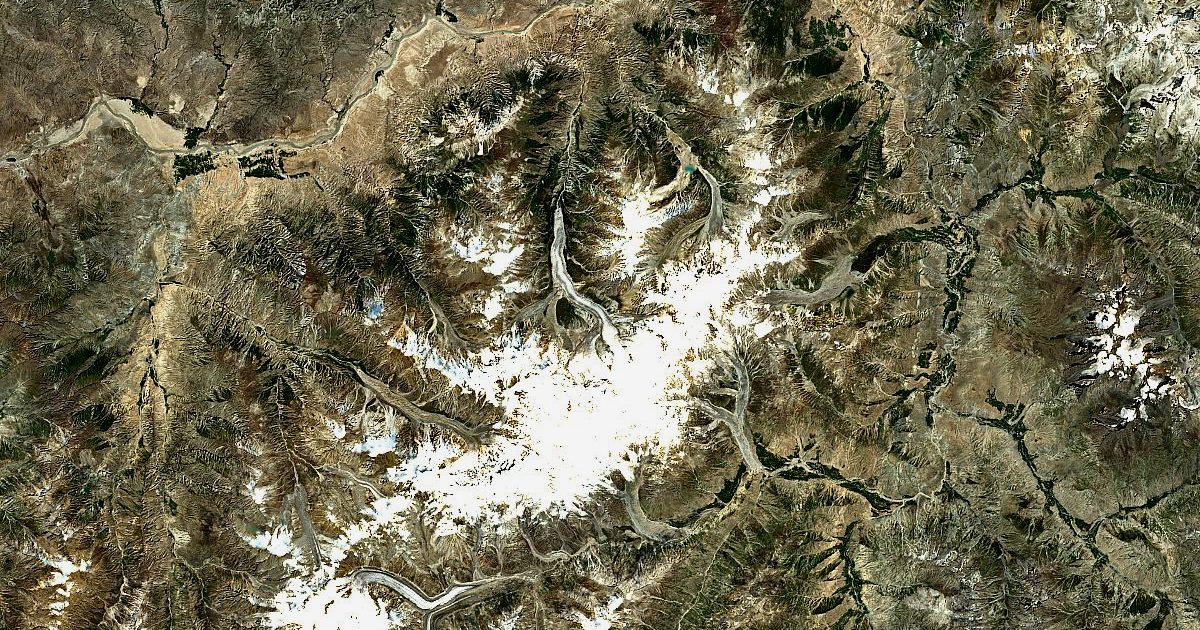
Satellite imagery Sentinel-2 cloudless 2024 © EOX · Terrain AWS Terrain Tiles · Position is schematic, geocoded from place names · Place coordinates not individually verified

Route review

5 scenes to understand what happened

Scroll down and the map flies to where each part happened.

01

Incident area

The reports do not provide enough locations along the route, so the map shows only the approximate location and terrain of the incident area.

04

Search and rescue suspended

The joint French-Italian search and rescue operation was suspended in the afternoon because of the risk of another collapse.Facts it rests onF14Single sourceAccording to Chamonix.net, the mountain gendarmerie received a call at 3:15 a.m. and launched a joint French-Italian search and rescue operation, deploying approximately 40 people and 4 helicopters.F15Multiple sourcesRescuers found only personal belongings of the missing people at the scene, including backpacks, socks and ice axes. The search and rescue operation was suspended that afternoon because of concerns about another serac collapse and avalanche.

02Timeline

  1. At about 3 a.m. on 24 August, approximately 47 climbers were ascending the northwest slope of Mont Blanc du Tacul. F05

  2. According to Chamonix.net, the mountain gendarmerie received a call at 3:15 a.m. and launched a joint French-Italian search and rescue operation, deploying approximately 40 people and 4 helicopters. F14

  3. At about 3 a.m., a large serac broke off Mont Blanc du Tacul, triggering an avalanche that swept towards the climbers. F06

  4. The avalanche occurred at an altitude of approximately 3600 metres. F07

  5. A roped party of climbers was swept down the slope by the avalanche. When found, they were covered in snow but not seriously hurt, and they then returned to the mountain hut. F13

  6. Survivors said the avalanche came with almost no sound; it arrived immediately after someone shouted, “Avalanche, stick your ice axes in”. F10

  7. Rescuers found only personal belongings of the missing people at the scene, including backpacks, socks and ice axes. The search and rescue operation was suspended that afternoon because of concerns about another serac collapse and avalanche. F15

  8. Those killed were buried beneath ice and snow. Reports differed on the depth of burial, with the greatest depth approximately 50 metres; police said they had most likely fallen into a very deep crevasse. F21

  9. Reports differ slightly on the number of injured, giving figures of 7 and 8; reports said most of the injured were discharged from hospital that day or the next. F23

  10. Those killed included an Austrian mountain guide; another report said a Swiss guide was among the dead. F19

03Lessons

Avalanche and high altitude

Exposure time beneath seracs

According to commentary by Chamonix.net, the number of people on the route rises sharply in fine weather, and queues often form at crevasse crossings, leaving people beneath the potential path of a serac collapse for longer. Choosing when to go and reducing time spent beneath the danger zone are among the limited measures available.Facts it rests onF27Single sourceA Chamonix.net commentary noted that seracs on Mont Blanc du Tacul have always collapsed and that the timing of collapses cannot be predicted; the number of climbers on the route in good weather has now risen sharply, and queuing to cross crevasses makes people spend longer in the danger zone.

Weather and retreat

Good weather does not mean no objective risk

Conditions at the time were described as ideal. A guide involved in the rescue said that a serac collapse is like an earthquake and can happen at any time. The mayor of Chamonix also said that this was a well-known objective risk in the area.Facts it rests onF03Multiple sourcesIn the early hours of the day of the incident, the weather was clear and fine. Conditions were described as ideal for climbing Mont Blanc, with no particular avalanche risk.F25Single sourceA Chamonix guide who took part in the rescue said it could not be said that the route had become more dangerous because of global warming; conditions were good at the time, but a serac collapse was like an earthquake and could happen at any time.F26Single sourceThe mayor of Chamonix said that high-altitude avalanches in summer were not uncommon and were a well-known objective risk in the area, sometimes causing serac collapses.

Communication and location

Carrying a beacon helps with locating people

According to reports, climbers do not usually carry avalanche beacons, but the beacons carried by the victims in this case enabled the helicopter to confirm their locations. Beacons cannot prevent accidents, but they can tell search and rescue teams where to look.Facts it rests onF29Multiple sourcesAccording to reports, climbers do not usually carry avalanche beacons, but at least some of those killed had them in this incident, allowing them to be located.F19Multiple sourcesThose killed included an Austrian mountain guide; another report said a Swiss guide was among the dead.

Rescue and self-rescue

When danger remains, rescue also requires restraint

The serac collapse area remained dangerous after the accident, so the mountain gendarmerie did not risk recovering the bodies. This is a reminder that mountain rescue is also constrained by objective conditions.Facts it rests onF15Multiple sourcesRescuers found only personal belongings of the missing people at the scene, including backpacks, socks and ice axes. The search and rescue operation was suspended that afternoon because of concerns about another serac collapse and avalanche.F21Multiple sourcesThose killed were buried beneath ice and snow. Reports differed on the depth of burial, with the greatest depth approximately 50 metres; police said they had most likely fallen into a very deep crevasse.

04Fact list 29 facts

Under each fact is a verbatim quote from the original. "Single source" means only one outlet mentioned it; "Accounts differ" means sources contradict each other and this site adopts neither side; "Speculation" is an inference by a reporter or a person involved, not a fact.

  1. F01Multiple sourcesBackground

    Mont Blanc du Tacul is approximately 4248 metres high and is located in the Mont Blanc massif. It is the first peak on a commonly used route up Mont Blanc, the Three Monts route.

    Quotes from the original 2

    “Mont Blanc du Tacul (4,248m), hitting a path often frequented by groups heading for the summit of Mont Blanc”

    swissinfo · 2008-08-25

    “the first of the three peaks on the Trois Montagne route, of which the Mont Blanc itself is the third peak”

    PisteHors · 2008-08-24
  2. F02Multiple sourcesBackground

    In summer, climbers usually set out at night because low temperatures harden the snow surface, reducing how far their feet sink in and lowering the risk of avalanche.

    Quotes from the original 2

    “they often climb through the night because cold temperatures keep the snow and ice hard”

    CBS News · 2008-08-24

    “often begin their ascent hours before dawn, because the snow is firmer and easier to walk on”

    Mail & Guardian · 2008-08-25
  3. F03Multiple sourcesBackground

    In the early hours of the day of the incident, the weather was clear and fine. Conditions were described as ideal for climbing Mont Blanc, with no particular avalanche risk.

    Quotes from the original 2

    “The group was climbing in ideal weather conditions and with no particular risk of avalanches.”

    swissinfo · 2008-08-25

    “The climbers were heading for western Europe’s highest peak in perfect weather conditions.”

    Mail & Guardian · 2008-08-25
  4. F04Single sourceMovement

    According to Mail & Guardian, A guide who took part in the rescue said that when he got up in the early hours to check the weather, he saw a long line of lights moving up the slope.

    Quotes from the original 1

    “I saw a line of lights moving up the mountain”

    Mail & Guardian · 2008-08-25
  5. F05Multiple sourcesEvent

    At about 3 a.m. on 24 August, approximately 47 climbers were ascending the northwest slope of Mont Blanc du Tacul.

    Quotes from the original 2

    “At 3 a.m. on August 24, forty-seven climbers were ascending the northwest face of Mont Blanc du Tacul”

    Alpinist · 2008-08-25

    “47 climbers were on their way up the Mont Blanc du Tacul enroute to the summit of Mont Blanc”

    Chamonix.net · 2008-08-25
  6. F06Multiple sourcesEvent

    At about 3 a.m., a large serac broke off Mont Blanc du Tacul, triggering an avalanche that swept towards the climbers.

    Quotes from the original 2

    “The avalanche was set off at around 3 a.m. by the fall of a massive block of ice”

    CBS News · 2008-08-24

    “after a massive block of glacier ice, known as a serac, cracked off a side of the Mont Blanc du Tacul”

    swissinfo · 2008-08-25
  7. F07Multiple sourcesEvent

    The avalanche occurred at an altitude of approximately 3600 metres.

    Quotes from the original 2

    “struck at an altitude of 3 600m, police said”

    Mail & Guardian · 2008-08-25

    “The avalanche struck at 3 am at 3600 meters”

    PisteHors · 2008-08-24
  8. F08Single sourceEvent

    According to Alpinist, The serac collapse reportedly also triggered a slab avalanche.

    Quotes from the original 1

    “The slide occurred when a serac broke free and slid down the mountain, triggering with it a slab avalanche.”

    Alpinist · 2008-08-25
  9. F09Accounts differFound at scene

    Reports differ on the dimensions of the avalanche: police said it was approximately 200 metres long and 50 metres wide; Chamonix.net said it was approximately 500 metres long and 150 metres wide.

    Conflicting dimensions

    Quotes from the original 2

    “The avalanche, 200 metres long and 50 metres wide”

    swissinfo · 2008-08-25

    “an avalanche 500m long and 150m wide”

    Chamonix.net · 2008-08-25
  10. F10Multiple sourcesEvent

    Survivors said the avalanche came with almost no sound; it arrived immediately after someone shouted, “Avalanche, stick your ice axes in”.

    Quotes from the original 2

    “There was absolutely no noise, it was very disturbing.”

    Mail & Guardian · 2008-08-25

    “Avalanche, plantez vos piolets”

    Chamonix.net · 2008-08-25
  11. F11Single sourceEvent

    According to Mail & Guardian, One survivor said the guide suddenly shouted “Run”, and they had only enough time to move to the right before they were swept off their feet. He said he had to “swim” his way out of the snow.

    Quotes from the original 2

    “Run fast! Run fast!”

    Mail & Guardian · 2008-08-25

    “he had to ”swim” through the snow to escape death”

    Mail & Guardian · 2008-08-25
  12. F12Single sourceEvent

    According to Mail & Guardian, An Italian survivor said he saw a wall of ice coming towards him and was then swept approximately 200 metres.

    Quotes from the original 1

    “I saw a wall of ice coming towards us and then we were carried 200m”

    Mail & Guardian · 2008-08-25
  13. F13Single sourceEvent

    According to Mail & Guardian, A roped party of climbers was swept down the slope by the avalanche. When found, they were covered in snow but not seriously hurt, and they then returned to the mountain hut.

    Quotes from the original 1

    “He found one group of climbers roped together, who had been swept down the mountain by the avalanche.”

    Mail & Guardian · 2008-08-25
  14. F14Single sourceAftermath

    According to Chamonix.net, According to Chamonix.net, the mountain gendarmerie received a call at 3:15 a.m. and launched a joint French-Italian search and rescue operation, deploying approximately 40 people and 4 helicopters.

    An Associated Press report said 3 helicopters were deployed.

    Quotes from the original 1

    “The PGHM in Chamonix were called at 3:15 in the morning and launched a massive Franco-Italian rescue effort with 40 people and 4 helicopters”

    Chamonix.net · 2008-08-25
  15. F15Multiple sourcesAftermath

    Rescuers found only personal belongings of the missing people at the scene, including backpacks, socks and ice axes. The search and rescue operation was suspended that afternoon because of concerns about another serac collapse and avalanche.

    Quotes from the original 2

    “found only bags, socks, ice picks and other personal belongings”

    Mail & Guardian · 2008-08-25

    “the search for 10 missing climbers was suspended Sunday afternoon because of the risk that the warm weather could melt other ice blocks”

    CBS News · 2008-08-24
  16. F16Multiple sourcesFound at scene

    Initial reports said as many as 10 people might be missing, but two Italians believed to be missing had not been caught in the avalanche and had already returned home safely. The number missing was subsequently confirmed as 8.

    Quotes from the original 2

    “Two Italians who were believed to be among the missing were not involved in the avalanche”

    CBS News · 2008-08-24

    “Two missing Italians checked in with the authorities when they returned to the valley.”

    PisteHors · 2008-08-24
  17. F17Single sourceAftermath

    According to CBS News, The French interior minister went to the scene to meet rescuers and injured people.

    Quotes from the original 1

    “French Interior Minister Michele Alliot-Marie hurried to the area to meet with rescuers”

    CBS News · 2008-08-24
  18. F18Accounts differFound at scene

    The initial announcement of the nationalities of those killed differed from later reports: they were initially said to be 5 Austrians and 3 Swiss, but officials later corrected this to 4 Germans, 3 Swiss and 1 Austrian.

    Conflicting reports on nationalities; the later official announcement gave 4 Germans, 3 Swiss and 1 Austrian

    Quotes from the original 2

    “The missing include five Austrians and three Swiss”

    CBS News · 2008-08-24

    “officials later said they included four Germans, who had been climbing together with an Austrian guide”

    NBC News · 2008-08-25
  19. F19Multiple sourcesFound at scene

    Those killed included an Austrian mountain guide; another report said a Swiss guide was among the dead.

    Quotes from the original 2

    “1 Austrian mountain guide and 3 Swiss climbers (including 1 Swiss mountain guide)”

    Chamonix.net · 2008-08-25

    “four Germans, who had been climbing together with an Austrian guide”

    NBC News · 2008-08-25
  20. F20Multiple sourcesAftermath

    On 25 August, a search and rescue helicopter picked up signals from beacons carried by those killed, and the locations of all 8 were confirmed.

    Quotes from the original 2

    “A search helicopter was able to locate them after it picked up the signal of a special homing device the climbers were wearing”

    NBC News · 2008-08-25

    “A helicopter picked up the signal of special homing devices the climbers were wearing.”

    swissinfo · 2008-08-25
  21. F21Multiple sourcesFound at scene

    Those killed were buried beneath ice and snow. Reports differed on the depth of burial, with the greatest depth approximately 50 metres; police said they had most likely fallen into a very deep crevasse.

    Quotes from the original 2

    “The bodies were buried beneath up to 165 feet of ice”

    NBC News · 2008-08-25

    “Police officials said it appeared the climbers had fallen into a deep crevasse.”

    swissinfo · 2008-08-25
  22. F22Accounts differAftermath

    Reports differed slightly on the number of injured, giving figures of 7 and 8.

    Chamonix.net reported that 7 people were treated at hospitals in Chamonix and Sallanches; CBS/AP reported that 8 people were hospitalized.

    Quotes from the original 2

    “rescuers will not attempt to recover the bodies, which are expected to resurface in "a few weeks or several years"”

    NBC News · 2008-08-25

    “Since the area is still menaced by serac fall, the PGHM cannot risk their lives searching for the bodies of the victims.”

    Chamonix.net · 2008-08-25
  23. F23Accounts differAftermath

    Reports differ slightly on the number of injured, giving figures of 7 and 8; reports said most of the injured were discharged from hospital that day or the next.

    Conflicting numbers of injured

    Quotes from the original 2

    “only seven climbers were treated at Chamonix and Sallanches hospitals for injuries sustained”

    Chamonix.net · 2008-08-25

    “Eight people were hospitalized.”

    CBS News · 2008-08-24
  24. F24Single sourceAftermath

    According to Chamonix.net, The French interior minister arrived near the scene and met rescue workers and some of the injured.

    Quotes from the original 1

    “Mont Blanc du Tacul was off limits to climbers during the rescue operation on Sunday, but Monday the ban was lifted.”

    Chamonix.net · 2008-08-25
  25. F25Single sourcePost-incident analysis

    According to swissinfo, A Chamonix guide who took part in the rescue said it could not be said that the route had become more dangerous because of global warming; conditions were good at the time, but a serac collapse was like an earthquake and could happen at any time.

    Quotes from the original 1

    “a falling serac is like an earthquake; we know they could happen at any time”

    swissinfo · 2008-08-25
  26. F26Single sourcePost-incident analysis

    According to swissinfo, The mayor of Chamonix said that high-altitude avalanches in summer were not uncommon and were a well-known objective risk in the area, sometimes causing serac collapses.

    Quotes from the original 1

    “They are part of the objective risks of the mountain in an area which is well known and which sometimes results in serac falls”

    swissinfo · 2008-08-25
  27. F27Single sourcePost-incident analysis

    According to Chamonix.net, A Chamonix.net commentary noted that seracs on Mont Blanc du Tacul have always collapsed and that the timing of collapses cannot be predicted; the number of climbers on the route in good weather has now risen sharply, and queuing to cross crevasses makes people spend longer in the danger zone.

    Quotes from the original 2

    “The seracs of the Mont Blanc Tacul are constantly falling.”

    Chamonix.net · 2008-08-25

    “There are often queues to cross the trickier sections (rimayes) increasing the time a climber spends in danger.”

    Chamonix.net · 2008-08-25
  28. F28Single sourceBackground

    According to Chamonix.net, This was the deadliest accident in the Mont Blanc area in more than a decade; a similar accident occurred in 1974, also killing 8 people.

    Quotes from the original 2

    “the most tragic event in the Mont Blanc massif in over ten years”

    Chamonix.net · 2008-08-25

    “A similar accident occurred in 1974 also killing 8 people”

    Chamonix.net · 2008-08-25
  29. F29Multiple sourcesFound at scene

    According to reports, climbers do not usually carry avalanche beacons, but at least some of those killed had them in this incident, allowing them to be located.

    Quotes from the original 2

    “it is unusual for climbers to wear avalanche beacons”

    PisteHors · 2008-08-24

    “A search helicopter was able to locate them after it picked up the signal”

    NBC News · 2008-08-25