Register for flash flood warnings, but do not rely on warnings alone
The Grand Canyon river corridor warning system can send flash flood warnings to satellite devices and phones with satellite communication capability even without cell service, but registration is required in advance. Reportedly, the first warning this time was sent shortly before 12:30 p.m., and the flash flood arrived at about 2:30 p.m. The emergency management director also cautioned that warnings are no substitute for observing and assessing one's surroundings.
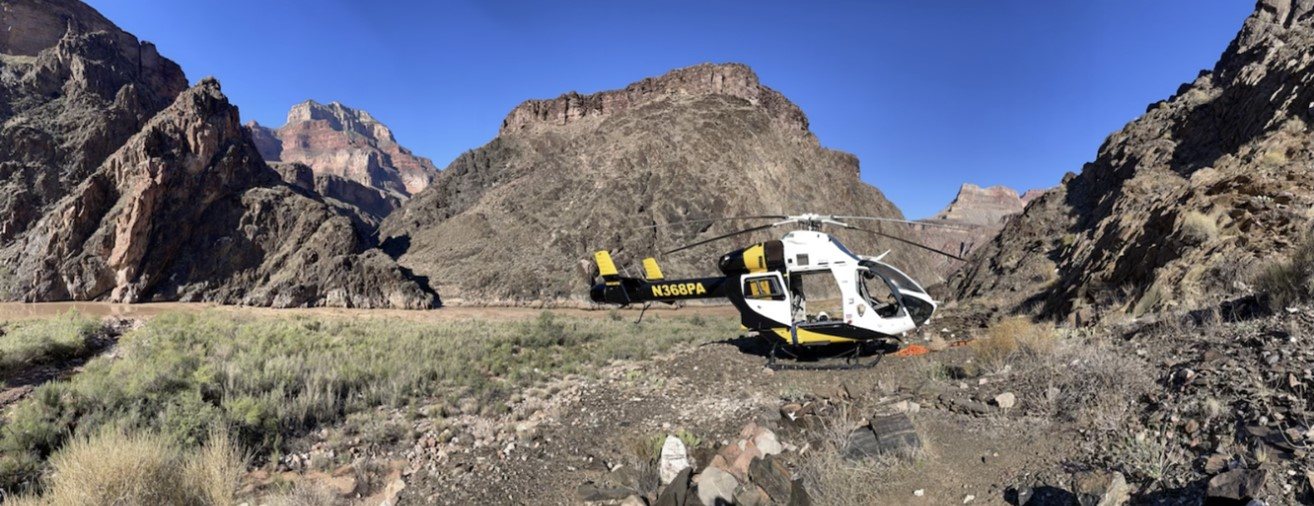 29 Aug 2026 · HikingBright Angel Canyon flash flood in the Grand Canyon
Turn back in time in wind and snow
According to reports, a team decided to turn back about 50 meters from the summit on the same day. Weather changes quickly at high altitude, and there should be room to retreat both before and during a summit push.
 3 Jul 2026 · MountaineeringMuztagh Ata blizzard accident
Decide early in a blizzard
According to reports, continuous blizzards during the May Day holiday left snow thigh-deep, and many hikers chose to descend. Mountain weather changes quickly; during sustained snowfall, leaving early is safer than waiting in place.
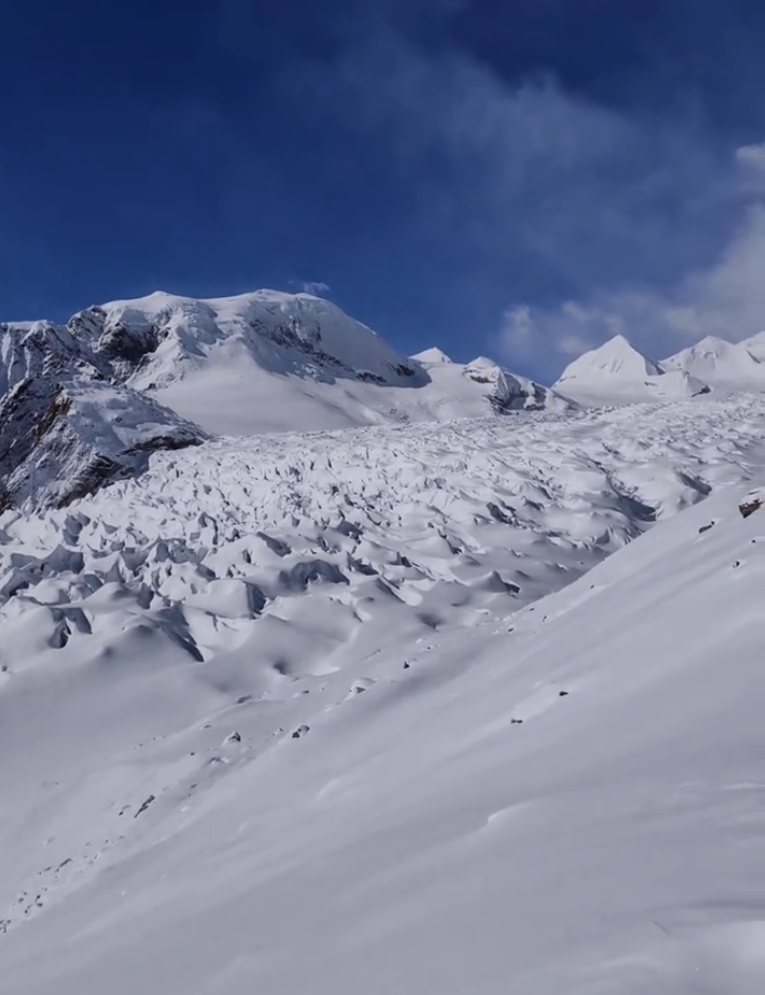 3 May 2026 · HikingZhongshan Peak Ice Towers: Woman dies in tent at 4600-meter camp during May Day blizzard
Watch for sudden weather changes in the mountains in winter
During the search and rescue, Zhouzhi County reportedly experienced rain, snow, freezing conditions and falling temperatures, and even some professional rescuers fell into deep pits. Before going into the mountains in winter, check the forecast and prepare cold-weather equipment; retreat promptly if the weather deteriorates.
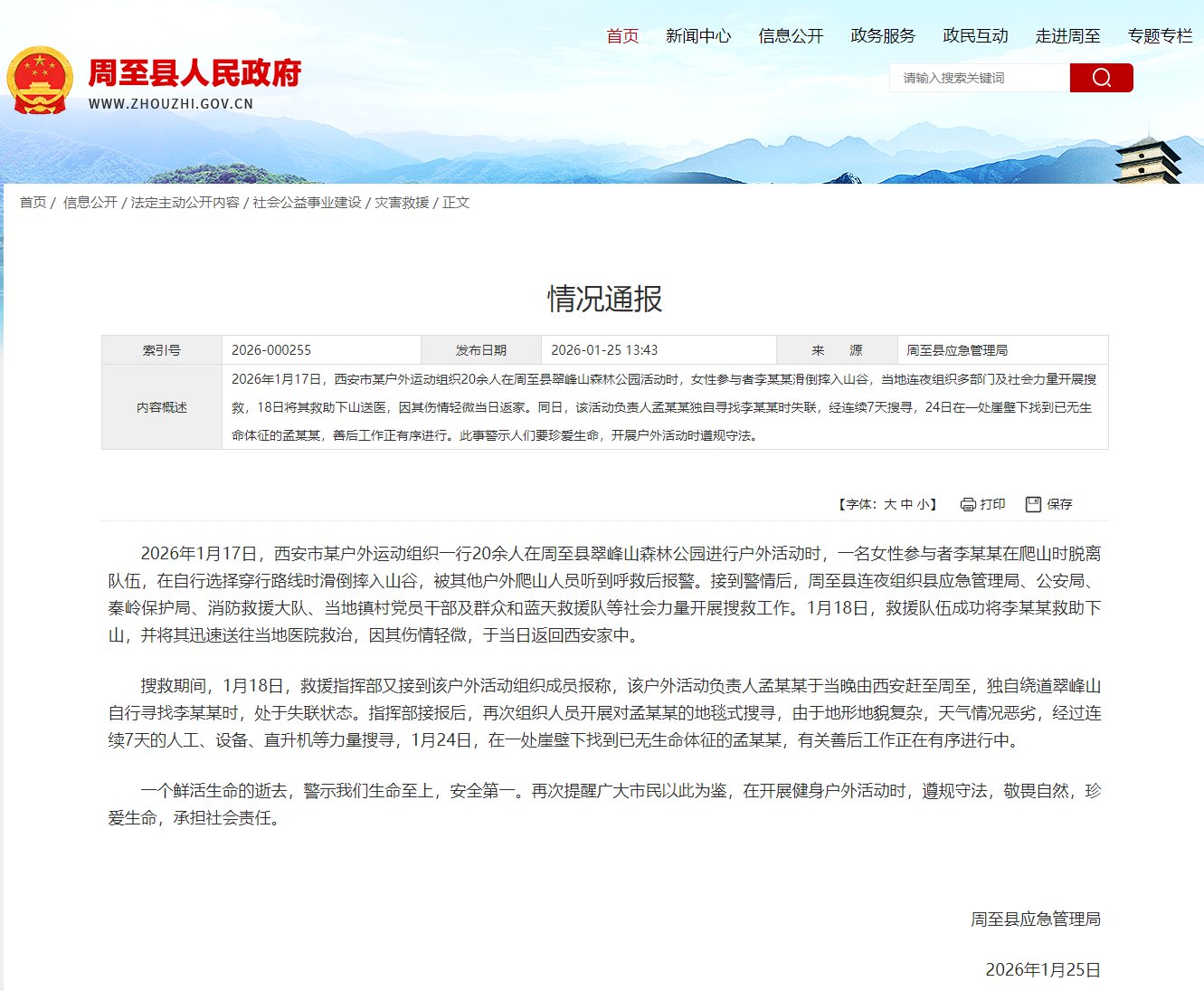 17 Jan 2026 · HikingCuifeng Mountain, Qinling: Group member rescued after leaving group and falling; organizer dies searching alone
When the weather worsens, retreat together as a group
According to a rescuer, after encountering heavy fog and snowfall, the group first split into two parties and later separated again, eventually becoming three parties. Once separated, each person had to face the risks of getting lost, cold and falling off a cliff alone.
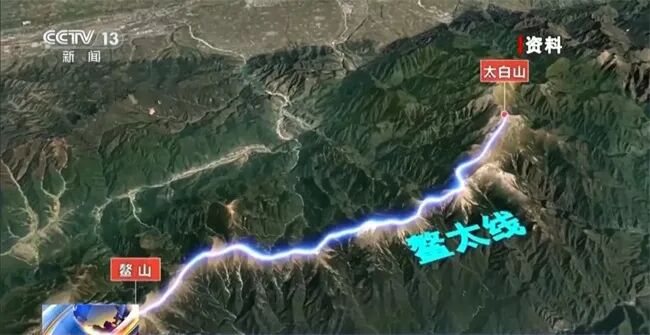 2 Jan 2026 · HikingFive people make unauthorized Aotai Route traverse, three die
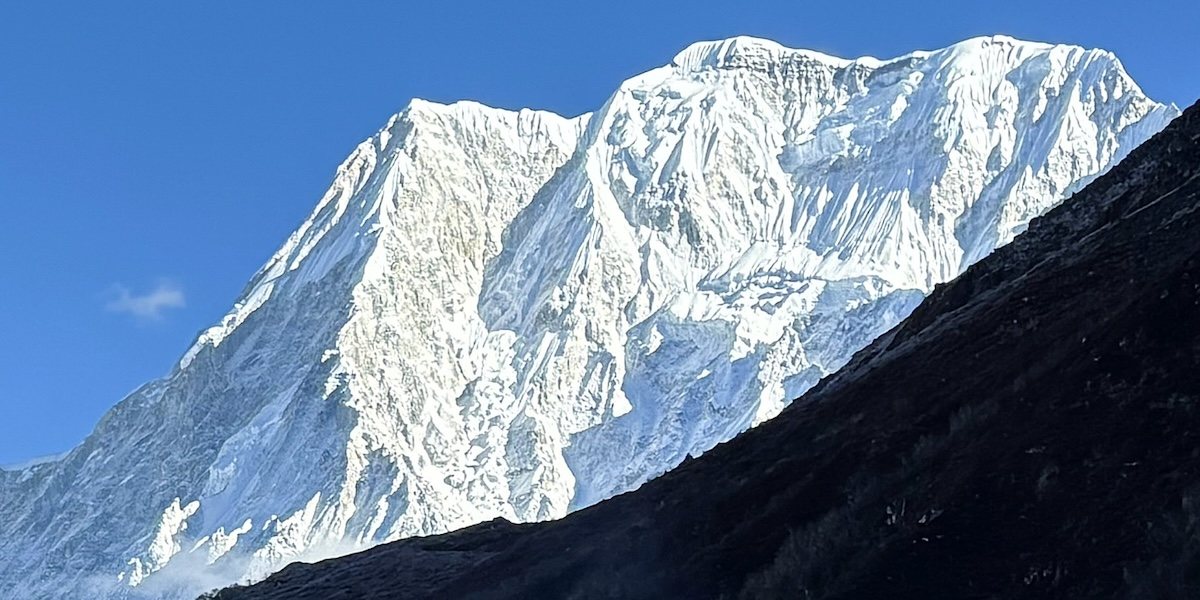
Forecast bad weather may arrive early
The party knew snow was coming, but it arrived two days earlier than forecast and fell for six days. An ExplorersWeb commentary argued that the cyclone had been forecast well in advance and that the climbers should have descended before the storm arrived. When planning at altitude, allow a margin on either side of the forecast time.
 31 Oct 2025 · MountaineeringTwo Italian climbers buried by snow at Camp 1 on Panbari
Continuous snowfall can bury an entire camp
When the search and rescue team reached the GPS coordinates, neither the tent nor the camp could be seen. According to Perlino, the two were buried in their tent while sleeping under approximately two and a half meters of compacted snow. During heavy snowfall lasting several days, the camp itself may no longer be safe.
31 Oct 2025 · MountaineeringTwo Italian climbers buried by snow at Camp 1 on Panbari
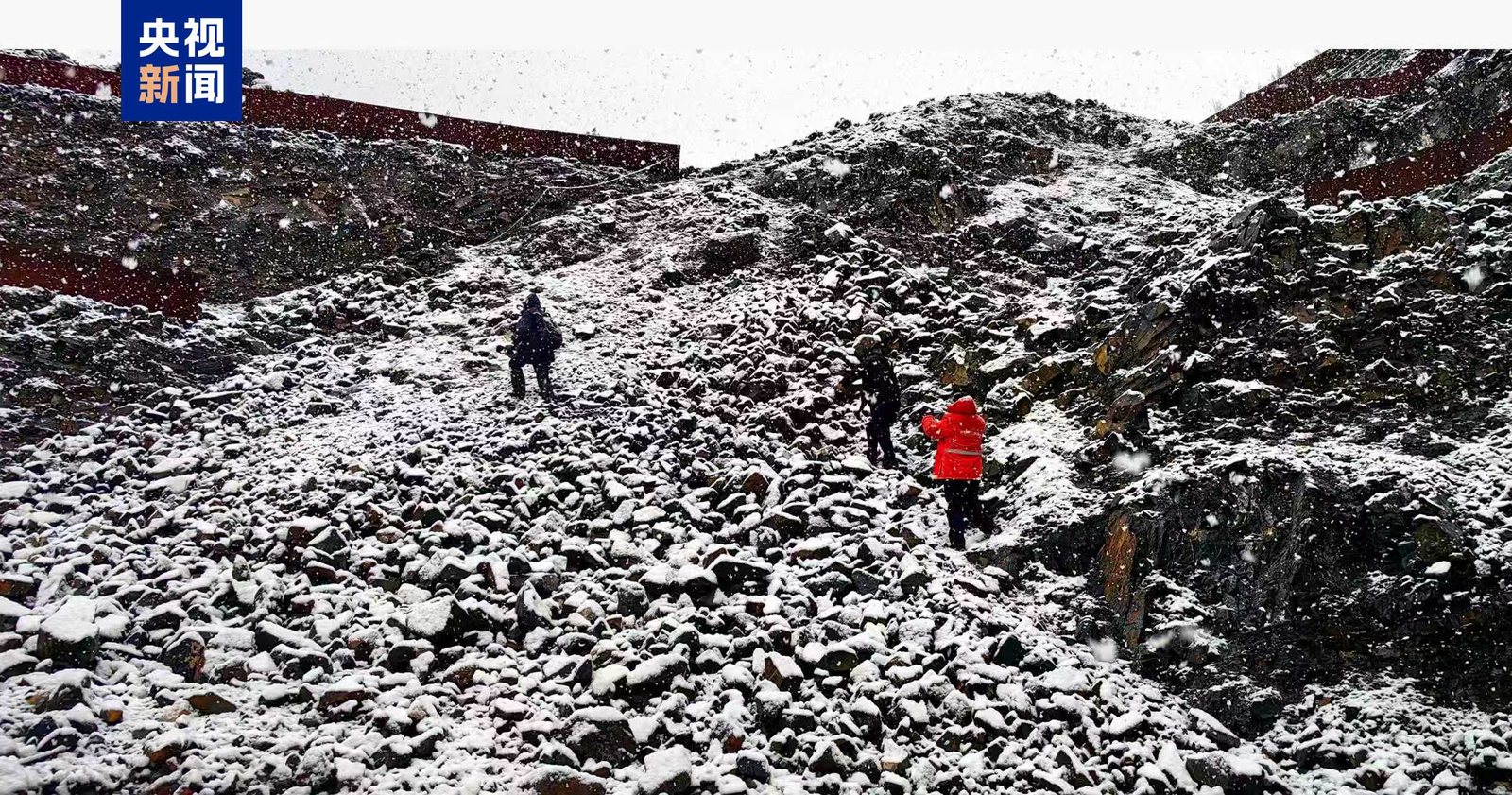
Prepare warm gear for the worst weather
The only person who died in this incident died from hypothermia and altitude sickness. People who were there recalled temperatures falling below zero at night; some also saw fellow hikers without down jackets, sleeping bags or even tents. In the high Qilian Mountains in October, gear should be chosen for an overnight stay in a snowstorm.
 5 Oct 2025 · HikingLenglongling snowstorm: 251 people stranded in Laohugou
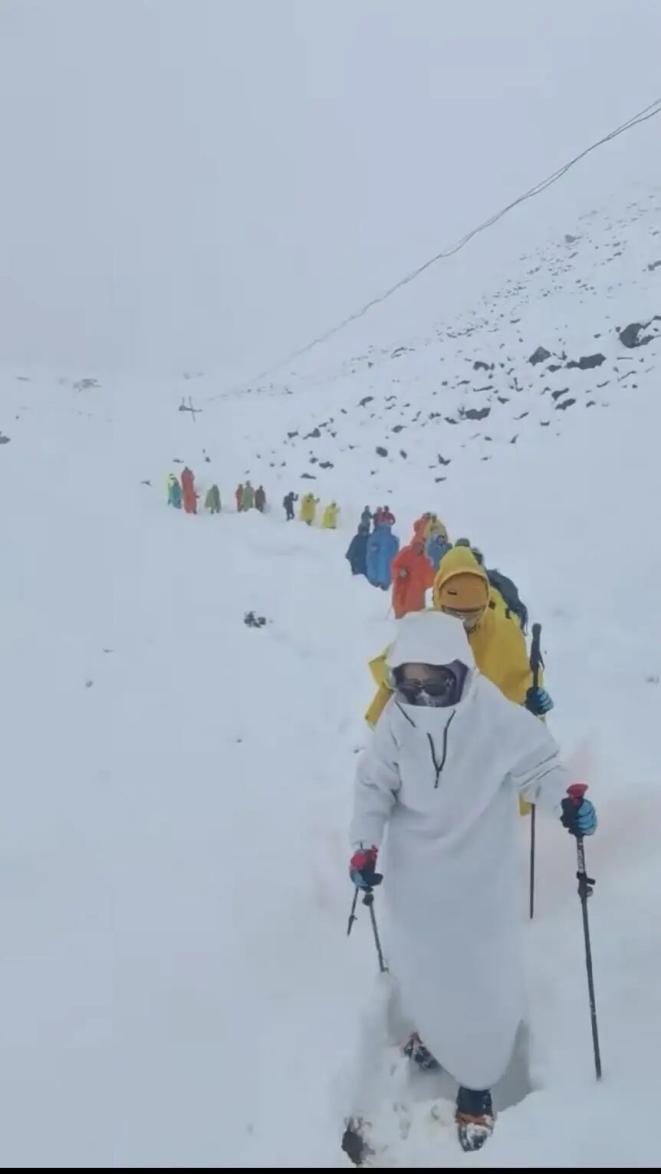
Warnings and the first snow are signals to turn back
The Shigatse City Meteorological Observatory had issued a blizzard warning the day before the storm arrived. According to reports, after a small group encountered snow at Tangxiang on 2 October, its guide decided to abandon the trip to base camp and return by a shorter loop. An independent hiker also broke camp and descended before the blizzard on 4 October. On long, high-altitude routes, shortening a trip upon seeing a warning or the first snow comes at a much lower cost than being stranded.
 4 Oct 2025 · Hiking2025 Gama Valley blizzard traps hikers on Everest's east slope
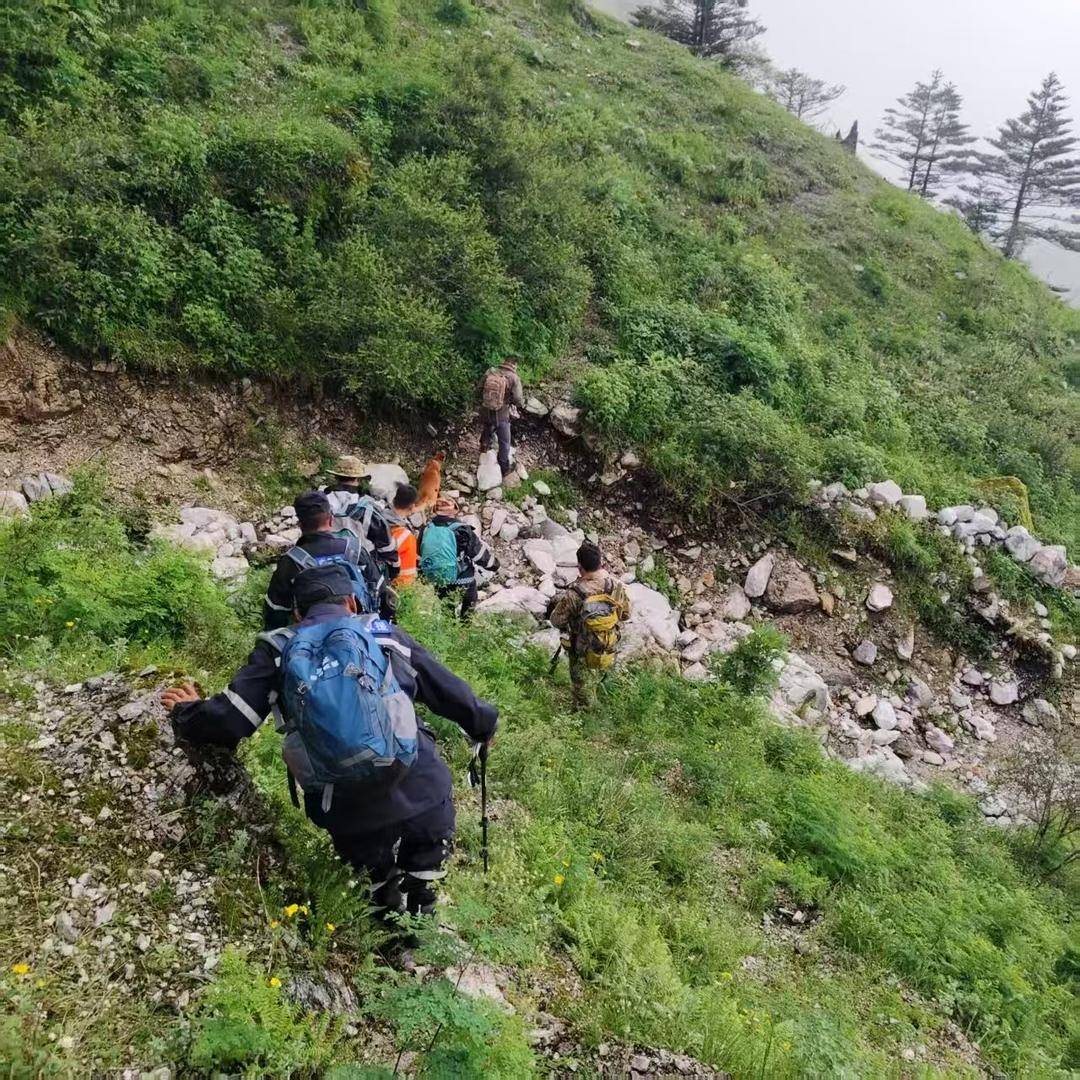
Mountain weather changes quickly in the rainy season; allow ample margin for retreat
According to reports, there was heavy fog and showers on the day she lost contact, followed by days of rain. On 5 July, Lijiang issued a Level II meteorological risk warning for geological disasters. Weather disrupted search and rescue on both 3 and 5 July, and the rescue team was ultimately only able to go up the mountain during the window on 6 July.
 1 Jul 2025 · MountaineeringFemale university student falls from cliff while hiking alone on Liushapo, Yulong Snow Mountain
Descend earlier when a weather warning is in effect
A weather warning had reportedly been issued on the day of the incident, a mountain lodge had guests descend early because of the poor forecast, and a guide also chose to descend in strong winds around the same time. When bad weather arrives earlier than forecast, climbers are most likely to become trapped during the descent.
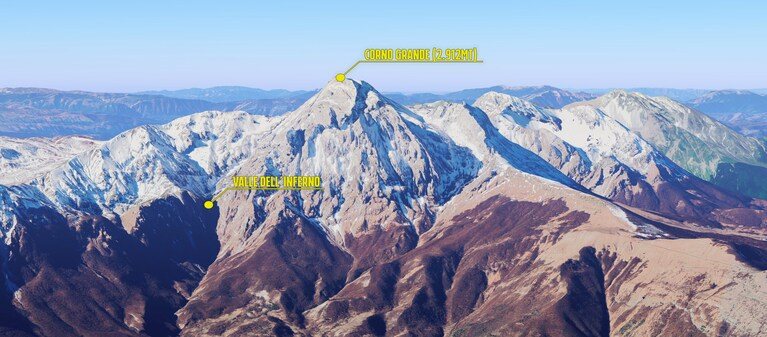 22 Dec 2024 · MountaineeringGran Sasso, Valle dell'Inferno: Two climbers trapped in a snowstorm
Descend before the weather worsens in the afternoon
On the day of the incident, the party encountered a blizzard during the descent. One commentator argued that although the trek was rated moderate, it had no buffer or acclimatisation days, and the party remained on the mountain until 3 p.m.; this is the author's view. High-altitude routes should be planned around a latest turnaround time, allowing sufficient margin to descend before the weather worsens.
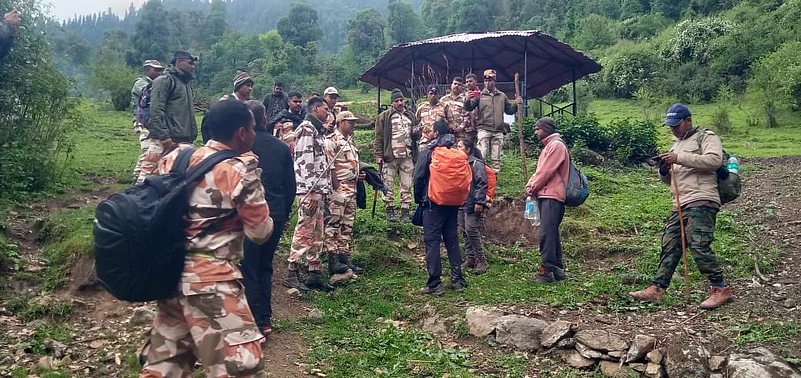 3 Jun 2024 · Hiking9 killed in blizzard on Sahastra Tal trek
Reconsider when the forecast warns of a storm
The weather was clear on the morning the group set out, but the forecast had warned of a strong storm that afternoon. Rescue chief Truffer considered it imprudent to travel in such a forecast; the head of the mountain guides' association also warned that weather conditions, including wind, can deteriorate rapidly.
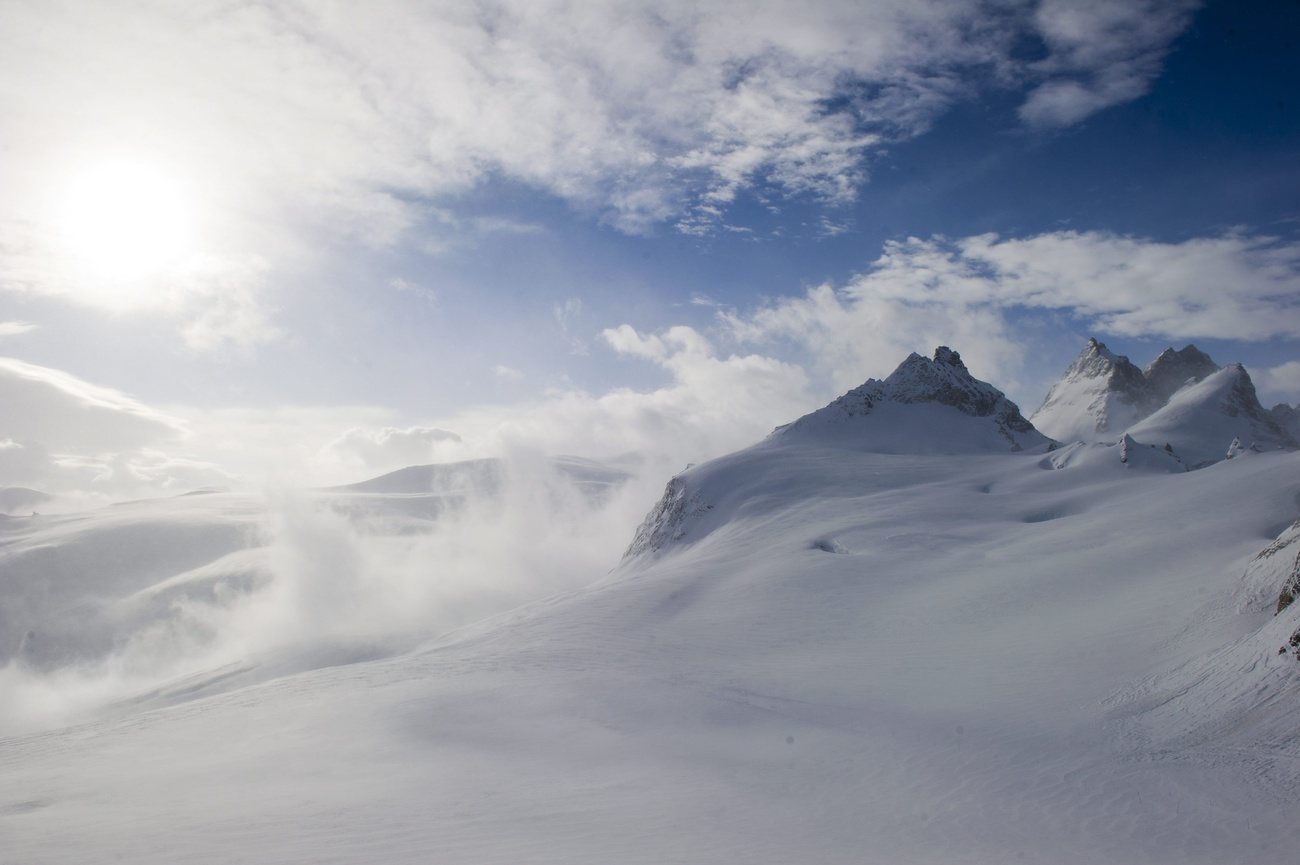 9 Mar 2024 · MountaineeringTête Blanche snowstorm: Six ski mountaineers die
In a storm, rescue may take a whole night
A foehn storm and the danger of avalanches prevented helicopters and rescue teams from approaching for an extended period. The ground rescue team turned back at around 21:00 that evening, and rescuers did not arrive until the following evening. After calling for help in the high mountains, one must also be prepared to get through a night unaided.
9 Mar 2024 · MountaineeringTête Blanche snowstorm: Six ski mountaineers die
For a winter pilgrimage, check warnings before setting out
Reports said there was a local wind and snow warning and that people had tried to persuade the 5 to turn back, but they went up the mountain around the time of the heavy snowfall. Purang police advise that ice and snow hazards are frequent here from late November to late April each year. When faced with warnings and advice to turn back, abandoning or postponing the trip is the safest choice.
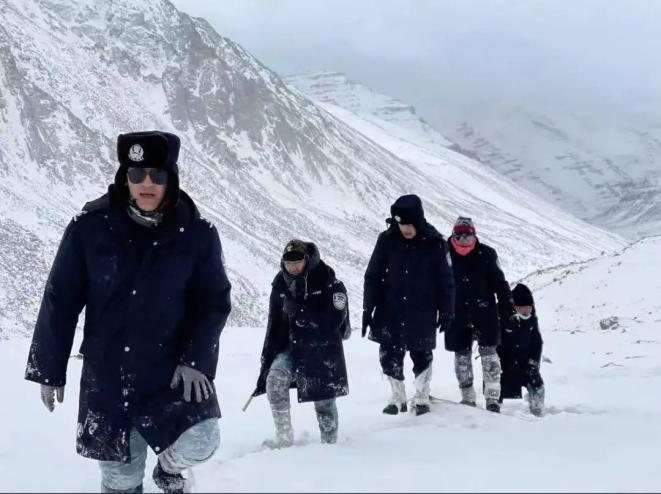 2 Feb 2022 · Hiking2 die during winter pilgrimage around Mount Kailash
Weather warnings leave little time for those in the wilderness
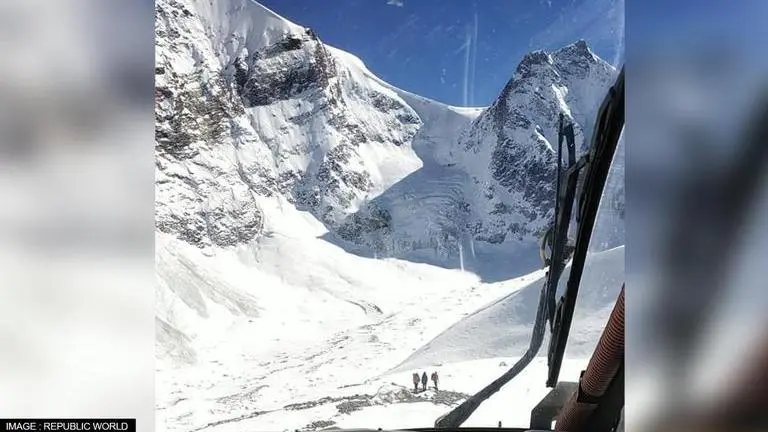
According to a commentary in The Telegraph, one view heard afterwards was that rapid communication was needed: there was little time between the October severe weather warning and the incidents in the wilderness. Contacting trekking parties in the wilderness requires equipment such as satellite phones, but satellite phones are expensive and not all parties carry them.
 18 Oct 2021 · Hiking2021 Lamkhaga Pass trekking party caught in heavy snow in India
Prepare equipment for worse weather
October is usually the season when trekking resumes after the monsoon, but Kinnaur district reportedly experienced heavy snow on 17 and 18 October. An experienced trekker said that when he travels, he prepares clothing and equipment for weather that could occur in the two months before and after the trip; a commentary in The Telegraph also held that treks across high mountain passes now require four-season tents previously used for mountaineering.
18 Oct 2021 · Hiking2021 Lamkhaga Pass trekking party caught in heavy snow in India
Consider the season and weather window together
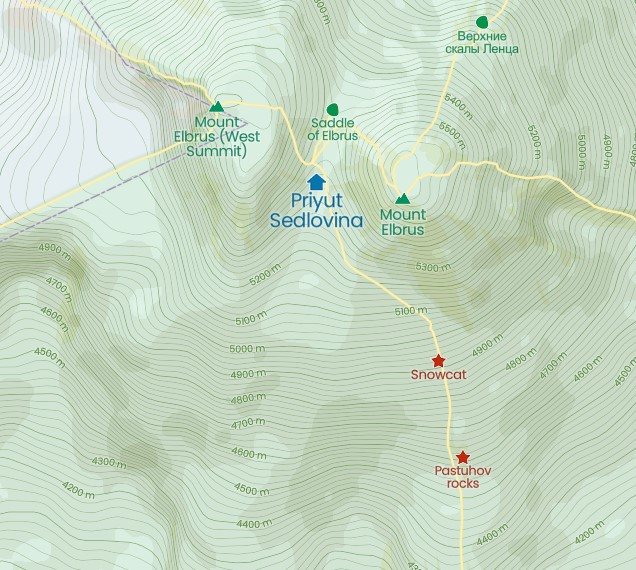
Investigators found that weather conditions were unfavorable for climbing the West Peak from the south slope in September, and that this had not been considered in the planning. According to reports, two parties hoped to reach the summit within a weather window, while other guides did not lead parties to the summit that day because of the weather.
 23 Sep 2021 · MountaineeringCommercial climbing party caught in a blizzard on Mount Elbrus
Slow ascent, storm during descent
The party ascended slowly and fell behind schedule. After the other members reached the summit, the storm struck during their descent; after one member broke a leg in a fall, the whole party moved even more slowly.
23 Sep 2021 · MountaineeringCommercial climbing party caught in a blizzard on Mount Elbrus
Have a way to stop the race after a warning is issued
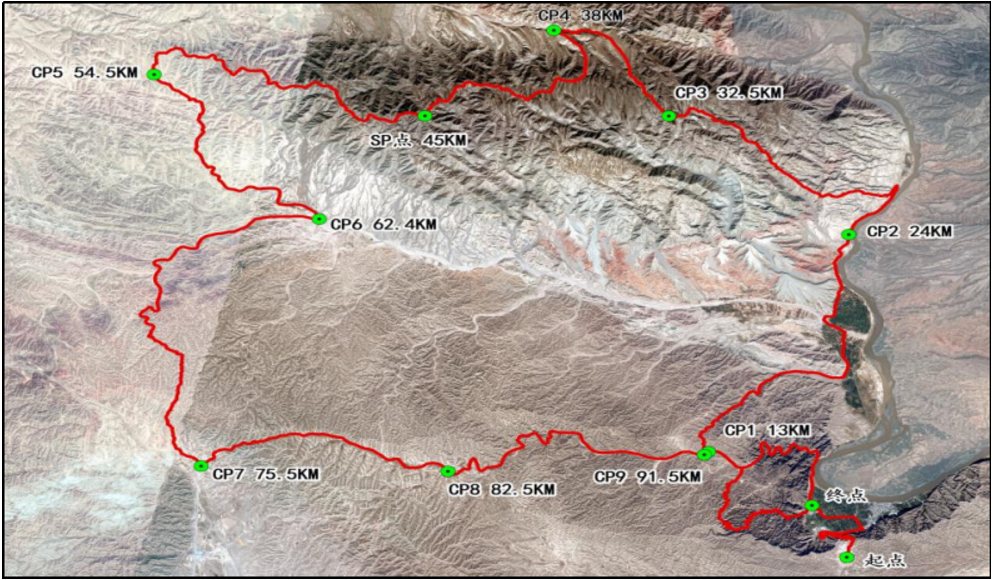
Before the race, the organizing committee received a special meteorological report and a blue high-wind warning. The investigation found that no effective measures were taken. The weather did not meet the standard for extreme weather, but it had a high impact on a 100 km ultramarathon. The race was ultimately forced to stop because large numbers of runners withdrew, rather than being proactively suspended. Races need to establish in advance the conditions for stopping and who will make the decision.
 22 May 2021 · Other21 Deaths in the Yellow River Stone Forest 100 km Ultramarathon
Communications are poor in the mountains; check the weather before setting out
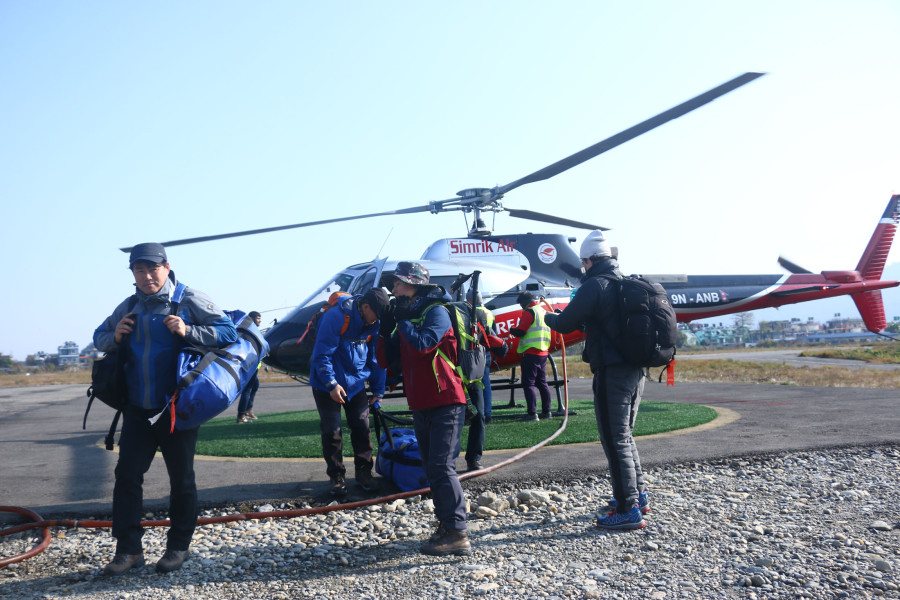
Communications in the area were poor during the heavy snow. According to reports, a volunteer teacher in the first group to return to South Korea said they had thought the route was not dangerous because even primary school pupils could walk it, and that the communications network was poor, so they could not contact the education office even if they knew the weather was worsening.
 17 Jan 2020 · HikingAnnapurna Base Camp trek avalanche: Four South Korean volunteer teachers and Nepali guides killed
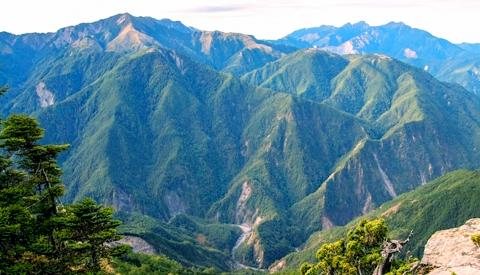
A helicopter may not be able to come in bad weather
In this case, the helicopter was unable to deploy three times because of the weather, leaving search and rescue personnel to enter the mountains on foot. About 43 hours passed between the call for help and finding her. When injured in remote high mountains, prepare on the basis that “rescue may take a day or two or longer”.
 19 Jan 2019 · OtherGigi Wu falls into valley while climbing Mount Penju alone
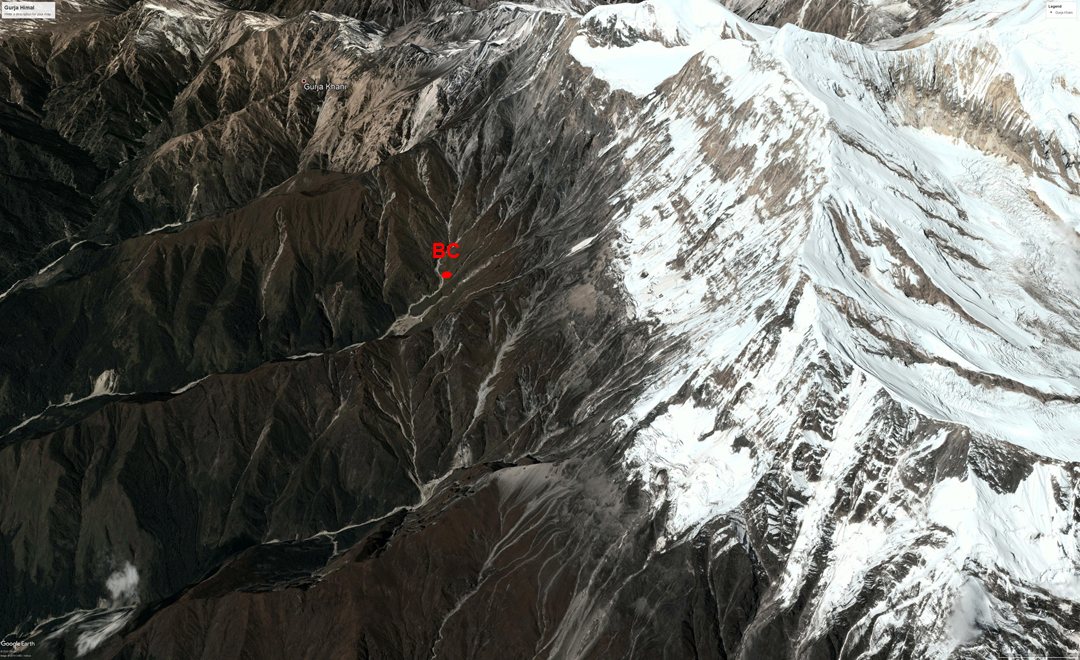
Rescue at small high-altitude camps is limited by weather
The camp was at least a day's walk from the nearest village, and weather and unstable ground made helicopter operations difficult. All the bodies were brought out only two days after the incident. When choosing a remote camp, the time window for rescue needs to be considered in advance.
 12 Oct 2018 · MountaineeringNine killed at Gurja Himal base camp
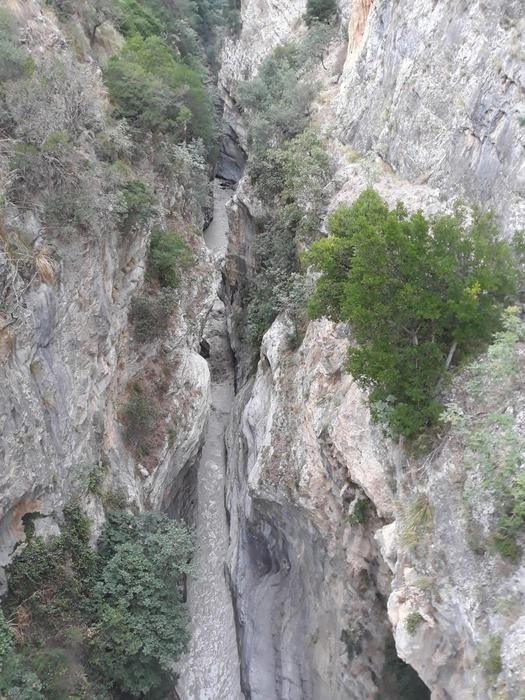
Accidents can happen under a yellow alert
Only a yellow weather alert was in effect locally at the time; the flood surge came from heavy rain upstream. According to reports, the gorge has steep rock walls on both sides and is only about 4 metres wide in some places. Before entering a gorge, check the weather across the entire drainage basin, especially upstream.
 20 Aug 2018 · CanyoningRaganello Gorge flash flood
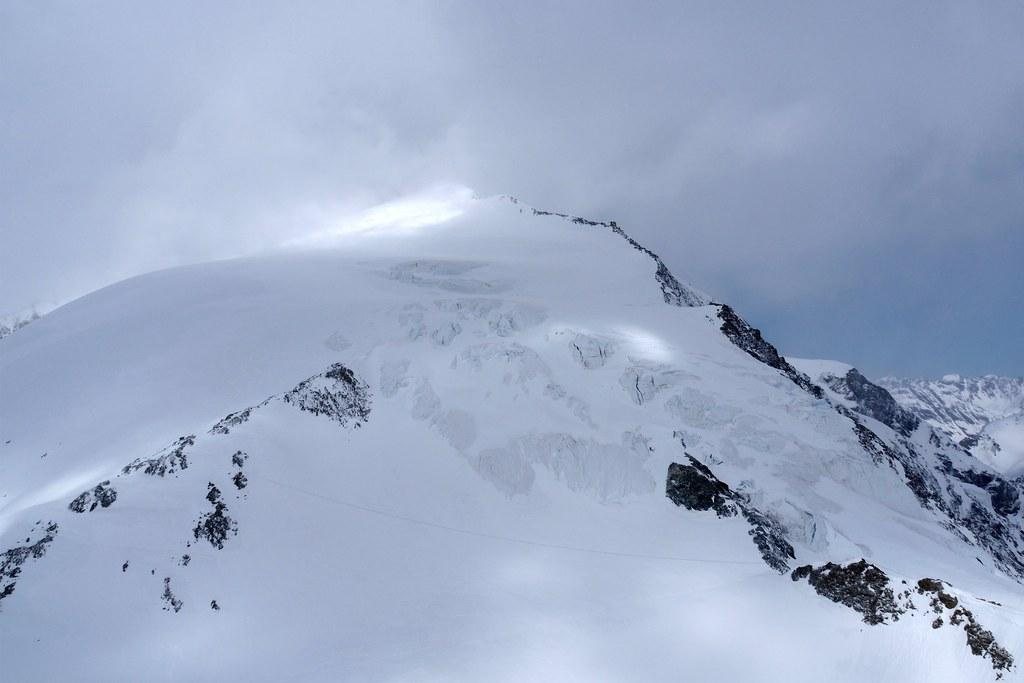
When a storm is forecast, do not count on it arriving late
A storm had been forecast before departure. The clear morning weather did not last, and the storm arrived earlier than expected. Weather windows in the high mountains are often shorter than forecast. On days when bad weather is forecast, set turnaround times and retreat points in advance; it is better to wait another day.
 29 Apr 2018 · HikingPigne d'Arolla storm night: 7 ski tourers killed
In a whiteout, even 550 metres may be impassable
The overnight site was only about 550 metres from the hut, a few minutes' walk in good weather. With zero visibility, even a nearby point of safety may be impossible to find. Save key locations on your device in advance rather than counting on finding your way by trial and error.
29 Apr 2018 · HikingPigne d'Arolla storm night: 7 ski tourers killed
High-altitude rescue is constrained by weather
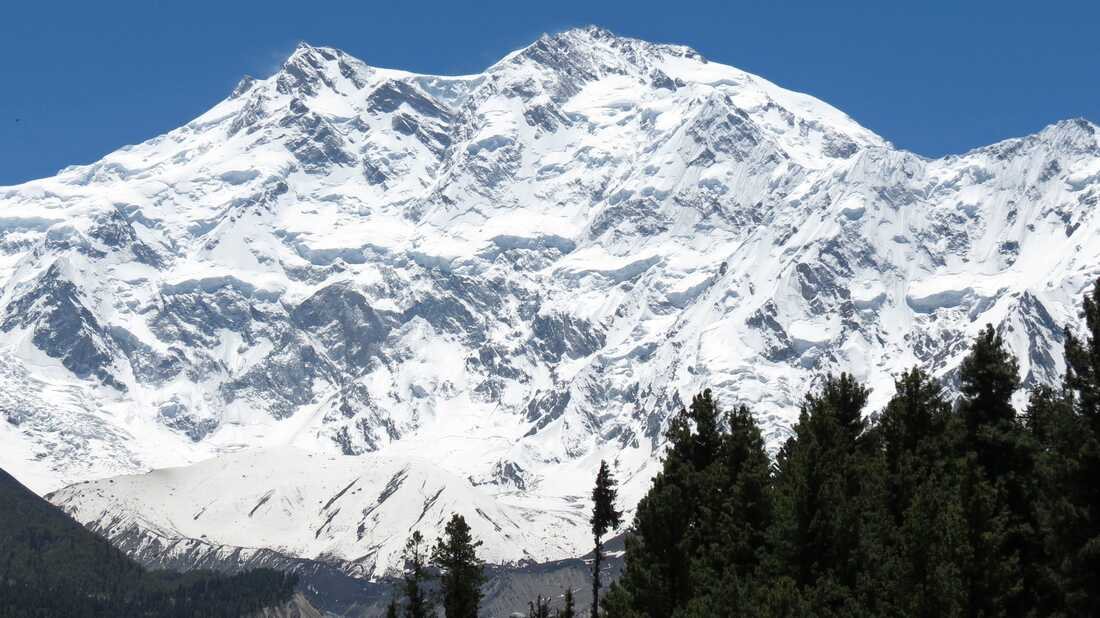
After Revol called for help by satellite phone, the people able to come were K2 team members nearby who were already acclimatized to high altitude, transported by military helicopter. According to Revol, she heard a helicopter, but it could not land because of strong winds. When calling for help at high altitude in winter, one cannot count on rescue arriving quickly.
 25 Jan 2018 · MountaineeringNanga Parbat winter ascent: The descent after the summit
In bad weather, wait in place or descend
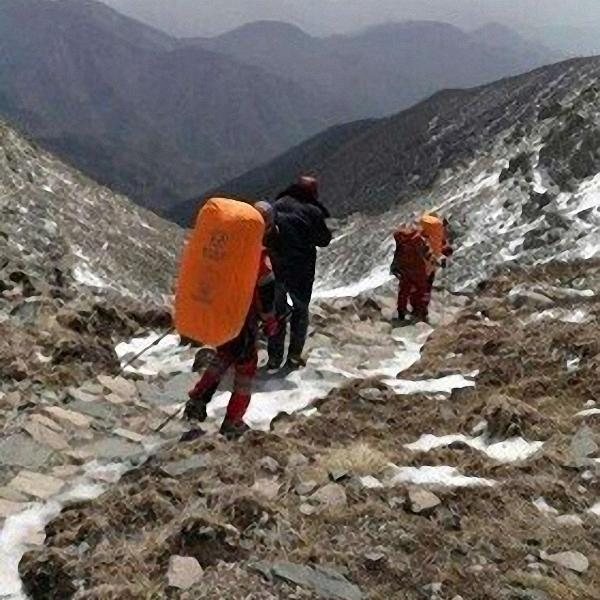
On the same day, one group rested in place at Yaowang Temple, while the Yunnan group continued through the wind and snow, unaware that there was a route down from the side of the ridge partway along the traverse. Learning the descent routes along the way before setting out, and stopping to wait or descending early when the weather worsens, is safer than pressing on to the next campsite.
 3 May 2017 · HikingThree killed in blizzard during 2017 May Day holiday Ao-Tai traverse
Do not press ahead in snowfall
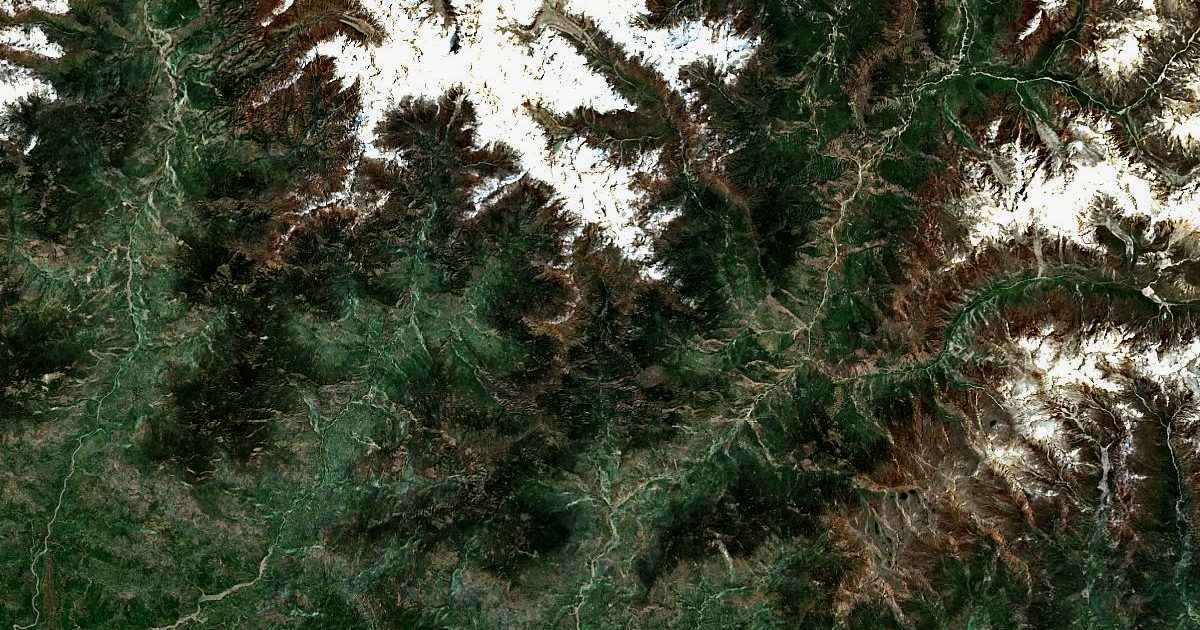
On the day the two went missing, heavy snow fell in many parts of Dhading District. Snow covers mountain trails and can multiply the risk of getting lost. Waiting for the weather to improve is often the safer choice.
 9 Mar 2017 · HikingLiang Sheng-yueh and Liu Chen-chun stranded in Nepal for 47 days
When the weather changes abruptly, first establish where the route is
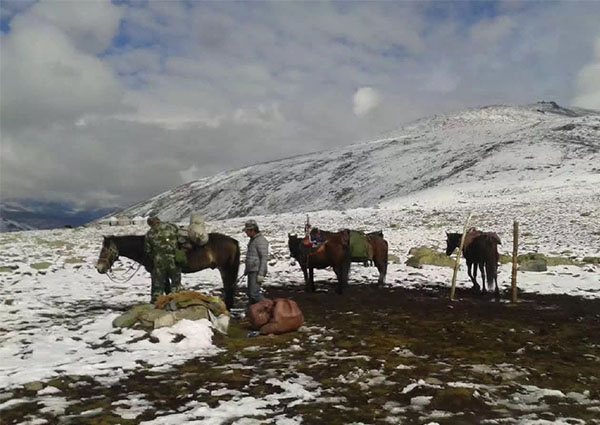
In this accident, snowfall covered the horse trail, and after straying from the route, the four walked through the night without finding their way. When snowfall occurs in an area where the route is unclear, it is safer to establish your location where you are and call for help promptly than to keep trying to find a way.
 24 Sep 2016 · CanyoningFour hikers lose their way in Kanas; female university student dies in Tuergun River
Stay in shelter during a storm
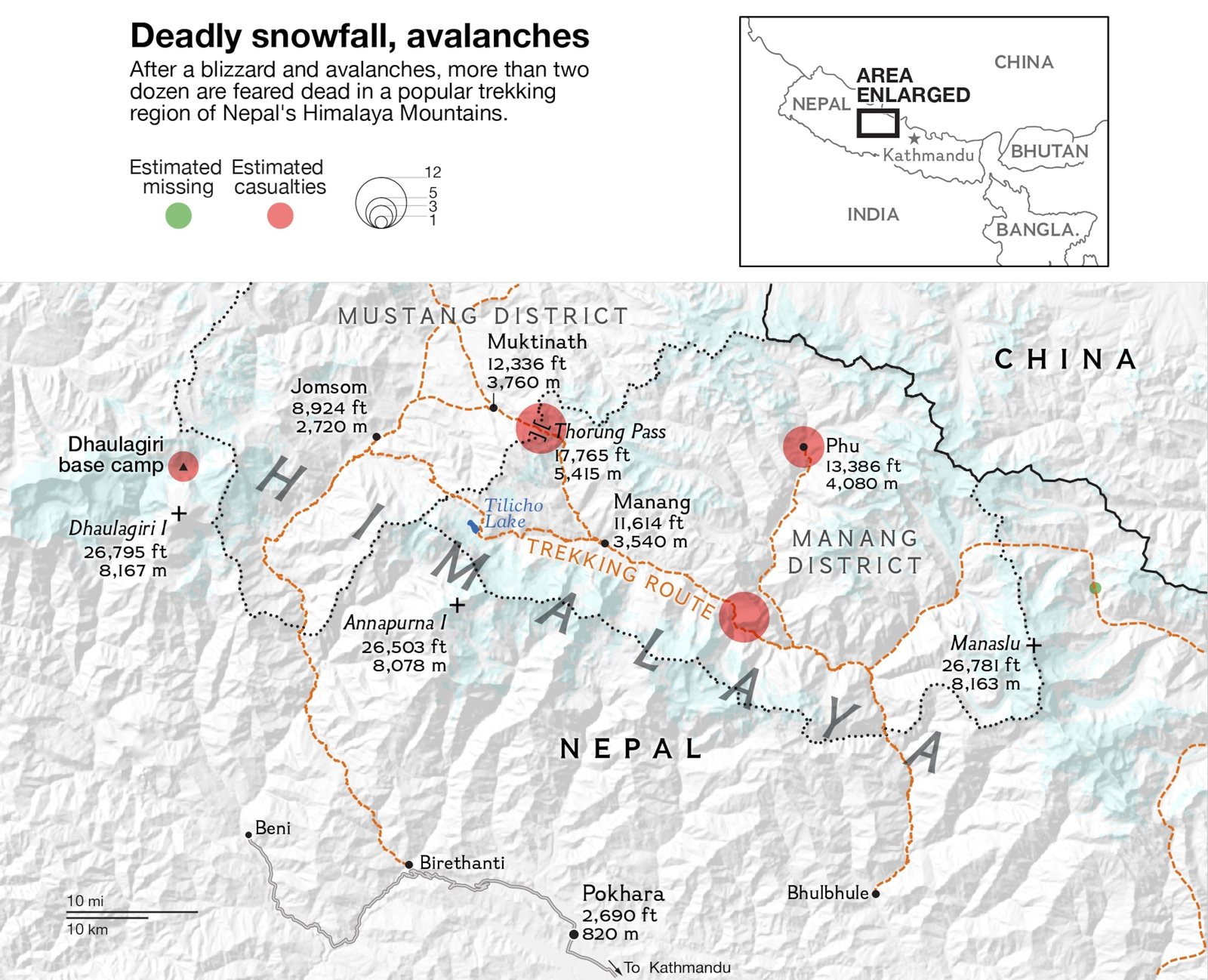
Several of those who died were caught by heavy snow while descending from Thorong La. The rescued Israeli trekkers believed their guide's advice to remain in the teahouse during the storm may have saved their lives; the veteran guide Gael's advice was not to leave shelter during a blizzard. According to reports, the group descended after seeing clear weather the next day but still lost their way in chest-deep snow.
 14 Oct 2014 · HikingThe Blizzard at Thorong La
Early signs of a warning
After the cyclone made landfall in India, Nepali television warned on 13 October that rain and snow were coming; a climate expert said the meteorological department had issued warnings of strong winds and heavy rain. On 14 October, trekkers were still climbing towards the pass after it had begun to snow. Disaster authorities said the message reached local police stations too late.
14 Oct 2014 · HikingThe Blizzard at Thorong La
Consider the season and weather window on steep, high-altitude routes
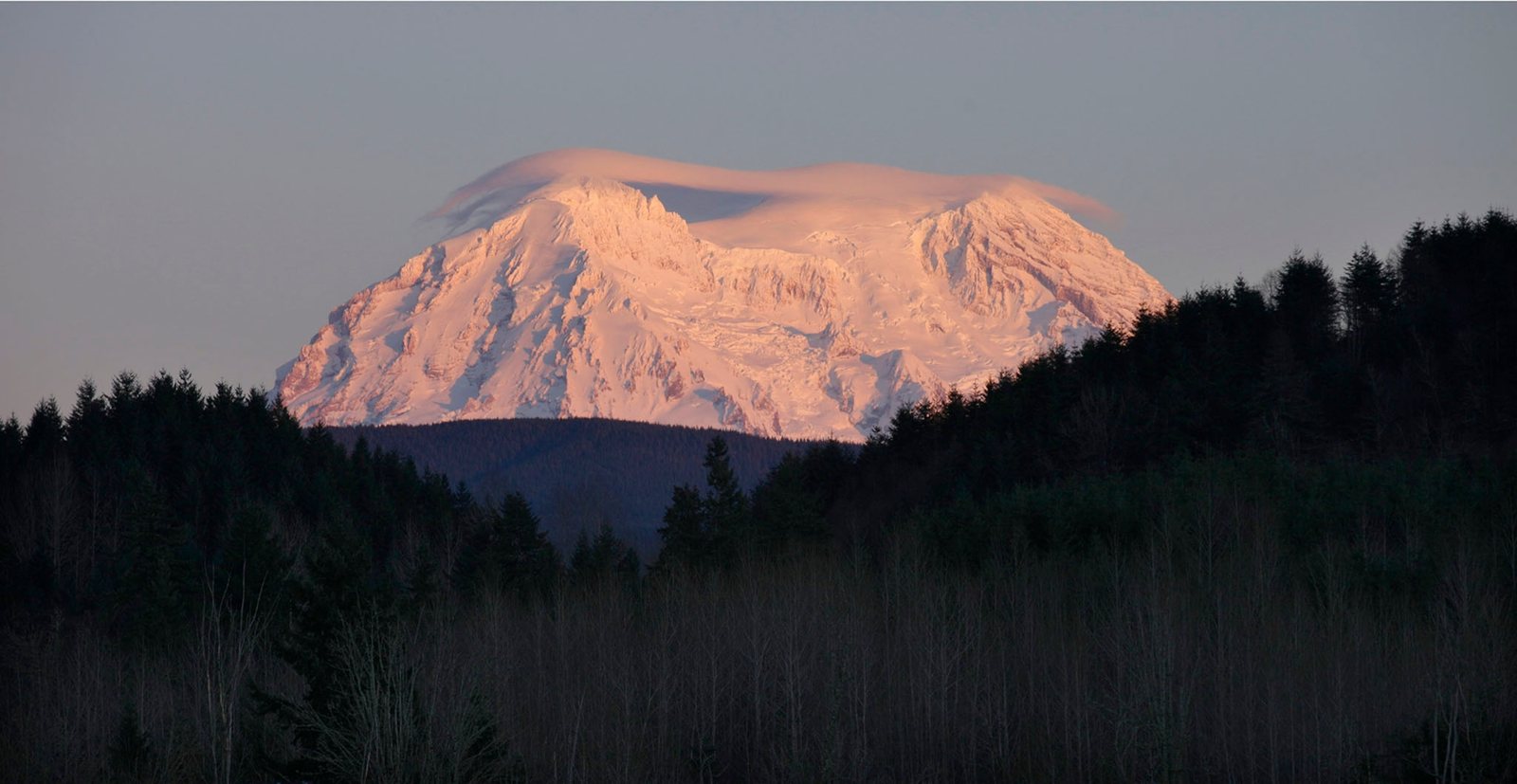
An analysis by the American Alpine Club noted that the route requires an excellent weather forecast and low avalanche risk, and recommended climbing it on colder days to reduce the risk of rockfall and icefall. Magazines also noted that the risk increases as ice and snow melt.
 28 May 2014 · MountaineeringSix members of commercial climbing party die on Mount Rainier's Liberty Ridge
Hypothermia comes quickly in a snowstorm
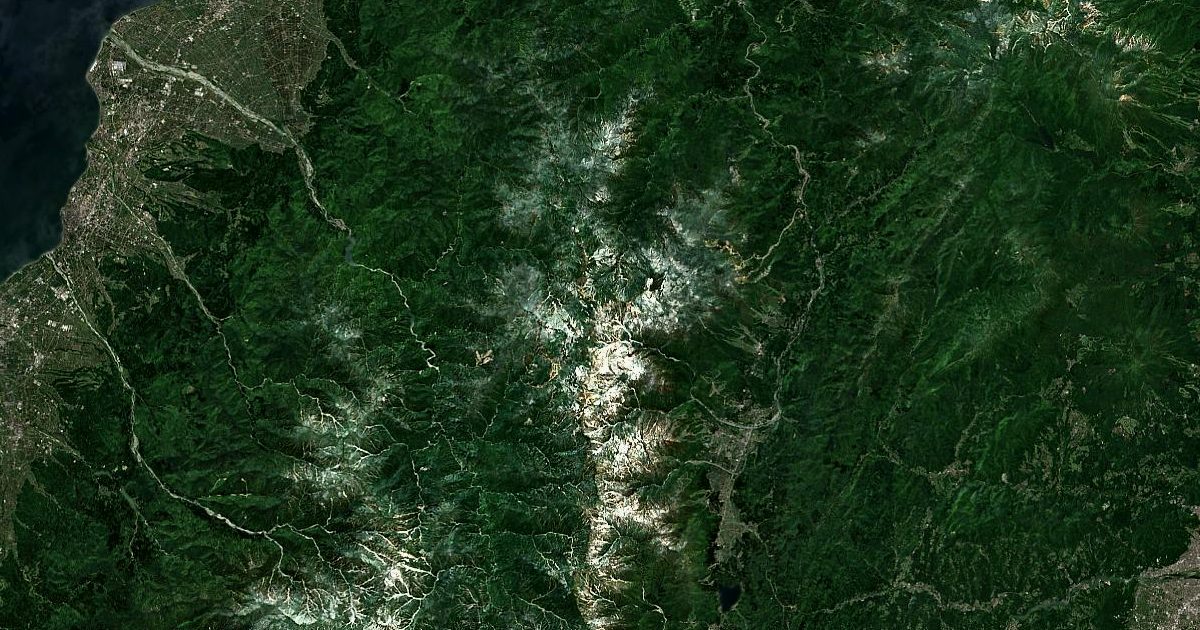
According to reports, the temperature at the site was approximately minus 2 to 3 degrees Celsius and the wind speed approximately 20 meters per second. Based on a hypothetical calculation using these conditions, Hiroshi Nose estimated that body temperature would fall below 35°C in approximately 22 minutes; after a person stopped moving because of the cold, the time limit would shorten to approximately 10 minutes. All 6 died of hypothermia.
 4 May 2012 · MountaineeringMount Shirouma Golden Week storm: Six older climbers from Kitakyushu die of hypothermia at Sangokuzakai
Whether to continue or turn back when the weather changes suddenly
According to reports, other climbing parties decided to turn back after the sudden change in weather, while this group continued. The 6 became exhausted after reaching the Sangokuzakai area north of Mount Shirouma.
4 May 2012 · MountaineeringMount Shirouma Golden Week storm: Six older climbers from Kitakyushu die of hypothermia at Sangokuzakai
Weather can halt search and rescue
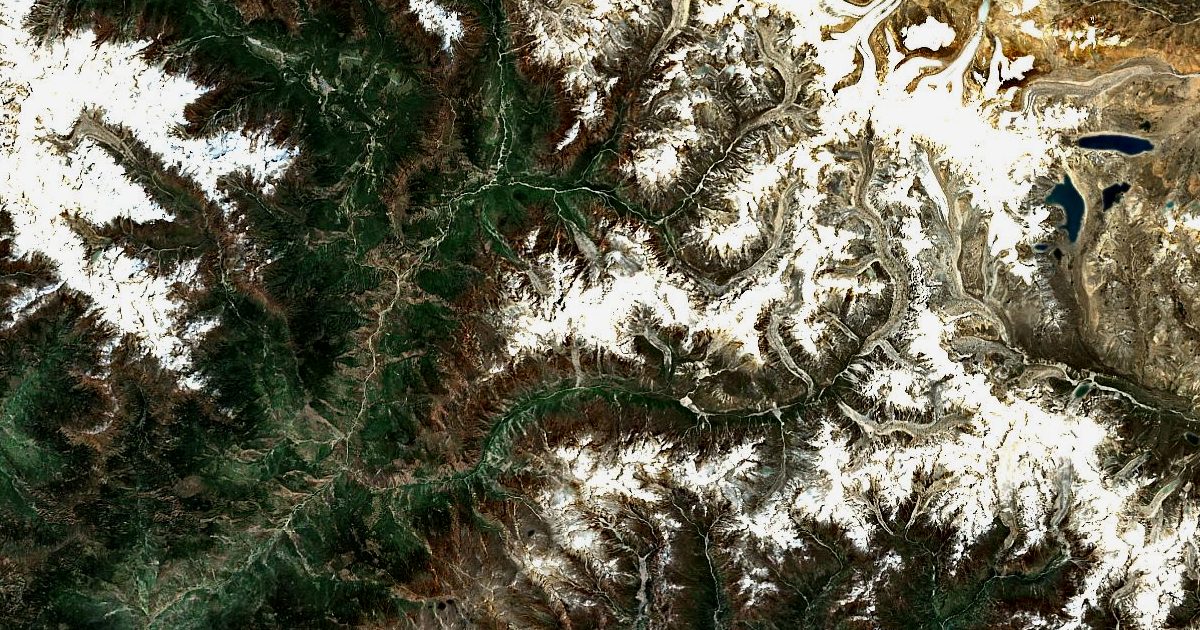
In the days after Humar called for help, heavy snow increased the risk of avalanches, forcing search and rescue to be postponed; according to reports, thick fog and avalanche risk later halted it again.
 9 Nov 2009 · MountaineeringHumar dies on solo climb of Langtang Lirung
Retreat early; do not wait for the weather to “improve”
The wind and rain were already strong on the day of departure, but the group set out on the expectation that conditions would improve. According to reports, another group on Mount Asahi heard the same forecast that day but called off its trip, taking into account that weather changes reach the mountains later than the lowlands, and did not encounter danger.
 16 Jul 2009 · MountaineeringHypothermia deaths in Mount Tomuraushi tour group
A simple route can cease to be “simple” in a storm
Aconcagua's normal route is not highly technical; the main risk is severe storms. The author of a report concluded that a simple route is simple only while one remains on it: when visibility is close to zero, straying from the route can lead into entirely different terrain.
 7 Jan 2009 · Mountaineering2009 Aconcagua Italian climbing team deaths in storm
Turning back does not mean safety
According to reports, Ochoa turned back near the summit after climbing for approximately 16 hours straight, partly because of frostbite on his hands and a shortage of rope. He collapsed near Camp 4 at approximately 7400 metres, and his condition worsened overnight as he lost consciousness. After turning back, a person remains at extremely high altitude.
 23 May 2008 · MountaineeringIñaki Ochoa’s death on Annapurna and the international rescue
When thunderstorms are forecast, treat clouds as off-limits
The day's weather briefing had already forecast scattered thunderstorms, and the only warning pilots received was to stay farther away from clouds. Even clouds that do not look dangerous can grow rapidly in developing thunderstorm conditions, and paragliders flying beneath or near developing clouds may be sucked into them.
 14 Feb 2007 · OtherManilla thunderstorm: Two paragliders caught in cumulonimbus cloud during training, one survives and one dies
Rescue capabilities are limited outside a weather window
Heavy snow, strong winds, poor visibility and the threat of avalanches repeatedly prevented rescuers and aircraft from approaching higher elevations. Planning in advance how to retreat or wait if the weather worsens is more reliable than responding on the spot.
 7 Dec 2006 · Mountaineering2006 Mount Hood winter climbing accident
Account for afternoon thunderstorms by the hour
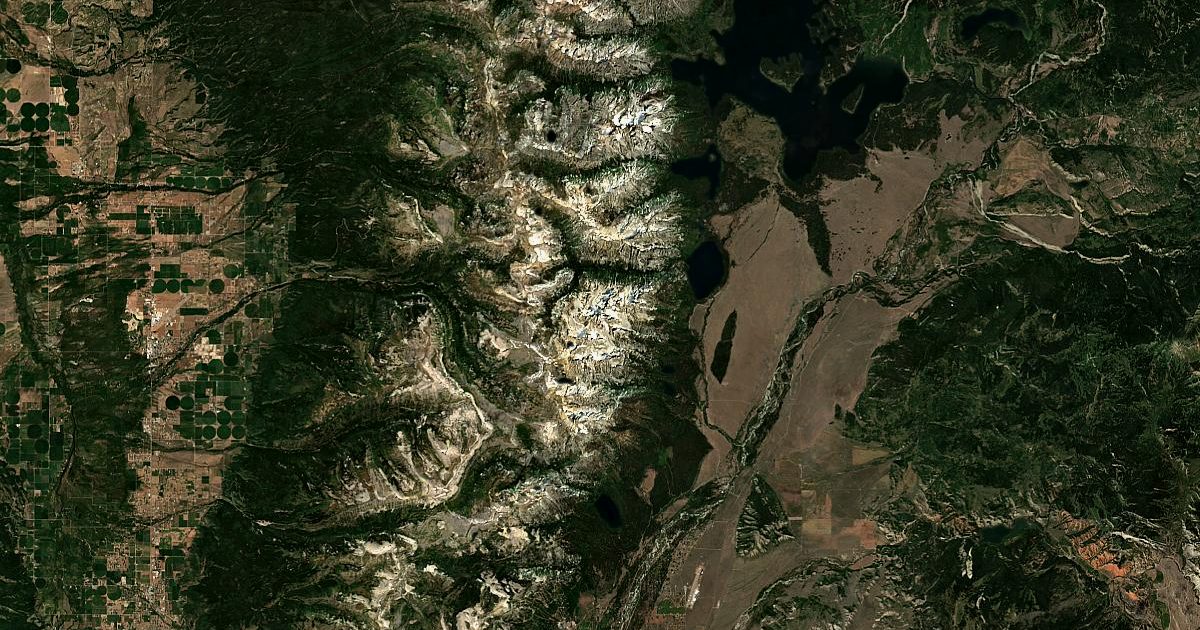
There had been afternoon thunderstorms on each of the two days before the accident. The report said the forecast and recent weather should have indicated the risk on the afternoon of the 26th. Teton rangers generally recommend leaving the summit by noon or 1 p.m.; departure and turnaround times should be planned backward from that deadline.
 26 Jul 2003 · MountaineeringLightning strike on Grand Teton's Exum Ridge
Thunderstorms may come without warning
According to the report, the fatal strike was the thunderstorm's first lightning strike, and no thunder could be heard as it approached. Many climbers later said the clouds “didn't look that bad”. Climbers cannot wait until they hear thunder to retreat; they should already be descending when the dangerous period arrives.
26 Jul 2003 · MountaineeringLightning strike on Grand Teton's Exum Ridge
Set a firm turnaround time and stick to it
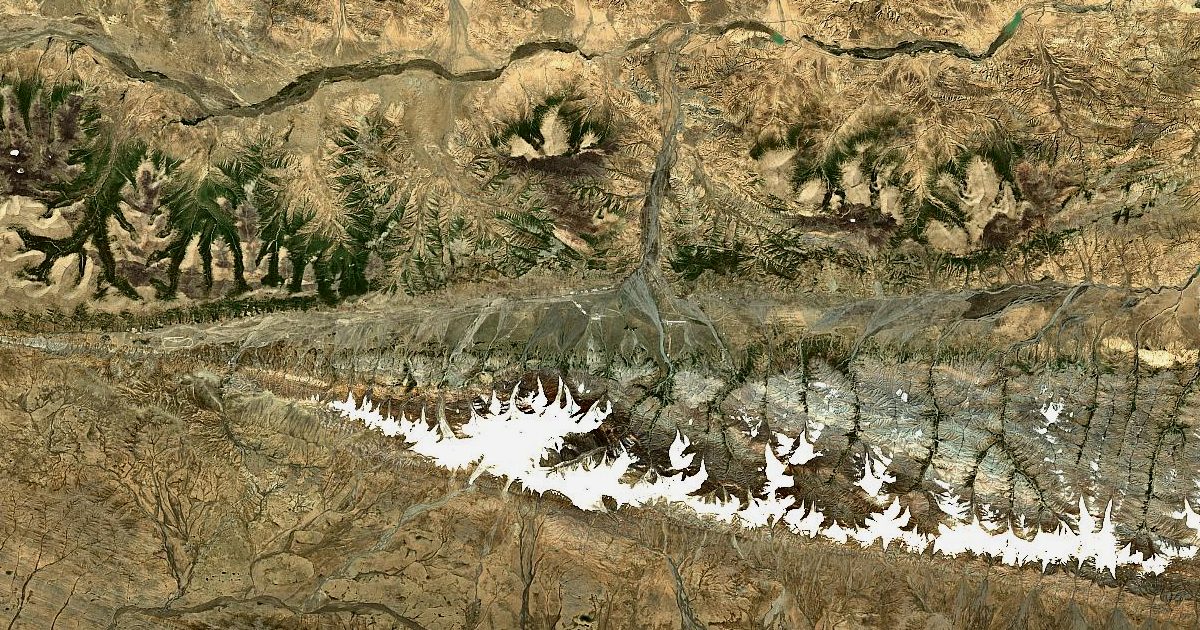
Both teams encountered wind and snow in the afternoon as they approached the summit. A member of the Guangdong team continued toward the summit after the order to descend; according to reports, the Beijing team leader had set a mandatory descent deadline of 15:30, and the team members abandoned their summit attempt at about 3 p.m. A turnaround time should be set before departure, and climbers should turn back when it arrives, no matter how close they are to the summit.
 6 May 2000 · Mountaineering2000 Yuzhu Peak mountaineering accident
Understand the margin in forecasts
The review found that the Bureau of Meteorology assumed users would allow for winds and waves above the forecast, while the fleet thought actual conditions would be similar to or slightly stronger than forecast. Before going to sea, understand what the forecast figures mean and prepare for the worst.
 27 Dec 1998 · Fieldwork1998 Sydney–Hobart yacht race storm
Allow for congestion and turnaround
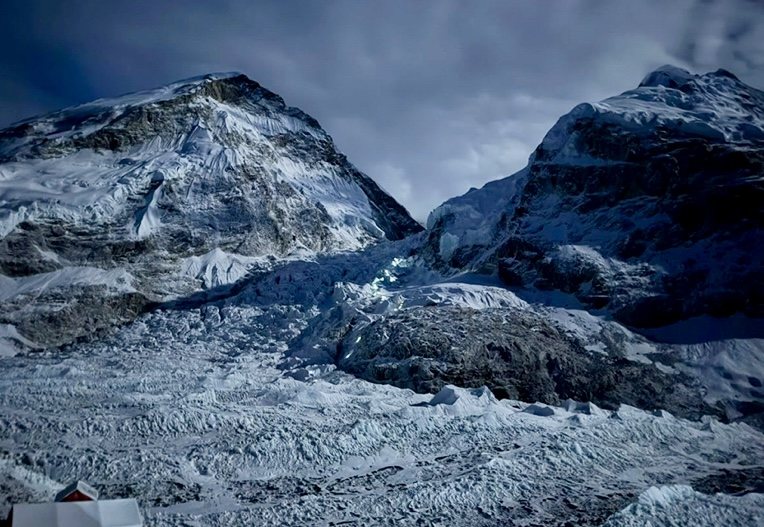
Congestion and delays in installing fixed ropes on summit day consumed time, and some climbers’ oxygen supplies were running low. The agreed turnaround time was not strictly observed, showing the importance of allowing reserves of time and oxygen on high-altitude routes.
 10 May 1996 · Mountaineering1996 Mount Everest disaster
Weather changes can alter descent conditions
After the blizzard struck, visibility fell, fixed ropes were buried, and the tracks back to camp were erased. Even a few hundred meters from camp, descending climbers may still have difficulty finding the tents.
10 May 1996 · Mountaineering1996 Mount Everest disaster
Rare snowstorms can also occur in autumn
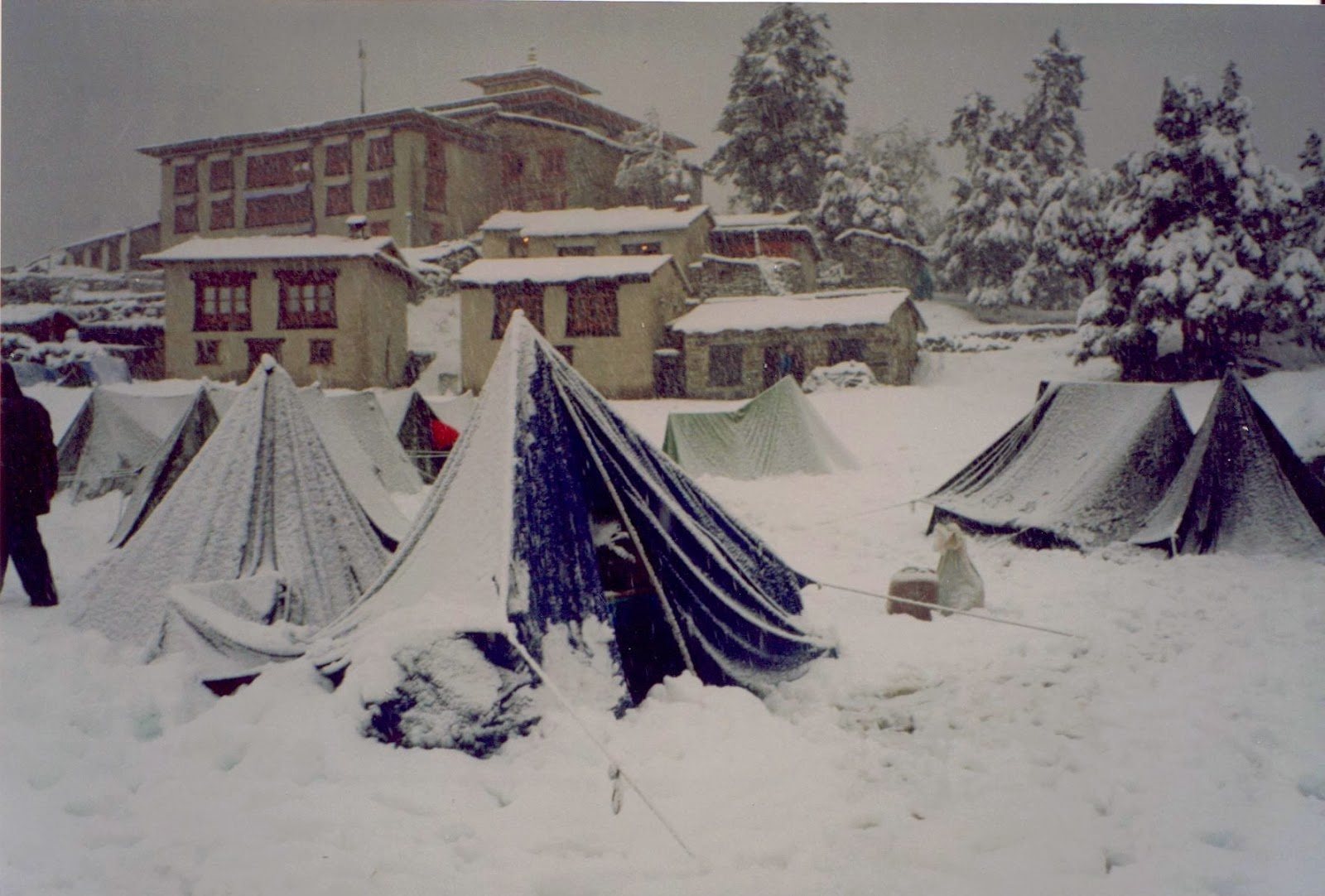
The storm occurred in November and was considered by researchers to be the most intense autumn storm in at least 50 years, with one to two metres of snow falling at higher elevations in Khumbu. According to reports, Nepal's meteorological department issued specialised weather forecasts only when requested, and the trekking company had not requested one on this occasion.
 11 Nov 1995 · Hiking1995 Phangka avalanche in the Gokyo Valley: Lodge buried on a night of heavy snow, Japanese trekking group and Nepali guides killed
Set a turnaround time before setting out
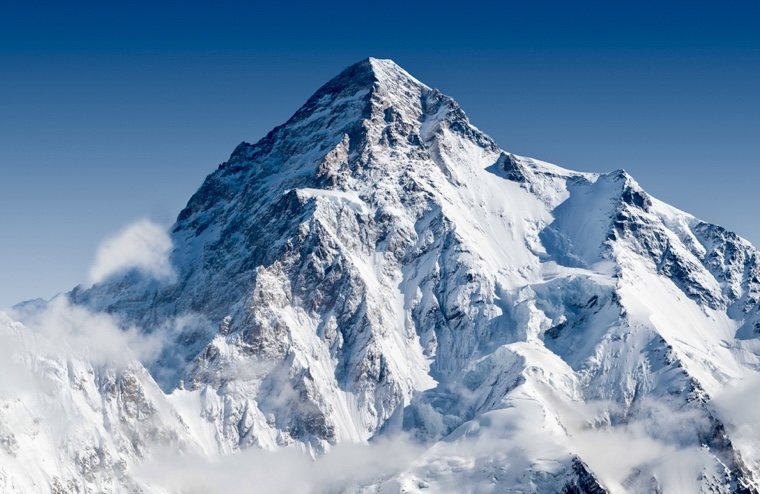
The summit climbers did not reach the top until after 6 p.m., only an hour or two before nightfall and the storm. The weather appeared stable before the incident, and Explorersweb commented that the climbers believed they still had enough time. Setting a firm turnaround time in advance is more reliable than making a judgment on the spot at high altitude.
 13 Aug 1995 · Mountaineering1995 K2 storm: Hargreaves and five others missing after reaching the summit
Weather can change quickly at high altitude
During the day, the Spanish team reported clear, windless conditions in the distance. Around 8 p.m., strong winds suddenly arose, nearly blowing away the tent at Camp 4. Before setting out and along the way, sudden strong winds should be treated as a possibility, with preparations made for the loss of camp.
13 Aug 1995 · Mountaineering1995 K2 storm: Hargreaves and five others missing after reaching the summit
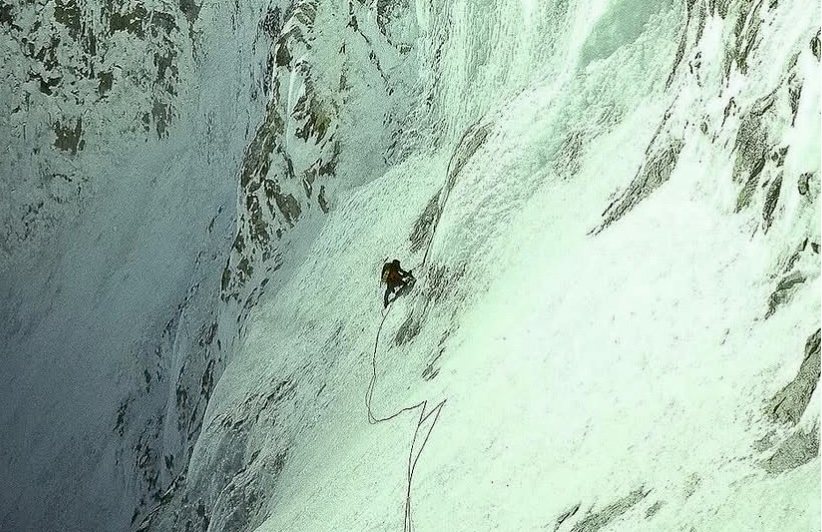
Descending in storms and at night increases terrain risks
The two continued lowering in the storm and after nightfall, entering a dangerous line above an ice cliff when they could not see clearly. When fatigue, frostbite and poor visibility combine, judging the descent route becomes very difficult.
 8 Jun 1985 · MountaineeringSiula Grande: The cut rope
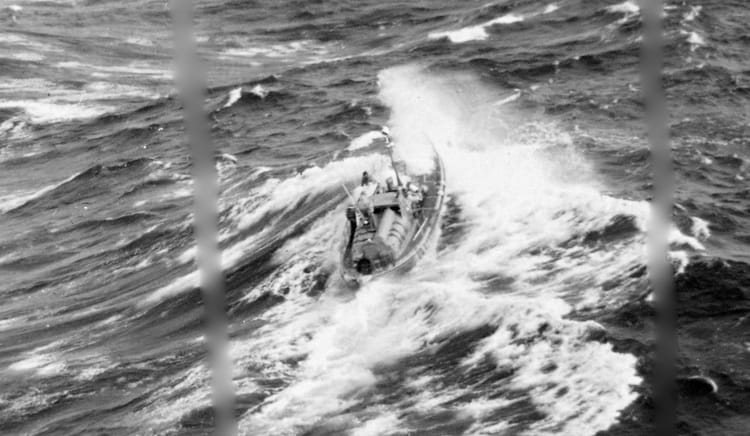
Warnings must be received
In 1979, most yachts relied solely on scheduled marine weather broadcasts, and gale warnings issued at short notice were very likely to be missed at sea. Many boats also had no radio. Before going to sea, confirming that weather updates can be received continuously and that working communications equipment is aboard is more important than relying on the forecast at departure.
 14 Aug 1979 · Other1979 Fastnet Race storm
The race must give way to the weather
In 2007, the Met Office warned of extreme weather similar to that of 1979. The race start was postponed, and most boats sheltered in port. When faced with a storm warning, postponing or abandoning the plan is worth considering over following the original schedule.
14 Aug 1979 · Other1979 Fastnet Race storm
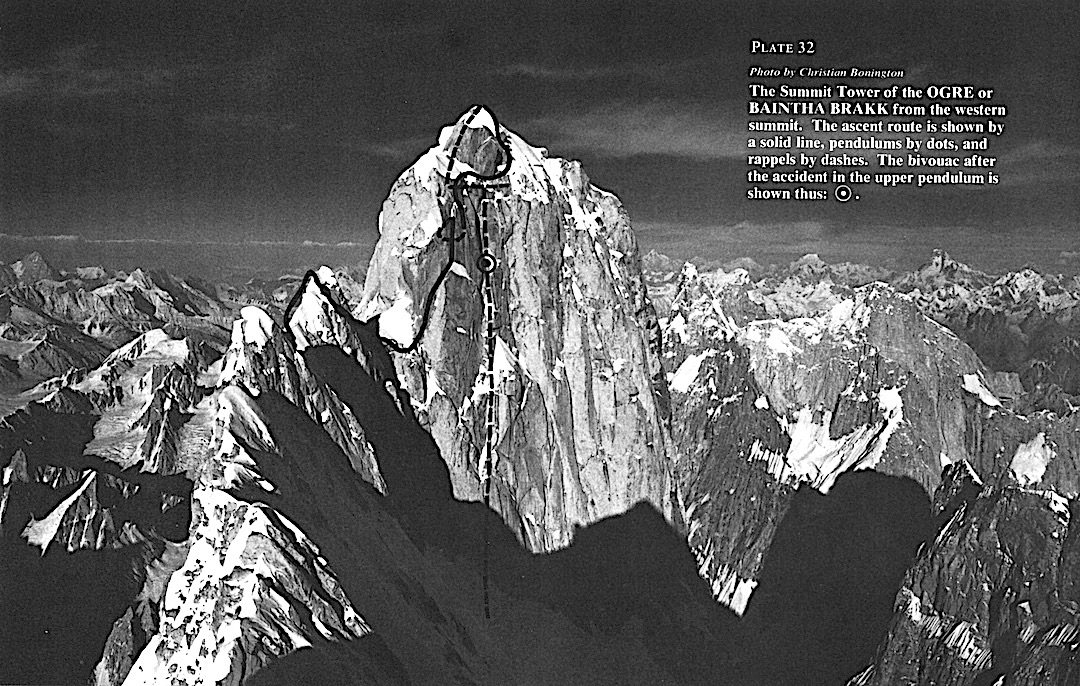
Allow a margin for worsening weather on a summit attempt
The four set out for the summit carrying light loads. After a snowstorm struck, they were trapped in a snow cave, their food soon ran out, and several suffered frostbite. Bonington later considered it fortunate that they had brought enough fuel canisters to melt snow for water.
 13 Jul 1977 · Mountaineering1977 Ogre: Descent with broken legs after the first ascent
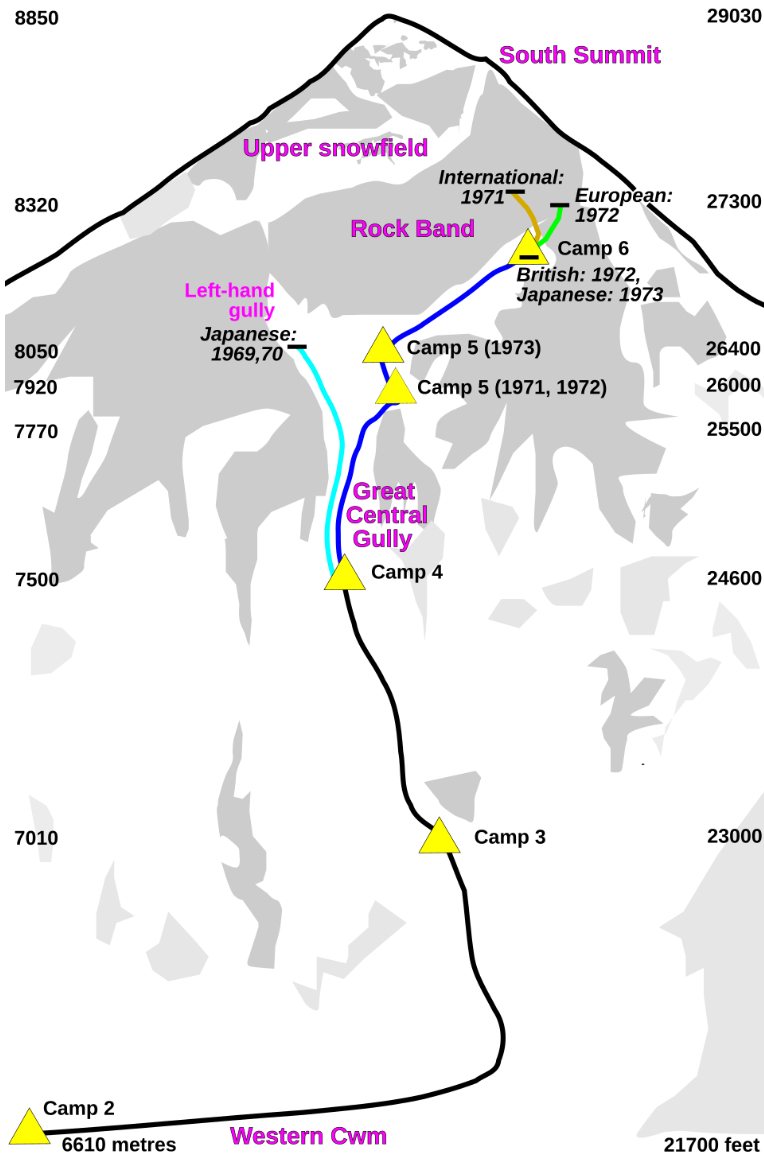
Summit weather can change in half an hour
Strong winds and high-altitude cirrus clouds were already present early that morning. The two reached the summit in fog, and within half an hour of their separation, conditions became a whiteout. High-altitude cirrus clouds and thickening fog are signals to take seriously; the closer climbers get to the summit, the more margin they need to leave for the descent.
 26 Sep 1975 · Mountaineering1975 Everest Southwest Face: Mick Burke missing after solo summit bid
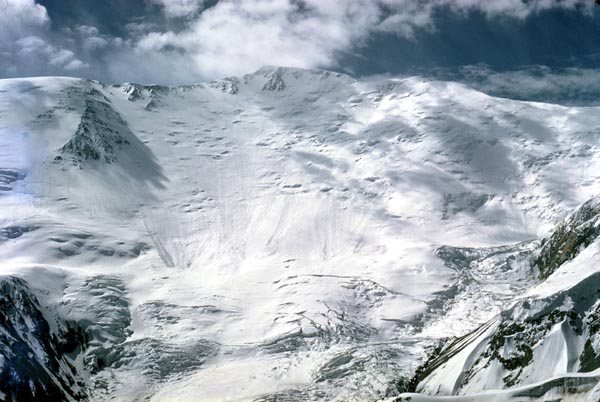
The window for retreat is short when a storm is forecast
The camp had advised everyone to descend on 4 August. After reaching the summit on the evening of 5 August, the women's team encountered a sudden drop in visibility and could only pitch tents where they were and wait. Most sources say they did not begin descending until someone fell ill on 6 August. During a weather warning, a turnaround time needs to be set in advance, and “descend first if the weather worsens” should be written into the plan.
 Aug 1974 · MountaineeringEight members of Soviet women's mountaineering team die on Lenin Peak in 1974
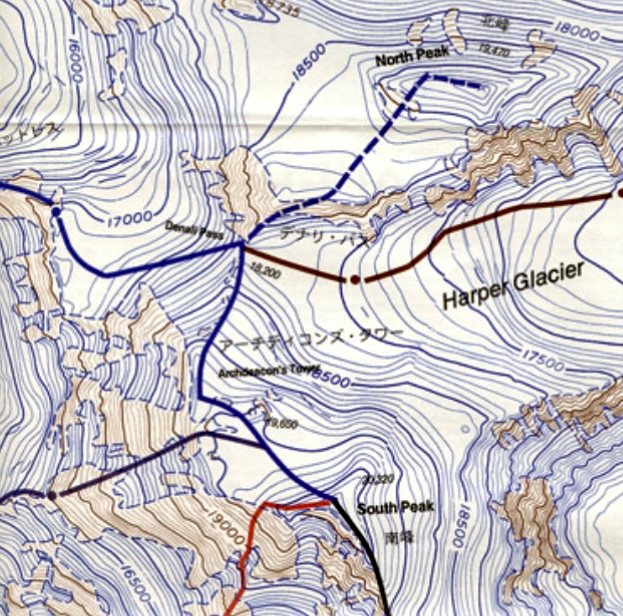
The window of good weather was short
The summit was reached on 15 July in good weather. Two days later, the wind had weakened when the second group set out, but they reached the summit the following day in whiteout visibility and subsequently encountered a storm. According to reports, the storm was later described by meteorological authorities as a once-in-a-century event. The descent after a summit attempt requires the same margin as the ascent.
 18 Jul 1967 · Mountaineering1967 Denali Wilcox Expedition disaster
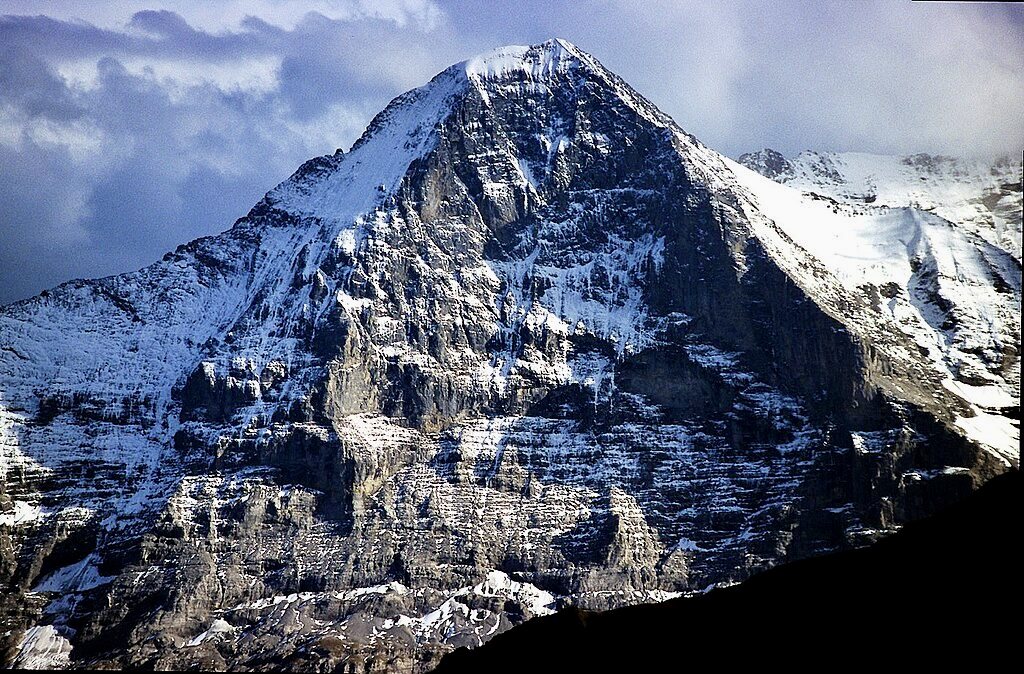
Winter storms on the North Face are extremely fierce
During the summit attempt, a temperature of minus 12 degrees Fahrenheit and gusts of 85 miles per hour were measured at the foot of the mountain; some climbers suffered severe frostbite. Once trapped by a storm on a high mountain face in winter, retreat is difficult. Warm clothing and equipment, bivouac conditions and retreat routes should all be prepared for the worst case.
 22 Mar 1966 · MountaineeringEiger North Face direttissima: John Harlin killed in rope failure
Metal and high points in a thunderstorm
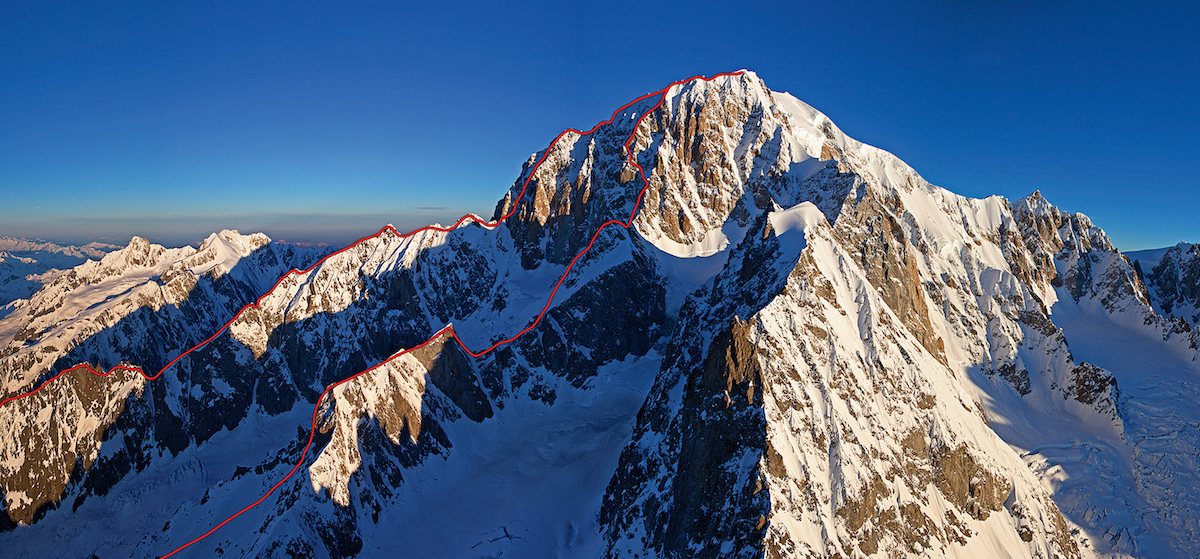
When the thunderstorm struck, the party was high on the rock pillar. Lightning struck Kohlmann’s hearing aid, leaving his mental state abnormal thereafter. The team members could only place their ice axes, crampons and pitons farther away from their bodies.
 11 Jul 1961 · Mountaineering1961 Mont Blanc Central Pillar of Freney mountaineering disaster
Larger parties retreat more slowly
The two parties joined at the bivouac hut to form a group of seven. During the retreat, the seven roped up as one group, and exhausted companions had to be pulled along. Bonatti and Gallieni could only go ahead to set up the ropes.
11 Jul 1961 · Mountaineering1961 Mont Blanc Central Pillar of Freney mountaineering disaster
A fall in bad weather carries a higher cost
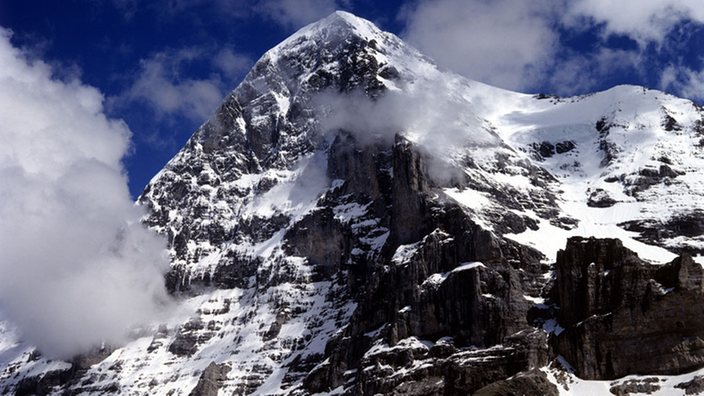
After Longhi slipped and fell, his hands were frozen and he could not even climb back up the rope; his companions could not pull him up either. The cold turned a fall that was not in itself fatal into a predicament from which he could not save himself.
 3 Aug 1957 · Mountaineering1957 Eiger North Face: Corti rescued and Longhi dies
Do not treat bad weather as a brief interruption
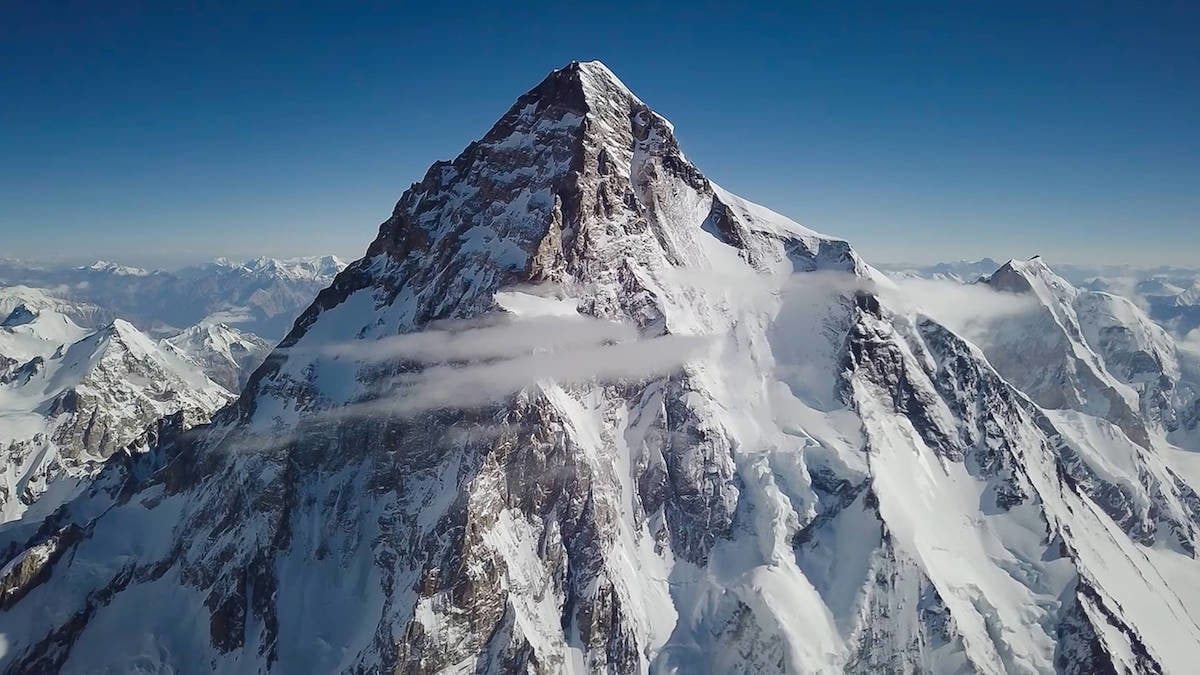
According to Streather's account, the team believed, based on previous records, that the monsoon had little effect on the Karakoram and that the bad weather was only local. The storm lasted about ten days. An optimistic assessment of the weather can lead a team to remain at altitude too long.
 10 Aug 1953 · MountaineeringK2, 1953: The Death of Art Gilkey and “The Belay”
Rescuers can also be trapped by weather
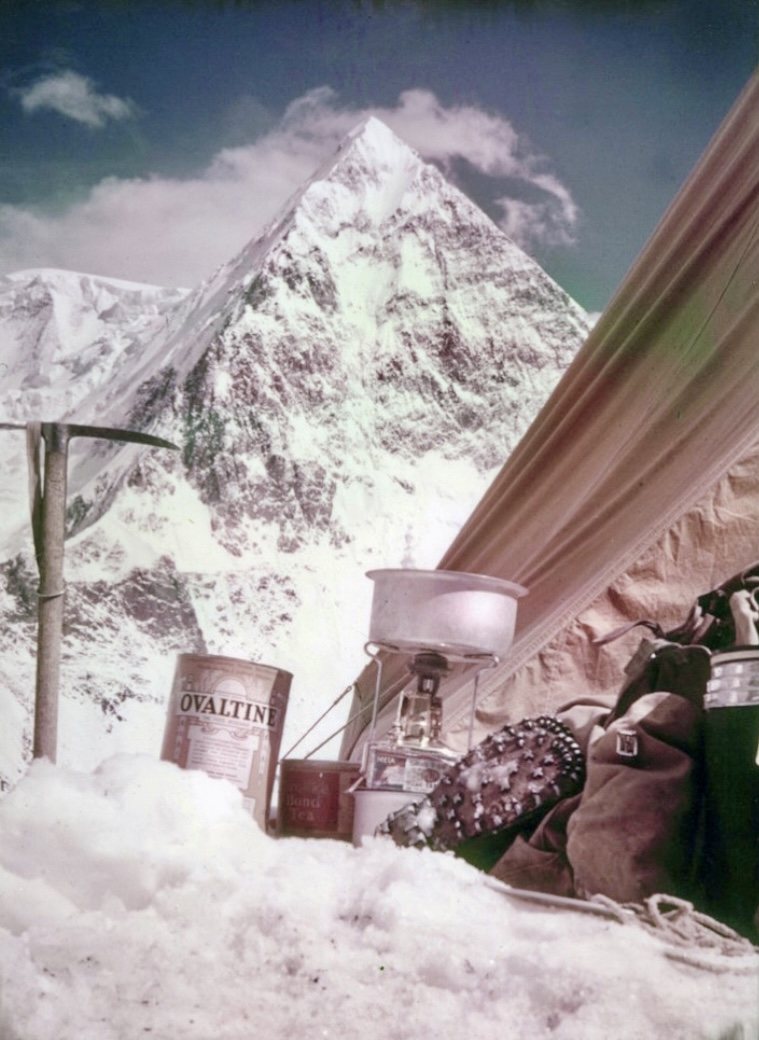
After the three Sherpas first found Wolfe, a storm forced them to wait an extra day at Camp 6; subsequent searches were also blocked by successive snowstorms. High-altitude rescue must account for both the weather and the rescuers' own route back.
 31 Jul 1939 · Mountaineering1939 American K2 expedition: Wolfe and three Sherpas die
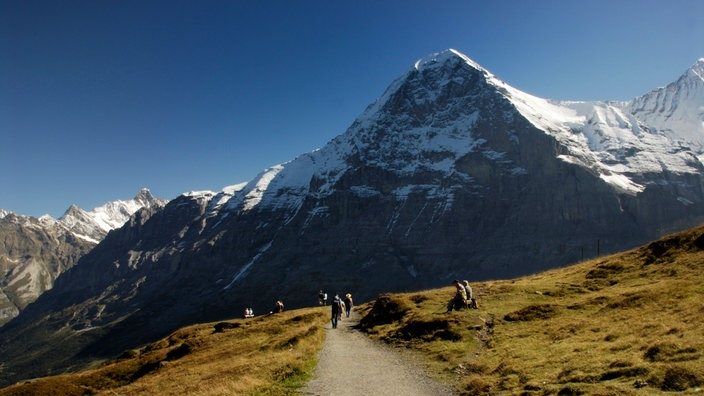
Weather on the North Face can change suddenly
During the retreat, the weather worsened, and rain and snow caused the rock to ice over, making the previously passable traverse impassable. On a big wall, plans should account for a retreat route if the weather deteriorates.
 22 Jul 1936 · MountaineeringFour climbers killed on the Eiger North Face in 1936
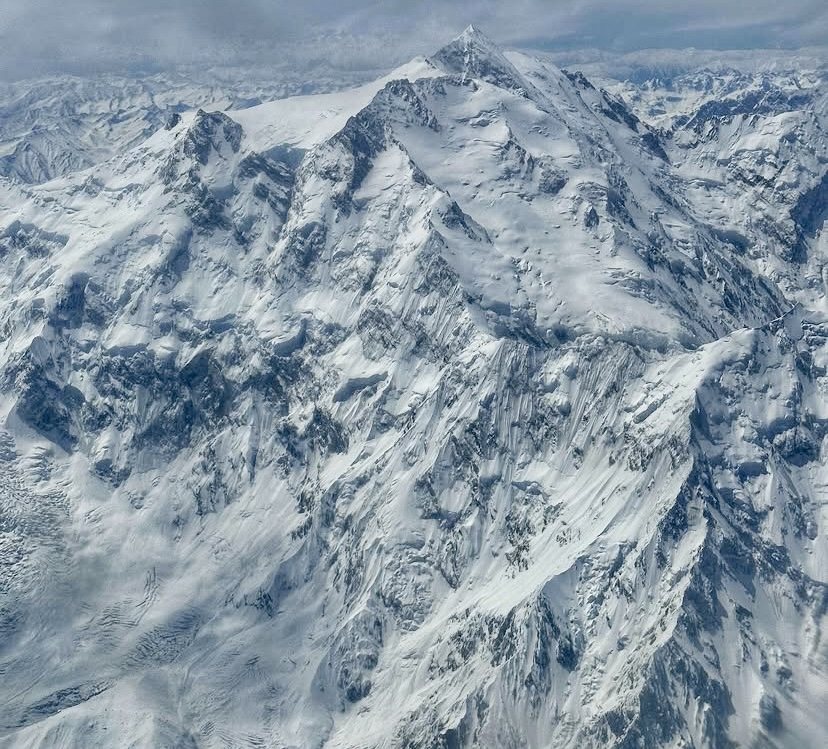
A weather window can close in an instant
The expedition was still advancing under clear skies on the evening of 6 July, but within hours the wind intensified into a hurricane that lasted several days. On high-altitude ridges like these, clear weather does not mean plans for the retreat route and timing can be neglected.
 Jul 1934 · Mountaineering1934 German expedition deaths on Nanga Parbat
Supplies and camps along the retreat route
According to the American Alpine Club, the tents and all food and fuel were left at the highest camp when the team departed; a sleeping bag was also blown away by strong winds during the descent. Whether usable food, fuel and shelter are available along the retreat route directly determines whether someone unable to continue can survive the night.
Jul 1934 · Mountaineering1934 German expedition deaths on Nanga Parbat
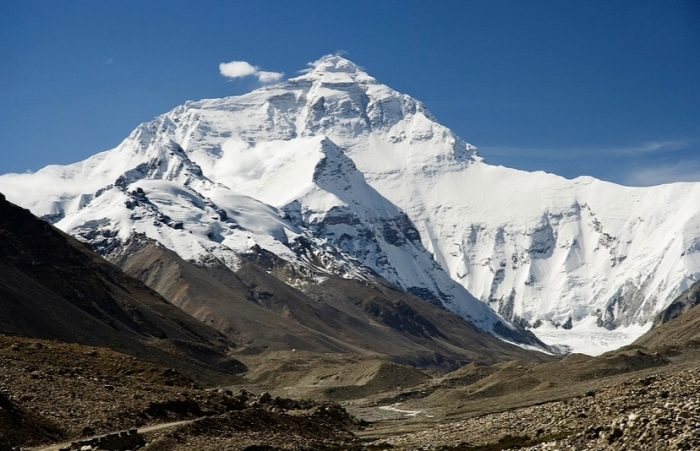
Retreat is itself a success
After the weather stopped his first attempt, he returned to the monastery and survived. On the second attempt, his companions begged him to turn back, but he insisted on continuing alone and still did not descend after becoming exhausted. Setting clear conditions for turning back and acting on them when they occur is more important than the plan itself.
 31 May 1934 · MountaineeringMaurice Wilson dies attempting Everest alone
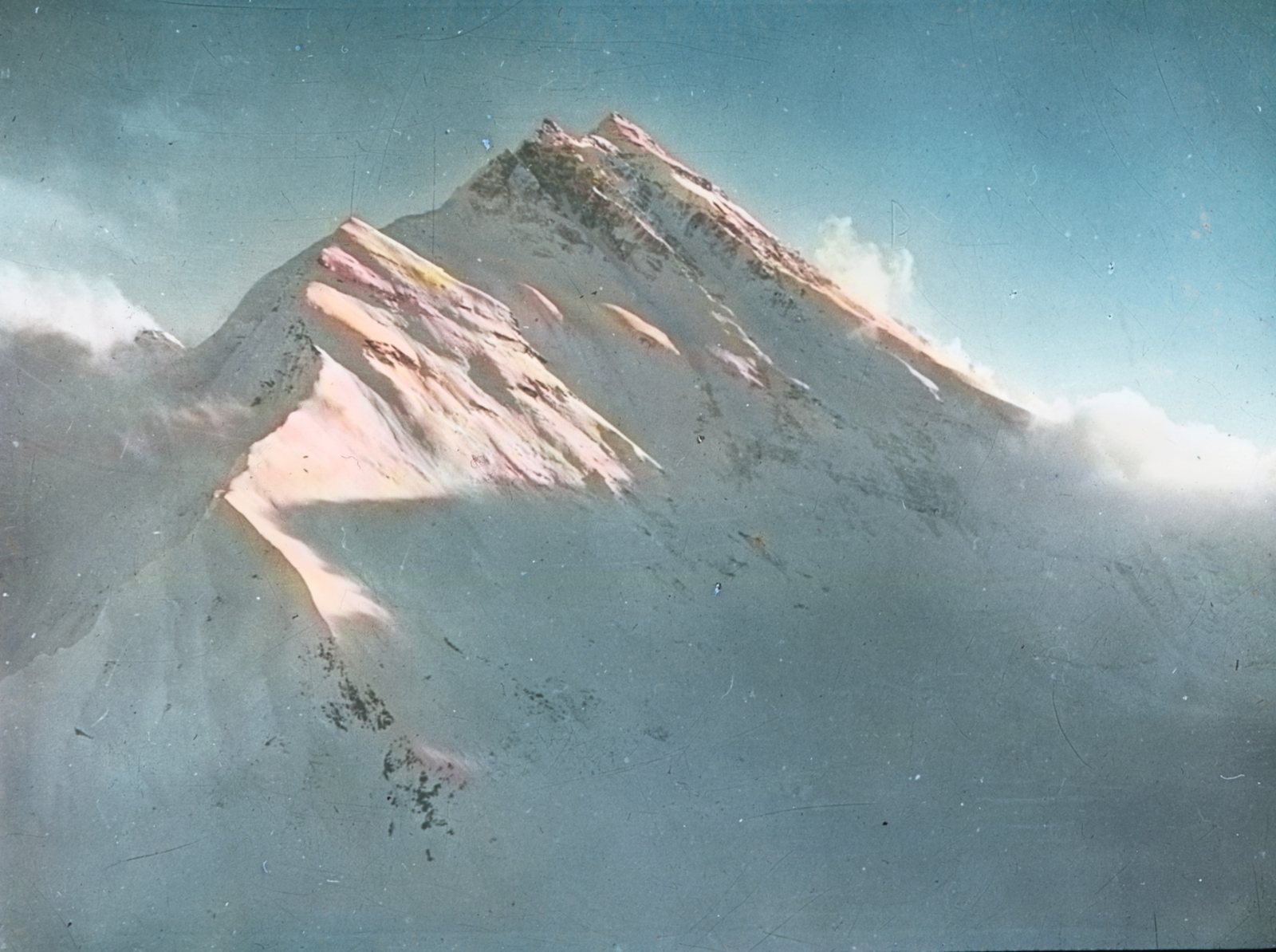
Good weather can change quickly
The weather on the day they set out was described as “perfect weather for the job”, but shortly after the two disappeared, a snow squall covered the upper slopes with fresh snow. Weather windows at high altitude are short, and summit schedules should allow a margin for changing weather.
 8 Jun 1924 · MountaineeringMallory and Irvine disappear on Everest
Account carefully for strength and rations in a retreat plan
After seven days of marching on the ice, the party had advanced only about 7.5 miles, while their rations would last only 42 days. They stopped and made camp in time, rather than exhausting themselves on an impassable route. When stranded, first work out speed, distance and supplies, then decide whether to go or wait.
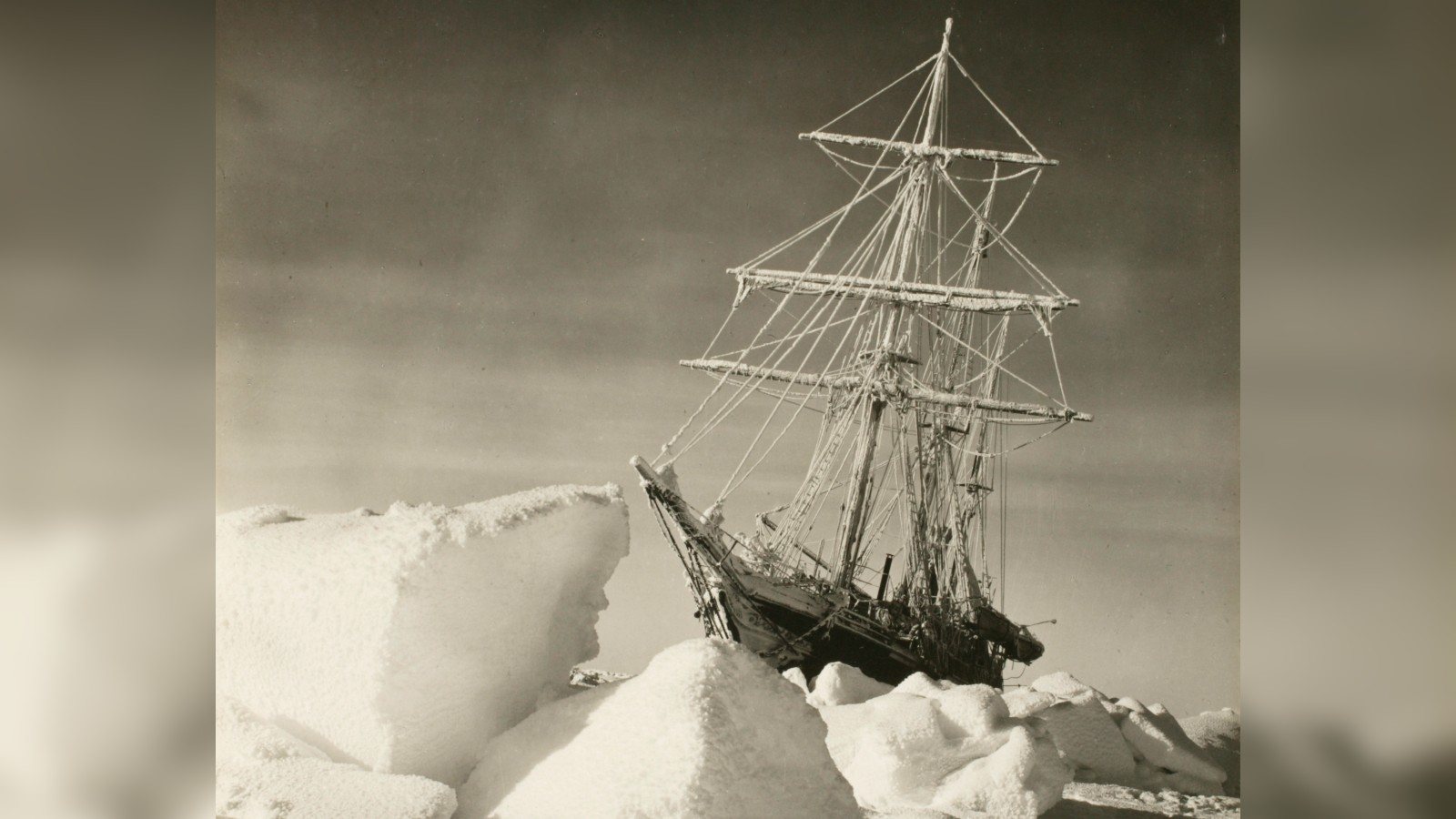 21 Nov 1915 · OtherEndurance crushed and sunk by pack ice in the Weddell Sea; all 28 survive after reaching Elephant Island and a long small-boat voyage
 GuituluGlobal Outdoor Accident Archive