Report that you are safe immediately after an avalanche
According to ExplorersWeb, it was about 10 hours after the avalanche before anyone raised the alarm: there was no protocol for reporting by radio that people were safe after a major avalanche, and the teams did not share information with one another. A rapid search and rescue effort could not have saved anyone this time, but it might save lives next time.
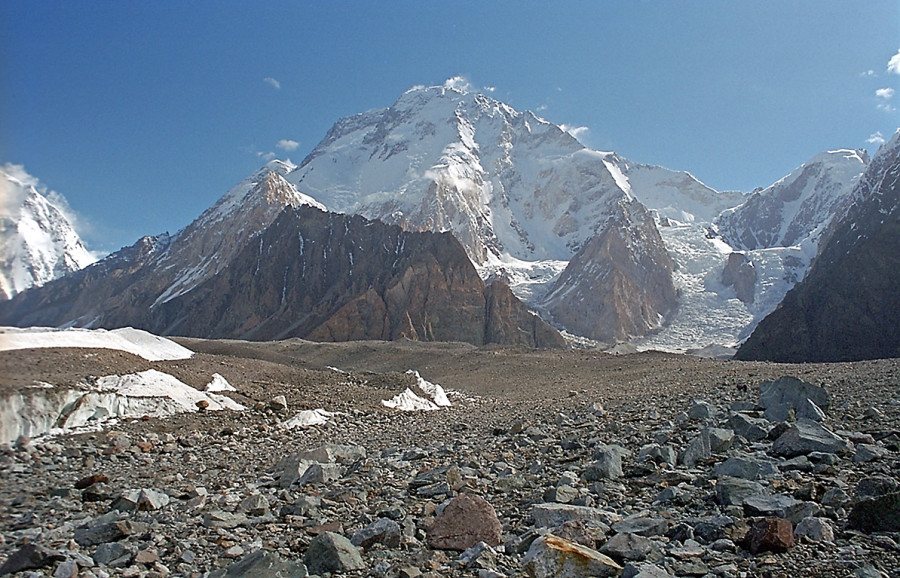 30 Jul 2026 · Mountaineering10 climbers killed in Broad Peak avalanche
Experience and fame cannot stop an avalanche
The team was led by a top mountaineer who had climbed all 14 8000-metre peaks, yet the entire team died in a single avalanche. Avalanches, falling ice and rocks, and sudden weather changes are routine risks in northern Pakistan.
30 Jul 2026 · Mountaineering10 climbers killed in Broad Peak avalanche
After heavy snow, wait for the snowpack to stabilise
Snow fell in the Rolwaling Valley for several consecutive days before the accident. Police said the snow remained unstable when the team set out after a brief improvement in the weather. A clear day immediately after heavy snow can make people want to set out quickly, but fresh snow needs time to stabilise. Delaying for a day or two is more important than keeping to the schedule.
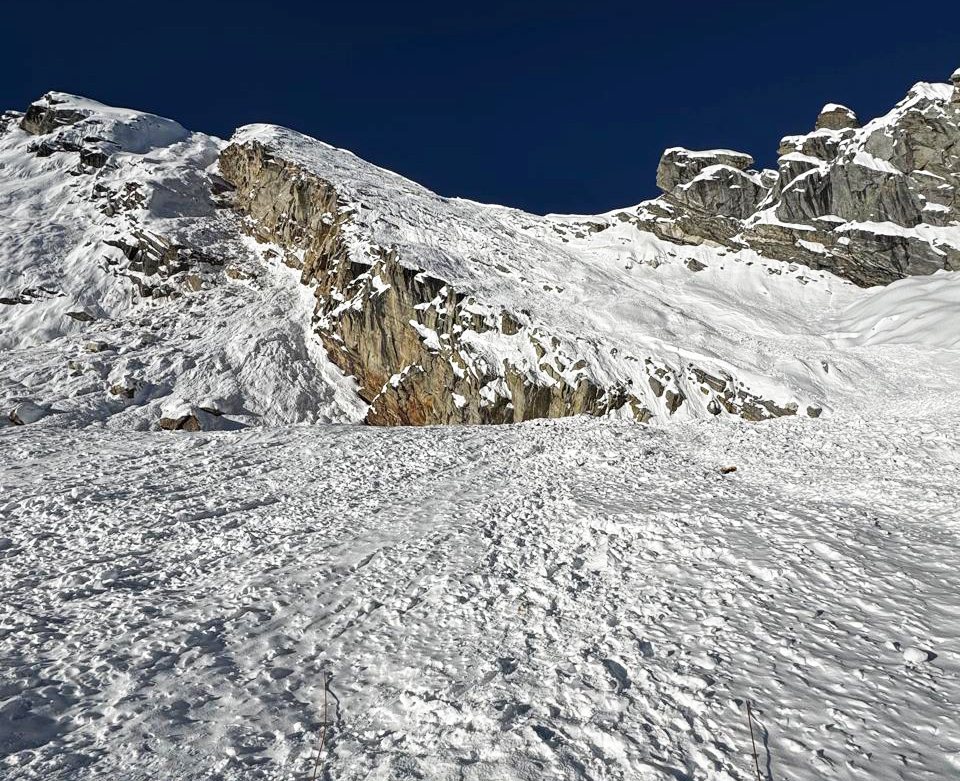 3 Nov 2025 · Mountaineering2025 Nepal Yalung Ri avalanche kills 7
A beginner peak does not mean no avalanche risk
Yalung Ri requires only a trekking permit and is considered suitable for beginners, but its normal route reportedly passes beneath an ice tower that could collapse, and slab avalanches can also occur on the upper snow and ice slopes. Route selection should take terrain risks into account, not just altitude and difficulty grade.
3 Nov 2025 · Mountaineering2025 Nepal Yalung Ri avalanche kills 7
Account for avalanche risk during descent too
This accident occurred on the return journey from base camp, showing that reaching the destination does not mean the risk is over. Asking local guides and guesthouses about the latest snow conditions before departure and along the way is part of trip planning.
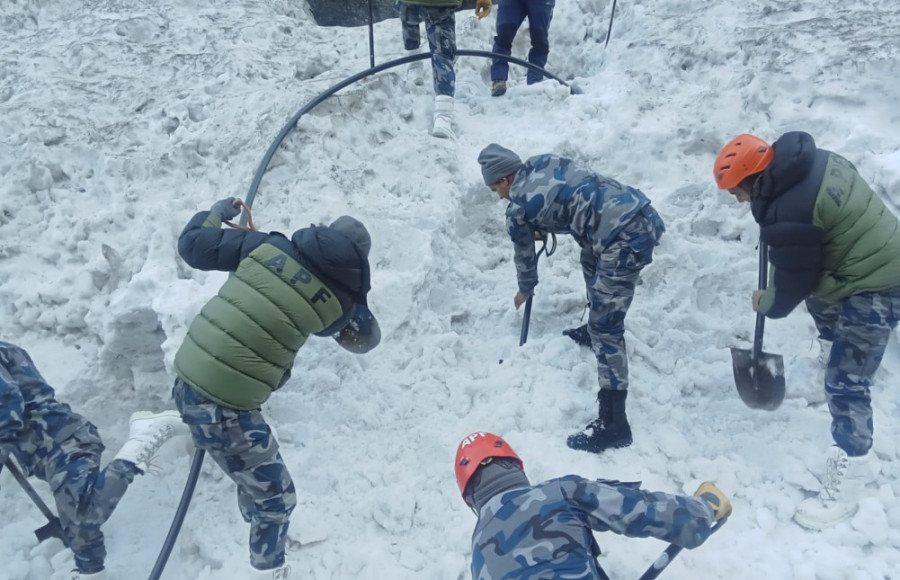 24 Mar 2025 · HikingAvalanche during descent from Annapurna Base Camp
Allow the snowpack time after snow and wind
Before the incident, there was persistent snowfall and strong wind on the mountain, people at base camp had warned of avalanche conditions, and an avalanche had also occurred above Camp 1. One guide believed that pushing for the summit too soon after the storm was a risk. Fresh snow and wind-deposited snow need time to stabilise; once warnings appear, rescheduling is safer than rushing to use a window.
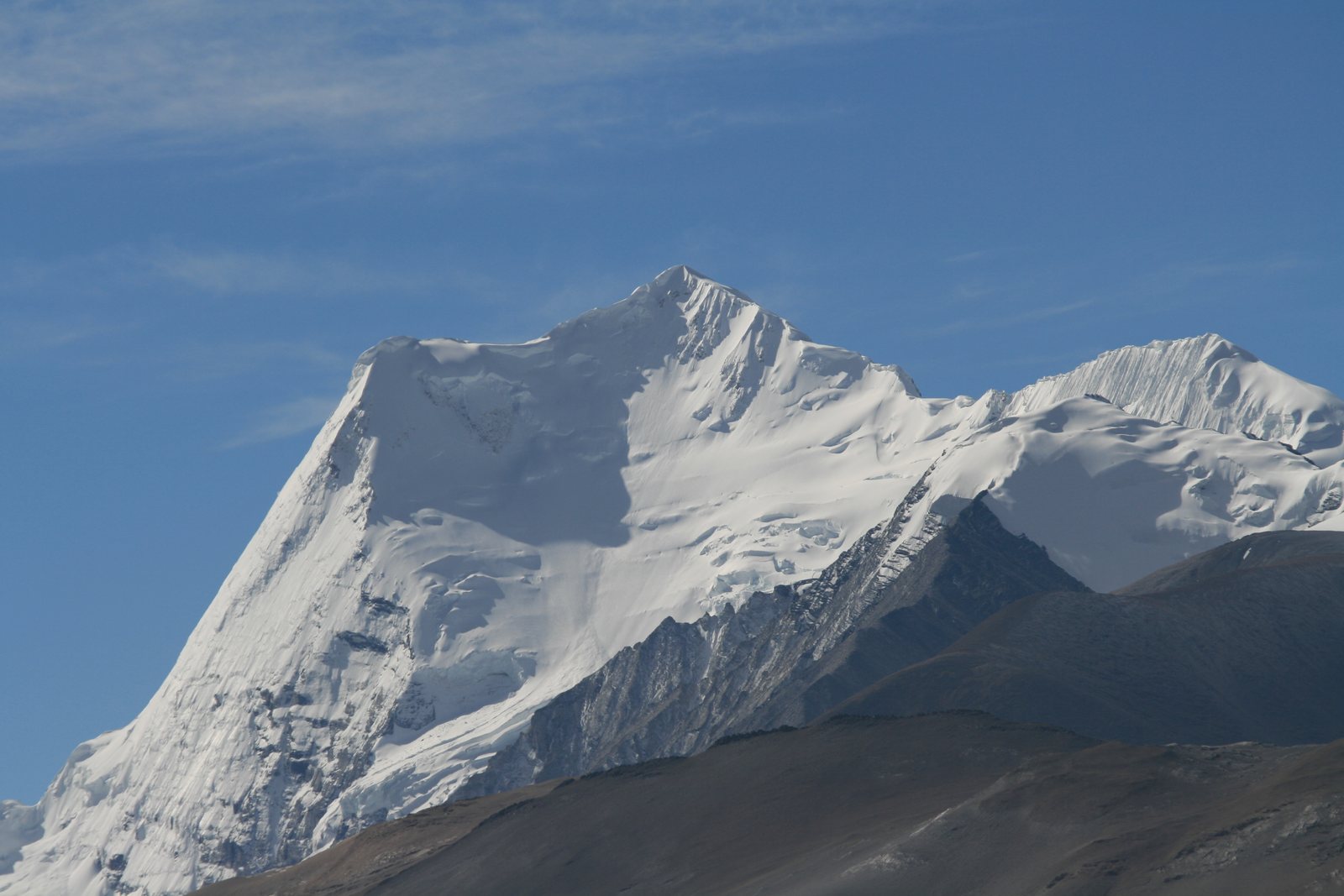 7 Oct 2023 · MountaineeringFour killed in two avalanches on Shishapangma
Reassess after the first avalanche
After the first avalanche, many climbers abandoned their summit attempts and turned to help, while the other group continued upward and soon encountered a second avalanche. An avalanche on the same slope indicates that the entire slope is unstable and should be taken as a signal to withdraw.
7 Oct 2023 · MountaineeringFour killed in two avalanches on Shishapangma
Self-rescue and search and rescue are nearly impossible after burial in an ice collapse
According to rescuers at the scene, the three were buried under five or six metres of ice, the blocks were as large as houses, and there was still a risk of another collapse, making it impossible for rescuers to reach them or excavate. The bodies of the three were ultimately not recovered.
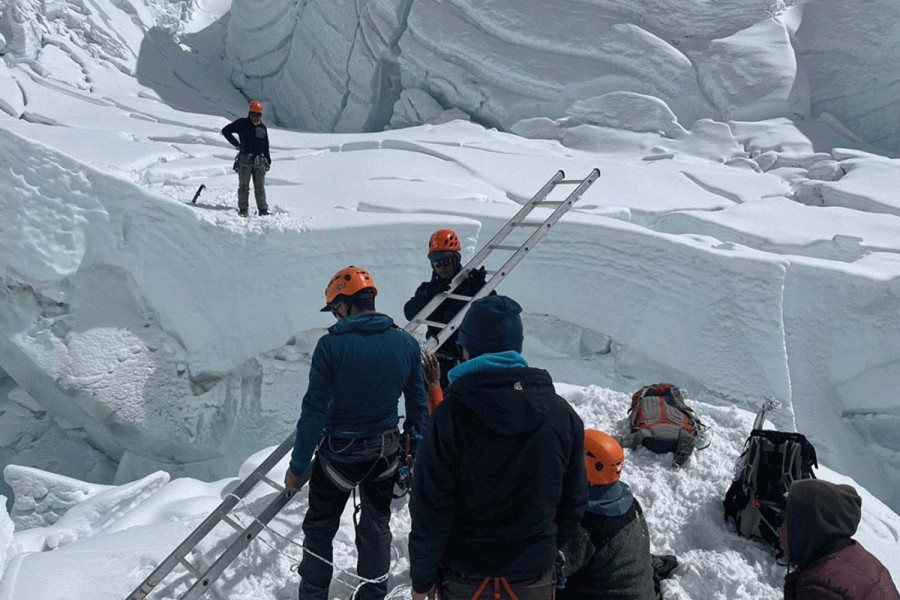 12 Apr 2023 · MountaineeringKhumbu Icefall collapse: Three Sherpa guides killed
A low risk level does not rule out a major avalanche
The avalanche risk in the area that day was only 2 on a scale of 5, and Météo-France had not issued a specific alert, but an avalanche approximately 500 metres wide still occurred. According to reports, that day's avalanche bulletin also warned that a persistent weak layer could trigger large avalanches in very localized areas.
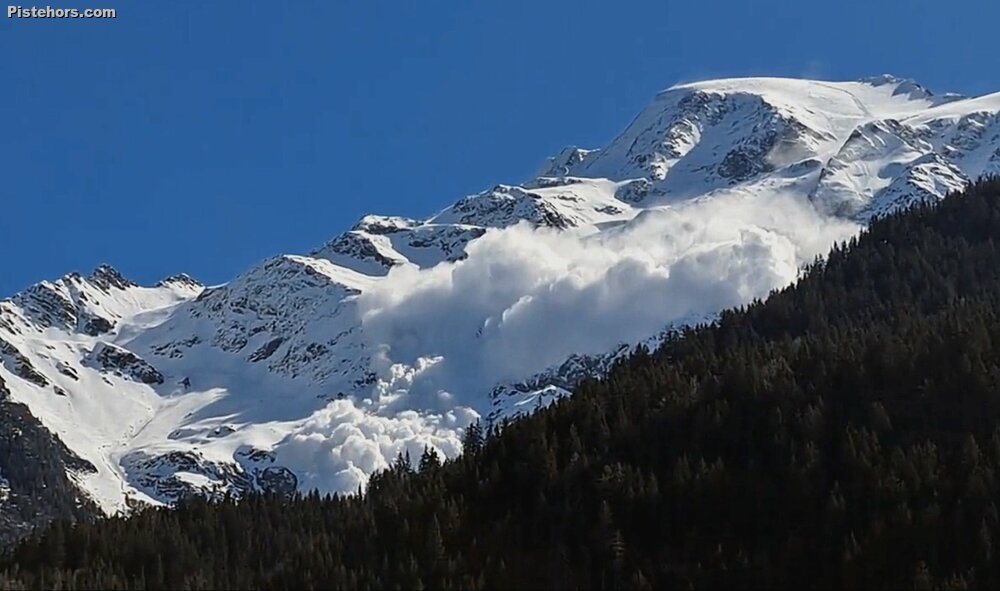 9 Apr 2023 · MountaineeringArmancette Glacier avalanche
Probing snow with an ice axe is not an assessment of snowpack stability
According to reports, instructors probed the snowpack with ice axes while climbing. Avalanche experts considered this a non-standard method of testing stability that could give a false impression that the slope was stable; before the accident, the trainees had received only about one hour of avalanche instruction. A small amount of snow had also slid down from above during the climb.
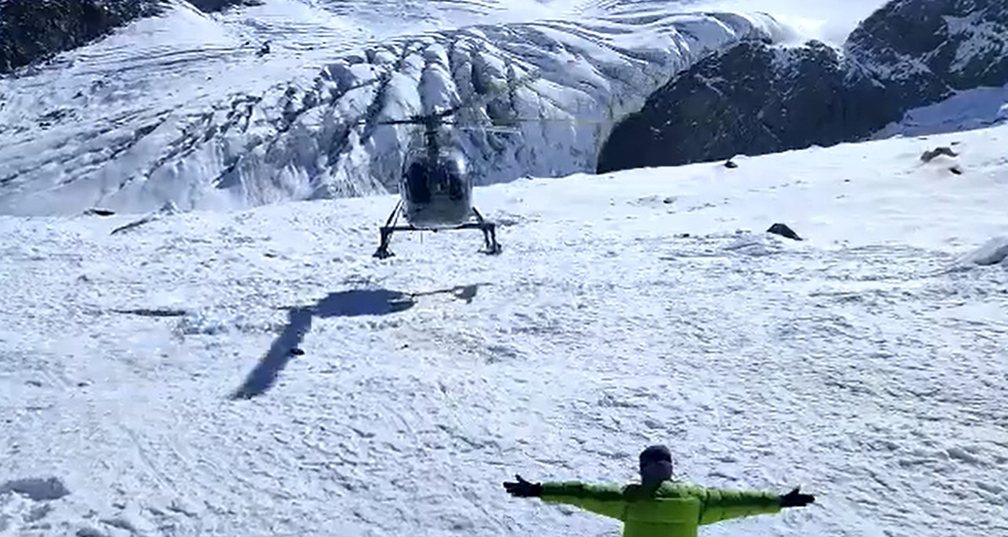 4 Oct 2022 · MountaineeringDraupadi Ka Danda II avalanche
Carry complete avalanche rescue equipment on snow slopes
According to reports, there were no avalanche shovels at the scene, so rescuers had to dig with their hands, helmets and skis. On the next course after the accident, almost everyone was equipped with an avalanche beacon, more shovels were provided, and a rescue team was assigned to stand by nearby.
4 Oct 2022 · MountaineeringDraupadi Ka Danda II avalanche
Snow slopes are harder to assess after heavy fresh snowfall
Rain and snow were persistent on Manaslu that season, with heavy snowfall. According to reports, a large amount of fresh snow had accumulated on the overhanging snow formations along the summit ridge, and climbers who reached the summit in early September had already described the slopes as unstable. Nelson had skied only a short distance from the summit when she triggered a small avalanche. Another fatal avalanche on the same mountain was also reportedly thought to be related to continuous snowfall.
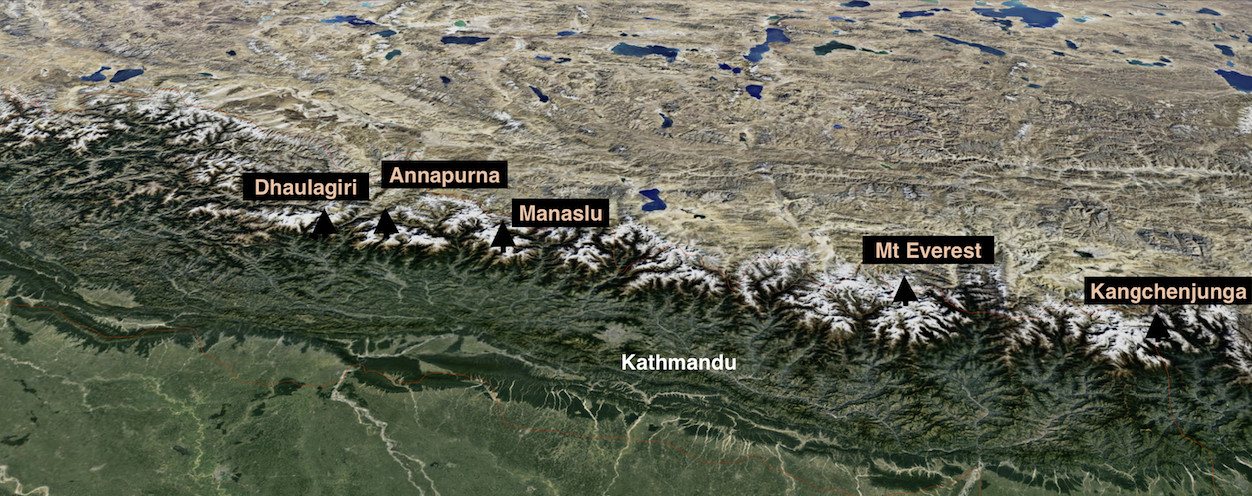 26 Sep 2022 · MountaineeringHilaree Nelson dies during ski descent of Manaslu
Even “less steep” slopes can avalanche
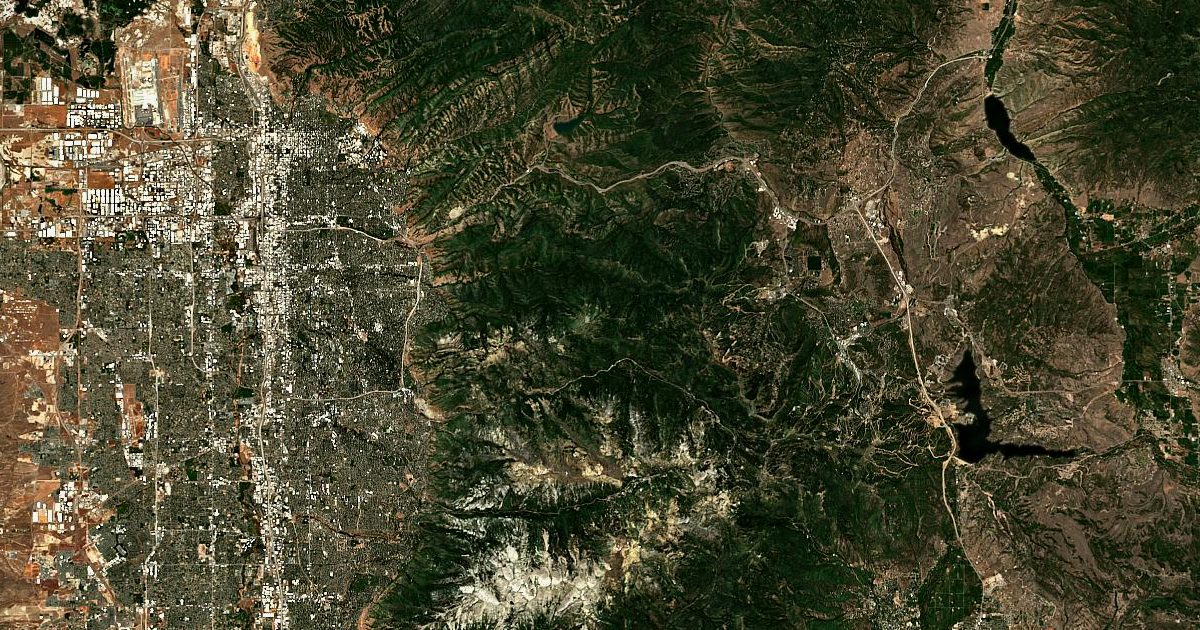
The slope at the avalanche crown was 31 degrees. The accident report noted that slopes steeper than 30 degrees can avalanche. Wilson Glade is often considered safer than nearby terrain, but it has seen multiple human-triggered avalanches and close calls; just over a month earlier, a skier had triggered an avalanche there.
 6 Feb 2021 · OtherWilson Glade avalanche: Two ski groups buried
Beacons and companion rescue can save lives
All 8 people carried avalanche beacons. Chris and Steve used beacons to locate and dig out two buried people. The accident report concluded that their companion rescue was quick and effective, saving two lives when six people were completely buried.
6 Feb 2021 · OtherWilson Glade avalanche: Two ski groups buried
Avalanches can occur on trekking routes after days of heavy snow
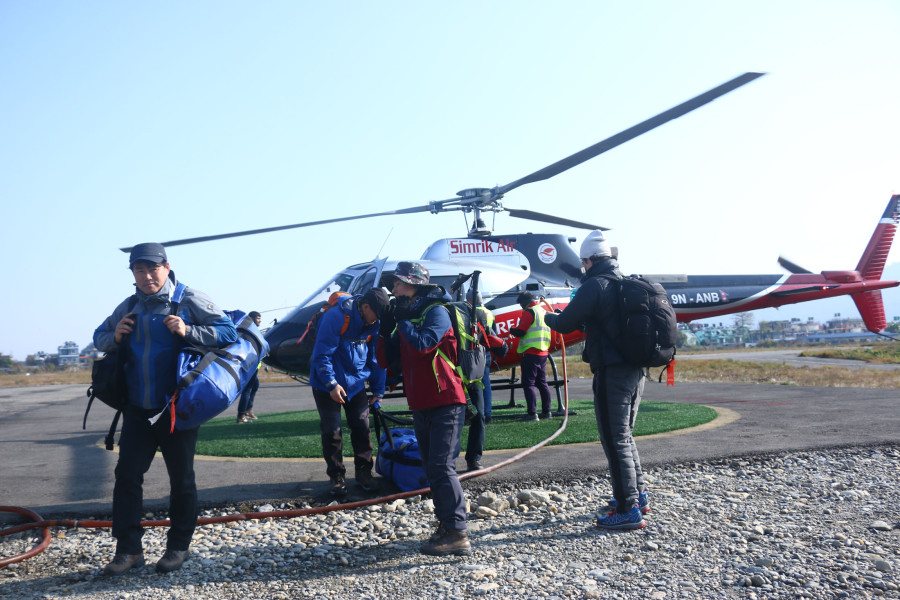
Heavy snow had fallen in the area for several days before the incident. According to reports, a rescued mountaineer said that by the day of the incident, the snow was neck-deep and several avalanches had already occurred. This avalanche occurred on a section of the base camp trekking route at an altitude of about 3230 meters.
 17 Jan 2020 · HikingAnnapurna Base Camp trek avalanche: Four South Korean volunteer teachers and Nepali guides killed
Avalanche beacons can also be carried on technical climbs
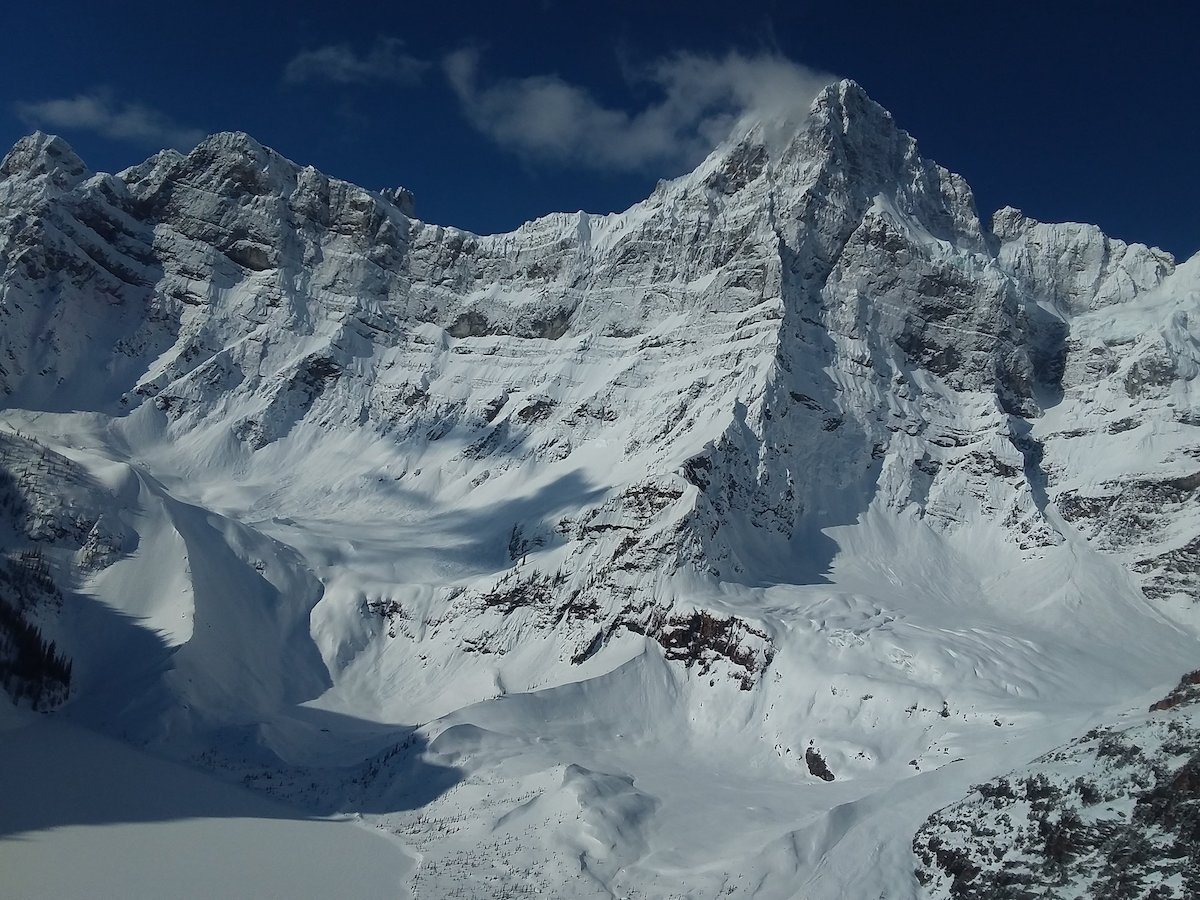
The three climbers did not wear avalanche beacons, leaving rescuers to drop a beacon near the debris as a marker and then risk searching while suspended from a helicopter longline. Gripped said that if the three had worn beacons, rescuers would have spent less time exposed to danger; Parks Canada risk specialists have consistently urged alpine and ice climbers entering hazardous areas to wear beacons.
 16 Apr 2019 · MountaineeringHowse Peak east face avalanche: Lama, Auer and Roskelley killed
Congestion left people in the path of falling ice
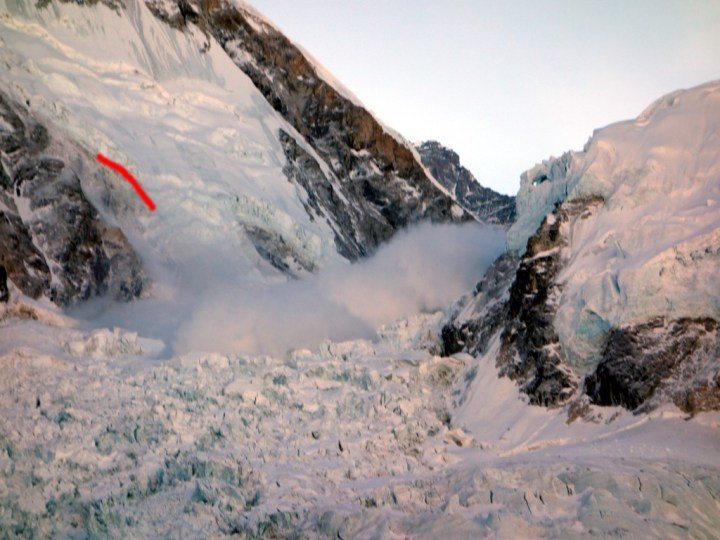
According to reports, a shifted ladder caused congestion, leaving dozens of people waiting in the path of the ice avalanche. On sections exposed to falling ice, crowds can themselves magnify the consequences when route equipment fails; inspecting and repairing equipment in advance, staggering departures and limiting the number of people passing through at one time are all ways to reduce exposure.
 18 Apr 2014 · MountaineeringEverest Khumbu Icefall ice avalanche: 16 Nepali mountain guides killed
Rescue in an ice avalanche zone also carries risks
After the ice avalanche, acclimatized guides went up the mountain with ladders and shovels, and helicopters made repeated trips to transport the injured. According to reports, search and rescue was stopped after about 48 hours because the risk was too great, and 3 victims were never found. In areas where ice may still fall, rescue efforts must weigh the risk of further injury.
18 Apr 2014 · MountaineeringEverest Khumbu Icefall ice avalanche: 16 Nepali mountain guides killed
After fresh snow, waiting does not mean safety
After heavy snowfall, climbing teams usually wait several days for the fresh snow to stabilize before going up the mountain, and the teams did so on this occasion. But according to Himalayan Ascent, no one expected the avalanche to be triggered by an ice tower collapse, showing that hanging ice above a camp is also a risk, even when the snowpack is stable.
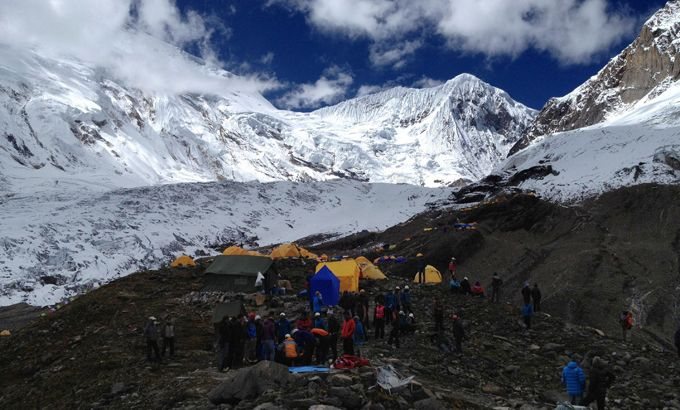 23 Sep 2012 · MountaineeringAvalanche at Manaslu Camp 3
Consider the terrain overhead at high camps
Camp 3 was reportedly set up in its usual location, directly below hanging ice on the north ridge. Choosing a campsite involves not only finding shelter from the wind but also assessing whether ice masses or snow slopes above could collapse.
23 Sep 2012 · MountaineeringAvalanche at Manaslu Camp 3
Mutual aid between camps determined the first few hours
Guides and team leaders from Camp 2 climbed to Camp 3 shortly after the avalanche, and guides from the teams then worked together on the rescue. The first rescuers at high-altitude camps are often trained fellow climbers from nearby camps.
23 Sep 2012 · MountaineeringAvalanche at Manaslu Camp 3
Avalanche risk does not disappear in summer
Reports said heavy rain fell in Chamonix in the days before the accident, turning to snow at higher elevations. Local authorities had also previously warned mountaineers to take care because of heavier-than-usual spring snowfall. On high-altitude routes in summer, recent snowfall and wind conditions also need to be considered.
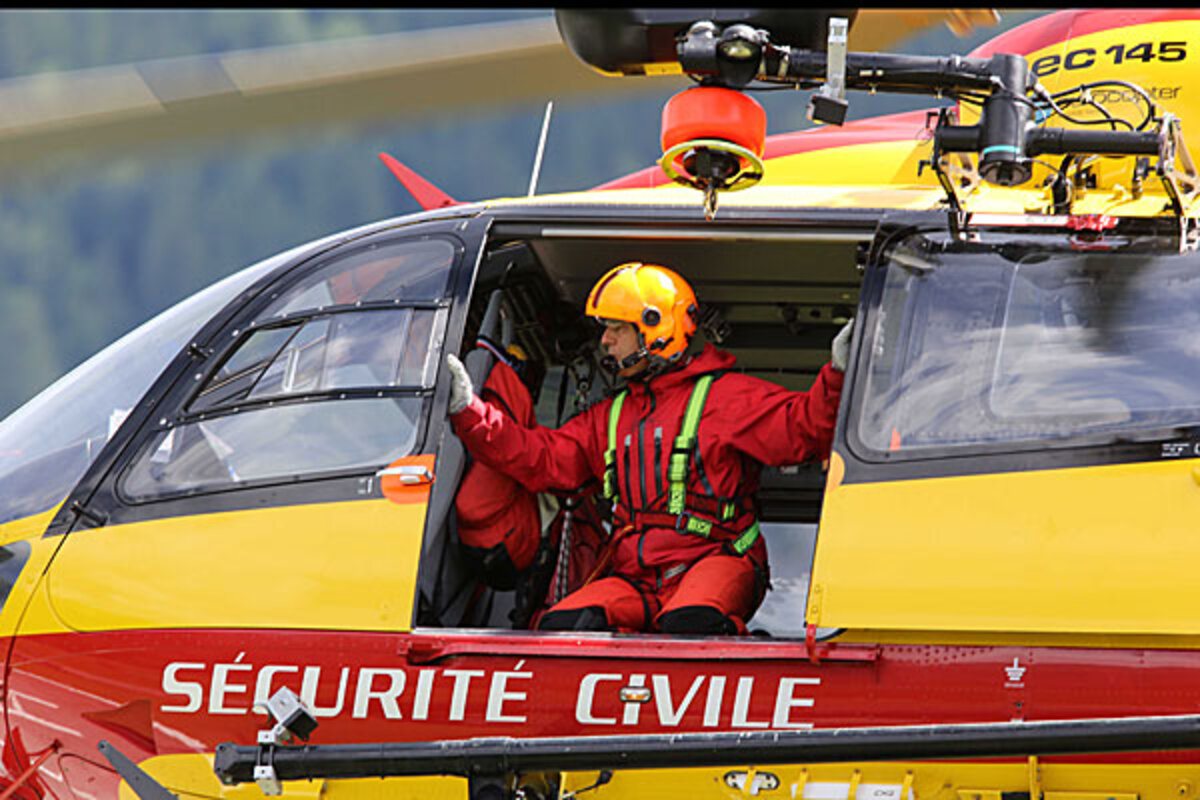 12 Jul 2012 · Mountaineering2012 Mont Maudit avalanche in the Mont Blanc massif
Avalanches may occur more than once
According to reports, the mountain did not immediately settle after the first avalanche, and several more avalanches followed in succession. During rescue efforts after an avalanche, attention must also be paid to the threat of further avalanches to rescuers.
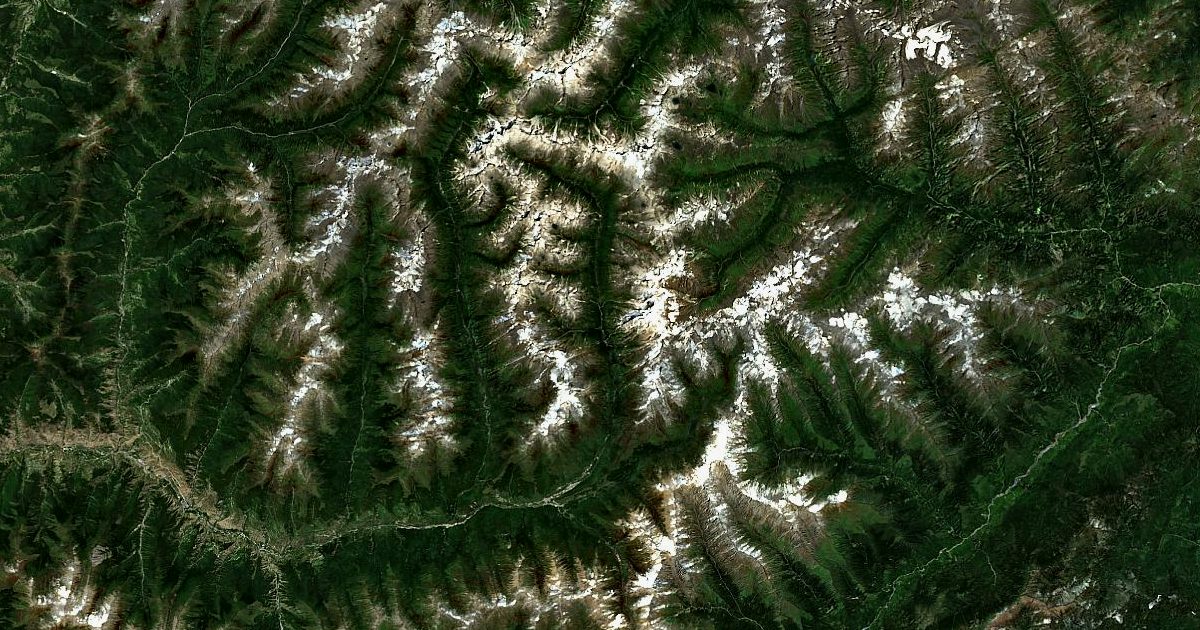 28 Oct 2009 · Mountaineering2009 Mount Siguniang Camel Peak avalanche kills Russian climbers
Avalanche-prone gullies are areas of concentrated risk
According to reports, the deceased were in a broad gully below the southeast face, where rockfall was frequent and avalanches occurred almost daily during the search and rescue operation. When stopping in or passing through such terrain, assess avalanche and rockfall risks beforehand and minimize exposure time.
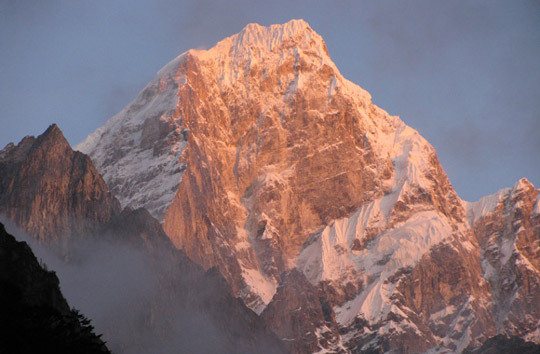 20 May 2009 · MountaineeringThree American climbers killed in 2009 Mount Edgar avalanche
Search and rescue limited by weather and avalanches
The search and rescue operation encountered strong winds, snowstorms and avalanche risk, and ultimately one of the deceased could not be recovered. The window for search and rescue in remote mountain areas is short; learn about local rescue conditions and prepare for the worst before setting out.
20 May 2009 · MountaineeringThree American climbers killed in 2009 Mount Edgar avalanche
Check avalanche bulletins even when changing routes at short notice
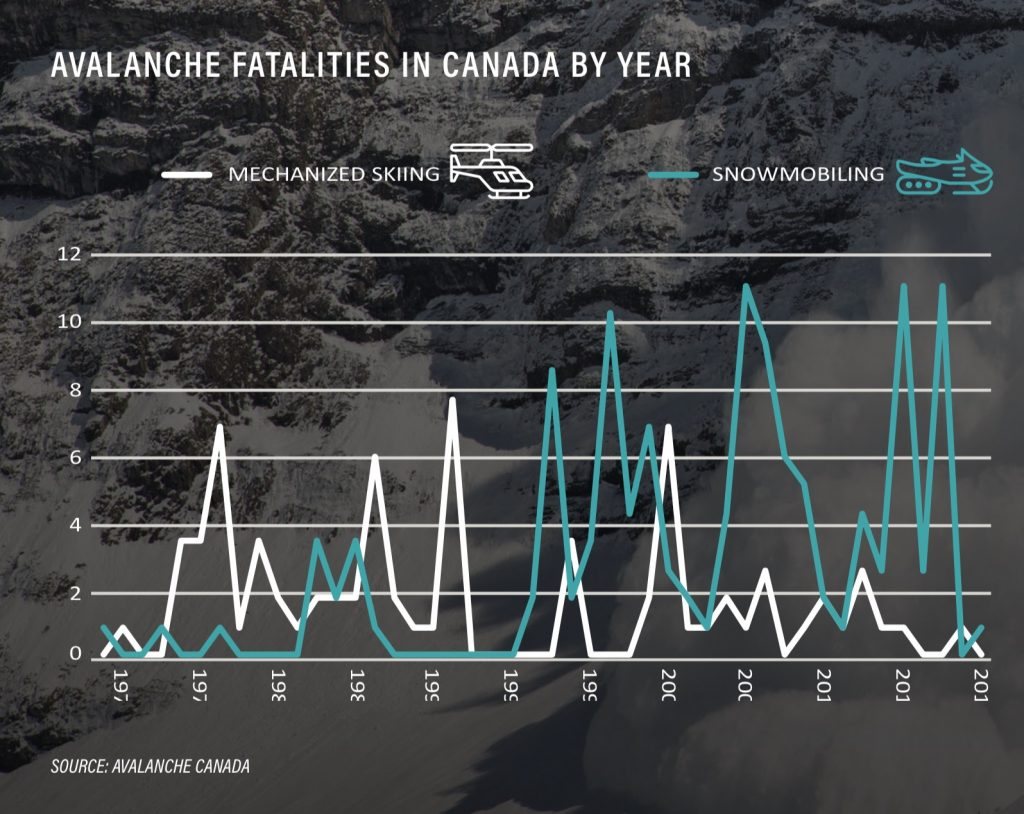
According to the coroner's findings, the group of 7 could not access avalanche warnings when they changed their destination to Harvey Creek at short notice in Fernie; there was also no evidence that the other group of 4 had checked the avalanche centre's latest information before setting out. According to reports, the avalanche centre's warning that day described conditions in the area as “very touchy”.
 28 Dec 2008 · OtherHarvey Pass avalanche: Eight snowmobilers from Sparwood killed
Snowpack overloaded after sustained heavy snowfall
Heavy snow had fallen around Fernie in the days before the incident. An avalanche centre forecaster said that a large amount of new snow combined with a period of warming had overloaded the snowpack. Heavy snow was still falling in the mountains at the time, and low clouds obscured the peaks.
28 Dec 2008 · OtherHarvey Pass avalanche: Eight snowmobilers from Sparwood killed
Rescue site remained in the avalanche path
When the second group of 4 came to help dig, a second avalanche buried everyone at the scene. After freeing themselves, the three survivors saw huge cornices around the snow bowl and left because they feared a third avalanche. Another avalanche did occur at the site afterward.
28 Dec 2008 · OtherHarvey Pass avalanche: Eight snowmobilers from Sparwood killed
Beacons determine how quickly buried people are found
The two survivors who freed themselves used an avalanche beacon to locate and dig out a third person. According to the search and rescue team leader, 3 of the victims were found almost immediately because their beacons were transmitting signals; the other 4 could only be found gradually using probes.
28 Dec 2008 · OtherHarvey Pass avalanche: Eight snowmobilers from Sparwood killed
Exposure time beneath seracs
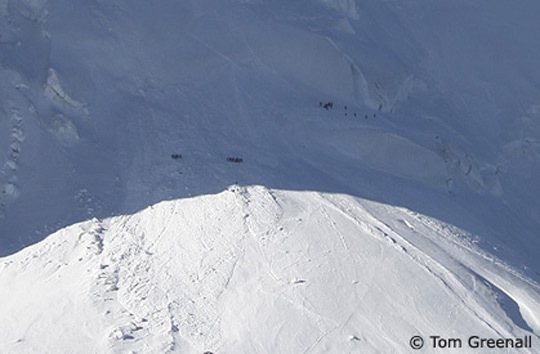
According to commentary by Chamonix.net, the number of people on the route rises sharply in fine weather, and queues often form at crevasse crossings, leaving people beneath the potential path of a serac collapse for longer. Choosing when to go and reducing time spent beneath the danger zone are among the limited measures available.
 24 Aug 2008 · Mountaineering2008 Mont Blanc massif Mont Blanc du Tacul serac avalanche
Carrying a beacon helps with locating people
According to reports, climbers do not usually carry avalanche beacons, but the beacons carried by the victims in this case enabled the helicopter to confirm their locations. Beacons cannot prevent accidents, but they can tell search and rescue teams where to look.
24 Aug 2008 · Mountaineering2008 Mont Blanc massif Mont Blanc du Tacul serac avalanche
Avoid congestion beneath seracs
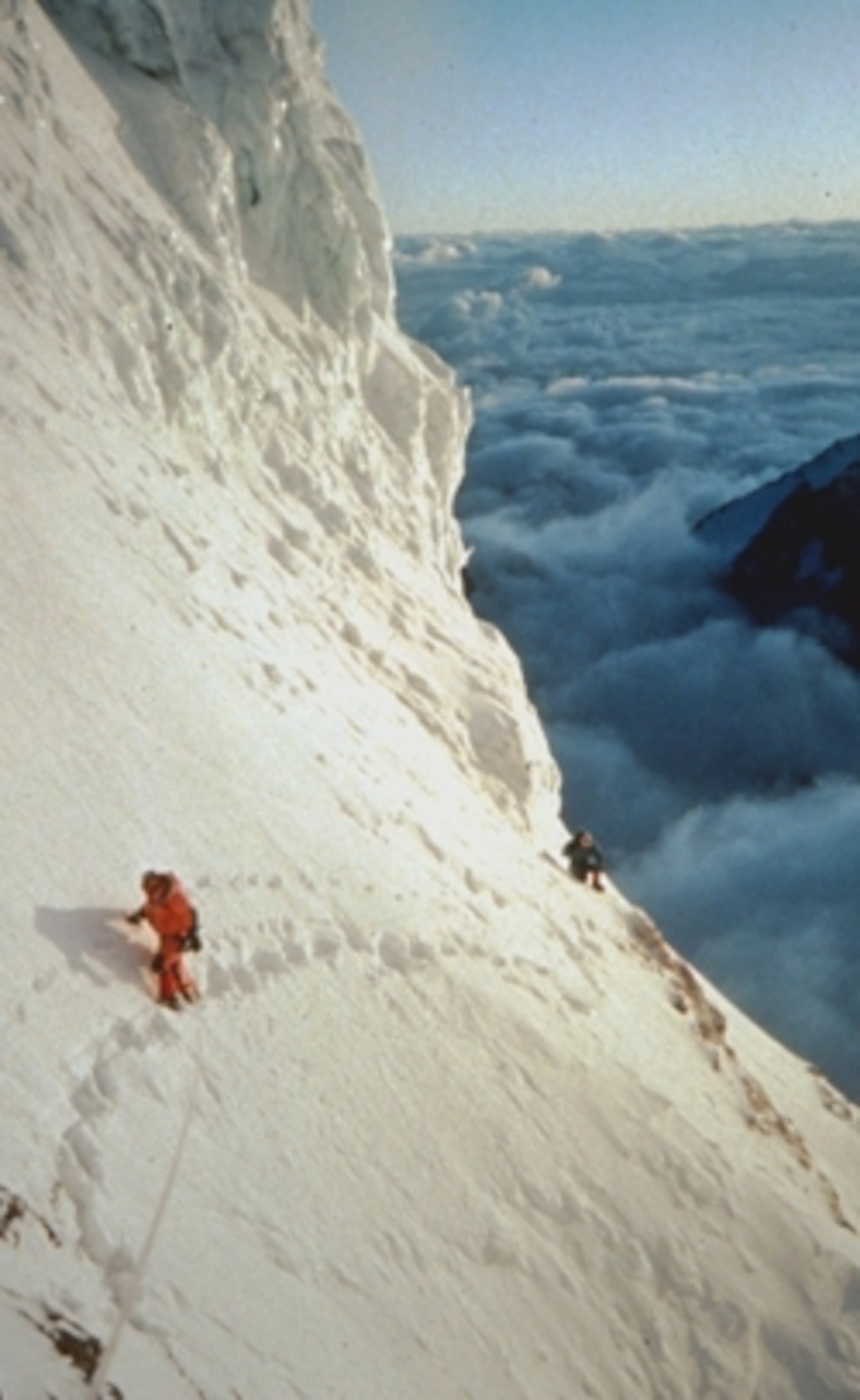
The Bottleneck lies directly beneath a massive serac, and delays kept many people on this section for too long. The less time spent on sections beneath overhanging ice, the better.
 1 Aug 2008 · Mountaineering11 die in K2 Bottleneck serac collapse
Ice towers above a “safe camp”
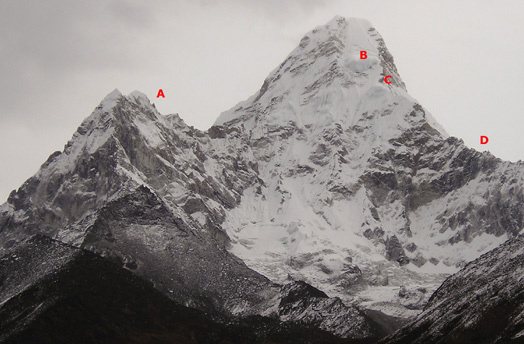
Camp III was generally regarded as a safe refuge, but on this occasion part of the hanging glacier Dablam collapsed, and an ice avalanche swept through the entire camp. Gandy believed that the first collapse changed the structure of the ice towers, causing subsequent avalanches to turn towards the camp as well.
 14 Nov 2006 · MountaineeringIce avalanche engulfs Camp III on Ama Dablam
Reassessing the route after the ice avalanche
According to reports, after the accident some teams decided not to climb beneath Dablam for the rest of the season; in 2007 Sherpas refused to camp beneath the ice towers, and many teams skipped Camp III or set up camp as far as possible from the avalanche path.
14 Nov 2006 · MountaineeringIce avalanche engulfs Camp III on Ama Dablam
An established campsite is not necessarily a safe campsite
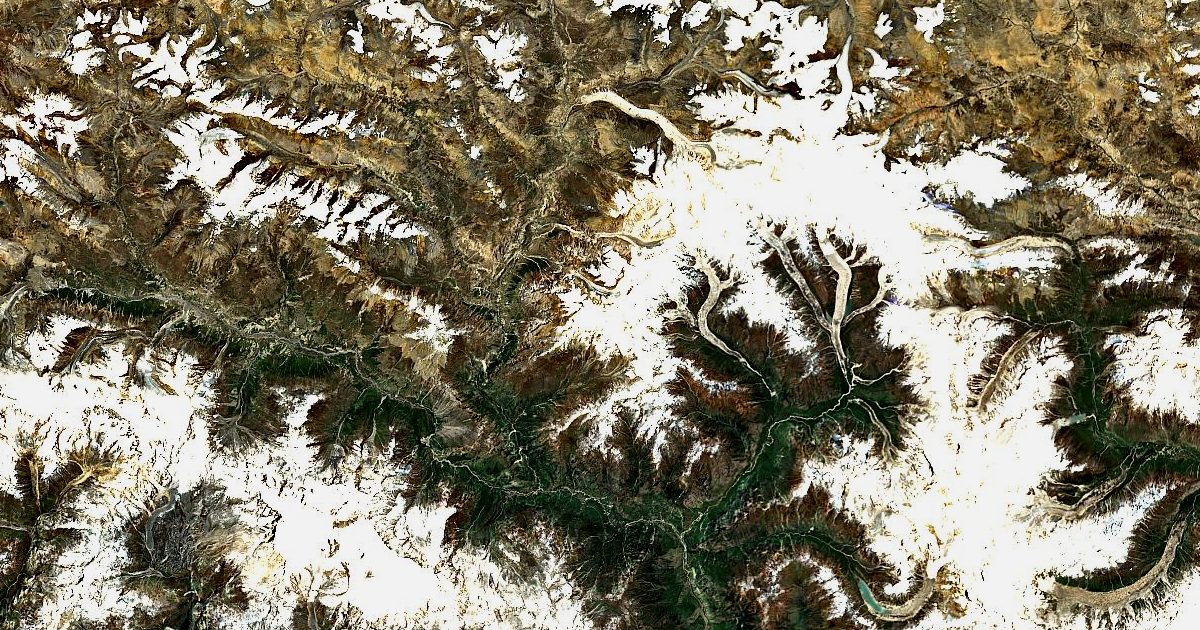
Kang Guru base camp was set up in the location traditionally used, but it was surrounded by slopes of 35 to 40 degrees, with a gorge directly below. According to reports, a porter had suggested moving the camp farther down, but the suggestion was not adopted. Before pitching camp, assess avalanche paths separately rather than looking only at where others have camped.
 20 Oct 2005 · MountaineeringKang Guru Base Camp Avalanche
Beware of powder snow avalanches after prolonged heavy snowfall
Heavy snow had fallen for several hours before the avalanche. Powder snow avalanches move extremely fast, their direction is difficult to predict, and they can reach camps from slopes farther away. During and after heavy snowfall, treat all steep slopes around a camp as potential avalanche sources.
20 Oct 2005 · MountaineeringKang Guru Base Camp Avalanche
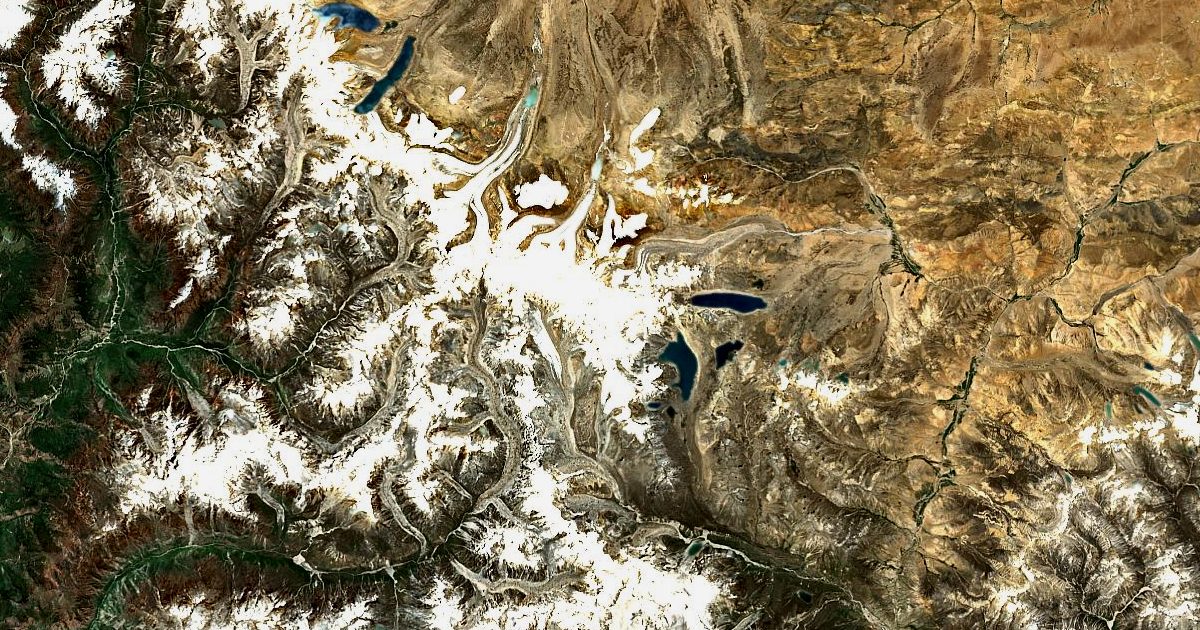
No time to react when an avalanche strikes
Yan Jiangzheng, president of the China Exploration Association, believes that avalanche accidents in mountaineering are usually sudden and unpredictable. Group A was establishing a route at about 6700 meters when it was caught in an avalanche, and all 5 died. Reducing avalanche risk depends mainly on choosing the right time, route and camp in advance, rather than reacting on the spot.
 7 Aug 2002 · MountaineeringPeking University Mountain Eagle Club Shishapangma West Peak accident
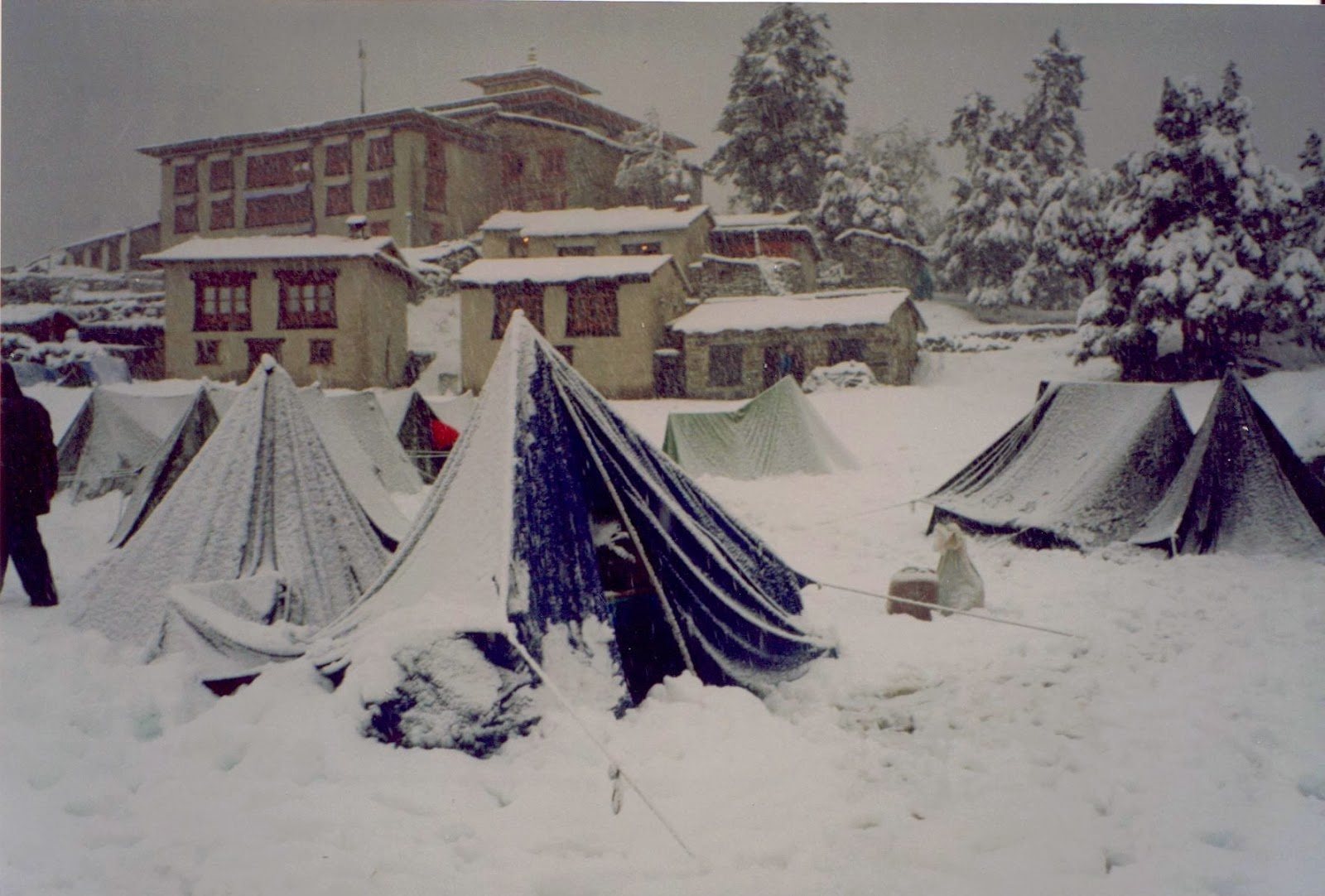
Lodges may also be in avalanche paths
A lodge in Phangka was destroyed by an isolated avalanche, burying the people inside as they slept. According to a hiker's recollection, the group had left Gokyo village and headed down the valley through the snow on the afternoon of the snowfall.
 11 Nov 1995 · Hiking1995 Phangka avalanche in the Gokyo Valley: Lodge buried on a night of heavy snow, Japanese trekking group and Nepali guides killed
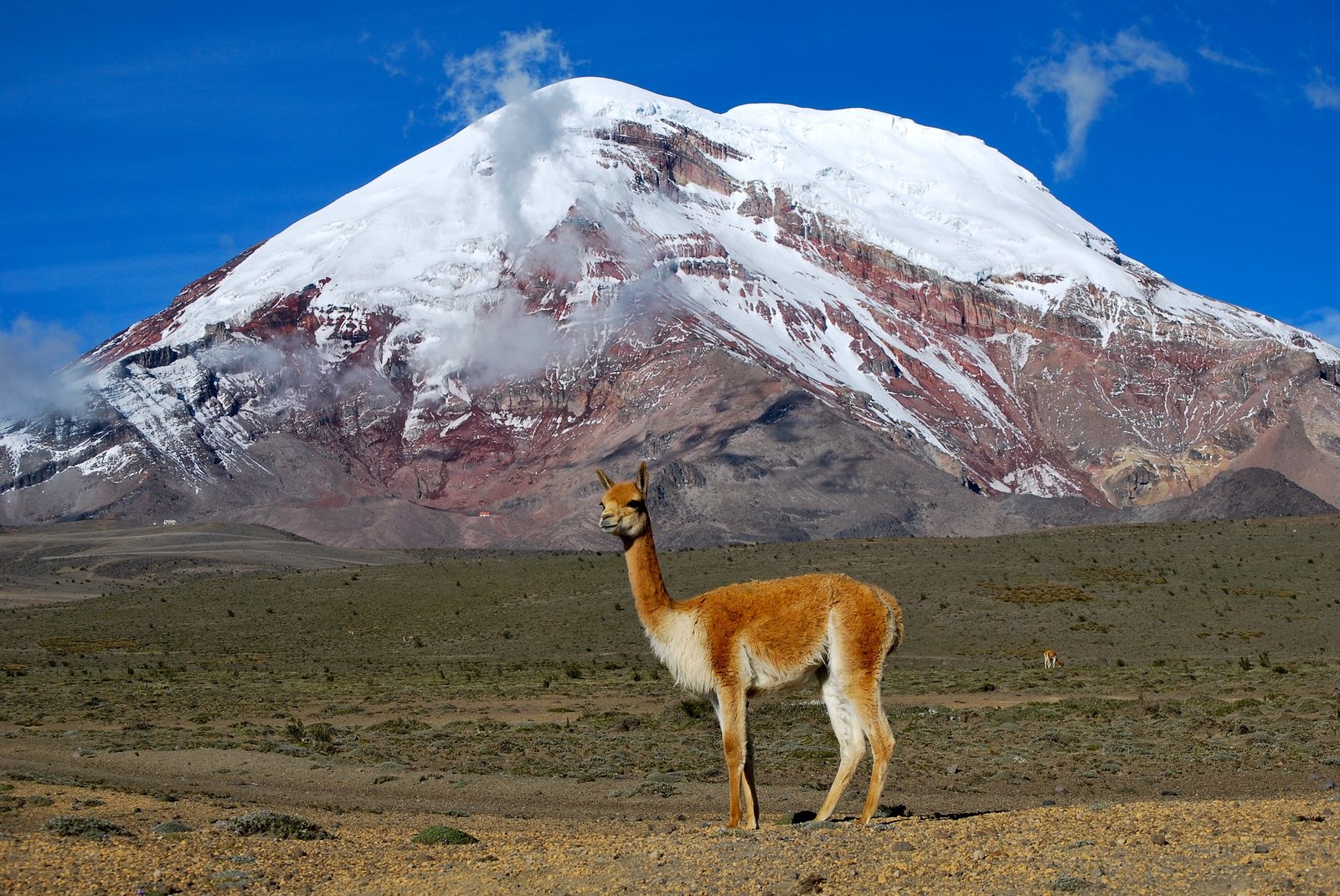
Avalanche risk also exists during descent
Reportedly, Douillet's party saw signs of a wind slab fracture only during their descent, when they realised that a large avalanche had occurred above them. Descent after reaching the summit also requires observing the snow surface and slope; judgment should not be relaxed because the objective is nearly complete.
 10 Nov 1993 · MountaineeringChimborazo avalanche
Avalanches and melting snow make climbing dangerous
Reports noted that avalanches and melting ice and snow can make climbing Chimborazo dangerous. Before setting out, climbers should learn about snow conditions for the season and recent weather, and be prepared to abandon the summit attempt if conditions are poor.
10 Nov 1993 · MountaineeringChimborazo avalanche
Continued snowfall can change camp safety
Camp III was located in a relatively gentle basin on the upper glacier, but by the last communication the snow was already 1.2 metres deep, and team members had to clear it every two or three hours. Subsequent aerial photographs showed a large accumulation of avalanche debris near the camp. During prolonged heavy snowfall, the avalanche risk on surrounding slopes needs to be continually reassessed, even at a carefully chosen campsite.
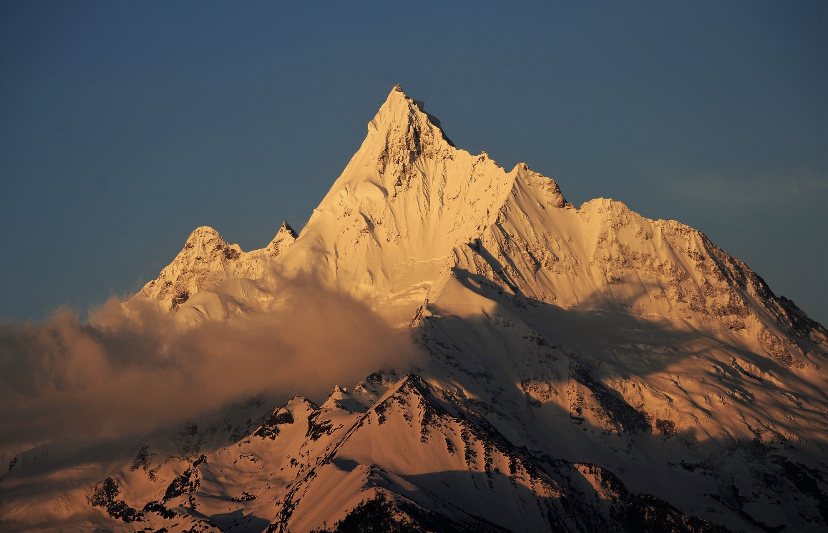 4 Jan 1991 · Mountaineering1991 Meili Snow Mountain Sino-Japanese Joint Expedition Disaster
A “safe camp” can also be in the path of a major icefall
The “Frying Pan” had for years been considered the safest stopping place on the route, yet it was engulfed in its entirety in seconds, and the camp was later moved higher up. Whether a camp is safe depends not only on whether the ground is flat, but also on whether there are ice towers and hanging glaciers above it.
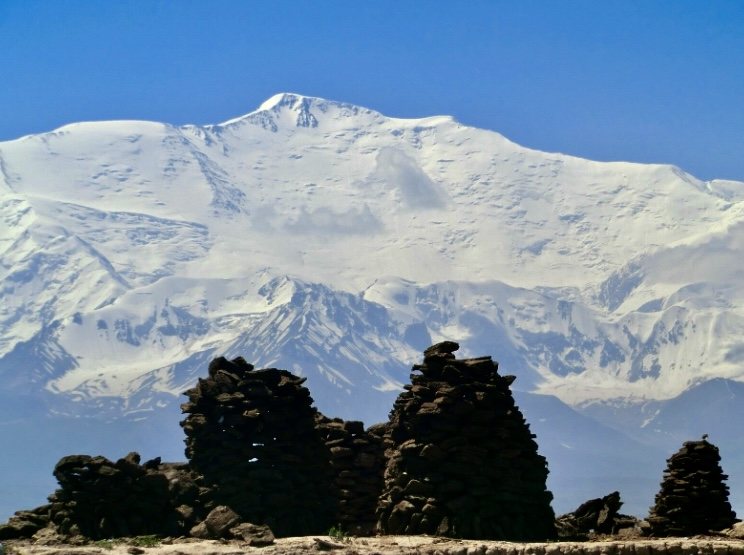 13 Jul 1990 · MountaineeringLenin Peak avalanche: 45 people at Camp 2
Reassess avalanche risk after earthquakes and heavy snow
Snow had been falling continuously on the mountain before the accident, while the avalanche was directly triggered when an earthquake as far away as Afghanistan dislodged an ice tower. In mountainous regions prone to earthquakes, the stability of ice and snow above should be reassessed after heavy snow and tremors.
13 Jul 1990 · MountaineeringLenin Peak avalanche: 45 people at Camp 2
Icefalls can occur in any weather
A park spokesperson noted at the time that icefalls can occur at any time of year, regardless of weather, and are harder to predict than avalanches. Good weather at departure does not mean it is safe below a glacier.
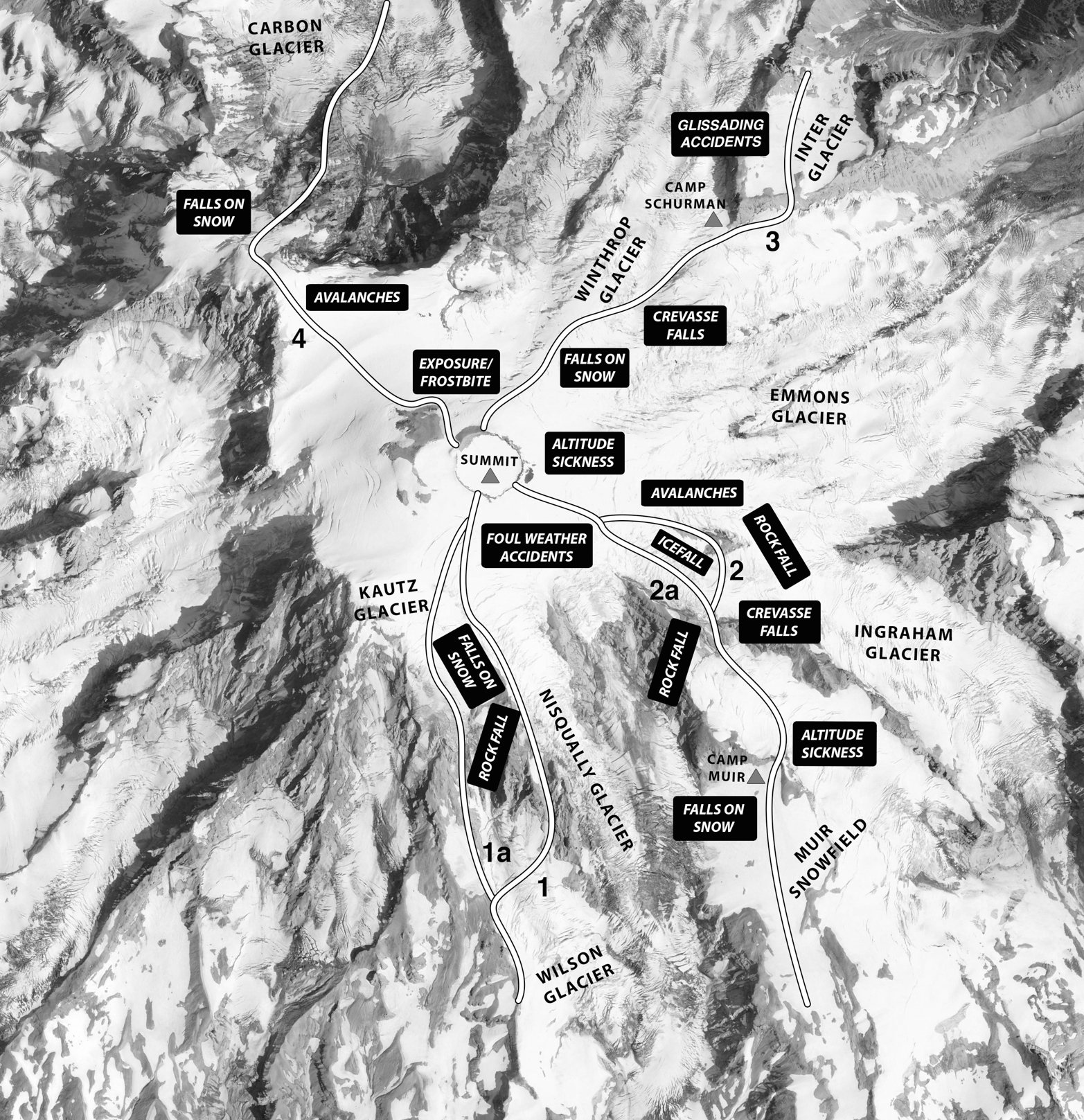 21 Jun 1981 · MountaineeringIngraham Glacier icefall on Mount Rainier
Minimize time below ice towers
The waiting party members stopped above a large crevasse, approximately 800 feet below the ice that broke off. AAC statistics show a high risk of icefall in the Ingraham Glacier area and recommend choosing colder days and moving through quickly to minimize exposure in the danger zone.
21 Jun 1981 · MountaineeringIngraham Glacier icefall on Mount Rainier
Sleeping in an avalanche path leaves almost no warning time
In 1972, Camp 3 was swept away in its entirety by a large avalanche late at night. The whole team was sleeping below the same slope, with neither time to evacuate nor room to escape. When choosing a campsite, the slope overhead must be assessed as a risk as important as the route itself.
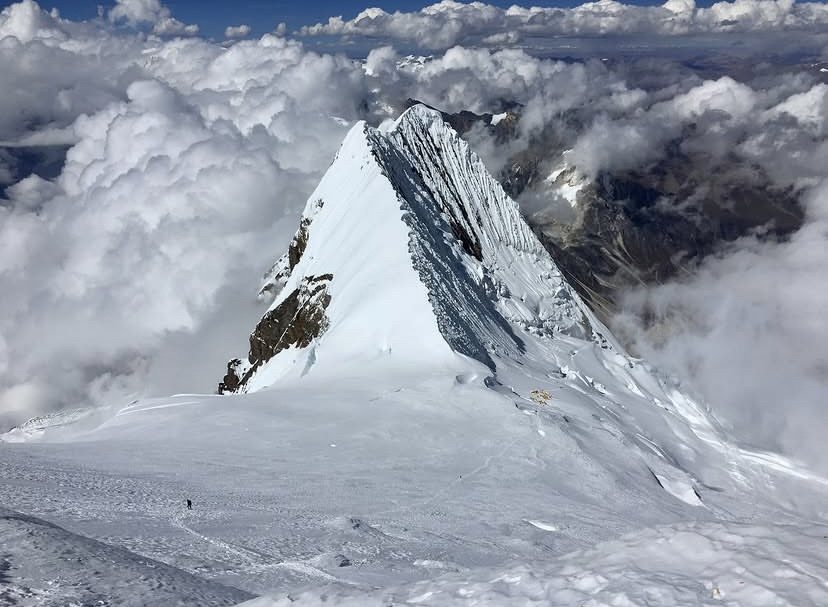 10 Apr 1972 · Mountaineering1972 avalanche involving a Korean expedition on Manaslu’s northeast face
A previously safe camp is not necessarily always safe
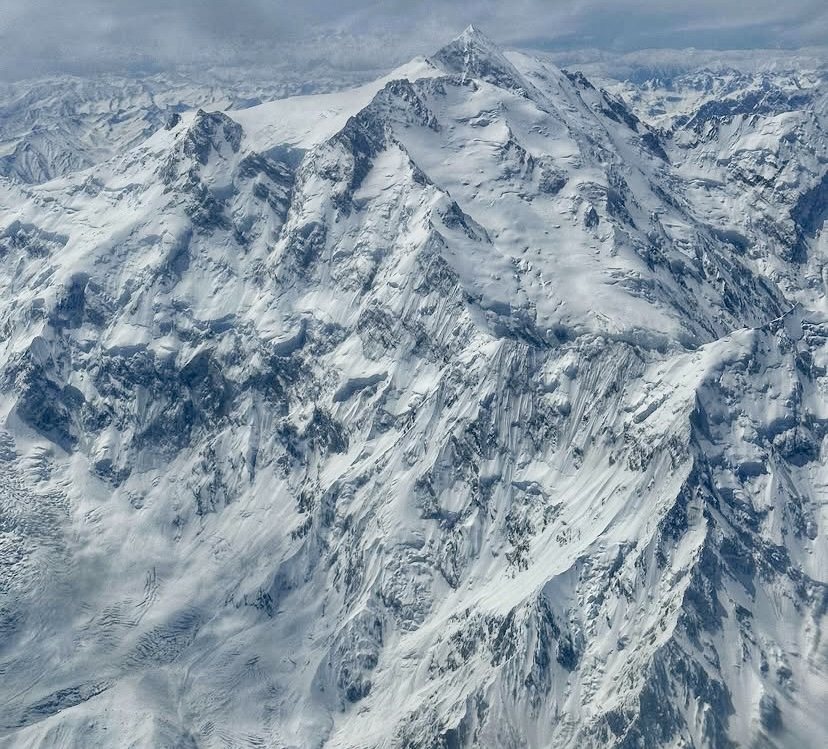
According to later accounts, the area around Camp 4 had been relatively safe during several previous expeditions. Subsequent commentary noted that, after snow conditions changed, falling ice could slide farther than past experience suggested.
 15 Jun 1937 · Mountaineering1937 Nanga Parbat Camp 4 avalanche kills 16
Continuous snowfall and severe cold can change the snow surface
According to reports, temperatures on the mountain were very low in June and it snowed every day; on the day of the accident, the fresh snow exceeded 10 feet. A subsequent analysis concluded that the cold, loose powder snow allowed the ice blocks to slide farther. Such snow conditions need to be considered when selecting a high-altitude camp site and deciding how long to stay.
15 Jun 1937 · Mountaineering1937 Nanga Parbat Camp 4 avalanche kills 16
Avalanche danger in a glacier valley is difficult to assess from outside
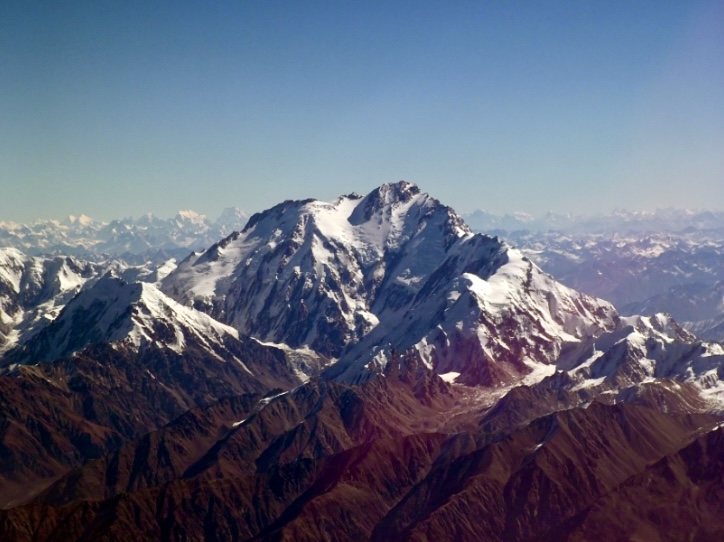
During the climb, avalanches occurred constantly in the gullies on both sides of the rock rib. Afterwards, heavy snow and avalanches prevented searchers from entering the Diama Valley. From a distance, it is difficult to see how much of the glacier valley is threatened by hanging glaciers. Before entering, observe as much as possible and avoid periods after snowfall.
 24 Aug 1895 · MountaineeringMummery and two Gurkhas go missing on Nanga Parbat in 1895
 GuituluGlobal Outdoor Accident Archive