Ice and rock terrain at 5000 meters requires protection and a guide
The fall began on mixed ice and rock terrain at approximately 5020 meters, with a drop of approximately 120 meters. When traveling alone on this kind of terrain, there is almost no margin for error, and it is difficult to be found promptly.
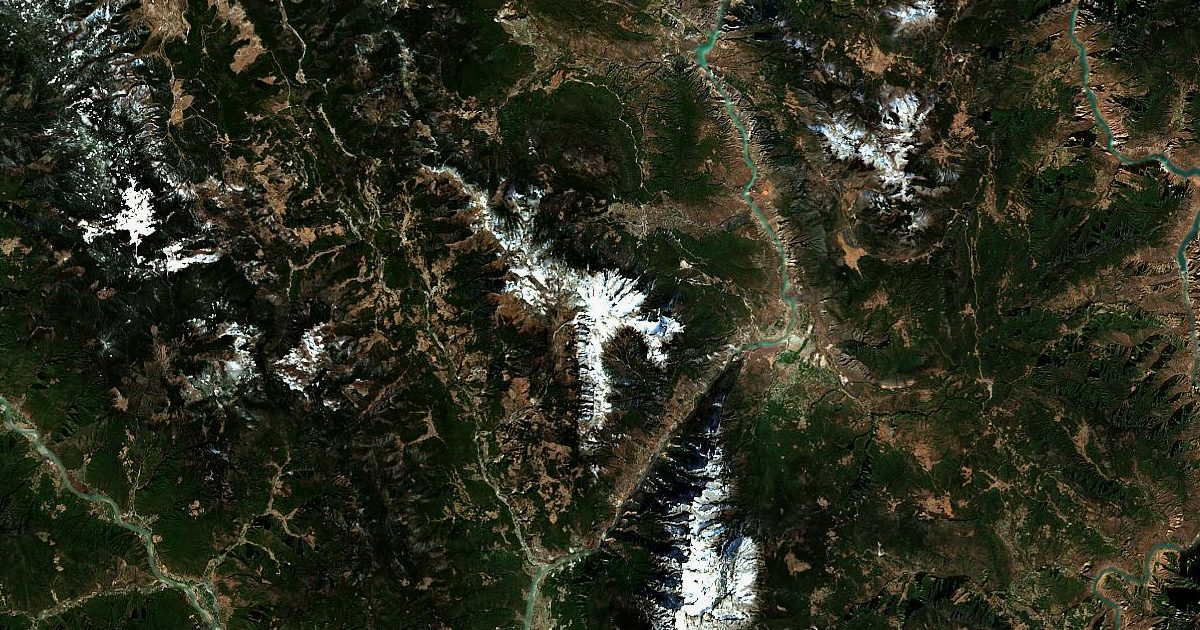 23 Aug 2026 · MountaineeringTwo climbers enter Haba Snow Mountain in violation of rules and die in falls within 8 days
Tie a stopper knot at the end of the rope
Descending off the end of a rope is one of the most common fatal rock climbing accidents. It usually happens when there is no stopper knot at the end of the rope and someone attempts to descend farther than the rope's length. According to American Alpine Club data, there were 15 descent accidents and 5 deaths in one year.
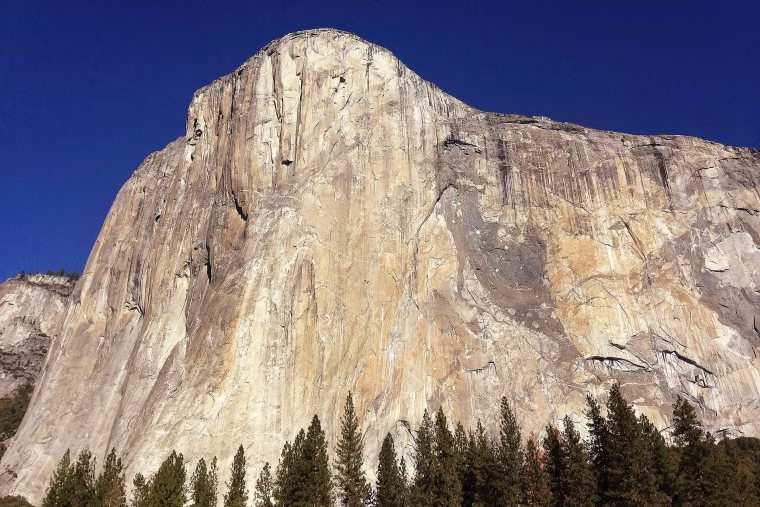 1 Oct 2025 · OtherEl Capitan's Sea of Dreams: Climber falls to his death off end of rope while retrieving stuck haul bag after reaching top
Check the rope length before an unplanned descent
The tasks involved in wrapping up after completing a route may seem simple, but in this case the rope was several feet short of the haul bag. When descending to solve an unexpected problem, first check whether the rope can reach the target, and leave a margin.
1 Oct 2025 · OtherEl Capitan's Sea of Dreams: Climber falls to his death off end of rope while retrieving stuck haul bag after reaching top
Do not unfasten a safety rope for a photo
According to the investigation account relayed by Jiangsu police, the victim was tripped by his crampons after unfastening his safety rope to photograph a companion. Once the protection system on a snow slope is interrupted, even a small loss of balance may leave no margin for recovery. Before taking a photo, secure yourself first.
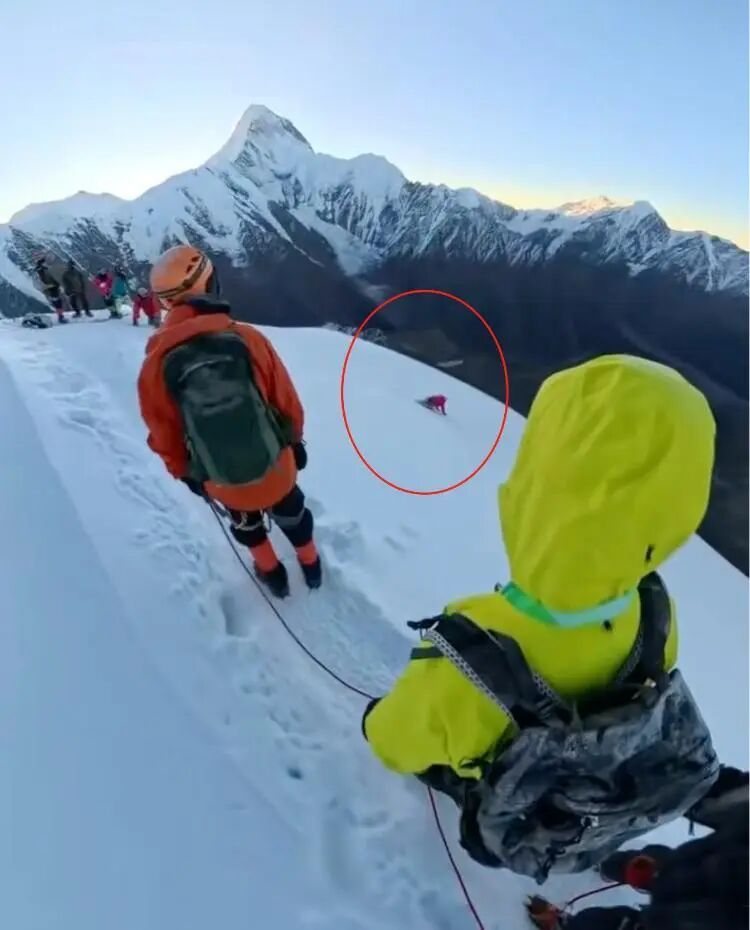 25 Sep 2025 · MountaineeringClimber dies in fall after unfastening safety rope to take photos on Nama Peak
Crampons and standing up from a crouch
According to reports, the person in the video was crouching and was tripped by his crampons as he stood up. When wearing crampons, check your footing before standing up or turning, and avoid crouching and standing up or moving backwards on steep slopes as much as possible.
25 Sep 2025 · MountaineeringClimber dies in fall after unfastening safety rope to take photos on Nama Peak
The rescue window is short on hazardous sections
In this accident, steep slopes, sandy terrain, dense fog and changeable weather made both rope and helicopter rescues difficult, and it took rescuers several days to reach her. On sections where steep slopes and cliffs lie close to the trail, rescue conditions after a fall are often worse than at the time of the accident.
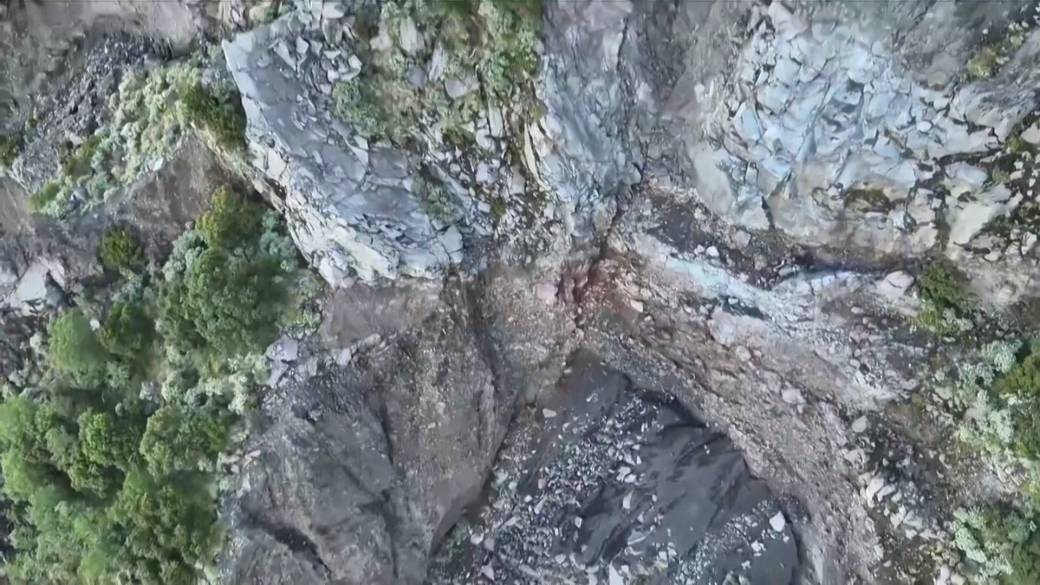 21 Jun 2025 · HikingBrazilian tourist dies in fall on Mount Rinjani
Safety measures and rules for hazardous sections need continual assessment
National park officials said safety ropes and ladders had been installed at several hazardous sections and first-aid stations had also been established. They said a comprehensive assessment would be conducted after the accident. Officials also mentioned plans to review guide certification, permits and visitor safety requirements.
21 Jun 2025 · HikingBrazilian tourist dies in fall on Mount Rinjani
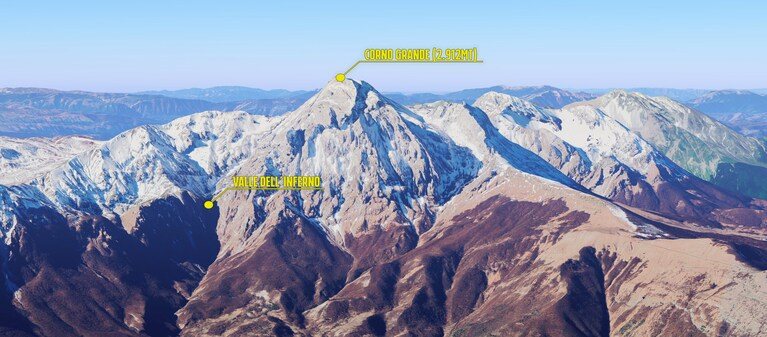
In winter, hypothermia is often deadlier than a fall
The two reportedly died from exposure to the cold rather than injuries from the fall; one of them lost a glove and a mountaineering boot while slipping. When going into the mountains in winter, keep spare gloves, insulating layers and emergency warming supplies within easy reach.
 22 Dec 2024 · MountaineeringGran Sasso, Valle dell'Inferno: Two climbers trapped in a snowstorm
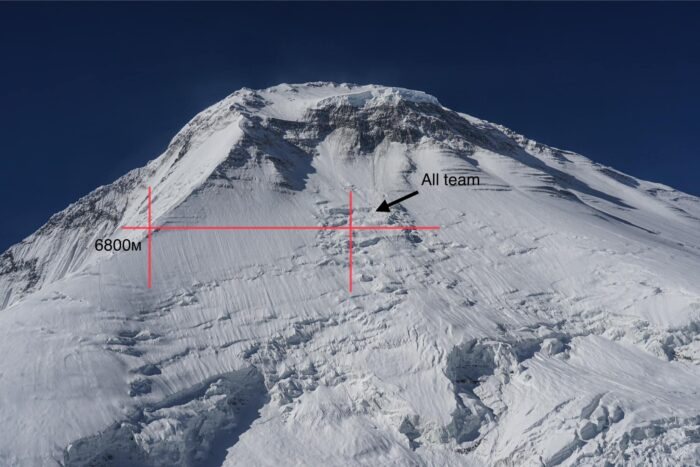
Plan protection for simultaneous roped travel
According to the leader's blog, the team mostly traveled roped together and moving at the same time, moving alternately in only three places. Reportedly, the five were attached to the same rope when contact was lost. The cause of the fall remains unknown, but it is worth deciding before setting out which sections require protection and a change to moving alternately.
 6 Oct 2024 · MountaineeringFive Russian climbers die in roped fall on Dhaulagiri in 2024
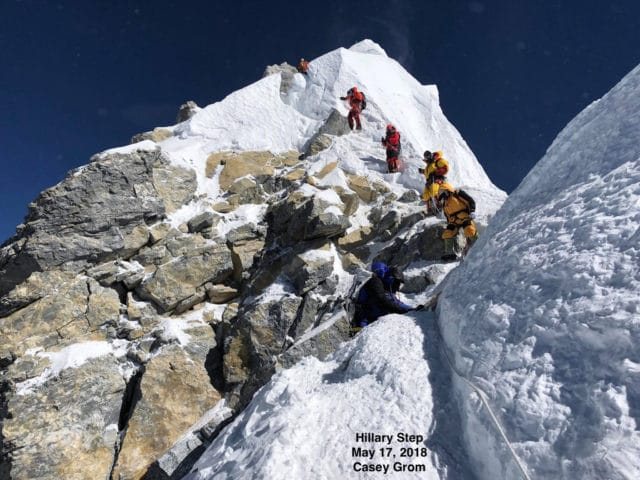
Stay clipped to the fixed rope
The several people swept off the ridge were clipped to the fixed rope, which did not break, allowing them to be pulled back onto the ridge. On a highly exposed ridge, do not unclip even if the line is moving very slowly.
 21 May 2024 · Mountaineering2024 Everest Hillary Step cornice collapse
Check that the rope is long enough before every rappel
Maloo descended an ice wall approximately 8 meters high on a rope that was too short. After reaching the end of the rope, he fell and slid into a crevasse. Checking that the rope is long enough to reach the bottom is a step that must not be skipped before any rappel.
 17 Apr 2023 · MountaineeringThree Days in an Annapurna Crevasse
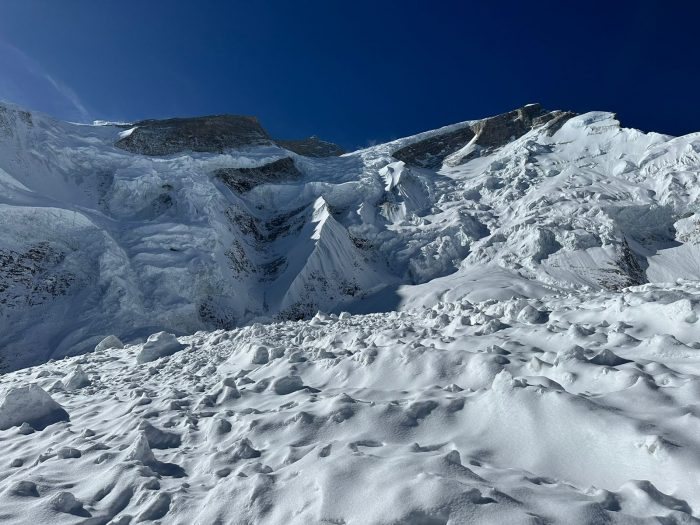
A fall in an avalanche zone also makes rescue harder
The crevasse was in the most dangerous section of Annapurna's normal route, where avalanches are frequent; a major avalanche had swept through it two weeks earlier. Initially, few people were willing to risk descending into the crevasse; during the rescue, Tashi Sherpa also encountered a small avalanche inside it.
17 Apr 2023 · MountaineeringThree Days in an Annapurna Crevasse
Icy sections beside cliffs are high-risk points
The section where the accident occurred was icy and slippery, and a single slip was enough to cause a fall. According to reports, reaching the summit of Pintian Mountain requires crossing a V-shaped cliff, where every foothold must be chosen carefully. In winter, ice and snow conditions on such sections should be assessed, and traction equipment and safety ropes prepared.
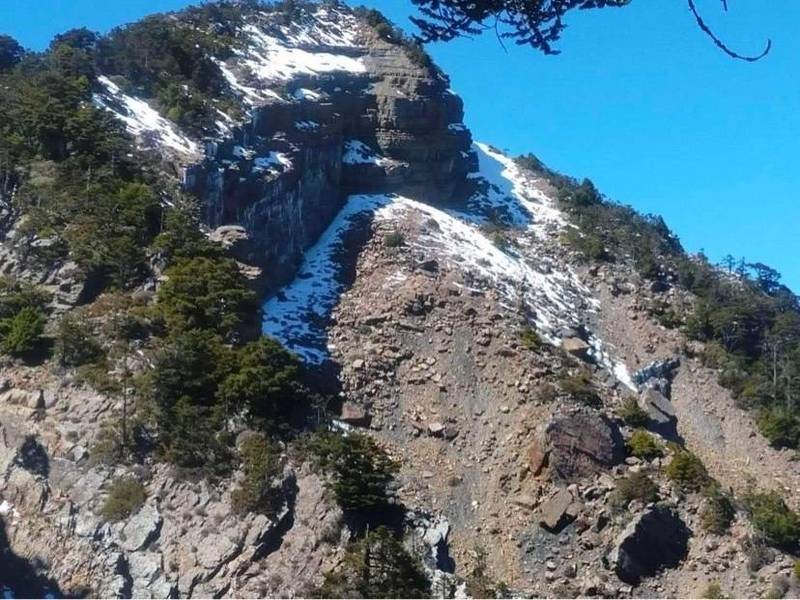 26 Feb 2022 · MountaineeringLeader and member of mountaineering party die in fall into ravine on Pintian Mountain
Protection must be in place before someone slips
According to reports, the leader reached out to pull the member after seeing him slip, and both fell. Pulling someone with bare hands is unlikely to counter the force of a fall. On icy sections beside cliffs, parties need to establish protection in advance using ropes or anchors, rather than relying on an immediate reaction.
26 Feb 2022 · MountaineeringLeader and member of mountaineering party die in fall into ravine on Pintian Mountain
Search and rescue below a cliff is also dangerous
The remaining snow at the scene was wet and slippery, and the mountain terrain was steep and hazardous. Search and rescue personnel rappelled and hoisted the bodies amid ice, snow, falling rocks and darkness. According to reports, the fire department reminded hikers to prepare thoroughly and proceed cautiously at every step.
26 Feb 2022 · MountaineeringLeader and member of mountaineering party die in fall into ravine on Pintian Mountain
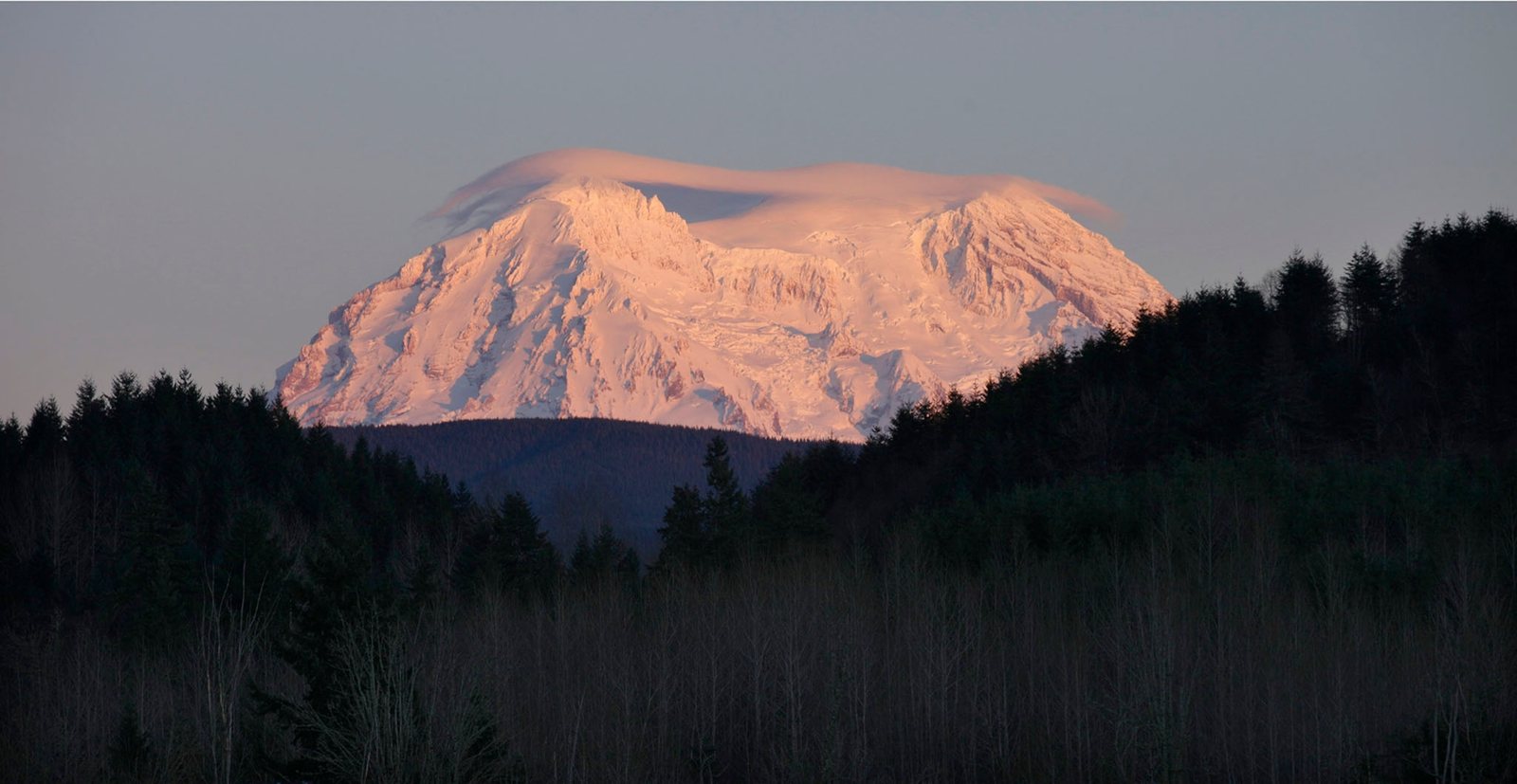
Consider the season and weather window on steep, high-altitude routes
An analysis by the American Alpine Club noted that the route requires an excellent weather forecast and low avalanche risk, and recommended climbing it on colder days to reduce the risk of rockfall and icefall. Magazines also noted that the risk increases as ice and snow melt.
 28 May 2014 · MountaineeringSix members of commercial climbing party die on Mount Rainier's Liberty Ridge
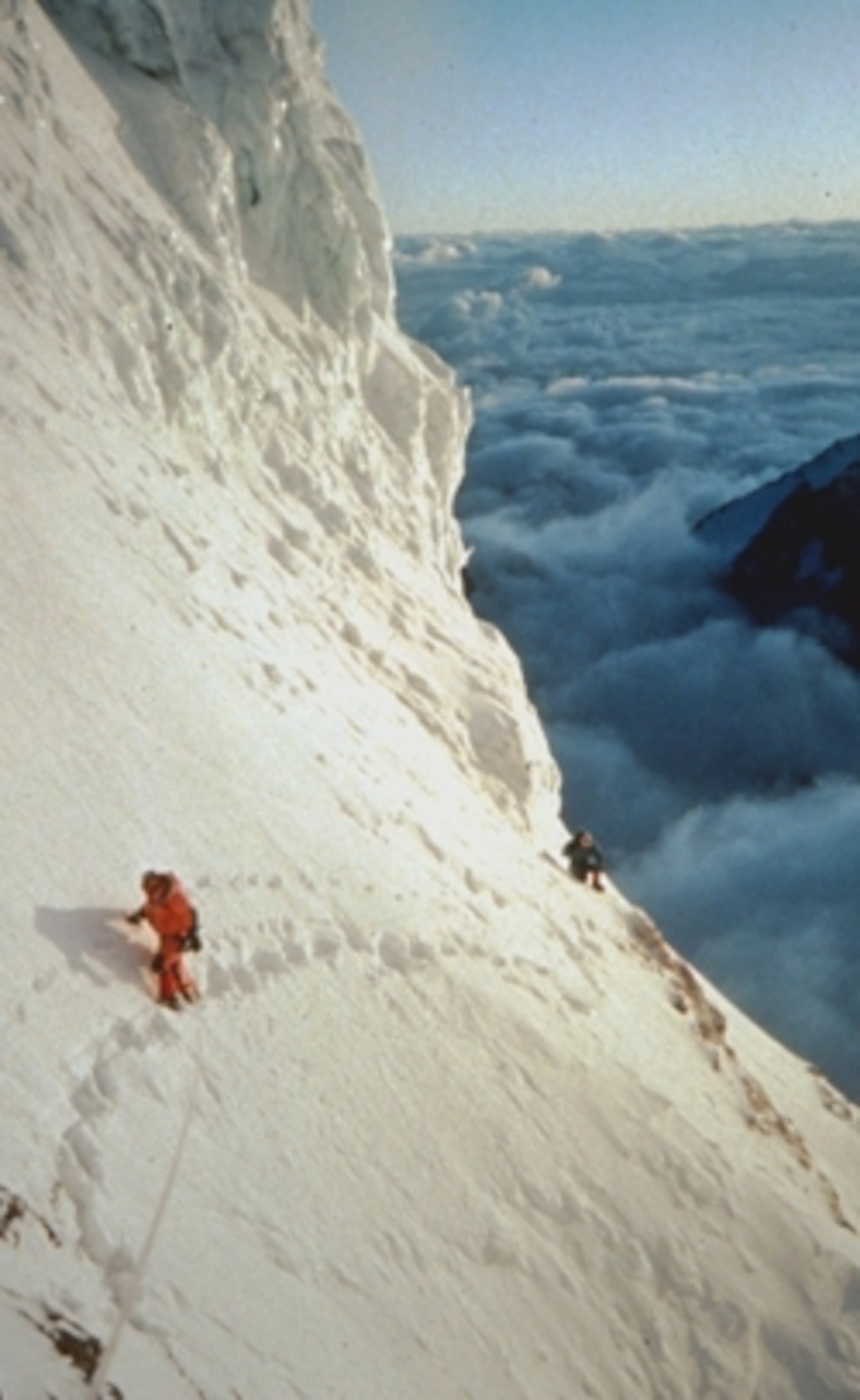
Fixed ropes are no guarantee of safety
Several teams relied on a single set of fixed ropes laid by the lead team; when the ropes were placed in the wrong position, it took several hours to adjust them. After the ice avalanche destroyed the ropes, those above suddenly lost their protection for the descent.
 1 Aug 2008 · Mountaineering11 die in K2 Bottleneck serac collapse
Every part of the protection system must withstand a fall
According to reports, the two used only one single rope above 8,000 metres, the intermediate protection did not hold, and the rope eventually broke in the fall. Some reports say the rope was a used one bought at a market in Kathmandu. On the most difficult sections, where the consequences are most serious, ropes and protection should not be the first things to economise on.
 24 Oct 1989 · MountaineeringKukuczka dies in fall on Lhotse’s South Face
The descent is the second half
Several people ran into trouble while descending after reaching the summit that season. On 4 August, members of several teams reached the summit one after another only in the afternoon. On the descent, they slipped and fell and had to spend the night in the open; by the next day, the storm had arrived. Summit timing must allow a margin for the descent and changes in the weather.
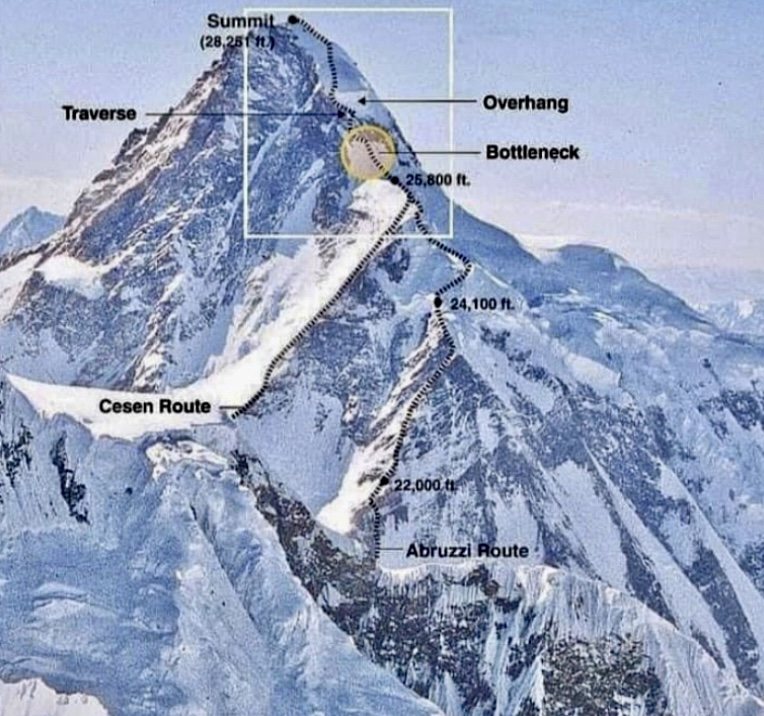 4 Aug 1986 · Mountaineering13 killed in K2's 1986 “Black Summer”
Rope-team risks on a first-ascent route
According to reports, the northeast ridge had not previously been completed, and eight team members on the same rope team fell together. The more unfamiliar the route, the greater the need to plan in advance how to prevent the whole team from being affected if one person loses their footing.
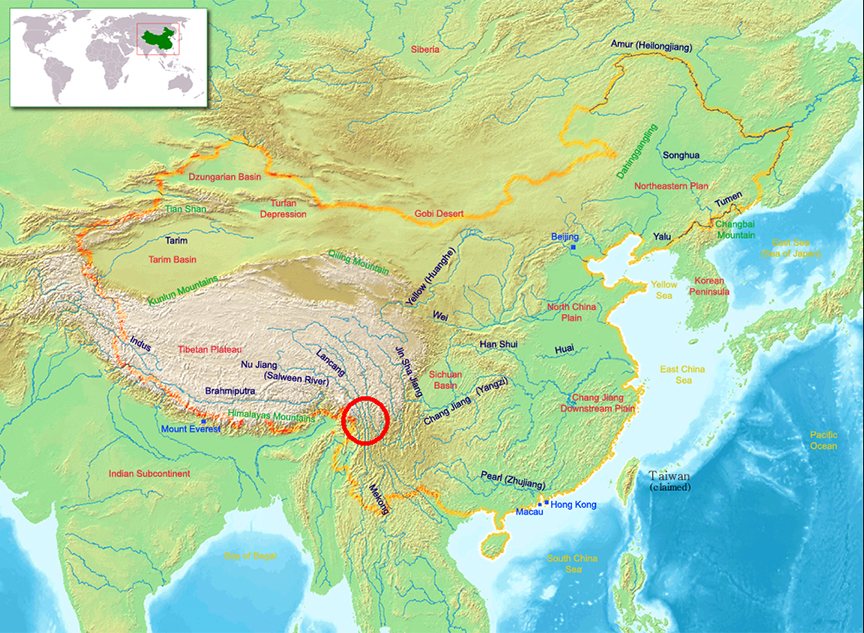 10 May 1981 · MountaineeringEight members of Japanese Hokkaido mountaineering team killed on Mount Gongga in 1981
High-altitude avalanches and falls are hard to predict
Mount Gongga is known for changeable weather, avalanches and steep ice walls. According to reports, more than thirty climbers have died there over the years. The American team in 1980 also encountered an avalanche on another ridge.
10 May 1981 · MountaineeringEight members of Japanese Hokkaido mountaineering team killed on Mount Gongga in 1981
Abseiling around nightfall is when accidents are most likely
It was already late when the two reached the summit, and they had no bivouac equipment and were anxious to descend; Scott stepped onto an unseen layer of thin ice in the fading light. Reaching the summit is only half the journey. Leaving enough daylight and strength for the descent is among the simplest and hardest things to do in technical climbing at high altitude.
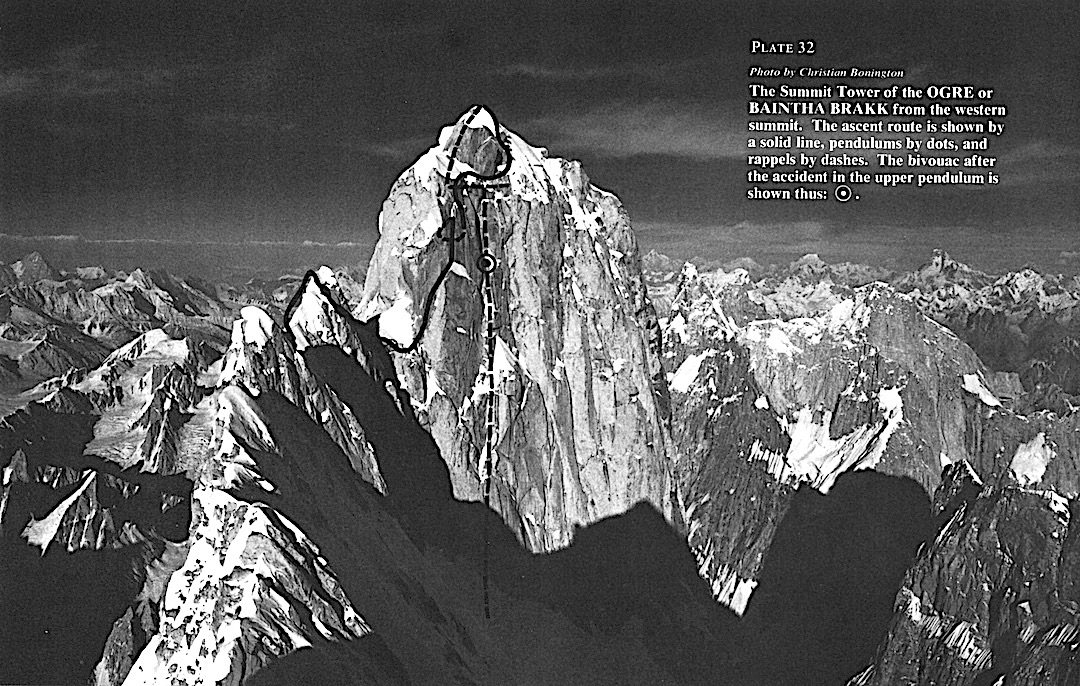 13 Jul 1977 · Mountaineering1977 Ogre: Descent with broken legs after the first ascent
Knot the rope ends and check the lengths of both ropes
According to reports, the ends of the two ropes were not knotted when Scott fell; later, the two ropes were unequal in length, and two people in succession slipped off the end of the shorter one. Bonington broke ribs as a result. Before each abseil, checking that both ropes are in place and that there are stopper knots at the ends can prevent this kind of accident.
13 Jul 1977 · Mountaineering1977 Ogre: Descent with broken legs after the first ascent
Fixed ropes are consumables that can fail
The rope that broke was a 7-millimetre rope that had been ascended or descended only eight or nine times; the ropes below, which had been used repeatedly, remained intact. It was not the same brand as the other sections and had been purchased later as an addition. Fixed ropes left on a face for long periods should be inspected regularly. Ropes of unknown origin or thinner specifications call for extra caution, and backup protection should be used on critical sections wherever possible.
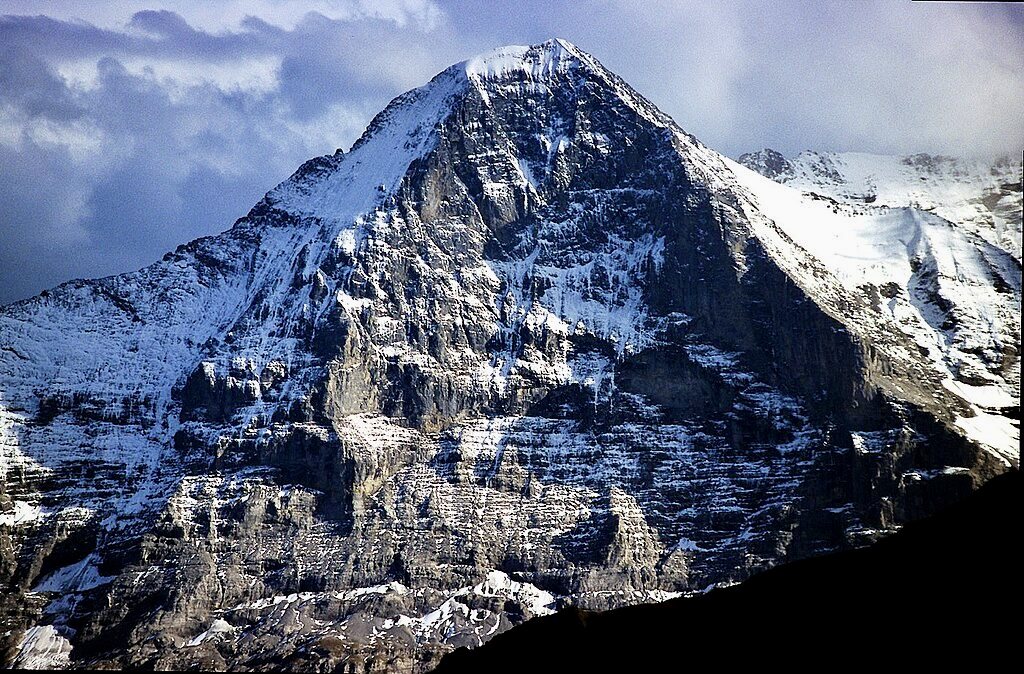 22 Mar 1966 · MountaineeringEiger North Face direttissima: John Harlin killed in rope failure
A fall in bad weather carries a higher cost
After Longhi slipped and fell, his hands were frozen and he could not even climb back up the rope; his companions could not pull him up either. The cold turned a fall that was not in itself fatal into a predicament from which he could not save himself.
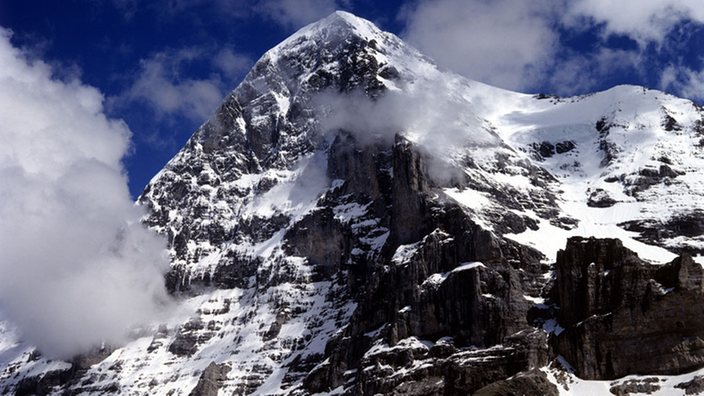 3 Aug 1957 · Mountaineering1957 Eiger North Face: Corti rescued and Longhi dies
A group on multiple ropes needs a genuinely secure belay anchor
One person slipped, several ropes became tangled, and 5 people were pulled off the ice slope at once. At the time, only Schoening had a secure belay anchor, and it held everyone. When a group moves together on steep terrain, the reliability of the anchor determines whether one slip becomes a fall involving the whole team.
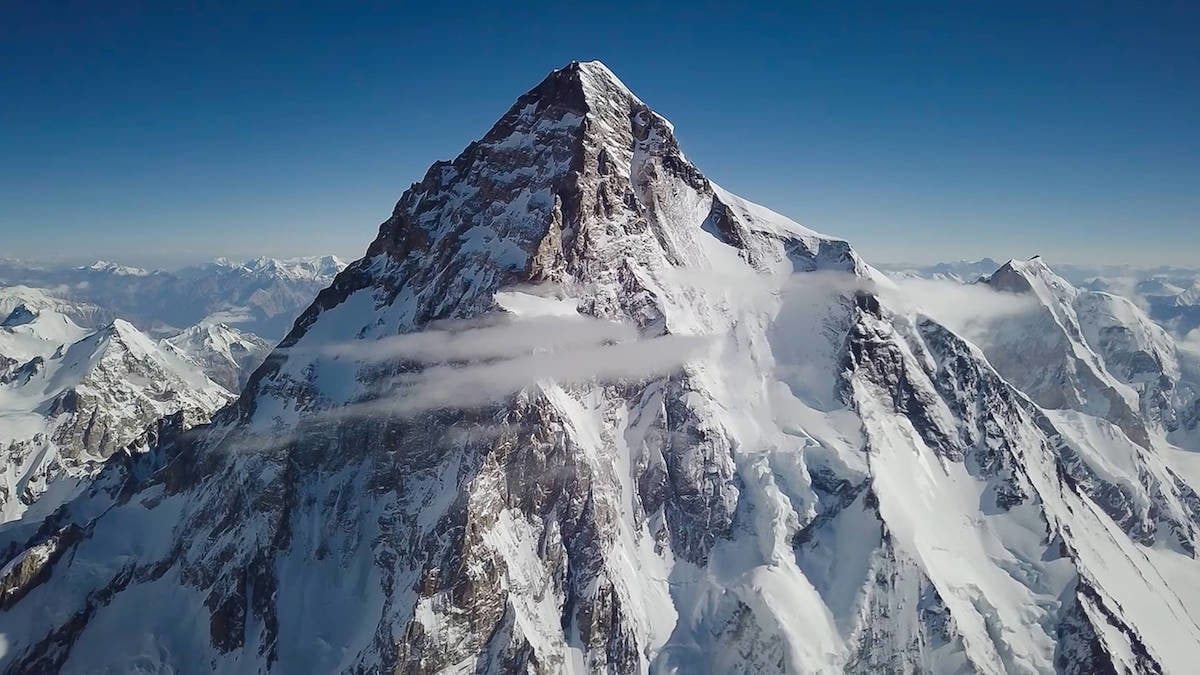 10 Aug 1953 · MountaineeringK2, 1953: The Death of Art Gilkey and “The Belay”
The summit is only halfway
The two reached the summit at around 2 p.m. and soon encountered a storm; the frostbite and loss of the route both occurred during the descent. Summit timing should leave a margin for descent and changes in the weather.
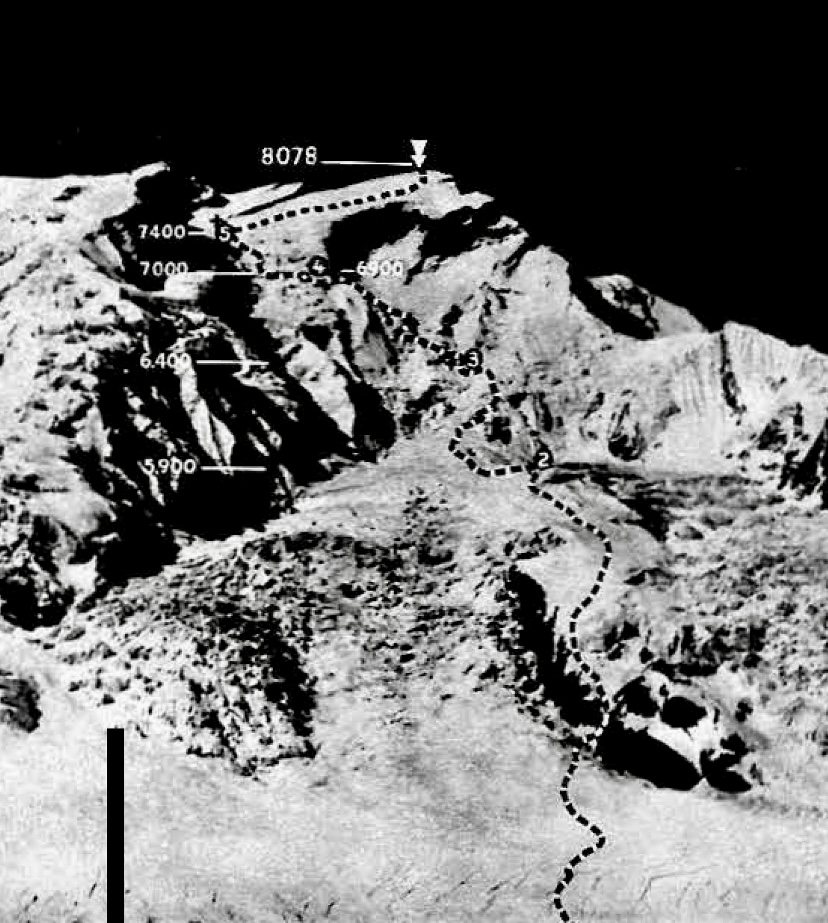 3 Jun 1950 · MountaineeringFirst ascent of Annapurna and frostbite during descent
Set protection before difficult sections
According to Whymper's own account, before the descent he proposed fixing a rope to the rock for extra protection on difficult sections, but this was not carried out. After the accident, the three survivors descended by fixing the rope to the rock. If a roped party has no anchor, one person's slip may pull the whole party down.
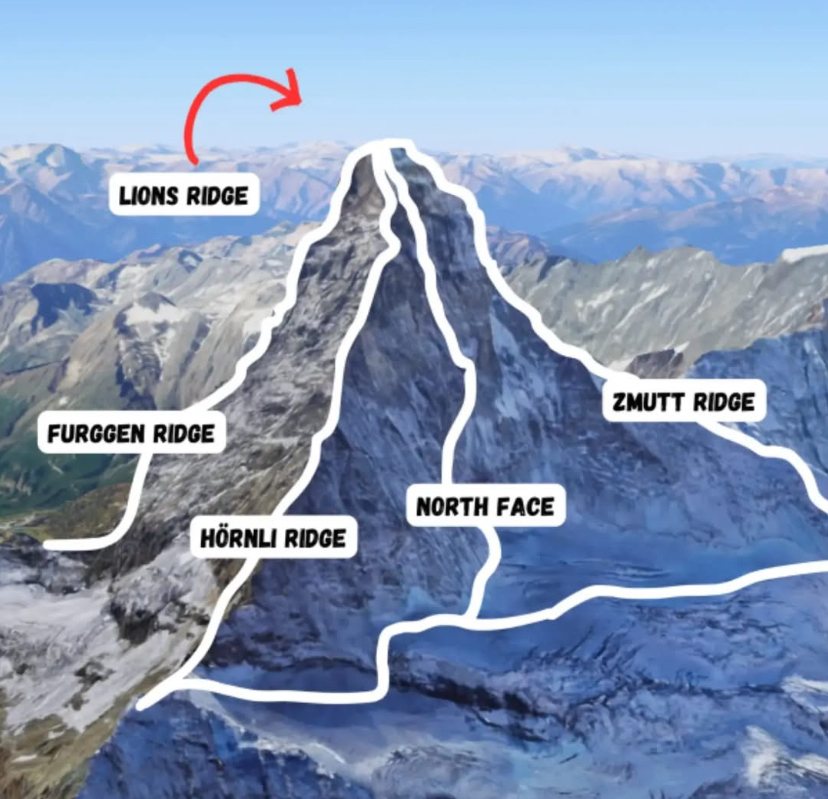 14 Jul 1865 · MountaineeringMatterhorn first ascent accident
Check every section of rope before setting out
The section that broke was the party's oldest and weakest rope, originally intended only as a spare, and was much thinner than the other two safety ropes. The weakest link in the system determines how much the entire protection chain can withstand. Check the purpose and condition of each piece of equipment before setting out.
14 Jul 1865 · MountaineeringMatterhorn first ascent accident
Reaching the summit is only halfway
The first-ascent party descended after spending about an hour on the summit, and the accident occurred during the descent. On the section near the summit, snow had accumulated in cracks and the rocks were covered with thin ice. With fatigue and a relaxation of vigilance after reaching the summit compounded by slippery terrain, descending is often more dangerous than ascending.
14 Jul 1865 · MountaineeringMatterhorn first ascent accident
 GuituluGlobal Outdoor Accident Archive