A night at a high-altitude camp
The death occurred at the 4600-meter camp before the summit attempt; local authorities said the cause was altitude sickness and hypothermia. Management center staff noted that many people are unaware of their own physical condition. Before camping overnight at high altitude, pay attention to how your body responds and descend promptly if you feel unwell.
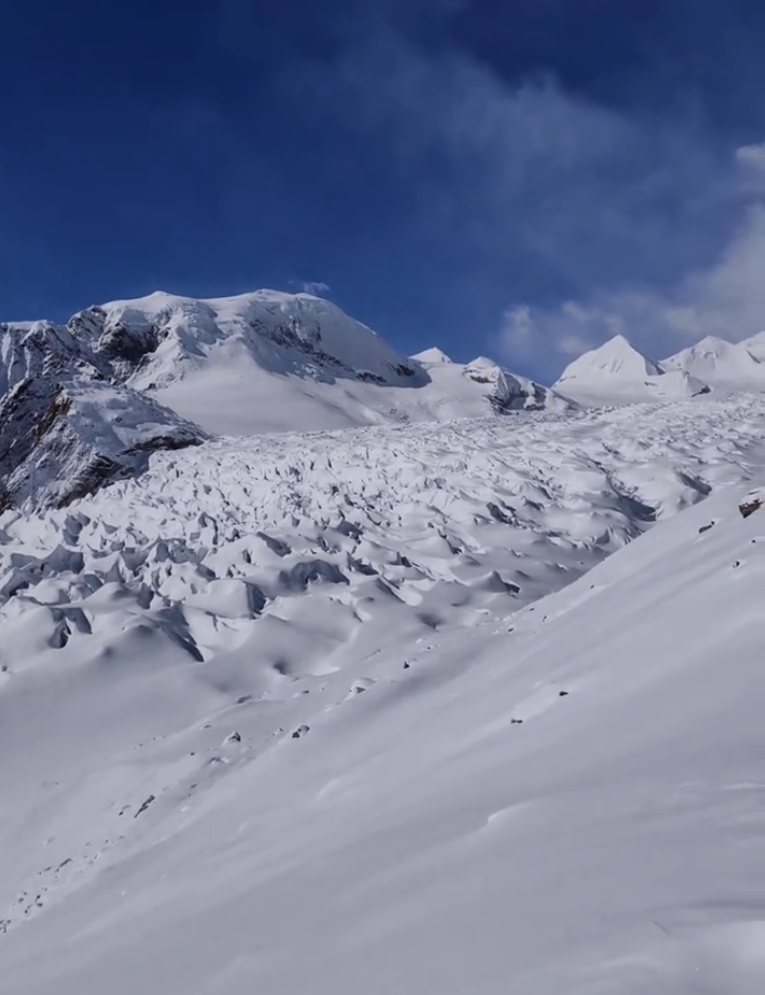 3 May 2026 · HikingZhongshan Peak Ice Towers: Woman dies in tent at 4600-meter camp during May Day blizzard
High-altitude rescue is constrained by weather
After Revol called for help by satellite phone, the people able to come were K2 team members nearby who were already acclimatized to high altitude, transported by military helicopter. According to Revol, she heard a helicopter, but it could not land because of strong winds. When calling for help at high altitude in winter, one cannot count on rescue arriving quickly.
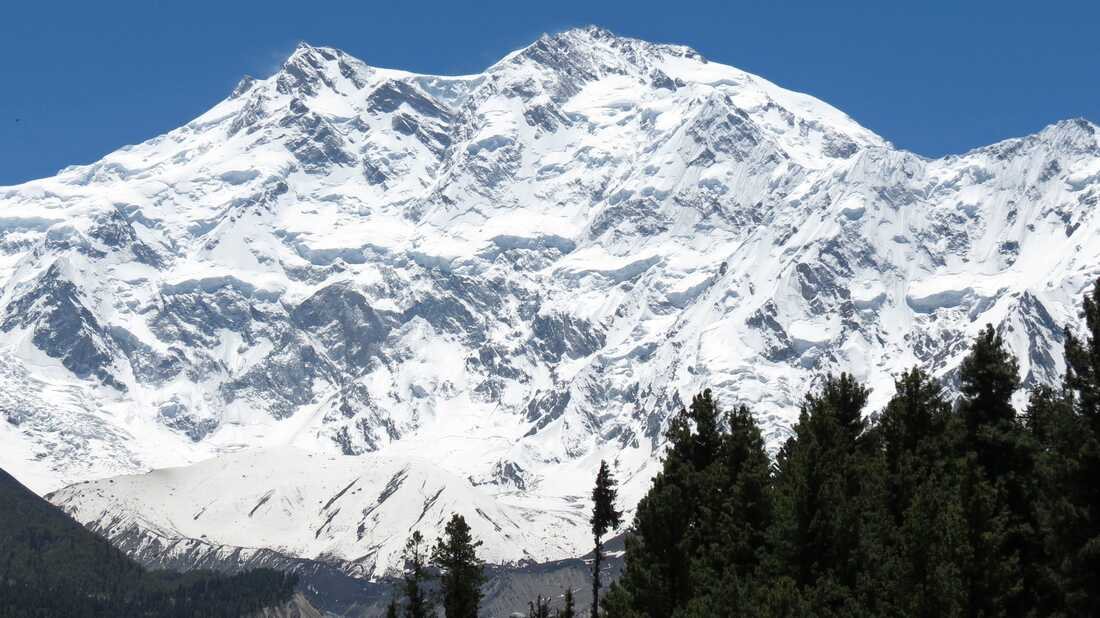 25 Jan 2018 · MountaineeringNanga Parbat winter ascent: The descent after the summit
Stop when the body shows warning signs
According to reports, Shi first developed a cold and then severe altitude sickness. The scenic area authorities considered that resting when the cold appeared, and taking severe altitude sickness seriously and descending as soon as possible, were both choices that could have been made earlier.
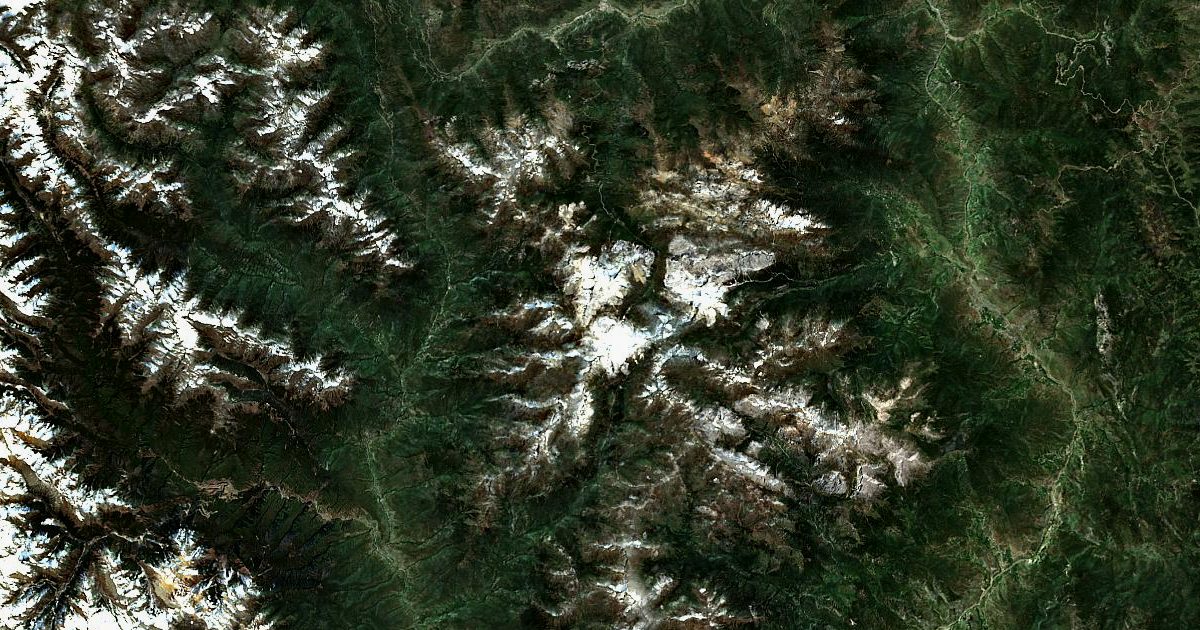 6 Oct 2016 · HikingHiker dies of altitude sickness during unauthorized Muli–Daocheng Yading traverse
The person caring for a companion was also short of oxygen
Gropel accompanied his wife throughout the descent and gave her an injection of dexamethasone. But he too developed altitude sickness and fluid in his lungs and was eventually evacuated to Kathmandu.
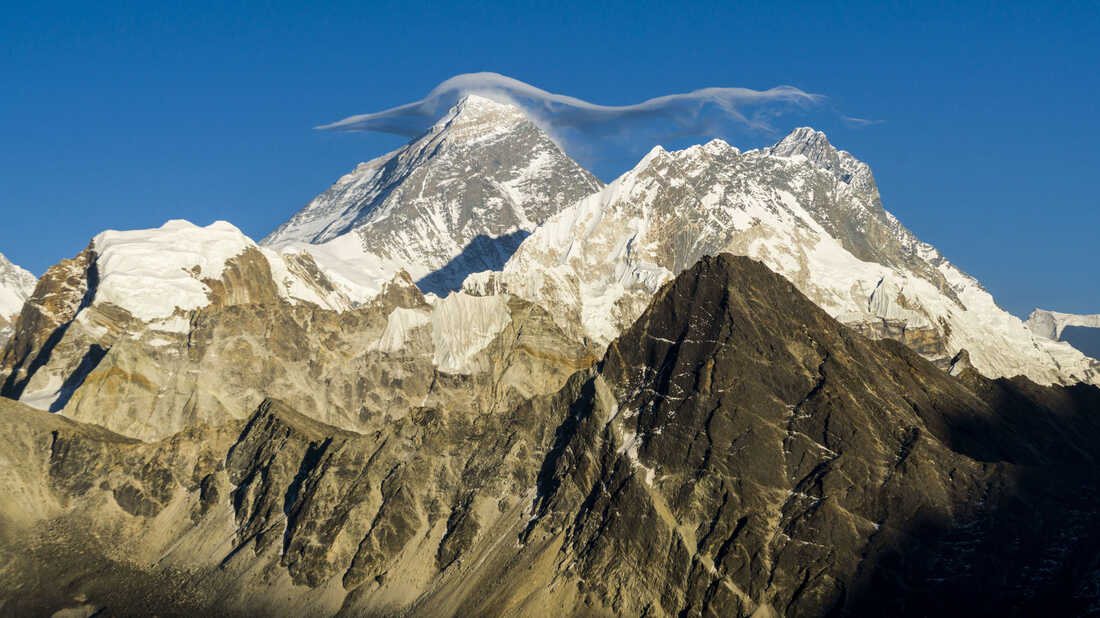 21 May 2016 · Mountaineering2016 Everest Southeast Ridge: Strydom and Arnold die during descent
Acclimatization arrangements and notification afterward questioned
Strydom's mother said the itinerary had recommended spending a night at Camp 3 to acclimatize, but they had not done so. The team leader responded that sleeping too high could also weaken climbers. After the incident, the family learned of her death while searching online and received no direct contact from the organizer for several days.
21 May 2016 · Mountaineering2016 Everest Southeast Ridge: Strydom and Arnold die during descent
Watch for signs of cerebral edema
According to reports, a Himalayan Rescue Association doctor, drawing on accounts from others and teammates, believed that high-altitude cerebral edema may have been a factor in several of the deaths. According to Schaaf's climbing company, he died of altitude illnesses including high-altitude cerebral edema.
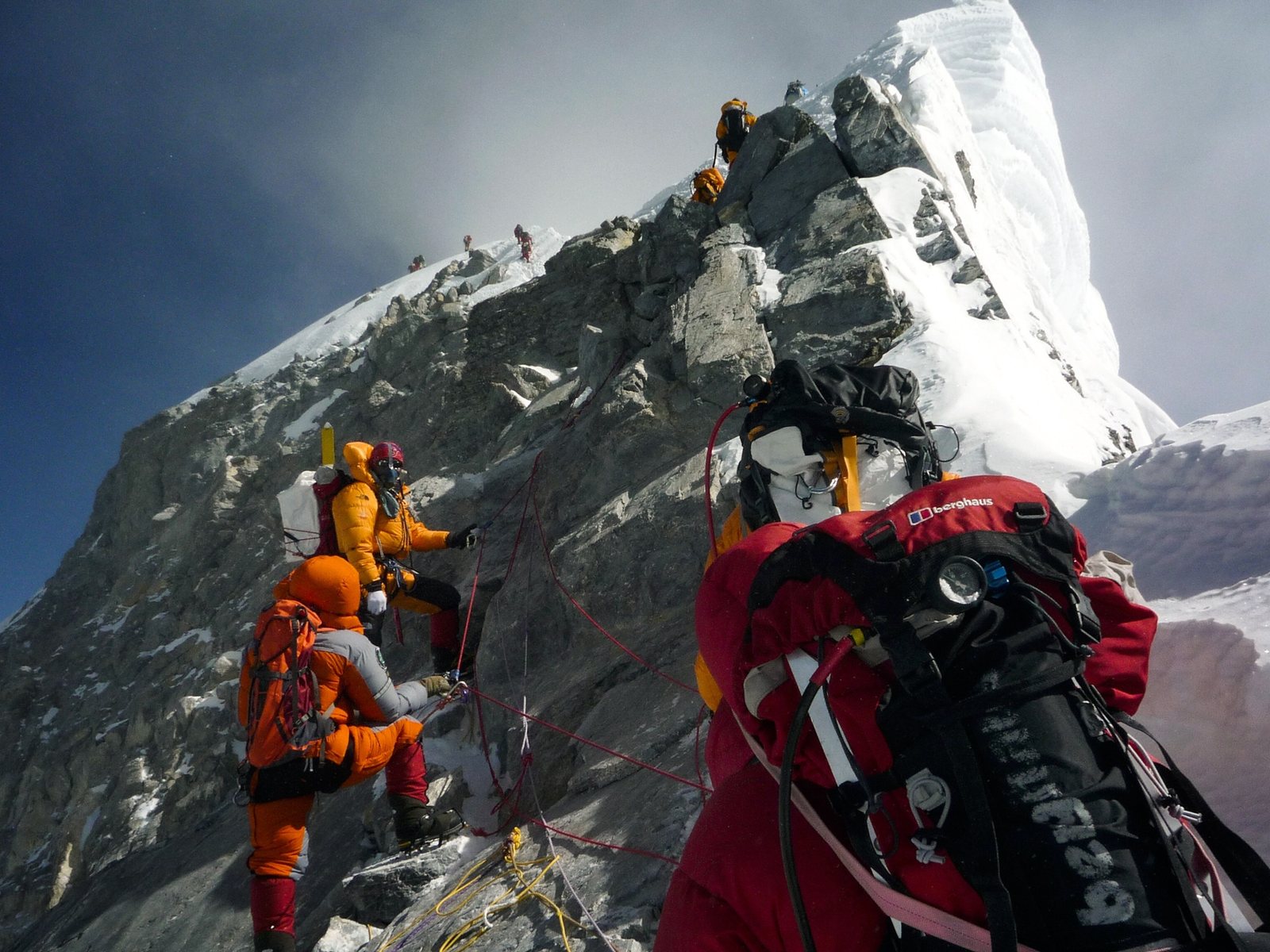 19 May 2012 · Mountaineering2012 Everest Southeast Ridge congestion: Four die during descent
Be especially cautious when determining death at high altitude
Hall was believed to have died in the evening, and his family was notified, but he was found alive about 12 hours later. Judgments made in conditions of oxygen deprivation, cold and exhaustion may be wrong; when conditions permit, maintain communications and continue observation.
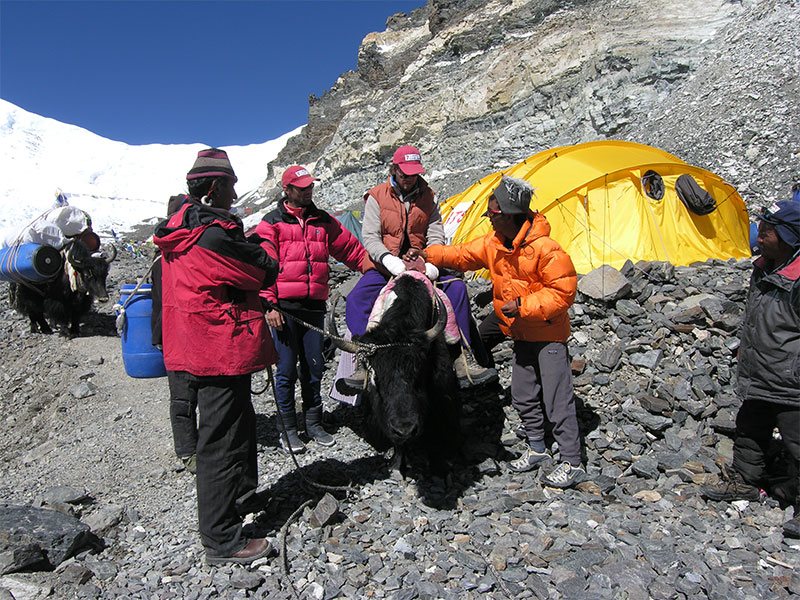 25 May 2006 · MountaineeringLincoln Hall “returns from the dead” on Everest
Failing to return to camp means a night in the death zone
Sharp did not return to camp on the evening of 14 May and spent a night above 8000 metres. The north-side high camp itself is at approximately 8230 metres; once exhausted, a person must walk for several hours to reach slightly denser air.
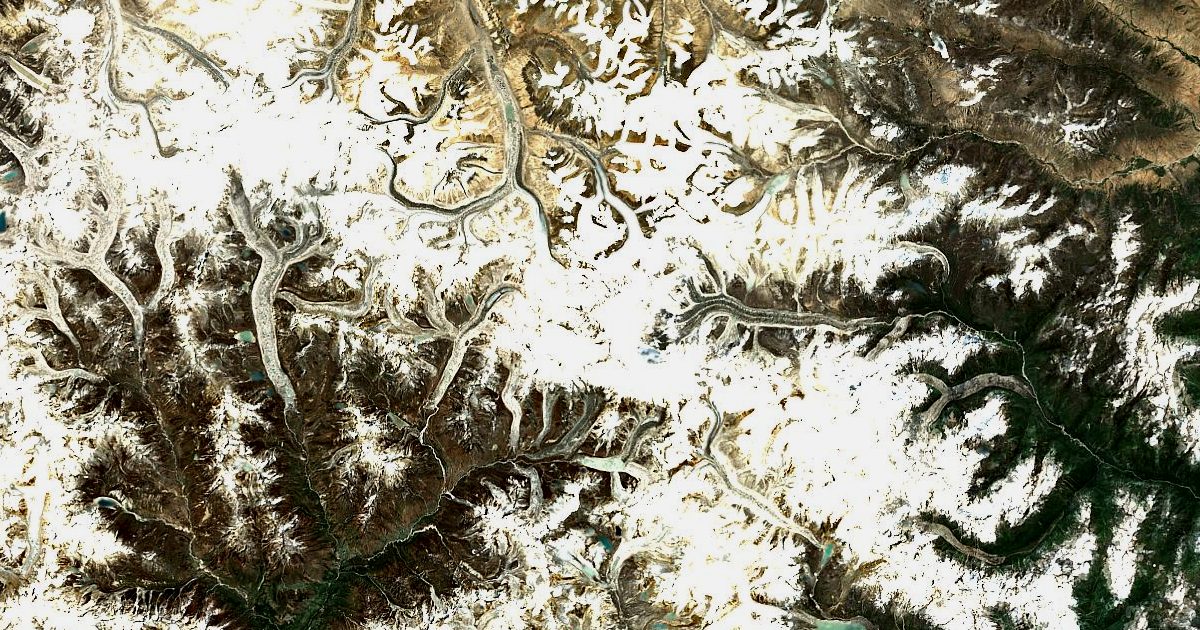 15 May 2006 · MountaineeringDavid Sharp dies on Everest's north side
The longer the stay in the death zone, the greater the danger
The couple attempted the summit for several consecutive days above 8200 meters and bivouacked above 8600 meters. Climbing without oxygen already leaves very little margin; after a failed attempt, climbers need to carefully assess whether they have enough strength left to descend before trying again.
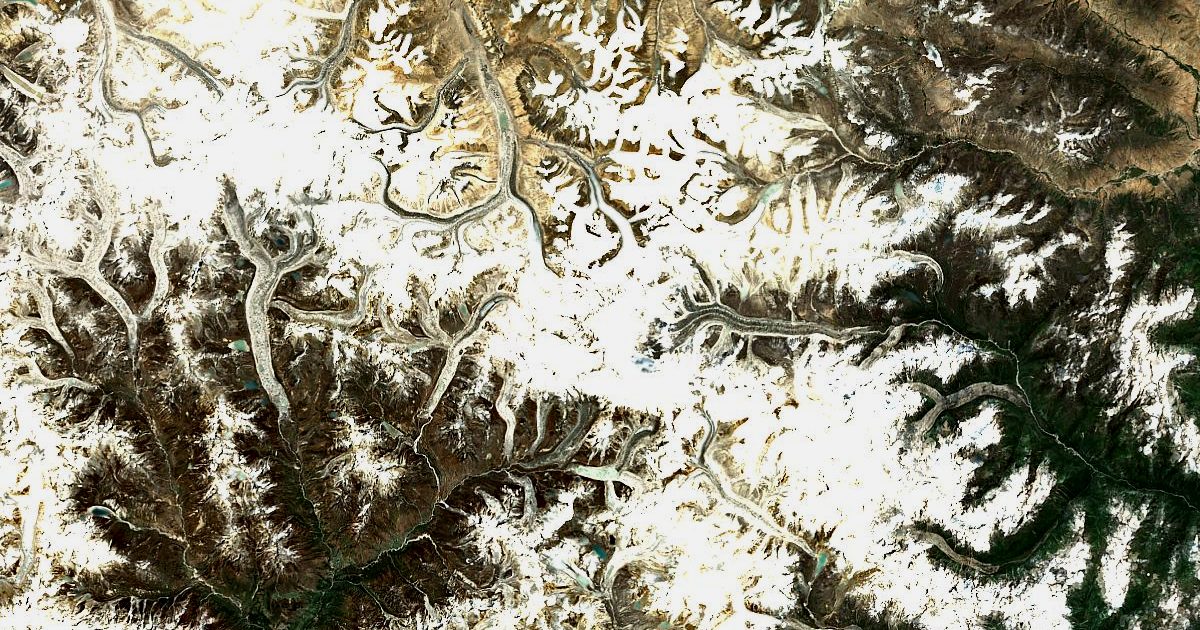 24 May 1998 · MountaineeringArsentiev couple die on Everest's north face
Rescue capacity at high altitude is extremely limited
Several teams in turn gave her oxygen, massaged her and moved her, but were still unable to bring her down the mountain. According to O'Dowd, her mask could not be connected to another team's oxygen bottle, and carrying a person unable to move down the mountain would require multiple teams, dozens of people and several days. Above 8000 meters, the ability to save oneself is almost the only safeguard.
24 May 1998 · MountaineeringArsentiev couple die on Everest's north face
Weather can change quickly at high altitude
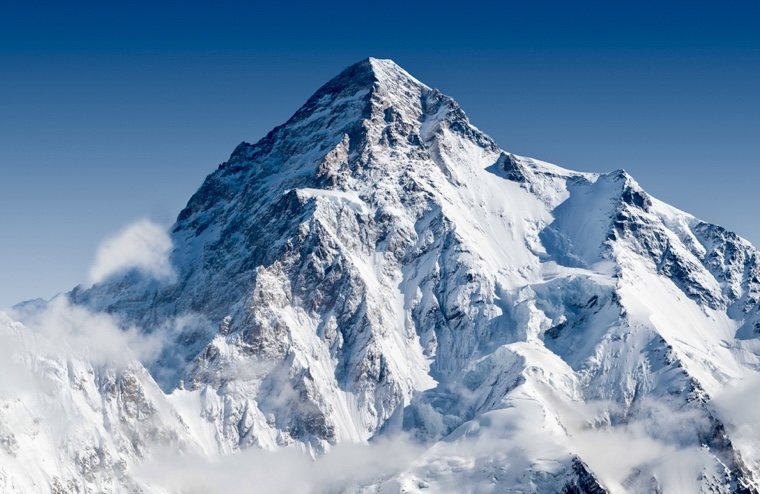
During the day, the Spanish team reported clear, windless conditions in the distance. Around 8 p.m., strong winds suddenly arose, nearly blowing away the tent at Camp 4. Before setting out and along the way, sudden strong winds should be treated as a possibility, with preparations made for the loss of camp.
 13 Aug 1995 · Mountaineering1995 K2 storm: Hargreaves and five others missing after reaching the summit
Every extra day in the death zone takes a toll
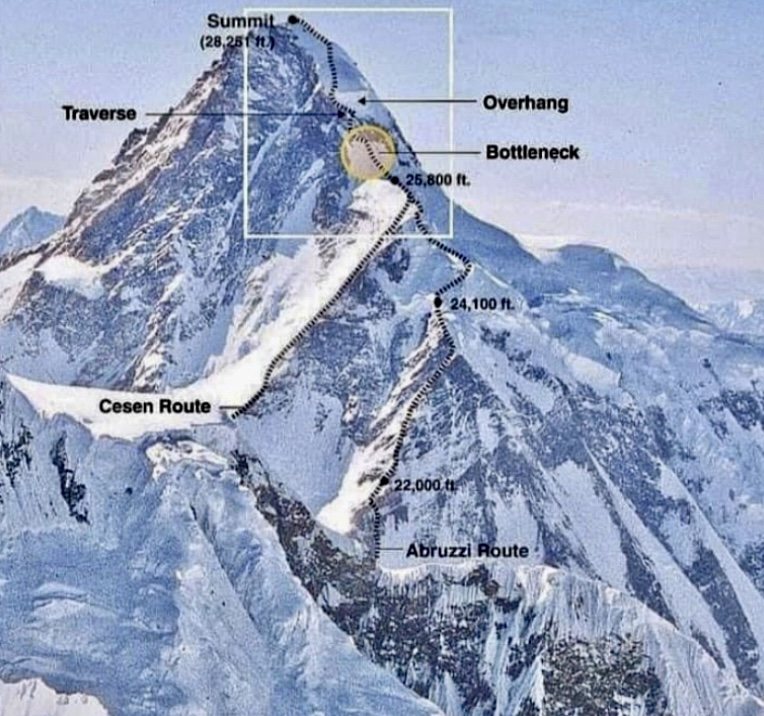
The blizzard lasted about five days. Seven people were trapped at the 8000-metre camp, and their strength and judgment continually deteriorated. Later commentary held that lack of oxygen, which impairs judgment and even willpower, was the main cause of most of the deaths.
 4 Aug 1986 · Mountaineering13 killed in K2's 1986 “Black Summer”
Time spent at high altitude is itself a risk
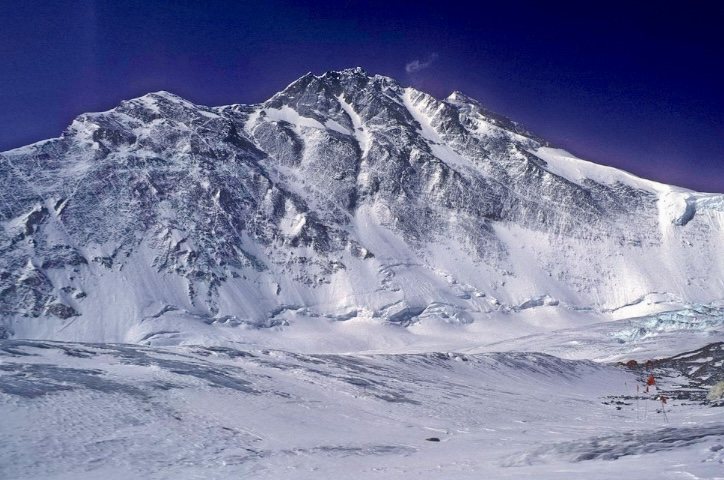
The greatest difficulty on this route was not any single technical section, but the long time a small team had to spend at extreme altitude. After four nights at nearly 8000 metres, the four climbers were exhausted, and one left the expedition after showing symptoms of a stroke. The longer the route, the more important it is to account for physical exertion and a margin for retreat in the plan.
 17 May 1982 · MountaineeringBoardman and Tasker missing on Everest's Northeast Ridge
There is almost no rescue capacity at extreme altitude
After the two men disappeared, the team members below could not reach the ridge where the incident occurred and could only make a detour of dozens of miles to look from a distance from the other side. Ultimately, they found nothing. At such altitudes, a small team is essentially on its own if something goes wrong.
17 May 1982 · MountaineeringBoardman and Tasker missing on Everest's Northeast Ridge
Avoid separating at high altitude
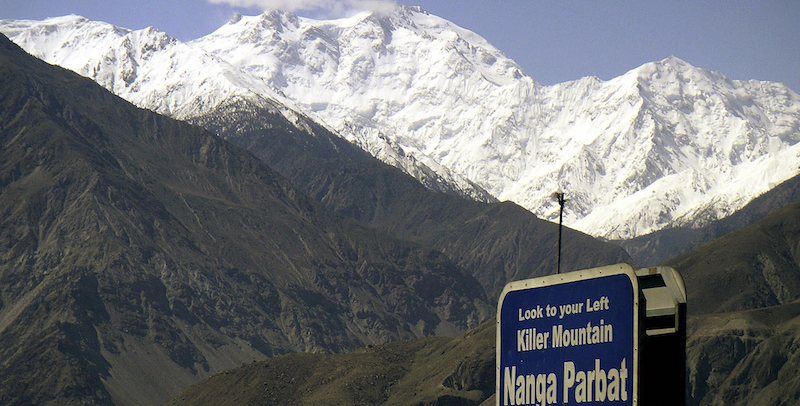
During the descent, the two became separated by more than an hour. Günther went missing out of sight and was never found afterwards. A team member in poor condition should always have someone with them.
 29 Jun 1970 · MountaineeringNanga Parbat: The death of Günther Messner
Recognize pulmonary edema early
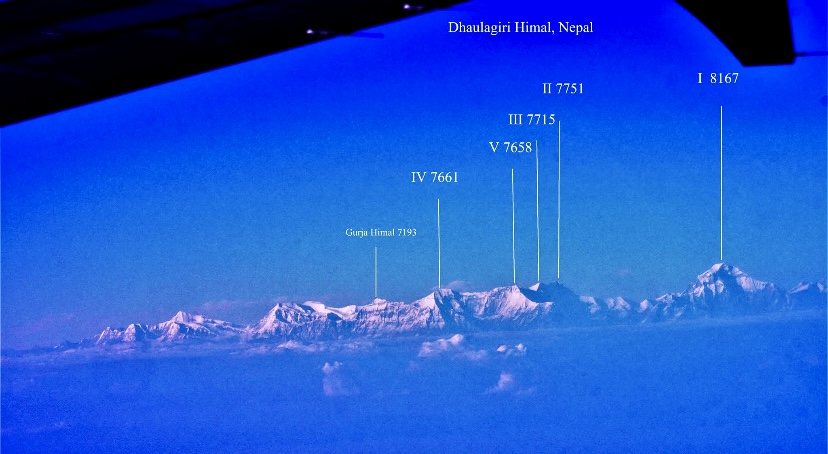
Deputy leader Reed fell into a coma at base camp and was out of danger only after an urgent evacuation to lower altitude. The expedition doctor concluded that the whole team should know the early signs of pulmonary edema and tell everyone as soon as possible if they have suspicious symptoms.
 28 Apr 1969 · MountaineeringSeven killed in ice avalanche on 1969 American Dhaulagiri expedition
The longer the stay at altitude, the faster strength is depleted
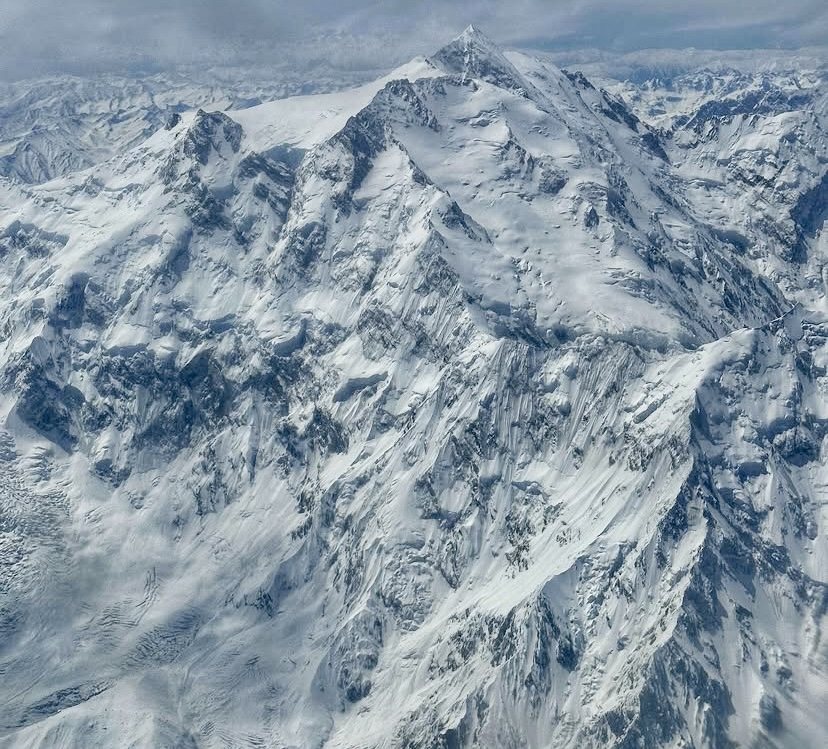
The storm made it difficult to melt snow for water, the team members ate almost nothing over two days, and tent poles broke one after another. At high altitude, once drinking water, hot food and reliable shelter are lost, strength declines rapidly.
 Jul 1934 · Mountaineering1934 German expedition deaths on Nanga Parbat
 GuituluGlobal Outdoor Accident Archive