Medical problems in deep caves cannot wait
Dickey fell ill approximately eight hours' travel from the cave entrance, and doctors from outside had to enter the cave to treat him. According to reports, the Hungarian medical team arrived approximately seven hours later, after which he could be given medication and blood transfusions. On expeditions far from the surface, the team's medical capability and the speed with which it calls for help directly determine the outcome.
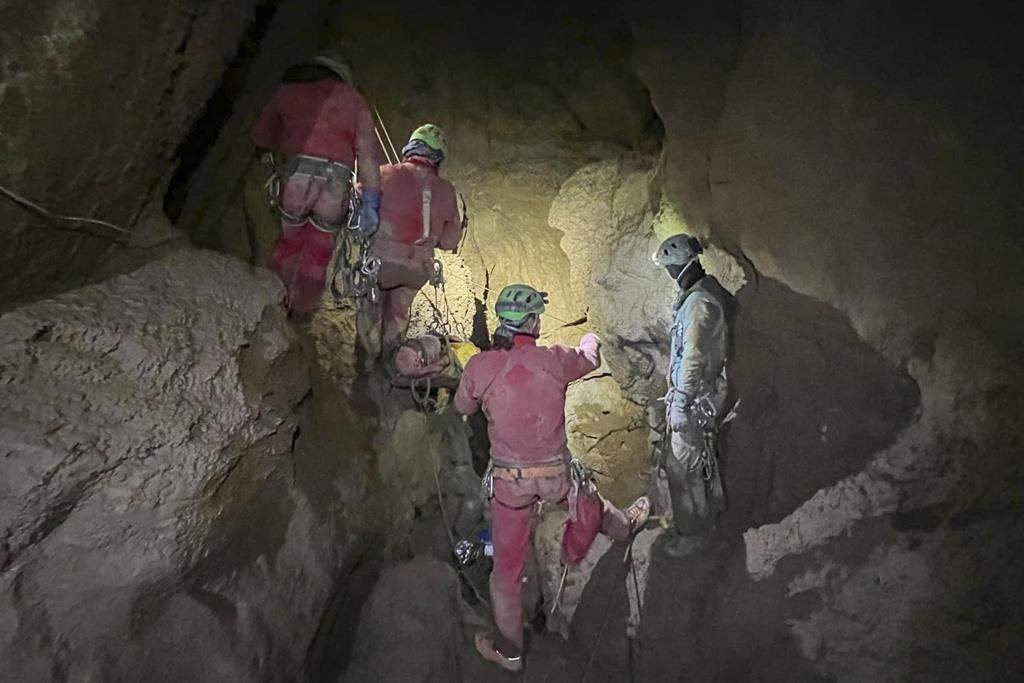 2 Sep 2023 · Diving and cavingNine-day rescue a kilometre deep in Morca Cave
Recognise signs of physical exhaustion earlier
According to the analysis of a polar scientist quoted by Live Science, modern communications and evacuation methods can get a person off the ice within about 12 hours, but Worsley and the people in contact with him failed to recognise early enough how serious the situation was. Dehydration and fatigue can also impair judgment and lead people to make irrational decisions.
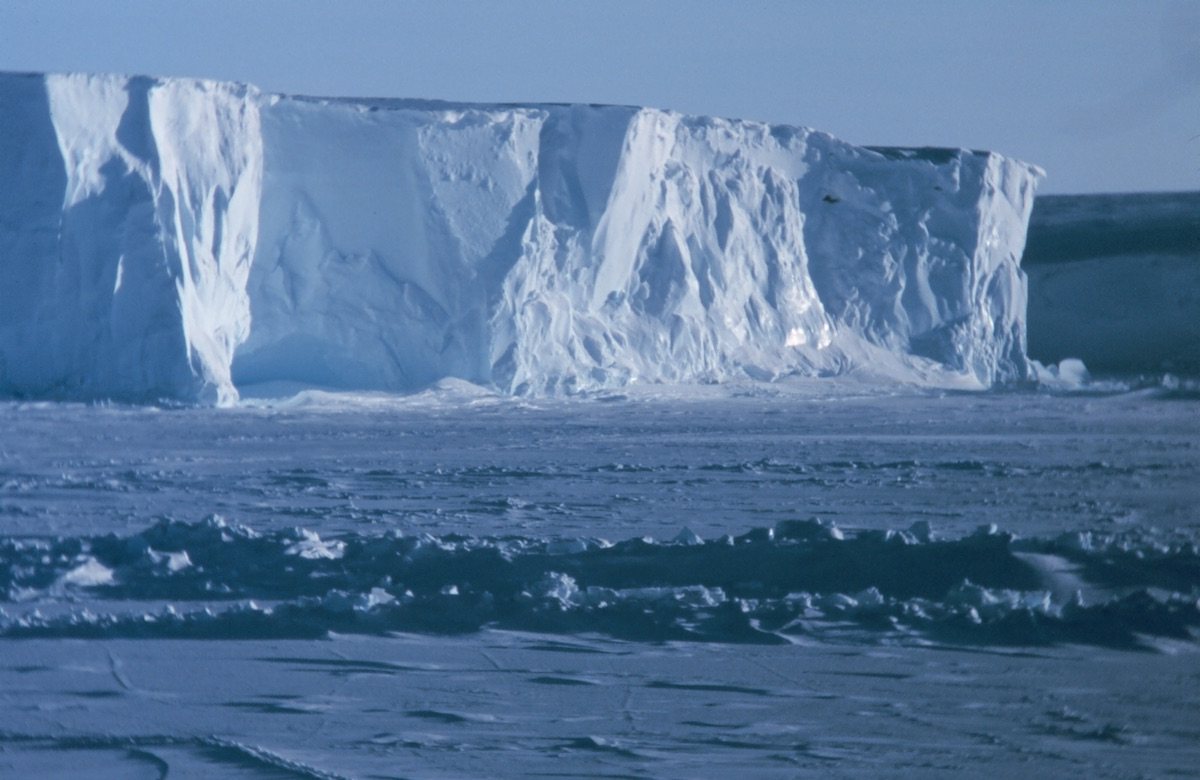 24 Jan 2016 · HikingHenry Worsley dies during solo unsupported crossing of Antarctica
Solo expeditions: who decides when to evacuate
According to reports, Worsley's wife asked the team to get him off the ice, while the support team insisted on waiting for him to call personally. Once a person's strength begins to decline on a solo, unsupported expedition, whether to set clear evacuation criteria and who will trigger them are matters worth clarifying before departure.
24 Jan 2016 · HikingHenry Worsley dies during solo unsupported crossing of Antarctica
Foraging and hunting are difficult to sustain long-term
On small game, roots and berries alone, it is difficult to consume enough calories to match expenditure, and once the body weakens, walking out or hunting becomes even harder. Extra caution is needed when foraging, even with a guide to edible plants: wild potato seeds, generally regarded as non-toxic, were later found in tests to contain a neurotoxin.
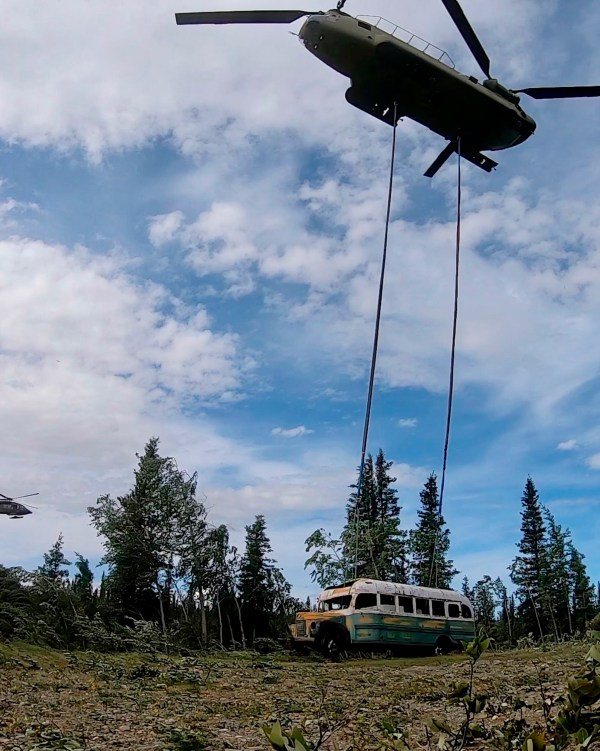 18 Aug 1992 · OtherMcCandless's death in the Alaskan wilderness
Physical strength takes time to recover after illness
According to an editor's note, Genet had previously been hospitalised with influenza in Kathmandu. After an illness before a climb, even experienced climbers need to reassess their condition.
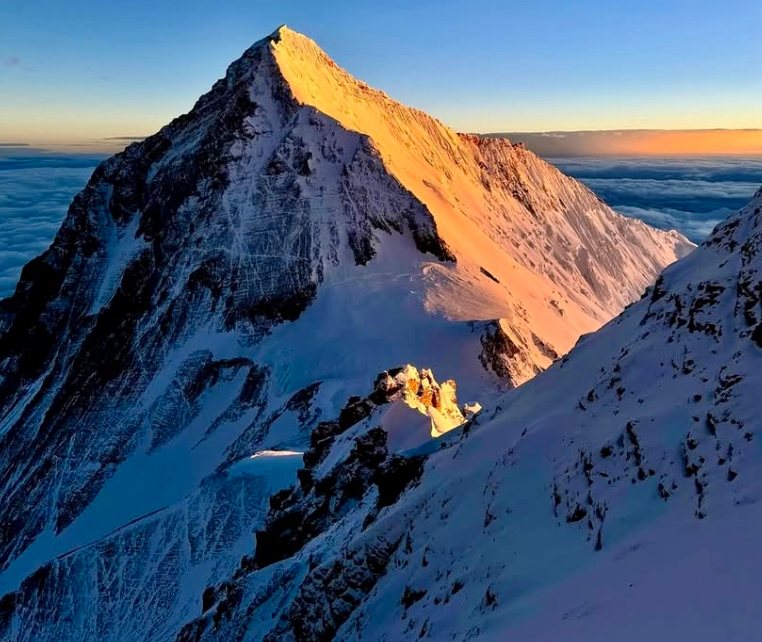 2 Oct 1979 · Mountaineering1979 Everest Southeast Ridge: Hannelore Schmatz and Ray Genet die on descent
Waiting at altitude can also exhaust strength
The seven waited on a ledge not far from the top for the weather to improve, but the wind and snow continued without stopping for several days. By the time they decided to retreat, their food had run out and their strength was severely depleted; four fell one after another during the retreat.
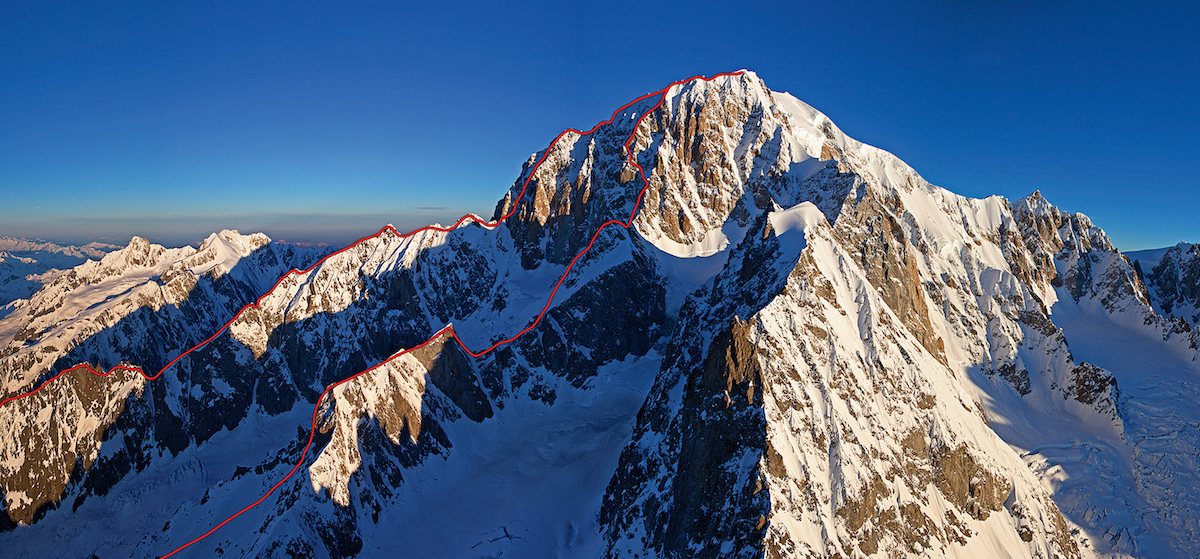 11 Jul 1961 · Mountaineering1961 Mont Blanc Central Pillar of Freney mountaineering disaster
Evacuation of an injured or ill climber is almost impossible at extreme altitude
At a high camp on an 8000-metre peak, one team member becoming unable to move means that the whole team must take risks. An AAJ book review considered this the central dilemma of the expedition; Streather also believed that continuing to carry Gilkey through more difficult terrain would inevitably lead to more accidents. Before setting out, teams need to think through what they can do if someone becomes ill or injured at altitude.
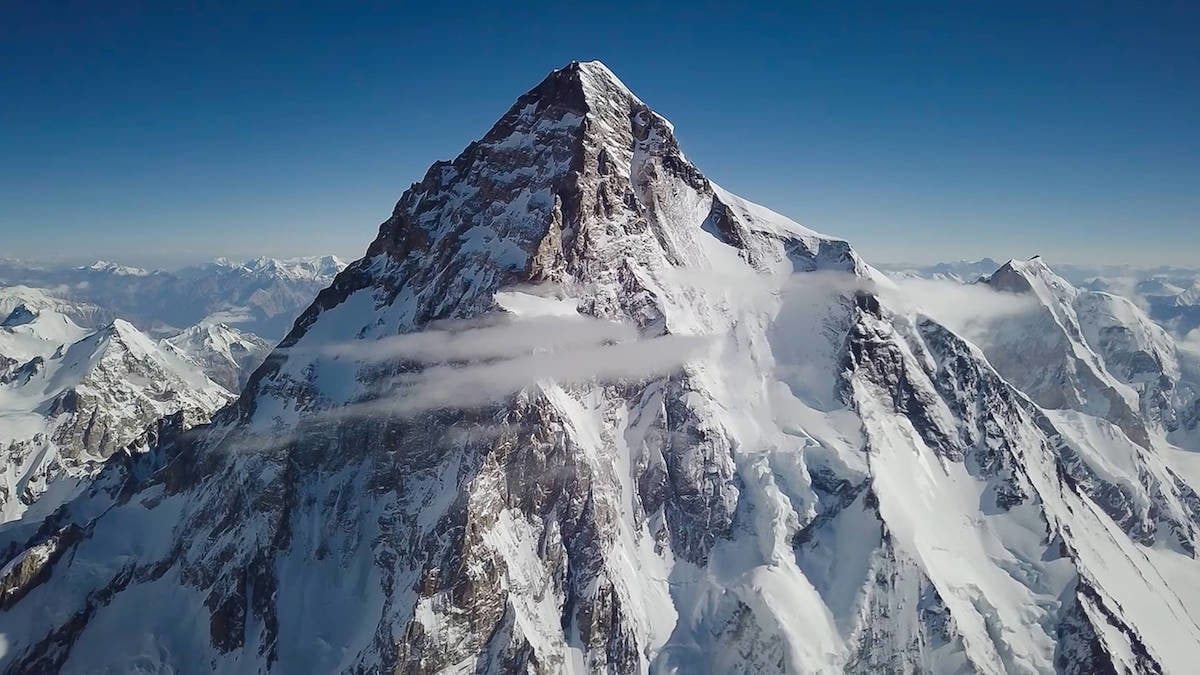 10 Aug 1953 · MountaineeringK2, 1953: The Death of Art Gilkey and “The Belay”
The longer the wait, the weaker the team
During the storm, the stove could not be lit and the climbers could not get water to drink. Trapped at Camp 8 for about ten days, they were weaker than they realised. According to an AAJ book review, this gradual weakening made their predicament worse when they were later forced to descend. Waiting for weather at a high camp also requires accounting for physical reserves and remaining fuel.
10 Aug 1953 · MountaineeringK2, 1953: The Death of Art Gilkey and “The Belay”
Do not leave an exhausted person alone at altitude
Wolfe waited alone at Camp 7. By the time rescuers reached him several days later, he was too weak and unwilling to descend. The longer a person stays at high altitude, the harder it becomes to descend independently and the harder a rescue becomes.
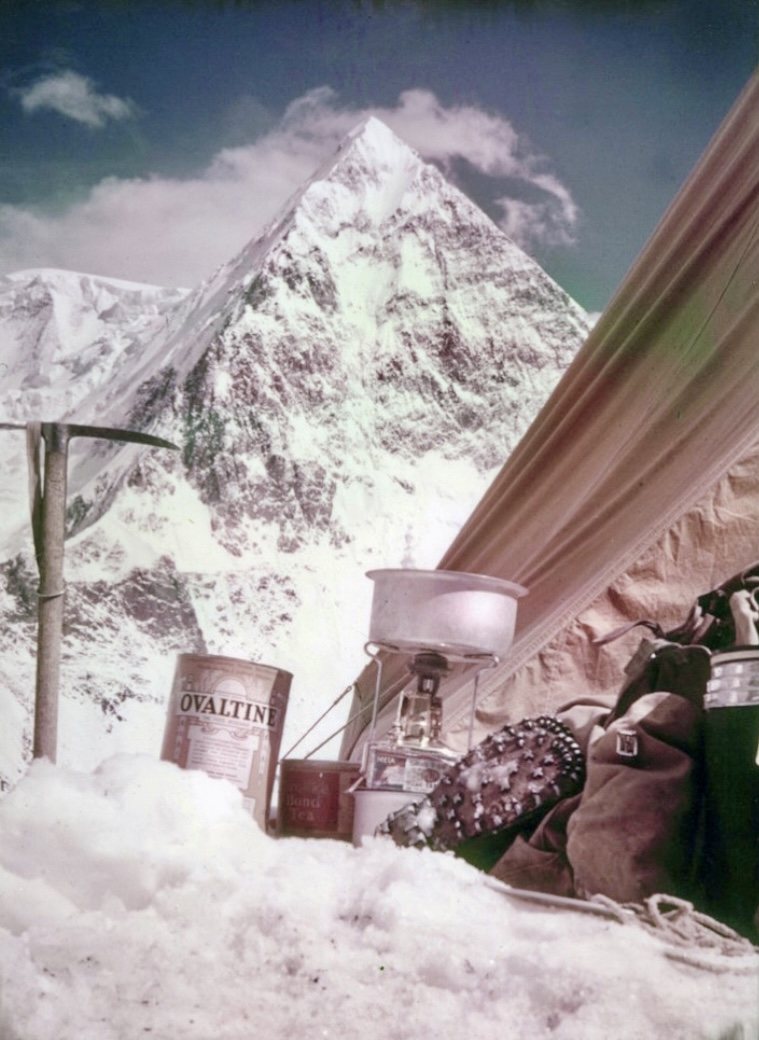 31 Jul 1939 · Mountaineering1939 American K2 expedition: Wolfe and three Sherpas die
 GuituluGlobal Outdoor Accident Archive