Prepare warm gear for the worst weather
The only person who died in this incident died from hypothermia and altitude sickness. People who were there recalled temperatures falling below zero at night; some also saw fellow hikers without down jackets, sleeping bags or even tents. In the high Qilian Mountains in October, gear should be chosen for an overnight stay in a snowstorm.
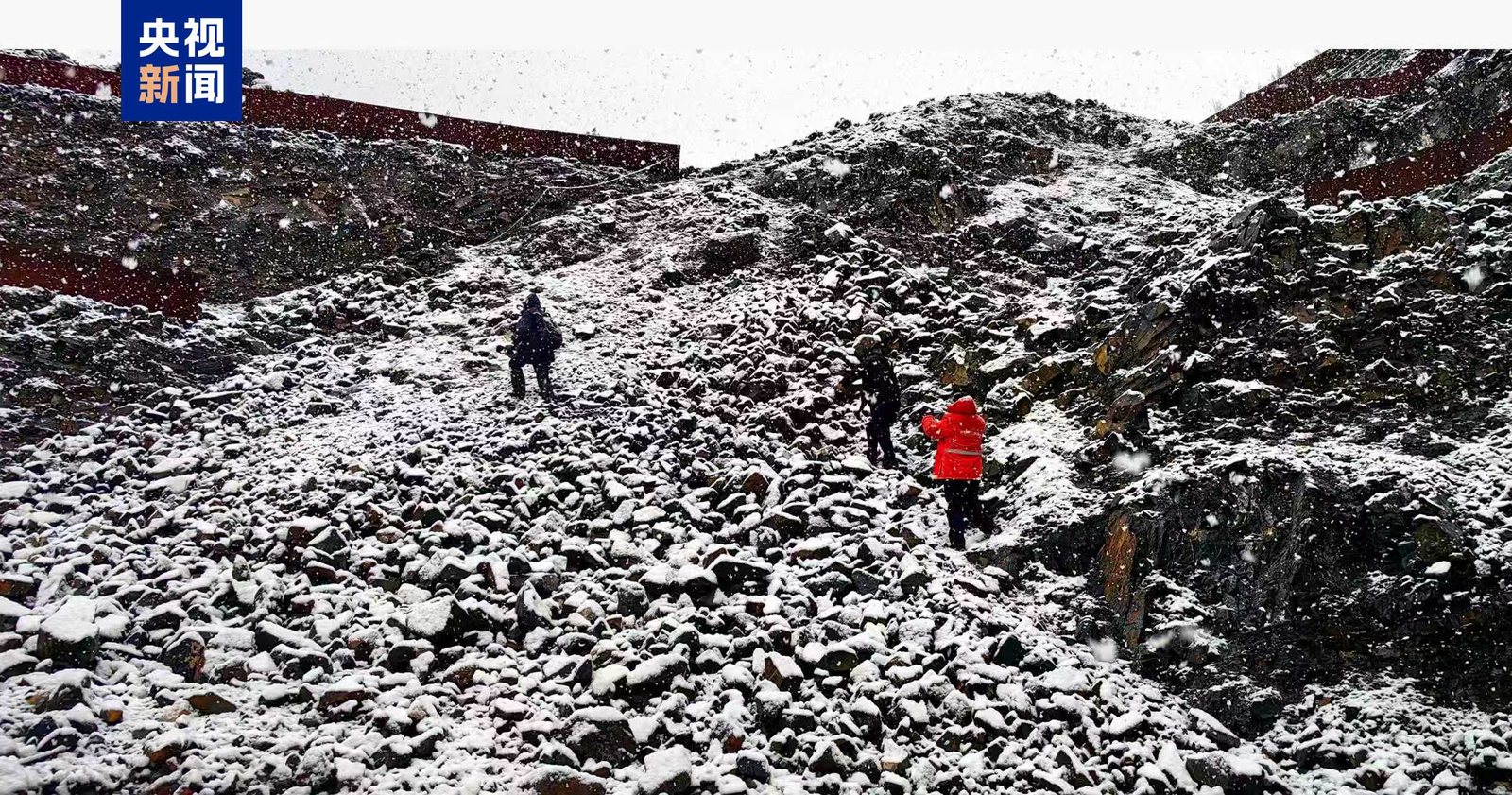 5 Oct 2025 · HikingLenglongling snowstorm: 251 people stranded in Laohugou
A hard shell cannot keep out prolonged rain and snow; bring dry clothes to change into
According to reports, one hiker's raincoat and hard-shell jacket both failed to keep out the rain and snow, leaving the hiker soaked throughout, with ice forming on the outer layer. A commercial group walked for three hours in wind and snow wearing damp clothes, and several members came close to hypothermia. For high-altitude trips, prepare changes of clothing and insulating layers in sealed, waterproof packaging.
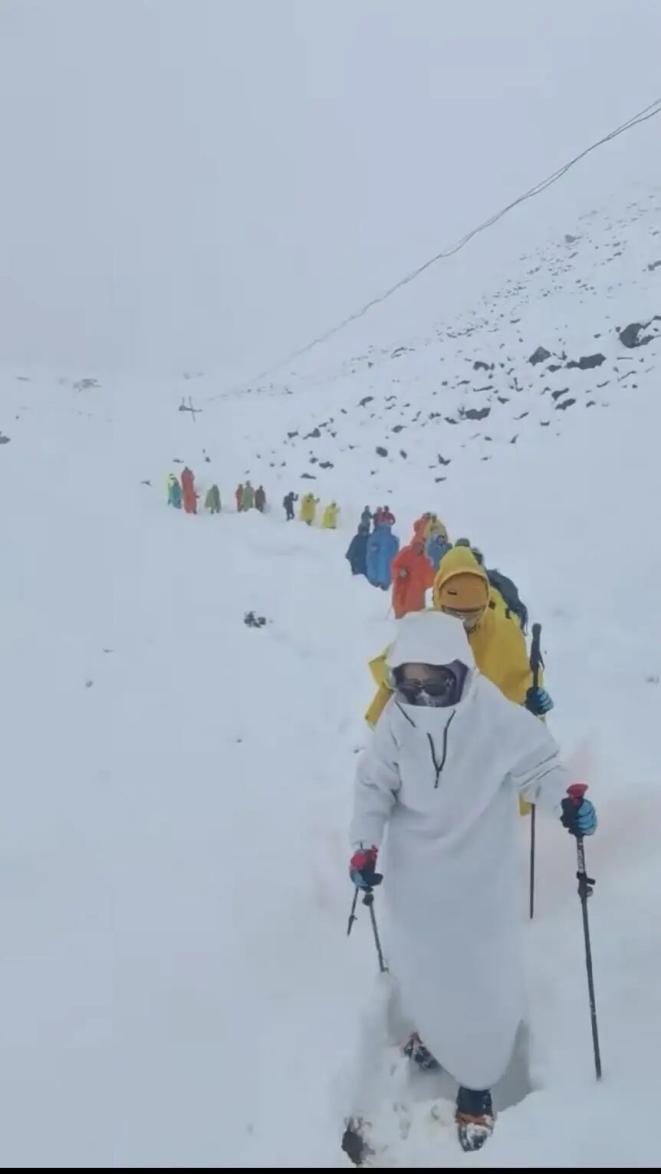 4 Oct 2025 · Hiking2025 Gama Valley blizzard traps hikers on Everest's east slope
In winter, hypothermia is often deadlier than a fall
The two reportedly died from exposure to the cold rather than injuries from the fall; one of them lost a glove and a mountaineering boot while slipping. When going into the mountains in winter, keep spare gloves, insulating layers and emergency warming supplies within easy reach.
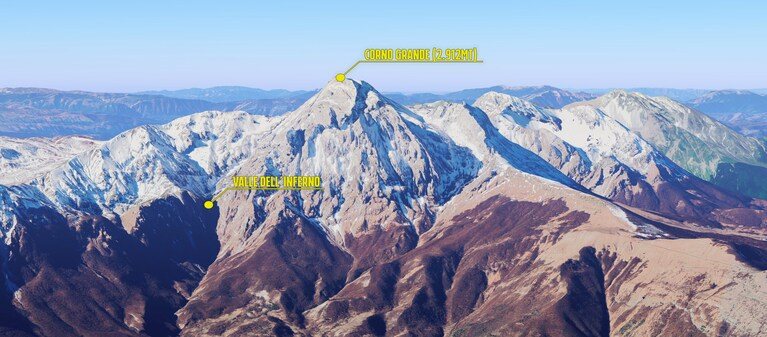 22 Dec 2024 · MountaineeringGran Sasso, Valle dell'Inferno: Two climbers trapped in a snowstorm
Have backup warmth and supplies for a night in the open
Clothing and gloves were blown about in the strong wind, and food containers could not be opened because of the wind. The party spent the night sheltered beside a rock, and some members developed hypothermia. After tents, sleeping bags and hot water were brought from the camp below, the others were able to hold on until rescuers arrived.
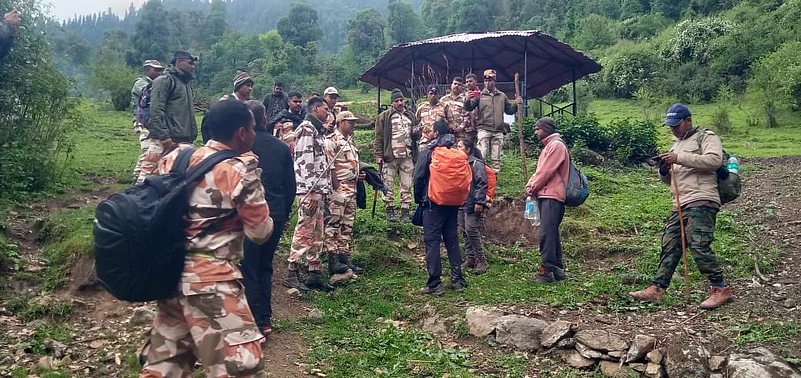 3 Jun 2024 · Hiking9 killed in blizzard on Sahastra Tal trek
Prepare for the coldest nighttime conditions
Scenic area staff said the woman who died had not taken adequate measures to keep warm and had encountered colder weather at night. Weather forecasts and temperatures at the foot of the mountain can only serve as a reference; wind, rain and wet clothes on the mountain at night can cause hypothermia more quickly.
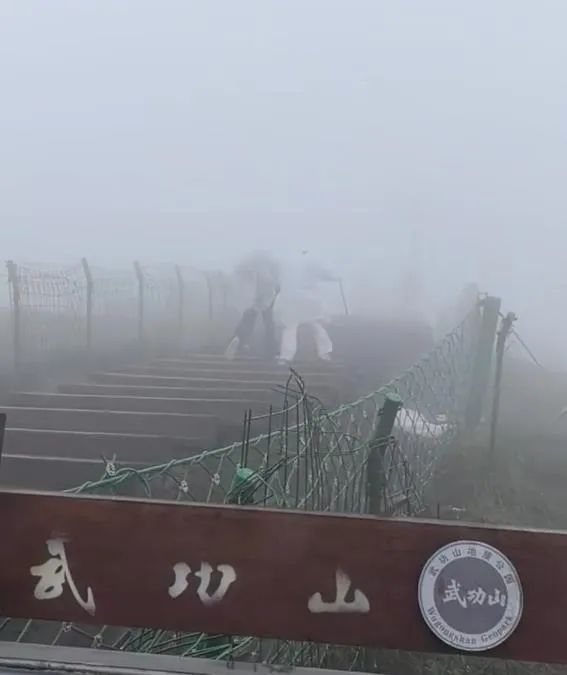 19 May 2024 · HikingWoman dies of hypothermia on reverse traverse of Wugong Mountain
Packing light for a one-day trip leaves no margin for an overnight stay
Ski mountaineers generally take two days to cover this section, staying overnight in a mountain hut; this group planned to complete it in one day. After they became stranded, rescuers advised them to dig a snow cave, and they did try. But Truffer considered it almost impossible to dig a snow cave in hard snow with a small, lightweight snow shovel.
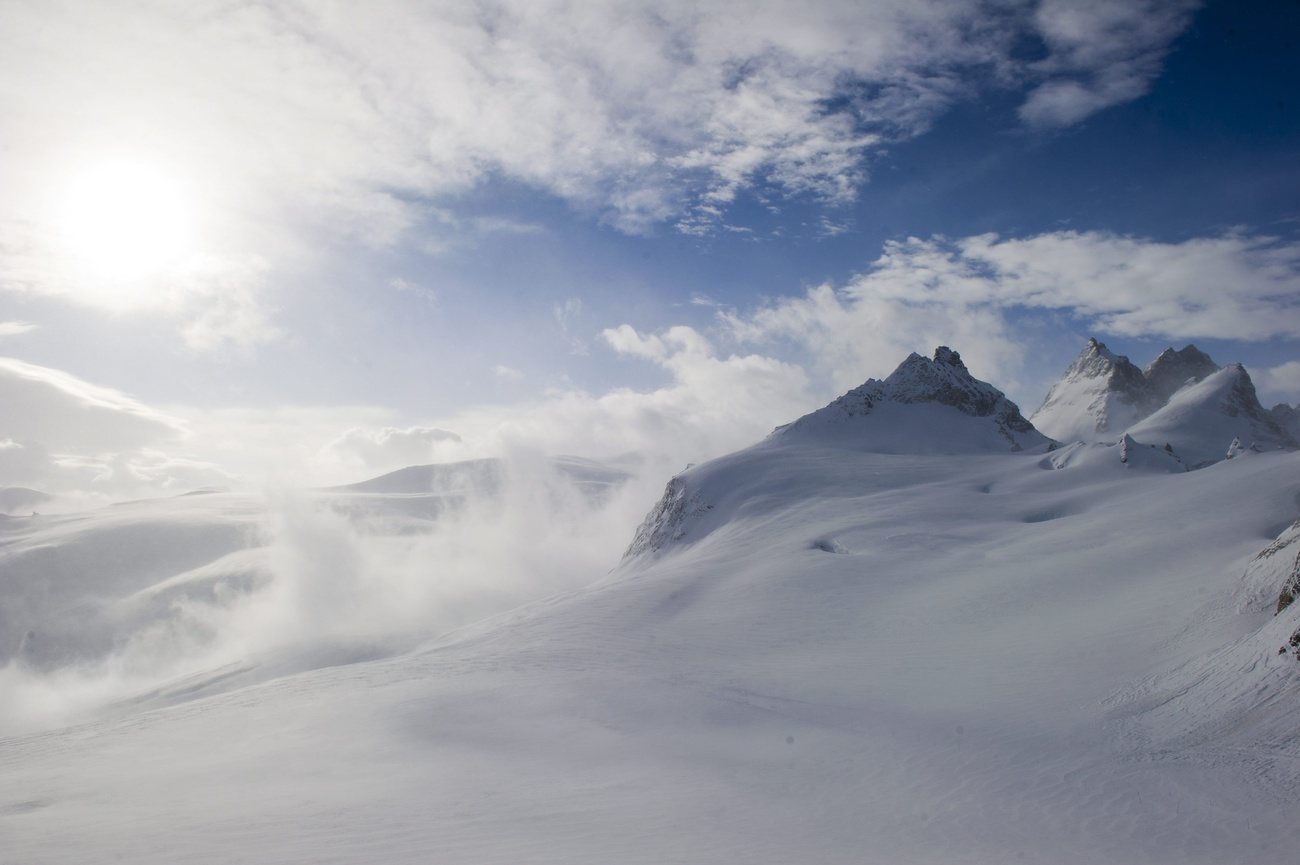 9 Mar 2024 · MountaineeringTête Blanche snowstorm: Six ski mountaineers die
Hypothermia in primary forest does not require ice or snow
The official conclusion was that a sudden strong wind and a sharp drop in temperature, combined with physical exhaustion, caused hypothermia. The microclimate in the Ailao Mountains is changeable; in rainy and foggy weather, prepare warm clothing and overnight equipment for the worst case.
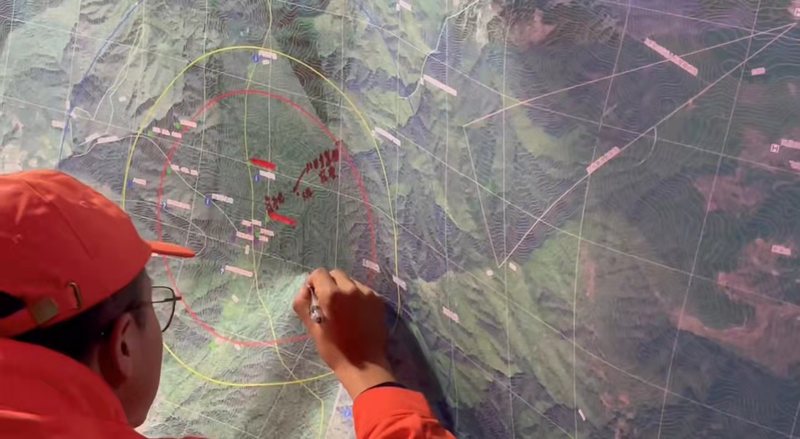 13 Nov 2021 · FieldworkDeaths of four geological survey workers in the Ailao Mountains
Wear a warm layer rather than leaving it farther along the course
At the time of the incident, most runners wore short-sleeved shirts and shorts. Waterproof jackets were only recommended equipment, and some had been left at the changing point 62 km away. On the high-altitude section, the perceived temperature fell below zero. Without a windproof, insulating layer on the body, even thermal blankets could be torn apart by the wind. A windproof jacket should be carried before going up the mountain.
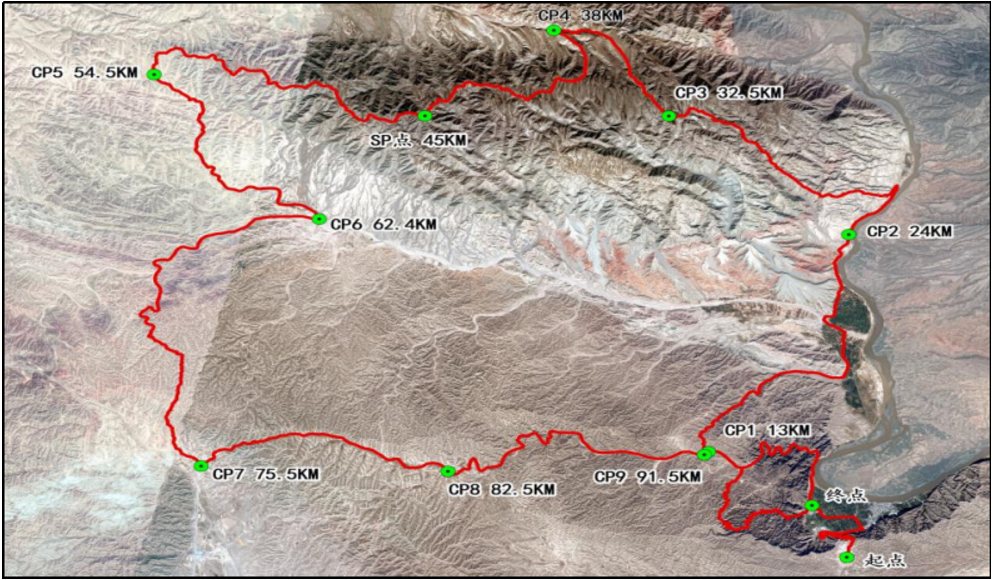 22 May 2021 · Other21 Deaths in the Yellow River Stone Forest 100 km Ultramarathon
When injured and unable to move, wet and cold are the greatest danger
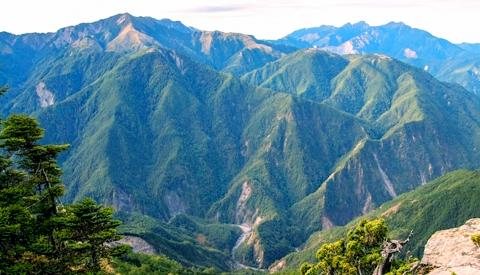
When she called for help, she could not move her lower body, while it continued to rain in the mountains and nighttime temperatures were around freezing. When stranded in one place and unable to move to generate heat, an emergency blanket, dry clothing and a waterproof outer layer determine how long one can hold out.
 19 Jan 2019 · OtherGigi Wu falls into valley while climbing Mount Penju alone
When forced to bivouac, shelter from the wind matters more than proximity to the destination
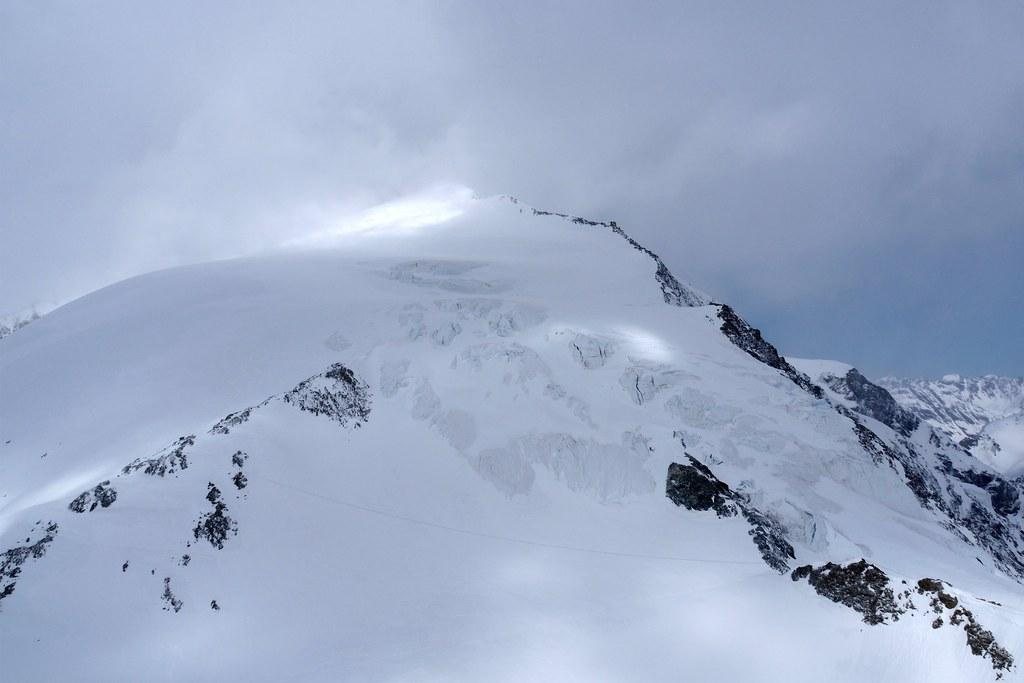
The guide's party stopped at an exposed saddle, where the rocky ground made it impossible to dig a snow cave and emergency blankets were blown away by strong winds. The same night, all 4 members of a group a few metres away survived after digging a snow pit, building snow walls and staying awake. When an overnight stay is unavoidable, first find a sheltered place with snow deep enough.
 29 Apr 2018 · HikingPigne d'Arolla storm night: 7 ski tourers killed
Being soaked is the beginning of hypothermia
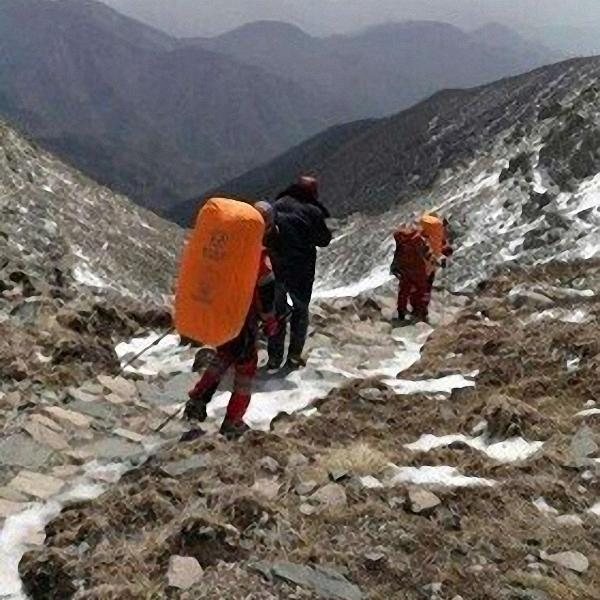
The group members' outdoor jackets were already soaked on 2 May. The campsite was damp and they could not start a fire; nighttime temperatures subsequently fell to minus 18 to 20 degrees. The last victim died of hypothermia. On a high-altitude ridge, waterproofing, spare dry clothes and a reliable sleep system determine whether one can get through the night.
 3 May 2017 · HikingThree killed in blizzard during 2017 May Day holiday Ao-Tai traverse
Hypothermia comes quickly in a snowstorm
According to reports, the temperature at the site was approximately minus 2 to 3 degrees Celsius and the wind speed approximately 20 meters per second. Based on a hypothetical calculation using these conditions, Hiroshi Nose estimated that body temperature would fall below 35°C in approximately 22 minutes; after a person stopped moving because of the cold, the time limit would shorten to approximately 10 minutes. All 6 died of hypothermia.
 4 May 2012 · MountaineeringMount Shirouma Golden Week storm: Six older climbers from Kitakyushu die of hypothermia at Sangokuzakai
Cold-weather clothing was still in the backpacks
The lids of the backpacks containing cold-weather clothing were open for almost everyone at the site; 5 were lying in the same place with a simple tent beneath them. According to reports, when found they were wearing only relatively thin clothing such as raincoats and T-shirts, while down jackets were in the recovered backpacks.
4 May 2012 · MountaineeringMount Shirouma Golden Week storm: Six older climbers from Kitakyushu die of hypothermia at Sangokuzakai
Hypothermia can occur in summer too
Temperatures of eight to ten degrees, strong winds and being soaked through are enough to cause hypothermia. Police said the deceased had brought only thin raincoats; insulating layers and reliable waterproof clothing are also needed in the high mountains in summer, and exposed spots should be avoided as much as possible when crossing rivers or waiting.
 16 Jul 2009 · MountaineeringHypothermia deaths in Mount Tomuraushi tour group
Failing to return to camp means a night in the death zone
Sharp did not return to camp on the evening of 14 May and spent a night above 8000 metres. The north-side high camp itself is at approximately 8230 metres; once exhausted, a person must walk for several hours to reach slightly denser air.
 15 May 2006 · MountaineeringDavid Sharp dies on Everest's north side
Without overnight equipment on summit day, there is no margin
When she left Camp IV, she had no sleeping bag, stove or food. When darkness fell above 8000 metres, she could only spend the night wrapped in a bivouac sack in a snow cave. A lightweight summit push depends on being able to return to camp the same day; once the pace falls short, the same equipment is not enough to get through a night.
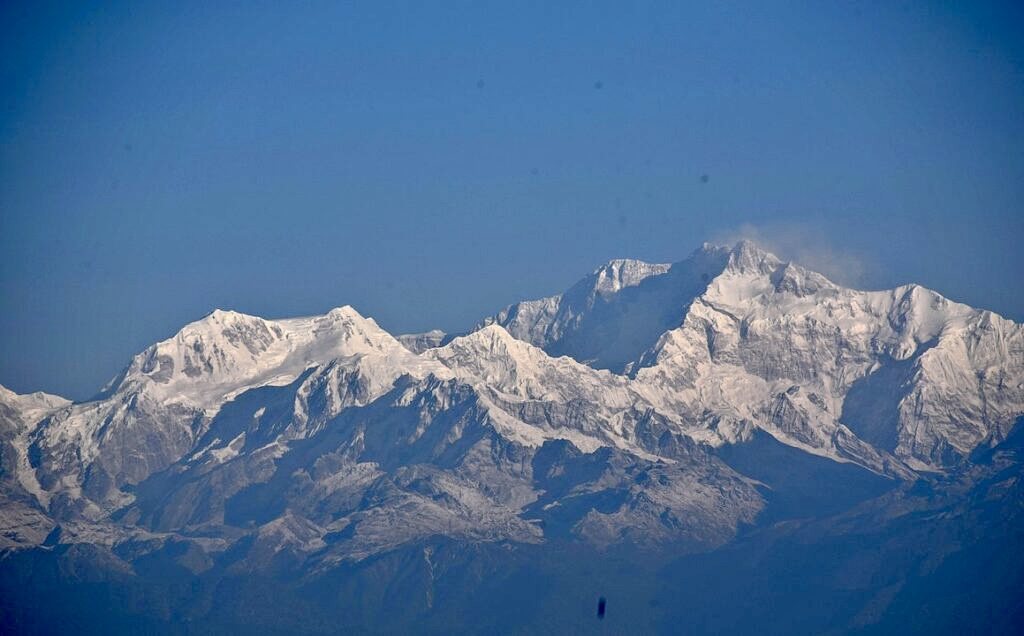 12 May 1992 · MountaineeringWanda Rutkiewicz disappears on Kangchenjunga
Choose tents and clothing for the worst winds
According to reports, the women's team used cotton tents and wooden poles, and their equipment was relatively old. Strong winds destroyed the tents twice, and backpacks, stoves and gloves outside the sleeping bags were blown away. For camping above 7000 metres, equipment must be able to preserve body heat and protect basic supplies in strong winds.
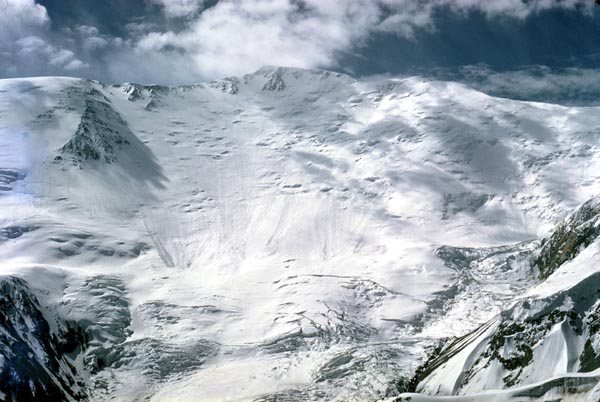 Aug 1974 · MountaineeringEight members of Soviet women's mountaineering team die on Lenin Peak in 1974
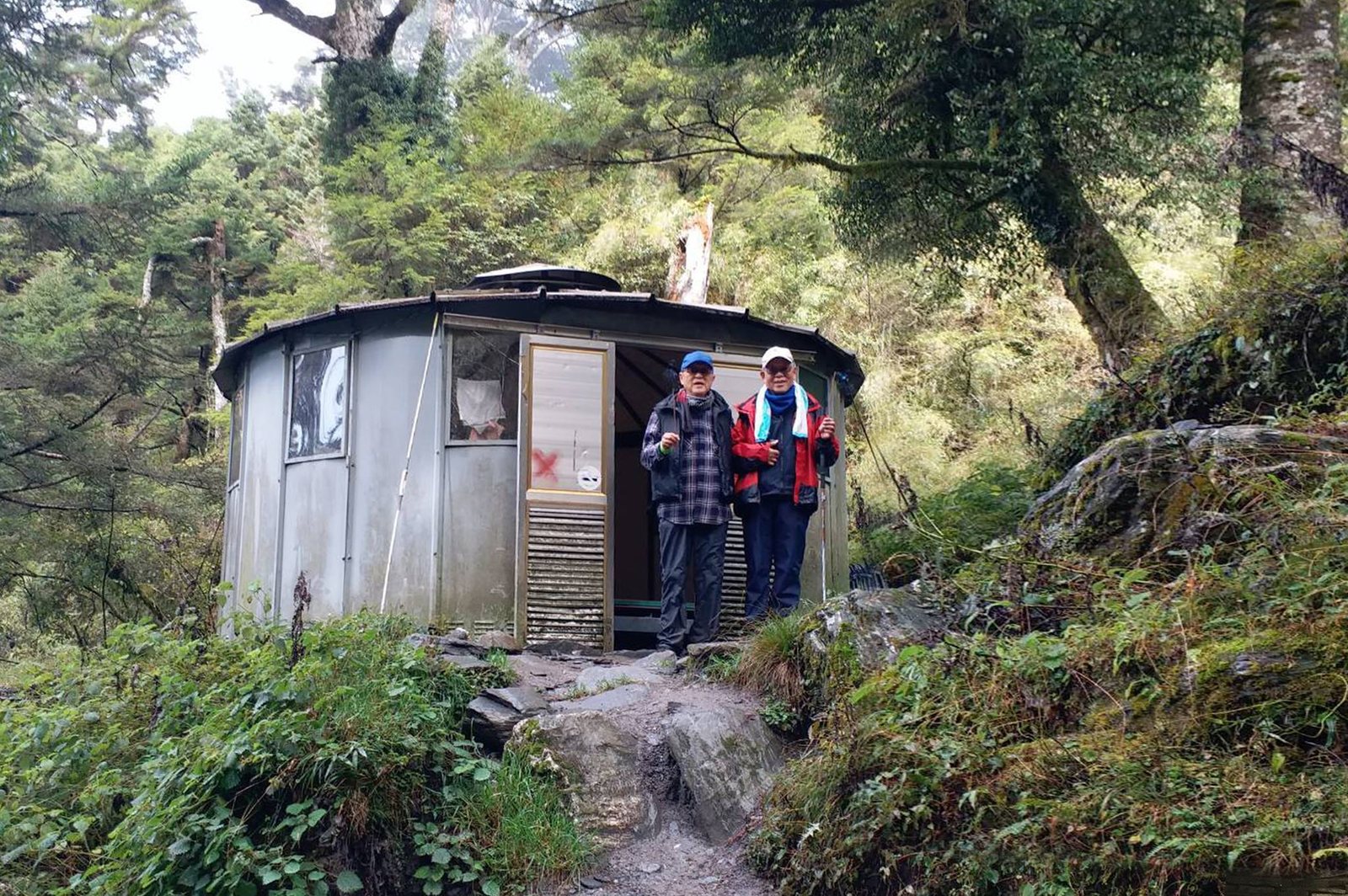
Strong winds and cold rain quickly deplete energy
On the afternoon of the 25th, the party pressed on against winds of about force 14. According to reports, the members were cold all over and suffering cramps, and could not pick up speed. Strong winds and cold rain can cause body temperature to drop rapidly; in such weather, an early decision should be made whether to retreat, seek shelter from the wind or stay in place and keep warm.
 25 Jul 1971 · Mountaineering1971 Tsing Hua University Nuclear Engineering Department Qilai Mountain Disaster
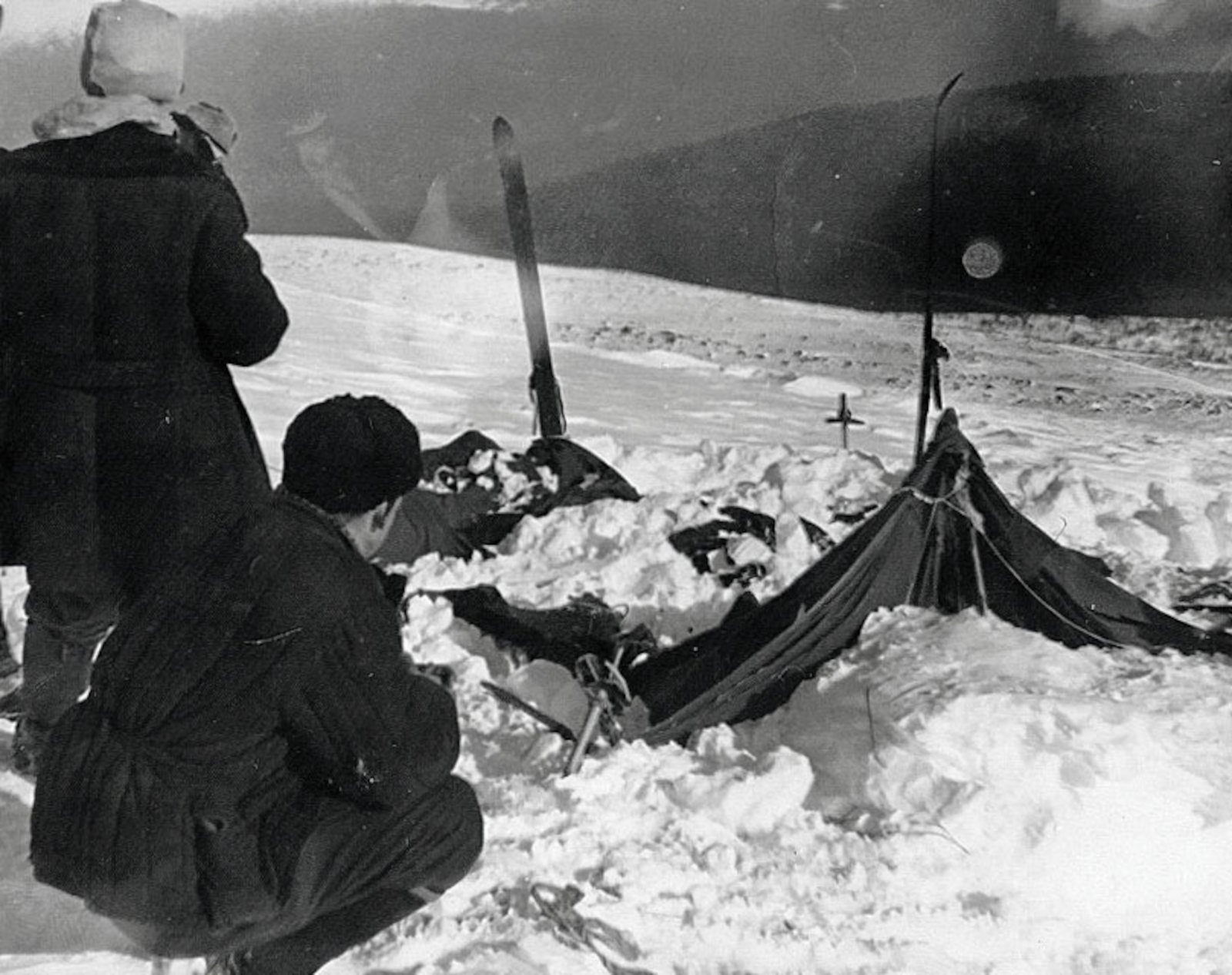
Leaving the tent means leaving warmth behind
The members left the tent without suitable clothing, leaving all their personal belongings behind, and most ultimately died from hypothermia. On a night below −20°C, a tent, sleeping bags and outer clothing are a lifeline. Even during an emergency evacuation, try to take warm gear along.
 1 Feb 1959 · HikingDyatlov Pass incident
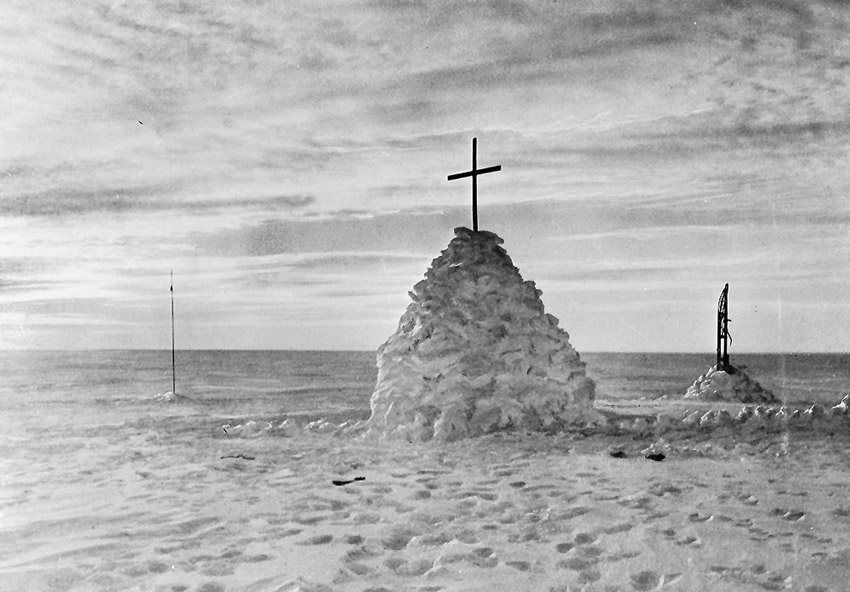
Low temperatures can change travel speed
Later research concluded that temperatures on the ice shelf that year were significantly lower than usual and that the snow surface was also more difficult to haul over. Planned speeds should allow a margin for the worst low-temperature and snow-surface conditions, rather than being based on an average year.
 Mar 1912 · OtherScott's entire party dies on return from South Pole
 GuituluGlobal Outdoor Accident Archive