Crowding is a risk in itself
The incident occurred during the busiest summit window of the season, with large numbers of climbers crowded onto the same fixed rope on the summit ridge. After the collapse, congestion left many people stranded at altitude with dwindling oxygen. When choosing a summit day, crowd levels deserve as much consideration as the weather.
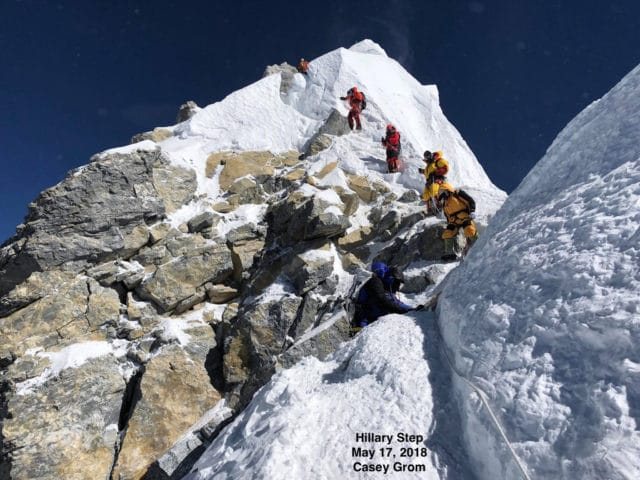 21 May 2024 · Mountaineering2024 Everest Hillary Step cornice collapse
Spend less time and make fewer trips through the most dangerous sections
By convention, people cross the Khumbu Icefall in the early morning, when temperatures are low and the ice is more stable, but it remains the most dangerous section of the south-side route on Everest. The “Football Field” section is particularly exposed to the threat of falling ice towers. Mountain guides make multiple trips through such sections each season to carry supplies for expeditions; after the accident, authorities reportedly approved the use of helicopters to carry some supplies up.
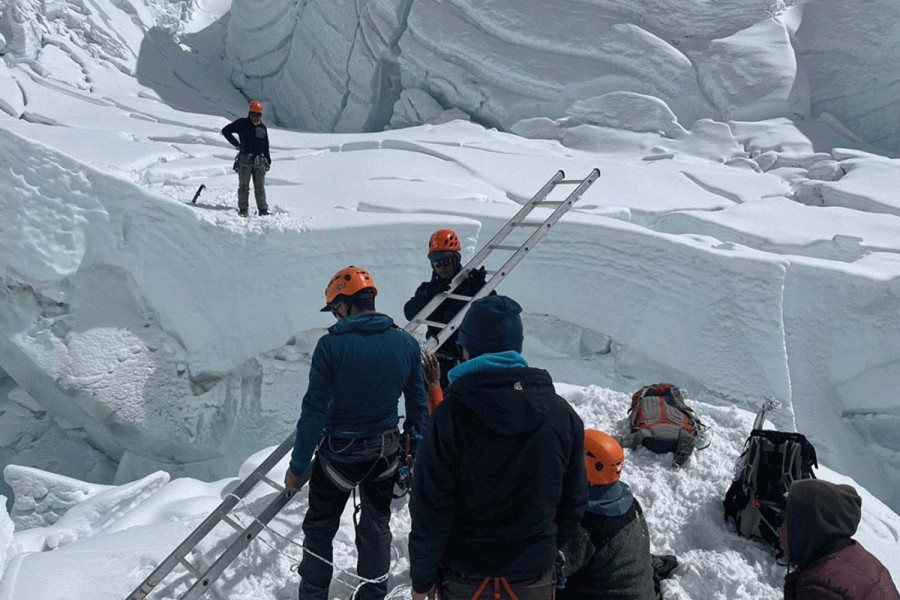 12 Apr 2023 · MountaineeringKhumbu Icefall collapse: Three Sherpa guides killed
Prepare oxygen supplies for congestion
Several people who were there said congestion added hours to the normal round trip to the summit, and some people ran out of bottled oxygen while queuing. According to reports, one expedition company anticipated congestion and stocked extra oxygen in advance on the high-camp section of the route; its members used more than the standard allotment.
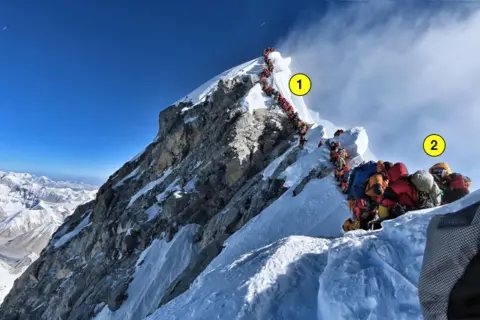 22 May 2019 · Mountaineering2019 Everest “Traffic Jam” and Deadly Season
Remaining oxygen determines whether a descent can be completed
According to Purja, Baidya and his guide had already run out of oxygen at 8450 metres. After giving away their own oxygen, the rescuers could only continue the rescue without it. In a summit plan, oxygen needed for the descent is as important as oxygen for reaching the summit.
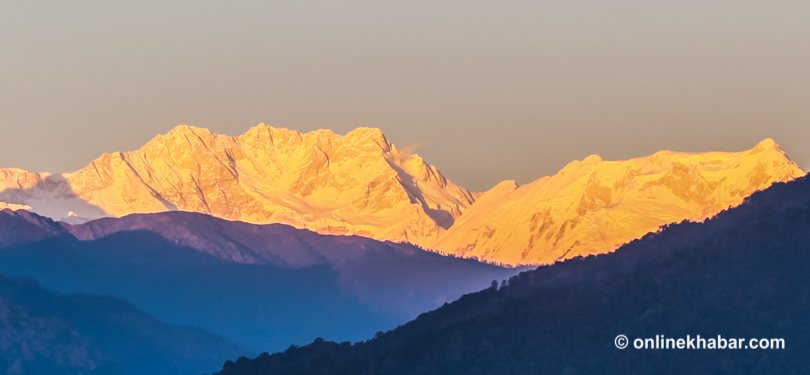 15 May 2019 · Mountaineering2019 Kangchenjunga summit-day deaths
Solo climbing makes accidents difficult to reconstruct
Steck was climbing alone on Nuptse that day, and his family said the exact circumstances remained unclear. According to reports, the head of the Nepal Mountaineering Association said that nobody knew what had happened precisely because Steck had been climbing alone; the association had also consistently advised the government to restrict foreigners from climbing alone.
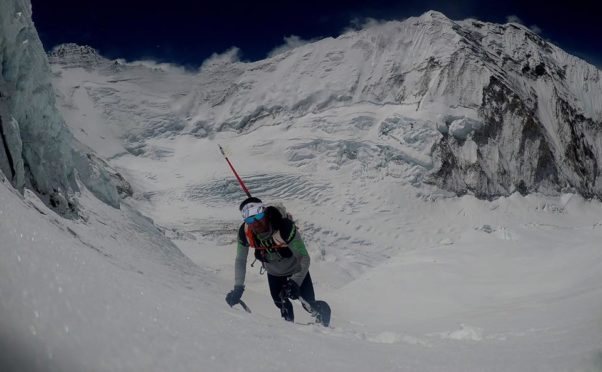 30 Apr 2017 · MountaineeringUeli Steck dies in fall on Nuptse
The most dangerous section is on the descent
Before setting out, Arnold said that two-thirds of accidents happen on the descent and that, amid the joy of reaching the summit, the most dangerous part is still ahead. He died of altitude sickness in the area of Camp 4 on the South Col on the night he reached the summit. Strydom had turned back at the South Summit and also collapsed during the descent.
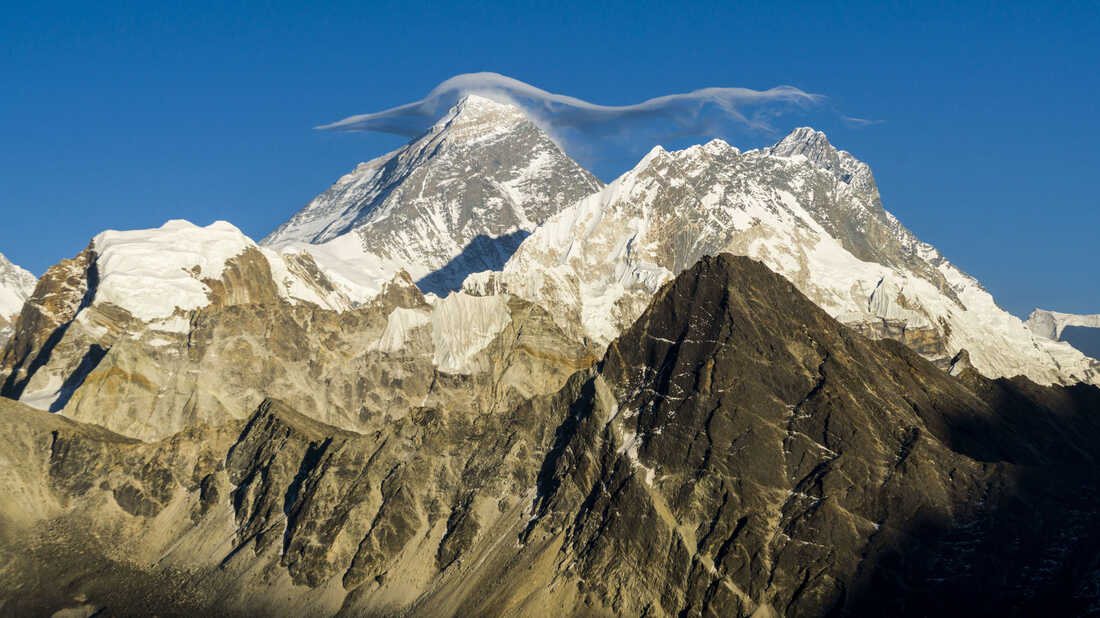 21 May 2016 · Mountaineering2016 Everest Southeast Ridge: Strydom and Arnold die during descent
Base Camp's protection has limits
Everest Base Camp normally relies on its distance from avalanche paths and the barriers formed by moraine terrain to protect it from avalanches. This time, the earthquake dislodged a large mass of ice from the saddle between Pumori and Lingtren. Several experienced guides and climbers said an avalanche of this scale had never occurred in the area.
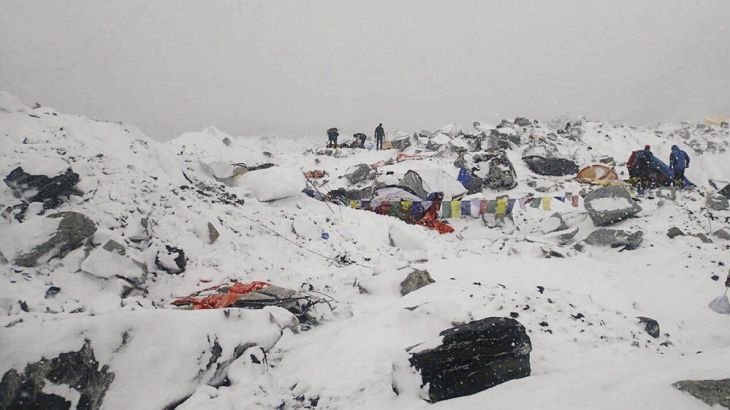 25 Apr 2015 · Mountaineering2015 earthquake avalanche at Everest South Base Camp
Below a hanging glacier, time spent is exposure to risk
The route on the left side of the Khumbu Icefall avoided the seracs and crevasses within the icefall, but was directly exposed beneath the hanging glacier on the West Shoulder. The exact trigger for the serac collapse remains unknown. Risks of this kind cannot be predicted; time in the danger zone can only be kept as short as possible, and warnings that have led experienced guides to call off climbs must be taken seriously.
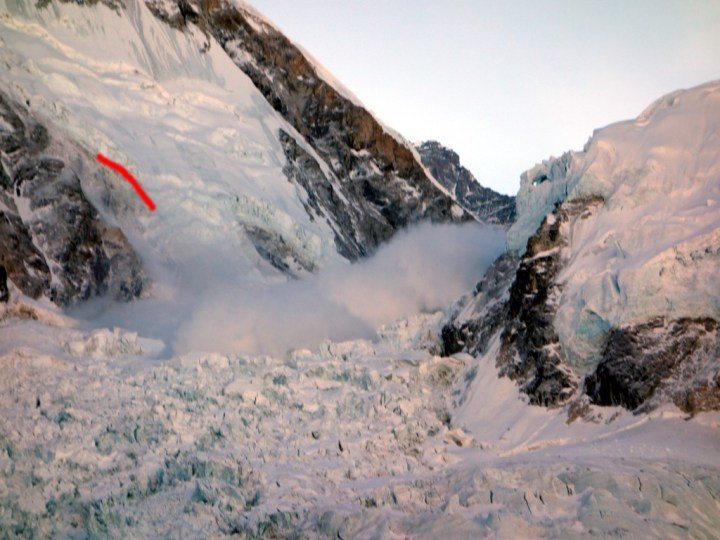 18 Apr 2014 · MountaineeringEverest Khumbu Icefall ice avalanche: 16 Nepali mountain guides killed
Set a firm turnaround time
Climbers are generally advised not to enter the danger zone above the South Col too late; many guides believe they should turn back by 1 p.m. at the latest. At 2:30 p.m. that day, people were still queuing below the Hillary Step to climb upward, and Shah-Klorfine did not summit until shortly after 2 p.m.
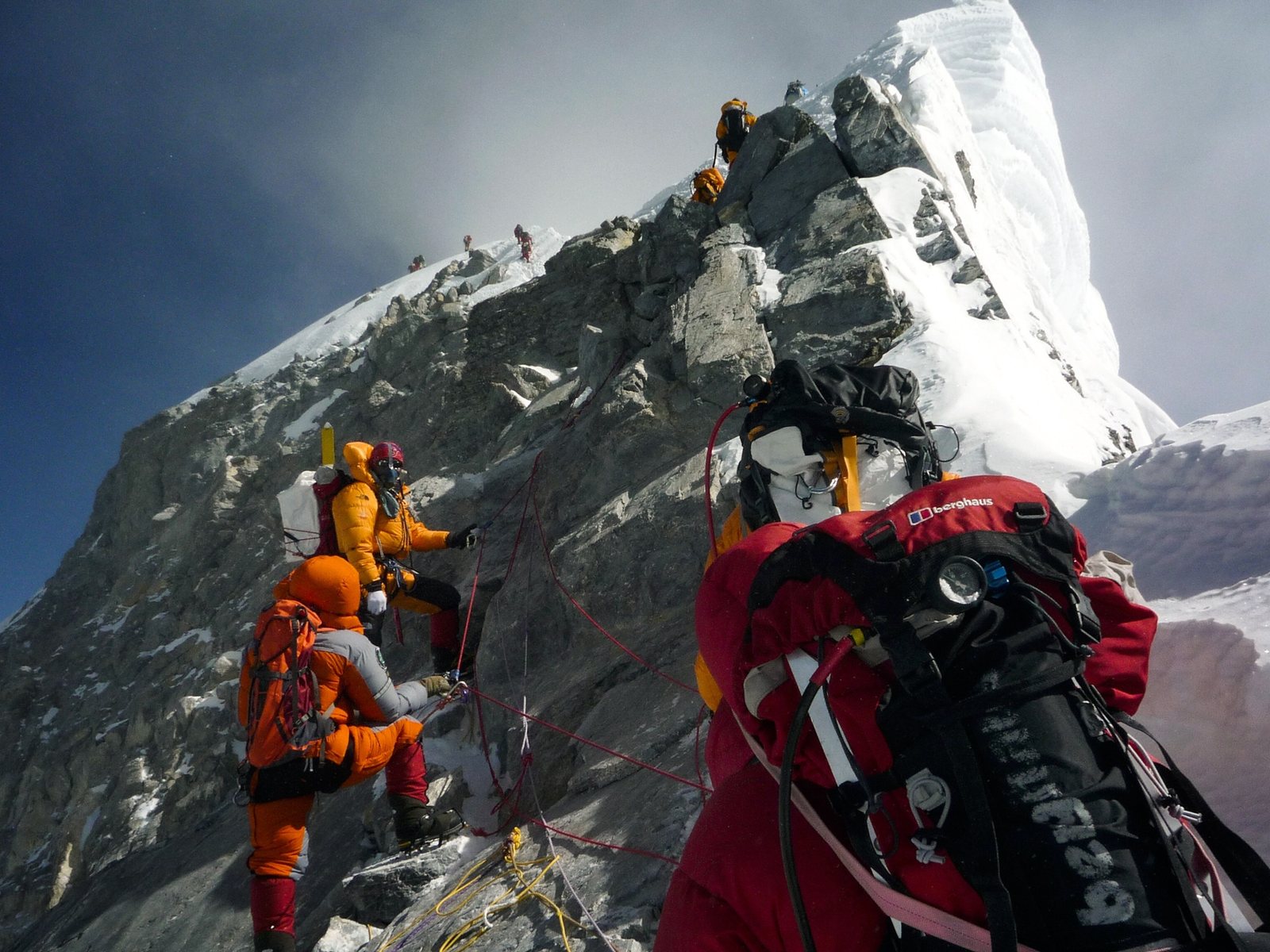 19 May 2012 · Mountaineering2012 Everest Southeast Ridge congestion: Four die during descent
 GuituluGlobal Outdoor Accident Archive