After heavy snow, wait for it to stabilise
After the heavy snow around 22 July, most teams chose to leave. According to an interview by National Geographic, one climber who left said that after heavy snow, people should stay put and wait for several days of good weather without snowfall, allowing the fresh snow either to bond firmly or slide down.
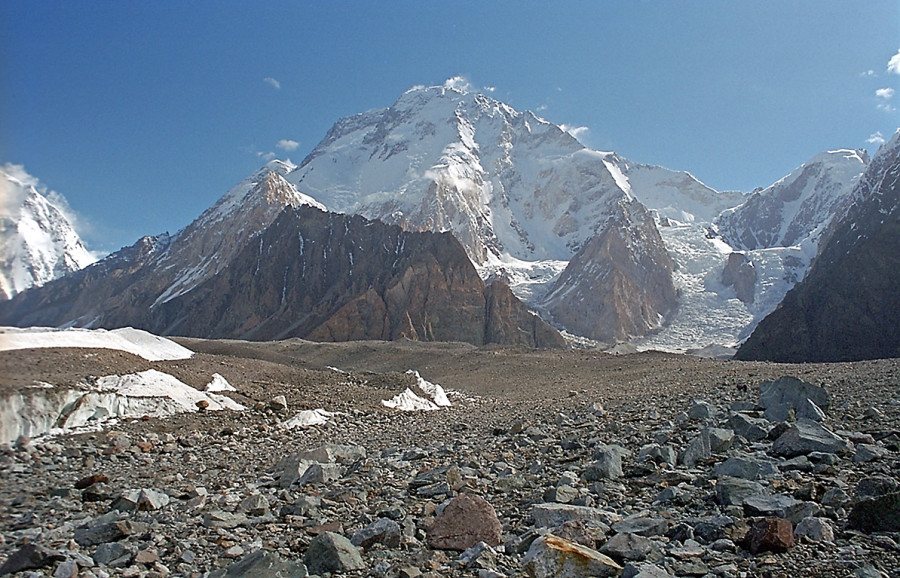 30 Jul 2026 · Mountaineering10 climbers killed in Broad Peak avalanche
During rockfall season, the time of passage is itself a risk
According to a teammate's recollection, the team passed through the section with the highest rockfall risk in the early morning, when the rocks were frozen. On the descent, they were also told to wait until the other teams had come down before proceeding, to reduce rockfall caused by people. Exposure time on such sections and the number of people on the mountain at the same time are variables that need to be calculated in advance.
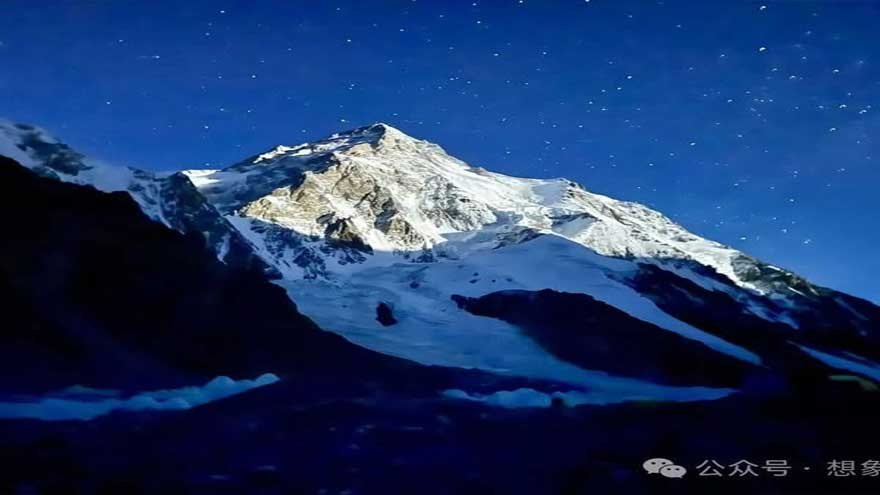 12 Aug 2025 · MountaineeringGuan Jing killed by rockfall while descending K2
Watch for rockfall during descent and rappelling
The accident happened on a rappel during the descent, around midday. The rockfall was reportedly triggered by a rope manoeuvre. According to reports, the Karakoram was unusually dry that season, with continuing rockfall on several peaks. On rock faces prone to rockfall, descending is no safer than climbing, and care is also needed when handling ropes to watch for rocks that may be dislodged.
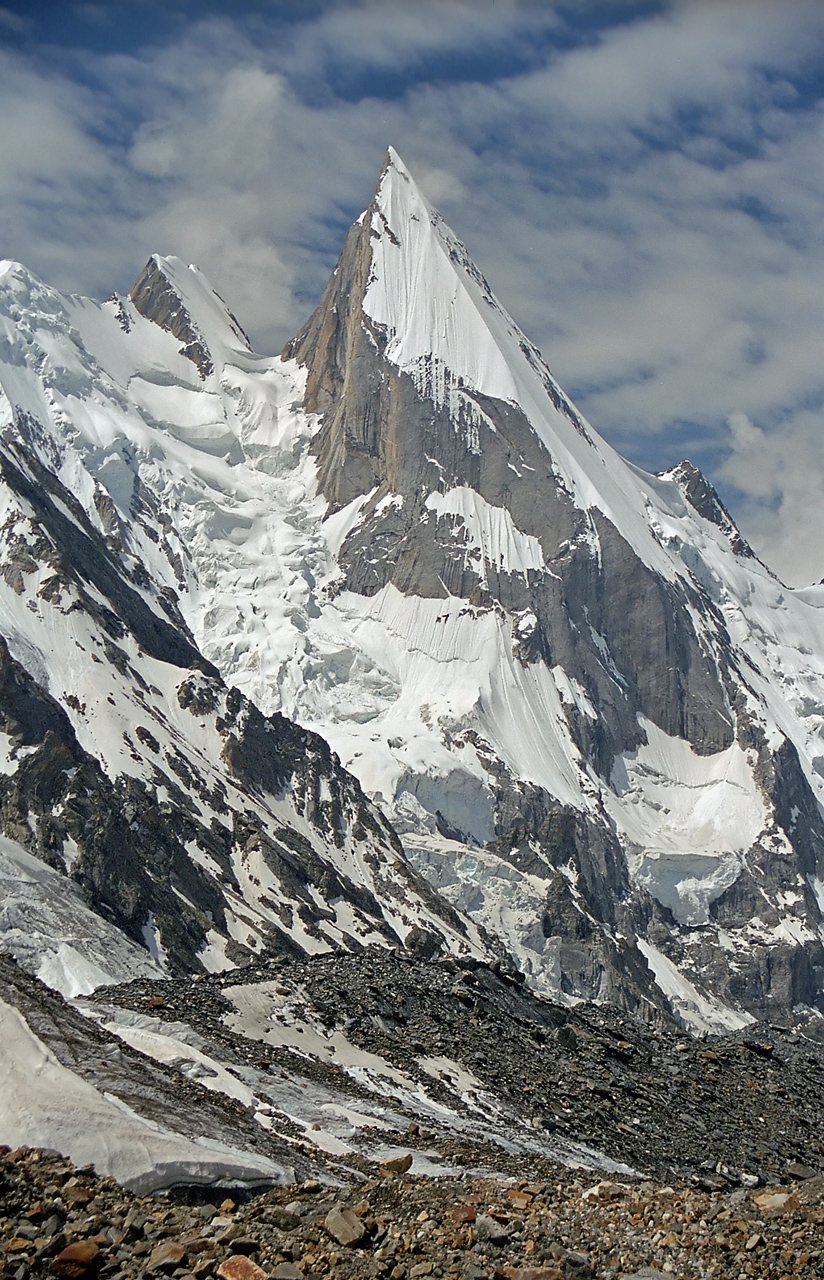 28 Jul 2025 · MountaineeringLaura Dahlmeier killed by rockfall on Laila Peak
Equipment and insurance are a minimum for porters
According to the inquiry report, Hassan reached the Bottleneck without a down suit, supplemental oxygen or a helmet; his employer had only paid him to purchase his own equipment and had not insured him. The authorities penalised the employer as a result, and the inquiry report also recommended better insurance for porters.
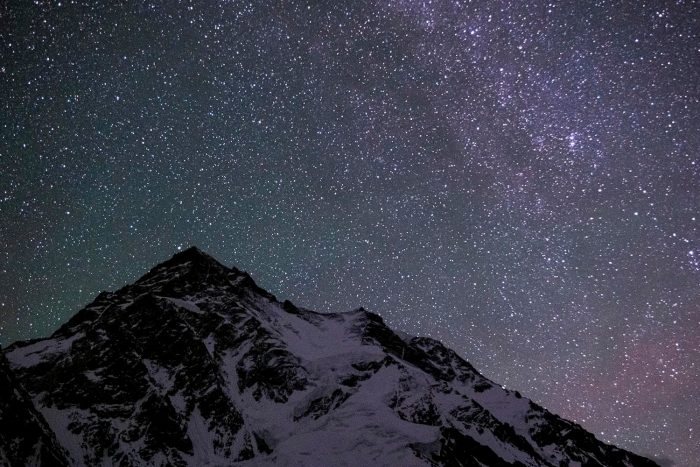 27 Jul 2023 · MountaineeringA porter on the K2 Bottleneck: The death of Muhammad Hassan
Check tents at high camp before the summit push
According to reports, climbers arriving at Camp 3 at approximately 7300 metres on the eve of the summit push found far too few tents, with seven or eight people crowded into each one. On an 8000-metre peak in winter, whether tents are in place at high camp should be checked before the summit push.
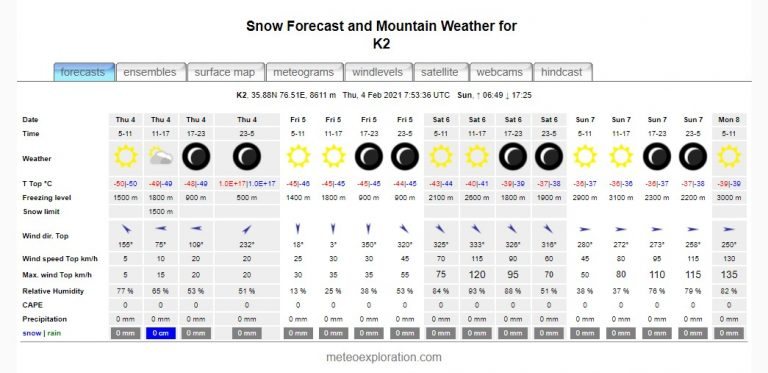 5 Feb 2021 · MountaineeringWinter K2 2021: Sadpara, Snorri and Mohr missing at the Bottleneck
Turning back is common on avalanche-prone routes
According to Ballard's own account, they turned back several times because of the threat of avalanches and also saw a large avalanche engulf their ascent route. The Mummery Spur was reported to be steep and prone to avalanches, and the search and rescue team later also encountered an ice tower collapse. The objective hazards of a route do not disappear with thorough preparation.
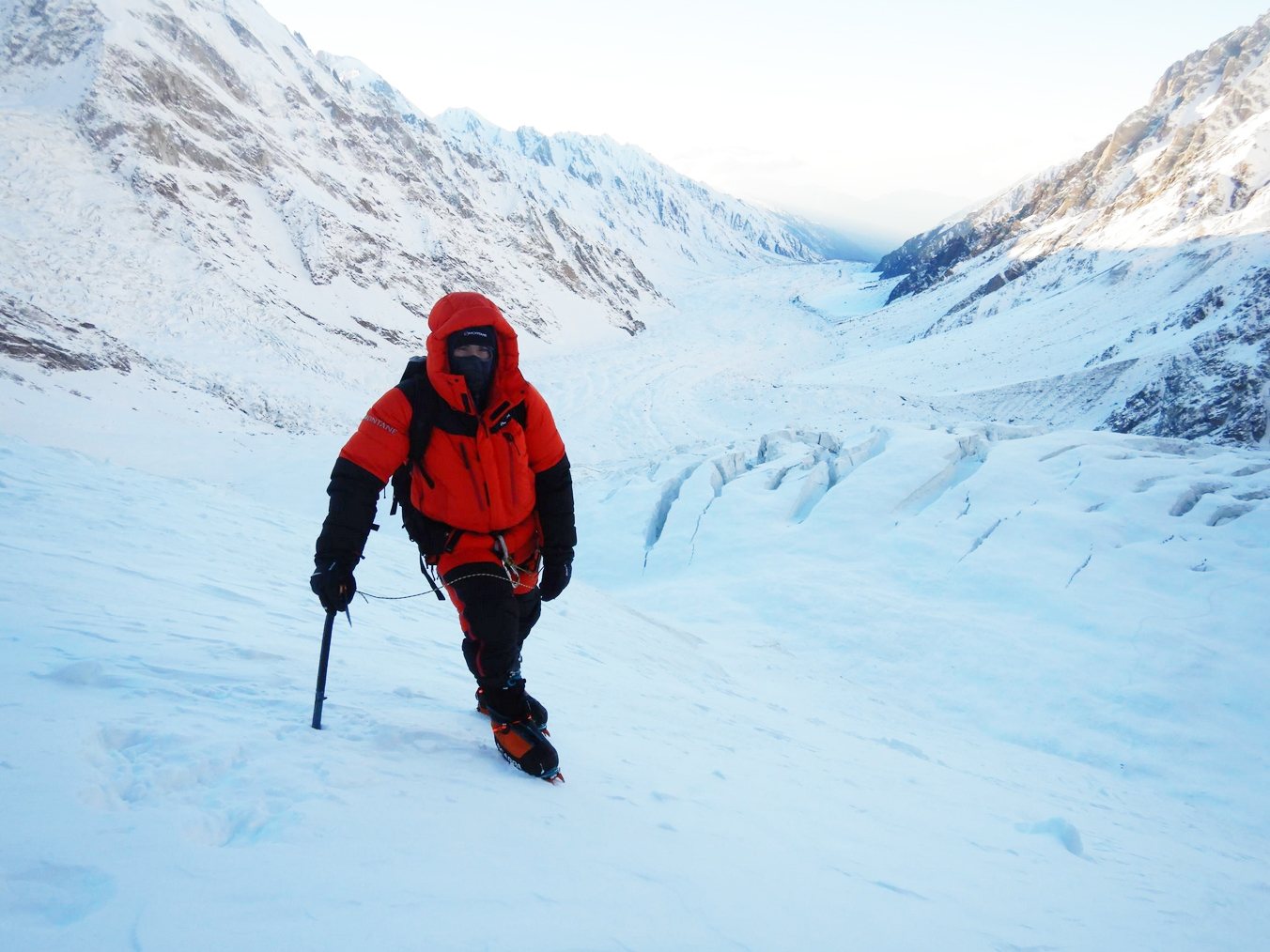 24 Feb 2019 · Mountaineering2019 Nanga Parbat winter climbing deaths of Ballard and Nardi
The descent follows the summit
The two summited on 25 January; according to reports, the weather worsened and strong winds arose the next day. During the descent, Mackiewicz developed snow blindness, severe frostbite and symptoms of pulmonary edema, and could not move on his own. Plans for winter high-altitude climbing should account for the strength and time needed for the descent, as well as changes in the weather.
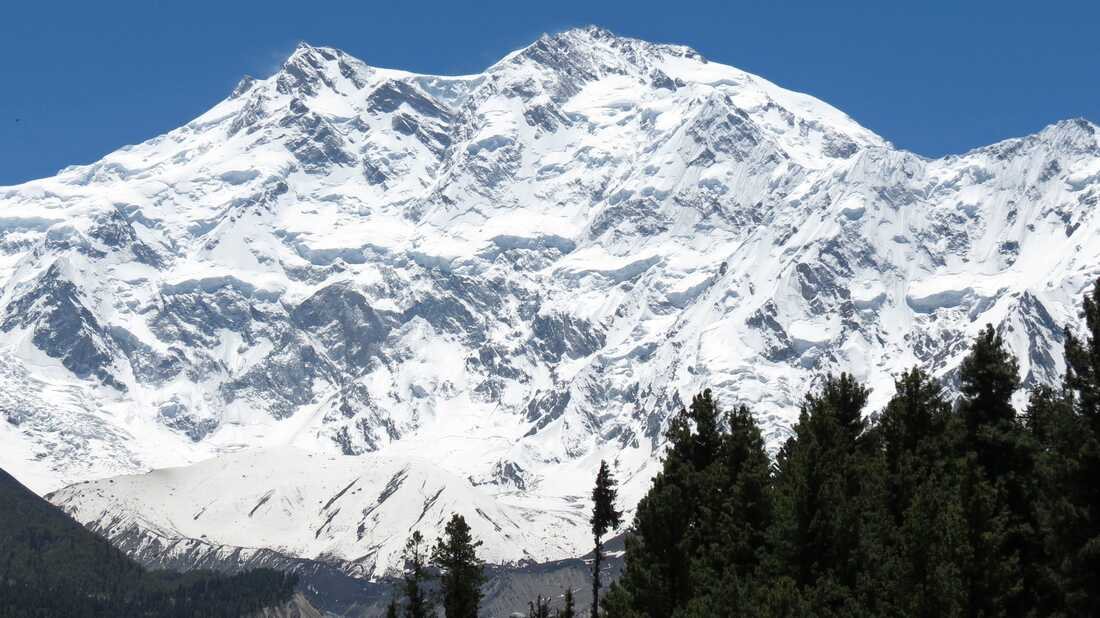 25 Jan 2018 · MountaineeringNanga Parbat winter ascent: The descent after the summit
Racing the change in weather on summit day
Both teams made their summit attempts in the same weather window: the two Polish climbers reached the summit in the morning, and the weather on the mountain deteriorated markedly during their descent, with stronger winds and reduced visibility. The three climbers had originally planned to reach the summit in the afternoon and were still about 450 metres from it when they called. On a winter summit attempt at high altitude, the turnaround time must take the forecast time of a change in weather into account.
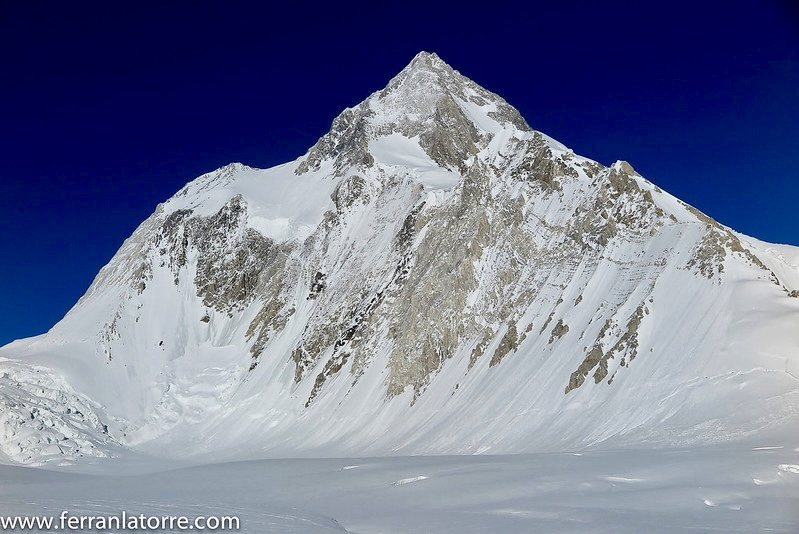 9 Mar 2012 · MountaineeringWinter traverse of Gasherbrum I: Three disappear below the summit
Observe the turnaround time
Delays began to accumulate early that morning, and many people did not reach the summit until around nightfall, leaving them to descend through the most dangerous section in darkness. Pemba later said that some had stayed at high altitude too long, and that the outcome would have been very different if everyone had retreated together after the first death.
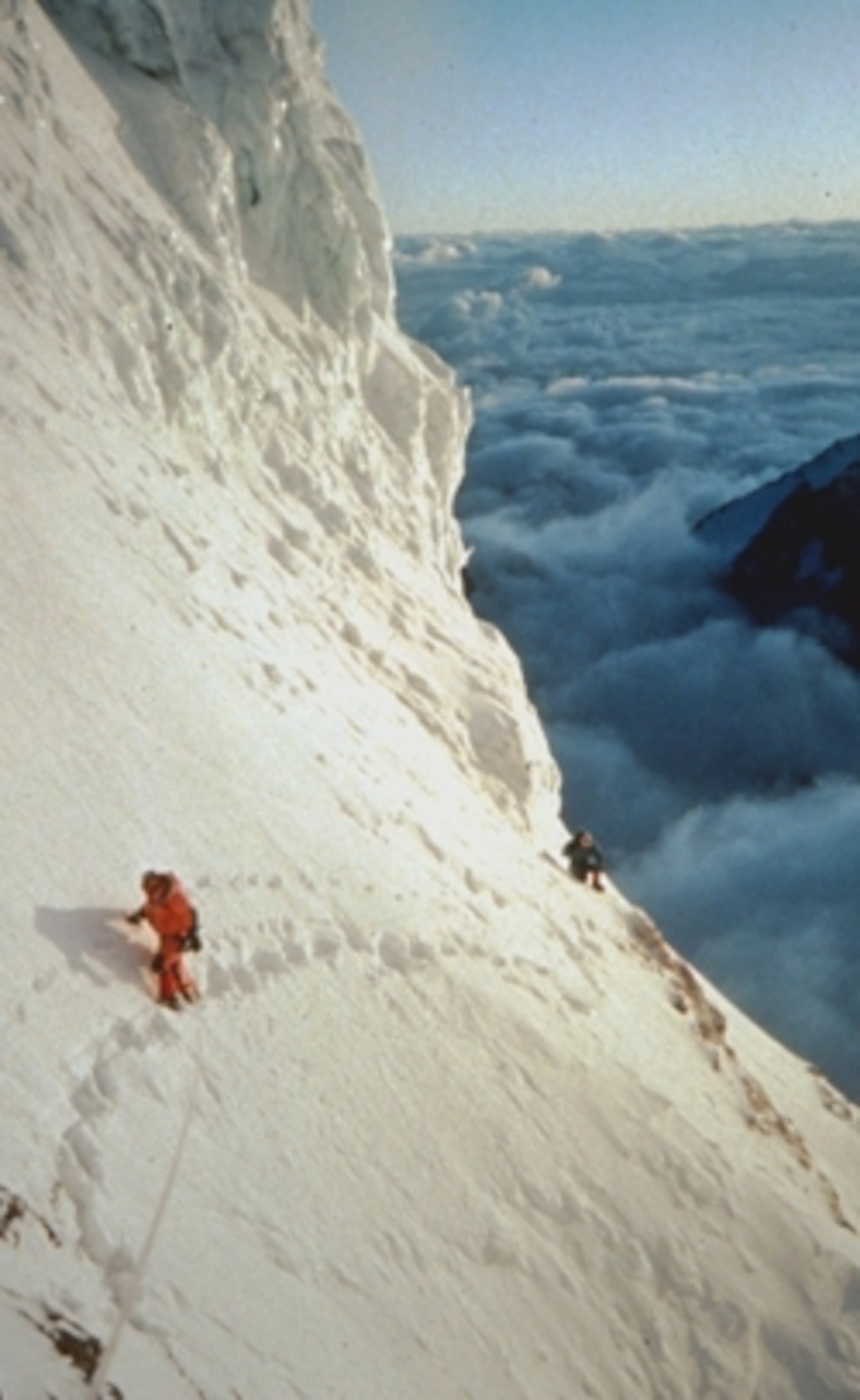 1 Aug 2008 · Mountaineering11 die in K2 Bottleneck serac collapse
 GuituluGlobal Outdoor Accident Archive