Warnings and the first snow are signals to turn back
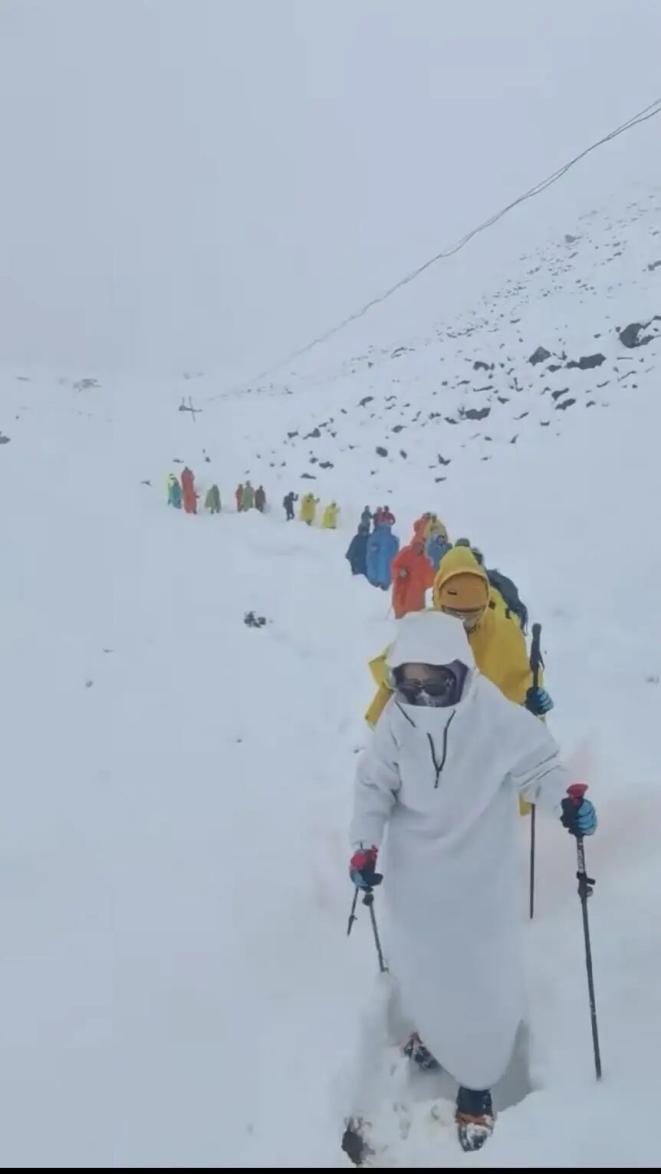
The Shigatse City Meteorological Observatory had issued a blizzard warning the day before the storm arrived. According to reports, after a small group encountered snow at Tangxiang on 2 October, its guide decided to abandon the trip to base camp and return by a shorter loop. An independent hiker also broke camp and descended before the blizzard on 4 October. On long, high-altitude routes, shortening a trip upon seeing a warning or the first snow comes at a much lower cost than being stranded.
 4 Oct 2025 · Hiking2025 Gama Valley blizzard traps hikers on Everest's east slope
Allow the snowpack time after snow and wind
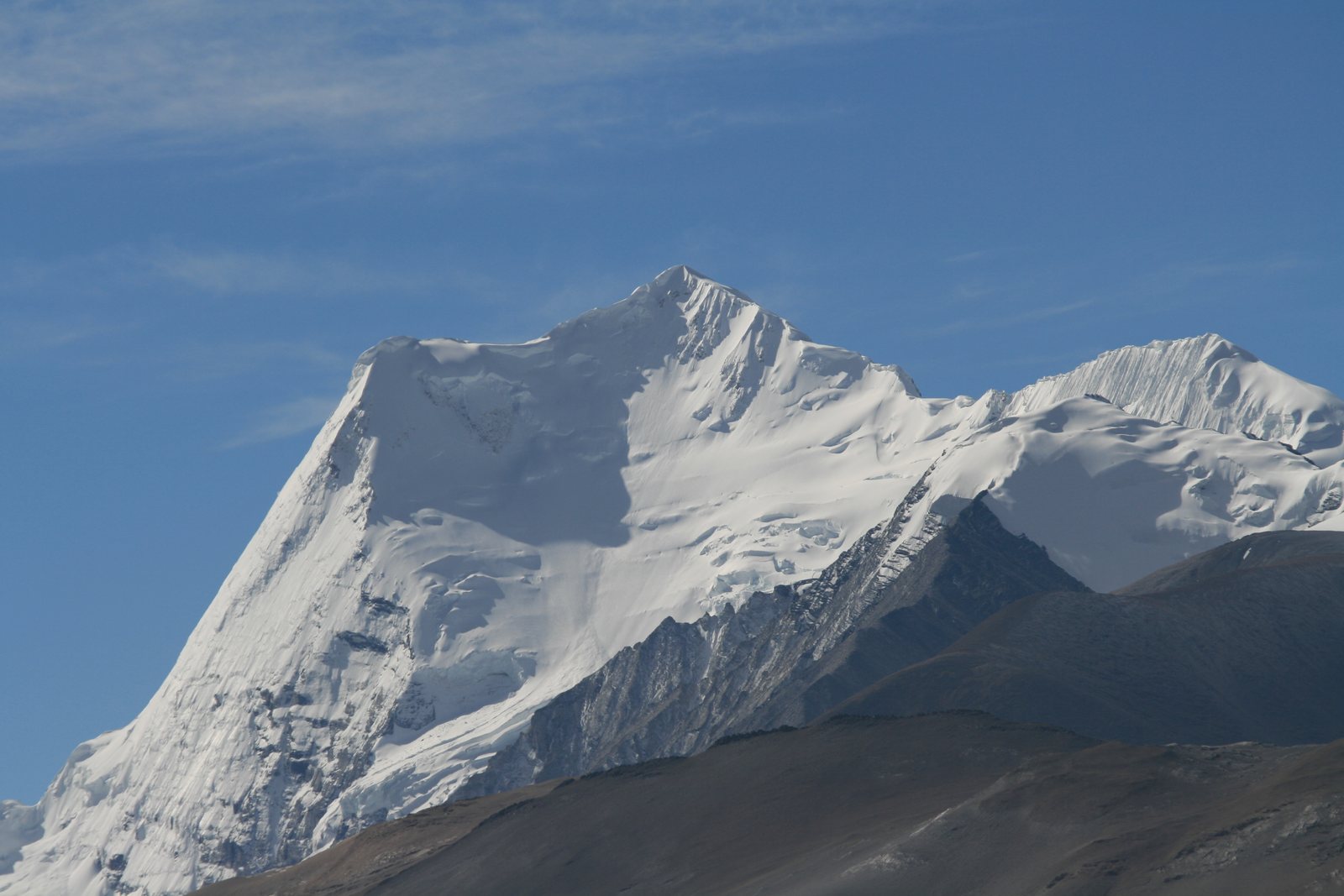
Before the incident, there was persistent snowfall and strong wind on the mountain, people at base camp had warned of avalanche conditions, and an avalanche had also occurred above Camp 1. One guide believed that pushing for the summit too soon after the storm was a risk. Fresh snow and wind-deposited snow need time to stabilise; once warnings appear, rescheduling is safer than rushing to use a window.
 7 Oct 2023 · MountaineeringFour killed in two avalanches on Shishapangma
For a winter pilgrimage, check warnings before setting out
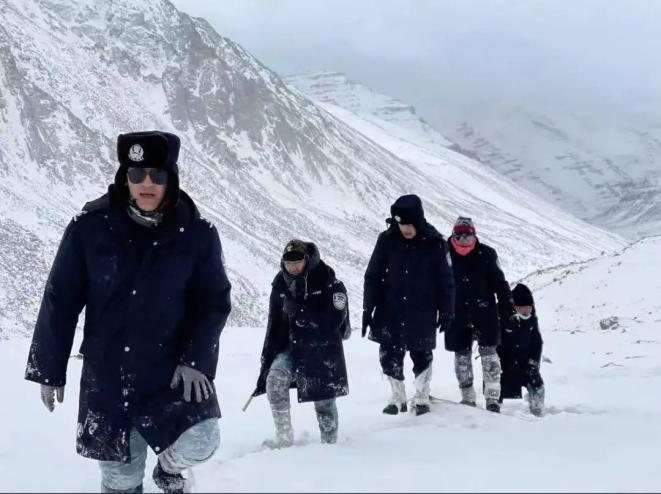
Reports said there was a local wind and snow warning and that people had tried to persuade the 5 to turn back, but they went up the mountain around the time of the heavy snowfall. Purang police advise that ice and snow hazards are frequent here from late November to late April each year. When faced with warnings and advice to turn back, abandoning or postponing the trip is the safest choice.
 2 Feb 2022 · Hiking2 die during winter pilgrimage around Mount Kailash
Have someone who will alert police if you are overdue
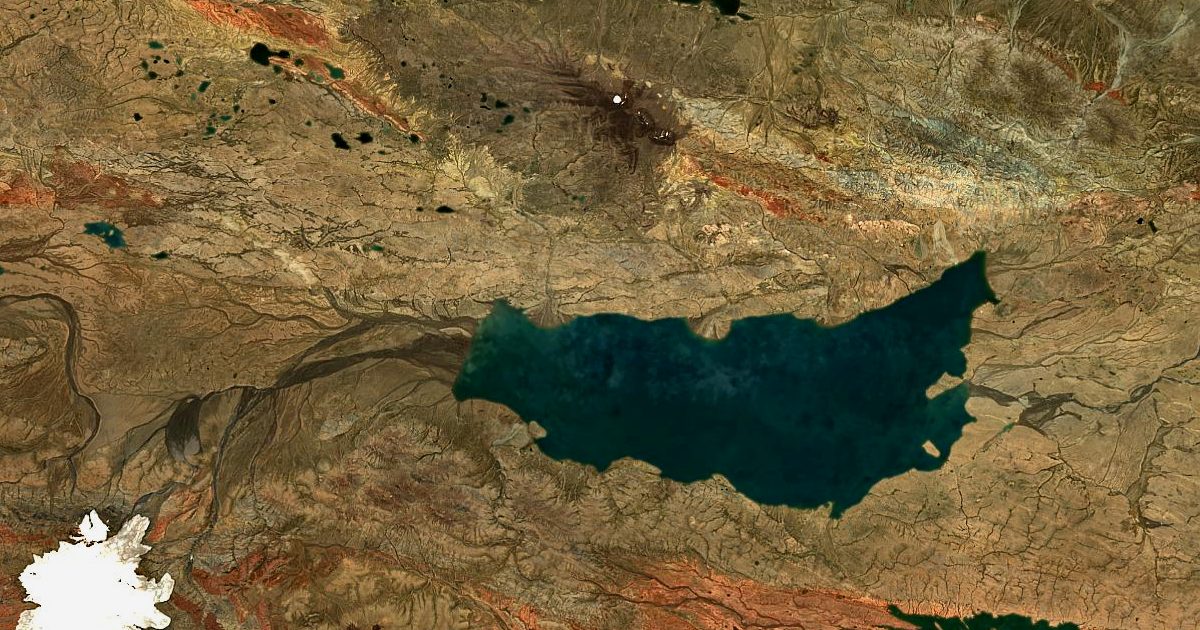
About four months passed between his last message and the first missing-person notice; even under his original plan, he would not have emerged for 80 days. Before entering an uninhabited wilderness alone, give a reliable person your route, expected exit date and a plan for what to do if you are overdue, and agree on how many days without news should pass before they alert police.
 11 Dec 2014 · CyclingLi Congming's disappearance in Changtang
Problems after the summit mark the most dangerous moment
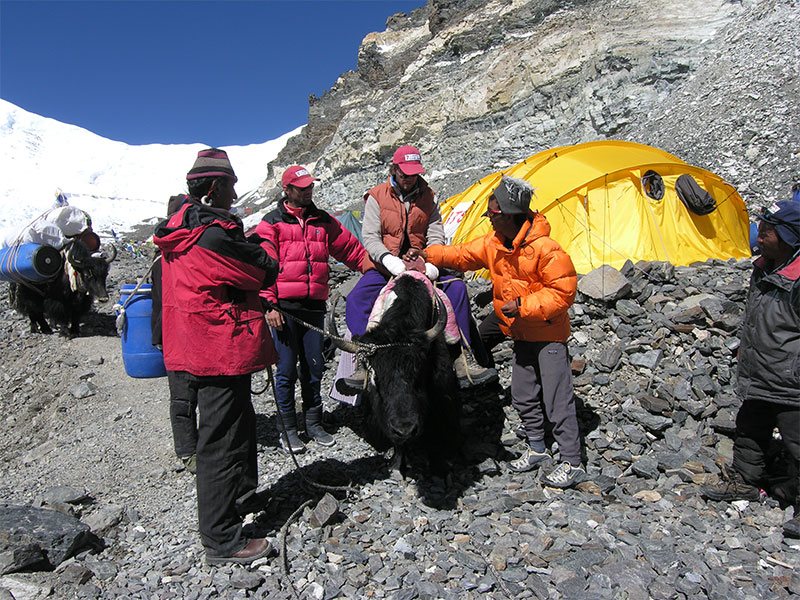
Hall developed problems shortly after reaching the summit, and his condition worsened throughout the descent. He was eventually diagnosed with high-altitude cerebral edema. Reaching the summit is only half the journey; if confusion or slow movement appears during the descent, it must immediately be treated as an emergency.
 25 May 2006 · MountaineeringLincoln Hall “returns from the dead” on Everest
Climbing alone at eight thousand metres means having no way back
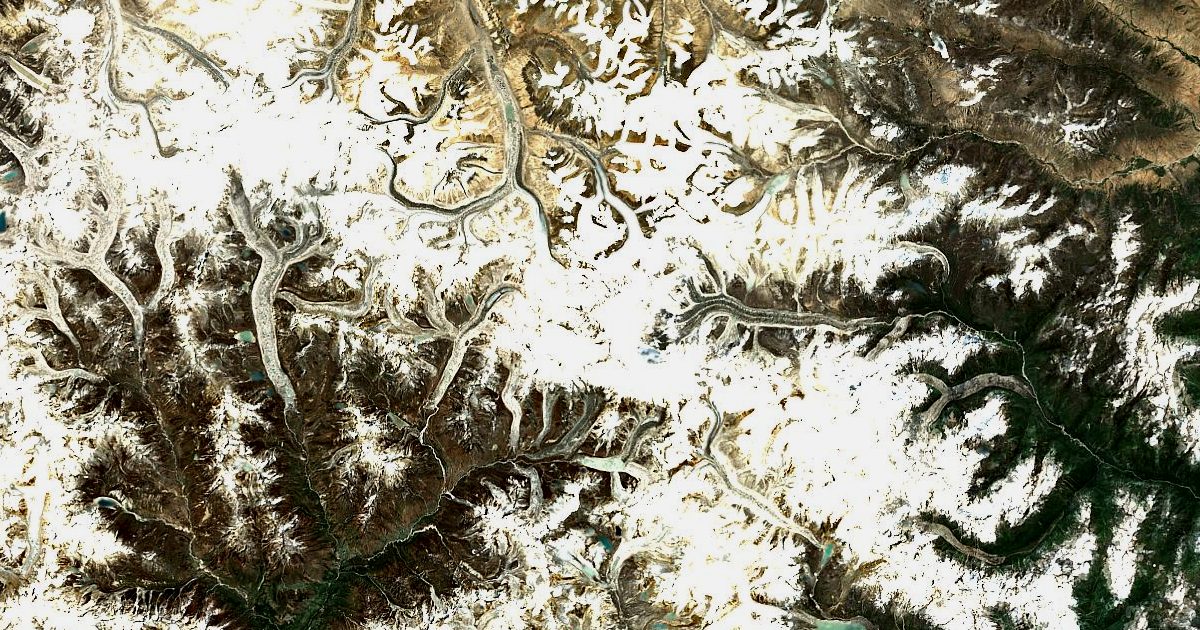
Sharp had no partner, guide or Sherpa, and carried no radio. After he collapsed, those concerned about him did not know anything had happened, and passersby could find nothing to indicate which team he belonged to. In the death zone, being able to call for help and having someone know where you are can often mean the difference between life and death.
 15 May 2006 · MountaineeringDavid Sharp dies on Everest's north side
The season itself is a risk
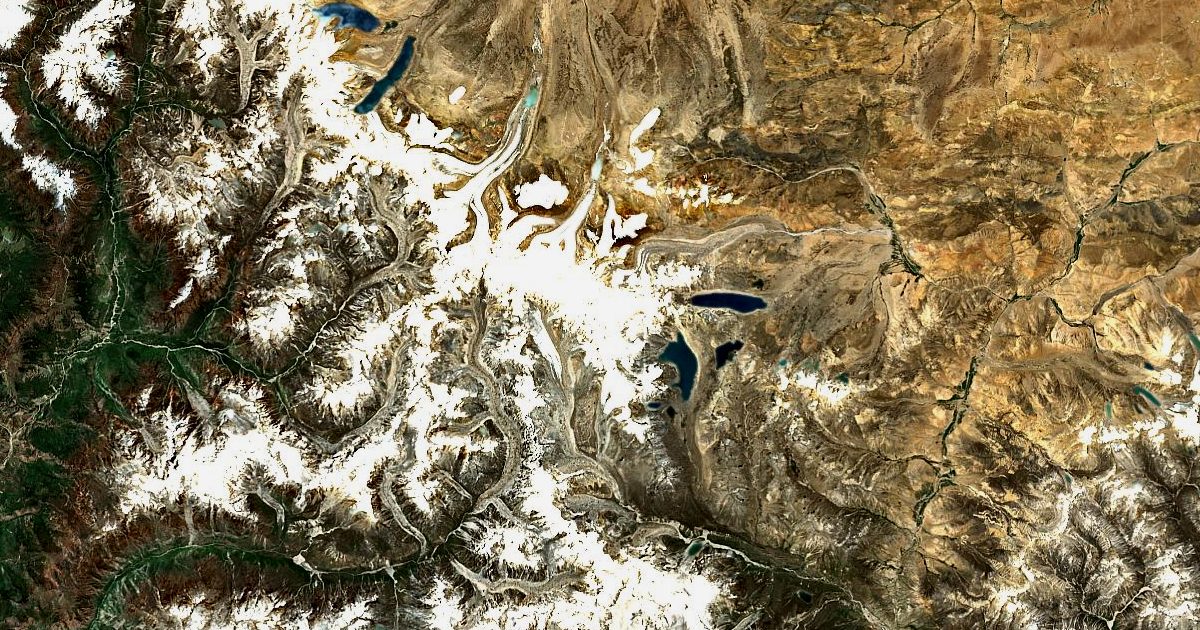
According to background information, the rainy season in the Everest region runs from early June to mid-September, and spring and autumn are better seasons for climbing Shishapangma. The team continued establishing the route and pushing for the summit despite increased precipitation and unstable weather in early August. When choosing a climbing period, plans should account for snowfall and avalanche risks during the monsoon.
 7 Aug 2002 · MountaineeringPeking University Mountain Eagle Club Shishapangma West Peak accident
Below the south face is not safe
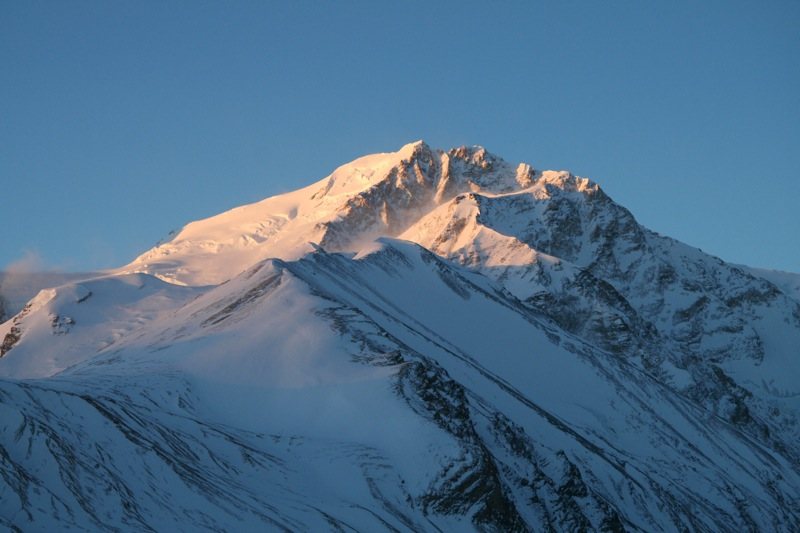
This accident happened on the glacier below the south face, not while climbing the face itself. According to the Associated Press, the snow slab broke loose from a point high above them. When acclimatising or scouting a route, avalanche terrain overhead must also be factored into the risk.
 5 Oct 1999 · MountaineeringShishapangma avalanche: Alex Lowe and David Bridges killed
Set a firm turnaround time in advance
It was already evening when the two reached the summit, having previously set out and turned back several times in succession above 8200 meters. In a memorial article, a friend also wondered why they had continued upward long after the noon turnaround time. A turnaround time should be set before departure, and climbers should descend when it arrives, without wavering because the summit is close.
 24 May 1998 · MountaineeringArsentiev couple die on Everest's north face
 GuituluGlobal Outdoor Accident Archive